
A list of heirloom vegetables from the six Tohoku prefectures | The regional food culture we want to protect

Summary of this article
The Tohoku region has many distinctive heirloom vegetables nurtured over a long history. This article introduces representative heirloom vegetables of the six Tohoku prefectures, along with their characteristics and background — Aomori's Shimizumori nanba and Dake kimi, Iwate's Kuretsubo kabu, Miyagi's Sendai magari-negi, Akita's Misekizeki seri, Yamagata's Dadachamame and Atsumi kabu, and Fukushima's Aizu kogiku kabocha. It also covers the challenges heirloom vegetables face, such as a decline in growers and the succession of fixed varieties, and the efforts to preserve them.
The Tohoku region, with its pronounced seasonal changes, still holds many locally distinct heirloom vegetables. Heirloom varieties rooted in the climate and land are not only ingredients but also resources that carry each place's cultivation techniques and food culture into the present.
At the same time, quite a few varieties are declining in cultivation due to dietary diversification and a shortage of successors. Efforts to re-evaluate locally handed-down vegetables and to preserve seed and pass on cultivation are underway in various places.
This article introduces representative heirloom vegetables handed down in the six prefectures of Aomori, Iwate, Miyagi, Akita, Yamagata, and Fukushima, and organizes each one's characteristics, the culture behind it, and preservation efforts. It also picks up items that chefs, tourism professionals, and those involved in food education will find useful as a reference for putting them to use.
TOC
What are the heirloom vegetables of the six Tohoku prefectures? Their value and their crisis
The Tohoku region has heirloom vegetables unique to each prefecture.
Yamagata Prefecture is known as one of the prefectures with the most surviving heirloom crops in Japan. A survey by the Faculty of Agriculture of Yamagata University and the Yamagata Heirloom Crops Research Group organized about 160 items, and Yamagata Prefecture's "Treasures of Food: Snow Country Yamagata Heirloom Vegetables" organizes 87 items. Across Tohoku as a whole, several hundred heirloom vegetables have been cultivated and preserved.
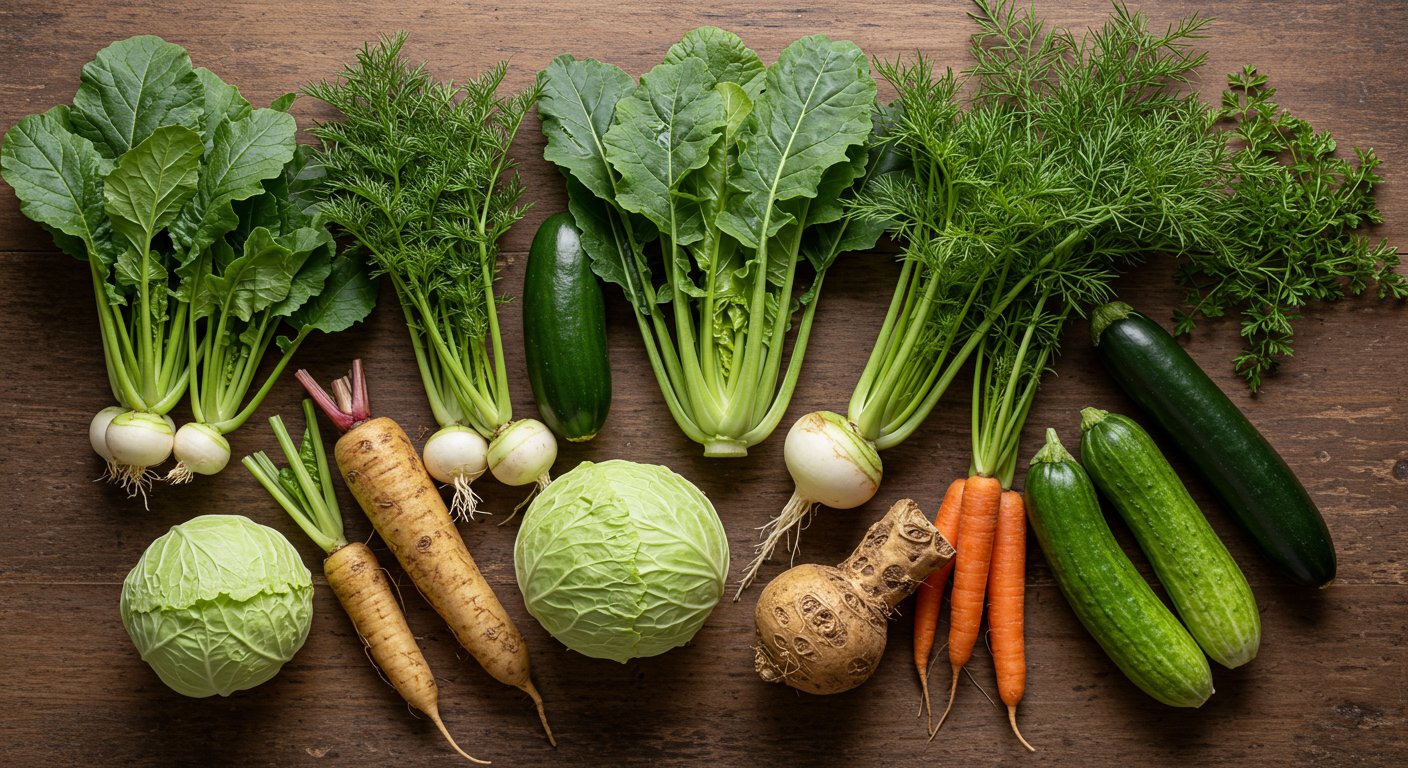
However, these heirloom vegetables face challenges to their survival. Some varieties are shrinking in cultivated area due to aging and declining growers, a shift toward efficiency-focused agriculture, and changing consumer tastes.
Representative heirloom vegetables of the six Tohoku prefectures
Each Tohoku prefecture has heirloom vegetables unique to its land. Here we introduce a representative variety from each prefecture.
Aomori's heirloom vegetables
In Aomori, vegetables adapted to the cold climate and with high storability have been nurtured. "Shimizumori nanba" is an heirloom chili grown for about 400 years centered on the Shimizumori district of Hirosaki, whose heat and aroma are used in the local dish kaiyaki-miso." "Dake kimi" from the foot of Mt. Iwaki in Hirosaki is a strongly sweet corn, a summer specialty shipped right after being picked in the early morning.
Aomori's heirloom vegetables are mainly varieties selected and seed-saved across generations under a cold climate.
Iwate's heirloom vegetables
In Iwate, "Kuretsubo kabu," whose aroma and pungency stand out, has long been beloved. Grown in the Kuretsubo district of Tono, this turnip is notable for developing strong pungency when grated, and it is often used as a soba condiment, rooted in the local food culture.
Also, in the Esashi district of Oshu in southern Iwate, an heirloom mustard green called "basho-na" is handed down. With wide, thick leaves, it is notable for a sharp pungency and a crisp texture. Processed into pickles such as salt-cured or sake-lees-cured, it has been prepared in each household as a winter preserved food.
These vegetables have been handed down tied to the local food culture while adapting to Iwate's cool climate.
Miyagi's heirloom vegetables
In Miyagi, heirloom vegetables rooted in the local land are carried on.
"Sendai hakusai," grown around Sendai city, is a semi-heading Chinese cabbage bred in Miyagi from the late Meiji to the Taisho period. Because its leaves are softer than ordinary heading Chinese cabbage and it has umami and sweetness, it has been used in pickles and hot pot.
Another representative is "Sendai magari-negi." Grown centered on the Iwakiri area of Miyagino Ward, this onion, through the labor-intensive technique called "yatoi" — digging up the seedlings once and replanting them sideways — grows into a distinctive bent shape. Strongly sweet and fragrant, it is used in hot pot and as a condiment, and its rarity also makes it popular as a gift.
These vegetables have been protected not only as ingredients but supported by local cultivation techniques and food culture.

Akita's heirloom vegetables
Akita has a fragrant heirloom variety of water dropwort called "Misekizeki seri." Grown in an environment with large temperature swings, it is said to gain aroma and bite.
"Sannai ninjin" is a reddish-purple carrot grown in the Sannai district of Yokote, strongly sweet with a distinctive flavor. These vegetables have been beloved as ingredients essential to Akita's local dish "kiritanpo nabe."
Akita's heirloom vegetables are varieties that farmers have selected and seed-saved across generations to match the cool climate.
Yamagata's heirloom vegetables
Yamagata is known as one of the regions where the most heirloom crops and heirloom vegetables remain in Japan. Especially in the Shonai and Mogami areas, many heirloom crops are still carried on, deeply rooted in the local land and food culture.
"Dadachamame," grown in Tsuruoka, is an heirloom variety notable for the rich flavor of the chamame (tea-bean) type. Aroma and sweetness differ by lineage, and locally the seed has been protected household by household and district by district.
Also grown in Tsuruoka's mountainous Atsumi district, "Atsumi kabu" is a red turnip with over 400 years of history, cultivated by slash-and-burn farming. Notable for its purplish-red skin, white flesh, and firm bite, it has been processed into sweet-vinegar pickles.
In 2011, a documentary film following Yamagata's heirloom vegetables and the people protecting them, "Yomigaeri no Recipe," was released. Heirloom vegetables are, along with being ingredients, also a mirror of local cultivation techniques and food culture.
Fukushima's heirloom vegetables
In Fukushima, heirloom vegetables that differ by region are carried on in the Aizu area, the Nakadori, and the Hamadori.
"Aizu kogiku kabocha" is an heirloom squash cultivated since the Edo period, notable for its small, flat shape, strong sweetness, and mealy flesh that resists falling apart when simmered. Able to be stored for a long time, it has been valued as a provision for winter.
"Shinobu fuyuna" is an heirloom brassica nurtured in the Shinobu area of Fukushima city. Hardy against cold, it has the strength to grow even under snow. Made into pickles and ohitashi, it has supported the table as a source of winter nutrition — an heirloom vegetable.
"Aizu maru-nasu" is a round eggplant with dense flesh that resists falling apart when simmered, used in miso dengaku and simmered dishes. Notable for its round, large form and deep purple color, it has been used in Aizu's local cuisine.
FOR BUSINESS
乾燥野菜を業務用でお探しですか
国産の野菜・果物を乾燥し、必要に応じて粉砕してお出ししています。扱っている品目は100種前後で、規格は 乾燥品の一覧・パウダーの一覧 に掲載しています。
少量でのご購入は、姉妹ブランドの通販サイト OYAOYA で承っています。
The challenges heirloom vegetables face and the crisis of their survival
Tohoku's heirloom vegetables face several challenges.
The biggest challenge is the decline in growers. Because heirloom varieties must be seed-saved each year and grown the next, a decline in growers directly threatens a variety's survival. In addition, with the spread of F1 varieties that prioritize uniform shape and yield, the cultivated area of heirloom vegetables is on a downward trend.
Changing consumer tastes are another factor. With vegetables of the same standard available year-round at supermarkets, heirloom vegetables — whose shape and form change by season and region — tend to fall outside the distribution mainstream.
There is also the issue of seed. Most heirloom vegetables are what are called fixed varieties, requiring seed to be collected and preserved each year, but the farmers who possess this skill are declining.
Protecting heirloom vegetables is not only about preserving varieties; it is also an effort to carry on the food culture and cultivation techniques of the land. Rediscovering local heirloom vegetables is a step toward passing regional food culture on to the next generation.
What we can do: bringing heirloom vegetables back to the table
Here we organize what consumers and producers can do to support heirloom vegetables.
Start by getting to know your local heirloom vegetables. Visiting local farm stands and morning markets lets you encounter vegetables unique to the area. Even if they look uneven, quite a few items let you sense the difference in richness of taste and flavor.
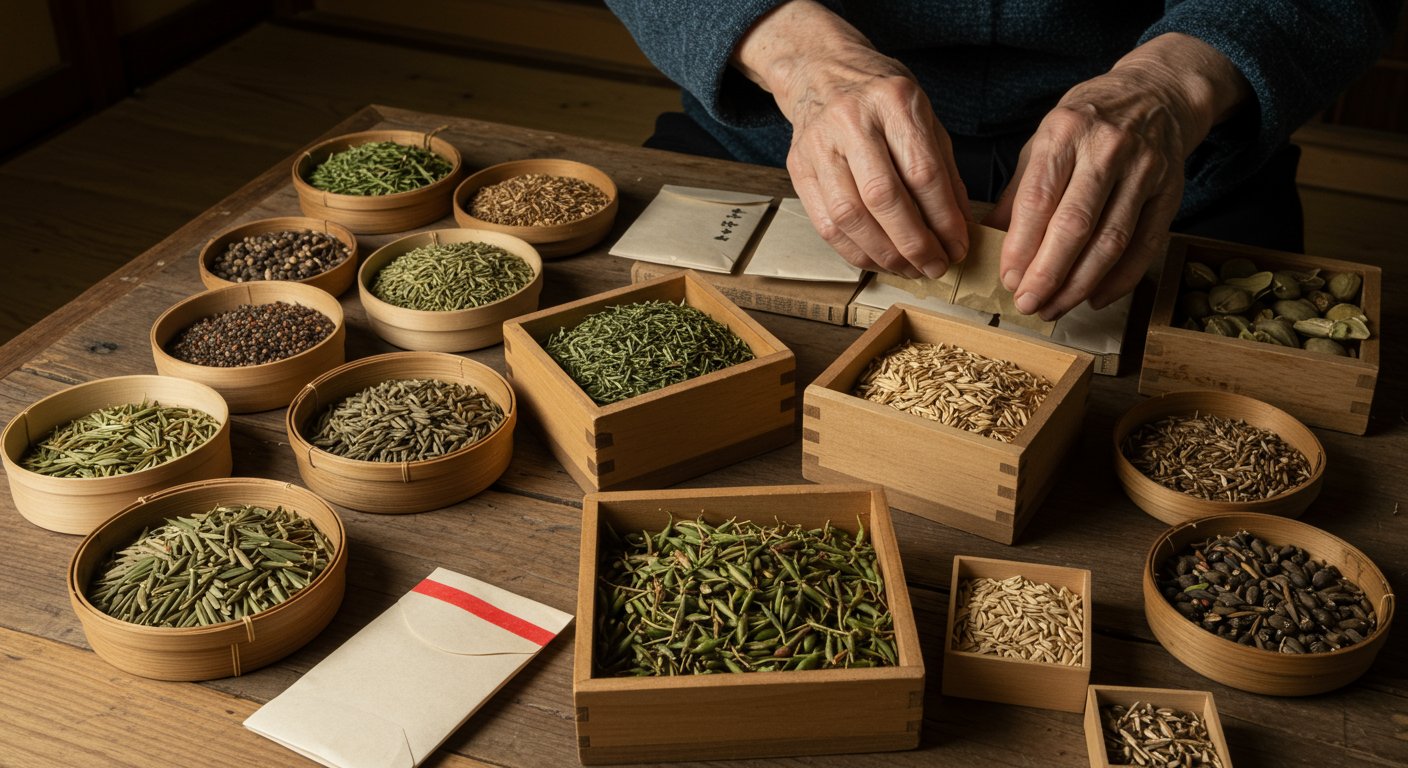
For those with a home garden, obtaining and growing heirloom-vegetable seed is also a good idea. Online shops like "Noguchi no Tane" let you buy seed of heirloom vegetables from all over the country.
Incorporating heirloom vegetables into local dishes lets you feel firsthand how well vegetables grown in a land's climate pair with that land's local cuisine. Posting photos and dishes of heirloom vegetables on social media also helps raise awareness of the items.
The heirloom vegetables of the six Tohoku prefectures are a collection of heirloom crops reflecting local climate and food culture. Incorporating them into your everyday table can contribute to sustaining regional agriculture and food culture. For those who want to know each prefecture's items in detail, please also see the Heirloom vegetables from across Japan page.
Reference
Yamagata Agri-net, "List of 'Treasures of Food: Snow Country Yamagata Heirloom Vegetables'" (accessed 2026/04/19), https://agrin.jp/crop/yasai/tradition/yukiguni_yamagata/26461.html
Genetic Resources Center (NARO) Genebank, "Landrace Database" (accessed 2026/04/19), https://www.gene.affrc.go.jp/databases-traditional_varieties.php
Japan Heirloom Vegetable Promotion Association, "Japan's Heirloom Vegetables – 02. Aomori" (accessed 2026/04/19), https://tradveggie.or.jp/traditional-vegetables-prefecture/2-aomori/#i-13
Japan Heirloom Vegetable Promotion Association, "Japan's Heirloom Vegetables – 03. Iwate" (accessed 2026/04/19), https://tradveggie.or.jp/traditional-vegetables-prefecture/3-iwate/
Japan Heirloom Vegetable Promotion Association, "Japan's Heirloom Vegetables – 04. Miyagi" (accessed 2026/04/19), https://tradveggie.or.jp/traditional-vegetables-prefecture/4-miyagi/#i-9
Japan Heirloom Vegetable Promotion Association, "Japan's Heirloom Vegetables – 07. Fukushima" (accessed 2026/04/19), https://tradveggie.or.jp/traditional-vegetables-prefecture/7-fukushima/
Akita Net, "About Akita's Heirloom Vegetables" (accessed 2026/04/19), https://www.pref.akita.lg.jp/pages/archive/9964
Oishii Yamagata, "Treasures of Food: Snow Country Yamagata Heirloom Vegetables" (accessed 2026/04/19), https://www.yamagata.nmai.org/traditional_vegetables/index.html

Recommended reading
Heirloom vegetables from across Japan / Heirloom vegetables of Japan / Commercial dried vegetables / Sustainable initiatives / Drying processing service
Representative heirloom vegetables of the six Tohoku prefectures
| Prefecture | Representative varieties | Features | Season |
|---|---|---|---|
| Aomori | Shimizumori nanba, Dake kimi | Tsugaru's chili and the corn from the foot of Mt. Iwaki | Summer–autumn |
| Iwate | Kuretsubo kabu, basho-na | Tono's pungent turnip and Morioka's leafy green | Autumn to winter |
| Miyagi | Sendai magari-negi, Sendai hakusai | Sweetness from the "yatoi" technique and a semi-heading Chinese cabbage | Winter |
| Akita | Misekizeki seri, Sannai ninjin | Fragrant water dropwort and the reddish-purple carrot of kiritanpo nabe | Winter–spring |
| Yamagata | Dadachamame, Atsumi kabu | Tsuruoka's edamame and a 400-year slash-and-burn red turnip | Summer / autumn–winter |
| Fukushima | Aizu maru-nasu, Aizu kogiku kabocha, Shinobu fuyuna | Aizu's heirloom eggplant and kogiku squash, and the overwintering green of Fukushima's Shinobu | Summer / winter |
FOR BUSINESS
乾燥野菜を業務用でお探しですか
国産の野菜・果物を乾燥し、必要に応じて粉砕してお出ししています。扱っている品目は100種前後で、規格は 乾燥品の一覧・パウダーの一覧 に掲載しています。
少量でのご購入は、姉妹ブランドの通販サイト OYAOYA で承っています。
Frequently asked questions (FAQ)
We have materials available to help you understand dried processing OEM
Agriture OEM, flexibly handling everything from small lots to large lots
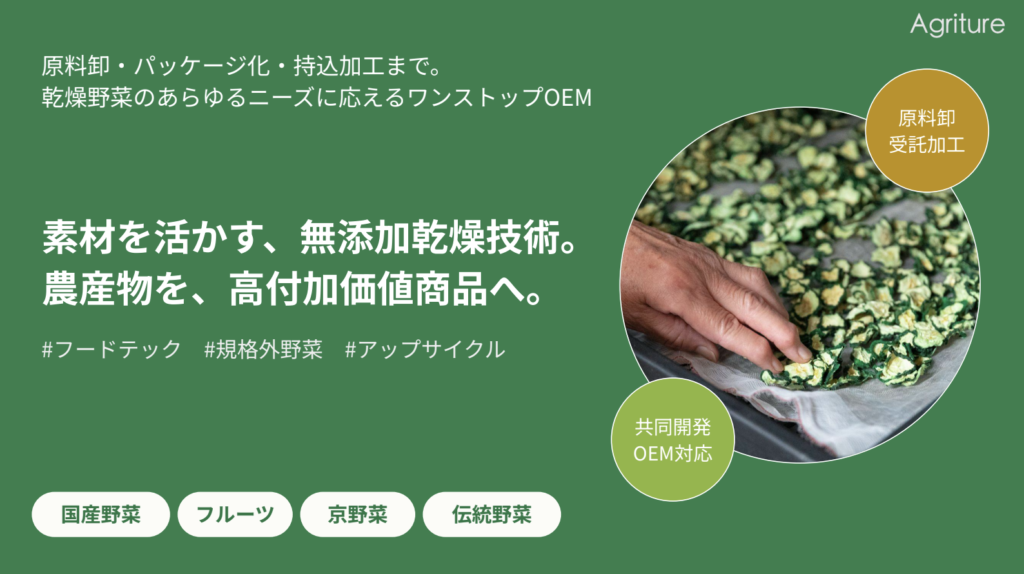
- OEM available from small lots of 10 kg
- Drying of brought-in raw materials also possible
- Support from processing to filling in one place
Download the OEM contract processing materials
We will send the materials to your email address based on the information you provide.
- What is shima-kabocha? Also called "chinkuwa" or "nankuwa"
- Japan's Heirloom Vegetables: Precious Varieties Handed Down in Each Region
Author of this article
Related articles
-
 Okinawa island vegetables: individualistic vegetables nurtured by a subtropical climate
 -
 Kaga vegetables: Kanazawa brand vegetables where tradition lives on
 -
 The appeal of Kansai heirloom vegetables | Specialties of Naniwa, Kyoto, and Yamato thoroughly explained
 -
 Kyoto heirloom vegetables: Kyoto specialties with a long history
 -
 A list of heirloom vegetables of the 8 prefectures of Kyushu and Okinawa|A thorough introduction to characteristics, growing regions, and seasons
 -
 Know the heirloom vegetables of Edo Tokyo | The city’s vanishing food culture
 -
 They'll make you smile! The fun names of heirloom vegetables and their origins
 -
 5 cases and strategies that succeeded in branding heirloom vegetables