
Rei Kojima– Author –

-
We Published the Dried Vegetable Projects Page
We created a page introducing an example of projects our company has been involved in in the past. Dried Vegetable Projects Page: https://agriture.jp/project. Crop Product Development Cases. Kubota Corporation. In a collaboration project with Beppin Farm, operated by Kubota Corporation, the Kubota Grou... -
Launching the Vegetable Yakuzen Service Site
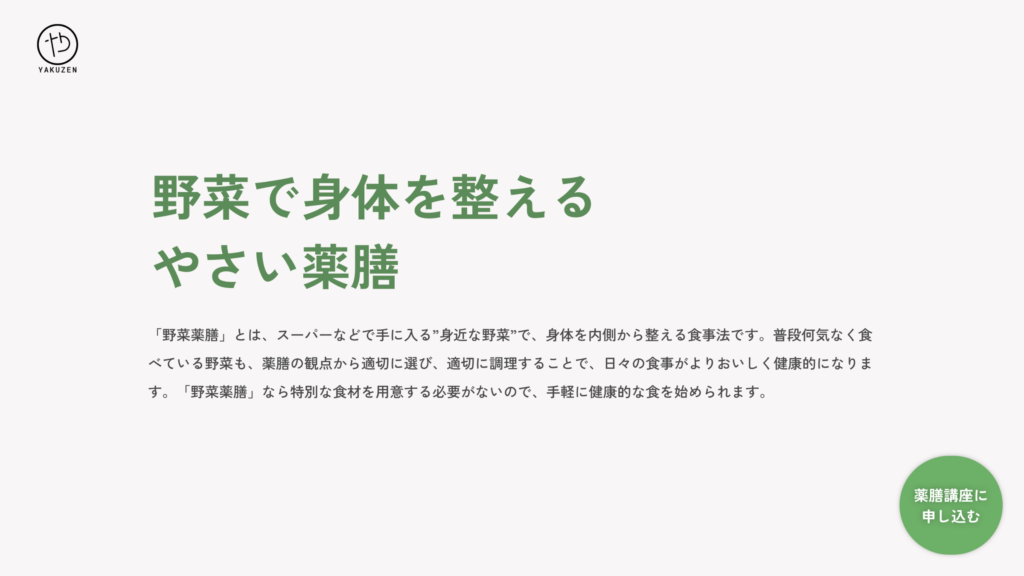
Vegetable Yakuzen to Get Your Body in Order with Vegetables. "Vegetable yakuzen" is a way of eating that gets your body in order from within using "familiar vegetables" available at supermarkets and the like. Even vegetables you casually eat every day become more delicious and healthy when appropriately chosen and cooked from a yakuzen perspective... -

We Began Selling Kyoto Vegetable Coffee
We began selling a collaboration product with Kundodo, which sells products under the concept of coffee that travels with aromas. Countries and cities around the world have "aromas that call the land to mind" along with regional customs, food culture, and community. Kundodo's craft coffee is a record of the places it visits... -
Holding a POP UP SHOP at Kyoto Takashimaya
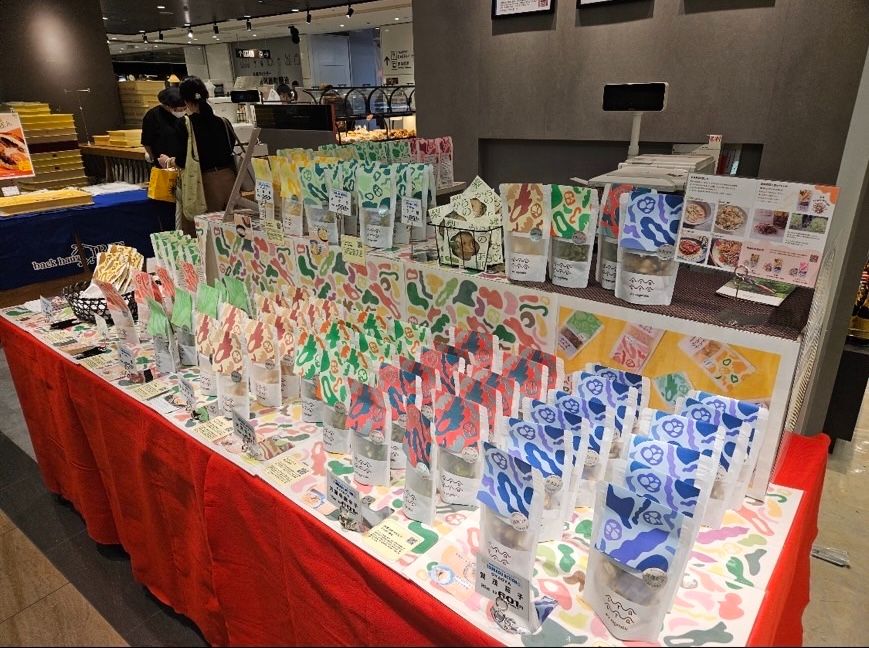
We will sell at a pop-up during TUNAGU ACTION WEEKS held at Kyoto Takashimaya. ■October 2 (Wed) → 8 (Tue) ■Kyoto Takashimaya B1 POP UP STAGE 05 ※Quantities are limited. Please forgive us if sold out. https://www.instagram.com/p/DAnX07Tv0zA/?img_index=7 -

An Interview Article with Representative Kojima Was Featured on "Spaceship Earth."
An interview article was featured on "Spaceship Earth," the SDGs portal site operated by Erevista Inc. (https://erevista.co.jp/). https://spaceshipearth.jp/agriture/ ―― The article's opening: Agriture Inc. | Turning off-spec vegetables into dried vegetables. Beyond that... -
We Launched an OEM Service That Lets You Create an Original Blend from Over 30 Kinds of Dried Vegetables
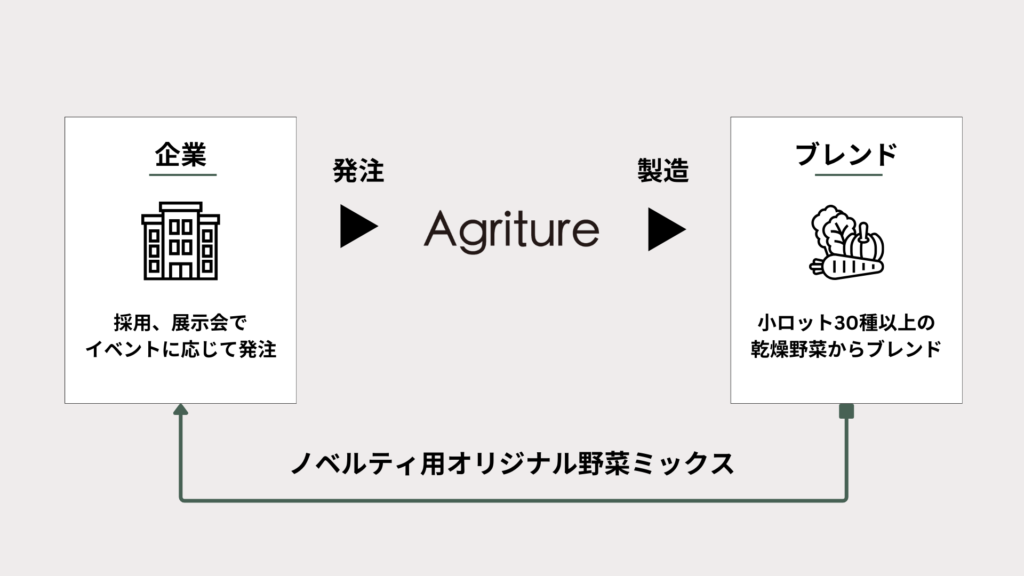
Original Blends of Dried Vegetables. Toward realizing a sustainable society by 2030, companies are carrying out SDGs efforts. In recent years, environmentally conscious products have joined the options for distribution novelties at recruiting events and trade shows. Such environmentally conscious... -
A Notice About August Events
A notice about August events. Date/Place/Content: 2024/8/6 Ora Neuvono onigiri sales; 2024/8/17 Ushiyama Crepe pop-up sales; 2024/8/20 Ora Neuvono onigiri sales; 2024/8/25 Ora Neuvono onigiri sales; 2024/8/27 Ora Neuvono onigiri sales. Located in Kikukawa, Sumida Ward... -
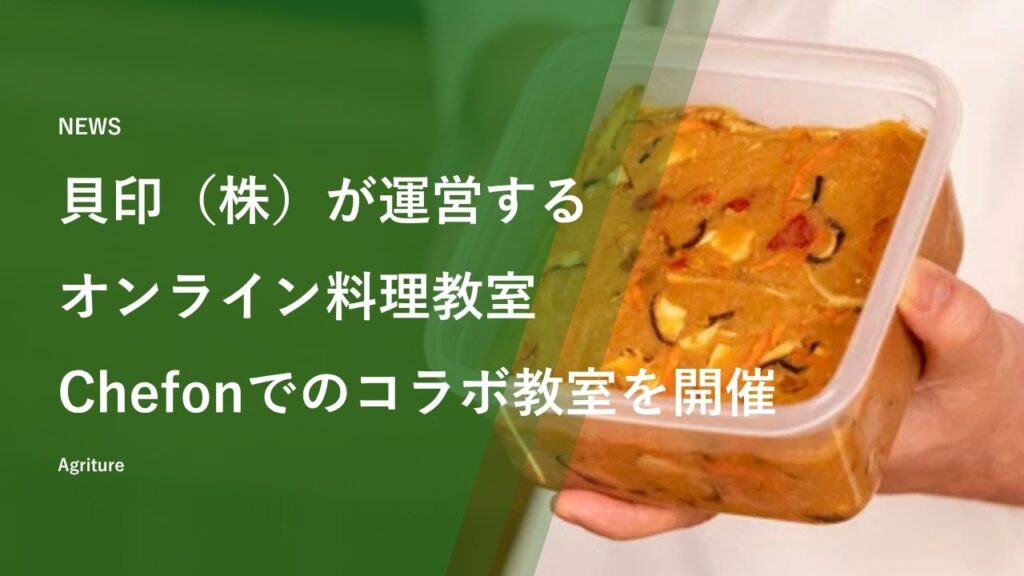
We Held a Collaboration Class at Chefon, the Online Cooking Class Run by Kai Corporation
Chefon, the online cooking class run by Kai Corporation, collaborated as a special project. Mikizo Hashimoto, owner of the one-Michelin-star "Ichirin," devised recipes using dried vegetables. The concentrated umami... advocated by Mikizo Hashimoto, owner of the one-Michelin-star "Ichirin"... -
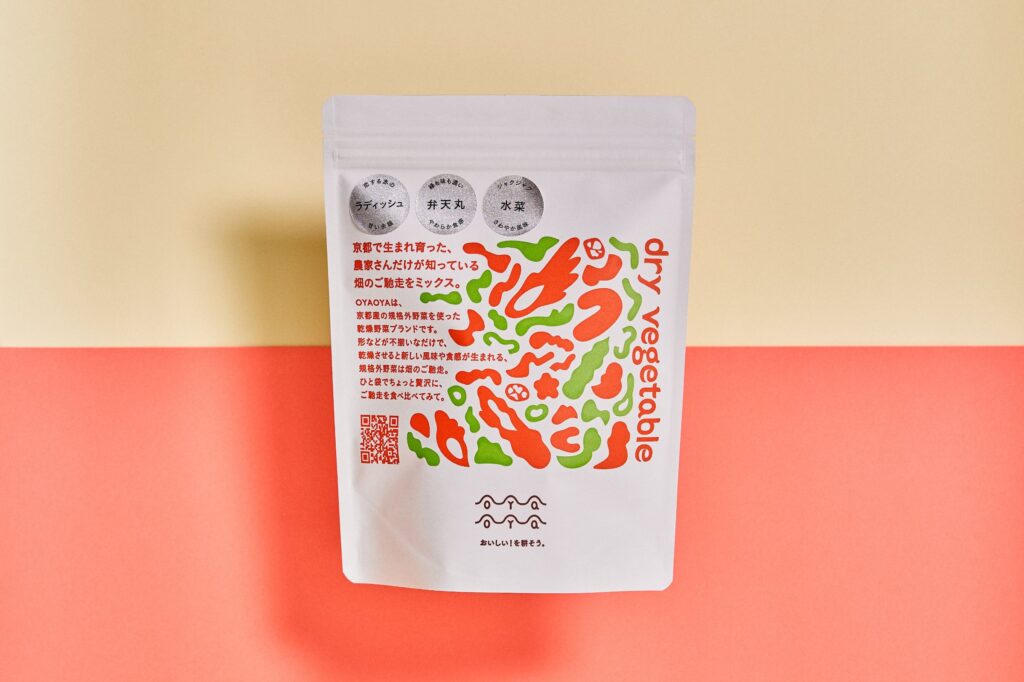
Even in a Pinch, We Want to Eat Vegetables Deliciously! Dried Vegetable Brand "OYAOYA" Restarts Its Rolling-Stock Subscription
At OYAOYA, under the theme "Let's cultivate delicious!", we've sold dried vegetables upcycling Kyoto-grown off-spec vegetables since 2021. By drying vegetables slowly at a temperature close to sun-drying, umami and nutrition concentrate, of course, and also things you couldn't notice with fresh vegetables... -
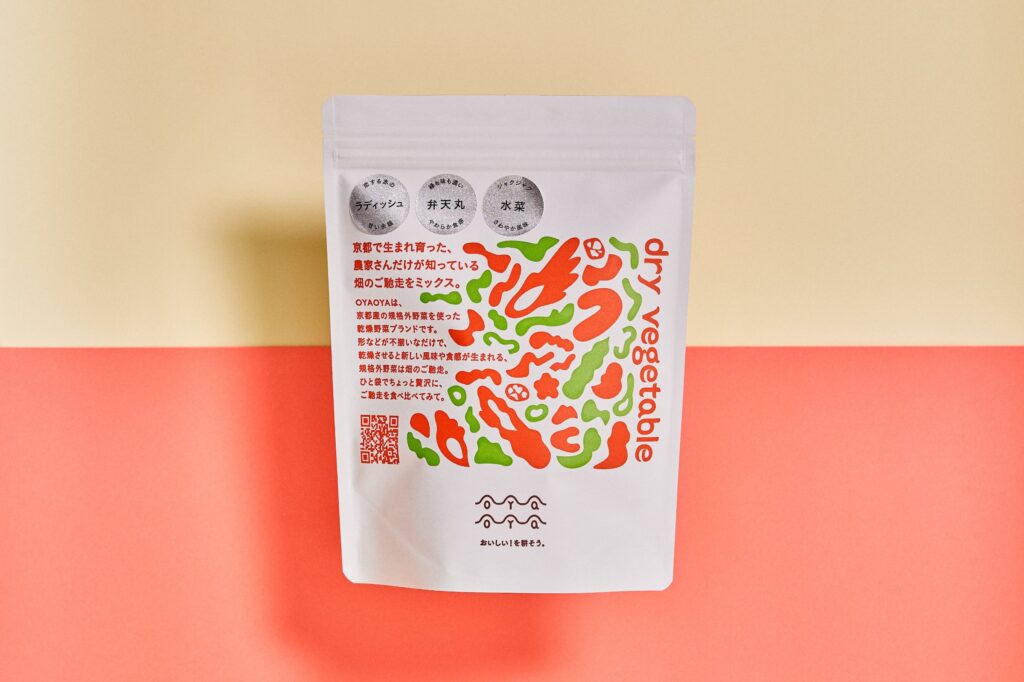
We Were Featured in the Kyoto Shimbun: "For Disaster Preparedness—What Is the Easy-to-Do 'Rolling Stock'? Why Not Give It a Try Once?"
"For Disaster Preparedness—What Is the Easy-to-Do 'Rolling Stock'? Why Not Give It a Try Once?" Do you know "rolling stock," which prepares for disasters? It's a stockpiling method of buying extra of the longer-shelf-life food you normally eat and replenishing only what you've eaten. When it comes to emergency rations... -
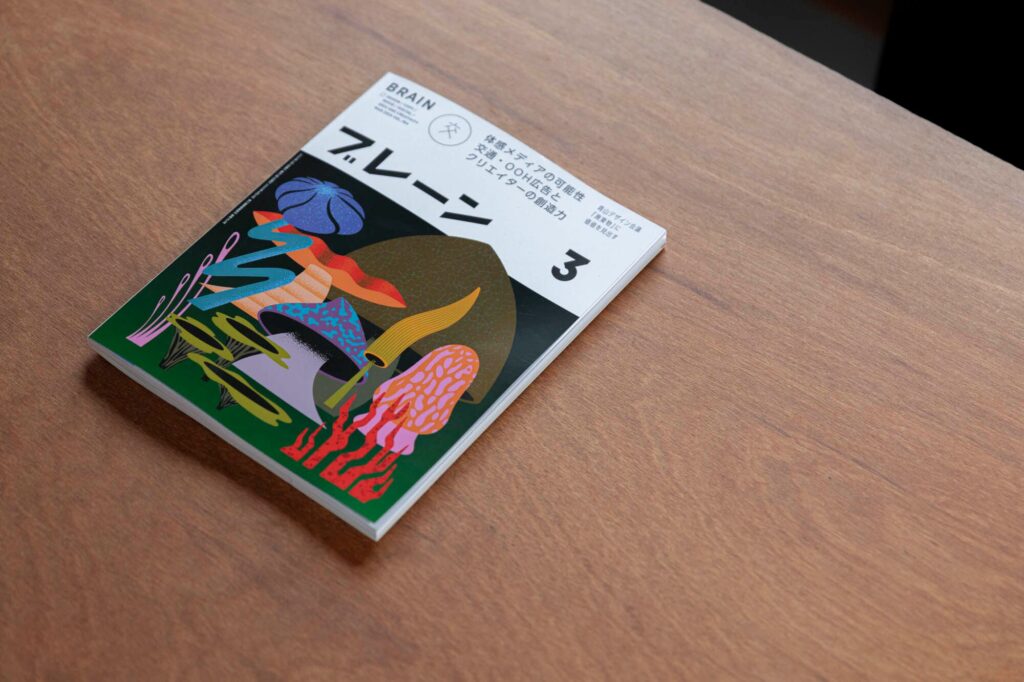
"Letters from a Pear" Was Featured in Brain, March 2024 Issue
In the Brain March issue's "Editor's Check," the packaging of the dried-pear brand "Letters from a Pear" was introduced. An interview article with the designer, Mr. Kuroyanagi, is also featured. Brain, March 2024 issue Amazon page. Letters from a Pear official website. -

Kyotamba Radish Was Featured in BranD Magazine
In issue 70 of the Hong Kong design magazine "BranD Magazine," Kyotamba radish, for which Kojima served as an advisor, was featured. Kyotamba radish is large and juicy. Sweet and fruity. A Kyotamba-grown radish whose deliciousness bounces along, making both tongue and heart leap with its fresh flavor... -

Releasing the Nijisseiki Pear Dried Fruit "Letters from a Pear"
Agriture Inc. (head office: Kyoto City, Kyoto), a Kyoto-born agricultural venture with the mission "Create the future of agriculture," has begun advance sales of the Nijisseiki pear dried fruit "Letters from a Pear" on Makuake. https://www.makuake.com/project/agriture/ -
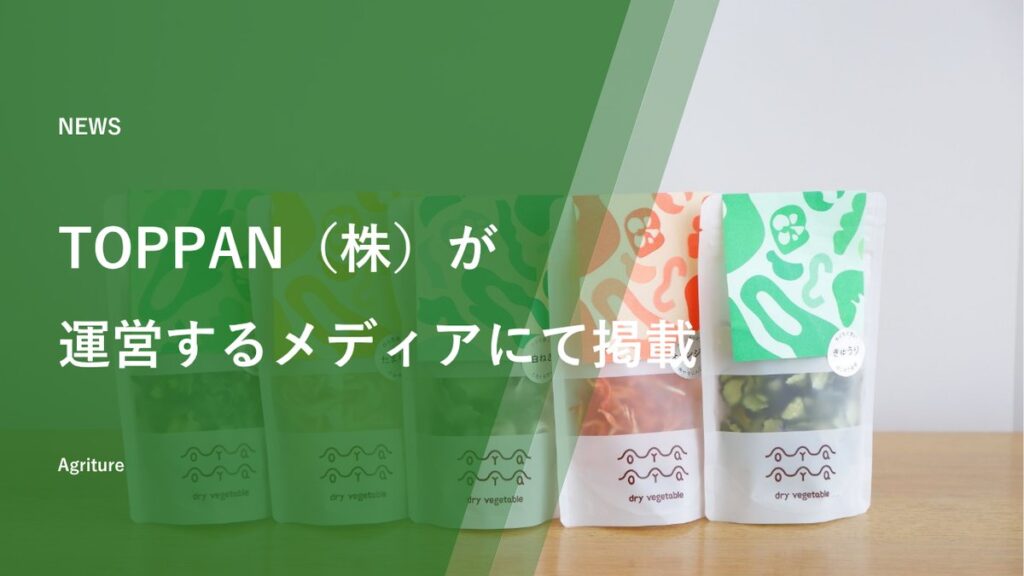
We Were Featured on Media Operated by TOPPAN Inc.
On THINK&EAT, within "SHUN GATE"—which covers and introduces seasonal production sites across Japan, information about food culture, and seasonal products suited to gifts—OYAOYA's initiatives were introduced. What is THINK&EAT? What we can do to avoid wasting limited food... -
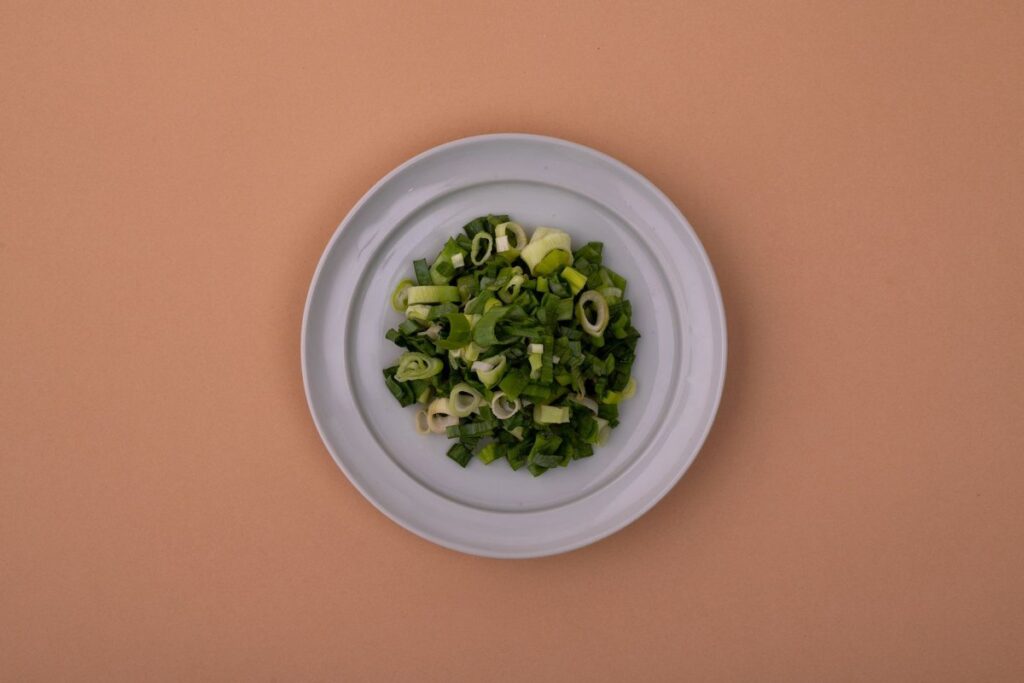
We Published How to Rehydrate Dried Vegetables
We've introduced recipes using dried vegetables until now, but this time we newly published how to rehydrate vegetables in water. Dried vegetables are easy to use—rehydrating in water or adding them directly to a dish—with flavor changes depending on rehydration time. In the case of dried carrot, compared with fresh yellow carrot... -
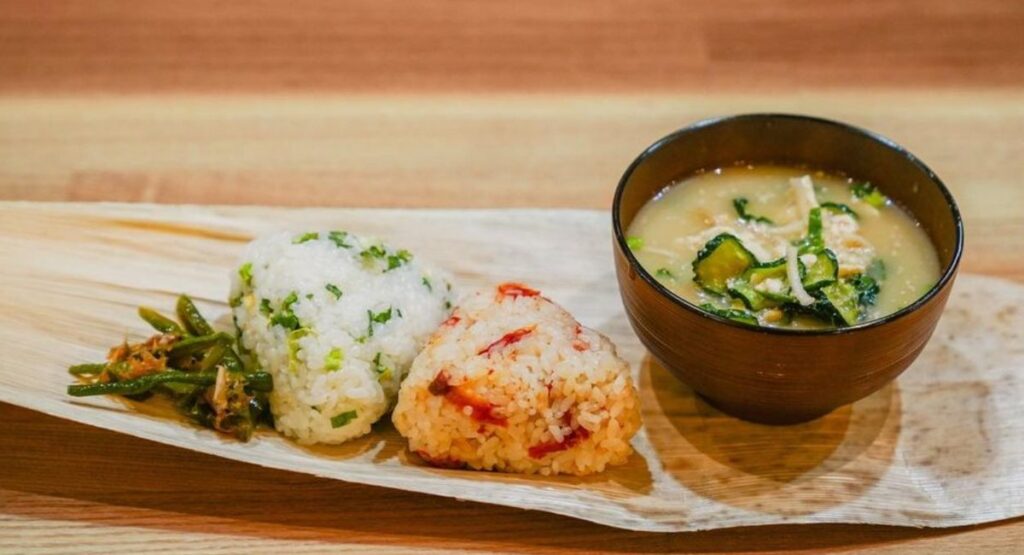
About the November Onigiri Shop
It's the day for "Onigiri and Soup with Kyoto-Grown Dried Vegetables" at Ola Neuvono in Kikukawa, Tokyo. More details here: https://www.instagram.com/p/DBxLNkAzu3z/ Overview: Date/Time: Every Tuesday, 11:00–15:00 (weekend appearances about twice a month). Place: Ola Neuvono @hola_neuvono... -
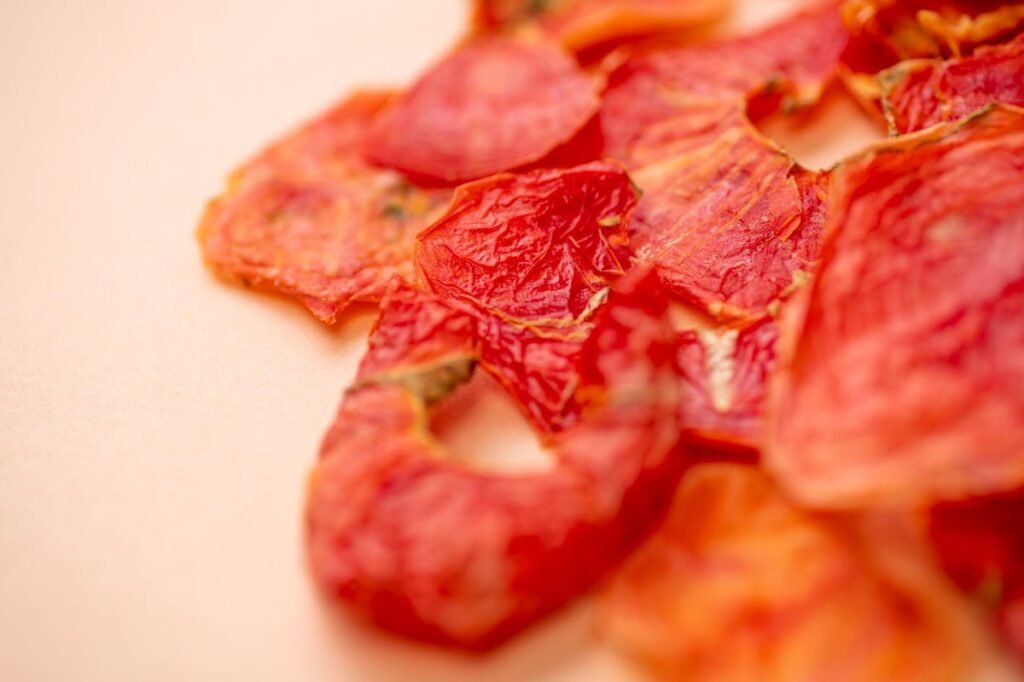
[100% Plant-Based] Releasing "Dried Tomato for Dashi," Perfect for Vegetable Dashi
Agriture Inc. (head office: Kyoto City, Kyoto) has begun handling "dried tomato for dashi" as a vegetable-dashi series that shines when vegetarian accommodation is needed, including for the increasing inbound tourists. The increasing inbound tourists and vegetarian accommodation. Kyo... -
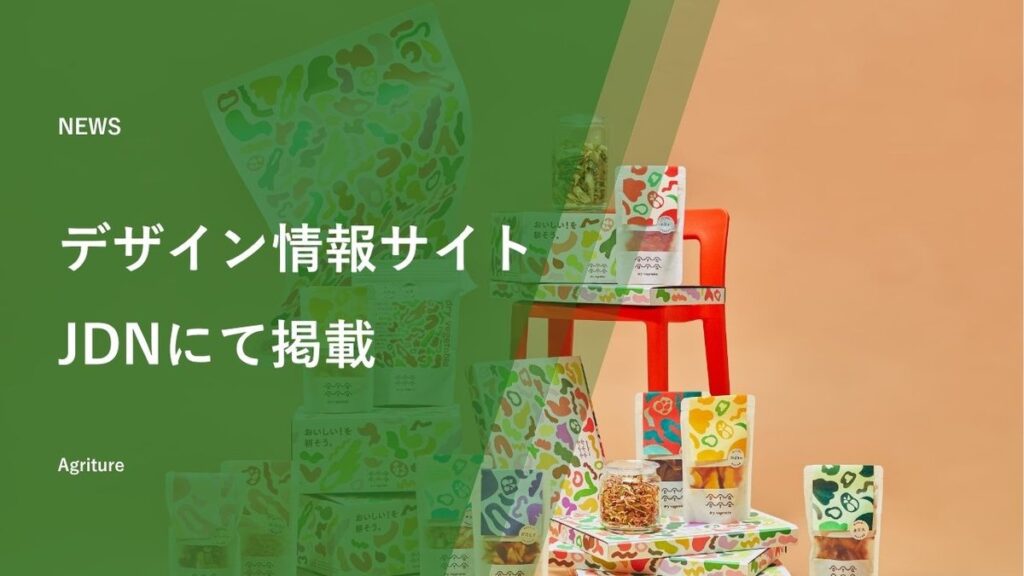
Featured on JDN, the design-information site for people who make, use, and think
The package of the dried-vegetable brand "OYAOYA," with its colorful hues and rustic vegetable illustrations, catches the eye. The design, which conveys deliciousness at a glance, changed the image of dried vegetables until then and was made to reach younger generations too. Beyond the packaging, the raw material uses non-standard... -

OYAOYA, a dried-vegetable brand using Kyoto vegetables, announces it will become a consolidated subsidiary of global cutlery maker Kai through M&A
OYAOYA (operated by Agriture Inc., headquartered in Kyoto City, Kyoto Prefecture), which sells dried vegetables — an anytime, fresh-picked "new feast from the field" — has joined the group of Kai Corporation, a global cutlery maker (headquartered in Chiyoda Ward, Tokyo; President and COO: Hiroaki Endo)... -
The dried vegetable brand "Shimadori" using island vegetables has been released
The name "Shimadori" was coined from the image of "a bird carrying Okinawa's charm." It also means delivering the deliciousness of "the island's fresh-picked" just as it is. Even in six years of living in Okinawa, I've continued to feel a distinctive fascination and possibility... -

OYAOYA, a dried vegetable brand using Kyoto vegetables, wins “Topawards Asia”
OYAOYA, a dried vegetable brand that proposes fresh vegetables just harvested from farmers in the northern Kyoto Prefecture area as “a new feast from the field” that can only be tasted dried, won “Topawards Asia,” an invitation-only package design award limited to Asia. Topaward... -
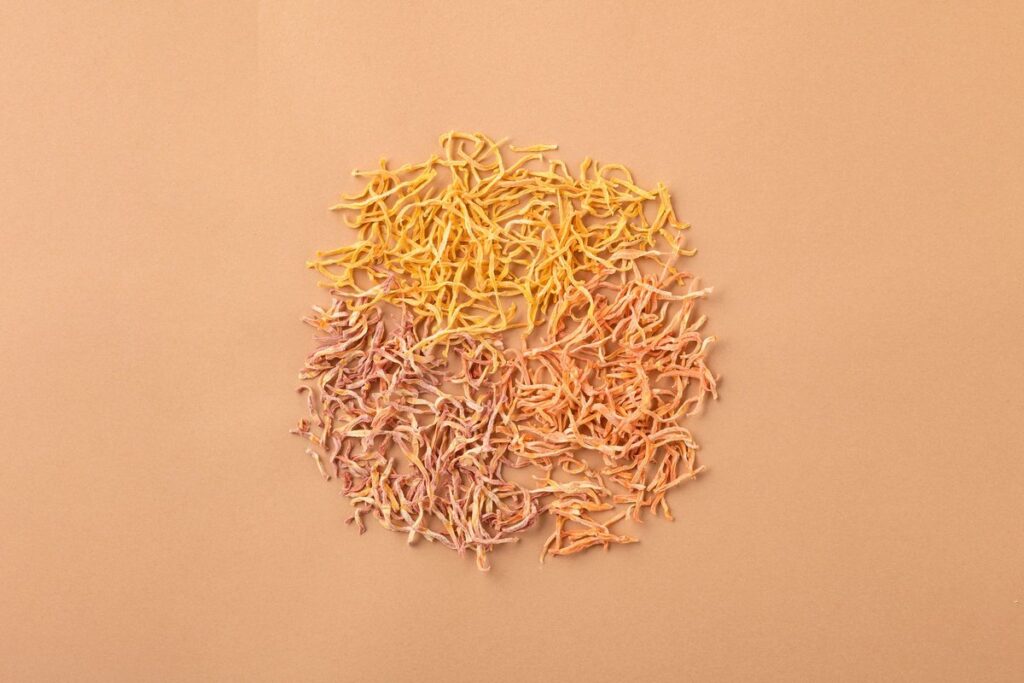
Featured on "Local Resource News," a social-good idea magazine for regional resources
OYAOYA × discarded vegetables from hilly and mountainous areas. When you say farmland, many people probably picture flat land with no elevation changes. In fact, in mountainous Japan, about 40% is hilly and mountainous area (*1). With many disadvantages as farmland due to slopes, the exodus from farming has advanced there more than in other areas. This time... -
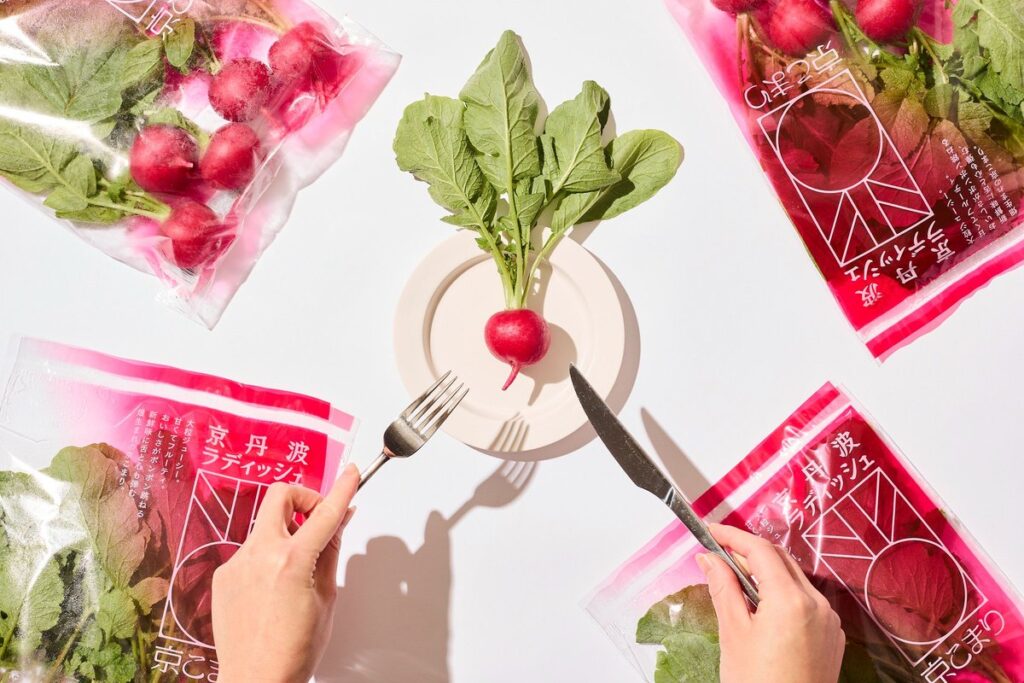
Kyotamba radish
Large-grained and juicy. Sweet and fruity. Kyotamba radish. We joined as an advisor to the Radish Production Region Project, launched around Mr. Nomura, who grows radishes in the Kyotamba area. Brand site: https://radish-kyoto.com/ -
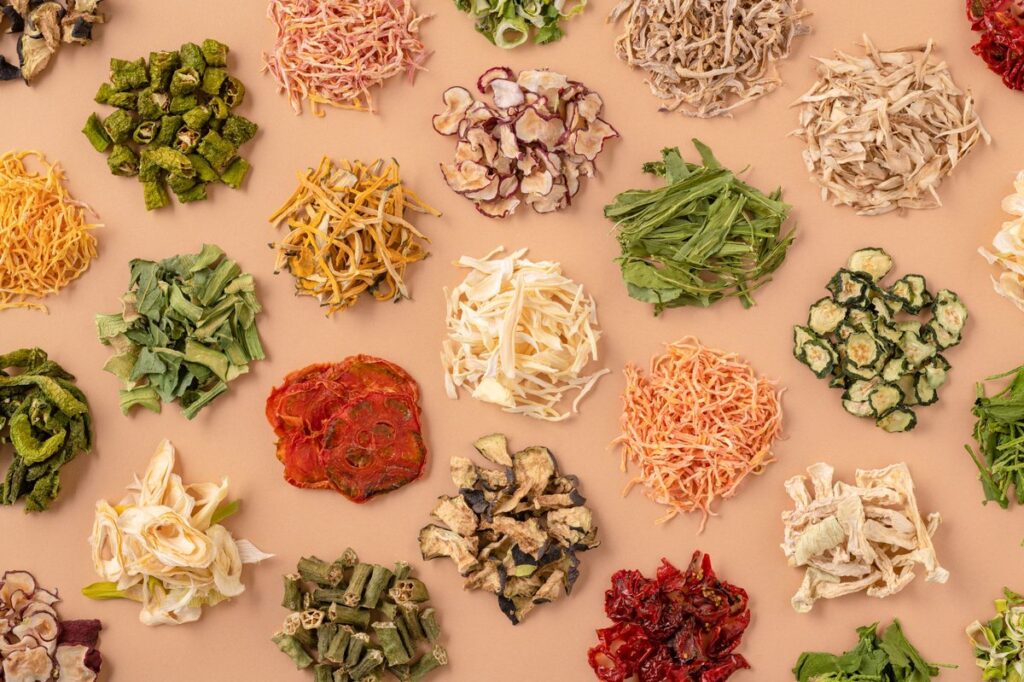
Featured on the outdoor media outlet YAMA HACK
Make your mountain meals more lavish! Dried vegetables "OYAOYA" made from non-standard vegetables. Lightweight and easy to carry! Check out the dried vegetables "OYAOYA," which make outdoor meals for mountaineering, camping, and more even more fun. Using non-standard vegetables, it's a carefully crafted... -
Selected for the Japan Typography Annual
The logo mark of the dried vegetable brand OYAOYA was selected in the logotype and symbol mark category of the visual identity section of the Japan Typography Annual 2022. Related articles: Pola Design Office, OYAOYA -
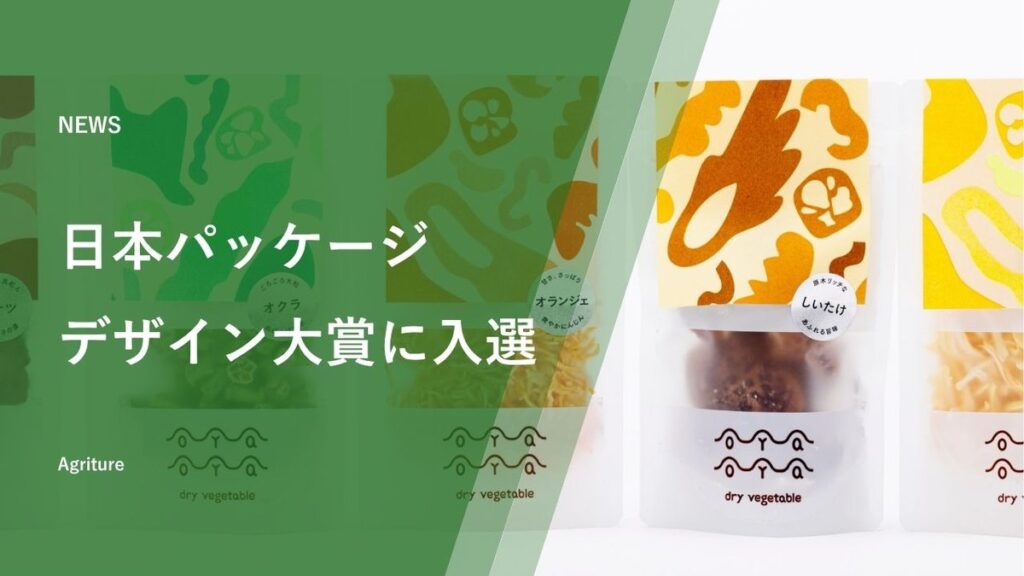
Selected for the Japan Package Design Awards
The package design of the dried vegetable brand OYAOYA was selected in the VI/BI category of the Japan Package Design Awards. Japan Package Design Awards -
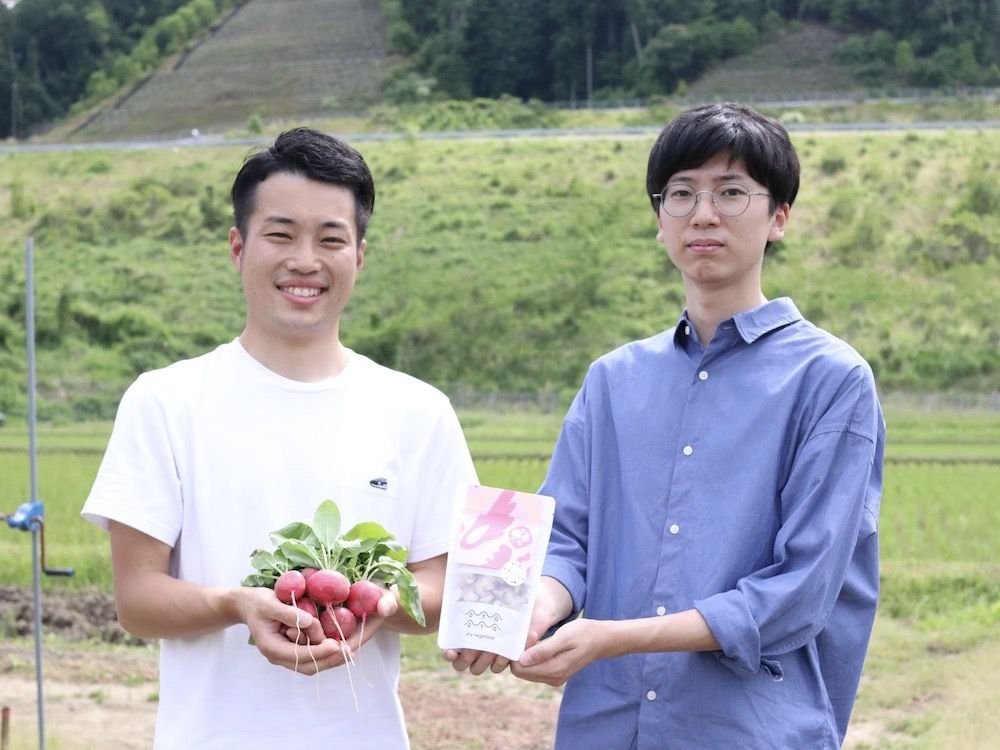
We were featured on "Life Hugger," a place gathering better options for living sustainably
Koji Nomura (left), head of the farming household "Nomura-ke," who grows the "Kyotamba radish" — known in Kyoto for its plump, cute color and shape — and Rei Kojima (right), head of OYAOYA, a dried-vegetable brand using non-standard Kyoto-grown vegetables. The two tackle the problems and challenges facing agriculture together... -

We participated in the co-creation challenge slot of the 2025 Osaka Expo
Value in non-standard vegetables. From Kyoto, a project for the survival of agriculture through dried vegetables [OYAOYA]. Featured at: https://team.expo2025.or.jp/ja/challenge/533 ■ About the co-creation challenge. In this co-creation challenge, we create a "new form of agriculture" through dried vegetables from Kyoto, and in the hilly and mountainous... -

Featured in the Nikkei
OYAOYA was featured in the Nikkei's Kansai Timeline. June 7, 2022, evening edition of the Nikkei Kansai edition. June 11, 2022, Nikkei electronic edition. Featured at: https://www.nikkei.com/article/DGXZQOJD2429V0U2A520C2000000/ -
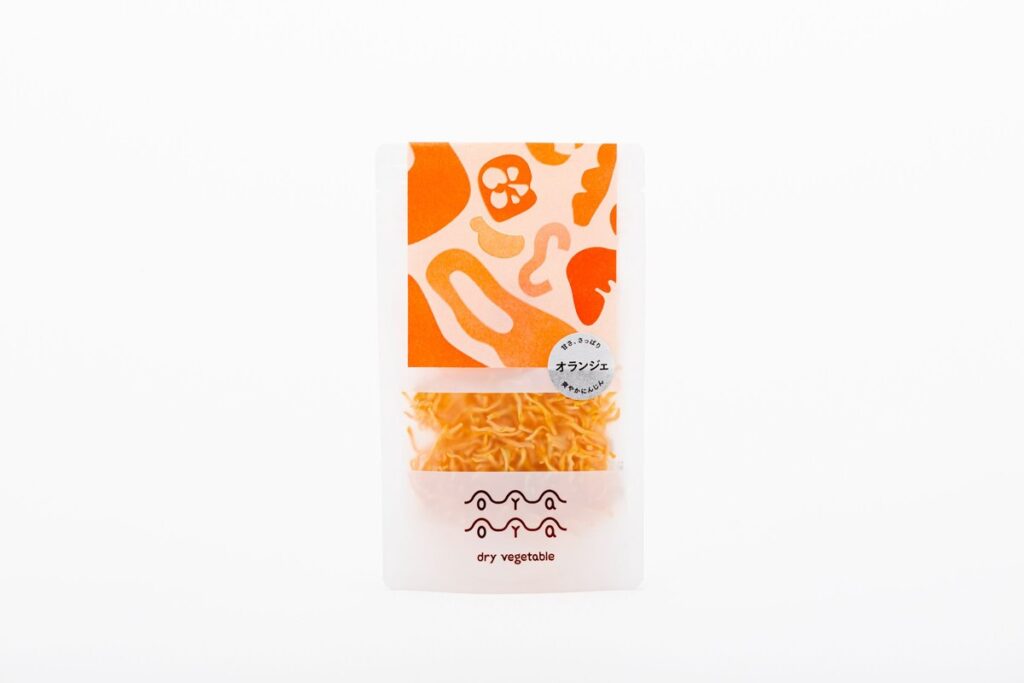
Featured on Hanako.Tokyo
We were featured in an article on Hanako.Tokyo, popular mainly in the Kanto region. "Four members of Hanako Lab Partners with the drive to know and learn about the SDGs launched the 'Hanako Lab SDGs Reporters'! Each week they report on various content. The 56th installment..." -

Featured in the sustainable media Sustera
1% sustainability for everyone. We were featured in a media outlet run by Sustella, hugely popular on social media. Related articles. What is OYAOYA? Contributing to reducing food loss and the survival of agriculture with dried vegetables! 21 recommended food-loss mail-order sites [2022]. Food loss... -
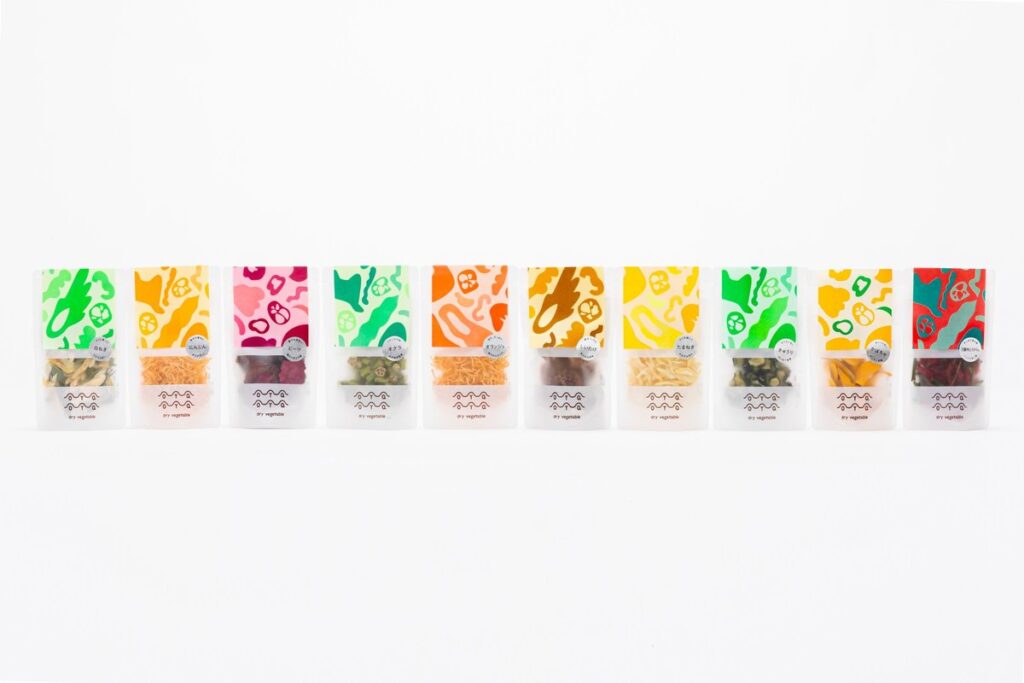
CEO Kojima was interviewed on J-WAVE, which features John Kabira
Attention to the activities of the upcycle brand "OYAOYA" launched in Kyoto. This morning we focus on the activities of the upcycle brand "OYAOYA" launched in Kyoto. Upcycling — reborn existing things into something better. At OYAOYA, vegetables that grew too big... -

CEO Kojima appeared on KBS Kyoto's "Taniguchi Ruru"
Producer of "OYAOYA," a brand selling dried vegetables made from carefully grown Kyoto vegetables. Centered on dried vegetables, he works to reduce food loss. Because his grandmother kept a kitchen garden, he was a boy who liked vegetables more than meat or fish from childhood. He went to Ritsumeikan's Faculty of Letters, geography... -
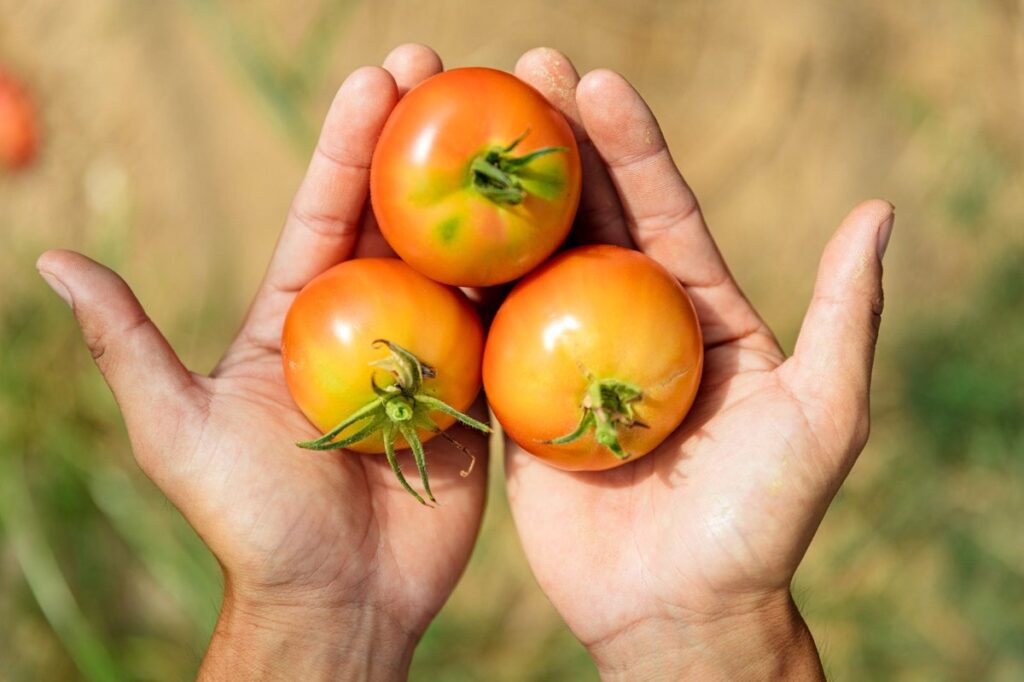
Featured in FRaU SDGs MOOK FOOD, on the future of "delicious"
This is the FRaU × SDGs MOOK food special issue. "Food," the theme of living that's closest to all of us. Beyond the food-loss problem reported on TV, there are all sorts of challenges, hopes, and initiatives worth emulating. To deliver the smile of "delicious" to the future. What we can do now... -
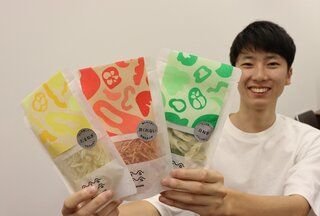
Featured in the Kyoto Shimbun
A venture making stylish "dried vegetables" — the aim of an entrepreneur in his early 20s. Non-standard organic and reduced-pesticide vegetables grown in hilly and mountainous areas of northern Kyoto Prefecture are dried and sold in stylish packaging. Peach-colored turnips called "Mononosuke," strongly sweet carrots called "Kyo Kurenai," and... -
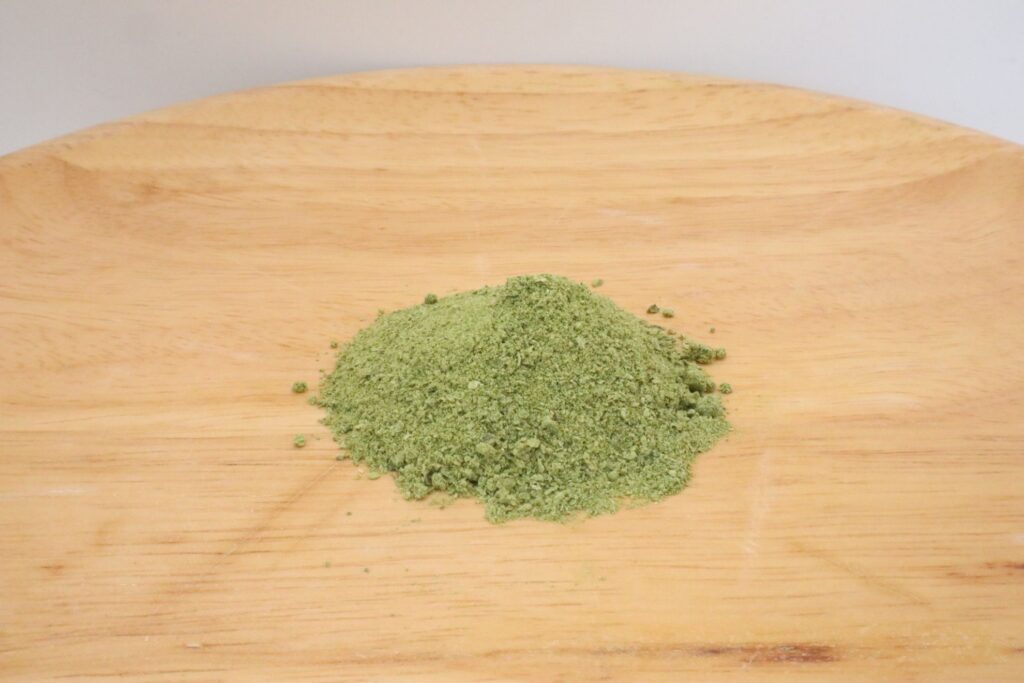
Manganji pepper powder
Manganji chili powder, characterized by sweetness and a moderate heat. Ideal as an accent for dishes, sauces, and seasonings. Commercial supply available. -
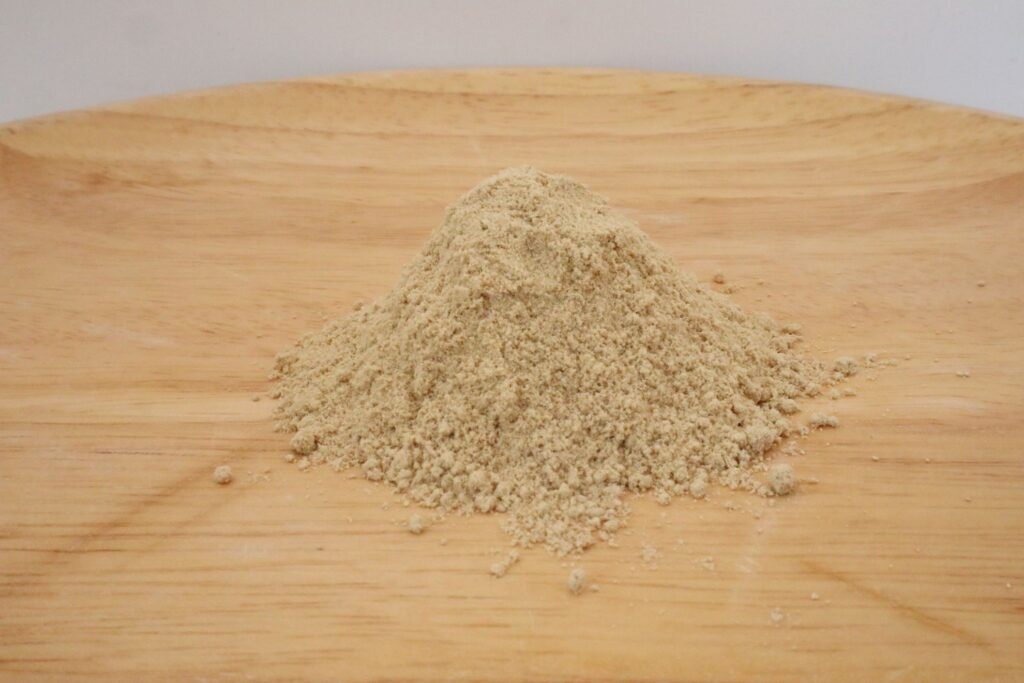
Ginger powder
Ginger powder, characterized by rich fragrance and a crisp heat. Ideal for flavoring beverages and processed foods. Commercial and OEM handling available. -
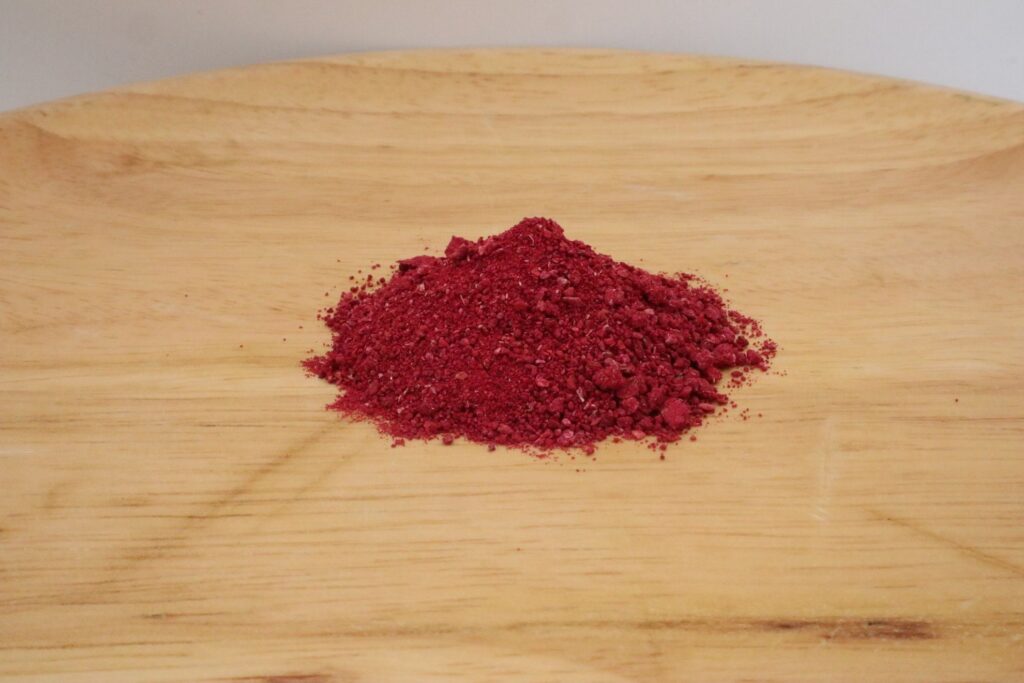
Beet powder
Dried beet powder, characterized by vivid color and natural sweetness. Ideal for drinks, sweets, and processed foods. Commercial and OEM handling available. -
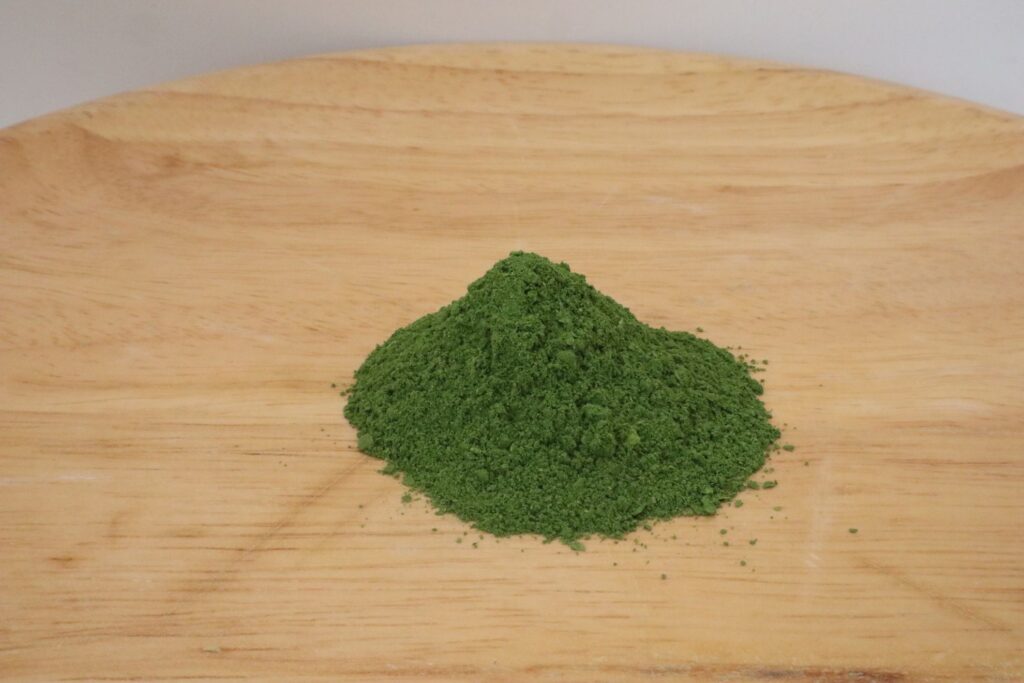
Spinach powder
Nutrient-rich, vividly colored dried spinach powder. Ideal for coloring and nutritional fortification of soups, noodles, and seasonings. Commercial supply available. -
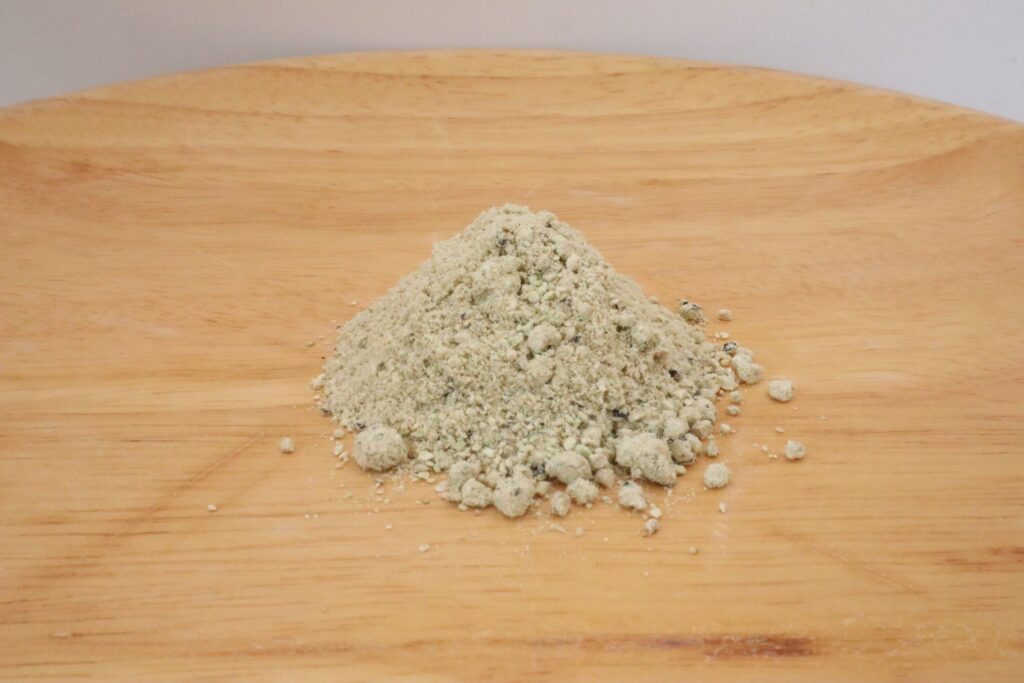
Kamo eggplant powder
Kamo eggplant from Kyoto's Kamo area, dried and processed. Refined sweetness and umami concentrated; a commercial raw material usable in a wide range of Japanese and Western dishes. -
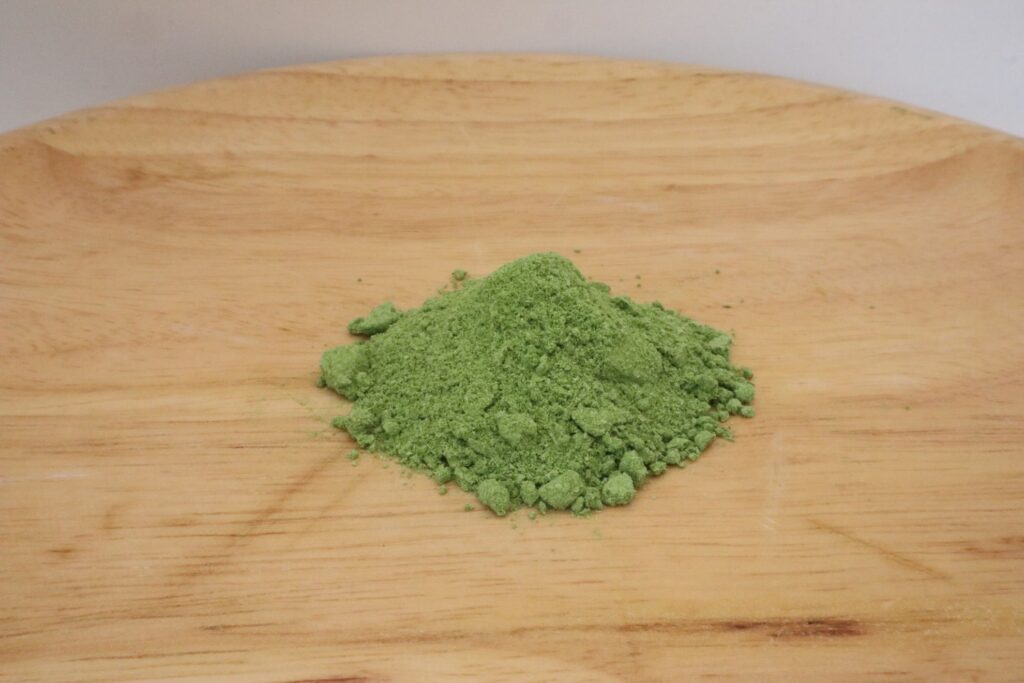
Kujo green onion powder
Kujo negi, a traditional Kyoto vegetable, dried and processed. Distinctive sweetness and mellow fragrance. A commercial raw material ideal for condiments and seasonings. -
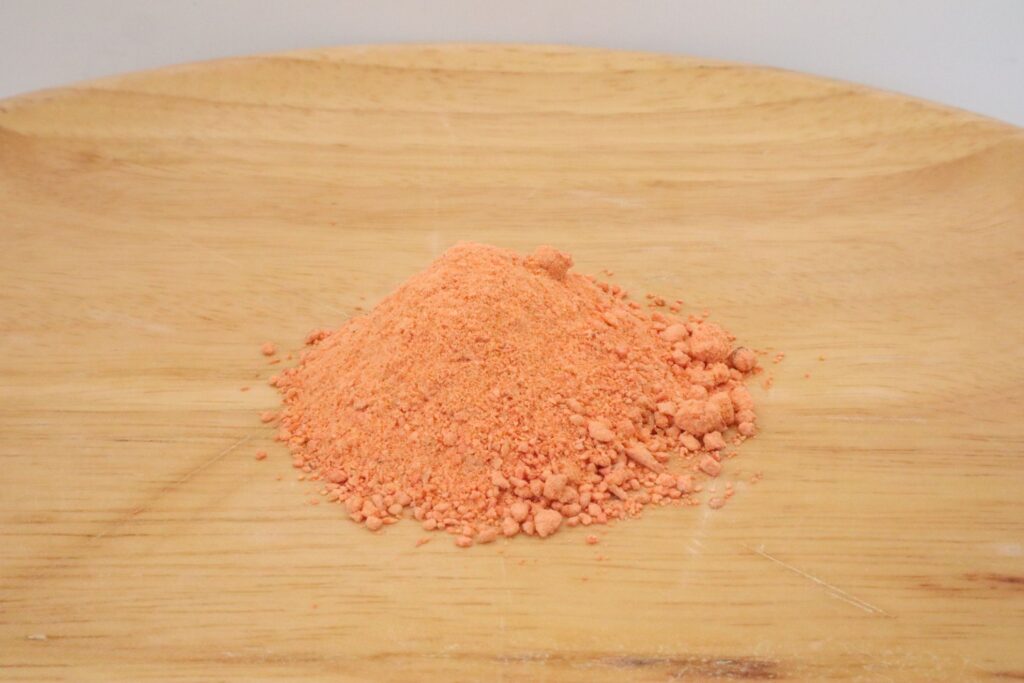
Carrot powder
Vividly colored, richly sweet dried Orange carrot powder. Ideal for natural coloring of soups, baked goods, and seasonings. Commercial supply available. -
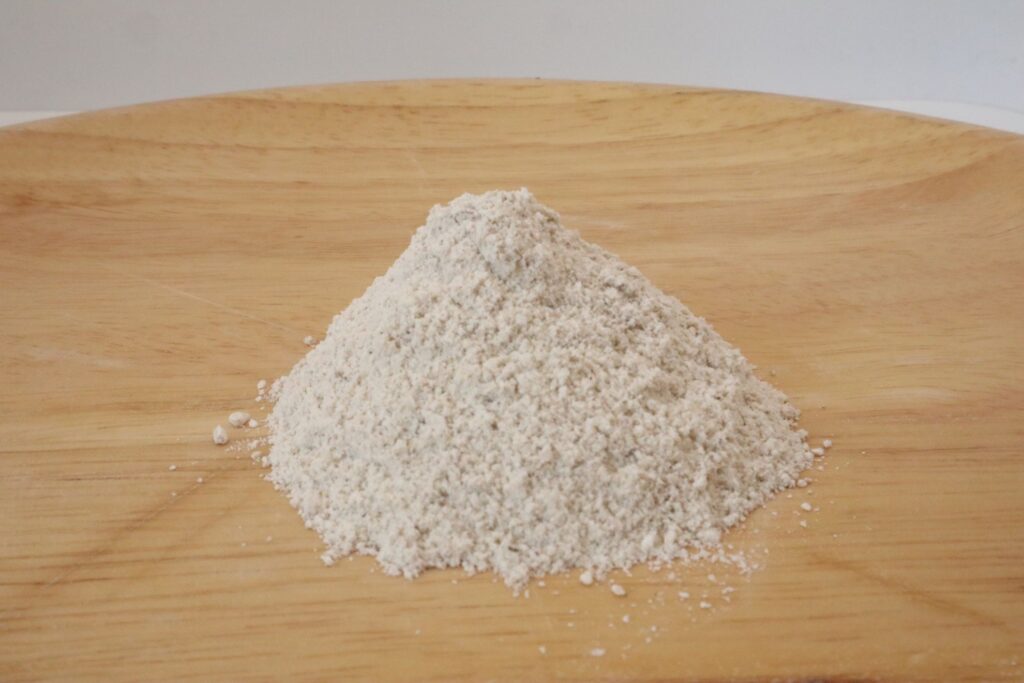
Burdock powder
Dried burdock powder, characterized by a toasty aroma and earthy flavor. Ideal as a raw material for simmered dishes, soups, and health foods. Commercial and OEM handling available. -
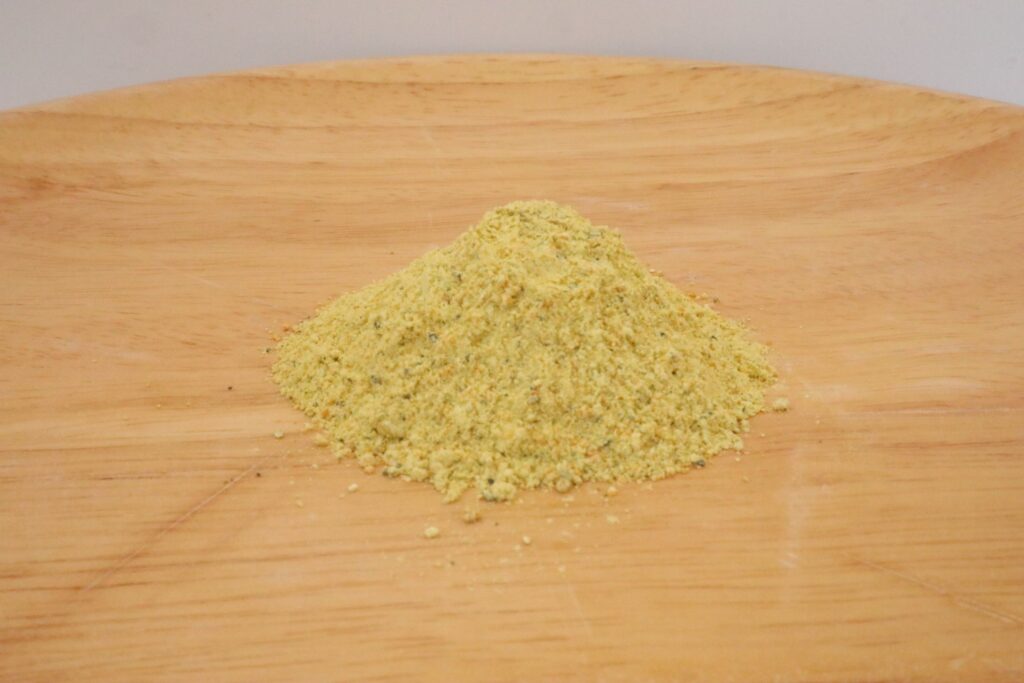
Kabocha squash powder
Dried kabocha powder, characterized by rich sweetness. Ideal for coloring soups, sweets, and bread dough. Commercial and OEM handling available. -
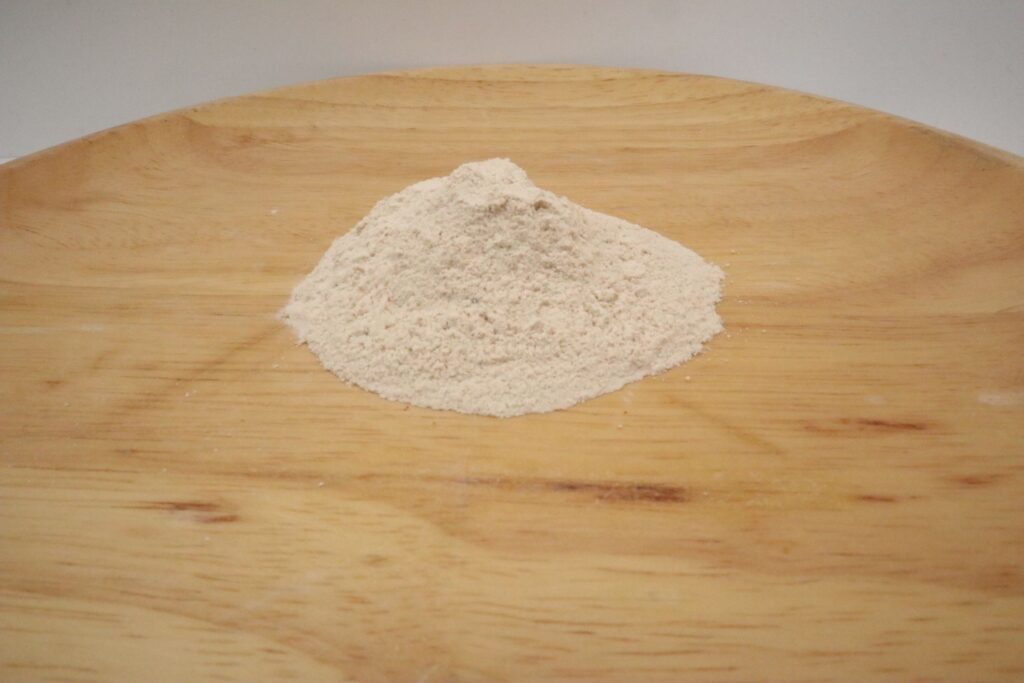
Lotus root powder
Dried lotus root powder made from Kaga lotus root grown in Ishikawa Prefecture. Characterized by stickiness and sweetness, it's ideal for soups, Japanese sweets, and processed foods. -
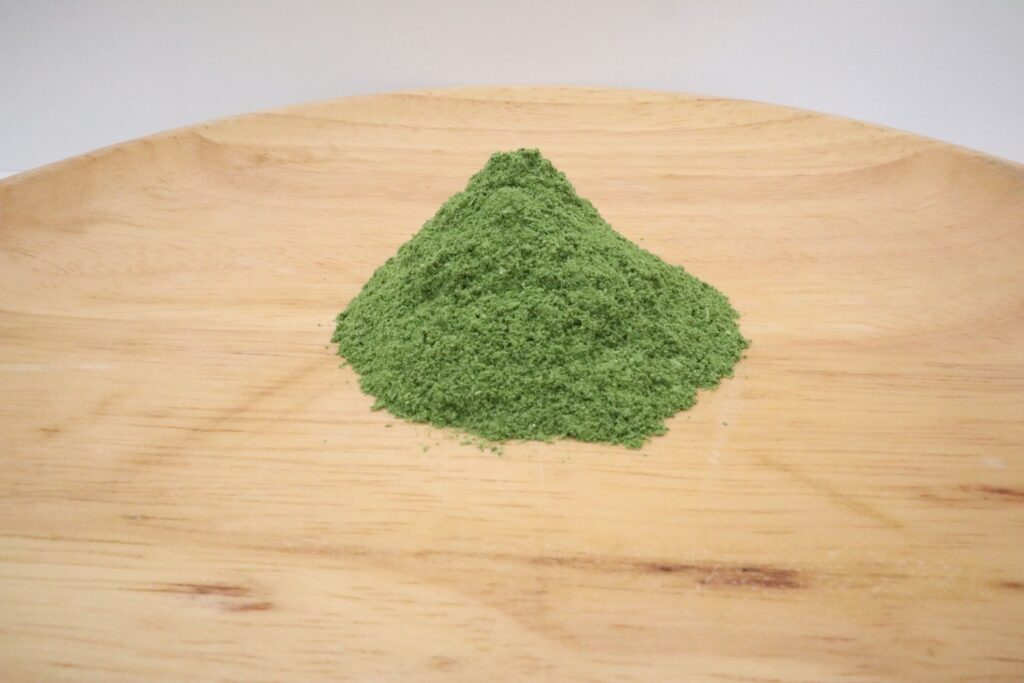
Komatsuna powder
Dried powder made from Kyoto-grown komatsuna. Vivid green color and nutritional value are its hallmarks. A commercial food ideal for smoothies, confectionery, and seasonings. -
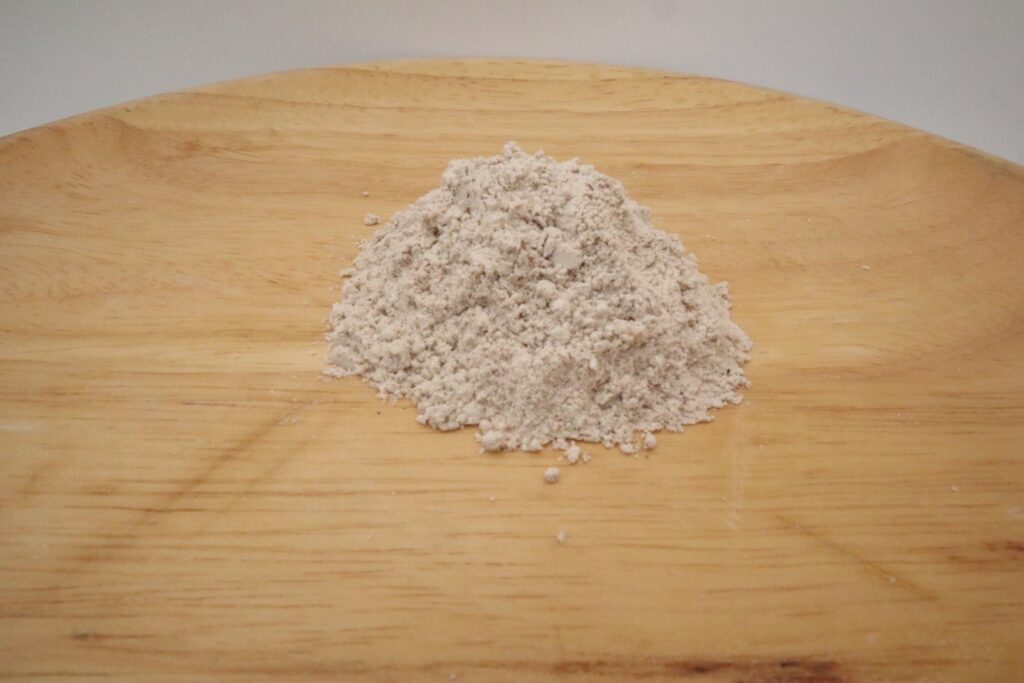
Shiitake powder
Dried shiitake powder made from domestic shiitake. Umami concentrated; ideal as a Japanese-style dashi or seasoning for restaurants and food makers. -
How to start soup OEM manufacturing | Original product development starting from small lots
"We want to make our own brand of soup," "We want to try it from a small quantity"—such voices are rapidly increasing in the food industry. In fact, soup OEM manufacturing is now an era where you can start even from small lots. The era when mass production was essential is over, and even individual shops and small operators can... an original... -
Contract Manufacturing Guide for Vegetable Powder Filling | Quality Control and Optimal Package Selection
The filling and packaging of vegetable powder is a process that greatly influences the final product's quality and cost. Because powder carries risks of static electricity, moisture absorption, clumping, measurement accuracy, and foreign-matter contamination, it requires "filling-specialist know-how" separate from raw material processing. When making a differentiated product for commercial use, the filling maker's equipment and... -
柚子の皮の使い道は干すと広がる、果汁と種まで使い切る手順
鍋の仕上げに皮を少し削いだら、あとは黄色い実がひとつ残る。果汁を搾ったら、今度は皮とワタと種が残る。ゆずは、どこかを使うたびに別のどこかが余る果物です。 農林水産省の令和5年産特産果樹生産動態等調査では、ゆずの全国の出荷量26,734トンのうち...