
Vegetable powder– category –
-

Welsh onion powder
Domestic wakegi powder is a commercial powder ingredient made by low-temperature drying of wakegi—a cross between green onion and onion—and milling it in an integrated process at our own facility in Kyoto Prefecture. Using no glucose, colorants, or antioxidants, it retains wakegi's mild sweetness and gentle aroma in the powder... -
Garlic sprout powder
Domestic garlic-sprout powder is a commercial powder raw material made by low-temperature drying the young shoots at the sprouting stage—including the garlic bud and root—and handling everything through to milling at our own processing facility within Kyoto Prefecture. Without glucose, colorants, or antioxidants, it keeps the sprout-derived garlic flavor and fresh green aroma in the powder... -
A Japanese aroma / wagashi, dressings
Domestic moringa powder is a commercial superfood raw material made by drying and grinding the leaves of Kagoshima-grown moringa (Moringa oleifera). Through a drying technology applying the Chiran-tea method, processing within a short time after harvest keeps the leaves' vivid green and nutritional components in the powder. Glucose... -
Shimonita green onion powder
Domestic Shimonita negi powder is a commercial vegetable raw material made by drying and grinding the Gunma heirloom vegetable "Shimonita negi" from Shimonita Town, Gunma Prefecture. Without glucose, colorants, or antioxidants, it concentrates into the powder the rich sweetness and flavor derived from Shimonita negi's characteristic thick white root. Soup, hot-pot broth, and seasoning bases... -
Mugwort powder
Domestic yomogi (mugwort) powder is a commercial herb raw material made by drying and grinding 100% Kagoshima-grown yomogi (leaves and stems). Without glucose, colorants, or antioxidants, it keeps yomogi's natural deep green and fresh aroma in the powder. Japanese sweets (kusa-mochi, yomogi-mochi), herbal tea, bath additives... -
Yuzu powder (Kyoto-grown)
Yuzu powder (Kyoto-grown) is a commercial citrus raw material made by low-temperature-drying the peel of yuzu harvested in Ukyo Ward, Kyoto City and the Kyoto area, and processing it consistently through grinding at our own facility in Kyoto Prefecture. Without using glucose, colorants, or antioxidants, it retains the rich fragrance and vivid yellow characteristic of Kyoto-grown yuzu in the powder... -
Lotus root powder
Domestic lotus-root powder is a commercial vegetable raw material made by low-temperature-drying lotus root sourced from domestic contract-cultivation farms, and processing it consistently through grinding at our own facility in Kyoto Prefecture. Without using glucose, colorants, or antioxidants, it retains lotus root's natural flavor and white color in the powder. It has the property of thickening when dissolved in water... -
Chestnut skin powder
Chestnut-skin powder is a commercial functional raw material made by low-temperature drying the outer shell and inner astringent skin that come out when processing chestnuts, and handling everything through to milling at our own processing facility within Kyoto Prefecture. It's an "upcycled food ingredient" made by drying and powdering byproducts normally discarded, and its distinctive feature is containing polyphenols, tannins, and dietary fiber... -
Corn powder is a raw material made by drying sweet corn and then micro-pulverizing it. In uses such as corn soup, cornbread, confectionery dough, beverage blending, and seasonings, it aims to spread corn's inherent sweetness and yellow color evenly. It achieves the "uniform dispersion into liquids and powders" that's hard to manage with fresh or canned corn, thanks to the fine grain size only a powder can offer. At Agriture,
Domestic green papaya powder is a commercial functional raw material made by low-to-medium-temperature drying domestically grown green papaya and handling everything through to milling at our own processing facility within Kyoto Prefecture. Without glucose, colorants, or antioxidants, it's finished with a temperature design that preserves the papain enzyme contained in green papaya. Beauty... -
Asparagus powder
Domestic asparagus powder is a commercial vegetable raw material made by low-temperature drying asparagus harvested through domestic contract farming and handling everything through to milling at our own processing facility within Kyoto Prefecture. Without glucose, colorants, or antioxidants, it keeps asparagus's natural green, fresh flavor and vivid green in the powder... -
Purple chili pepper powder
Purple chili powder is a commercial spice raw material made by low-temperature drying a purple chili variety with anthocyanin-type pigments and handling everything through to milling at our own processing facility within Kyoto Prefecture. Drawing on the balance of purple color development, a fruity top note, and the soft heat characteristic of the purple variety, it's used in Japanese, Western, and confectionery... -
Sweet basil powder
Domestic sweet basil powder is a commercial herb raw material made by drying basil leaves harvested through domestic contract farming at low temperature and handling everything through to milling at our own processing facility within Kyoto Prefecture. Without glucose, colorants, or antioxidants, it keeps the leaf's natural aroma and deep green in the powder. Italian... -
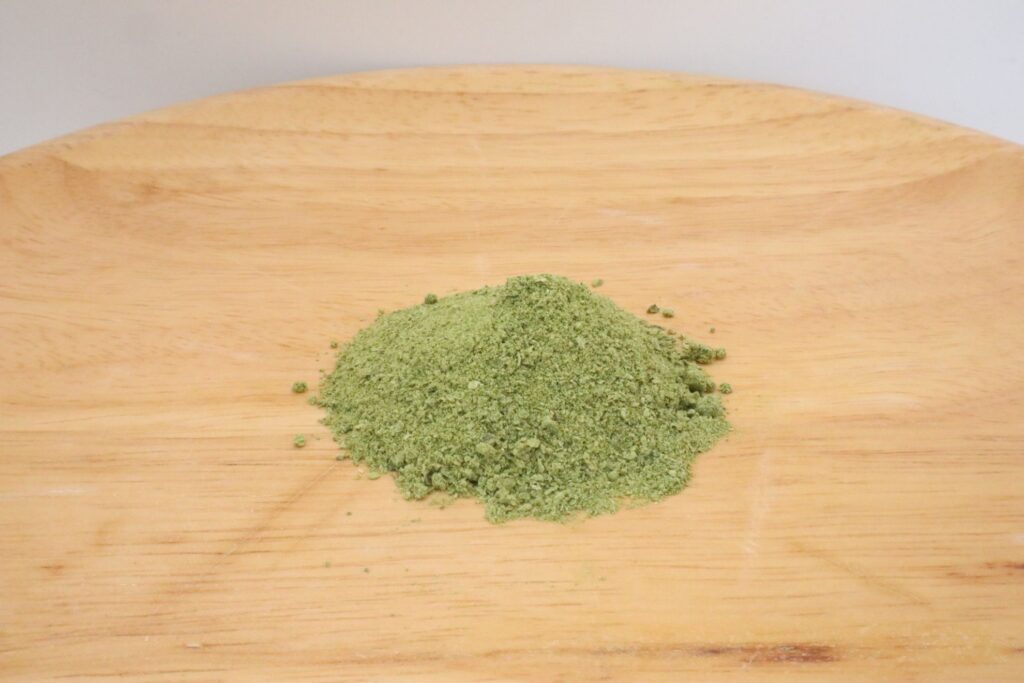
Manganji pepper powder
Manganji chili powder, characterized by sweetness and a moderate heat. Ideal as an accent for dishes, sauces, and seasonings. Commercial supply available. -
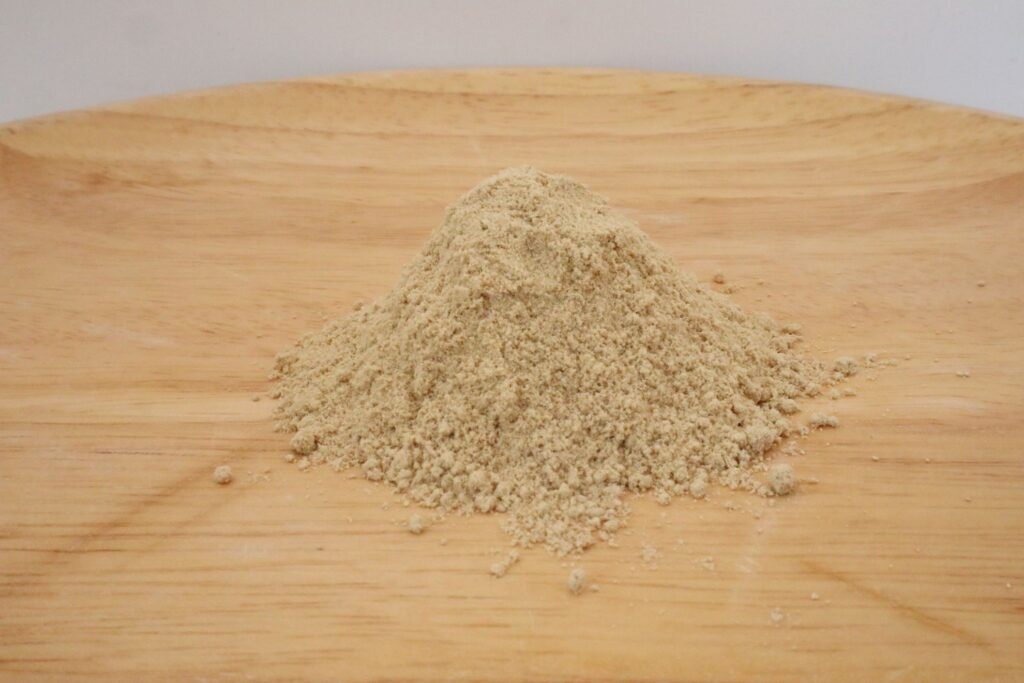
Ginger powder
Ginger powder, characterized by rich fragrance and a crisp heat. Ideal for flavoring beverages and processed foods. Commercial and OEM handling available. -
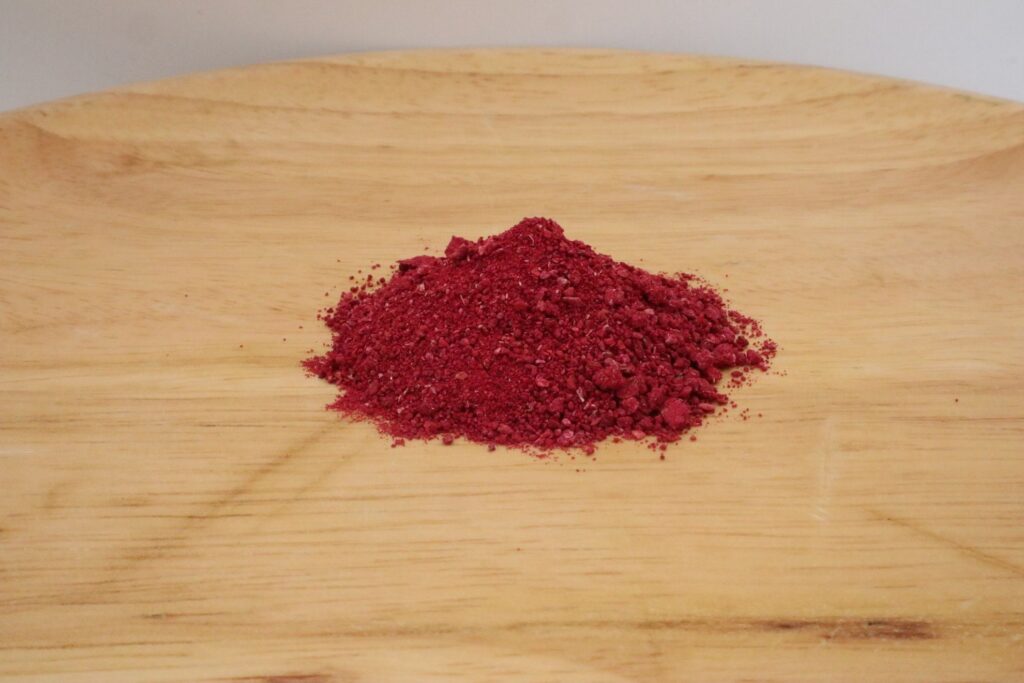
Beet powder
Dried beet powder, characterized by vivid color and natural sweetness. Ideal for drinks, sweets, and processed foods. Commercial and OEM handling available. -
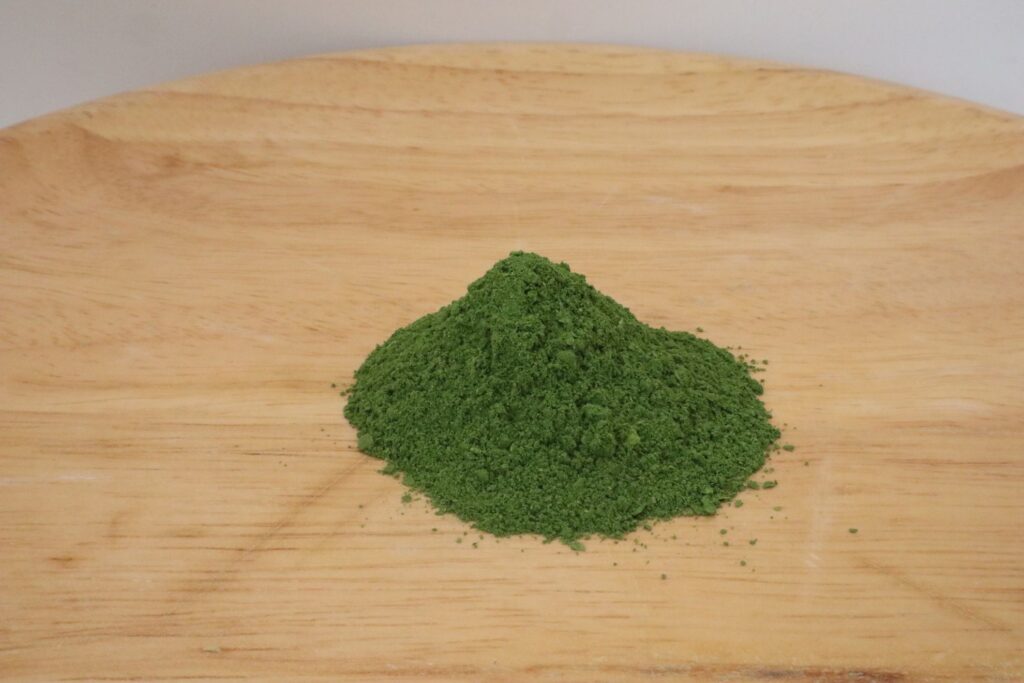
Spinach powder
Nutrient-rich, vividly colored dried spinach powder. Ideal for coloring and nutritional fortification of soups, noodles, and seasonings. Commercial supply available. -
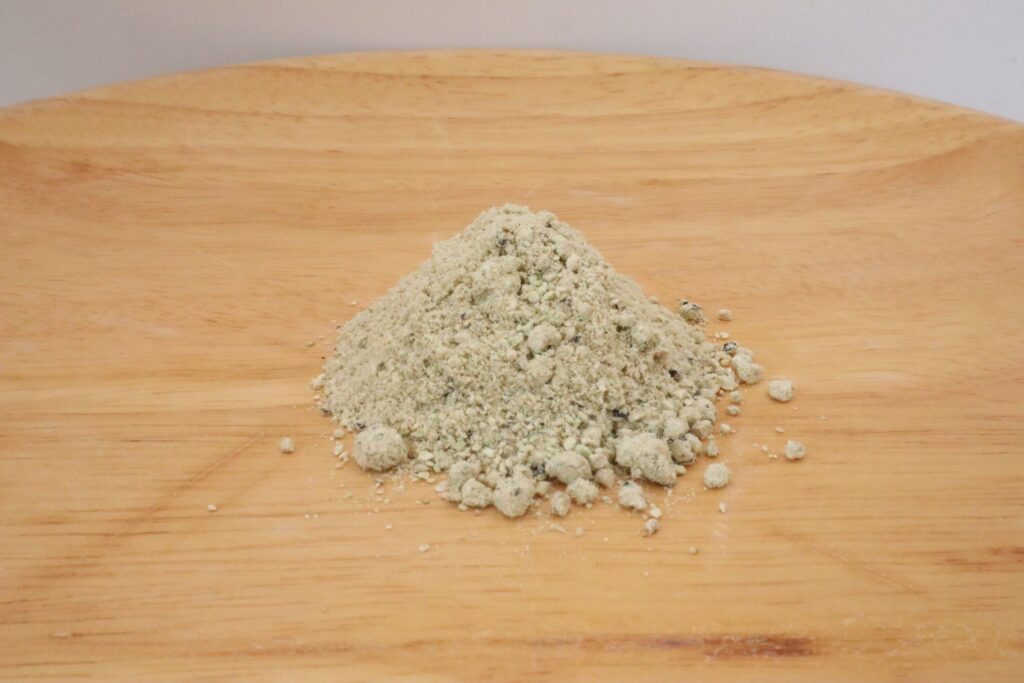
Kamo eggplant powder
Kamo eggplant from Kyoto's Kamo area, dried and processed. Refined sweetness and umami concentrated; a commercial raw material usable in a wide range of Japanese and Western dishes. -
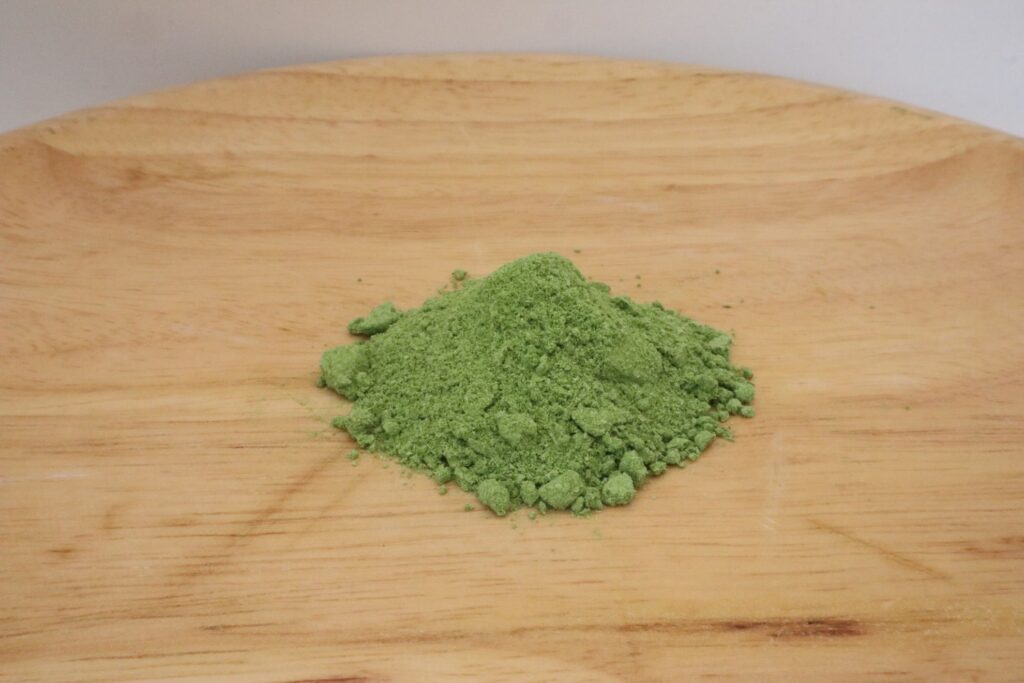
Kujo green onion powder
Kujo negi, a traditional Kyoto vegetable, dried and processed. Distinctive sweetness and mellow fragrance. A commercial raw material ideal for condiments and seasonings. -
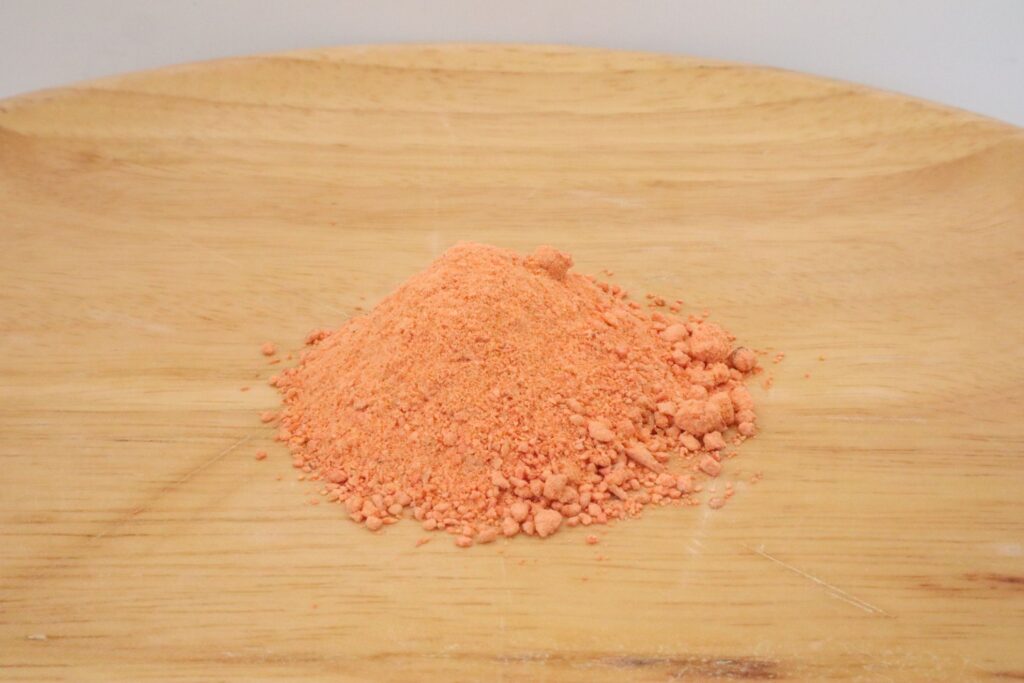
Carrot powder
Vividly colored, richly sweet dried Orange carrot powder. Ideal for natural coloring of soups, baked goods, and seasonings. Commercial supply available. -
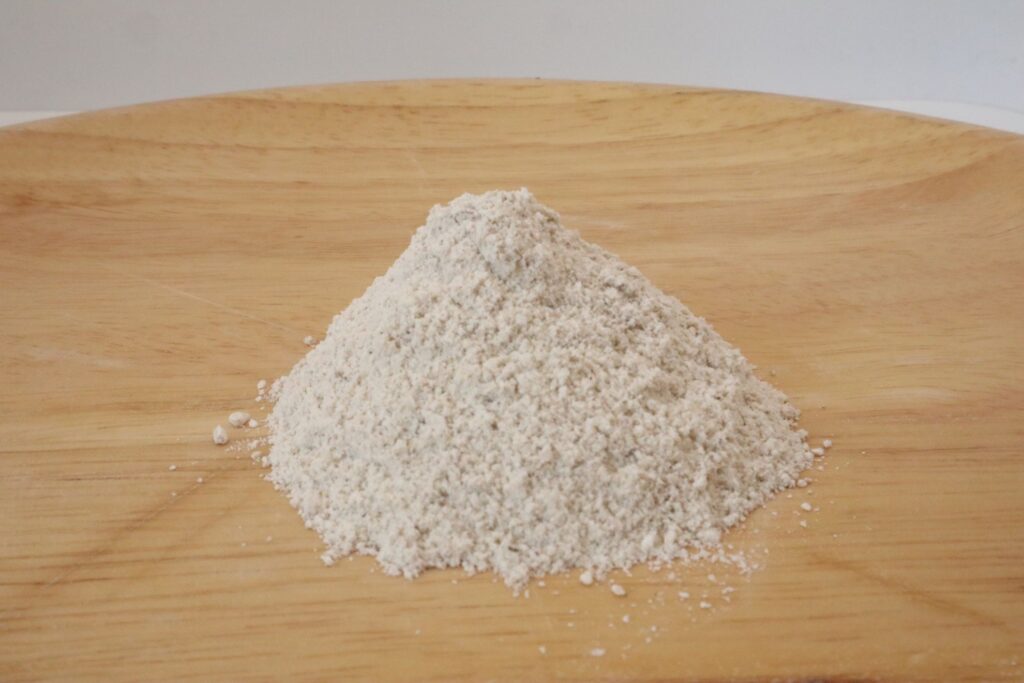
Burdock powder
Dried burdock powder, characterized by a toasty aroma and earthy flavor. Ideal as a raw material for simmered dishes, soups, and health foods. Commercial and OEM handling available. -
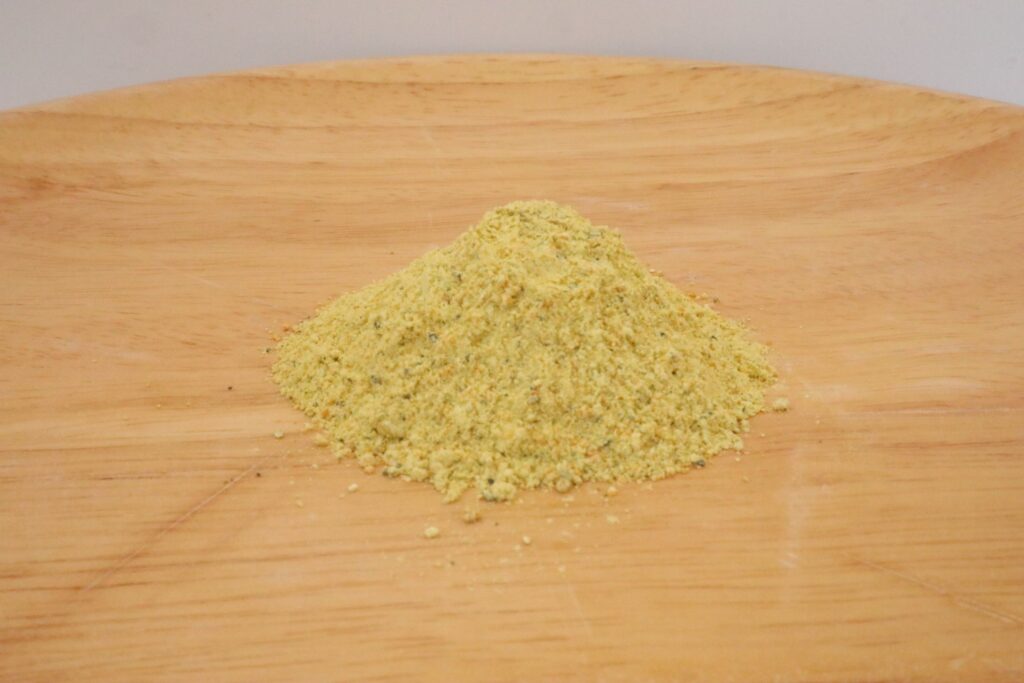
Kabocha squash powder
Dried kabocha powder, characterized by rich sweetness. Ideal for coloring soups, sweets, and bread dough. Commercial and OEM handling available. -
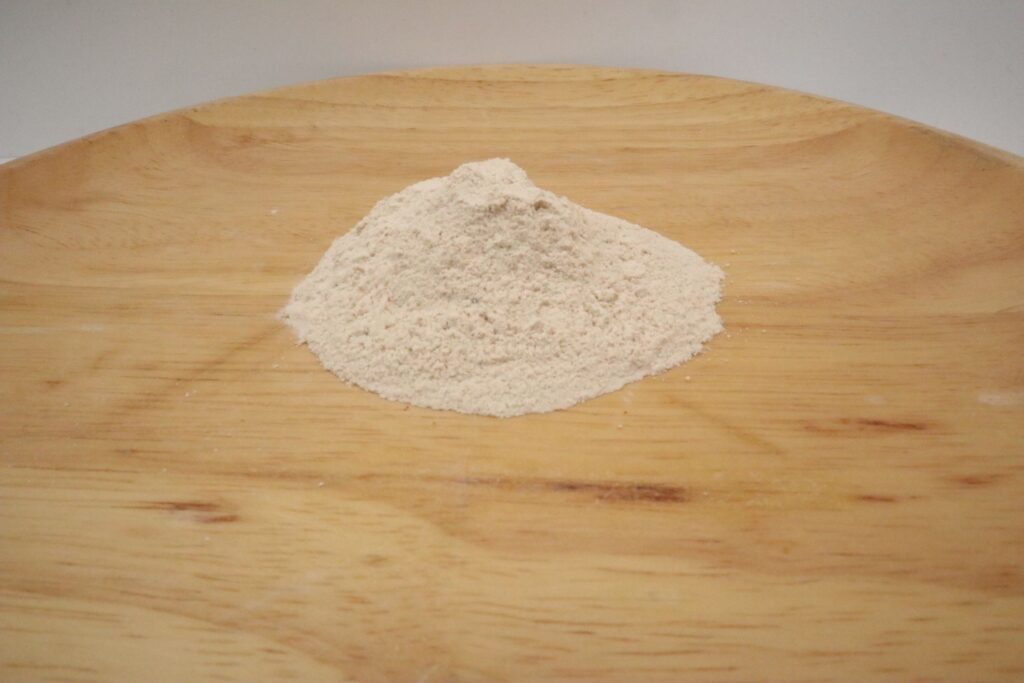
Lotus root powder
Dried lotus root powder made from Kaga lotus root grown in Ishikawa Prefecture. Characterized by stickiness and sweetness, it's ideal for soups, Japanese sweets, and processed foods. -
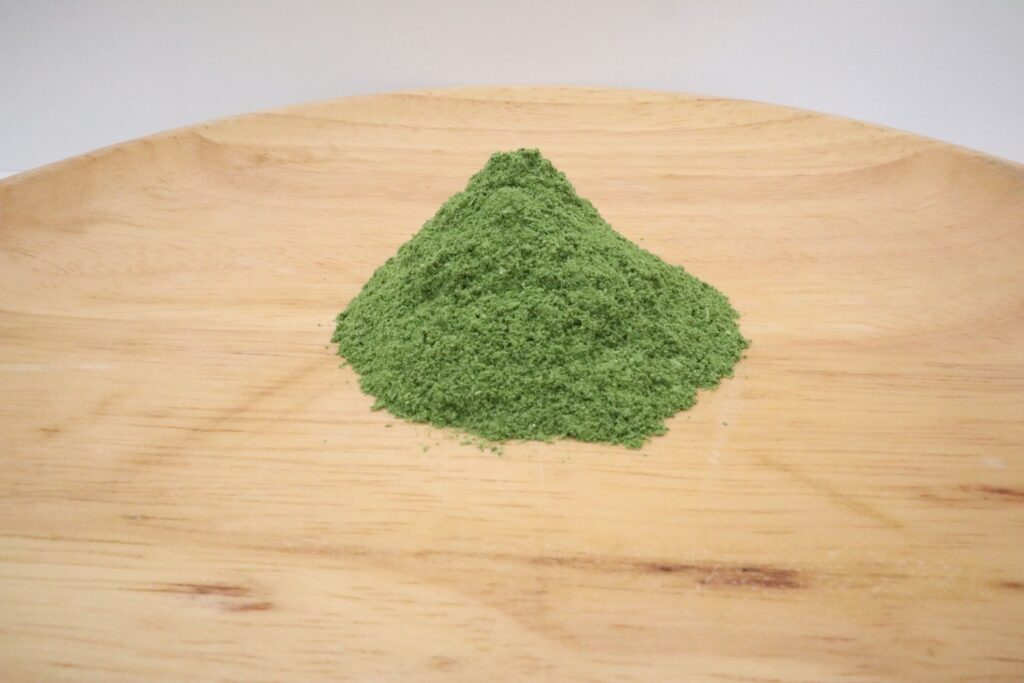
Komatsuna powder
Dried powder made from Kyoto-grown komatsuna. Vivid green color and nutritional value are its hallmarks. A commercial food ideal for smoothies, confectionery, and seasonings. -
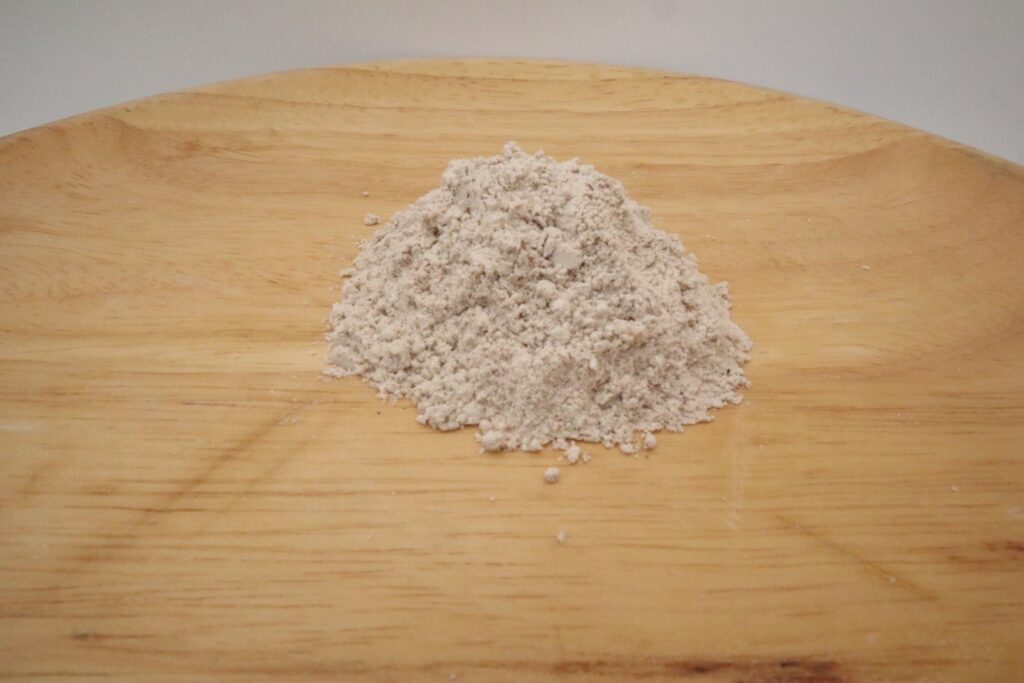
Shiitake powder
Dried shiitake powder made from domestic shiitake. Umami concentrated; ideal as a Japanese-style dashi or seasoning for restaurants and food makers. -
Contract Manufacturing Guide for Vegetable Powder Filling | Quality Control and Optimal Package Selection
The filling and packaging of vegetable powder is a process that greatly influences the final product's quality and cost. Because powder carries risks of static electricity, moisture absorption, clumping, measurement accuracy, and foreign-matter contamination, it requires "filling-specialist know-how" separate from raw material processing. When making a differentiated product for commercial use, the filling maker's equipment and... -
The complete guide to succeeding at PB development with vegetable powder | Small lots supported
Vegetable powder is an ingredient made by drying and powdering vegetables, combining shelf stability with concentrated nutrition. This characteristic is a strong weapon for food manufacturers, retailers, and D2C operators who want to launch private brand (PB) products from small lots. Fresh vegetables have waste loss and purchasing fluctuation... -
Vegetable sweets OEM | The complete guide to designing color, flavor, and nutrition with vegetable powder
Using vegetable powder in sweets lets you add the natural color and flavor of kabocha, purple sweet potato, beet, spinach, carrot, and more without artificial colorings or food dye. Just mix it with cake flour, milk, and eggs to give homemade cookies, cakes, bread, macarons, and ice cream a "with vegetables" touch... -
Make Baby Food Easy with Vegetable Powder: Safe Uses and Recipes by Age
Vegetable powder is a handy ingredient that both saves time and boosts nutrition when making baby food. Choosing a domestically grown, additive-free powder lets you incorporate vegetables such as kabocha, spinach, carrot, and lotus root little by little to match your baby's age, while being mindful of powderiness and allergy risk... -
The complete guide to choosing vegetable powder: also explaining the difference between commercial and household use
Vegetable powder is a food ingredient made by drying and powdering vegetables, used as a commercial raw material across a wide range—confectionery, beverages, soups, baby food, care food, pet food. Even the same "vegetable powder" differs in production method (hot-air drying, freeze-drying, vacuum drying), particle size (mesh... -
Additive-free design with vegetable powder | How to choose natural colorants for use as coloring food
Using vegetable powder as a natural pigment lets you put color and flavor into a product with just the ingredient name, without adding food red or edible colorants. The crimson of beets, the yellow of pumpkin, the green of spinach, the magenta of purple sweet potato—being able to write "beet powder" or "pumpkin powder" in the product's ingredient list is the greatest... -
How to use commercial vegetable powder | Uses at restaurants and storage
Commercial vegetable powder is a raw material for handling the color, flavor, and nutrition of vegetables at room temperature—used by restaurants, cafés, hotels, school-meal businesses, and food makers. Compared with fresh vegetables, it excels in shelf life, work efficiency, and yield, and can reduce sourcing variation and disposal loss, making it a standard material in commercial kitchens and workshops... -
Forecasting the vegetable powder market in 2030! An explanation of growth fields and the latest trends
The market for vegetable powder has expanded greatly in the past few years, reaching from commercial ingredients and health foods to functional beverages, baby food, pet food, and collaboration products. From food makers we hear "we want to use out-of-spec vegetables" and "we're looking for a vegetable ingredient for health management or employee benefits"... -
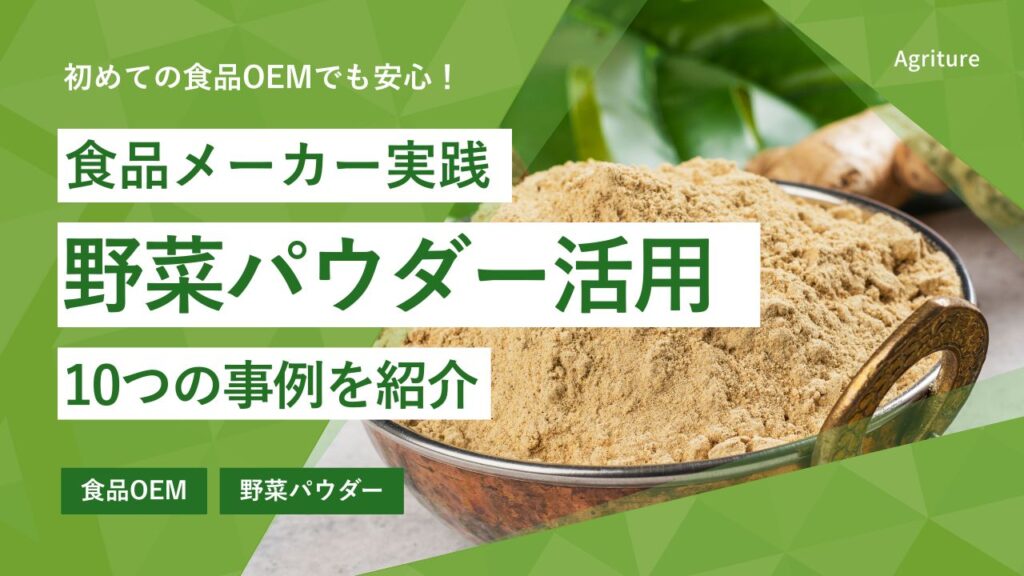
Case studies of vegetable powder use | Success patterns by industry and a framework for adoption decisions
Use cases for vegetable powder differ greatly in their success patterns by industry. Color reinforcement in noodles and soups, kneading into dough for sweets and bread, functional appeal in beverages and drinks, nutritional fortification of prepared foods and retort products, buzz-creation in novelties and campaigns—the adoption depends on the effect the product developer is aiming for... -
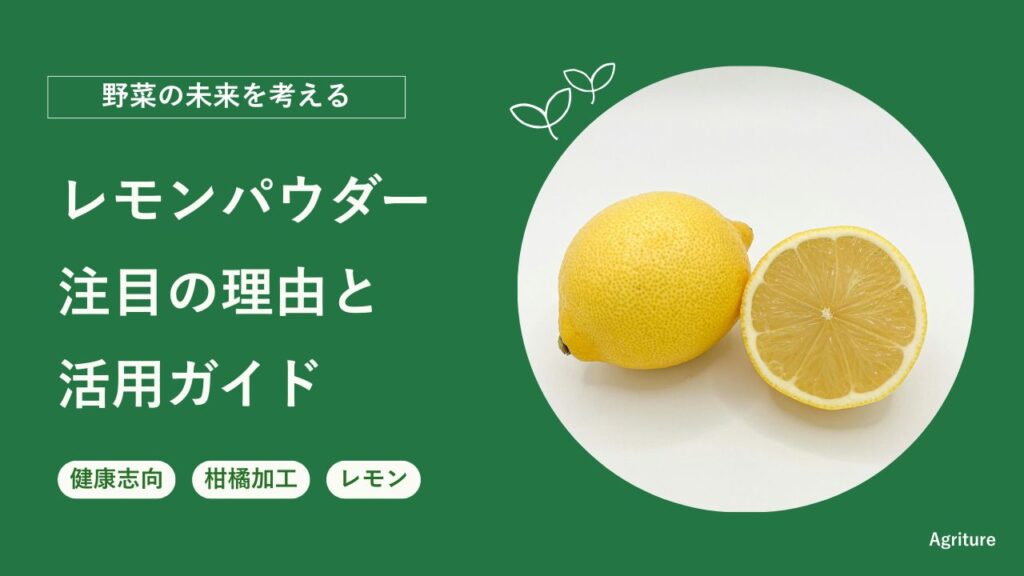
Why Lemon Powder Is Drawing Attention and How to Use It! A Thorough Usage Guide
Lemon powder is drawing attention in the food industry and at home. Fresh lemon, as a citrus with a distinctively vivid acidity and refreshing aroma, has been used across a wide range of industries—food processing, foodservice, confectionery, and beverages. The juice is used to add acidity to drinks and dishes, and the peel for confectionery and dressing... -
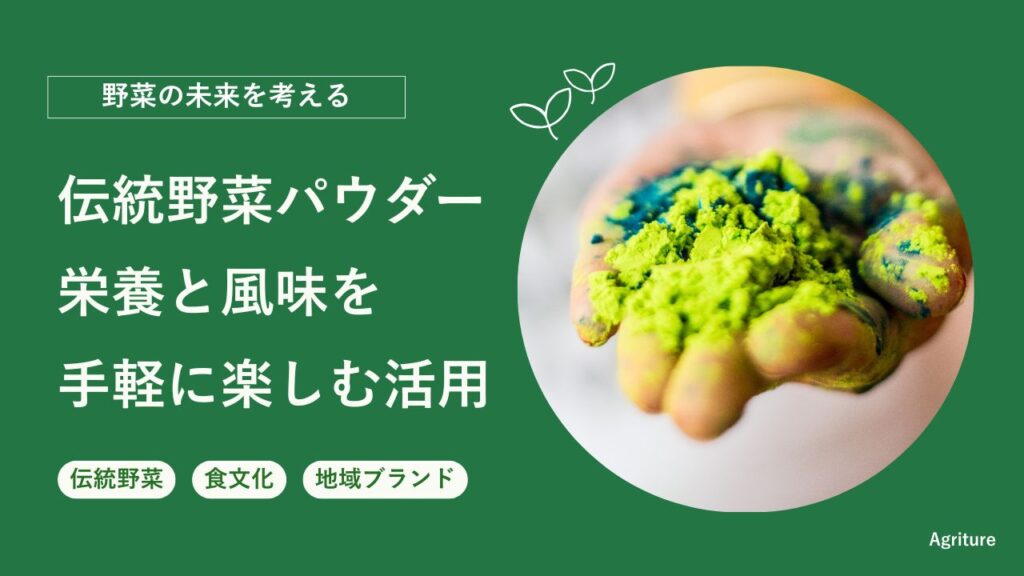
How to use heirloom vegetable powder! Ways to easily enjoy nutrition and flavor
Heirloom vegetable powder is an ingredient made by powdering native varieties long cultivated in various regions, such as Kyoto vegetables and Kaga vegetables. These vegetables are a precious food heritage nurtured over long years while adapting to the region’s climate and soil, differing from the commonly mass-produced vegetables... -
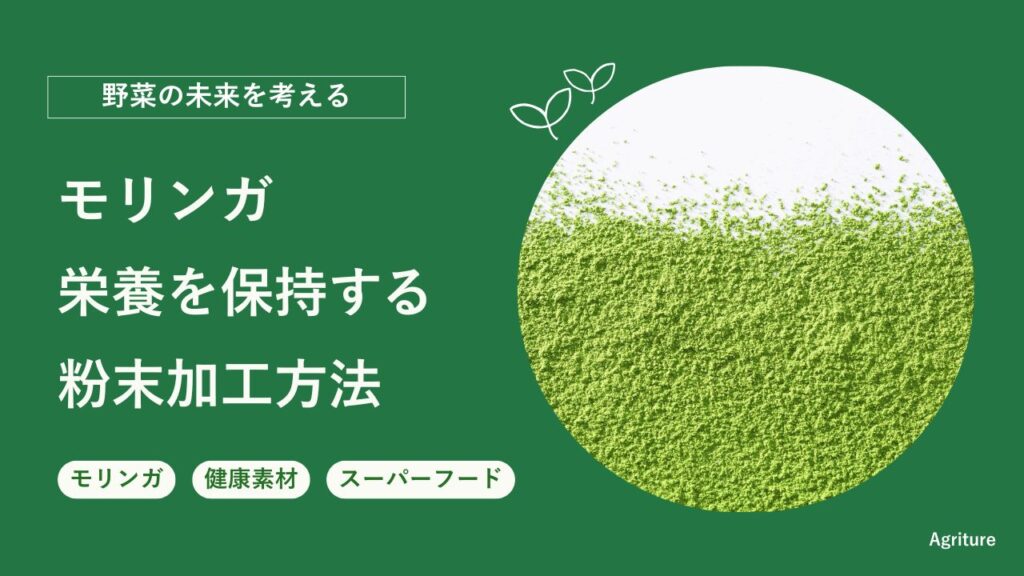
Moringa is called a "nutrient-rich tree" and draws attention as a superfood containing over 90 kinds of nutrients. But to make the most of that rich nutritional value, an appropriate processing method is essential. The powdering process starts from harvest. At a processing facility in Kagoshima Prefecture...
Dried goods are ingredients dried for long-term storage. By removing the moisture, they are characterized by concentrated umami and nutritional components. In Japanese food culture, dried goods have long held an important place. With their excellent shelf stability, the convenience of being usable easily anytime, and their distinctive flavor and texture... -
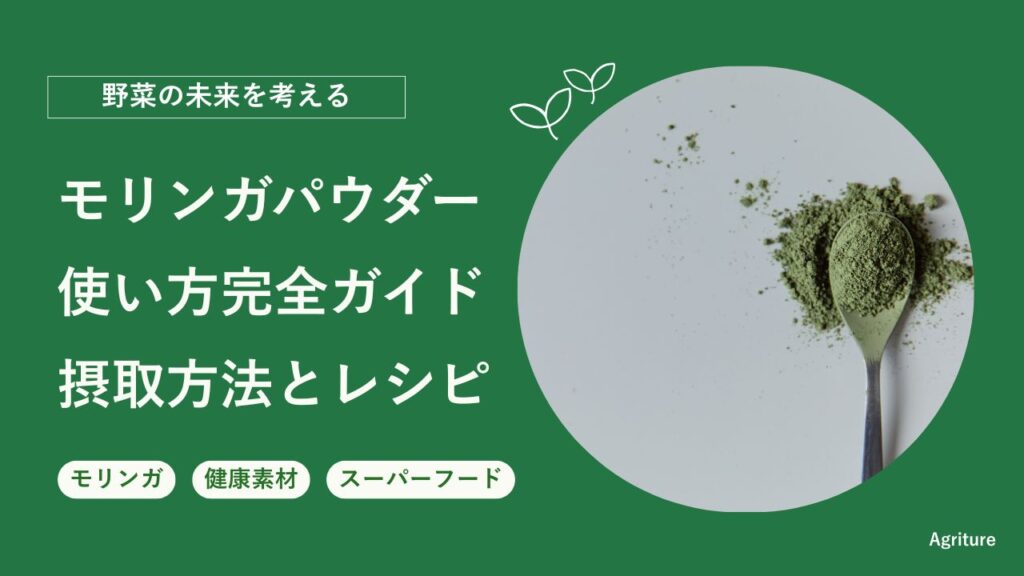
モリンガパウダーはどう使う?飲み方・混ぜ方と保存のコツ
Moringa powder is a health food made by drying and powdering the leaves of moringa, called the "miracle tree." This plant native to India contains over 90 kinds of nutrients, with a good balance of the nutrients our bodies need—vitamin A, vitamin C, calcium, iron, amino acids, and more... -
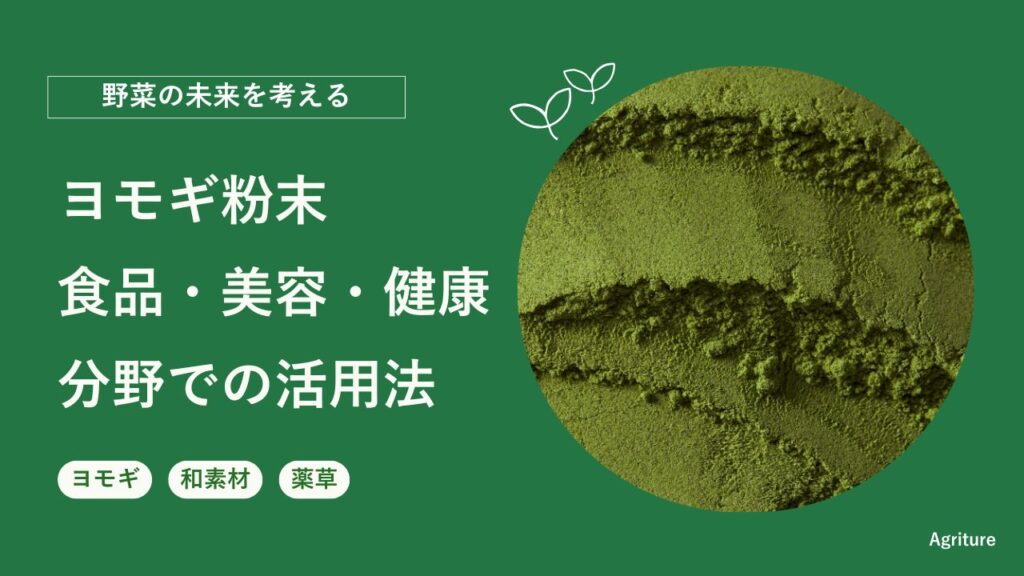
Complete guide to using mugwort powder | Recipes for kusa mochi, bread, and lattes, plus amounts and selection
Mugwort powder (yomogi powder), usable in kusa mochi, mugwort tea, and mugwort bread. Made by drying and powdering the leaves, mugwort powder’s appeal is that it can be mixed directly into dough or drinks without the trouble of rehydrating. Still, many people are unsure “how much to add” and “what uses there are”... -
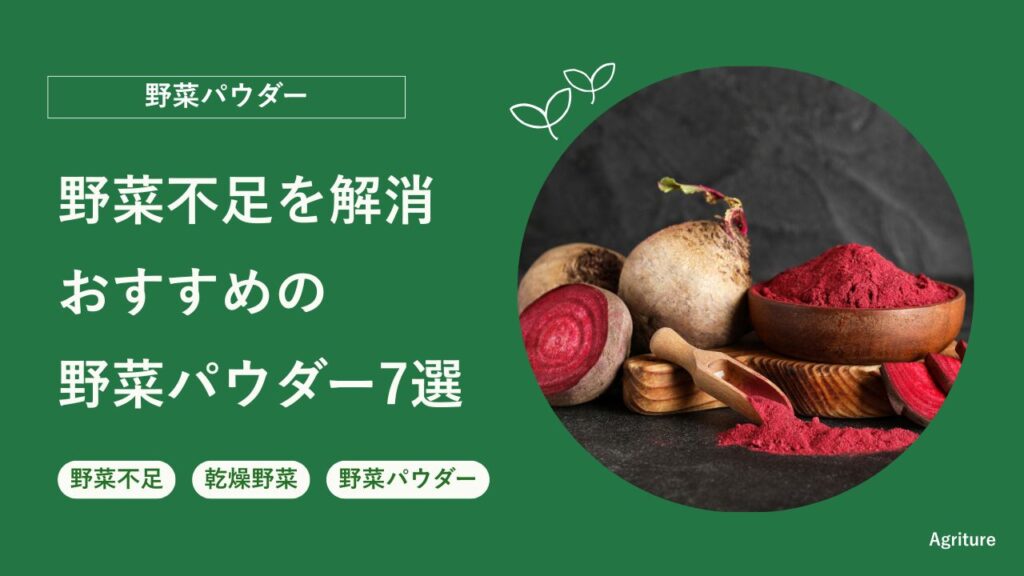
[Latest 2025] A thorough comparison of 7 recommended vegetable powders
Vegetable powder is a food made by drying fresh vegetables into powder. It is growing in popularity as a convenient item for easily taking in vegetable nutrients. The daily vegetable intake recommended by the Ministry of Health, Labour and Welfare is 350 g, but the average intake of Japanese stops at about 280 g. Many... -
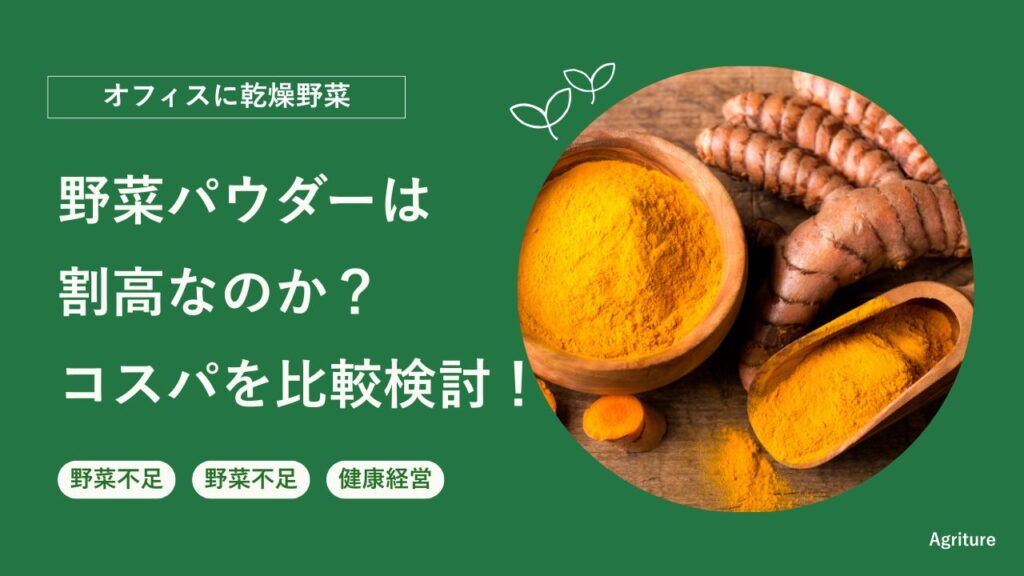
Vegetable powder cost-performance comparison! 7 points on how to choose and use
Do you know about vegetable powder? The daily vegetable intake recommended by the Ministry of Health, Labour and Welfare is 350 g, but the average intake of Japanese stops at about 280 g. Seeing this figure, you can tell that many people are unable to take in the vegetables they need. Especially for busy businesspeople, every...
12