
Rei Kojima– Author –

-
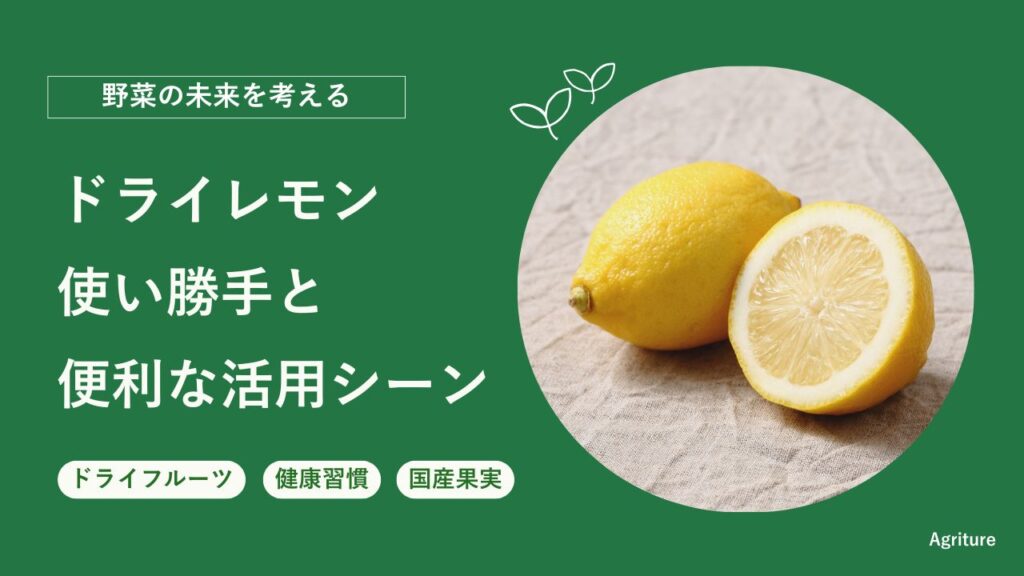
A Thorough Test of Dried Lemon's Usability! Handy Use Scenes and Storage Methods
Dried lemon is a processed food made by slicing and drying fresh lemons. Its biggest difference from fresh lemon is shelf life. Fresh lemon lasts about 2–3 weeks refrigerated at most, but dried lemon keeps about two weeks at room temperature and even longer if refrigerated or frozen. By driving off the moisture... -
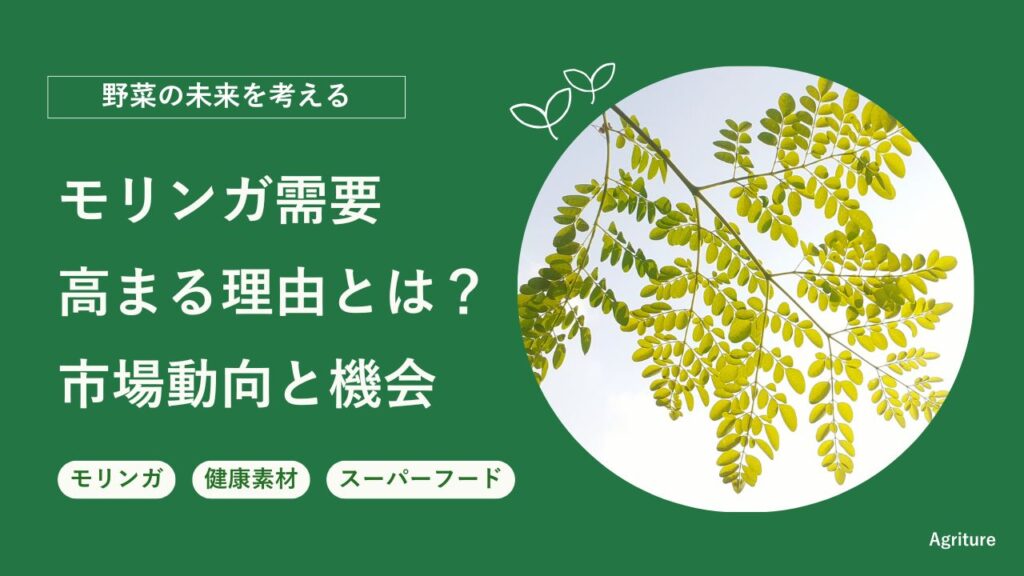
Why Moringa Demand Is Rising: Market Trends and Opportunities in Product Development
Alongside rising health consciousness, interest in superfoods is expanding worldwide. Among them, moringa—called a "nutrient-rich tree"—is drawing attention from both its high nutritional value and sustainability. Moringa is a plant native to northwestern India, containing vitamin A, vitamin... -
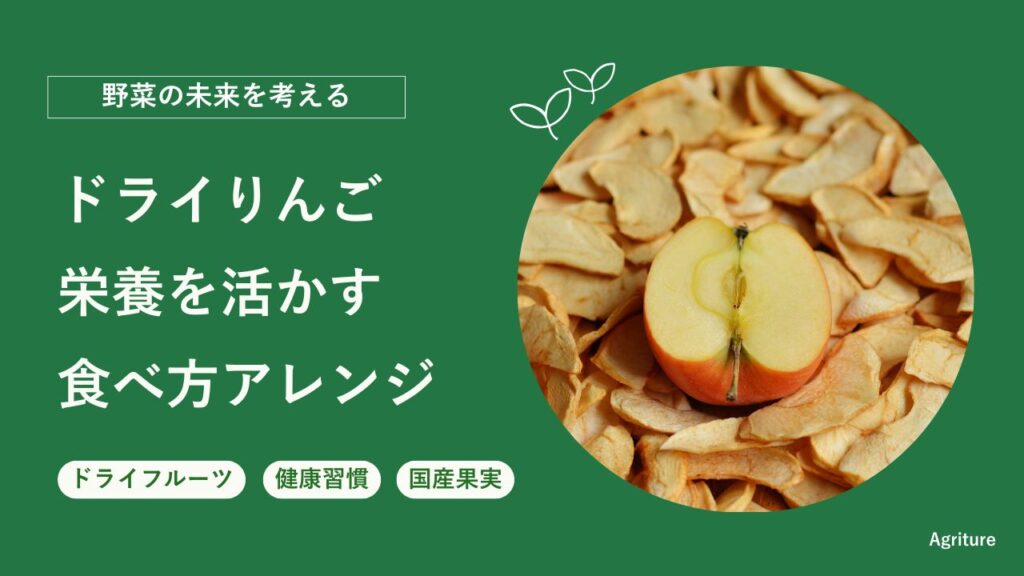
10 Ways to Enjoy Dried Apple: Variations That Make the Most of Its Nutrition
The Basic Way to Enjoy It—Eating It As-Is The simplest way to eat dried apple is to open the bag and snack on it as-is. The water has been removed and the sweetness concentrated, so you can enjoy a richer flavor than fresh apple. That said, even "as-is" varies by texture type and the timing of when you eat it... -
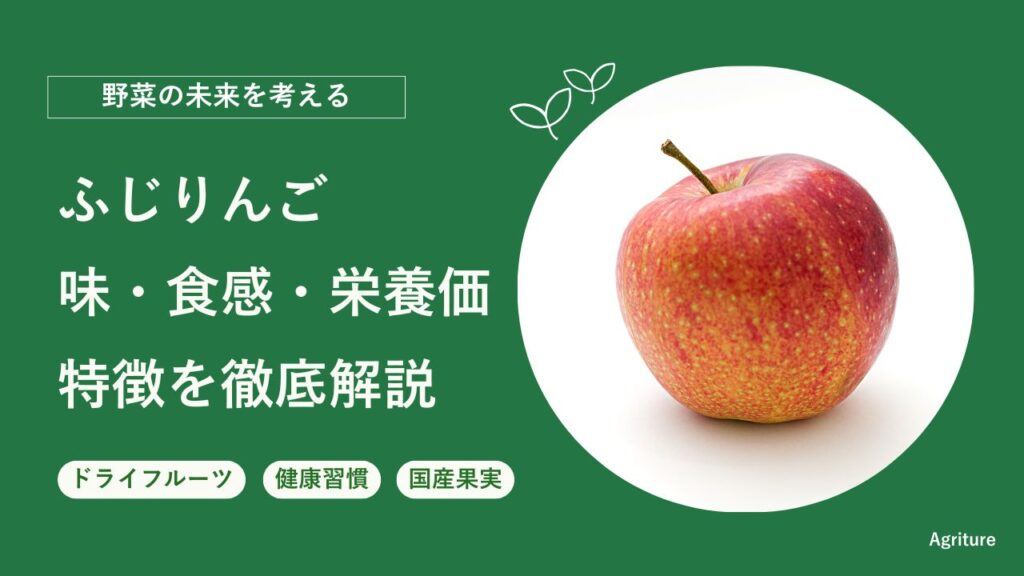
What are the features of Fuji apples? A thorough explanation of taste, texture, and nutritional value
"Fuji," seen year-round in the fruit aisle, is the most widely grown apple in Japan. With a balance of sweetness and acidity, a firm bite, and good keeping quality, it is used for everything from gifts to everyday snacks. That said, even one word, "Fuji,"... -
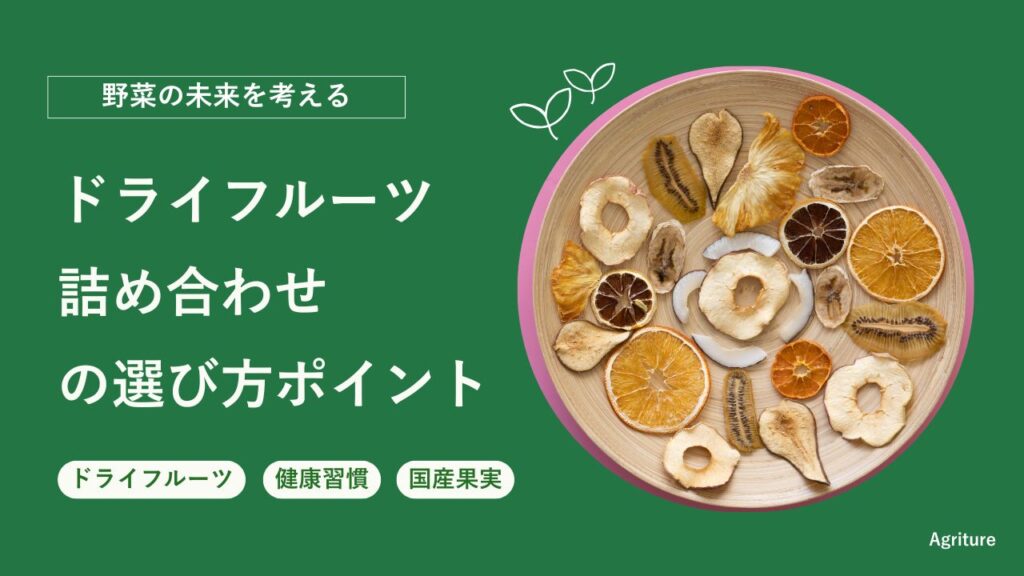
How to tell apart assorted dried fruit for gifts and corporate novelties
You can't judge what's in a dried fruit assortment from the package photo alone. Even among "6-variety sets," some contain costly fruits while others are bulked out with cheap items. The clues are on the back: the order of the ingredient list and the net weight... -
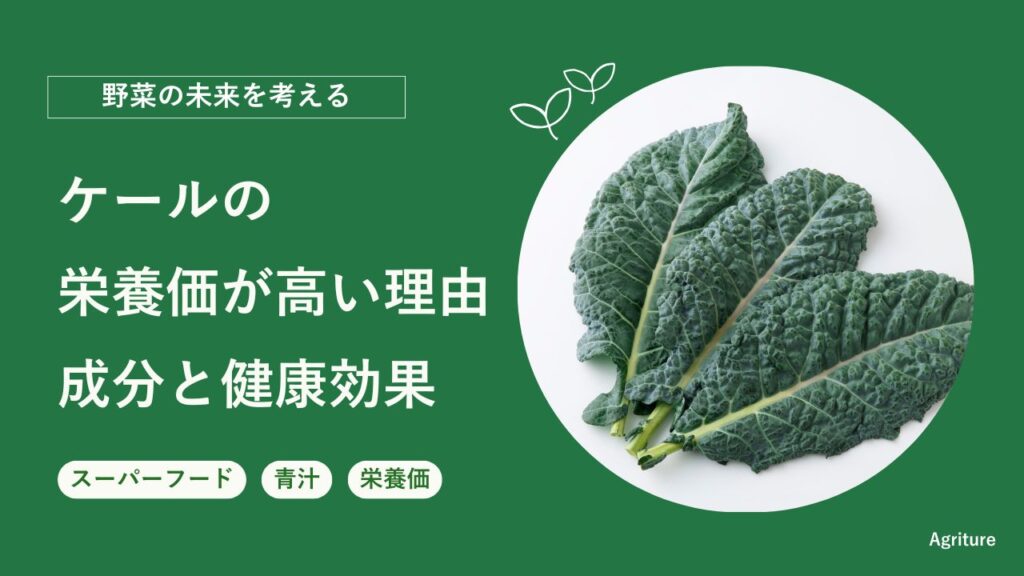
Why kale is so nutritious: its components and characteristics
Kale, known as an ingredient in aojiru green juice. This vegetable, in fact, is nicknamed the "king of vegetables" for its high nutritional value. A member of the Brassicaceae family alongside cabbage and broccoli, and positioned as the ancestor of these vegetables, kale is thought to originate along the Mediterranean coast in the region of Greece, and has been cultivated since before... -
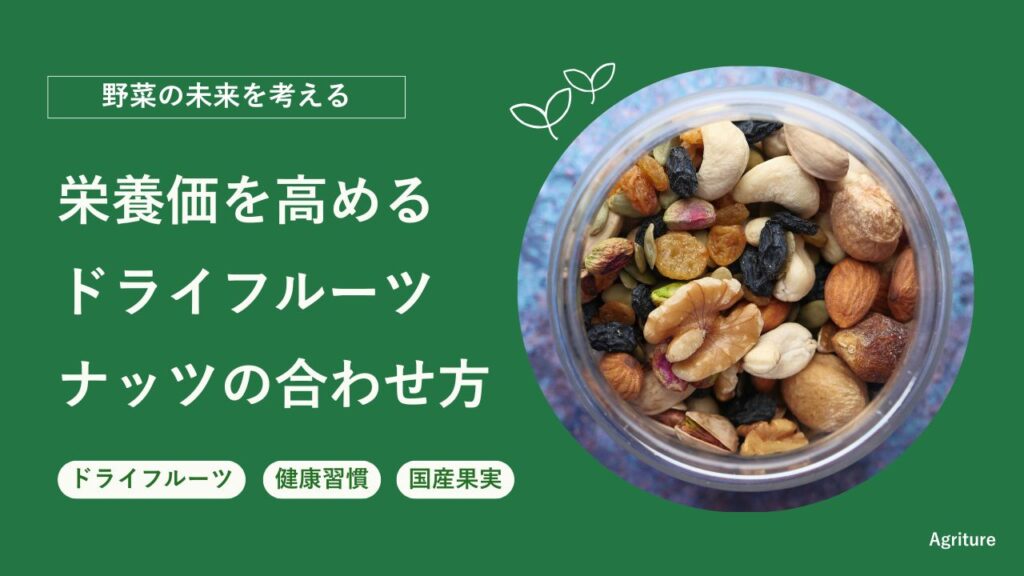
Dried fruit and nut combinations that go well together, and how to store them
Eating dried fruit and nuts together has become a popular snack and trail food. But if you mix your favorites yourself and store them, the nuts can go soft and lose their texture within a few days. The cause is moisture. The moisture left in the dried fruit... -
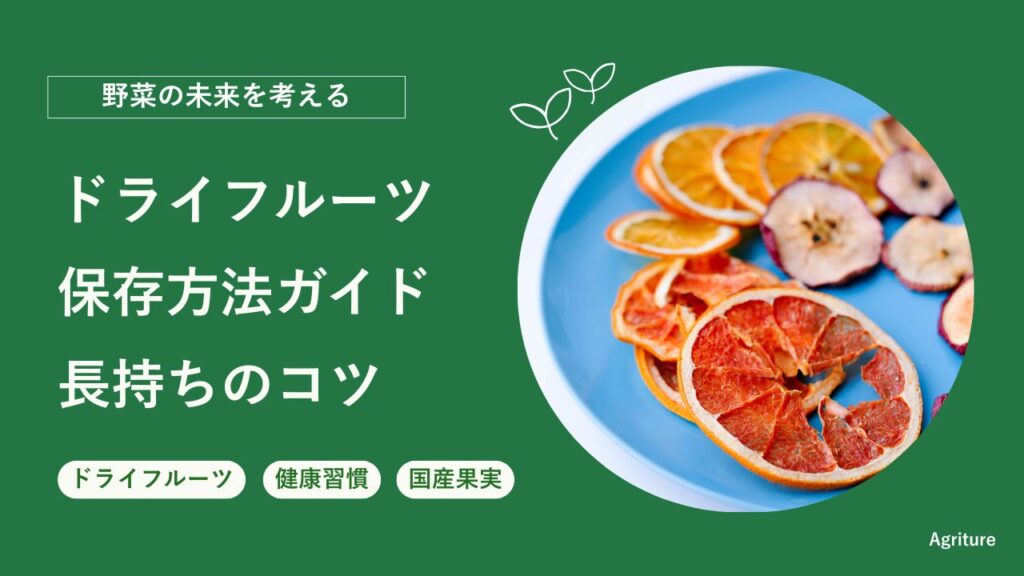
A Complete Guide to Storing Dried Fruit: 10 Tips to Make It Last
You finally bought some dried fruit, and before you knew it, mold had appeared. Have you had this experience? It's easy to assume dried fruit lasts a long time because it's dried, but in fact, storing it incorrectly can cause it to deteriorate far faster than expected. Especially sugar-free or additive-free domestic... -
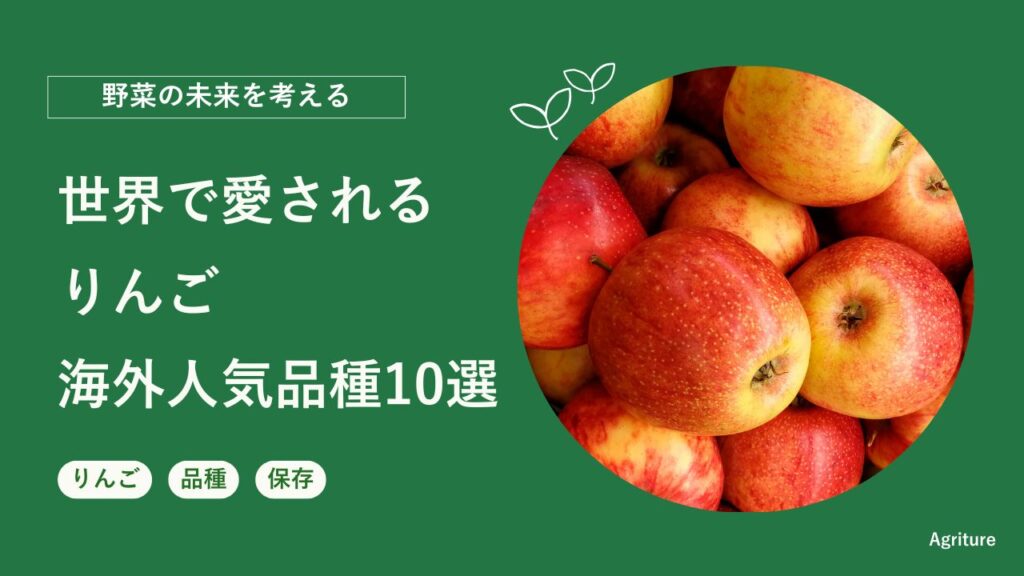
世界のりんごは半分が中国産、日本に入る輸入品は1万3千トンだけ
スーパーの果物売り場で「外国産りんご」の値札を見かけることは、日本ではめったにありません。輸入バナナは当たり前に並ぶのに、りんごだけは国産ばかり。理由は好みでも価格でもなく、植物検疫の制度にあります。 この記事は、世界のりんごの生産量を国... -
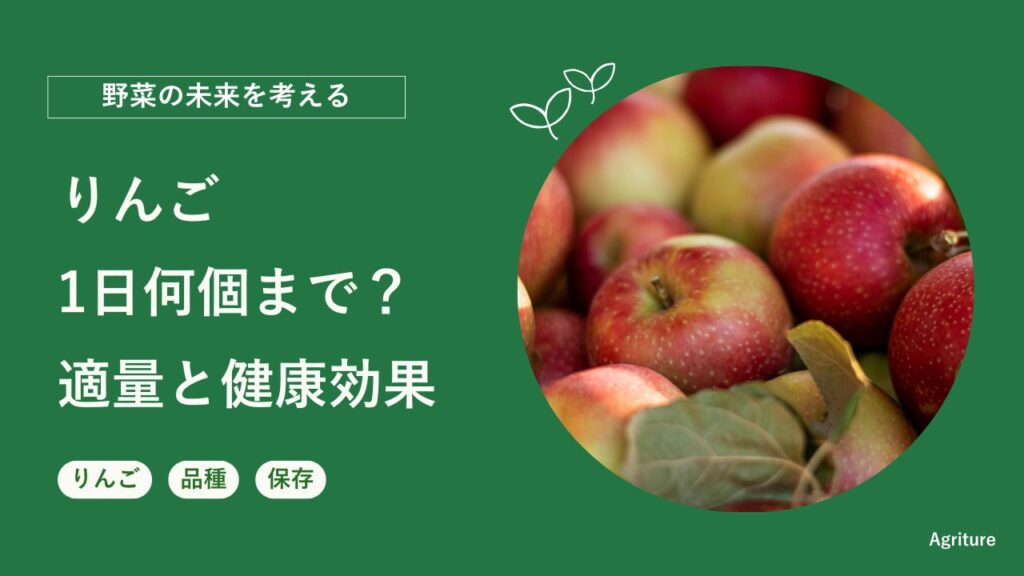
りんご1個は何グラム?ふじは350グラム、紅玉は240グラムです
レシピに「りんご1個」と書いてあって、はかりの前で止まった。あるいは通販で「Lサイズ」と書かれていて、それが何グラムなのか分からない。どちらもよくある場面です。 先に答えを書きます。りんご1個の重さは品種で決まっていて、240グラムから500グラ... -
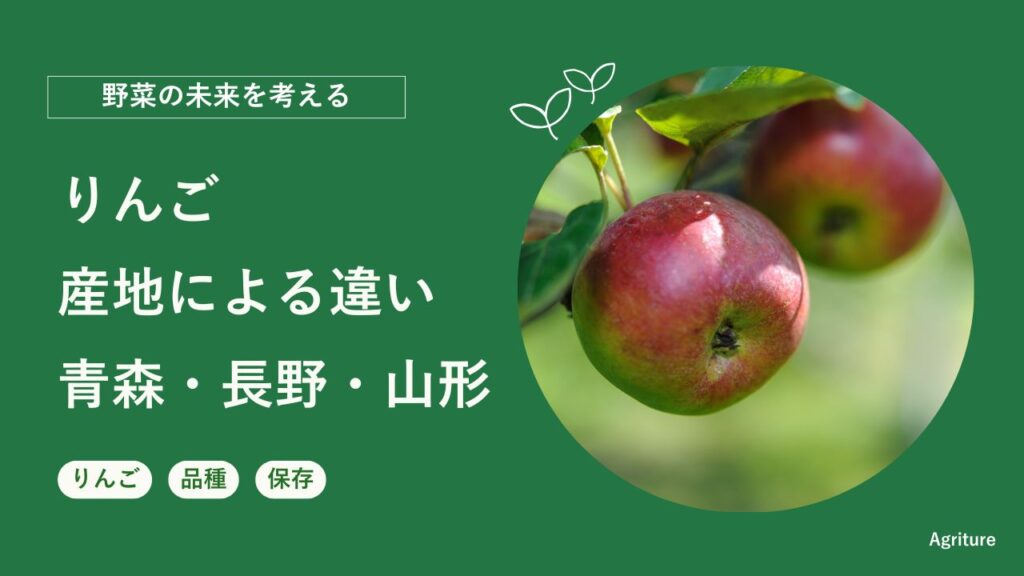
Differences among apple growing regions? Comparing Aomori, Nagano, and Yamagata
Even the same "Fuji" gives a different taste impression between Aomori-grown and Nagano-grown. Many who've compared origin labels at supermarkets or farm-direct stands have wondered why the price and texture differ. Apple flavor isn't decided by cultivar alone—the land's climate, altitude, and day-night temperature swing greatly... -
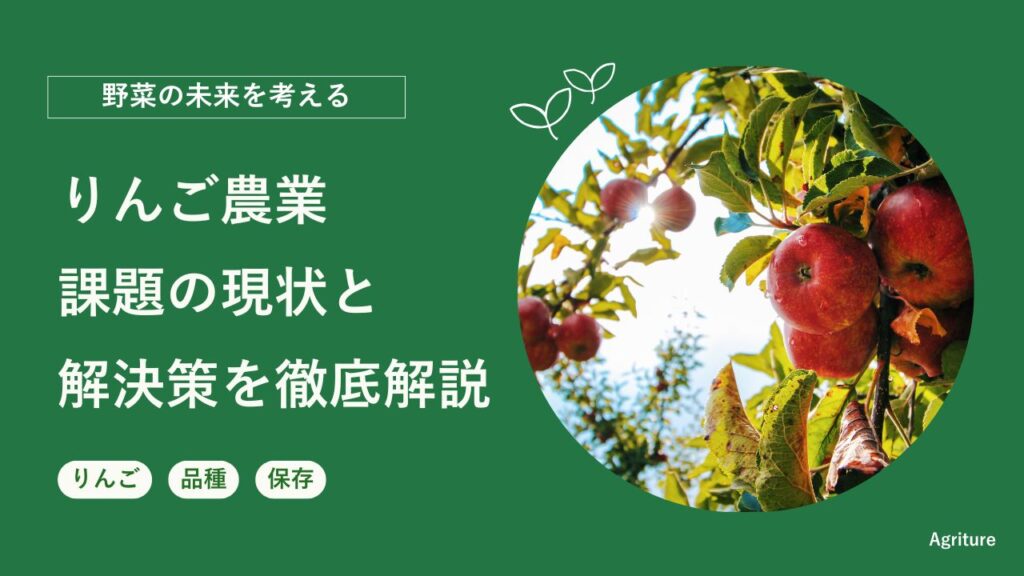
What are the challenges of apple farming? A thorough explanation of the current state and solutions
The big picture of the challenges apple farming now faces. Apples are a familiar sight at the table, but their cultivation sites face a stack of overlapping structural problems: a shrinking farming workforce, changing growing conditions, labor concentrated in the harvest season, and ever-rising costs. It's not any one cause alone, but several... -
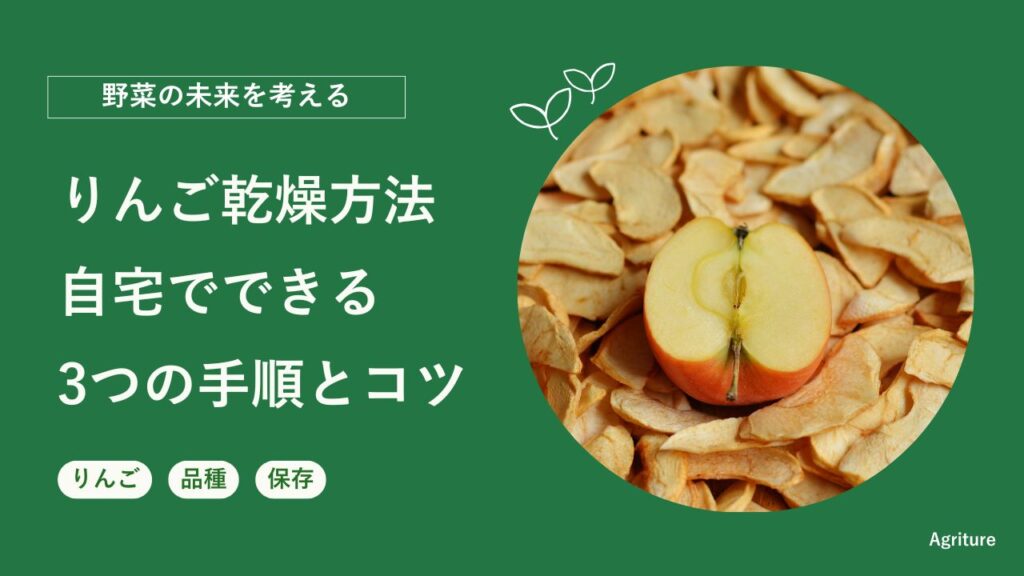
A Thorough Guide to Drying Apples! 3 Steps and Tips You Can Do Easily at Home
Prep Before Drying Determines the Result. Drying apples is 70% decided by the prep before applying heat. Even with the same variety and the same dehydrator, skipping the cut thickness or the small step of preventing discoloration leaves you with a sticky or brown, cloudy result that differs in finish. First, the three prep points... -
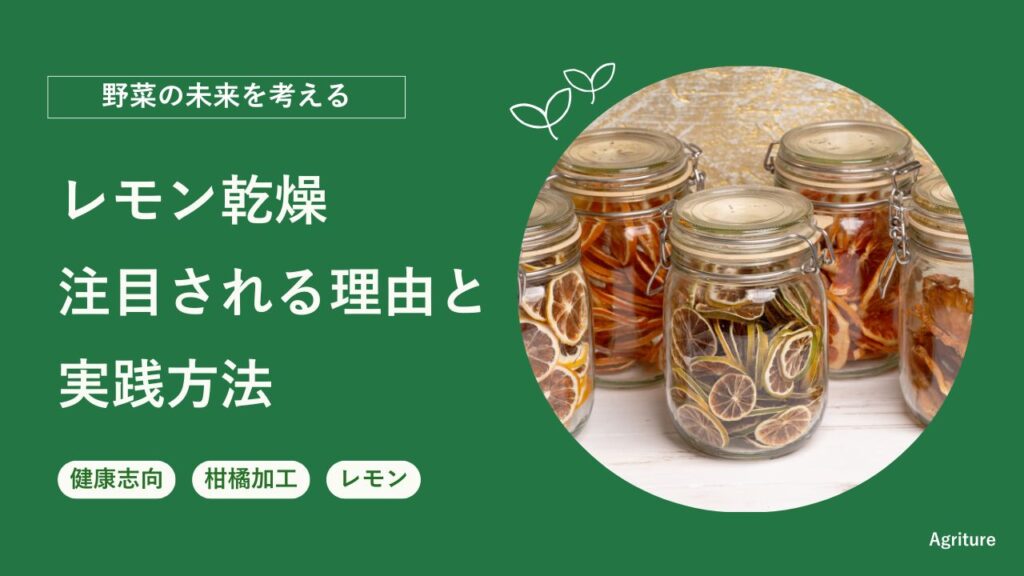
Why Lemon Drying Is Drawing Attention and How to Practice It! A Thorough Look at the Trend
Drying lemons is drawing major attention in the food industry. Alongside rising health consciousness, the market for lemon-based products is trending upward. In particular, fresh lemon faces challenges of temperature control to maintain freshness and a short shelf life, and against this backdrop, "drying" and "pas..." -
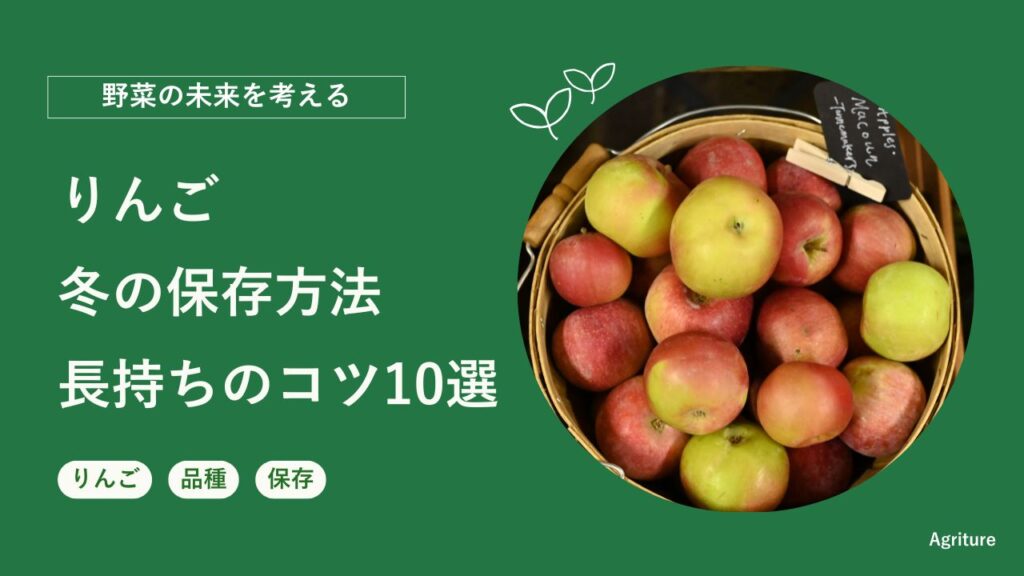
How to Store Apples in Winter: 10 Tips to Make Them Last
When you buy apples, the first thing you wonder is "should I store them at room temperature or refrigerated?" To get to the point, apples last longest in the fridge's vegetable compartment (0–5°C). In the cold air of autumn and winter, they last about a month at room temperature, 1–2 months refrigerated (vegetable compartment), and up to 3 months frozen... -
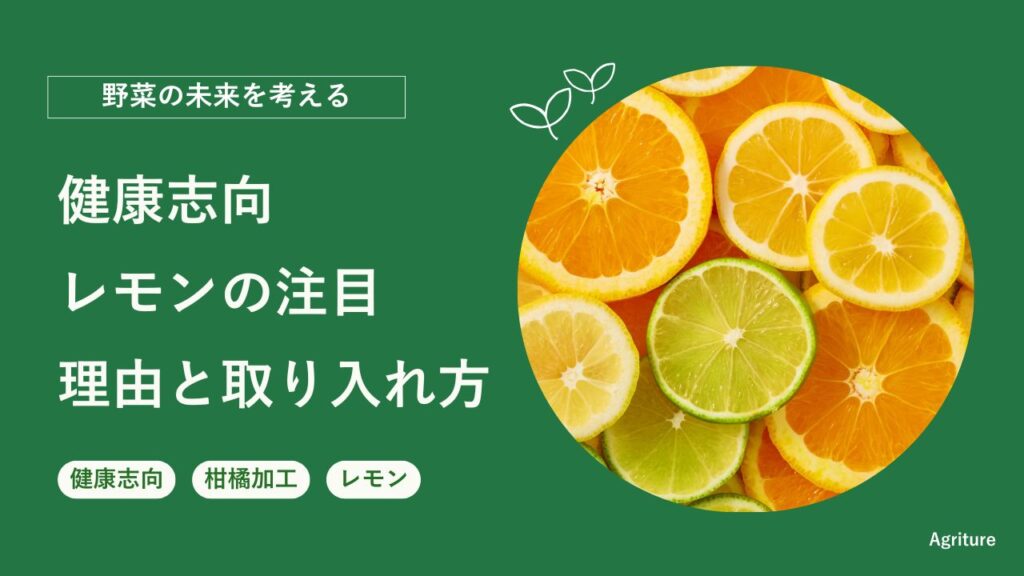
レモンの国産は年1万トンに届かない。皮まで使うなら何を見るか
はじめに、この記事で書けないことを先に書きます。 当社は栄養素の数値を記事に載せない方針をとっています。ビタミンが何ミリグラムといった値や、ほかの食品との倍率比較は書きません。健康上の効果についても、食品メーカーの立場で断定することはしま... -
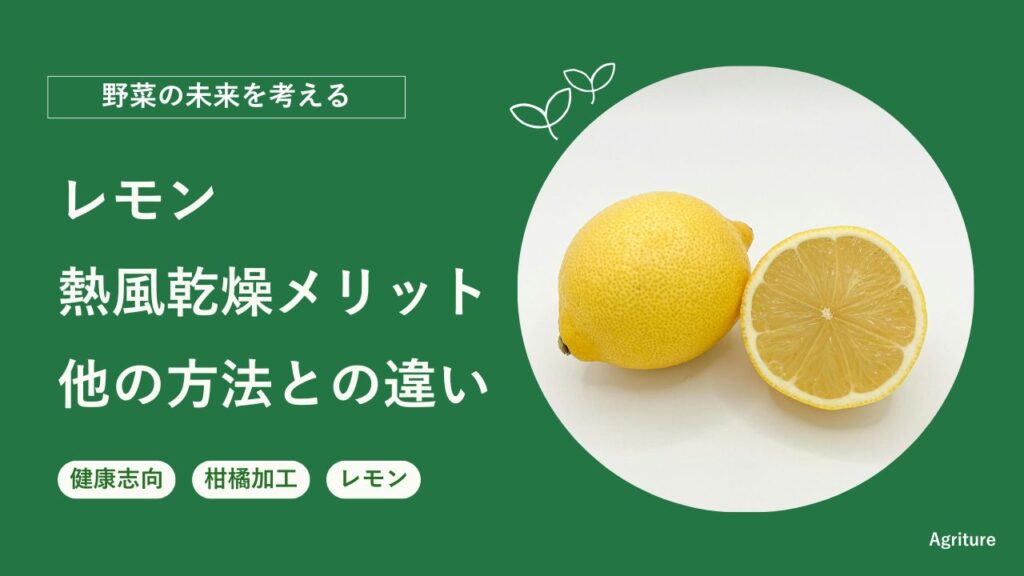
What are the benefits of hot-air drying lemon? Explaining the difference from other drying methods
Lemon is a citrus fruit classified in the genus Citrus of the Rutaceae family. Its vivid yellow, distinctive acidity, and refreshing aroma make it beloved worldwide. Its place of origin is said to be northern India, and it came to Japan in the Meiji era. Now domestic lemon is grown in Hiroshima, Ehime, Wakayama, and other prefectures... -
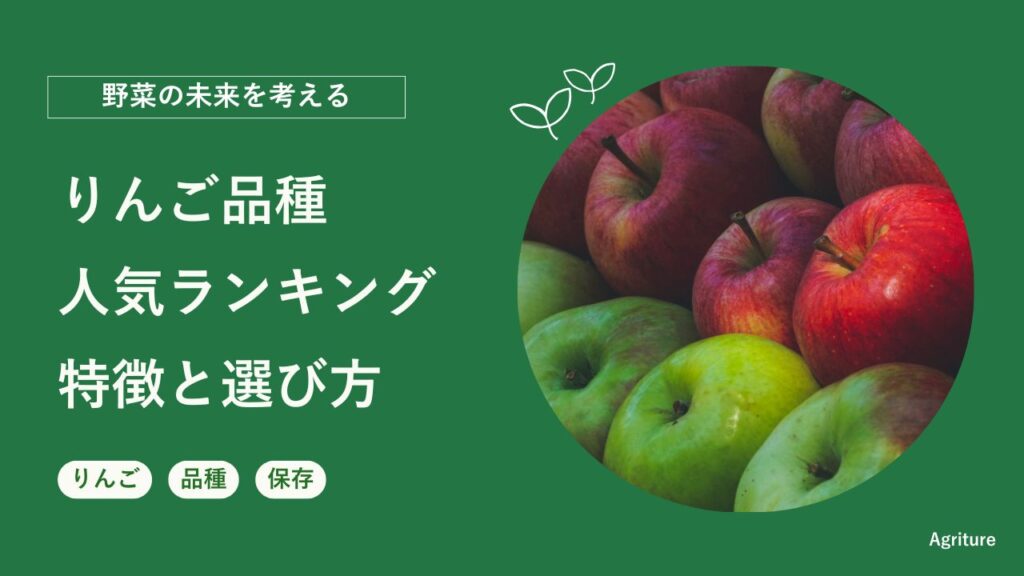
りんご品種ランキングを栽培面積で並べ直すと順位はこう変わる
スーパーの棚に「ふじ」「シナノゴールド」「王林」が並び、値札には品種名だけが書いてある。どれが甘いのか、どれが今いちばんおいしい時期なのかは、名前からは読み取れません。 りんごは、品種の出どころを公的な資料で最後まで追える数少ない果物です... -
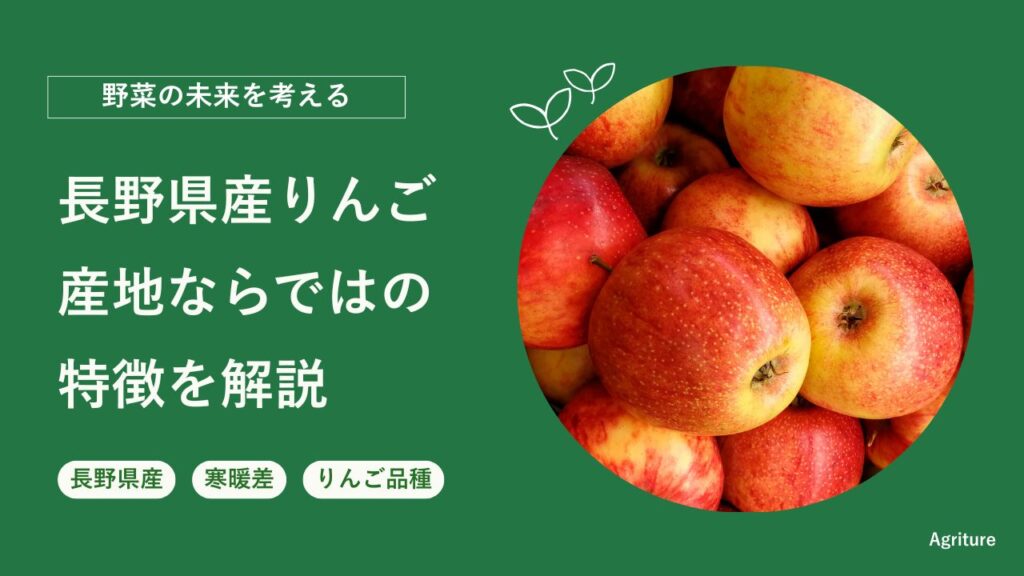
What are the characteristics of Nagano-grown apples? Explaining the appeal unique to the production area
Why Nagano Prefecture is suited to apple growing. Nagano is known as one of Japan's leading apple-producing areas alongside Aomori, and Shinshu-brand apples are highly rated in markets nationwide. Why is Nagano's land suited to apple-making? The answer lies in a terrain of connected inland basins and altitude... -
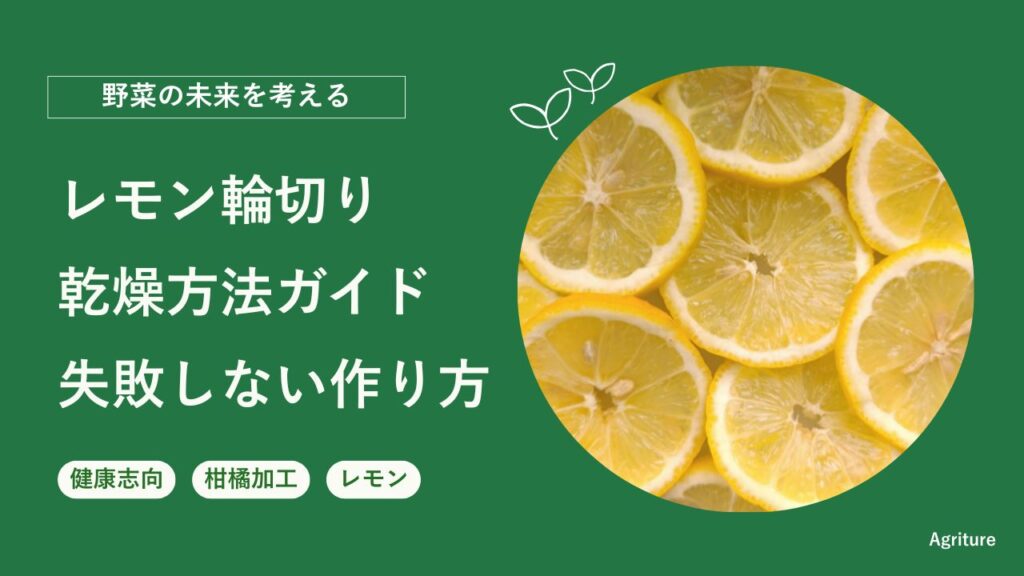
A Complete Guide to Drying Lemon Rounds! A Foolproof Method and Tips
Have you ever wanted to try making dried lemon at home? Store-bought dried fruit makes you worry about additives, and the price is high too. But if you make it yourself, you can get safe, secure dried lemon using pesticide-free lemons. In fact, drying lemon rounds gives you vitami... -
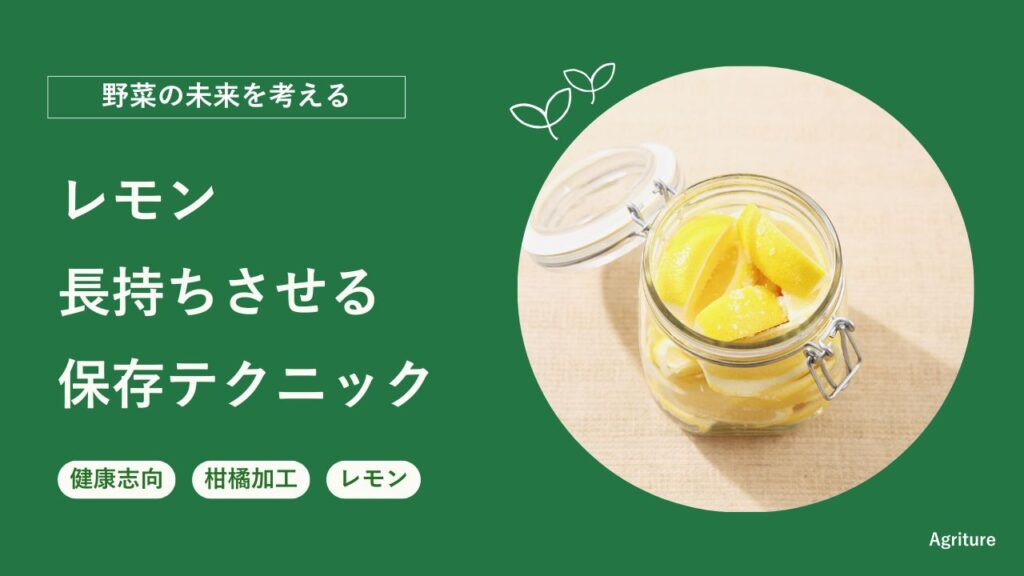
Ways to Improve Lemon's Shelf Life! The Complete Version of Storage Techniques to Make It Last
Hot-air drying of lemons is a processing method that efficiently removes the fruit's moisture using warm air. By placing sliced lemons in a dedicated dryer and circulating constant-temperature hot air, they can be dried uniformly in a short time. At the processing sites for domestically grown lemons including Hiroshima-grown lemons... -
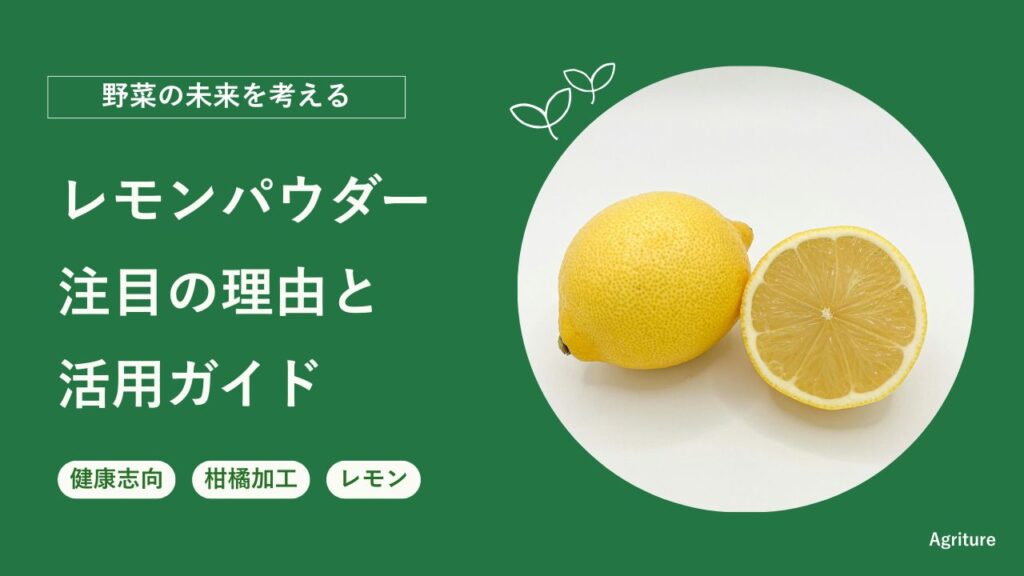
Why Lemon Powder Is Drawing Attention and How to Use It! A Thorough Usage Guide
Lemon powder is drawing attention in the food industry and at home. Fresh lemon, as a citrus with a distinctively vivid acidity and refreshing aroma, has been used across a wide range of industries—food processing, foodservice, confectionery, and beverages. The juice is used to add acidity to drinks and dishes, and the peel for confectionery and dressing... -
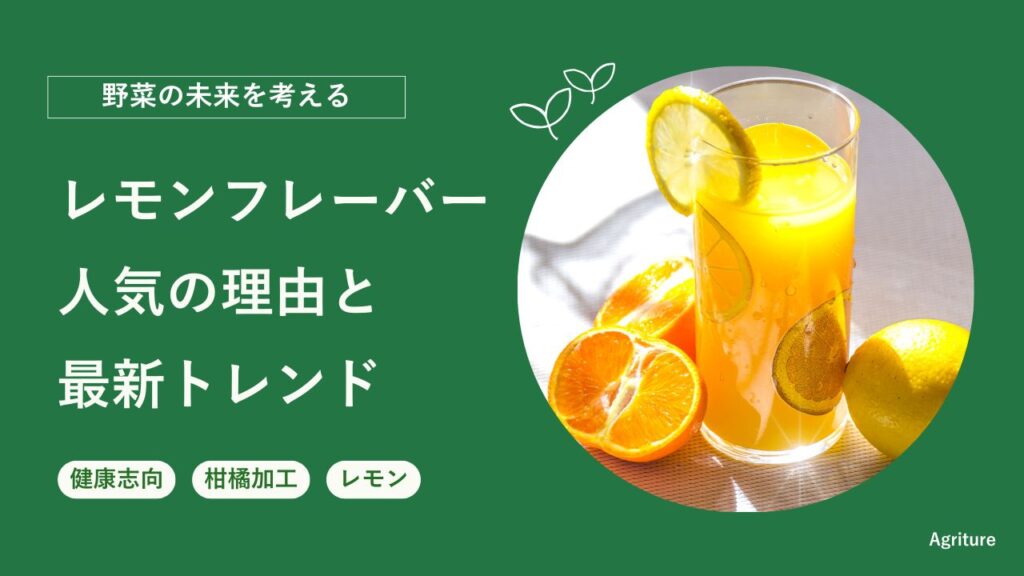
Why the Popularity of Lemon Flavor Persists and How to Use the Latest Trends
From a garnish for fried food to the star of drinks, sweets, and seasonings. Lemon flavor is now the most-watched presence in the food industry. Even after entering the 2020s, the market has continued to expand, staying at the top of citrus flavors ahead of orange and grapefruit. The reason for this popularity... -
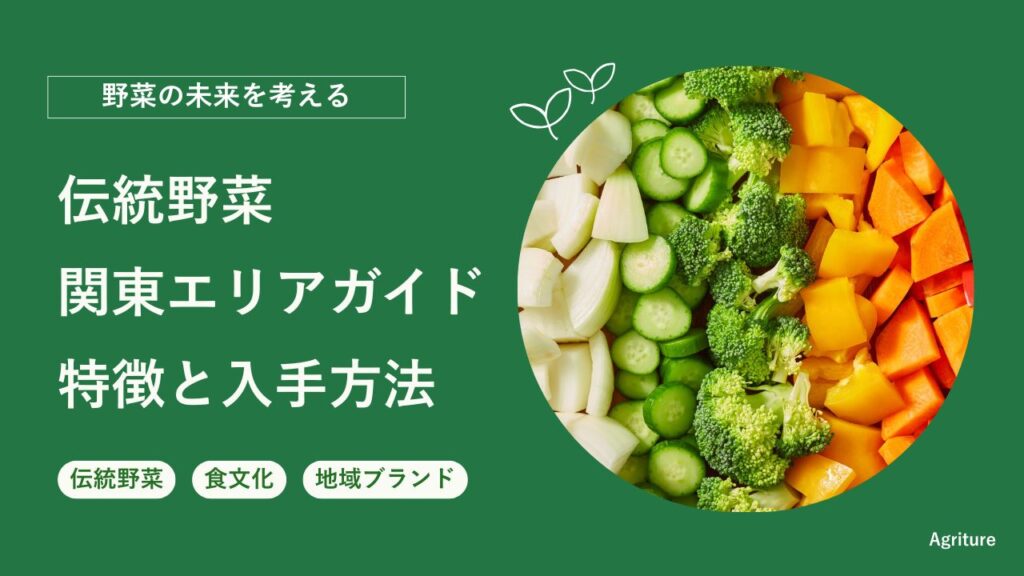
Heirloom vegetables of the Kanto area: complete guide! Features and how to obtain them explained
Have you ever felt that the vegetables lined up in supermarkets all look similar in shape? In fact, in the Kanto region there exist many “heirloom vegetables” handed down over many generations in that land. Miura daikon, norabo-na, Edo Tokyo vegetables, and more—each region’s climate and soil... -
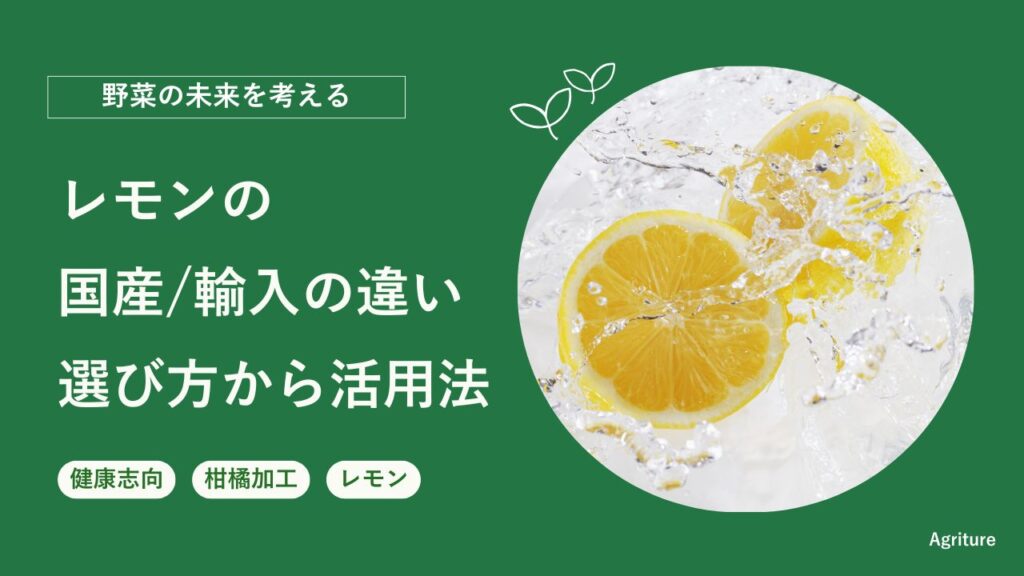
The Difference Between Domestic and Imported Lemons: A Thorough Explanation from How to Choose to Uses
When you pick up a lemon at the supermarket, have you ever been unsure? About 90% of the lemons on store shelves are imported. The remaining mere 10%—domestic lemons—come into season mainly from October to March. Hiroshima Prefecture accounts for about 50% of domestic production, with cultivation thriving on the mild climate of the Seto Inland... -
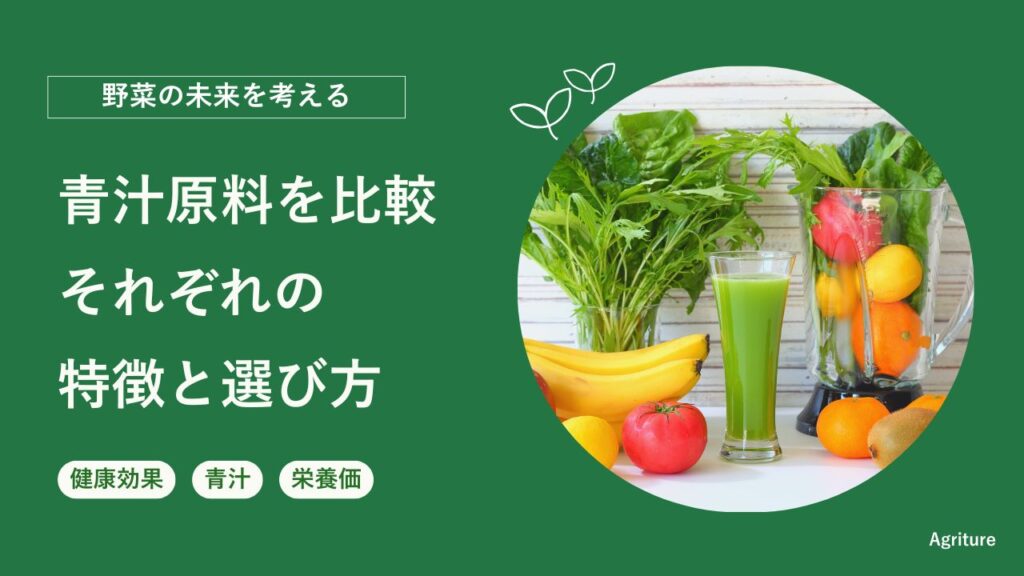
A Thorough Comparison of Green Juice Ingredients: Characteristics and How to Choose Among Kale, Young Barley Grass, and Moringa
When choosing aojiru, do you judge only by words like "good for your health" on the package? In fact, the characteristics of aojiru vary greatly depending on the raw materials used. The main raw materials, kale, barley grass and moringa, each have their own nutritional profile and characteristics, and depending on your purpose... -
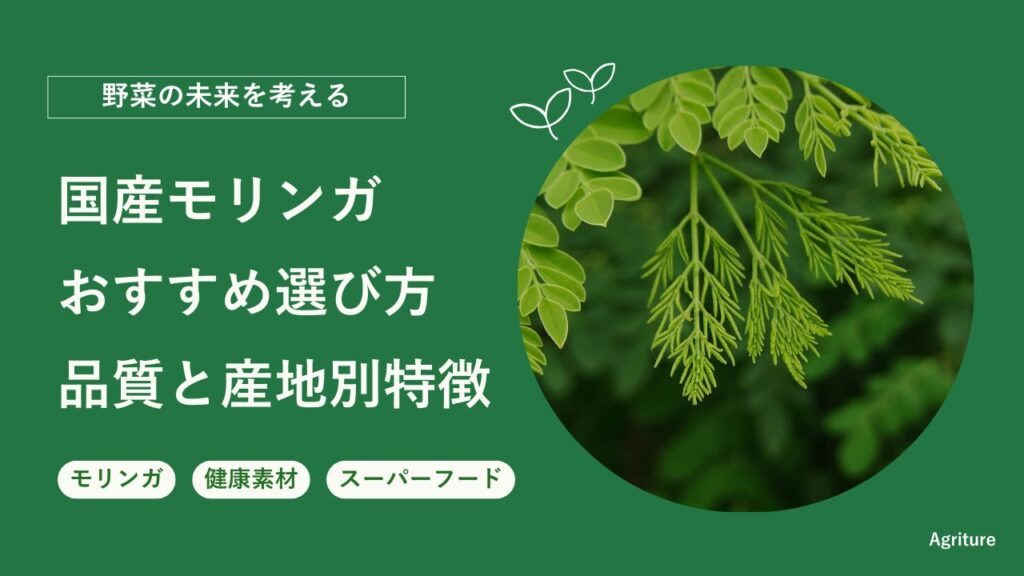
How to Choose Domestic Moringa: Quality Standards and Characteristics by Growing Region Explained
Alongside rising health consciousness, interest in moringa is rapidly spreading. This plant, also called a "nutrient-rich tree," is drawing attention worldwide as a superfood containing over 90 kinds of nutrients, but what points should you watch when choosing domestic moringa... -
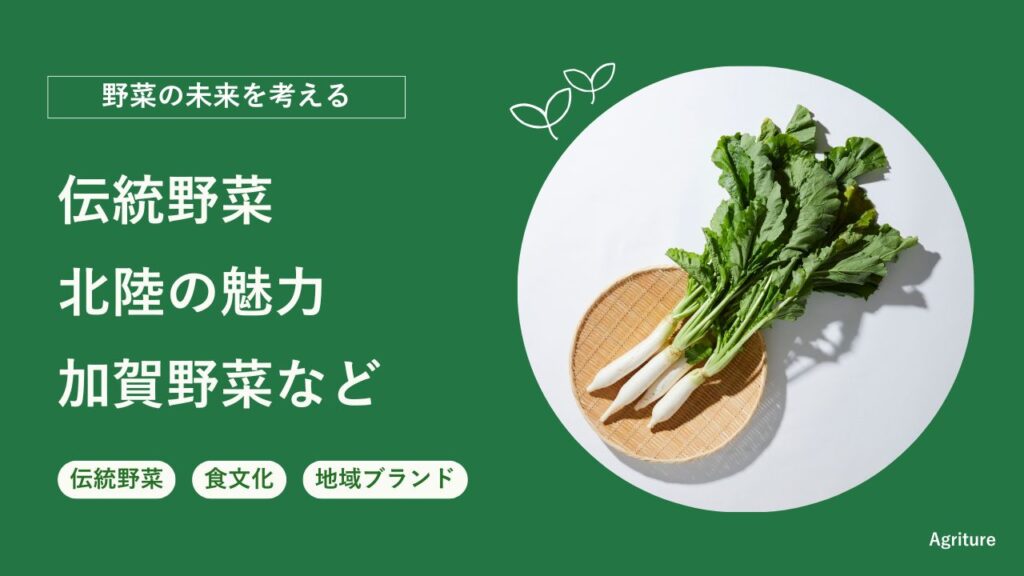
The appeal of heirloom vegetables in Hokuriku! Regional brands such as Kaga vegetables thoroughly explained
In the Hokuriku region there exist many “heirloom vegetables” handed down in that land. These are deeply tied to the region’s climate, soil, and food culture, and are a precious food heritage nurtured over long years. While mass production and standardization advance, the value of diverse varieties is being rediscovered, and chefs... -
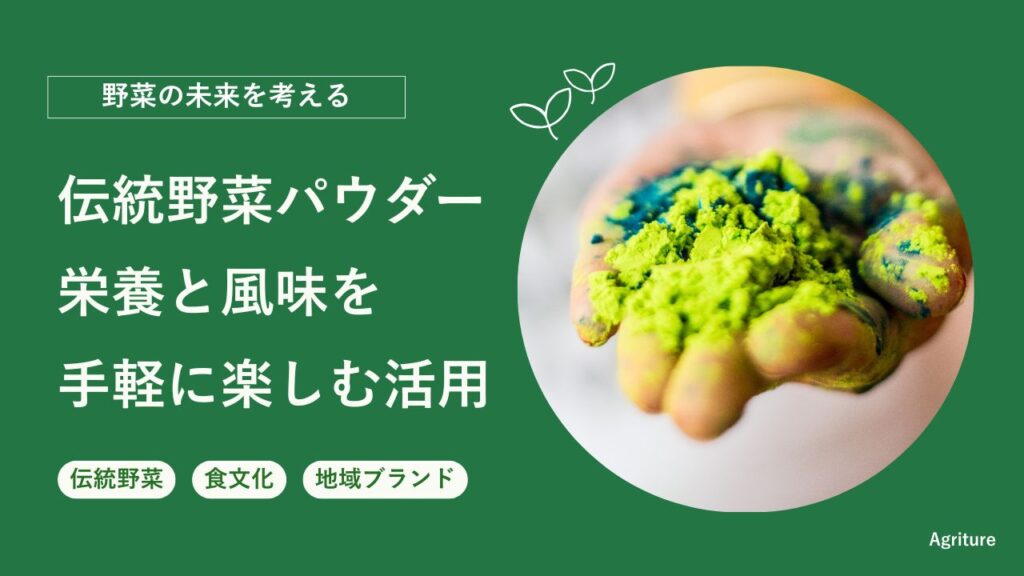
How to use heirloom vegetable powder! Ways to easily enjoy nutrition and flavor
Heirloom vegetable powder is an ingredient made by powdering native varieties long cultivated in various regions, such as Kyoto vegetables and Kaga vegetables. These vegetables are a precious food heritage nurtured over long years while adapting to the region’s climate and soil, differing from the commonly mass-produced vegetables... -
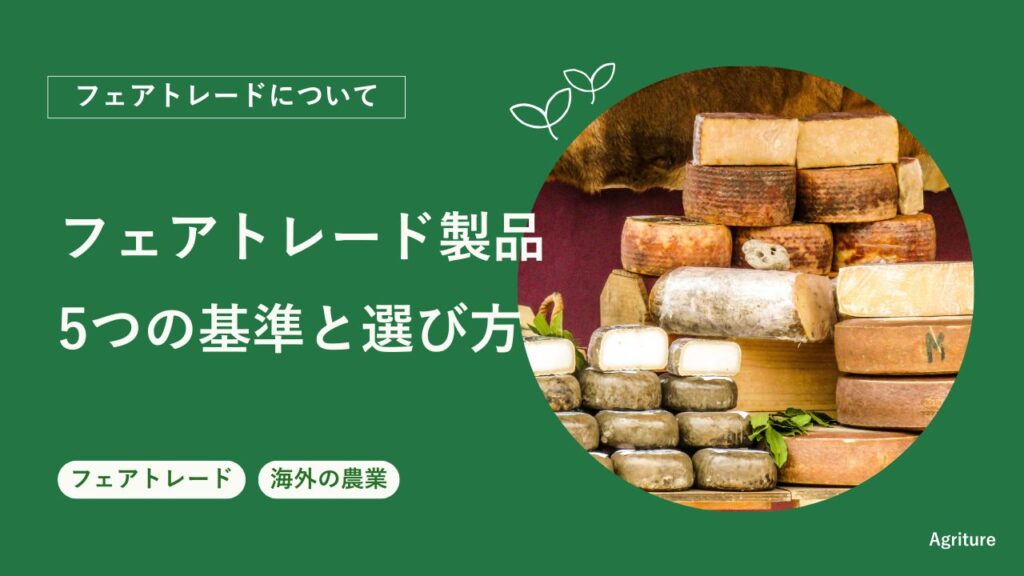
How to Choose Genuine Fair Trade Products: 5 Criteria and How to Tell
We’ve been hearing the term “fair trade” more and more often. You may notice fair trade labels on all kinds of products—coffee, chocolate, clothing, and more. But what exactly is a product that can truly be called “fair trade”...? -
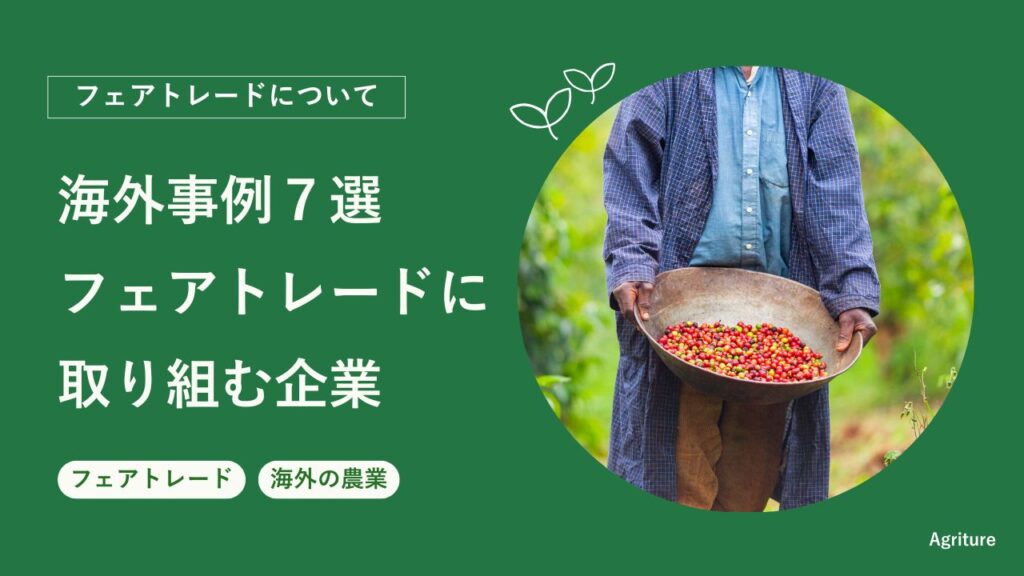
7 Innovative Cases of Overseas Fair Trade Companies Changing the World
Today, awareness of fair trade is gradually rising too. According to a survey by the Japan Fair Trade Forum, fair trade awareness in Japan as of 2019 was 32.8%. While still low compared with over 80% in the UK and the Netherlands, it is steadily spreading... -
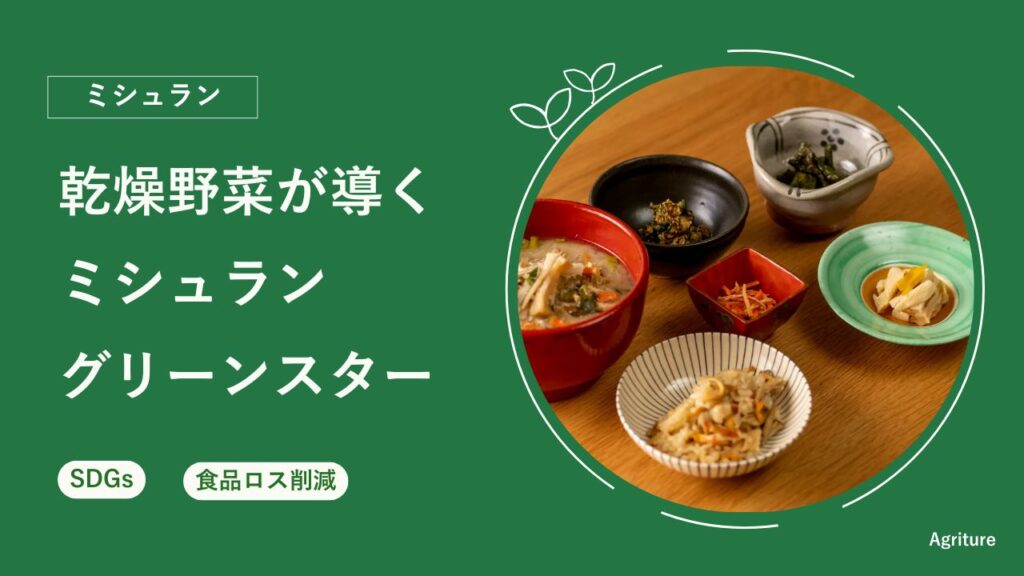
The Path to a Michelin Green Star, Led by Dried Vegetables
Since the COVID-19 pandemic, the habit of eating at home has taken root, and the value sought in dining out has changed greatly. Beyond merely "delicious," higher-level elements such as consideration for the environment and social significance have come to be demanded. Drawing attention amid this is dried... -
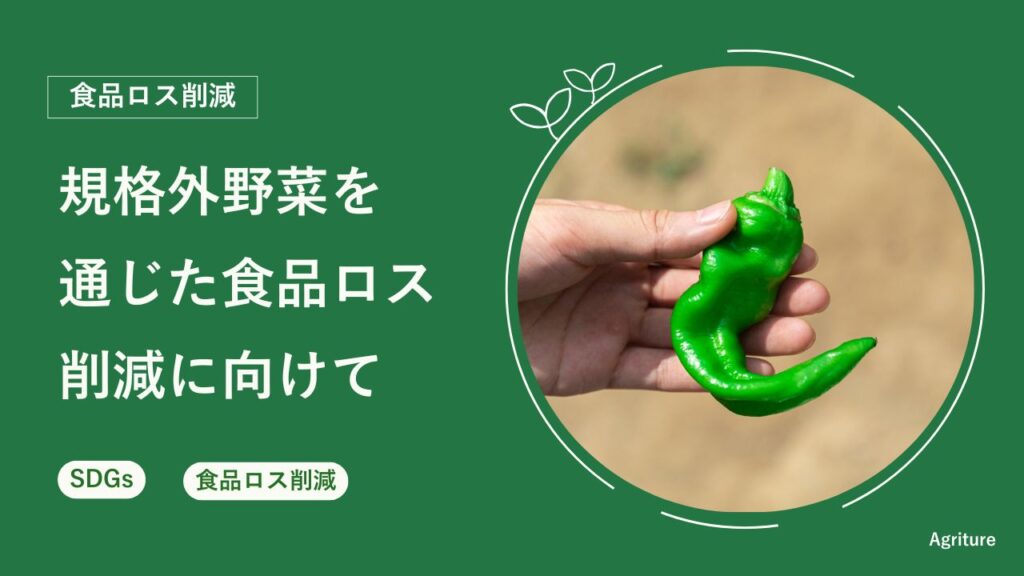
規格外野菜とは?どれだけ発生していて、どこまで加工に使えるのか
スーパーに並ぶ野菜は、どれも大きさと形がそろっています。そこから外れた野菜が「規格外野菜」です。 ただ、「規格外野菜が年間◯万トン捨てられている」という数字は、出どころをたどると農林水産省の統計を本来とは別の意味で使っていることが多くあり... -
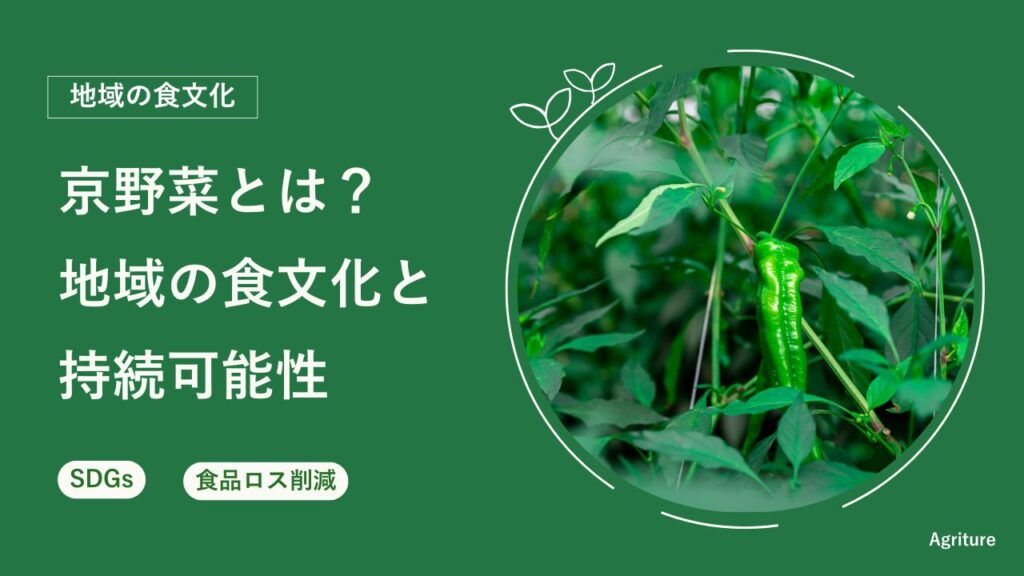
What is the value of Kyoto vegetables? The region’s food culture and sustainability
When you hear “a sustainable life,” you might picture eco bags or recycling, but one of the things with particularly great influence in our daily lives is the choice of “food.” Among these, what deserves attention is Kyoto vegetables, the heirloom vegetables of Kyoto. Kyoto vegetables are rooted in the spirit of “local production for local consumption”... -
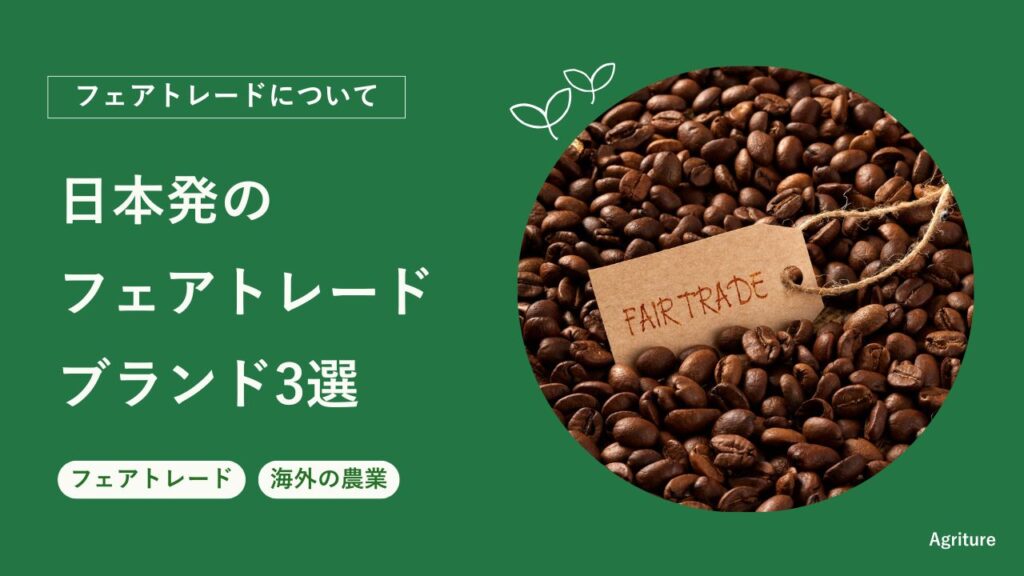
[2025 Latest] 3 Fair Trade Brands and Points for Choosing Them
Have you ever heard the term fair trade? Translated literally it means "fair trade." It is an effort to pay fair compensation to producers in developing countries and support their improved livelihoods and sustainable farming practices. The items covered by fair trade include coffee... -
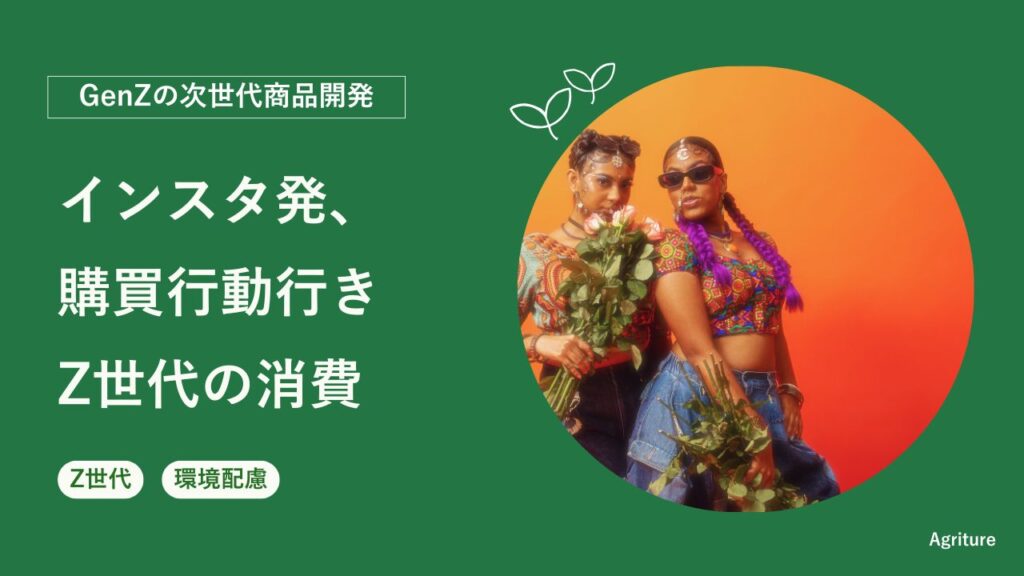
"From Instagram to purchase": branding worked backward from Gen Z consumption
Gen Z chooses products with a sensibility and behavior completely different from previous generations. In the food genre in particular, the flow of "I bought it because I saw it in someone's post" has become the norm, and cases where a TV commercial or a search is the trigger keep decreasing. For example, Instagr... -
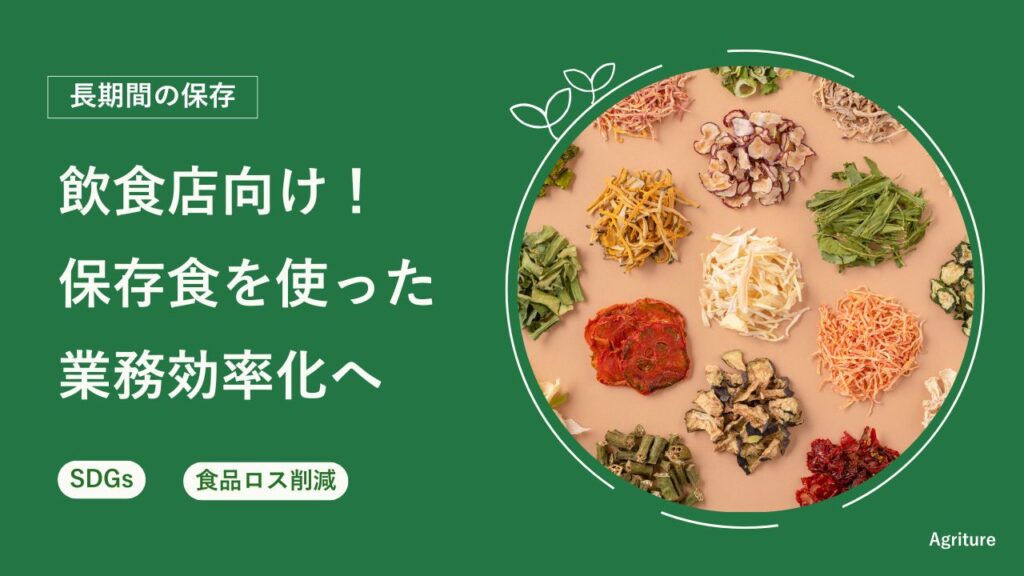
[For Restaurants!] Use Dried Vegetables to Cut Food Waste and Improve Operational Efficiency at Your Store
"Dried vegetables," made by drying vegetables, offer diverse benefits for the food industry and restaurants. They keep well and cut down on prep, which leads to lower operating costs and can also broaden the menu. Because they also help reduce food loss,... -
The Sustainable Food Future Agriture Aims For
We want to be a presence like a greengrocer, connecting farmers and you, the consumer. The brand name OYAOYA—adding a Kyoto-style "o" to "yaoya" (greengrocer) and letting the presence of "yasai" (vegetables) waft through—holds such a thought. Nice to meet you. We are Agriture, which operates OYAOYA... -
What Is Fair Trade? From the Mechanism and Certification System to the Latest 2026 Trends Explained
There are more chances to hear the term fair trade. You spot products with a certification mark at supermarkets and cafés, or see it featured in companies' sustainability reports—it is steadily spreading in Japan too. This article covers the basic definition of fair trade... -

Z世代とは1997年から2012年生まれ、2026年は14歳から29歳
「Z世代」という言葉を検索する人がいちばん知りたいのは、何年生まれの人を指すのか、そしていま何歳なのか、この2点です。先に答えを置きます。広く使われている区切りでは1997年から2012年に生まれた人で、2026年時点の年齢は14歳から29歳です。 ただし... -
The Latest Cases and Success Strategies of Japanese Companies Working on Fair Trade
You've been hearing the term fair trade a lot lately. This is not merely a trend but an important concept that fundamentally changes the way business is done. Fair trade is a "fair trade" effort that supports producers and workers in developing countries in earning fair compensation... -
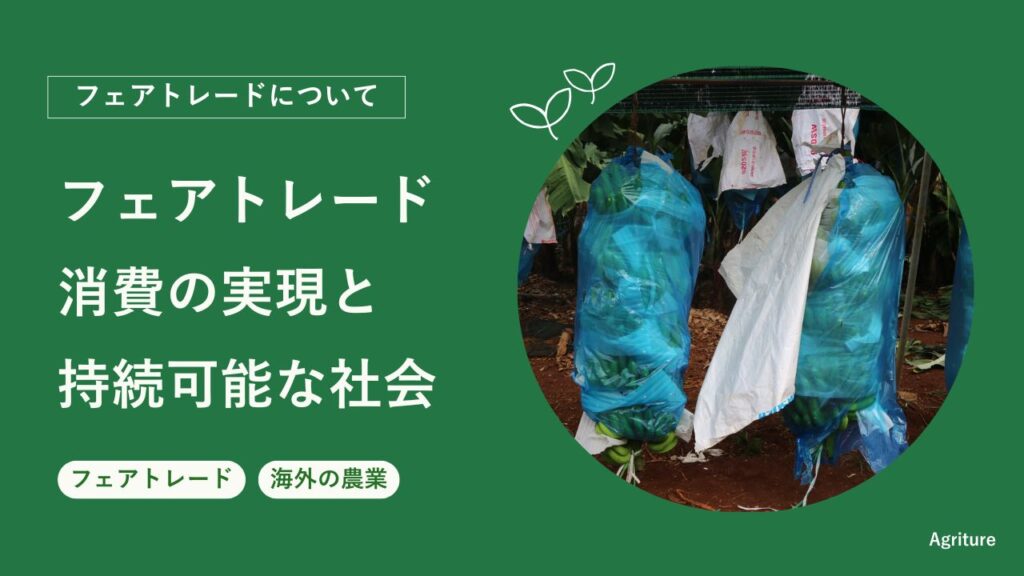
A sustainable future achieved by rethinking fair-trade consumption
The coffee or chocolate you casually pick up every day. That one cup, that one piece, may be supporting the life of someone working hard on the other side of the globe. Have you heard the term fair trade? This effort, meaning "fair, equitable trade," is tied to our consumption... -
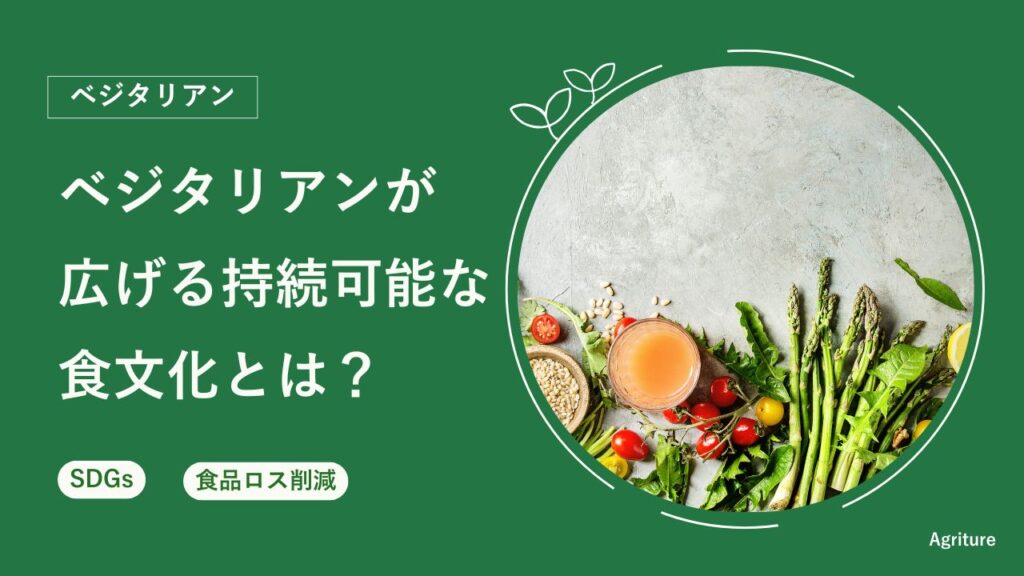
What is the sustainable food culture that vegetarians are spreading?
A vegetarian refers to someone who eats mainly plant-based foods and avoids animal meat and fish. Say "vegetarian" and the styles are varied; which foods one eats differs by individual belief and choice. The reasons for changing one's diet, too, range from health to the environment... -
What Is Fair Trade Certification? A Complete Explanation of the Mechanism and Significance
The coffee and chocolate we consume daily. Behind them are producers in far-off countries. But whether those producers are earning fair compensation is hard for us consumers to see. Fair trade certification is such an "unseen..." -
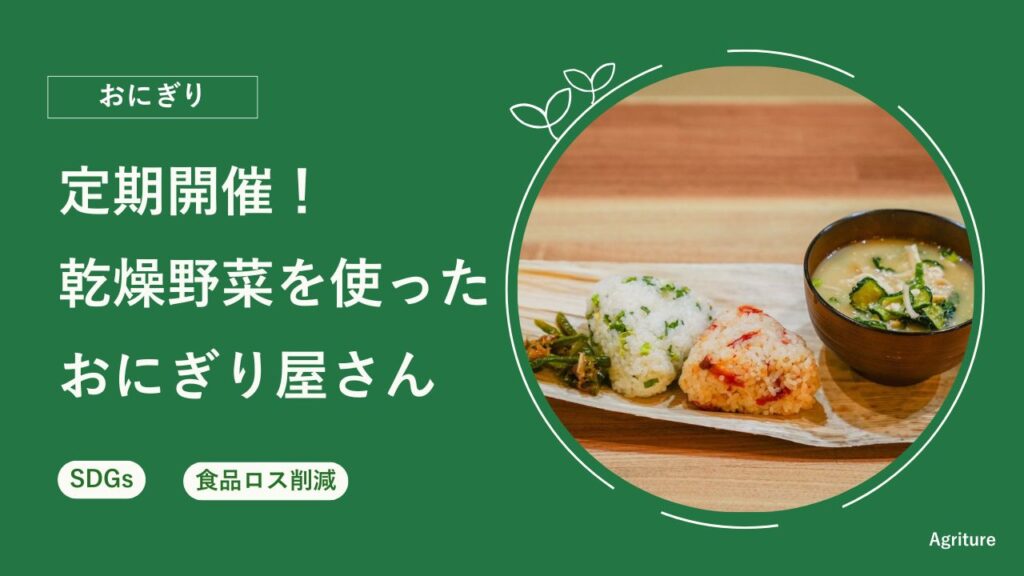
Dried Vegetable (Sun-Dried Vegetable) Onigiri Project | Held Every Tuesday in Kikukawa, Tokyo
Every Tuesday, at a shared dining space in Kikukawa, Tokyo, we hold the onigiri shop "Onigiri and Soup with Kyoto-Grown Dried Vegetables" using dried vegetables. Based on obanzai making use of dried vegetables, we propose a new form of onigiri. While treasuring regional ingredients, off-spec veg... -
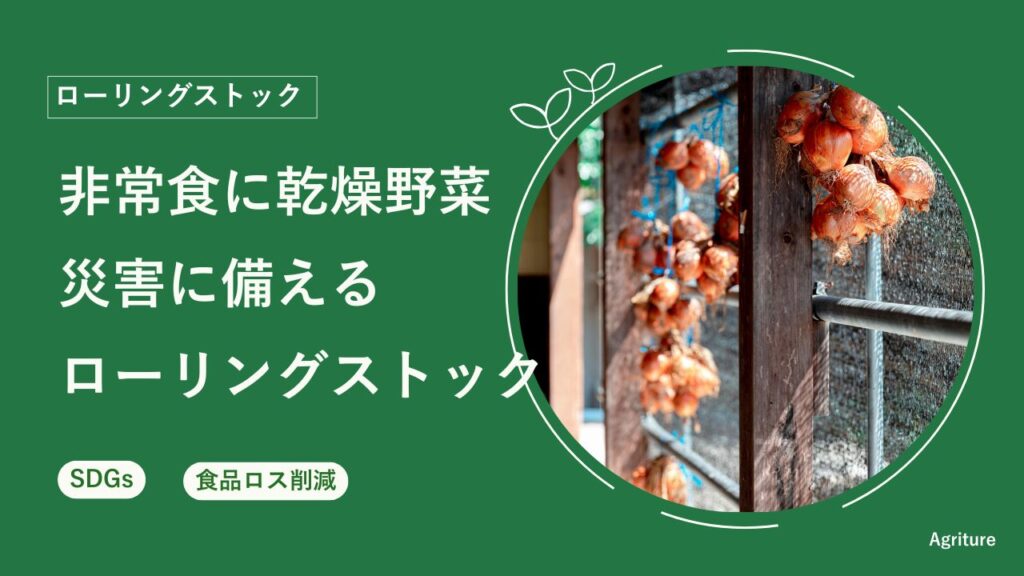
The Complete Rolling Stock Guide 2026 | 7 Recommended Foods and How to Use Dried Vegetables
Rolling stock is a system of stockpiling while consuming in everyday life, the standard 2026 style recommended by the Ministry of Agriculture, Forestry and Fisheries and the Cabinet Office as well. This article covers the basics of rolling stock, how to do it, the 3 steps to start, "7 recommended foods," concrete examples of practicing it with dried vegetables and dry goods, and for companies... -
Vegetable shortage lowering productivity? The link between presenteeism and diet
What you'll learn in this article. What presenteeism is and how much loss it brings to a company. Data linking vegetable deficiency to lower productivity. The effects you can expect from improving the food environment. Ways to fix vegetable deficiency you can start right away at the office. What is presenteeism? The true nature of a hidden loss. "Coming to work... -
Types of dried vegetables | 4 drying methods and how to choose
What you'll learn in this article: the four drying methods for dried vegetables and their characteristics, a comparison of nutrition, cost, texture, and use, recommended drying methods by purpose, and points to check when buying. With dried vegetables, the "drying method" makes a big difference in quality. When you look for "dried vegetables" at the supermarket or online, similar-looking ... -
How to rehydrate dried vegetables | Tips for miso soup, salads, and stir-fries
What you'll learn in this article: the basic ways to rehydrate dried vegetables (water and hot water), rough rehydration times by vegetable, techniques by use (miso soup, salad, stir-fry), and tips for using them without losing nutrients. The basic way to rehydrate dried vegetables. What first-time users of dried vegetables puzzle over most is "how do I..." -
How to Store Dried Vegetables and Their Shelf Life | Tips After Opening, Explained
What you'll learn in this article: a guide to the best-before date of dried vegetables and how it's set, the correct ways to store them unopened and after opening, how to spot signs of deterioration, and points on choosing storage containers and where to store them. How long is the best-before date of dried vegetables? The best-before date of dried vegetables varies by product and drying method, but...