
Food OEM– category –
-
Drip Pack Gift OEM: A Guide to 5 Filter Types and Specifications by Use
Drip pack gift OEM is a coffee gift product that companies and shops can roll out under their own brand. In the industry, the names "drip bag" and "drip pack" are used interchangeably, but both refer to a product form in which a single serving of ground beans is filled into an individually packaged filter bag. Small-lot... -
The Going Rate for Food OEM Prototyping Costs and 10 Points for Cutting Costs
Food OEM prototyping costs generally range from 10,000–50,000 yen for powder-based products, 20,000–100,000 yen for beverages and seasonings, and 50,000–200,000 yen for snacks and baked goods. Because prototyping incurs initial costs on the manufacturer's side for equipment operation, raw material procurement, and formulation design, understanding in detail what costs how much before signing a contract... -
How to Develop Vegetable Tea for Business People: Product Planning That Captures Health Demand
For today's business people whose work centers on desk work, maintaining health is a major challenge. As more people struggle with a lack of vegetables and a lack of exercise, demand is rising for functional beverages that let you easily supplement nutrition. In particular, the new category of "vegetable tea" combines the nutrition of conventional tea and vegetables... -
Kansai Food OEM: 6 Steps to Making a New Product and Subsidies
The strengths of making a new product with a Kansai food OEM lie in the industrial clusters in each of the six prefectures—Osaka, Kyoto, Hyogo (Kobe), Nara, Wakayama, and Shiga—Kinki's food research institutions, the logistics network of Hanshin, Kintetsu, Kansai Airport, and the Port of Kobe, and the diversity of regional food culture. Prepared dishes, seasonings, health foods, confectionery, beverages, packaging... -
The complete guide to powder-processing OEM in Kansai | Strengths by area and how to choose small-lot-friendly manufacturers
For those looking for powder-processing OEM in the Kansai area, we explain the features of Kansai's food-processing bases centered on Osaka, Kyoto, and Hyogo, and the points for selecting a maker. Kansai is an area where the food manufacturing industry has clustered since long ago. The processing technology represented by Osaka's flour-food culture, and Kyoto's traditional ingredients... -
How to start a yakuzen tea OEM | A product development guide that makes use of the wisdom of Eastern medicine
A yakuzen tea OEM is a system that lets you plan and sell an original health tea—blending crude drugs and tea leaves based on the ideas of Eastern medicine—without owning your own manufacturing equipment. Because you can outsource everything to a manufacturer—blend design, raw material procurement, manufacturing, and packaging—you can achieve differentiated health... -
ベジタリアンとは?国の規格が分けている4つの区分と食べられないもの
「ベジタリアンとは何か」を調べると、8種類とも10種類とも書かれた分類表が出てきます。どれが正しいのか、判断がつかないまま読み終わることになります。 先に結論を書きます。日本には、ベジタリアンとヴィーガンについて国が定めた規格があります。202... -
Medicinal tea OEM is a system that lets you plan and sell health teas combining tea leaves, crude drugs, and medicinal-cuisine (yakuzen) materials—based on the theories of the four qi and five flavors, meridian tropism, and qi-blood-body fluids in Traditional Chinese Medicine—without your own facilities. This article explains the difference between medicinal tea and herbal or health tea, the four product types of seasonal, constitutional, symptom, and vegetable-yakuzen, the practicalities of raw material selection and blend design, how to choose an OEM manufacturer, 7 leading companies handling medicinal tea and health tea OEM, the manufacturing process and lead time, and sales strategies for mail-order and cafés—delivered by Kyoto-born dried vegetable OEM company Agriture, drawing on its insights from operating a yakuzen media outlet.
This report describes the market conditions and trends of the dried-vegetable-related industry, centered on Japan, from our perspective. We've also included our own analysis for each item. Please use it in developing products using dried vegetables and other dried foods. And for those interested in the dried-vegetable market... -
Forecasting the vegetable powder market in 2030! An explanation of growth fields and the latest trends
The market for vegetable powder has expanded greatly in the past few years, reaching from commercial ingredients and health foods to functional beverages, baby food, pet food, and collaboration products. From food makers we hear "we want to use out-of-spec vegetables" and "we're looking for a vegetable ingredient for health management or employee benefits"... -
Why choosing sweet varieties for dried fruit OEM leads to failure
Dried fruit OEM means outsourcing everything from drying the fruit to bagging it, then selling the product under your own brand. You can have a product without owning equipment, but costs are determined very differently from dried vegetable or confectionery OEM. The real difference is yield. Fruit is more than 80% water... -
How to start vegetarian OEM | Ingredient selection and product planning for vegan support
We want to develop food for vegetarians and vegans through OEM. But we're not sure how far raw-material restrictions and production-process considerations need to go—we're hearing more of these voices from companies. What you'll learn in this article: the difference in dietary restrictions between vegetarian and vegan (directly tied to raw-material design... -
Learning the secrets to success and market strategy from overseas-expansion cases of dried goods
Dried goods, a representative traditional ingredient of Japanese food culture, are like a gem still not fully recognized in overseas markets. With superior shelf life, high nutritional value, and qualities that broaden the range of cooking, dried goods in fact hold great potential for overseas expansion. Kombu, shiitake, sesame... -
Why dried vegetables and dried fruit suit OEM for sole proprietors: introducing small-lot cases and points of success
For sole proprietors who want to sell their own original products through EC and SNS, food OEM is an effective means. For those taking on OEM for the first time, small-lot dried vegetables and dried fruit are a recommended category, as they let you develop the market while keeping inventory risk low. ... -
Case studies of vegetable powder use | Success patterns by industry and a framework for adoption decisions
Use cases for vegetable powder differ greatly in their success patterns by industry. Color reinforcement in noodles and soups, kneading into dough for sweets and bread, functional appeal in beverages and drinks, nutritional fortification of prepared foods and retort products, buzz-creation in novelties and campaigns—the adoption depends on the effect the product developer is aiming for... -
A Complete Guide to Making Original PB Foods: The Steps from Planning to Manufacturing and Sales
Have you ever harbored the wish to make a food under your own brand? Entrants from other industries—retail, restaurants, startups—have become conspicuous. Behind this are the expansion of the food OEM market and an environment where you can now prototype even from small quantities... -
The Complete Guide to Choosing a Filling OEM | Points for Selecting a Contractor Without Regret
The food OEM market is now enjoying unprecedented growth. Companies from other industries — retail, food service, startups, and more — are entering one after another, with voices saying "we want to make our own private-brand products." But if you fail in choosing a contractor for filling-and-processing OEM, you can face quality trouble, delivery delays, budget overruns... -
What Are the Benefits of Contract Food Processing? | Comparison with In-House Manufacturing and Points for Use
You want to launch a new business in the food industry. You want to make your own brand's products. For those with such ambitions, "food contract manufacturing" becomes a powerful option. However, when first considering contract manufacturing, worries come with the territory. "Is there really a cost advantage?" "How much... -
How to Increase Food OEM Inquiries | A Practical Guide to Lead Acquisition and SEO Measures
As the food OEM market keeps expanding, many processing manufacturers face a new challenge. Through the conventional trade shows and referrals alone, it's become harder to connect efficiently with companies eager to place orders. Especially as entrants from other industries—retail, foodservice, startups—increase, "our own br..." -

Why Moringa Demand Is Rising: Market Trends and Opportunities in Product Development
Alongside rising health consciousness, interest in superfoods is expanding worldwide. Among them, moringa—called a "nutrient-rich tree"—is drawing attention from both its high nutritional value and sustainability. Moringa is a plant native to northwestern India, containing vitamin A, vitamin... -
A Guide to Selecting Superfood Raw Materials: Points to Master in Product Development
Alongside rising health consciousness, the functional food market is expanding rapidly. At its core are the nutrient-rich raw materials called "superfoods." A superfood is a food with excellent nutritional balance that contains many kinds of beneficial components, or one in which a particular beneficial component stands out... -
Points for Moringa Product Development: A Winning Strategy for Planning, Manufacturing, and Sales
Alongside rising health consciousness, interest in superfoods is expanding rapidly. Among them, moringa—called a "nutrient-rich tree"—contains a wide range of nutrients such as vitamin A, vitamin C, calcium, iron, and amino acids, and is drawing attention as functional foods, powder products, and green-juice-type... -
Why high-priced domestic dried fruit is scarce, and its potential in pet and confectionery development
Dried fruit, whose popularity is rising as a healthy snack and natural ingredient. However, most products distributed in the domestic market are overseas-grown and sugar-added. In fact, “domestic” and “sugar-free” dried fruit is still a limited presence. Why domestic... -
What is edible tea? The appeal of fruit tea, ideal for gifts and novelties
Also searched for as “dried fruit black tea,” “edible tea” is a group of products that pair dried fruit with teas such as black tea, rooibos, and herbal tea; you pour hot water to enjoy the aroma and taste, then eat the fruit itself at the end. Apple, mandarin orange, strawberry... -
Commercial Freeze-Dried Strawberry | How to Choose Shape and Growing Region
Freeze-dried strawberry is a commercial ingredient adopted in confectionery, baking, granola, chocolate, and gifts. Because it rapidly freezes 90%-water strawberries and then dries them by vacuum sublimation, it becomes lightweight and long-term-storable while retaining color, aroma, and shape. When choosing for commercial use, shape, raw material... -
Freeze-Drying Processing Costs | Price Ranges by Product and Lot
Freeze-drying processing cost ranges vary greatly by the material's moisture content, yield, lot scale, shape (whole / slice / dice / powder), and packaging specification. Finished-product types (miso soup, soup, zenzai) run 80–500 yen per serving, and material types (freeze-dried strawberry, fruit powder... -
A Thorough Comparison of Strawberry Drying Methods: The Characteristics and Uses of Freeze-Drying, Sun-Drying, and the Oven
Strawberries are fruit prized for their vivid color and sweet-tart flavor, but the drawback is that they don't keep. What draws attention there is the method of drying strawberries for long-term storage. Diverse drying technologies exist—freeze-drying, sun-drying, oven, dried-fruit maker—and each... -
Freeze-Drying Minimum Lots: Small-Lot Ordering and Choosing a Manufacturer
The first snag in placing an OEM order for freeze-drying processing is the minimum-lot wall. For fruits such as strawberry and mango, it's common to require an order of around 500kg of fresh raw material, which becomes a major hurdle for prototyping-stage small D2C and SME manufacturers. This article covers, for material... -
Freeze-Dried Material Ranking | Popularity and How to Choose by Use
Freeze-drying is a drying technology whose adoption is spreading in confectionery, beverages, nutritional foods, and instant foods. Unlike hot-air drying, it sublimates and removes only the moisture without heating, so the material's original color, aroma, and shape tend to remain—freeze-dried strawberry, miso soup, zenzai, and other "hot water or..." -
How to Use Fruit Powder | Substitution Design for Confectionery and Sweets
Fruit powder is an ingredient made by powdering fruits such as strawberry, mango, blueberry, apple, pear, yuzu, and banana. In confectionery, sweets, drinks, and nutritional foods, for formulations where fresh fruit or flesh is hard to use (dough or cream where you don't want to add moisture, products premised on heating or long-term storage... -
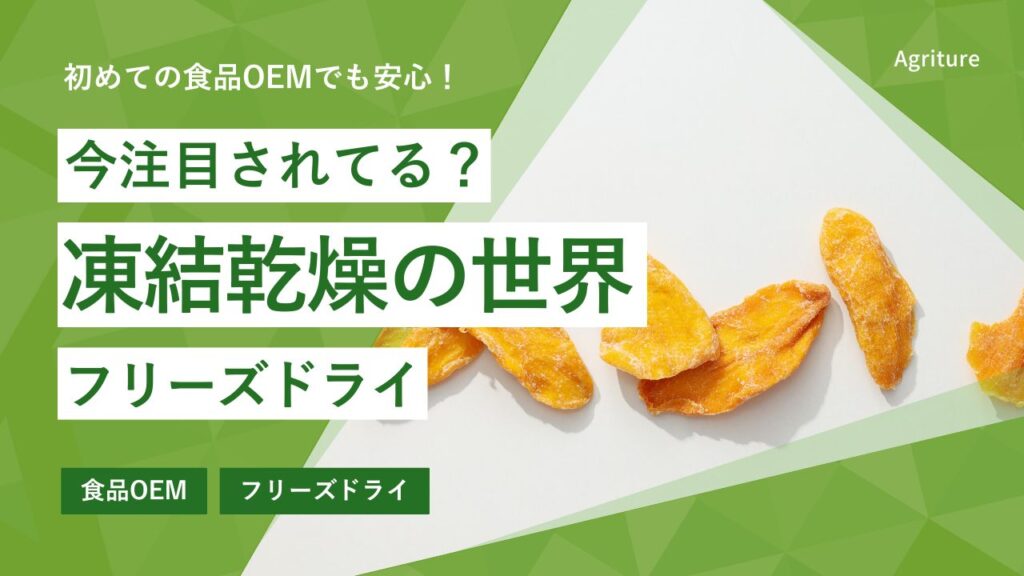
What is freeze-dried? A gentle explanation of the drying technology spreading to miso soup, vegetables, and strawberries
Chocolate-coated strawberry sweets are a common sight in online shops and souvenir stores. They're popular thanks in part to inbound tourism, and those light, crisp strawberries are made by freeze-drying. Freeze-drying isn't just for emergency food and outdoor use; instant... -
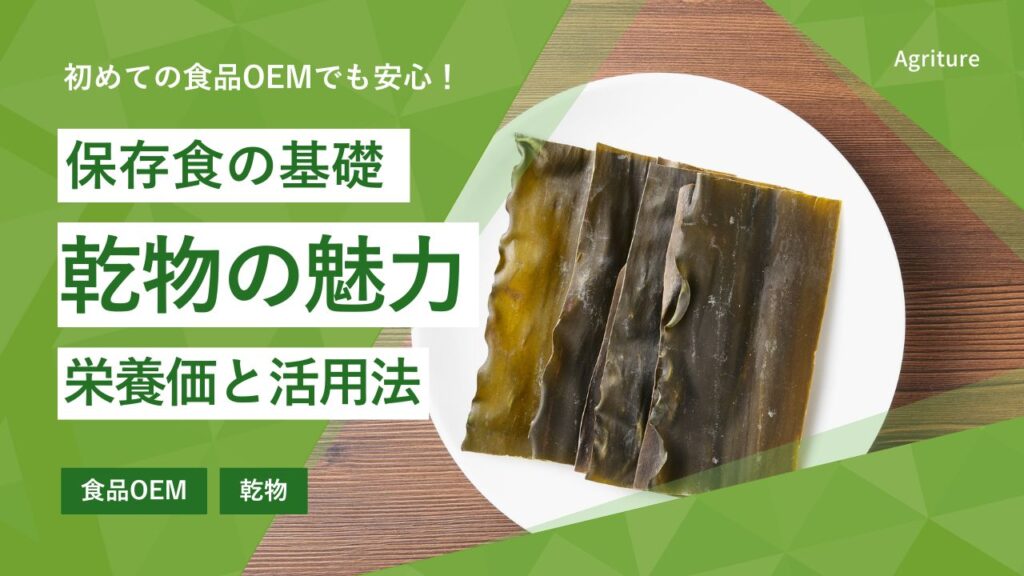
What Are Dried Goods? The Secret of Their Nutritional Value and Uses in the Modern Diet
Agriture partners with farmers around the world, promoting fair trade and sustainable agriculture. Through high-quality agricultural products, we run a fair trade business connecting producers and consumers. -
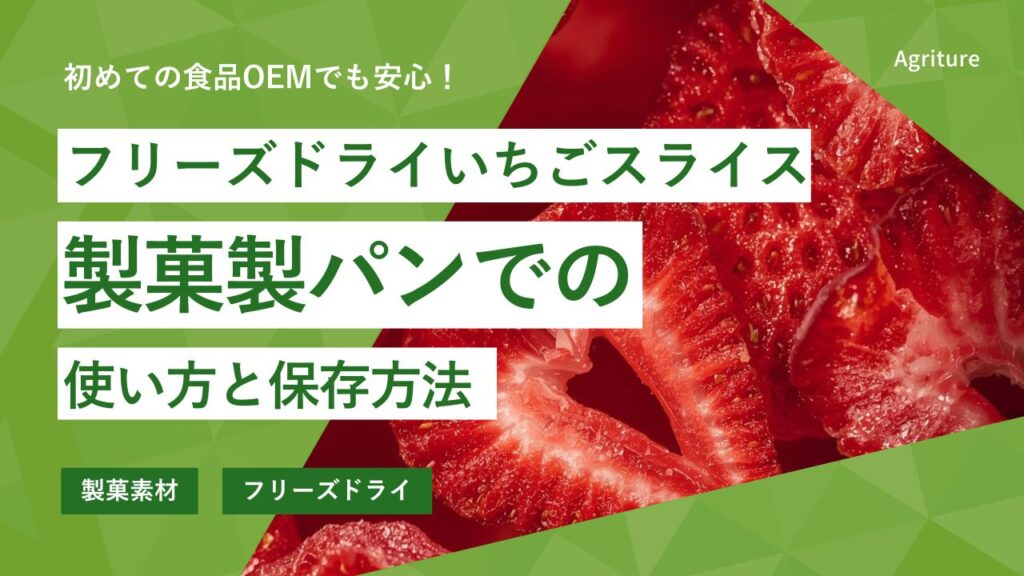
Freeze-Dried Strawberry Slices | Confectionery Uses by Thickness
Freeze-dried strawberry (slice) is an ingredient made by cutting strawberries to a uniform thickness (2–5mm) and then freeze-drying them. Being thin and easy to top with, and with the cross-section pattern vividly retained, it's used for products that "show on the surface"—chocolate, granola, baked goods, latte art, premium cereal, and more... -
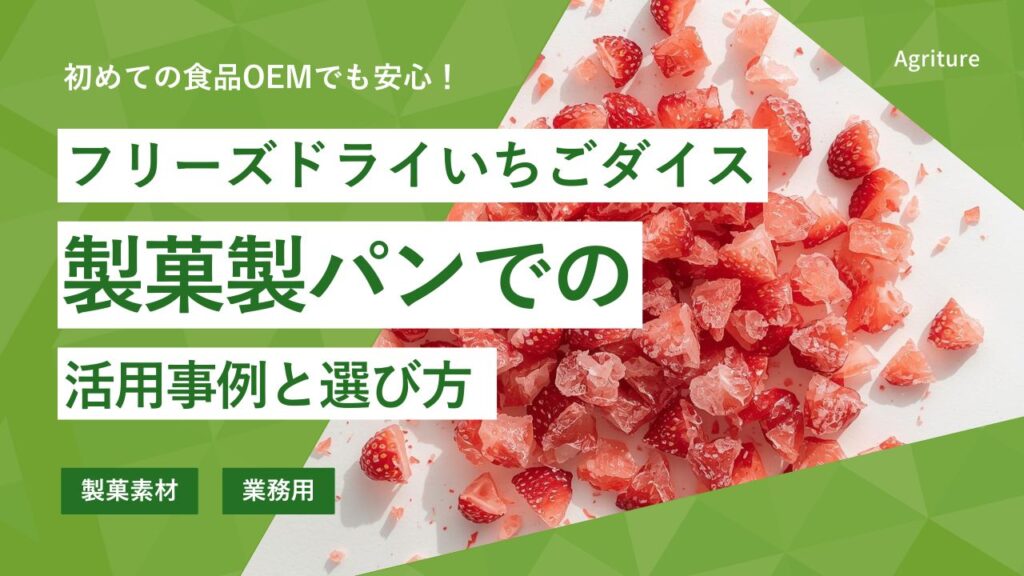
Freeze-Dried Strawberry Dice | Kneading Uses in Confectionery and Baking
Freeze-dried strawberry (dice) is an ingredient made by dicing strawberries into uniform sizes and then freeze-drying them. With uniform pieces easy to knead and mix into dough, it's the "put inside" type for ice cream, cookies, pound cake, granola, cereal bars, and more... -
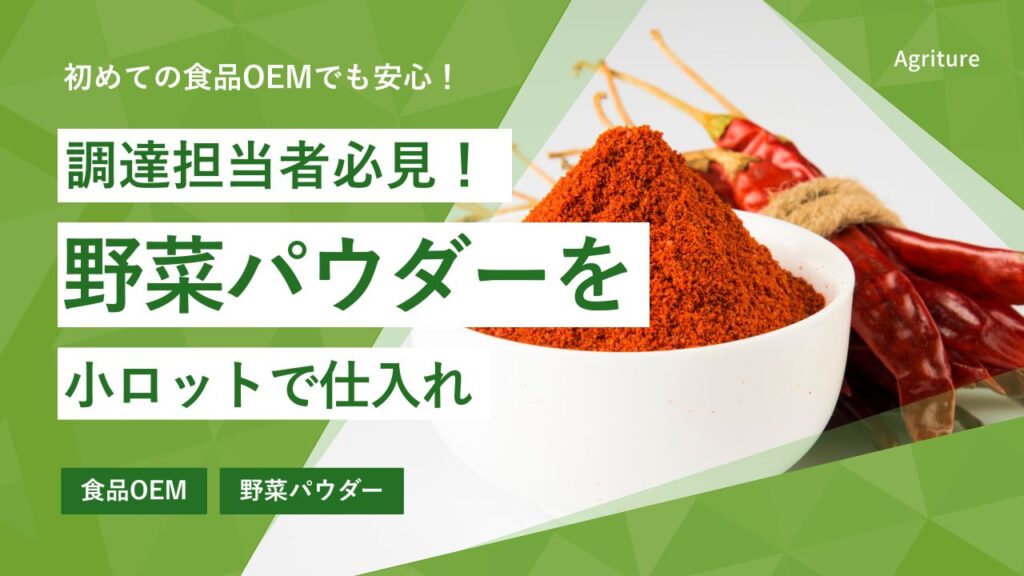
How to source commercial vegetable powder in small lots, and how to use it
Wanting to source commercial vegetable powder in small lots—this is a challenge common to a wide range of businesses: restaurants, food manufacturers, EC operators, confectionery workshops, and more. The unit-price benefit of bulk sourcing is appealing, but considering inventory risk, loss at the prototyping stage, and cash flow, “first, at a scale of about 5–50 kg... -
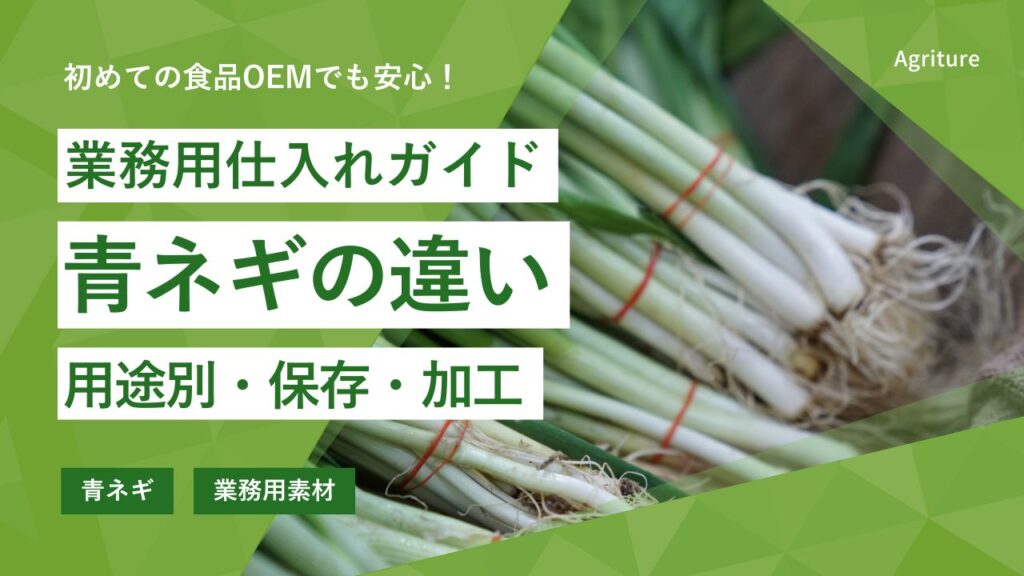
長ねぎと白ねぎは同じもの?ねぎの種類と呼び名を国の資料で確かめる
ねぎの売り場には、長ねぎ、白ねぎ、根深ねぎ、青ねぎ、葉ねぎ、小ねぎ、万能ねぎ、わけぎ、あさつきと、呼び名だけが増えていきます。同じものを指している言葉と、植物としてまったく別の作物を指している言葉が、同じ棚に並んでいるからです。 この記事... -
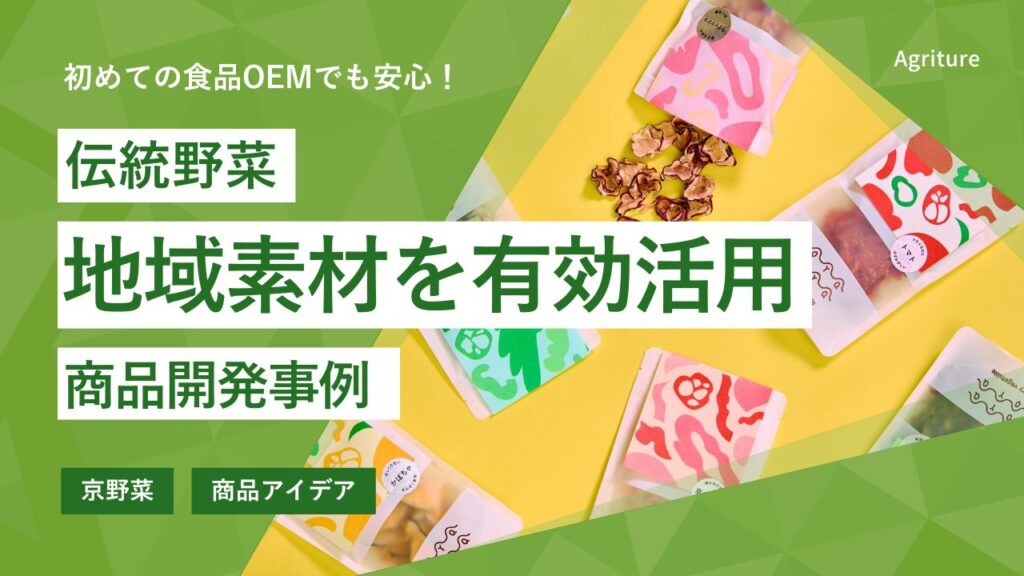
Heirloom vegetable OEM | A commercialization case guide using Kyoto vegetables and local ingredients
Right now, product development that makes use of “regional individuality” is drawing attention. Among these, foods using heirloom vegetables and Kyoto vegetables are strongly supported for the gift market and inbound-oriented products, thanks to their visual beauty and rarity. Especially now, with inbound tourists increasing, region... -
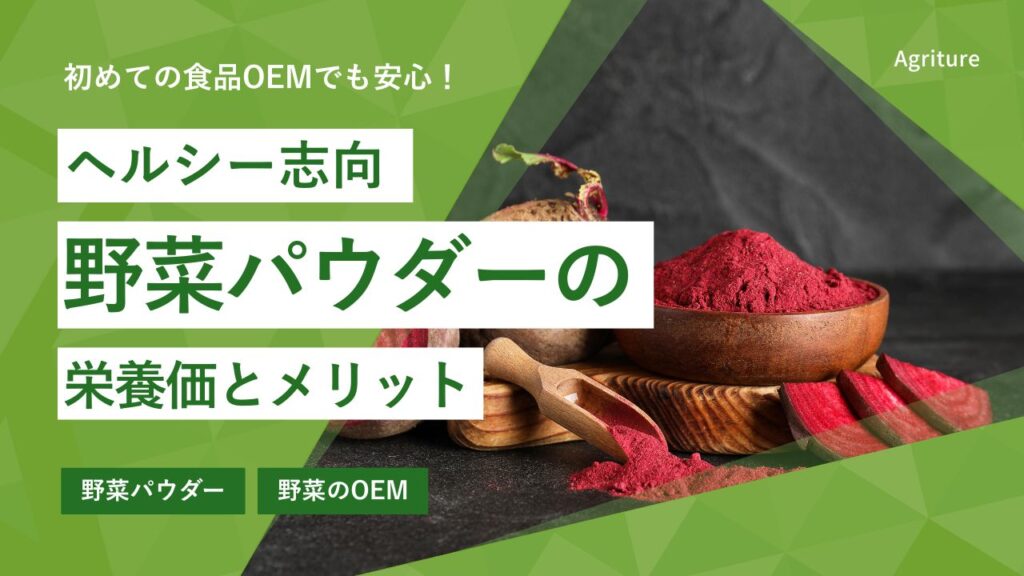
What Is Vegetable Powder? Features, Shelf Life, Uses and a Guide to OEM
Even though we know eating plenty of vegetables every day matters, the effort of cooking and the difficulty of storing them mean it often gets put off in busy days. One ingredient drawing attention as a support for such diets is vegetable powder. Turning vegetables into powder removes water, and the bulk... -
Kyoto-style food development | Gift-oriented product development OEM using Kyoto vegetables
Gift food OEM using Kyoto ingredients is a field that lets you add the value of the “Kyoto brand” to products—value that product development in other regions cannot deliver. In addition to Kyoto vegetables such as Kujo green onion, Shogoin daikon, Kamo eggplant, and Manganji pepper, and up to the pickles, tsukudani, Kyoto sweets, and dashi that Kyoto’s food culture has nurtured, ingredients... -
Creating a regional brand with a Kyoto-vegetable OEM | The complete flow from planning to sales
京野菜のパウダー加工は、地域ブランドを原料レベルで商品に落とし込める数少ない選択肢です。九条ねぎ・万願寺とうがらし・聖護院大根・京くれない人参・京都産の柚子など、京都が長く育ててきた伝統野菜は、色・香り・ストーリー性のどれを取っても食品O... -
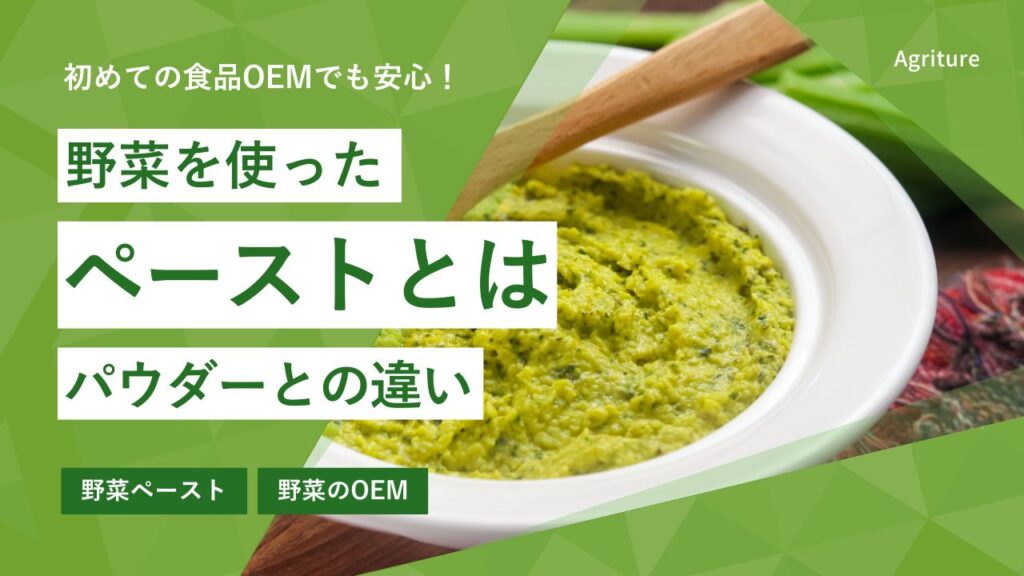
What is vegetable paste? The difference from powder, dried vegetables, purée, and extract
Vegetable paste is a food ingredient made by heating and grinding fresh vegetables into a paste (a smooth, semi-solid form). Its high moisture content gives it a mellow mouthfeel, and it is used in sauces, baby food, sweets, and dressings. On the other hand, vegetable powder, dried vegetables, pi... -
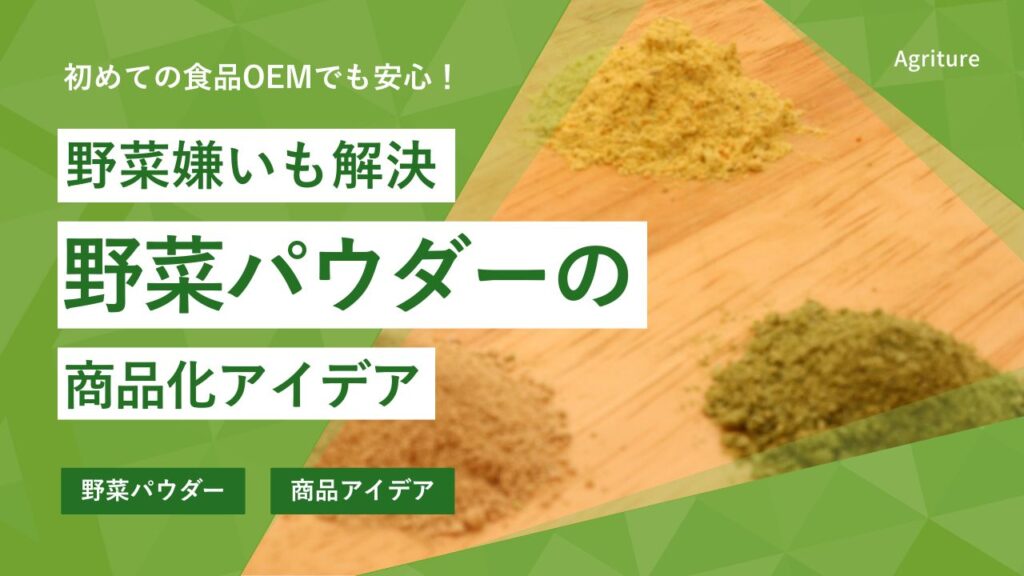
Solve picky eating too! 3 ideas for commercializing vegetable powder you can keep up every day
Getting plenty of vegetables every day is the foundation of health. But in reality, many people can't get enough vegetables for reasons such as "I'm too busy to spend time cooking," "my kids dislike vegetables and won't eat them," or "I just don't like the taste." Against that backdrop... -
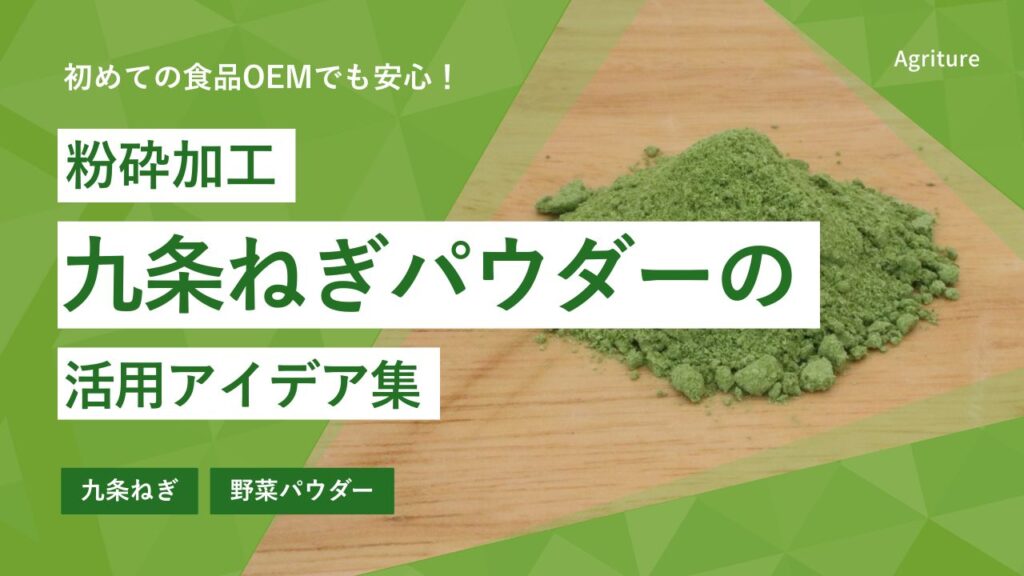
Dried Kujo green onion powder | Usage ideas and how to choose it as a food OEM raw material
Dried Kujo Negi powder is a commercial raw material made by drying and finely powdering the Kyoto heirloom vegetable "Kujo negi." Compared with white negi types, it has a gentler aroma and stronger sweetness, with a vivid green retained all the way to the leaf tips—it is adopted in food OEM for topping instant noodles, furikake, and adding color and aroma to baked-good dough... -
Kyoto ingredient processing OEM | How to make the most of Kyoto vegetables and quality control
The strength of requesting ingredient-processing OEM in Kyoto lies in access to Kyoto vegetables, heirloom vegetables, and Kyoto-grown ingredients, and in a quality-control system backed by the culture of long-established makers and artisans. By combining processing techniques such as drying, powdering, and extract extraction with Kyoto-grown ingredients, you get something beyond mere OEM manufacturing—a... -
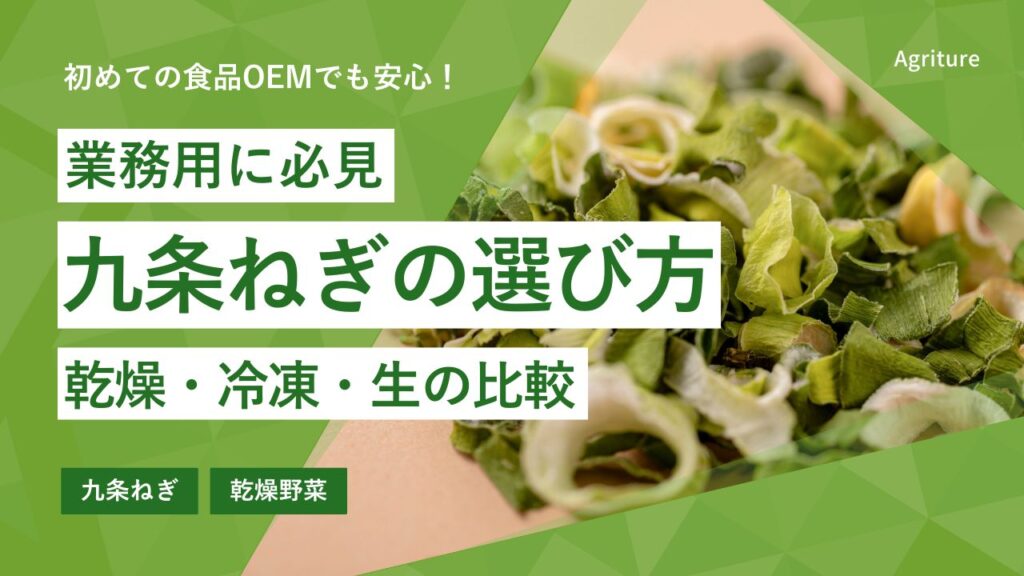
How to Choose Commercial Kujo Negi: Comparing Fresh, Frozen, and Dried
Commercial Kujo negi distributes "Kujo negi," one of the traditional vegetables that represents Kyoto, in three types—fresh, frozen, and dried—as a raw material for ramen shops, food manufacturers, boxed-lunch factories, and the like to use stably. To make the most of its distinctive sweetness and aroma and deep green, the optimal form for each use... -
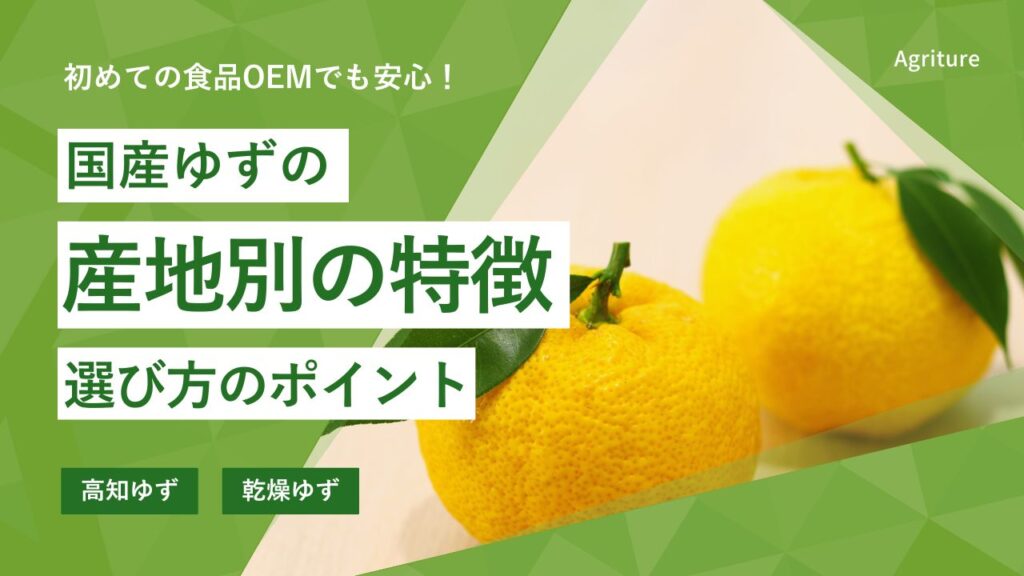
ゆずの産地は高知が半分を占め、二位は徳島から愛媛に変わった
「ゆずの産地はどこか」と調べると、たいていのページが「高知県が日本一」で止まります。では二位はどこで、三位との差はどれくらいあるのか。数字を並べたページを探すと、今度は年次がばらばらで、二位が愛媛だったり徳島だったりします。 この記事は、... -
The success formula for yuzu product development | The process from planning to sales
Do you know the success story of Umaji Village in Kochi Prefecture? A small village with a population of fewer than 1,000 achieved annual sales of 3 billion yen with yuzu processed products. Overcoming the crisis of forestry's decline, it accomplished a miraculous revival through product development that made the most of local resources. Behind this success lay meticulous product planning... -
The global expansion of yuzu | Strategies for success in overseas markets
"Yuzu," the scent of Japan that the world is watching. Did you know this yuzu is beloved worldwide? This aromatic citrus, cultivated mainly in the Shikoku region including Kochi and Tokushima Prefectures, is now establishing an international brand as "Yuzu." Along with the washoku boom, its overseas recognition... -
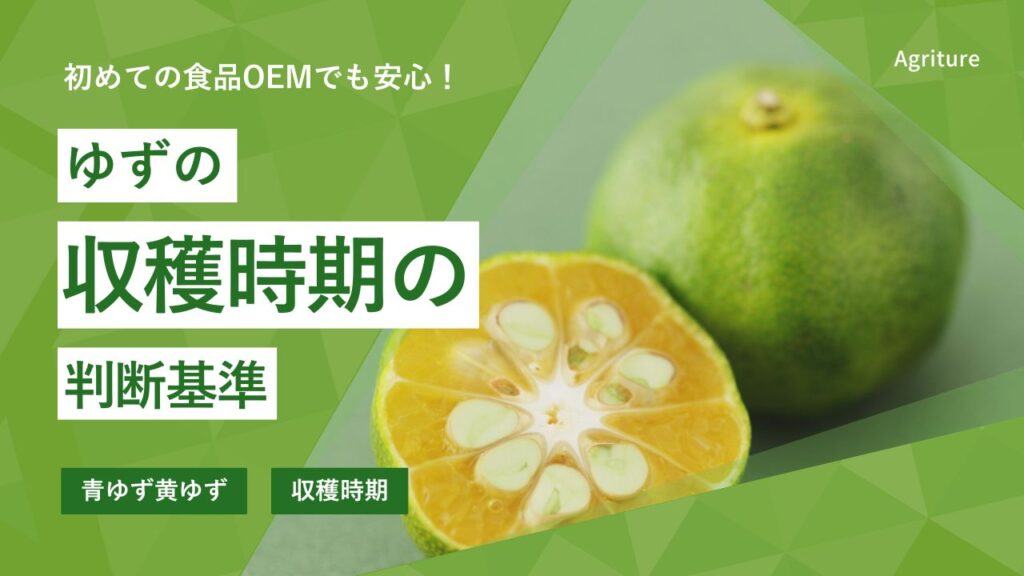
ゆずの時期は年に二度、青ゆずは7月から黄ゆずは10月から
「ゆずはいつの果物ですか」と聞かれると、答える人によって返ってくる月が違います。夏だと言う人もいれば、冬だと言う人もいる。売り場の担当者に聞けば「12月がいちばん動く」と言われ、産地の農家に聞けば「7月にはもう採りはじめている」と言われます... -
柚子の種類は何種類あるのか、公の資料で名前が残る系統を数えた
ゆずの苗木を選ぼうとすると、木頭系、海野系、山根系、多田錦といった名前が並びます。青果売り場では、そうした名前はどこにも書かれていません。同じ「ゆず」として並んでいるものに、なぜ売り手の側だけ細かい呼び名があるのか。この記事は、その呼び... -

Kai Corporation
Dried vegetables take the lead! Creating recipes for “dishes you’ll want to eat once a week.” At “Chefon,” an online cooking class operated by Kai Corporation, we created video and recipe content for all 8 “dishes you’ll want to eat once a week” using dried vegetables with concentrated umami, proposed by Michelin one-star “Ichirin” owner Mikizo Hashimoto...