
Dried vegetables– tag –
-
We Published the Dried Vegetable Projects Page
We created a page introducing an example of projects our company has been involved in in the past. Dried Vegetable Projects Page: https://agriture.jp/project. Crop Product Development Cases. Kubota Corporation. In a collaboration project with Beppin Farm, operated by Kubota Corporation, the Kubota Grou... -
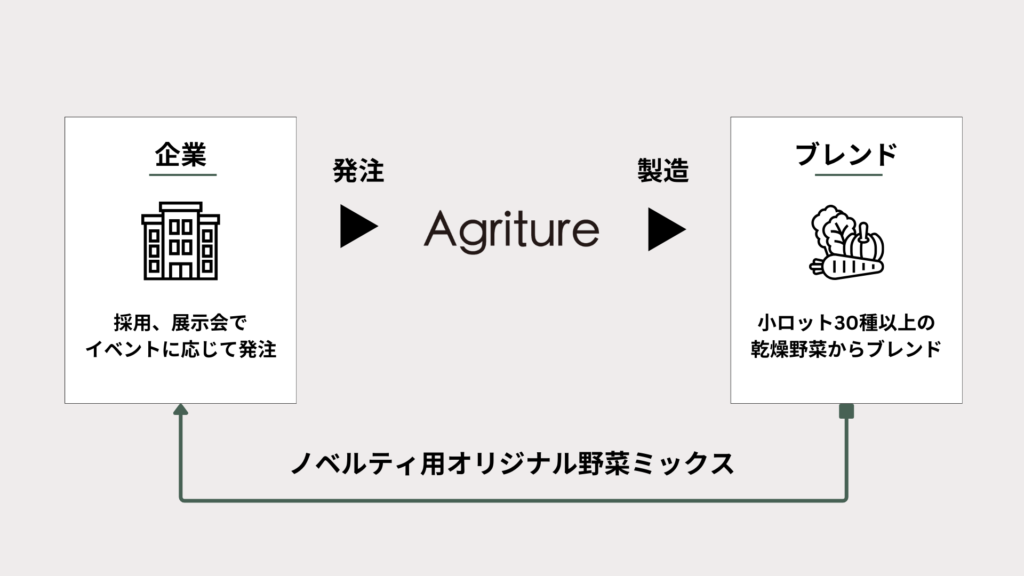
We Launched an OEM Service That Lets You Create an Original Blend from Over 30 Kinds of Dried Vegetables
Original Blends of Dried Vegetables. Toward realizing a sustainable society by 2030, companies are carrying out SDGs efforts. In recent years, environmentally conscious products have joined the options for distribution novelties at recruiting events and trade shows. Such environmentally conscious... -
We Published How to Rehydrate Dried Vegetables
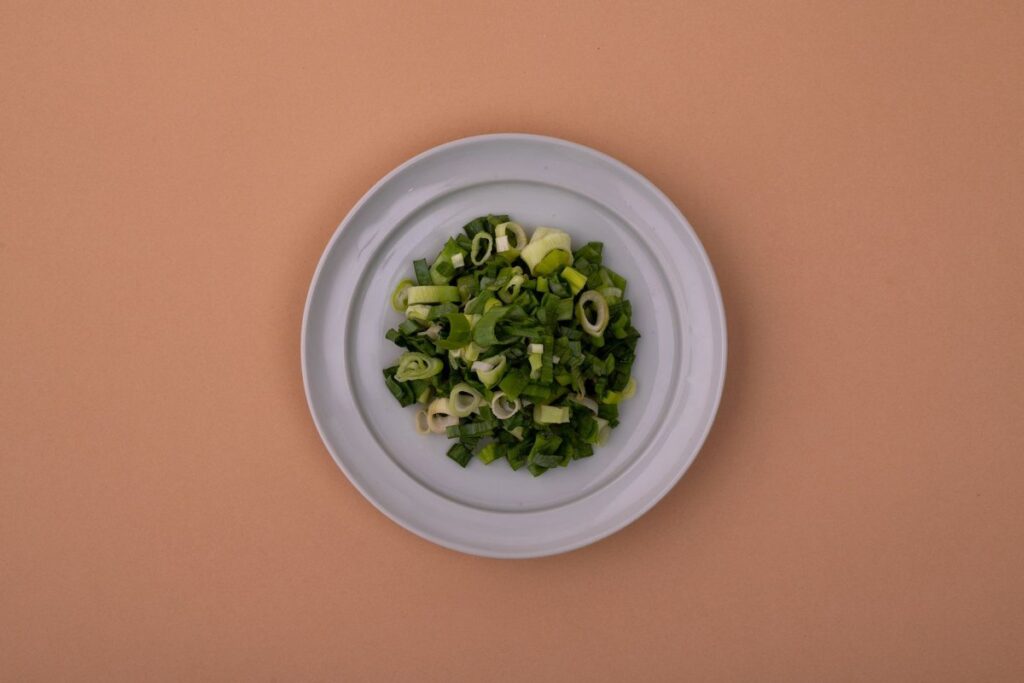
We've introduced recipes using dried vegetables until now, but this time we newly published how to rehydrate vegetables in water. Dried vegetables are easy to use—rehydrating in water or adding them directly to a dish—with flavor changes depending on rehydration time. In the case of dried carrot, compared with fresh yellow carrot... -
How to Use Dried Tomatoes: Rehydrating, Popular Recipes, and Uses by Variety
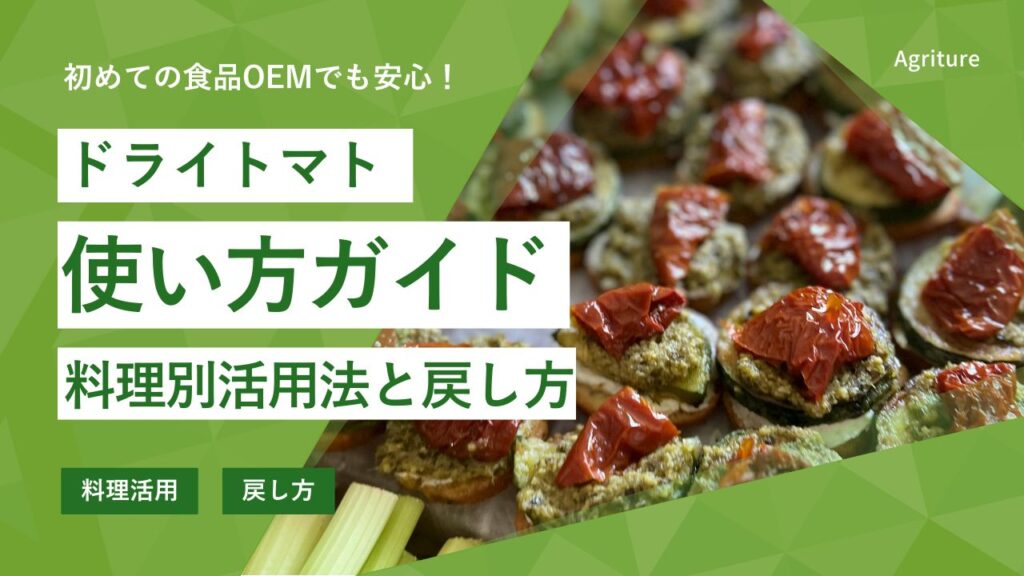
There are three basic ways to use dried tomatoes: "rehydrate before cooking," "eat as-is," and "keep them on hand marinated in oil." Because drying tomatoes concentrates their umami compounds, adding even a small amount to pasta or soup adds depth of flavor. This article covers how to rehydrate them... -
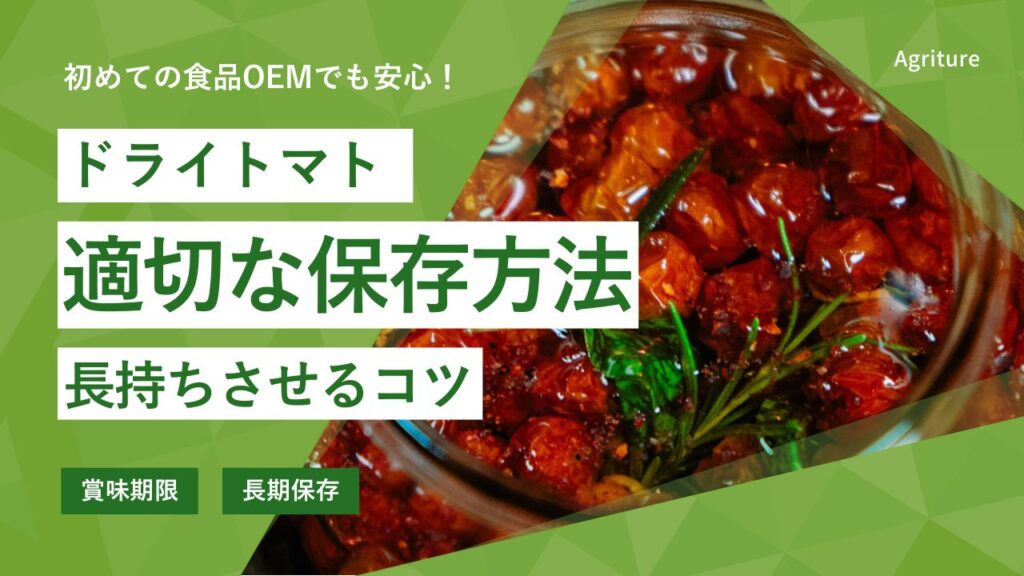
How to Store Dried Tomatoes: Tips for Room Temperature, Refrigeration, and Freezing, Plus Best-Before Dates
The basic approach to storing dried tomatoes is to use room temperature, refrigeration, and freezing as appropriate. Unopened, fully dried types can be kept at room temperature for six months or more, but once opened they absorb moisture and change in quality, so the rule is to put them in an airtight container and move them to the fridge. Frozen, they keep for 3–4 months... -
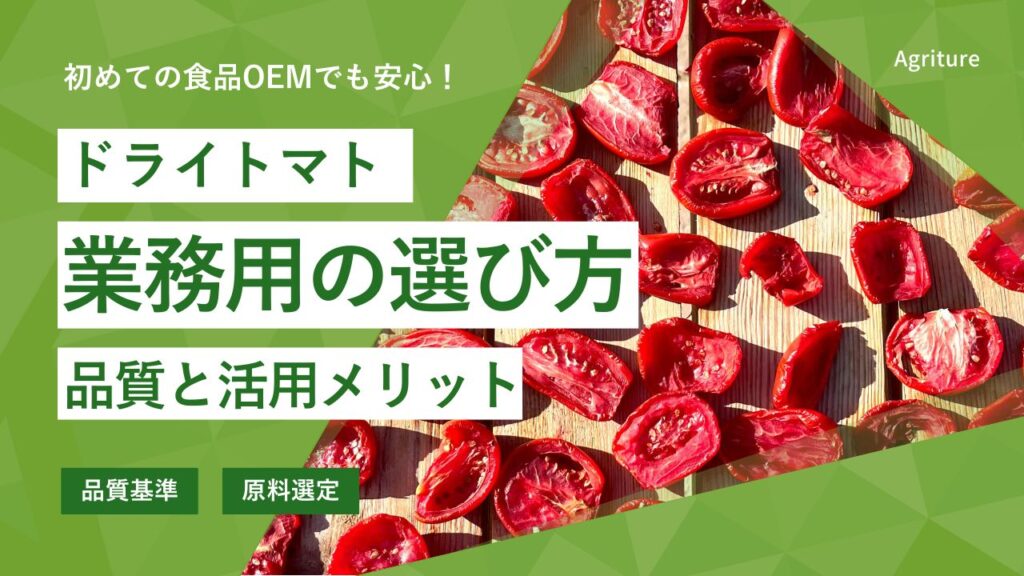
How to choose commercial dried tomatoes | Quality and OEM case studies
When sourcing commercial dried tomatoes, organizing the comparison along five axes—growing region, variety, processing type, lot capacity, and supply system—is fundamental. The options are wide, from Italian sun-dried products to domestic makers' low-temperature-dried products, and for restaurant pasta sauces, bakery ingredients... -
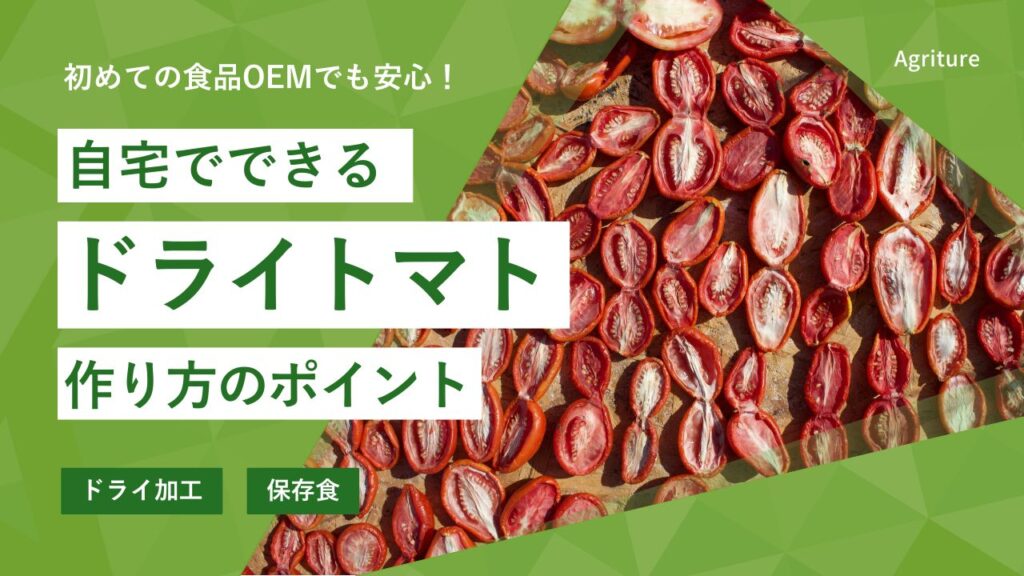
How to Make Dried Tomatoes: Drying Tips, and How Cherry and Large Tomatoes Turn Out Differently
Dried tomatoes are made by drying fully ripe tomatoes. This processed food is prized for a deep richness and aroma quite unlike fresh tomatoes. Tomatoes are about 90% water, and removing that water through drying concentrates their umami. At Agriture, tomatoes for stock specialized in vegetable dashi... -
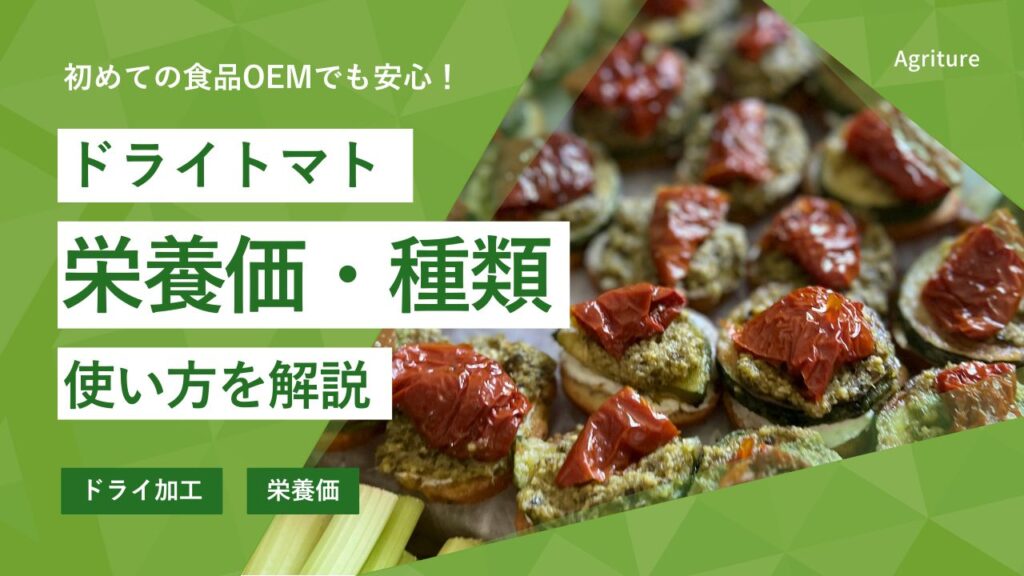
What Are Dried Tomatoes? A Basic Guide to Types, Flavor and Uses
Dried tomatoes are a processed food made by drying fully ripe tomatoes to greatly reduce their moisture. As the water that makes up about 90% of a fresh tomato is removed, the umami becomes concentrated, making it an ingredient that adds deep richness and color to dishes in small amounts. In Italy they have long been used in pasta sauces and antipas... -
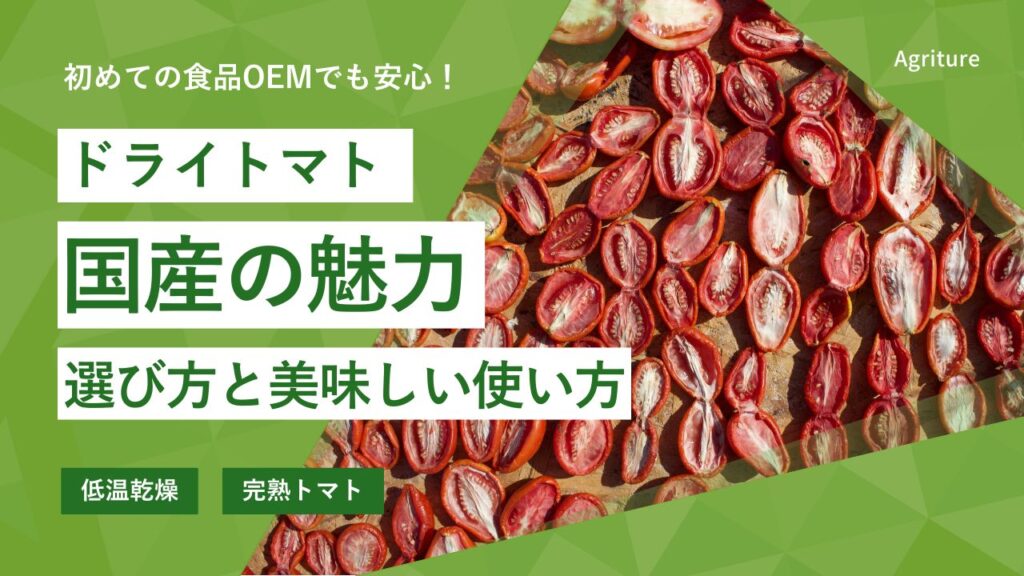
How to choose dried tomatoes | Domestic, additive-free, no added salt
When choosing domestic dried tomato, just keeping in mind the four check items—"domestic or imported," "additive-free (whether it contains salt, sugar, or preservatives)," "whether it has certification such as Organic JAS," and "processing type"—greatly changes your satisfaction after buying. In recent store shelves, additive-free and domestic labeling front and center... -
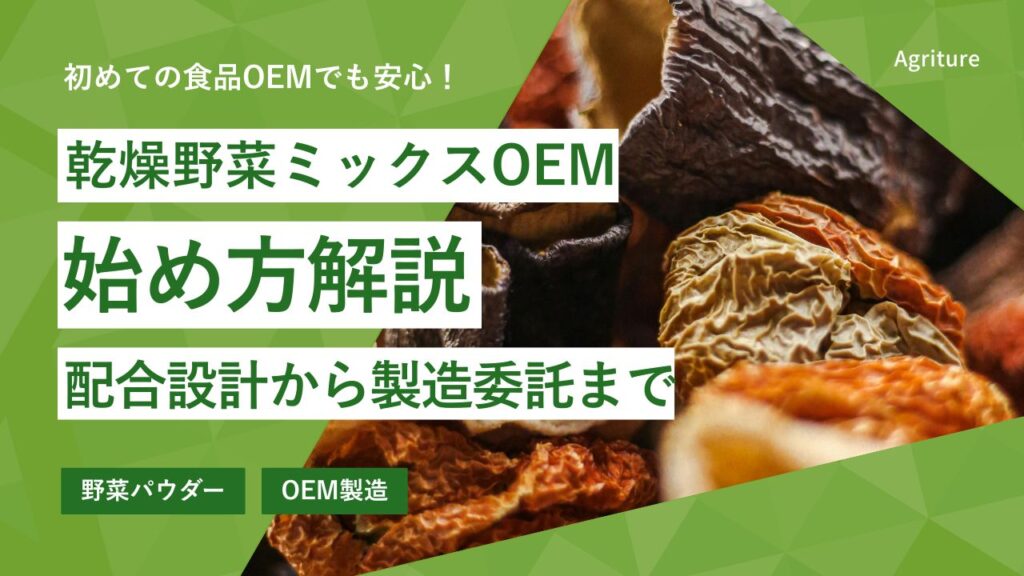
A must-read for e-commerce businesses: how to make a dried vegetable mix through OEM
Dried vegetable mix OEM is contract manufacturing in which several dried vegetables are blended to fit a product concept and sold under your own brand. It is used for products rehydrated with hot or cold water, such as miso soup fillings, soups, cup noodle toppings, mixed rice and emergency food. This article... -
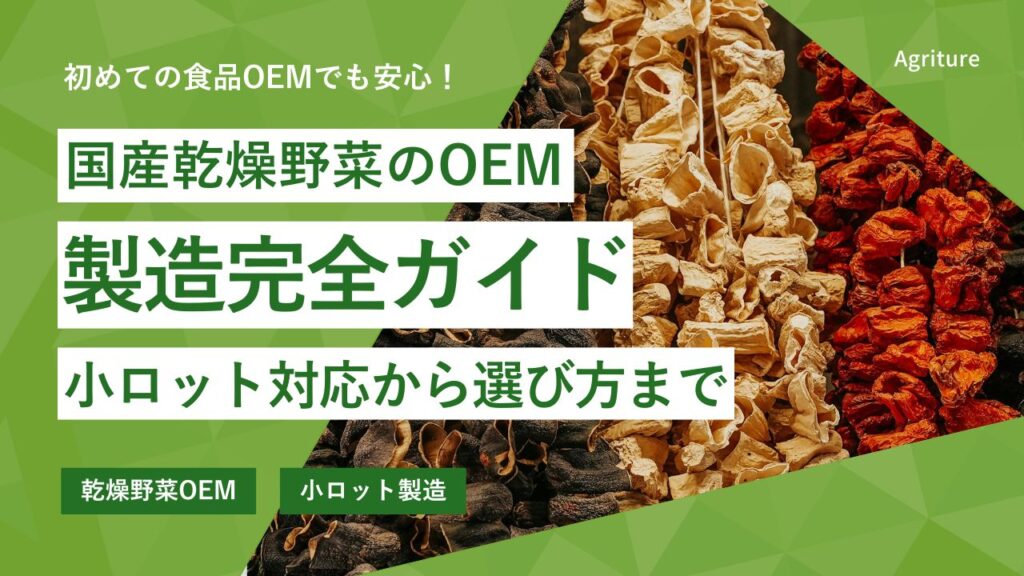
The Complete Guide to OEM Manufacturing of Domestic Dried Vegetables | A Thorough Explanation from Small-Lot Support to How to Choose
As awareness of food safety rises, demand for domestically grown dried vegetables is rapidly expanding. As of 2025 in particular, additive-free products that use no food additives and OEM manufacturing services that can handle small lots are strongly sought by small and medium-sized companies and new entrants. Conventionally, mass production was... -
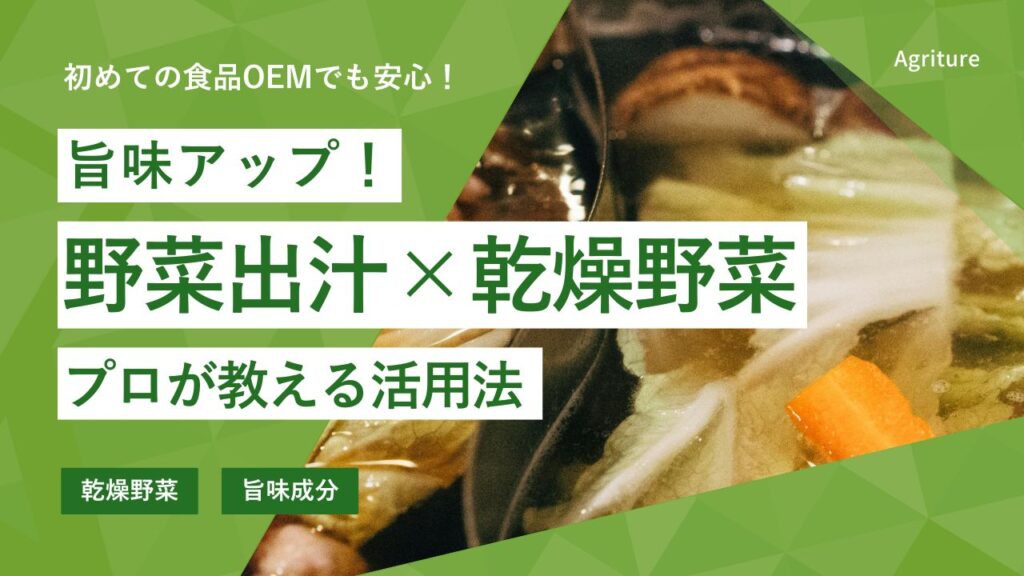
The Secret to Vegetable Dashi Is Dried Vegetables! Tips for Drawing Out Umami
Combining vegetable dashi with dried vegetables is a use that makes it easier to achieve both umami density and time savings compared with drawing dashi from fresh vegetables. Because their water has been removed, dried vegetables have relatively concentrated flavor compounds such as glutamic acid and aspartic acid, which dissolve directly into the soaking liquid. Agriture's... -

6 Reasons Dried Vegetable Gifts Are Well-Received and Tips for Choosing Them
Dried vegetable gifts, drawing attention alongside rising health consciousness. Lately their popularity as gifts has been surging. What is the appeal of this new kind of gift, which sets itself apart from conventional sweets and consumables? This article covers the reasons dried vegetable gifts get chosen and well-received products... -
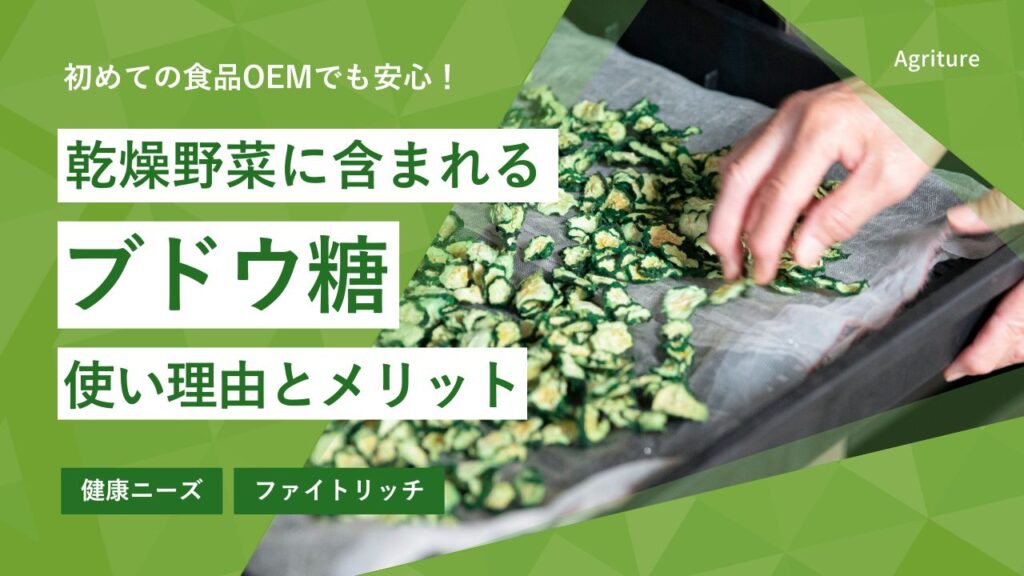
How to Make Dried Vegetables | Tips for Easy Home-Dried Vegetables and Recipe Uses
Dried vegetables are a handy ingredient that raises storability by removing moisture and concentrates vegetables' nutrition and umami. With easy cooking and simple room-temperature storage, the market is expanding for both commercial and home use, and it's also drawing attention as an OEM ingredient. Meanwhile, "is glucose used in dried vegetables..." -
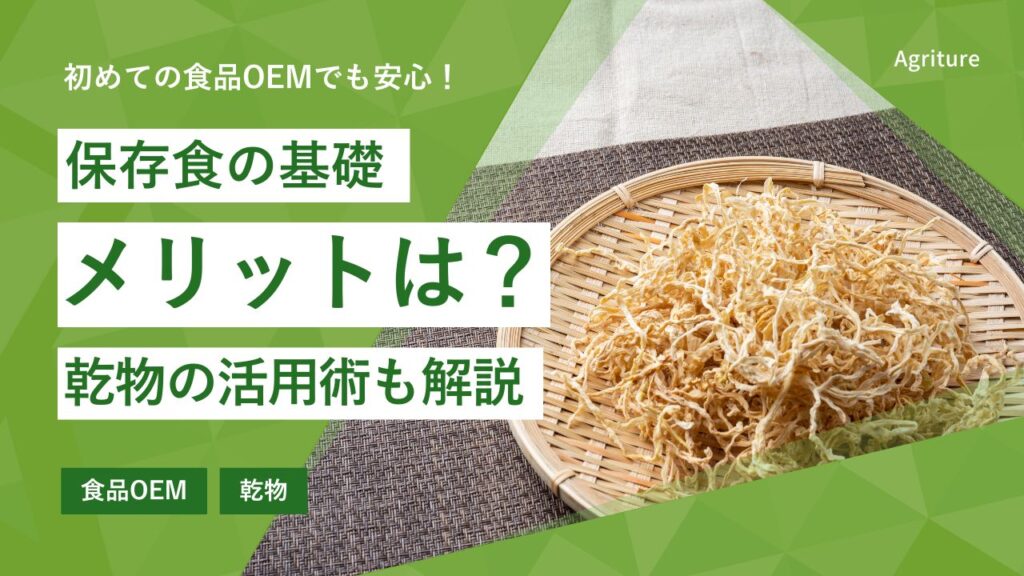
A Complete Guide to the Pros and Cons of Dried Goods: Uses Explained Too
Dried goods are foods made by evaporating the water from ingredients through methods such as sun-drying. They are said to have already been used as far back as the Jomon and Yayoi periods, and are deeply rooted in Japanese food culture. Amid Japan's distinctive climate—hot and humid in summer, cold and dry in winter—in an age without refrigerators, ingredients... -
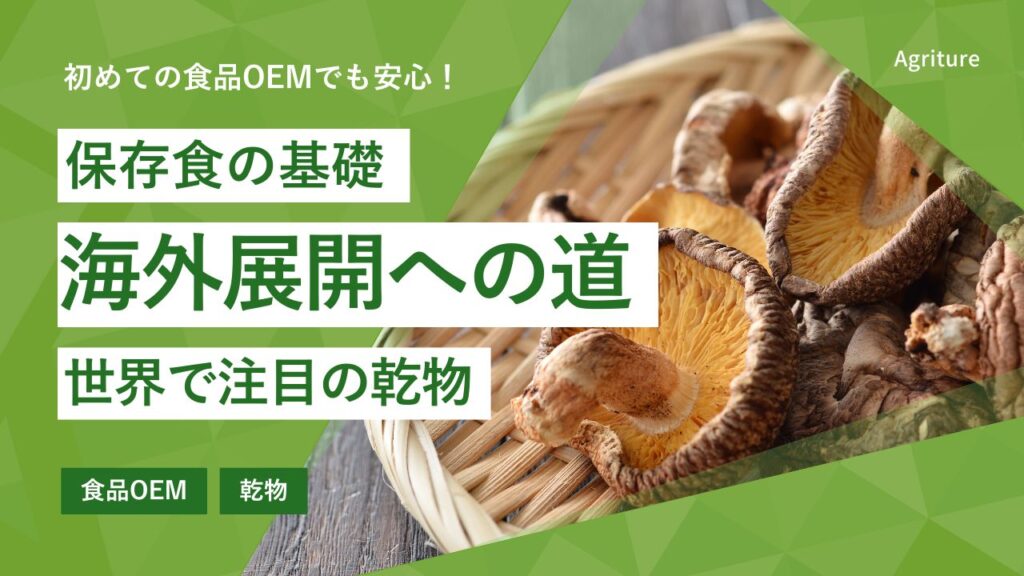
Learning the secrets to success and market strategy from overseas-expansion cases of dried goods
Dried goods, a representative traditional ingredient of Japanese food culture, are like a gem still not fully recognized in overseas markets. With superior shelf life, high nutritional value, and qualities that broaden the range of cooking, dried goods in fact hold great potential for overseas expansion. Kombu, shiitake, sesame... -

Freeze-Dried vs. Dried Vegetables: A Guide to Choosing a Drying Method by Flavor, Lot Size and Cost
"Dried vegetables," drawing attention against the backdrop of rising health consciousness and stockpiling needs. Among them, the properties differ greatly by manufacturing method between freeze-drying and warm-air drying (air-drying). They look similar, but their inner workings are surprisingly little known. The difference between the two and their benefits... -
Medicinal tea OEM is a system that lets you plan and sell health teas combining tea leaves, crude drugs, and medicinal-cuisine (yakuzen) materials—based on the theories of the four qi and five flavors, meridian tropism, and qi-blood-body fluids in Traditional Chinese Medicine—without your own facilities. This article explains the difference between medicinal tea and herbal or health tea, the four product types of seasonal, constitutional, symptom, and vegetable-yakuzen, the practicalities of raw material selection and blend design, how to choose an OEM manufacturer, 7 leading companies handling medicinal tea and health tea OEM, the manufacturing process and lead time, and sales strategies for mail-order and cafés—delivered by Kyoto-born dried vegetable OEM company Agriture, drawing on its insights from operating a yakuzen media outlet.
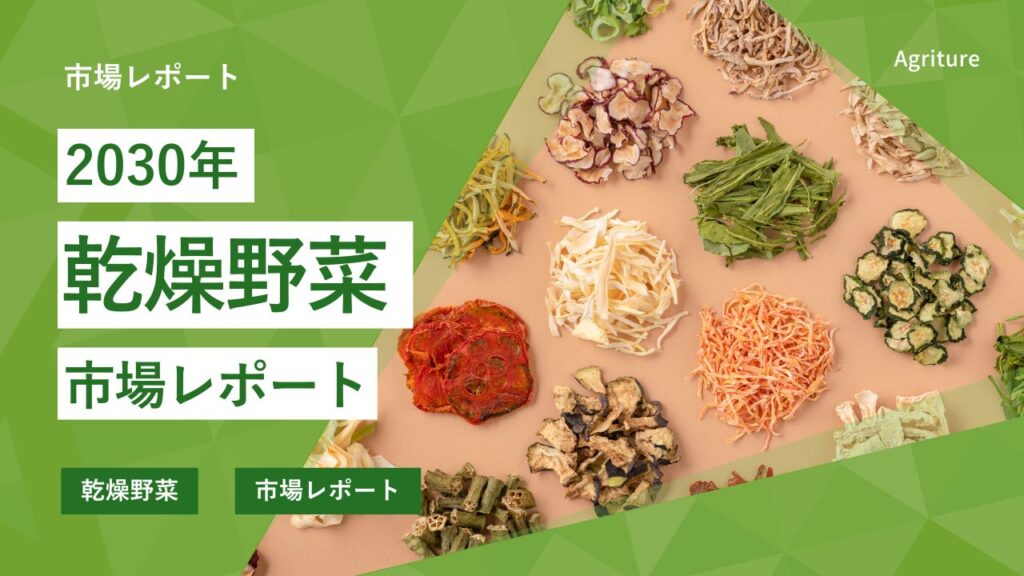
This report describes the market conditions and trends of the dried-vegetable-related industry, centered on Japan, from our perspective. We've also included our own analysis for each item. Please use it in developing products using dried vegetables and other dried foods. And for those interested in the dried-vegetable market... -
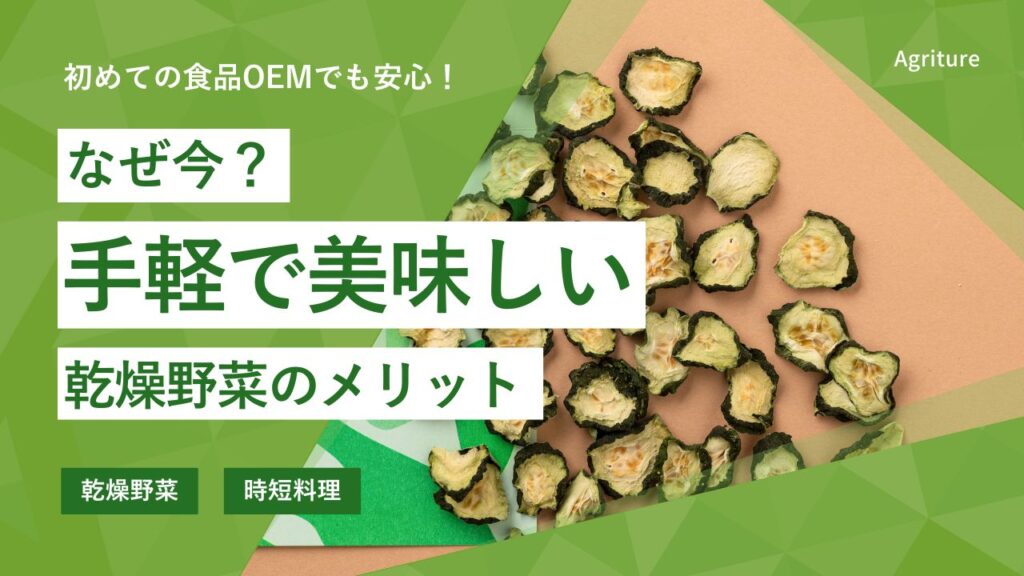
Why Dried Vegetables Now? 5 Benefits Beyond Just Convenient and Nutrient-Concentrated
"I want to eat vegetables properly every day"; "I need to eat 350g of vegetables a day." Even when you think this, work, chores, and childcare take over and before you know it the day is done. It is precisely those people we want to offer, anew, the option of "dried vegetables." Dried vegetables may bring to mind kiriboshi daikon... -
How to Choose Dried Goods, Taught by a Pro | 5 Important Points and How to Tell Them Apart
Dry goods are foods with raised shelf life through drying ingredients. From traditional ones like kelp, shiitake, and beans to newer categories like dried vegetables and dried fruit, there's a truly wide variety of kinds. The greatest appeal of dry goods is, above all, their high shelf life. Long-term stor... at room temperature -
A Guide to Using Dried Vegetables as a Pet Food Raw Material
More owners want to incorporate vegetable nutrition when thinking about their pet's health. But raw vegetables don't keep and take effort to prepare, so it's not easy to work them into daily meals. That's where "dried vegetables," with excellent storability and convenience, are drawing attention... -
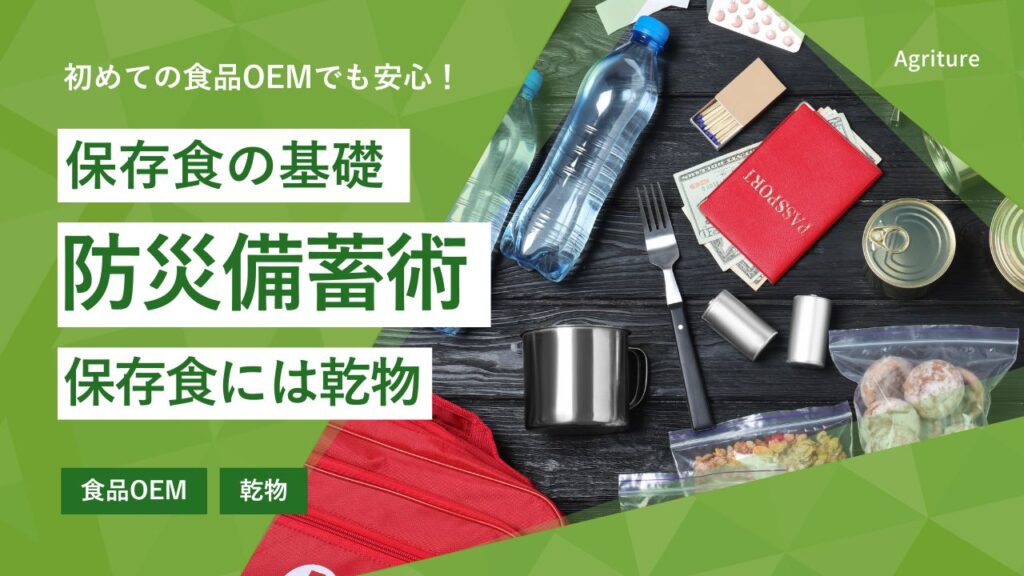
Disaster stockpiling utilizing dried goods | Value and utilization as preserved food
In disaster-prone Japan, disaster stockpiling is taking hold as part of life. But what many people picture as stockpiling is canned and retort foods, isn't it? In fact, "dry goods," Japan's traditional ingredients, have excellent characteristics as disaster stockpiles. Long... -
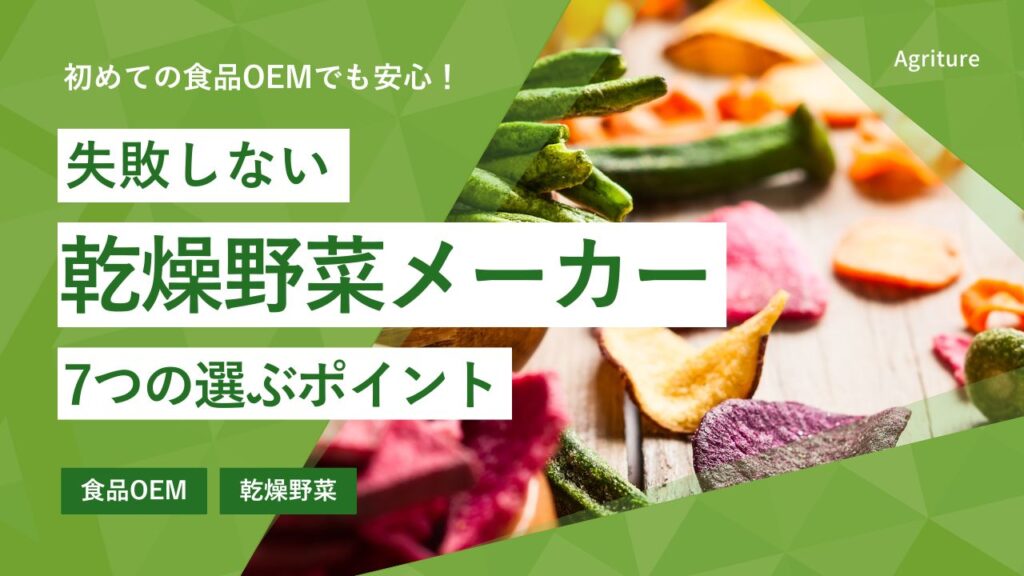
Seven points to avoid failure when choosing a domestic dried vegetable manufacturer
Dried vegetables are indispensable in food processing and the foodservice industry for their stable quality and high shelf life. With the rise in demand for domestic ingredients and additive-free products in particular, demand for "domestic dried vegetables" is expanding. On the other hand, "the quality isn't as stable as I expected," "delivery response is slow," "the contract terms are... -
Switching from Fresh Vegetables to Dried and Sun-Dried Vegetables: Benefits for Cooking and Commercial Use
Switching from fresh vegetables to dried and sun-dried vegetables offers a wide range of benefits, from saving time in cooking and improving shelf life to reducing costs for commercial use. In home cooking, daily storage and meal planning become easier, and for restaurants, boxed-lunch factories, and food manufacturers, it stabilizes purchasing prices, reduces waste loss, and improves yiel... -
Rules for Labeling the Origin of Raw Materials in Processed Foods: 4 Labeling Methods and Penalties for Violations
Raw material origin labeling is a labeling system mandated for all processed foods made in Japan under the Food Labeling Act. The Food Labeling Standards were revised and enforced on September 1, 2017, and after a five-year transition period, came into full force on April 1, 2022. Staff at processed-food OEMs and food manufacturers must understand the labeling... -
How to Read a Dried Vegetable Quality Specification: A Quick-Reference Table of Standards for Water Activity, Color Difference, Particle Size, and Additive-Free Status
What Are Dried Vegetable Quality Standards? Why You Need to Know How to Read Them When purchasing dried vegetables as a commercial raw material, whether you can correctly read the figures in the quality specification (spec sheet) provided by the manufacturer greatly affects your product's quality. Water activity, color difference, particle size, microbio... -
The Difference Between Domestic and Chinese Dried Vegetables: Quality and Cost Comparison and Practical Uses
For commercial dried vegetables, domestic and Chinese products differ greatly in quality, cost, and supply stability. Chinese products have the edge in distribution volume and price, while domestic ones have the edge in safety, brand appeal, and spec-sheet compliance. Depending on your product's use and sales channels, which you choose changes your costs, complaint rate, and how your channels expand... -
Benefits and Uses of Introducing Dried Vegetables for School and Company Cafeterias
The "Vegetable Challenges" Faced on the School and Company Cafeteria Floor When running a school or company cafeteria, there are many moments where managing fresh vegetables becomes a headache. Fluctuations in order volume, price spikes due to weather, and the labor and time spent on prep. Introducing commercial dried vegetables can ease all these challenges at once... -
7 Criteria for Judging a Commercial Dried Vegetable Supplier
When choosing a commercial dried vegetable supplier, judging by price alone tends to cost you through quality trouble and delivery delays. Comparing across seven items—domestic, additive-free, HACCP-compliant, small-lot, spec sheet, lead time, and proposal capability—reveals a partner you can trade with over the long term. This article covers commercial dried veg... -
How to Choose Dried Vegetable Kayaku for Instant Noodles: Rehydration Performance and Quality Standards
What You'll Learn in This Article The quality standards required for kayaku for instant noodles and cup soups The differences in drying methods that determine rehydration performance and how to choose How to control floating-and-sinking behavior Evaluation points for heat and oil resistance A checklist and ordering flow for OEM procurement "The kayaku vegetables don't rehydrate properly..." -
How to Rehydrate Dried Vegetables: Tips for Commercial and Restaurant Use
When rehydrating dried vegetables for restaurant and commercial use, the tips differ a little from home cooking. To shorten prep time while maximizing a dish's umami and texture, the Japanese cuisine idea of "rehydrating slowly like kombu to draw out vegetable dashi" is helpful. This article covers OYA... -
Dried Vegetable Raw Materials for Convenience Store Bento: Techniques for Color, Texture, and Cost Improvement
What You'll Learn in This Article The benefits of using dried vegetables in convenience store bento and side-dish manufacturing Dried vegetable items and placement techniques effective for improving color How to design rehydration conditions to control texture Concrete mechanisms for reducing raw material cost and waste loss Case studies and the flow from ordering to mass production... -
Dried Vegetable Price Ranges: Supermarket and Online Guidelines and How to Choose by Volume
Dried vegetable prices vary greatly by sales format, volume, where you buy, and use. From a small supermarket pack (40g) to a mixed set at an online mall, to 100g-unit commercial raw material, to a large OEM wholesale lot—choosing the source that suits your use can make the unit price differ several times over even for the same vegetable... -
Best-Before Dates and Storage of Commercial Dried Vegetables: Aluminum Pouches, Color-Fading Countermeasures, and How to Spot Deterioration
The best-before date of commercial dried vegetables in reality deteriorates greatly depending not only on the period shown on the package but on storage conditions. Even the same lot from the same manufacturer deteriorates in color, aroma, and texture at completely different speeds between stock kept in an aluminum pouch in a cool, dark place and stock left in a simple bag in the kitchen... -
Raw Material Risk Management for Food Manufacturers and How to Use Dried Vegetables
What You'll Learn in This Article The overall picture of raw material procurement risks facing food manufacturers Countermeasures for poor weather, import restrictions, and logistics disruptions respectively Concrete ways to hedge risk using dried vegetables How to build raw material procurement into a BCP (business continuity plan) The supply structure for building a stable procurement system... -
Practical Guide to Importing Dried Vegetables: Tariffs, HS Codes, and Quarantine Explained
What You'll Learn in This Article The classification rules of HS codes applied to dried vegetables How to look up tariff rates and cut tariffs by using EPAs The procedural flow for plant quarantine and food import notification How to check pesticide residue standards and the risks of violations "I want to procure dried vegetables from overseas, but the procedures seem complicated and I hesitate..." -
HACCP Compliance in Food Processing: A Practical Guide to the Necessity by Processing Form and Use
HACCP compliance in food processing is not equally important across all processing forms and uses. It is essential for products with zero-tolerance risks such as infant food, care food, and retort foods, but for processing with low water activity and low microbial risk, such as simple drying or powdering, HACCP certification is not necessarily required... -
Selection Criteria and Quality Requirements for Dried Vegetable Raw Materials for Pharmaceuticals and Health Foods
What You'll Learn in This Article The quality standards required for dried vegetable raw materials for pharmaceuticals and health foods Concrete checkpoints when choosing a GMP-compliant factory How to build a supply chain that achieves stable supply Standard values and control systems for pesticide residue and microbial testing How to optimize raw material procurement cost through negotiation... -
Custom Processing of Dried Vegetables: A Guide to Cut Shape, Blending, and Moisture Content
"Off-the-shelf dried vegetables don't have specs that fit our product perfectly"—if you're a product-development staffer, you've probably felt this at least once. You want the dried vegetables for a soup cut a bit smaller, or a finer mince or flake for furikake... -
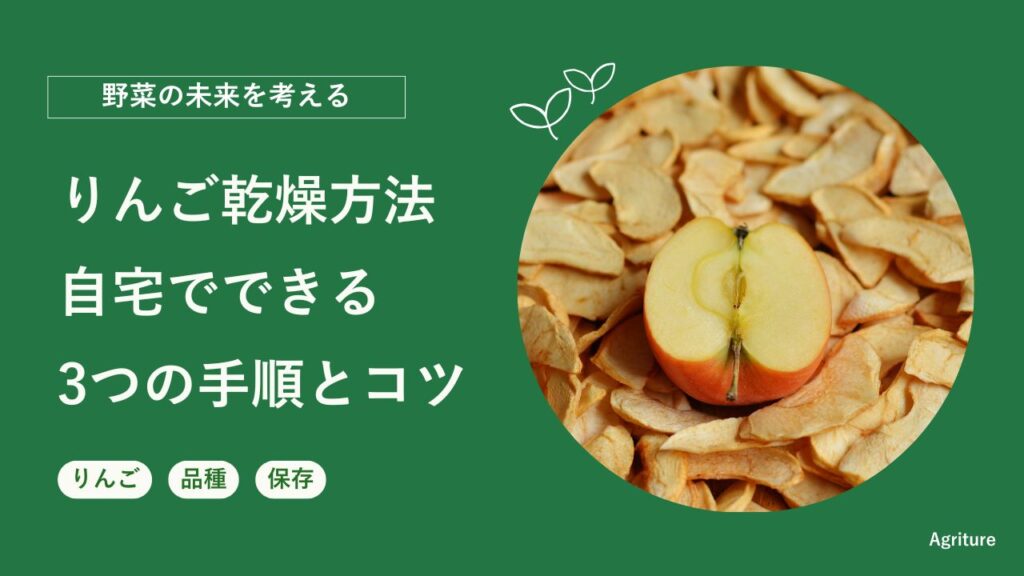
A Thorough Guide to Drying Apples! 3 Steps and Tips You Can Do Easily at Home
Prep Before Drying Determines the Result. Drying apples is 70% decided by the prep before applying heat. Even with the same variety and the same dehydrator, skipping the cut thickness or the small step of preventing discoloration leaves you with a sticky or brown, cloudy result that differs in finish. First, the three prep points... -
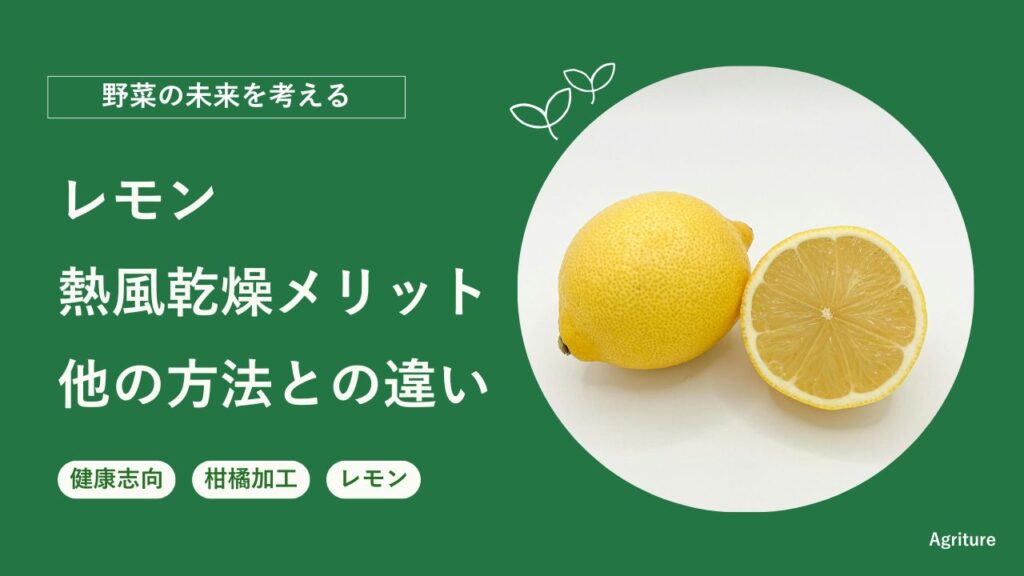
What are the benefits of hot-air drying lemon? Explaining the difference from other drying methods
Lemon is a citrus fruit classified in the genus Citrus of the Rutaceae family. Its vivid yellow, distinctive acidity, and refreshing aroma make it beloved worldwide. Its place of origin is said to be northern India, and it came to Japan in the Meiji era. Now domestic lemon is grown in Hiroshima, Ehime, Wakayama, and other prefectures... -
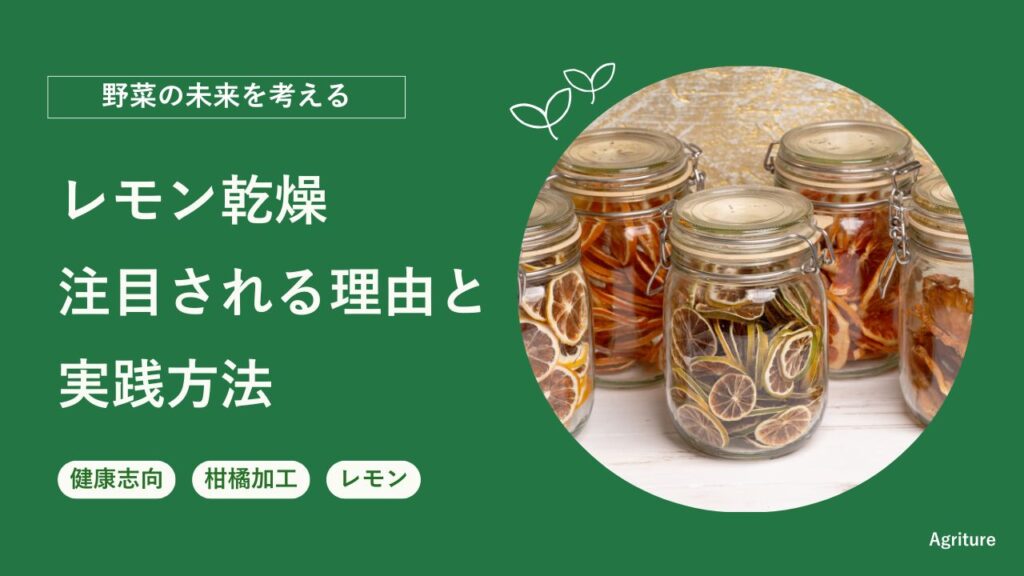
Why Lemon Drying Is Drawing Attention and How to Practice It! A Thorough Look at the Trend
Drying lemons is drawing major attention in the food industry. Alongside rising health consciousness, the market for lemon-based products is trending upward. In particular, fresh lemon faces challenges of temperature control to maintain freshness and a short shelf life, and against this backdrop, "drying" and "pas..." -
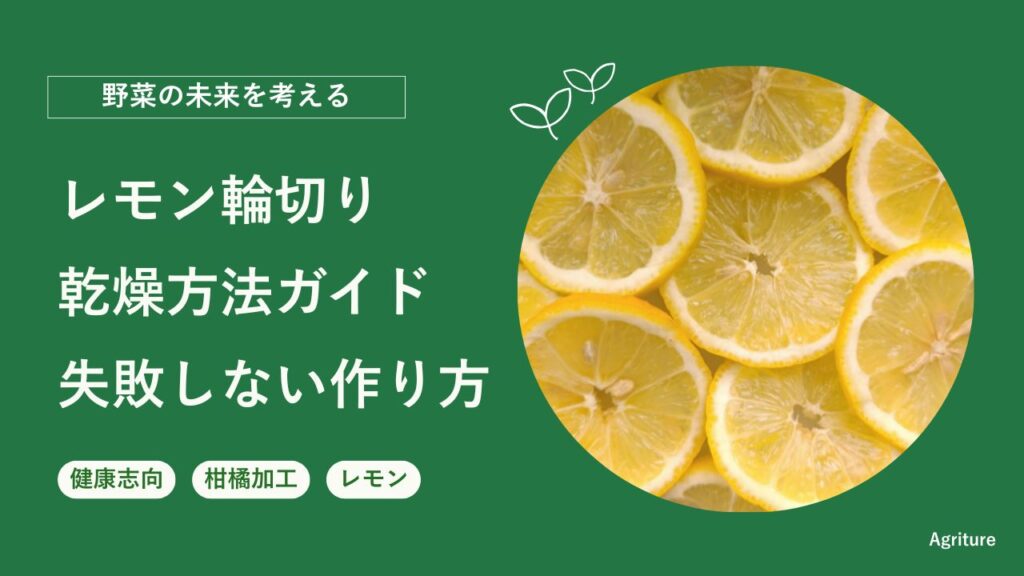
A Complete Guide to Drying Lemon Rounds! A Foolproof Method and Tips
Have you ever wanted to try making dried lemon at home? Store-bought dried fruit makes you worry about additives, and the price is high too. But if you make it yourself, you can get safe, secure dried lemon using pesticide-free lemons. In fact, drying lemon rounds gives you vitami... -
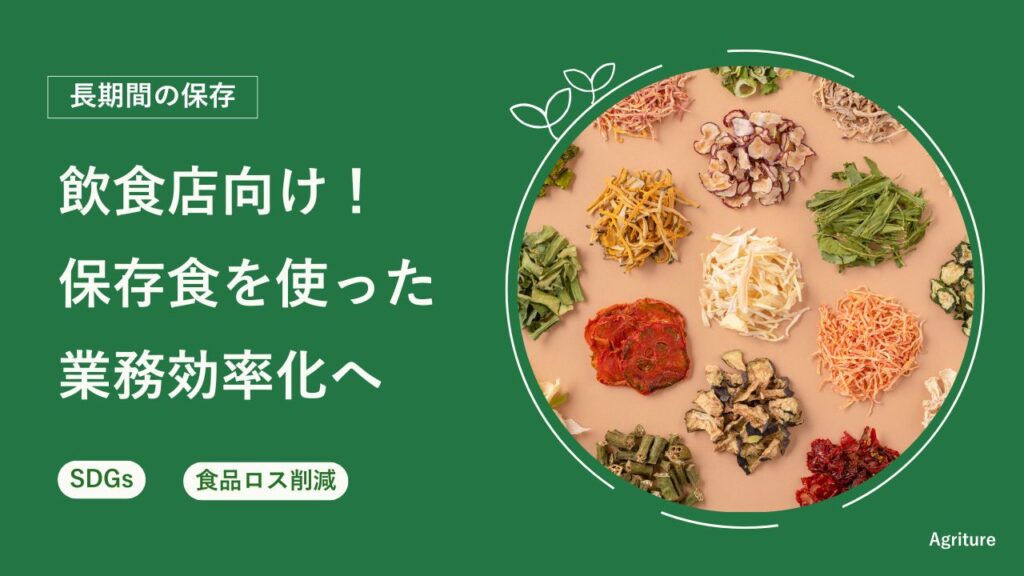
[For Restaurants!] Use Dried Vegetables to Cut Food Waste and Improve Operational Efficiency at Your Store
"Dried vegetables," made by drying vegetables, offer diverse benefits for the food industry and restaurants. They keep well and cut down on prep, which leads to lower operating costs and can also broaden the menu. Because they also help reduce food loss,... -
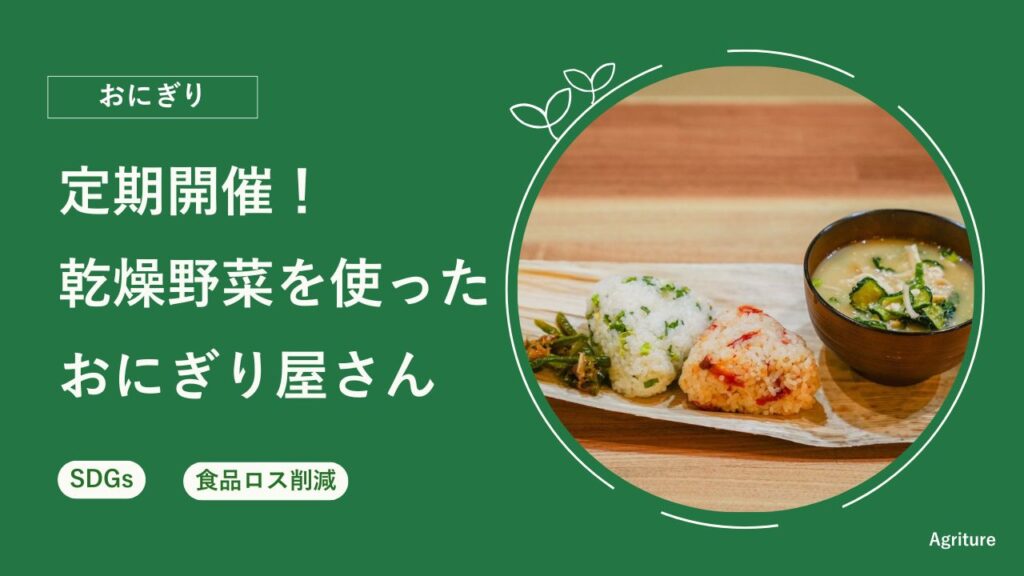
Dried Vegetable (Sun-Dried Vegetable) Onigiri Project | Held Every Tuesday in Kikukawa, Tokyo
Every Tuesday, at a shared dining space in Kikukawa, Tokyo, we hold the onigiri shop "Onigiri and Soup with Kyoto-Grown Dried Vegetables" using dried vegetables. Based on obanzai making use of dried vegetables, we propose a new form of onigiri. While treasuring regional ingredients, off-spec veg... -
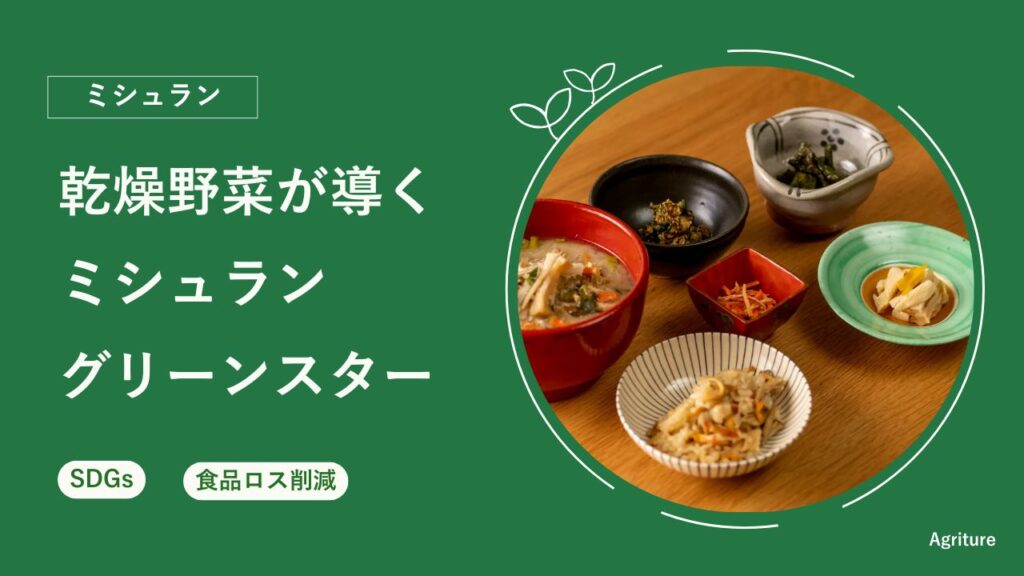
The Path to a Michelin Green Star, Led by Dried Vegetables
Since the COVID-19 pandemic, the habit of eating at home has taken root, and the value sought in dining out has changed greatly. Beyond merely "delicious," higher-level elements such as consideration for the environment and social significance have come to be demanded. Drawing attention amid this is dried... -
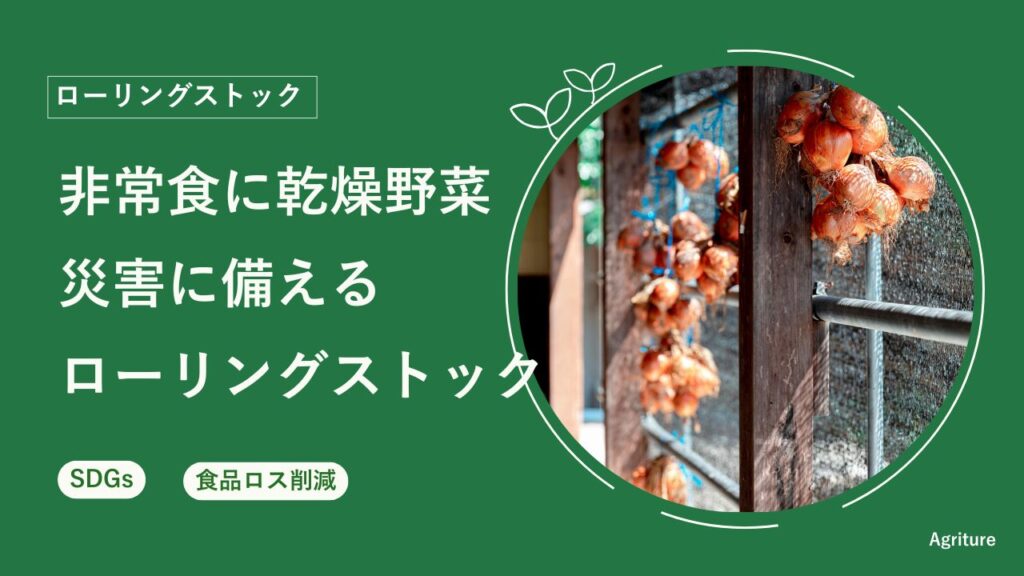
The Complete Rolling Stock Guide 2026 | 7 Recommended Foods and How to Use Dried Vegetables
Rolling stock is a system of stockpiling while consuming in everyday life, the standard 2026 style recommended by the Ministry of Agriculture, Forestry and Fisheries and the Cabinet Office as well. This article covers the basics of rolling stock, how to do it, the 3 steps to start, "7 recommended foods," concrete examples of practicing it with dried vegetables and dry goods, and for companies... -
How to Store Dried Vegetables and Their Shelf Life | Tips After Opening, Explained
What you'll learn in this article: a guide to the best-before date of dried vegetables and how it's set, the correct ways to store them unopened and after opening, how to spot signs of deterioration, and points on choosing storage containers and where to store them. How long is the best-before date of dried vegetables? The best-before date of dried vegetables varies by product and drying method, but... -
10 dried-vegetable recipes | from miso soup to side dishes, solving vegetable shortage in a hurry
What you will learn in this article: 10 easy recipes using dried vegetables (5 to 15 minutes); recipes by category, including miso soup, soups, salads, stir-fries and simmered dishes; tips for using dried vegetables and how to avoid mistakes; ideas for working dried vegetables into a week of meals. Why dried vegetable recipes help with a lack of vegetables... -
A stockpile strategy balancing BCP × health management | Using dried vegetables
What you'll learn in this article. An approach to food stockpiling that satisfies both BCP and health and productivity management. A rolling-stock strategy using dried vegetables. Tips for running it that ease the workload on the general affairs department. How to account for the cost and its cost-effectiveness. Are you handling BCP measures and health and productivity management separately? "Disaster stockpiling is general affairs' job...