
Disaster stockpiling utilizing dried goods | Value and utilization as preserved food

Summary of this article
We explain five benefits of using dried foods for disaster stockpiles: long-term storage, space efficiency, concentrated nutrition, adaptability to varied cooking methods, and reuse through the rolling-stock method. We cover specific items to stockpile—kombu, wakame, dried daikon strips, dried shiitake, dried beans, dried noodles, dried fruit, and more—along with securing water, simple cooking methods like pack cooking, and proper storage, for a detailed look at preparing your food for a disaster.
In Japan, a disaster-prone country, disaster stockpiling is becoming an established part of life. But what many people picture as stockpiles are canned goods and retort-pouch foods, aren’t they? In fact, “dried foods,” a traditional Japanese ingredient, have excellent properties as disaster stockpiles. Able to be stored long-term, compact, and nutritious, dried foods make a strong ally in a disaster.
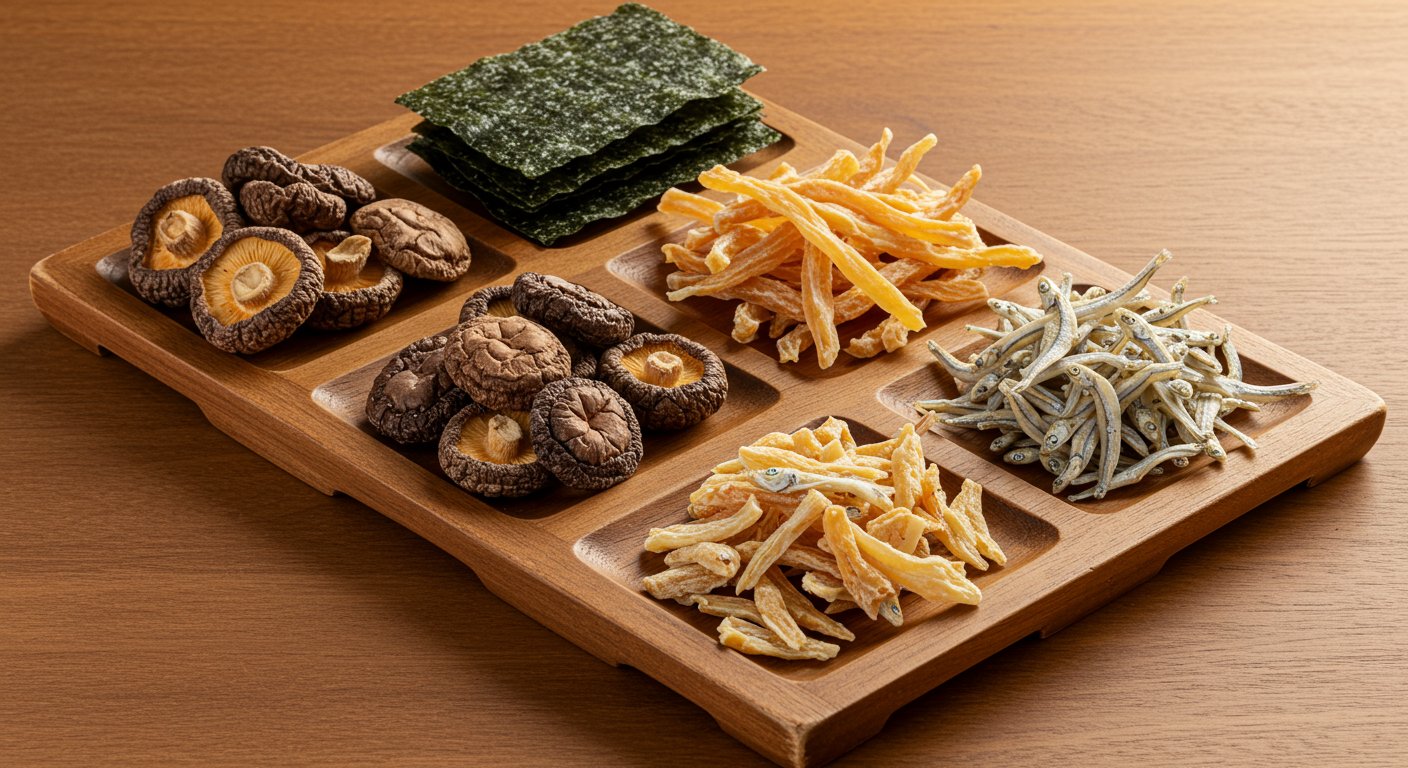
Dried foods is the general term for foods whose shelf life has been extended by removing moisture. There are many—kombu, shiitake, dried daikon strips, dried sweet potato, dried wakame, and more—rooted in Japanese food culture. They don’t just keep well; they are excellent ingredients whose nutrition is concentrated and whose cooking range is broad.
TOC
Five Benefits of Dried Foods as Disaster Stockpiles
The reason dried foods are excellent as disaster stockpiles isn’t simply that they store well. Let’s look at their many benefits.
1. Long-Term Storage
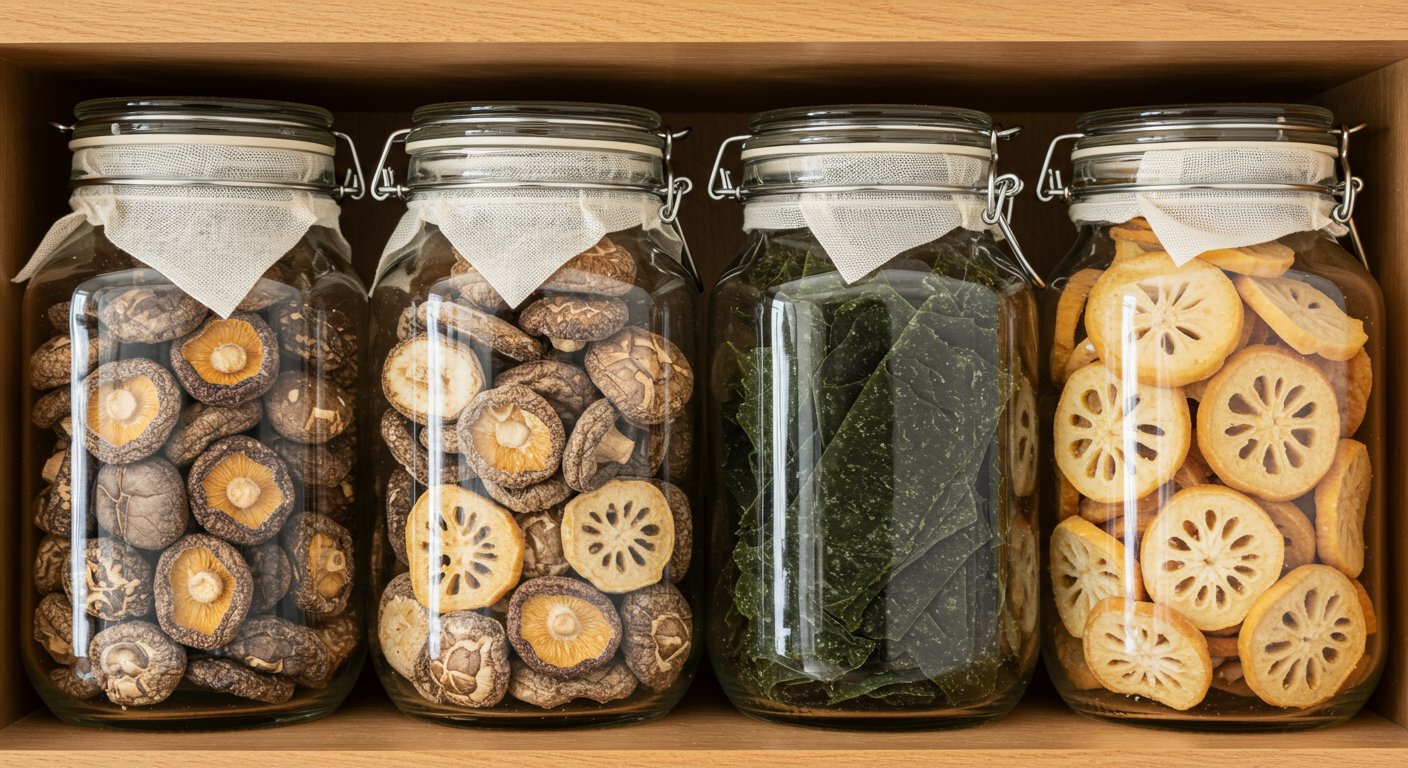
The greatest characteristic of dried foods is that removing moisture suppresses microbial growth, enabling long-term storage. Stored properly, many dried foods keep for six months to over a year.
For example, dried shiitake kept in an airtight container in a cool, dark place lasts over a year, and kombu lasts over two years. This is a shelf life on par with canned goods and retort-pouch foods.
2. Space-Efficient and Easy to Store
Because dried foods have had their moisture removed, they are far more compact than the original ingredients. Even homes in urban areas with limited storage space can stockpile a lot of food.
Dried daikon strips, for example, become about one-tenth the size of fresh daikon, and dried vegetables in general similarly shrink greatly in volume. This lets you stockpile a lot of food in a small space.
3. Concentrated Nutrition
Removing moisture concentrates the nutrients in dried foods. In an emergency, taking in nutrition efficiently is important. Dried shiitake, for example, is rich in vitamin D, and dried daikon strips are said to be richer in calcium and dietary fiber than fresh daikon. These nutrients help maintain health in a disaster.
4. Adaptable to Varied Cooking Methods
Many dried foods can be cooked simply by rehydrating in water, making them easy to handle even in the limited cooking conditions of a disaster. And because they can be used in a variety of dishes, they help prevent monotonous meals.
Dried wakame, for example, can be rehydrated in water and eaten as is, and dried shiitake can be used in a variety of dishes after rehydrating. Securing dietary variety even in a disaster is a big benefit.
5. Reusable in Everyday Life
Because dried foods are ingredients you can use in everyday cooking, they are ideal for the “rolling-stock method.” By regularly consuming and replenishing them, you can always maintain a fresh stockpile.
The “rolling-stock method,” also recommended by the Ministry of Agriculture, Forestry and Fisheries, is a stockpiling approach of buying a little extra of the foods you use day to day and replenishing them as you use them. Dried foods pair well with this method.

Types of Dried Foods Useful in a Disaster and How to Use Them
So specifically, which dried foods are good to stockpile? And how should you use them?
Seaweeds (Kombu, Wakame, Hijiki)
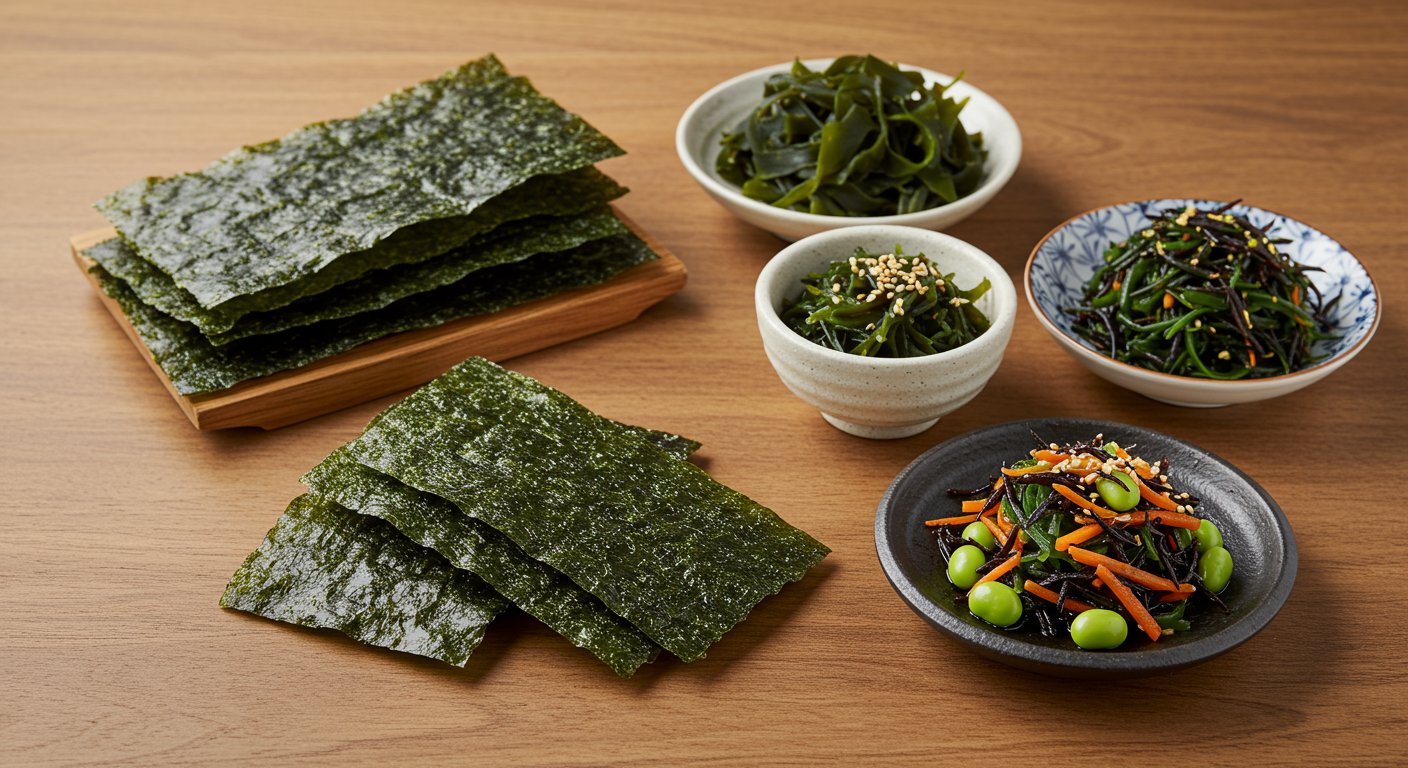
Seaweeds are nutritious and especially rich in minerals. Many can be eaten simply by rehydrating in water, making them handy in a disaster.
Kombu can be used not only to make dashi but also cut into strips for a tsukudani-style dish or as an ingredient in simmered dishes. Wakame and hijiki have plenty of uses too—rehydrated for salads or used as ingredients in mixed rice.
Dried Vegetables (Dried Daikon Strips, Dried Shiitake, Dried Green Onion)
Dried vegetables have concentrated nutrition and are especially rich in dietary fiber. They help balance nutrition in a disaster.
Dried daikon strips can be rehydrated for stir-fries or simmered dishes, and dried shiitake can be used along with its soaking liquid to make flavorful dishes. Dried green onion can easily add flavor and nutrition as an ingredient in miso soup or soups.
Dried Beans (Soybeans, Adzuki Beans, Black Beans)
Dried beans are rich in protein and dietary fiber, making them a valuable protein source in a disaster. Rehydrate them in water, then simmer to use.
Soybeans can be used as an ingredient in nimame (simmered beans) or gomoku-ni, and adzuki and black beans can be simmered in sugar to eat. Getting used to them day to day means you can cook them without hesitation in a disaster.
Dried Noodles (Sōmen, Udon, Soba)
Dried noodles are dried foods that can serve as a staple. They’re relatively simple to cook and can be the centerpiece of a meal in a disaster.
Sōmen can be rehydrated for a hiyashi-chūka style dish, and udon or soba can be eaten warm in a simple broth. Because dried noodles don’t take up much space, stockpiling plenty gives peace of mind.
Dried Fruit (Dried Persimmon, Raisins, Dried Apple)
Dried fruit has natural sweetness, making it ideal as a snack or a change of pace in a disaster. It’s also rich in vitamins. Beyond eating it as is, you can rehydrate it in hot water for a compote or add it to tea to enjoy the flavor. It’s especially handy in households with children.
FOR BUSINESS
乾燥野菜のミックスを、まとめてお探しですか
用途に合わせて複数の品目を配合した乾燥野菜ミックスをお作りしています。法人の備蓄やローリングストックのご相談も承っています。配合の考え方は 法人向けローリングストック に掲載しています。
少量でのご購入は、姉妹ブランドの通販サイト OYAOYA で承っています。
Tips for Using Dried Foods as Disaster Stockpiles
Here are some tips for effectively using dried foods as disaster stockpiles.
Know the Proper Storage Method
Many dried foods are vulnerable to humidity, so care is needed in how they’re stored. The basics are to keep them in an airtight container in a cool, dark place.
Humidity countermeasures are especially important during the rainy season and summer. Adding a desiccant or storing them in the refrigerator are also effective. Storing them properly keeps the flavor and nutrition of dried foods intact for a long time.
Make a Habit of Using Them Day to Day: Rolling Stock
Dried foods aren’t “only for emergencies”—it’s important to get used to cooking them by using them day to day. That way you’ll be able to use them without panic when the time comes.
Set up regular occasions to use them, such as a dried-food cooking day once a week. Using them day to day also lets you learn your family’s preferences and the knacks of cooking them.
Don’t Forget to Secure Water
Cooking dried foods requires water. Securing water is also an important challenge in a disaster, so stockpile water for rehydrating dried foods separately from drinking water.
Generally, one person needs 3 liters of water per day. Stockpiling at least three days’ worth—ideally a week’s—gives peace of mind.
Know Simple Cooking Methods
Because cooking conditions are often limited in a disaster, knowing simple cooking methods is useful.
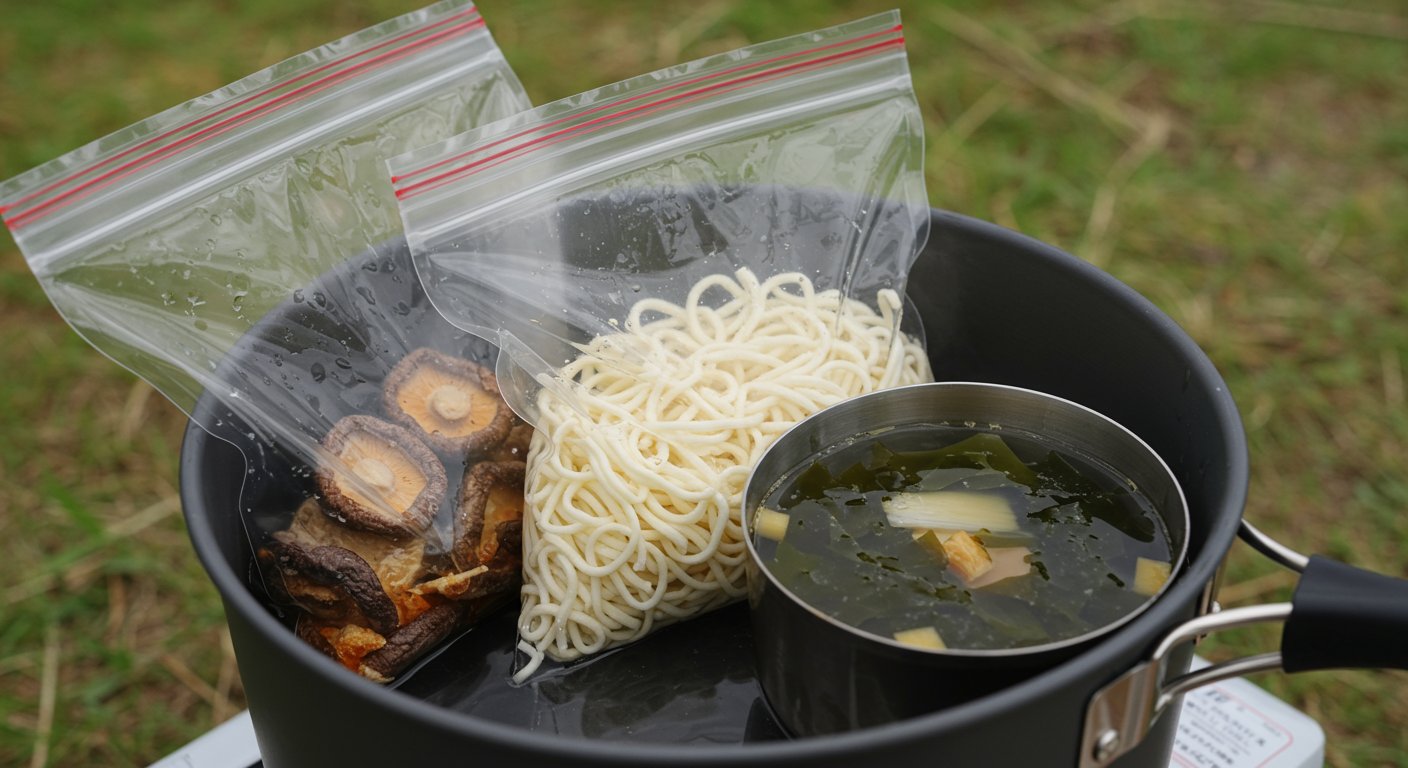
For example, “pack cooking,” in which you put ingredients and seasonings in a plastic bag and heat it in hot water, is an effective cooking method in a disaster. Many dried foods can be cooked this way too, so it’s good to practice beforehand.
FOR BUSINESS
乾燥野菜のミックスを、まとめてお探しですか
用途に合わせて複数の品目を配合した乾燥野菜ミックスをお作りしています。法人の備蓄やローリングストックのご相談も承っています。配合の考え方は 法人向けローリングストック に掲載しています。
少量でのご購入は、姉妹ブランドの通販サイト OYAOYA で承っています。
Summary: A Reassuring Food Life Prepared with Dried Foods
Dried foods have a long history as traditional Japanese preserved food, yet they also have excellent properties as modern disaster stockpiles. Their traits—long-term storage, space efficiency, high nutrition, and adaptability to varied cooking methods—make them ideal for preparing your food for a disaster.
You never know when a disaster will strike. That’s exactly why it’s important to prepare with ingredients you’re used to using. Use dried foods for your disaster stockpiles and achieve a safe, secure food life.
Why not find your favorite dried foods starting today and put them to use for both everyday cooking and disaster stockpiles?
What Are Dried Goods? The Secret of Their Nutritional Value and Uses in the Modern Diet
A Complete Guide to the Pros and Cons of Dried Goods: Uses Explained Too
How to Choose Dried Goods, Taught by a Pro | 5 Important Points and How to Tell Them Apart
If you are considering product development with off-spec or your own farm's vegetables:From planning to processing, materials, package printing and novelties, you can consult us through a single point of contact. → Learn more about one-stop product development
- Complete guide to producing original novelties | 5 keys to success
- 7 environmentally conscious gifts companies choose | The latest SDGs-friendly trends
Author of this article
Related articles
-
 Adding Vegetables to Your Morning with Dried Vegetables: A Guide to Getting Dietary Fiber Easily
 -
 Predicting the Dried Vegetable Market in 2030! An Explanation of Growth Fields and the Latest Trends
 -
 What is freeze-dried? A gentle explanation of the drying technology spreading to miso soup, vegetables, and strawberries
 -
 What Are Dried Goods? The Secret of Their Nutritional Value and Uses in the Modern Diet
 -
 Seven points to avoid failure when choosing a domestic dried vegetable manufacturer
 -
 Freeze-Dried vs. Dried Vegetables: A Guide to Choosing a Drying Method by Flavor, Lot Size and Cost
 -
 Medicinal tea OEM is a system that lets you plan and sell health teas combining tea leaves, crude drugs, and medicinal-cuisine (yakuzen) materials—based on the theories of the four qi and five flavors, meridian tropism, and qi-blood-body fluids in Traditional Chinese Medicine—without your own facilities. This article explains the difference between medicinal tea and herbal or health tea, the four product types of seasonal, constitutional, symptom, and vegetable-yakuzen, the practicalities of raw material selection and blend design, how to choose an OEM manufacturer, 7 leading companies handling medicinal tea and health tea OEM, the manufacturing process and lead time, and sales strategies for mail-order and cafés—delivered by Kyoto-born dried vegetable OEM company Agriture, drawing on its insights from operating a yakuzen media outlet.
 -
 Why Dried Vegetables Now? 5 Benefits Beyond Just Convenient and Nutrient-Concentrated