Dried beetroot


TOC
Dried beet product overview
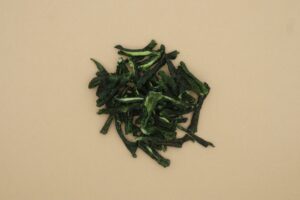
Kyoto-grown beets, drawing attention as a superfood, are cut into two types—julienne and diced—and slowly dried at low temperature. Even after rehydration, a chunky texture and beet's natural sweetness stand out. Drying softens beet's characteristic earthy note, and no prep such as peeling or washing is needed. Since the rehydration liquid releases a vivid red pigment, the soaking liquid can also be put to good use as a coloring ingredient, enabling product development that differentiates you from competitors.
Turning dried beet into powder further expands commercial uses at once—bread, sweets, soups, and more. As a naturally vivid red color and a differentiating ingredient,it has also been adopted as an OEM raw material.
Three commitments Agriture values
01 A natural red ingredient usable down to the soaking liquid
Beet's crimson comes from a naturally derived vivid pigment. Because the vivid color also dissolves into the soaking liquid, it's a distinctive ingredient usable in soups and as a coloring ingredient.
02 No prep needed, reducing cooking workload
Fresh beets take time to peel and pre-boil, but the dried product can be used directly in heat cooking. It greatly reduces the cooking workload in restaurants and central kitchens.
03 Two specs: julienne and diced
Julienne for soups and rapee, diced when you want a chunky presence. A two-spec lineup usable per menu, so one ingredient expands your repertoire.
Product catalog showing the items we handle
Flexible support from small lots to large lots
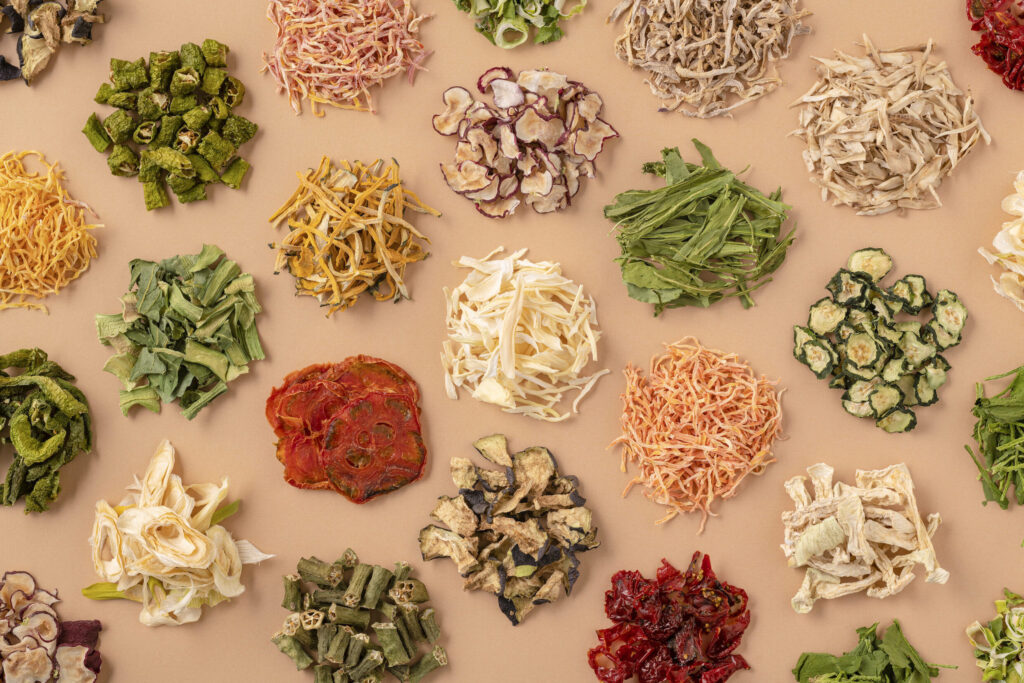
- Sold in small lots from 1 kg
- Handling heirloom vegetables from across Japan
- Dried fruits and herbs also supported
6 reasons to choose beets
Grown in Kyotango, Kyoto Prefecture
We use beets our partner farmers grow with an emphasis on natural sweetness. The climate's temperature swings raise the sugar content.
A talked-about ingredient
As a talked-about ingredient prized for its vivid color and vegetable-like sweetness, it can be adopted in product development aiming for differentiation.
Two types of cut
We offer two specs, julienne and diced. Choose according to your menu or texture concept.
No prep needed
A commercial design usable directly in heat cooking, with no peeling or pre-boiling needed.
Natural red color
A naturally derived vivid red color is the appeal. It can also be used in product development as a coloring-agent alternative.
Powder available
Powder processing is also available. Ideal for coloring and flavoring bread, sweets, and soup bases.
Product specifications
Item | Details |
|---|---|
Raw material growing region | Kyoto Prefecture (partner farm) |
Specification | Diced / julienne |
Storage method | Room temperature (store away from high heat and humidity) |
Best-before date | 6 months from the shipping date |
Minimum lot | From 10 bags / 100 g |
Powder | Available |
Manufacturing period | March |
Customization support
We flexibly accommodate the following customizations to match your OEM product development. Please feel free to contact us for large-lot orders or consultations on specification changes. Even product concepts that can't be fully expressed with the standard specification can be supported by Agriture through combinations of drying conditions and cutting methods.
Item | Details |
|---|---|
Change in cut thickness | 10 kg or more |
Specification | Choose from diced / julienne |
Large-lot manufacturing | Advance consultation required three months before the manufacturing period |
Powder processing | Available |
Depending on the customization, there may be constraints on raw material procurement timing and lot size. Consulting us early, aligned with beet's peak season and our production schedule, makes manufacturing to your desired specs go smoothly.
About the beet raw material
Agriture's dried beets are procured through long-term relationships with partner farmers in Kyoto Prefecture. By managing them linked down to the region, producer, and cultivar, we've built a system to deliver consistent-quality commercial raw material year after year.
BRAND
Variety:Kyoto-grown beets (Detroit Dark Red type)
PRODUCER
Producer:A partner farm in Kyotango, Kyoto Prefecture. They grow beets using farming with their own homemade compost.
REGION
Growing region:Kyotango, Kyoto Prefecture. The cool climate and well-draining soil grow high-sugar beets.
CULTIVATION
Cultivation method:Open-field grown, winter-harvested beets are processed immediately after harvest. From washing off soil to sorting and cutting, everything is managed consistently on our own line.
*Reference: OYAOYA product page
Agriture's low-temperature drying technology
To make the most of beet's qualities, Agriture uses a proprietary drying process that slowly removes moisture at low temperature. It takes longer than high-temperature drying, but the greatest benefit is preserving the ingredient's color, aroma, and flavor. By finely controlling temperature, humidity, and airflow, we can draw the optimal drying curve for each ingredient—a hallmark of Agriture's low-temperature drying.
Raw material delivered from partner farmers is processed on an integrated line—washing, cutting, and drying—all on the same day. While reducing raw material loss, we lock the fresh flavor into the dried product. Being able to keep the time from harvest to processing short is a strength that comes precisely from having a processing base in the growing region of Kyoto.
We check moisture value and color tone of each processed lot one by one, and ship only those that meet our quality standards. Even for commercial lots, we check both visually and by measurement, so beet is delivered with consistent quality.
💡 TIPS | Drying-processing trivia
Beet's crimson comes from a naturally water-soluble pigment prone to fading under high heat. Slow low-temperature drying preserves the vivid crimson in the finished product as is.
Use scenes and OEM case studies
Dried beet is used across a wide range of business types, from food manufacturers to restaurants and e-commerce mail-order brands. Beyond menus that use the ingredient as is, adoption is spreading as an OEM raw material for processed foods, seasonings, and blended products. Here we introduce representative use cases.
Borscht / soups
A way of use where foodservice chains and prepared-food makers handling soup and stew menus use it as a standardizing ingredient for the simmering step. Fresh beets require on-site labor for peeling and color-transfer management, but with dried julienne you can measure and add it directly, and adding it soaking liquid and all reproduces the deep color and umami of long simmering consistently. Because it can be stored at room temperature in bulk and managed as long-term inventory, it contributes to stable menu operation regardless of season.
Chopped salad / rapee
At prepared-food makers and deli operations, the strong color transfer that occurs when peeling and cutting fresh beets is a burden, but dried diced beet can be stored in bulk at room temperature, and rehydrating just the needed amount with water greatly reduces prep workload. Simply tossing it with olive oil and vinegar makes a vividly colored rapee or chopped salad, meeting stable supply across a wide range of formats: bento, deli packs, salad bars, and more. We also accept consultations on cut shapes suited to your use.
A natural coloring-agent alternative
A use where food manufacturers and e-commerce brands increasingly adopt it as an alternative to artificial colorings. Beet powder gives a vivid red-to-pink color derived from betacyanin, usable in developing product lines that want to appeal to "naturally derived." It works in a wide range of processed foods—smoothies, confections, pasta, seasonings—and we also handle small-lot prototype consultations, so start with a formulation test and reach out.
About commercial OEM / processing consultations
As a talked-about domestic vegetable ingredient, it's adopted by processed-food makers, bakeries, drink brands, and others.
Agriture also supports launching private-brand products centered on dried beet, and renewing existing products. From recipe design, prototyping, and preparing specification sheets to package proposals, we accompany you through the entire development process.
Custom-size support (change in cut thickness, shape adjustment): consultation available from orders of 10 kg or more. OEM support: available. Large-lot manufacturing: available (advance consultation required three months before the manufacturing period). We guide you consistently through everything from quotation to sample arrangement to match your requests.
Past initiative case studies are here
Please also see related initiative case studies and columns.
- Forecasting the vegetable powder market in 2030! An explanation of growth fields and the latest trends
- How to use vegetable powder as a natural coloring | Additive-free and reassuring
- How to color sweets with vegetable powder | Blending tips the pros teach
Product catalog showing the items we handle
Flexible support from small lots to large lots
- Sold in small lots from 1 kg
- Handling heirloom vegetables from across Japan
- Dried fruits and herbs also supported
Frequently asked questions
Q1. Does beet's characteristic earthy note remain?
Drying greatly softens the earthy note. It finishes easy to handle even for beet, which is hard to prep.
Q2. Can the soaking liquid be used?
Since the soaking liquid releases a vivid pigment, we recommend actively using it in soups and as coloring.
Q3. What's the difference between julienne and diced?
Julienne is for soups, rapee, and smoothies; diced is for chopped salad, potato salad, and as a sweets ingredient.
Q4. Is powder processing possible?
Q5. How's the shelf life?
It can be stored at room temperature for 6 months. It stores longer than fresh beets, also contributing to loss reduction.
Q6. What's the minimum commercial lot?
It can be handled from 10 bags (1 bag = 100 g).
Q7. What is the manufacturing period?
We manufacture mainly around March each year. For large lots, please consult us up to 3 months in advance.
RETAIL
For those looking to purchase in small packs
For those who wish to buy in small packs, our sister brand OYAOYA offers dried beet in small-bag sizes from 20g to 500g. It's also usable for home prototyping, in-house testing, and gifts.
Yakuzen-style properties (for fresh beet)
In yakuzen, beet is classified under "blood-regulating" foods and known as an ingredient that regulates blood circulation. It's a leading vegetable to include when you feel irregular or painful menstruation, or a cold, stiff body.
It also contains polyphenols such as betacyanin, making it a much-noted ingredient nutritionally as well. Adding it to salads, soups, or smoothies lets you incorporate it unobtrusively into the daily table.
💡 TIPS | Yakuzen trivia
Because dried beet has its moisture removed, betacyanin and sweetness are concentrated. Since it can be used in dishes as is without prep, you can easily finish a yakuzen-conscious dish even on busy days.
Heating by steam-roasting or roasting brings out the sweetness, making it recommended for seasons when you tend to feel cold. Those mindful of blood flow may want to incorporate it continuously in soups, smoothies, and rapee.
YAKUZEN
For those who want to know more about beet from a yakuzen perspective
How to incorporate beet by season and life stage, and combinations with other ingredients, are explained in detail on our sister site "Yasai Yakuzen."
Samples and inquiries
We can also prepare trial samples first. For the initial transaction, samples are supplied for a fee. Please feel free to contact us for consultations on OEM development and stable supply as well.
Commercial-use dried vegetable OEM is here
Commercial vegetable powder is here
Recommended reading
- Forecasting the vegetable powder market in 2030! An explanation of growth fields and the latest trends
- How to use vegetable powder as a natural coloring | Additive-free and reassuring
- How to color sweets with vegetable powder | Blending tips the pros teach
- We Prototyped "Dried Beet" Using Domestically Grown Beet
Download the product catalog
We will send the materials to your email address based on the information you provide.