
Heirloom vegetable OEM | A commercialization case guide using Kyoto vegetables and local ingredients
Tea
Novelties
Kyoto vegetables
Heirloom vegetables
Raw materials & ingredients
Food OEM
Product development
Non-standard vegetables

Summary of this article
A practical guide to building a regional brand through OEM using heirloom and Kyoto vegetables. We cover Kyoto Prefecture's 40 “Traditional Kyoto Vegetables,” certification programs for heirloom vegetables across Japan, the flow of turning them into processed goods—dried, frozen, powdered, furikake, seasonings—and real OEM cases including OYAOYA (upcycling in northern Kyoto), ZIGExN (novelties), and MA. From seasonality, yield, and handling of non-standard produce to 100 g small-lot prototyping and milling and cutting. We also handle rare vegetables from Okinawa and across Japan.
Product development that draws on “regional character” is drawing attention right now. Among these, foods made with heirloom vegetables and Kyoto vegetables win strong support in the gift market and as inbound-tourism products for their visual beauty and rarity. With inbound tourists on the rise, creating souvenirs with regional character can turn into a hit product in a specific area.
OEM manufacturing is an effective way to use these regional ingredients. By combining processing and preservation techniques for agricultural produce, you can move past the distribution constraints of seasonal and heirloom vegetables and supply highly distinctive products on a stable basis.
In this article, focusing on “heirloom vegetable OEM」「Kyoto vegetable OEM”, we explain in clear terms the appeal of product development that draws on regional ingredients, the key points of OEM manufacturing, and Agriture's cases.

TOC
What are heirloom and Kyoto vegetables? | The appeal of vegetables rooted in a region
What are heirloom vegetables?
Heirloom vegetables are native varieties handed down in a region over many years. The Ministry of Agriculture, Forestry and Fisheries defines them as “varieties cultivated in the region before 1950,” ingredients deeply tied to the local climate and food culture.
Example:
Kaga renkon (Ishikawa Prefecture)
Kamo eggplant (Kyoto Prefecture)
Shima rakkyo (Okinawa Prefecture)
What Are Kyoto Vegetables
Kyoto vegetables are the collective term for heirloom vegetables long grown in Kyoto. Among them, Kyoto Prefecture's designated “Traditional Kyoto Vegetables” numbered 40 items as of 2024, known for their visual beauty and delicate flavor.
Representative Kyoto vegetables:
As ingredients that lend a “Kyoto touch” to cooking, they are drawing growing attention from tourists and department-store buyers.

The benefits of using regional ingredients in OEM
Heirloom vegetables Regional ingredients like heirloom and Kyoto vegetables have the power to add a “story” to a product. Using them in OEM manufacturing creates differentiated products that appeal not only through function but through the senses.
Benefits of using regional ingredients
Item | Details |
|---|---|
Differentiation | Build a unique brand with products carrying ingredients and stories no competitor has |
Tourism and inbound appeal | Products with a “local” and “Japanese” character suit foreign tourists and souvenir demand |
Community contribution and SDGs | Using non-standard vegetables also helps cut food loss and support local farmers |
OEM manufacturing cases using Kyoto vegetables
Because of their strong individuality, Kyoto vegetables are being developed for a wide range of uses—processed foods, beverages, health foods, and gift products. Here are some products actually made through OEM manufacturing.
Case examples
Company / brand name | Product details | Kyoto vegetables used | Features / purpose |
|---|---|---|---|
A dried-vegetable series made with Kyoto vegetables. | Kujo leek, Kamo eggplant, Manganji pepper, and others | 100% Kyoto vegetables / developed for commercial gifts / rolled out as an in-house brand product | |
A dried-vegetable mix using vegetables matched to the official character of the company's pro team “ZIGExN UPDATERS.EXE” | Shogoin radish, Kamo eggplant, Kyo-kurenai carrot (as a substitute for kintoki carrot) | Rolled out as a novelty / in-house brand product | |
Development of a flavored tea using Kujo leek | Kujo green onion | Fused with Kyoto's tea culture / for tourism and inbound gifts / flavored tea |
Points to watch in OEM manufacturing | Using heirloom vegetables
Heirloom vegetables carry value, but they also come with production hurdles such as unstable sourcing and high raw-material costs. Anticipating these is essential to a successful OEM project.
Key points to watch
Many are strongly seasonal
→ Drying, freezing, and powder processing you need to build a system that can supply them stably.
Prices run higher than ordinary vegetables
→ Secure margins through high-value-added product design such as gift use or health appeal.
Harvest volumes are limited, so lot adjustment is needed in advance
→ Heirloom vegetables often already have committed buyers, so lot adjustment must be arranged in advance.
Agriture's heirloom-vegetable OEM
Agriture works directly with Kyoto farmers to carry out OEM manufacturing centered on heirloom vegetables. We handle everything from sourcing and processing to packaging proposals, realizing manufacturing that connects with the region.
What we support
Drying and Powder processing: usable in soups, confectionery, and more
Vegetable-dashi blends: ideal for Buddhist vegetarian and vegan menus
OEM manufacturing: food-labeling compliance / small lots available / gift packaging supported
100% Kyoto-grown available: enables product development with strong origin appeal
Example:
Kujo green onion powder soup sticks with
Kyoto-vegetable mixed-powder veggie snacks (commercial and gift use)
We also handle development of furikake and seasoning ingredients using dried cut produce and milled processing, 100 g small-lot prototyping, and initiatives that upcycle non-standard produce. We can also develop processed goods and original products combining rare vegetables from across Japan, such as Okinawan shima-rakkyo.
Put the appeal of heirloom vegetables into your product
OEM manufacturing that draws on heirloom vegetables is a development approach that combines regional character, storytelling, and function—all three. Especially in today's health-conscious society and in high-value-added markets like inbound tourism and gifts, it leads to differentiation from major players and higher brand value.
Agriture handles OEM manufacturing using heirloom vegetables from across Japan—Kujo leek, Shishigatani pumpkin, Shogoin turnip, and more—as raw materials, and we welcome flexible discussions on small lots and the use of non-standard ingredients.
If you want to draw on the appeal of heirloom vegetables to create a “product with a story to tell,” please get in touch.
If you are considering product development with off-spec or your own farm's vegetables:From planning to processing, materials, package printing and novelties, you can consult us through a single point of contact. → Learn more about one-stop product development
FOR BUSINESS
乾燥野菜のOEM・受託加工を承ります
国産の野菜・果物の乾燥、100メッシュ相当までの粉砕、10g以上の小袋充填までをお受けしています。小ロットの試作から量産までご相談ください。寄せられた相談の実例は OEM・卸のご相談 に掲載しています。
乾燥品の賞味期限は、出荷日から6ヶ月程度を目安にご案内しています。
- 長ねぎと白ねぎは同じもの?ねぎの種類と呼び名を国の資料で確かめる
- What Is Vegetable Powder? Features, Shelf Life, Uses and a Guide to OEM
Author of this article
Related articles
-
 Original coffee marketing strategy | Ways to grow sales
 -
 ベジタリアンとは?国の規格が分けている4つの区分と食べられないもの
 -
 長ねぎと白ねぎは同じもの?ねぎの種類と呼び名を国の資料で確かめる
 -
 柚子の種類は何種類あるのか、公の資料で名前が残る系統を数えた
 -
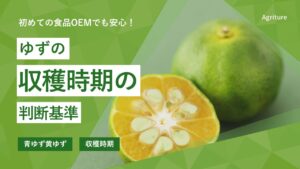 ゆずの時期は年に二度、青ゆずは7月から黄ゆずは10月から
 -
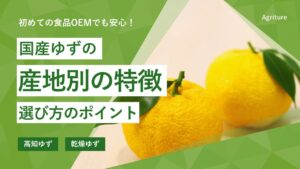 ゆずの産地は高知が半分を占め、二位は徳島から愛媛に変わった
 -
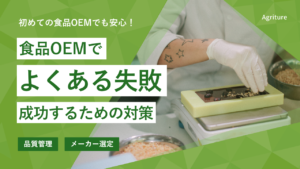 Preventing Food OEM Failures: Common Failure Cases and Countermeasures for Success
 -
 How to find a food OEM | How to efficiently find the best manufacturing partner