干し椎茸の戻し方は5℃の冷水で、こうしん5時間・どんこ10時間

Summary of this article
干し椎茸の戻し方は、5℃くらいの冷水で、薄いこうしんは5時間、肉厚などんこは10時間。産地の生産者団体が「5・5・10の法則」として公表しています。冷水で戻すのはうま味を出すためではなく、うま味をつくる力を残すため。うま味は加熱して60〜70℃になったときにできます。急ぐときの方法とその代償、戻し汁の使い方と保存、どんことこうしんの法令上の定義、原産地が植菌地に変わったこと、国内生産1,724トンに対し輸入4,268トンという需給までまとめました。
干し椎茸を戻そうとして、袋の裏を見ても「水で戻してお使いください」としか書かれていない。何時間かかるのかが分からないまま、とりあえず水に浸けて出かけることになります。
先に答えを書きます。産地の生産者団体が「5・5・10の法則」という覚え方を公表しています。5℃くらいの冷水で、薄い「こうしん」は5時間、肉厚な「どんこ」は10時間。冷蔵庫に入れて戻します。
そしてもうひとつ、多くの記事が取り違えていることがあります。うま味は、戻すときにできるのではありません。冷水で戻すのは、うま味を出すためではなく、うま味を壊さないためです。うま味そのものは、そのあとの加熱でできます。この仕組みは産地の組合が公表しています。
この記事では、生産者団体と公的機関の資料に戻って、時間・水温・急ぐときの方法・戻し汁の扱いを整理します。国産の野菜ときのこを乾燥させて業務用に供給している立場から、袋の表示の読み方もあわせて書きました。
TOC
干し椎茸は何時間で戻る?
時間だけ先に知りたい人のために、産地の資料が示している数字を並べます。
5・5・10の法則
日本産・原木乾しいたけをすすめる会が公表している戻し方です。
5℃くらいの冷水(冷蔵庫内温度)で、ゆっくり戻します。最もおいしさを引き出す戻し方です。・こうしん(うすい物) 5時間前後 戻す・どんこ(肉厚な物) 10時間前後 戻す
日本産・原木乾しいたけをすすめる会「上手な戻し方・使い方」
| Source | 水温 | Time | 容器 |
|---|---|---|---|
| 日本産・原木乾しいたけをすすめる会 | 5℃くらいの冷水 | こうしん5時間前後 どんこ10時間前後 | ジッパー付き保存袋 |
| 大分県椎茸農業協同組合 | 5℃くらいの冷水 | こうしん5時間 どんこ10時間 | 保存袋(空気を抜く) |
| 熊本県椎茸農業協同組合 | 5℃ぐらいの冷水 | 5〜6時間 | Not stated |
| 大分市『市報おおいた』 | 5℃くらいの冷水 | 香信5時間 冬菇10時間 | 保存袋(空気を抜く) |
| 農林水産省『aff』 | Not stated | 約8時間 | Not stated |
複数の団体がそろって5℃前後の冷水を指定しているのが特徴です。時間は形状で変わり、薄いものほど短くなります。
袋に入れて空気を抜くと場所を取らない
ボウルに張った水に浮かべると、浮いてくるので皿で押さえることになります。産地がすすめているのは袋を使う方法です。
- ジッパー付きの保存袋に干し椎茸を入れる
- 浸るくらいの冷水を注ぐ
- 袋の空気を抜いて、口をしっかり閉じる
- 冷蔵庫に入れる
- こうしんは5時間、どんこは10時間ほど置く
日本産・原木乾しいたけをすすめる会の資料には「ジッパーつきの保存袋でもどせば、場所をとらず、香りも飛びません」とあります。浮かせないので全体が均一に水を吸うのも利点です。
1袋まとめて戻して、冷凍しておく
同じ資料は「1袋分まとめて冷蔵庫でもどし、冷凍庫で保存するのがおすすめです」としています。戻したあとに使いやすい形に切り分け、それぞれ保存袋に入れて冷凍する。
凍ったままの状態で、使う分だけ手で割って取り出せます。10時間待つのは1回で済み、あとは冷凍庫から出すだけになります。ほかの乾燥野菜の戻し方はHow to rehydrate dried vegetables.
冷水で戻す理由は、うま味を「出す」ためではない
ここがこの記事でいちばん伝えたいところです。多くの説明が、ここを取り違えています。
うま味は加熱したときにできる
大分県椎茸農業協同組合は、うま味ができる仕組みをこう説明しています。
約5℃の冷水で水戻しをすると酵素がうまく働かずグアニル酸はわずかしか作られませんが、調理で加熱をして60~70℃の温度域に達すると酵素が最も強く働き、一気にグアニル酸が増加してうま味成分が作られます。ところが室温(20℃前後)で水戻しをすると、グアニル酸とグアニル酸を作る酵素をともに分解する酵素が同時に作られ、その働きでグアニル酸が分解されるため、その後に加熱してもグアニル酸(うま味)は増えません。
大分県椎茸農業協同組合「大分の乾しいたけ」旨みと香り
整理すると、こうなります。
- 冷水(5℃)で戻す:うま味はまだほとんどできていない。ただし壊されもしない
- 室温(20℃前後)で戻す:うま味を壊す側の働きが始まってしまう
- 加熱して60〜70℃になる:ここで一気にうま味ができる
- 室温で戻したものは、そのあと加熱してもうま味が増えない
冷水は、うま味を出すための工程ではなく、うま味をつくる力を温存するための工程です。だから「冷たい水でゆっくり」なのであって、「冷たいほうがうま味が溶け出す」わけではありません。
急に加熱してもうま味は増えにくい
日本調理科学会誌に掲載された教材研究には、加熱の速さについての記述があります。水もどししたしいたけを1分あたり4℃前後というゆっくりした速さで温めたときに、うま味のもとがもっとも多く蓄積するという内容です。
逆に、電子レンジのように急に温度が上がる加熱では、うま味をつくる働きが早く失われてしまい、蓄積量が少なくなると報告されています。戻すときも、煮るときも、急がないほうがうま味は出るということになります。
戻すときに砂糖や塩を入れないほうがいい
「砂糖を入れると早く戻る」という方法が紹介されていることがあります。ただし同じ教材研究には、砂糖や食塩を加えるのは水もどしのときではなく加熱のときが望ましいと書かれています。
戻し水に砂糖を入れる方法について、生産者団体や公的機関が触れている記述は見つかりませんでした。うま味の面では有利とは言えないので、この記事ではすすめません。
FOR BUSINESS
乾燥しいたけを、原料としてお探しですか
国産のしいたけを乾燥・粉砕してお出ししています。カット形状や粒度の指定、継続してのお取引もご相談ください。規格は Dried shiitake・しいたけパウダー に掲載しています。
少量でのご購入は、姉妹ブランドの通販サイト OYAOYA で承っています。
急ぐときの方法と、その代償
5時間も10時間も待てない日があります。産地はどう言っているのか。
団体は「おすすめしない」と書いたうえで示している
日本産・原木乾しいたけをすすめる会のページには、早く戻す方法が「おすすめしない」という見出しの下に置かれています。
- 冷蔵庫で約1時間水戻ししてから、四つ切か八つ切りにして、再度30分ほど水戻しする
- ぬるま湯に浸してラップし、電子レンジで約2分加熱する(効能はやや落ちるのでおすすめではない、と明記)
熊本県椎茸農業協同組合も、急ぐときの方法として「あらかじめ砕いて5℃の冷水に浸し、冷蔵庫に1時間程度」「ぬるま湯とラップで電子レンジ約2分」を挙げています。
大分県椎茸農業協同組合は別の方法を紹介していて、市販の真空保存容器に水と干し椎茸を入れて減圧すると10〜15分で戻るとしています。
切る・砕く・軸を折る
共通しているのは表面積を増やすという考え方です。農林水産省の広報誌にも「あらかじめ軸を折っておくと早く戻ります」とあります。
| Method | かかる時間 | うま味への影響 |
|---|---|---|
| 5℃の冷水・丸のまま | こうしん5時間 どんこ10時間 | いちばん良い |
| 1時間戻してから切り、さらに30分 | 約1時間半 | 団体はすすめていない |
| 砕いてから冷蔵庫 | 約1時間 | 団体はすすめていない |
| 真空容器で減圧 | 10–15 min | 団体が紹介 |
| ぬるま湯+電子レンジ2分 | 約2分 | 効能はやや落ちると明記されている |
電子レンジがすすめられない理由
前の項で書いたとおり、うま味は加熱の過程でできます。日本調理科学会誌の教材研究は、電子レンジのように急に温度が上がる加熱ではうま味のもとが蓄積しにくいと報告しています。
急いで戻すこと自体より、急いで温度を上げることがうま味を損なう。同じ2分でも、レンジで戻してから鍋でゆっくり煮れば、多少は取り返せます。
Don't throw away the rehydration liquid
戻し汁は出汁になります。産地の資料は、全部これを前提に書かれています。
製氷皿で凍らせておく
日本産・原木乾しいたけをすすめる会、大分県椎茸農業協同組合、大分市の資料はいずれも同じ方法を載せています。戻し汁を製氷皿に入れて凍らせ、凍ったら密閉容器に移して冷凍庫で保存する。
大分市の資料はこれを「ダシ氷」と呼んでいます。使いたいときに、必要な分だけ取り出せます。味噌汁1杯なら1個、煮物なら数個といった使い方ができます。
使う前に一度加熱する
大分県の公式サイトには、乾しいたけ専門店の方の活用法として「乾しいたけの戻し汁を一度加熱し、そこにめんつゆを少し足す」という方法が紹介されています。
これはうま味の仕組みとも合っています。うま味は加熱でできるので、戻し汁も温めて初めて本来の味になります。冷たいまま味見して物足りなくても、それは当然です。
濾すかどうか、何日持つか
正直に書きます。戻し汁を濾すことについて、公的機関や生産者団体が触れている記述は見つかりませんでした。冷蔵で何日持つかを示した資料も見つかりませんでした。
資料が一致してすすめているのはFrozenです。冷蔵で置くより、製氷皿で凍らせるほうが確実だということになります。底に沈む細かいものが気になるなら、上澄みだけ使うか茶こしを通せば済みます。だしを商品として作る場合の考え方はだしのOEM for a summary.
戻したら必ず加熱して食べる
安全の話をひとつ書いておきます。
海外の当局が注意喚起を出している
しいたけについては、生のまま、あるいは加熱が不十分なまま食べたことによる皮膚の症状が海外で報告されています。日本の国立医薬品食品衛生研究所が発行している食品安全情報に、海外当局の注意喚起として紹介されています。
そこで示されている要点は、生、乾燥あるいは粉状のいかなる形態でも、食べる前に完全に加熱することが重要だということです。さっと炒めただけでは十分でない可能性にも触れられています。
乾燥品も名指しされています。戻したあとの干し椎茸を、そのままサラダに入れるような使い方は避けてください。戻し汁も同じで、加熱してから使います。
うま味の話とも結論が一致する
うま味は60〜70℃で一気にできる。安全の面でも、しっかり加熱することが求められる。どちらの理由からも、答えは「よく加熱する」で同じ, contained in burdock and cocoa.
A product catalog that shows around 100 items we handle
Agriture, flexibly handling everything from small lots to large lots
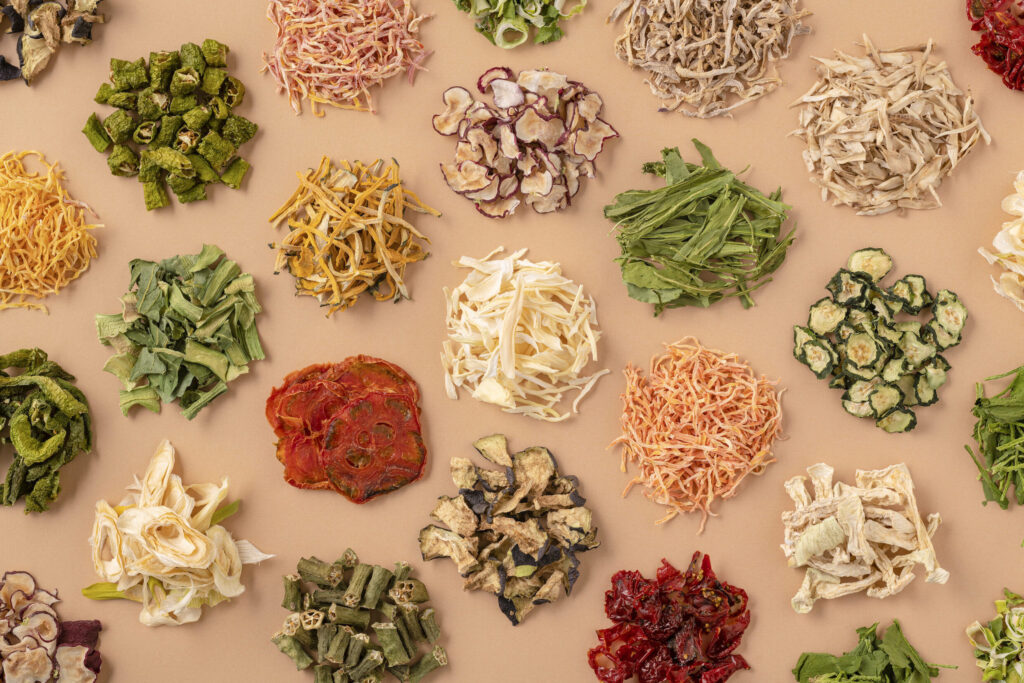
- Available for purchase in small lots from 1 kg
- We handle heirloom vegetables from across Japan
- Dried fruit and herbs also supported
どんこ・こうしん・スライスで時間が変わる
戻し時間は形で決まります。名前の意味を押さえておくと、袋を見ただけで見当がつきます。
法律で定義されている
どんことこうしんは、感覚的な呼び名ではありません。食品表示基準という国のルールに定義が書かれています。
どんこ 乾しいたけのうち、かさが七分開きにならないうちに採取したしいたけ菌の子実体を使用したものをいう。こうしん 乾しいたけのうち、かさが七分開きになってから採取したしいたけ菌の子実体を使用したものをいう。
食品表示基準(平成27年内閣府令第10号)別表第三
傘が七分開きになる前か、なってからか。収穫のタイミングだけの違いで、品種の違いではありません。
| 名前 | 採取のタイミング | 傘の厚み | Guide to rehydration time |
|---|---|---|---|
| どんこ(冬菇) | 七分開きになる前 | 厚い | 10時間ほど |
| こうこ(香菇) | 開きはじめ | どんこより大型 | どんこ寄り |
| こうしん(香信) | 七分開きになってから | Thin | 5時間ほど |
| Sliced | ― | 薄く切ってある | Short |
| 砕いたもの | ― | ― | 1時間ほど |
大分県の公式サイトには、香信について「厚みがそれほどないため水戻しの時間も短く」と書かれています。厚みと時間が対応しているということです。
味に大きな差はない、と産地は言っている
どんこのほうが高価なので、味も上だと思われがちです。ところが大分県の公式サイトに載っている専門店の方の発言は「そんなに大きな差はない」, contained in burdock and cocoa.
違うのは食感と、料理での使いどころです。どんこは厚みと歯ごたえがあるので煮物や鍋物、香信は薄いのでスライスやみじん切りにして炒め物や和え物に向く、と各団体が整理しています。
袋の表示から何が読み取れるか
買うときの話です。干し椎茸の表示には、国が定めたルールがあります。
原材料名の括弧が栽培方法を示している
食品表示基準は、乾しいたけの原材料名について原木栽培なら「原木」、菌床栽培なら「菌床」を括弧書きで表示すると定めています。「しいたけ(原木)」「しいたけ(菌床)」という書き方になります。
両方を混ぜている場合は、重量の割合が高いほうから順に「原木・菌床」または「菌床・原木」と書きます。括弧の中身を見れば、どちらの作り方かが分かるということです。
「どんこ」と書いてあっても3割は混ざっている可能性がある
同じ基準に、こういう規定があります。どんこ以外の乾しいたけの混入が重量で30パーセント以下なら「乾しいたけ(どんこ)」と表示してよい。こうしんについても同じです。
袋に「どんこ」と書いてあっても、中身の3割まではどんこ以外が入っていることがある。戻す時間を決めるときは、いちばん厚いものに合わせるほうが確実です。
「名産」とは書けない
あまり知られていないルールもあります。食品表示基準の別表第二十二は、乾しいたけについて「名産」という用語と、品評会等で受賞したかのように誤認させる用語、官公庁が推奨しているかのように誤認させる用語を表示禁止事項として挙げています。
干し椎茸の袋に「名産」と大きく書かれていることがないのは、このためです。作り手の側には、こうした制約があります。
原産地は2022年から「植菌地」になった
いちばん大きく変わったのはここです。消費者庁は令和4年3月30日に食品表示基準Q&Aを改正し、しいたけの原産地について次の考え方を示しました。
しいたけは栽培管理上、菌糸が培地の中に伸張するまでの培養初期段階の環境が子実体の形成に大きな影響を及ぼすため、しいたけの原産地については、原木又は菌床培地に種菌を植え付けた場所(植菌地)を原産地とすることとなります。
消費者庁「食品表示基準Q&A 第3章 生鮮食品」(生鮮-36)
収穫した場所ではなく、種菌を植え付けた場所が原産地になります。同じQ&Aには、改正にいたった理由も書かれています。
このうち、しいたけについて、栽培特性上、種菌を植え付けた場所と子実体の採取地が異なる場合があり、近年、海外において種菌を植え付けた菌床を輸入し、国内で採取したしいたけの生産量が急増しているところです。
消費者庁「食品表示基準Q&A 第3章 生鮮食品」(生鮮-36)
海外で植菌した菌床を輸入して国内で収穫したものと、国内で植菌したものを、消費者が区別できない状態だった。だから基準を変えた、ということです。
乾しいたけのような加工食品については、令和5年3月末までを表示切替えの期間とする経過措置が設けられていました。いま店頭にある袋は、新しい考え方で書かれています。
国産の干し椎茸は3割しかない
統計を見ると、干し椎茸をめぐる状況が分かります。
生産1,724トンに対して輸入4,268トン
林野庁の需給動向によれば、令和7年の乾しいたけの国内生産量は1,724トン、輸入量は4,268トン。消費量5,935トンに対して、輸入の割合は71.9%, contained in burdock and cocoa.
| Year | Production volume | 輸入量 |
|---|---|---|
| 令和3年 | 2,216t | 4,575t |
| 令和4年 | 2,034t | 4,596t |
| 令和5年 | 1,816t | 4,350t |
| 令和6年 | 1,574t | 4,292t |
| 令和7年 | 1,724t | 4,268t |
店頭にある干し椎茸の7割は輸入品。だからこそ、原産地の表示が植菌地に変わったことに意味があります。
かつては輸出国だった
同じ資料をさかのぼると、昭和60年の数字は輸出3,330トン、輸入140トンです。日本は干し椎茸を売る側でした。
40年で立場が逆転しています。生産量のピークは1984年の16,685トンで、令和7年の1,724トンはその10分の1, contained in burdock and cocoa.
乾しいたけは今も原木栽培が8割
もうひとつ、統計から読み取れることがあります。令和7年の乾しいたけ1,724.4トンのうち、原木栽培が1,452.0トンで約84%。菌床栽培は272.3トンにとどまります。
生しいたけのほうは逆で、林野庁の資料によれば菌床栽培の比率が95.1%です。干し椎茸だけが、いまも原木でつくられているということになります。
林野庁は乾しいたけについて「コナラ・クヌギ等を用いた原木栽培により主に露地栽培で生産されているため、気象条件によって生産量が大きく左右されます」と書いています。屋外の樹で育てているので、年によって穫れ高が動きます。
大分県が全国の3分の1
| 都道府県 | 乾しいたけ生産量 | うち原木栽培 |
|---|---|---|
| Oita | 625.1t | 615.5t |
| Miyazaki | 288.5t | 278.9t |
| 熊本 | 177.2t | 177.1t |
| Iwate | 88.3t | 55.1t |
| Ehime | 77.0t | 73.4t |
| Nationwide | 1,724.4t | 1,452.0t |
大分県だけで全国の約36%、大分・宮崎・熊本の3県で約63%を占めます。産地の資料が充実しているのは、こうした背景があるからです。
干し椎茸1キロは生7キロ分
統計の注記に、面白い換算があります。「乾しいたけの生換算値は乾燥重量×7により算出した」。国の統計は、干し椎茸1キログラムを生しいたけ7キログラムとして扱っています。
袋に入った干し椎茸が少なく見えても、生に戻せば7倍の量になるということです。50グラムの袋なら、生しいたけ350グラム相当になります。
保存のしかた
戻す前と、戻したあとで分けて書きます。
戻す前は密閉して冷暗所か冷蔵庫
日本産・原木乾しいたけをすすめる会は「乾しいたけの保存に際しての大敵は湿気です。密封容器に入れて冷蔵庫のような冷暗室で保存するのが最適です」としています。
熊本県椎茸農業協同組合も「密封できる瓶やビニール袋に入れ、高温多湿の場所を避け、冷暗所にて保存してください。乾燥剤を使用されると一層効果的です」と書いています。敵は湿気という点で一致しています。乾燥品全般の保存の考え方は乾燥野菜の保存と賞味期限.
戻したあとは冷凍する
戻した干し椎茸は、使いやすい形に切り分けて冷凍するのが産地のすすめる方法です。
- 戻した干し椎茸の水気を軽く切る
- 丸ごと、薄切り、そぎ切りなど、使う形に切り分ける
- それぞれ別の保存袋に入れ、平らに広げて口を閉じる
- 冷凍庫へ
- 使うときは凍ったまま、必要な分だけ手で割って取り出す
形ごとに袋を分けるのがこつです。丸ごとと薄切りを同じ袋に入れると、取り出すときに選べません。
戻し汁も一緒に冷凍する
前に書いたとおり、戻し汁は製氷皿で凍らせて密閉容器に移します。身と汁を同じ日に処理してしまえば、あとは冷凍庫から出すだけ.
戻したあとの使い方
せっかく10時間かけたものを、どう使うか。
形で使い分ける
| Form | Well-suited dishes |
|---|---|
| Whole | 煮物、鍋物、茶碗蒸し、うま煮 |
| そぎ切り | 炒め物、汁物 |
| 薄切り | ちらし寿司、和え物、炊き込みごはん |
| Minced | 餃子、しゅうまい、ハンバーグのつなぎ |
| 戻し汁 | 味噌汁、煮物、めんつゆ、炊き込みごはん |
軸も使える
軸は硬いので捨てられがちですが、細かく裂けば使えます。戻す前に折っておくと本体が早く戻るので、折った軸をそのまま一緒に戻してしまうのが無駄がありません。
刻んで炒め物に混ぜる、細かくして餃子の具に入れる、出汁を取るときに一緒に煮る。食感が気になるなら、繊維に沿って細く裂いてください。
炊き込みごはんは戻し汁ごと
炊き込みごはんは、戻し汁の使い道としてもっとも分かりやすいものです。米を炊く水の一部を戻し汁に置き換えるだけで、味が変わります。
戻し汁の分だけ水を減らすのを忘れないでください。加える調味料の水分も勘定に入れます。乾燥野菜を使った料理はDried vegetable recipes for a summary.
原料として乾燥きのこを使うとき
商品づくりのために干し椎茸を探している方に向けた話です。
国産は量が限られる
前の項のとおり、国内生産は年1,724トンで、消費の7割以上が輸入品です。国産で数量をまとめるには、産地との取り決めが前提になります。原木栽培が中心で、林野庁も「気象条件によって生産量が大きく左右されます」と書いているとおり、年による変動もあります。
形状を先に決める
丸のまま、スライス、みじん、粉。どの形で受け取るかで、使う側の工程が変わります。粉にすれば戻す工程が要らなくなりますが、食感は出せません。試作の段階で決めておくと量産で迷いません。
当社では国産の野菜・きのこ・果物の乾燥と粉砕をお受けしています。規格はDried shiitakeに掲載しています。
他のきのこと組み合わせる
きくらげ、まいたけ、えのきなど、複数のきのこを配合する相談も承っています。きのこの受託加工についてはきのこのOEM、これまでに寄せられたご相談の実例はOEM・卸のご相談に掲載しています。
乾燥きのこ全般の扱いは乾燥きのこの使い方、きくらげの戻し方はきくらげの戻し時間for a summary.
FOR BUSINESS
乾燥しいたけを、原料としてお探しですか
国産のしいたけを乾燥・粉砕してお出ししています。カット形状や粒度の指定、継続してのお取引もご相談ください。規格は Dried shiitake・しいたけパウダー に掲載しています。
少量でのご購入は、姉妹ブランドの通販サイト OYAOYA で承っています。
Frequently asked questions
干し椎茸は何時間で戻りますか?
産地の生産者団体が示しているのは「5・5・10の法則」で、5℃くらいの冷水で、薄い「こうしん」は5時間前後、肉厚な「どんこ」は10時間前後です。熊本県椎茸農業協同組合は5〜6時間としています。ジッパー付きの保存袋に入れて空気を抜き、冷蔵庫で戻す方法が各団体で共通しています。
なぜ冷水で戻すのですか?
うま味を出すためではなく、うま味をつくる力を残すためです。大分県椎茸農業協同組合の説明によれば、室温(20℃前後)で戻すとうま味を分解する働きが始まってしまい、そのあと加熱してもうま味が増えません。5℃の冷水で戻し、加熱して60〜70℃になったところで一気にうま味ができる、という順序になります。
干し椎茸を早く戻す方法はありますか?
あります。ただし日本産・原木乾しいたけをすすめる会は「おすすめしない」と明記したうえで紹介しています。1時間戻してから切ってさらに30分、あるいはぬるま湯に浸してラップをかけ電子レンジで約2分。大分県椎茸農業協同組合は、市販の真空保存容器で減圧すると10〜15分で戻るとしています。軸を折っておくと早く戻るのは農林水産省の広報誌にも書かれています。
Can I use the soaking liquid?
出汁として使えます。産地の資料はいずれも使う前提で書かれていて、製氷皿で凍らせてから密閉容器に移す保存方法をすすめています。大分市の資料はこれを「ダシ氷」と呼んでいます。使うときは一度加熱してください。うま味は加熱でできるので、冷たいままでは本来の味になりません。
スライスの干し椎茸はどれくらいで戻りますか?
薄いぶん短くなりますが、スライス品の戻し時間を数値で示した公的機関や生産者団体の資料は見つかりませんでした。大分県の公式サイトには、薄い香信について「厚みがそれほどないため水戻しの時間も短く」と書かれています。砕いたものなら冷蔵庫で1時間程度という記述が熊本県椎茸農業協同組合にあります。
どんことこうしんの違いは何ですか?
収穫のタイミングの違いです。食品表示基準という国のルールに定義があり、傘が七分開きにならないうちに採ったものが「どんこ」、七分開きになってから採ったものが「こうしん」です。品種の違いではありません。どんこは肉厚で戻りに時間がかかり、こうしんは薄いので短時間で戻ります。味については、大分県の公式サイトに載っている専門店の方の発言では「そんなに大きな差はない」とされています。
戻した干し椎茸はそのまま食べられますか?
加熱してから食べてください。国立医薬品食品衛生研究所が発行している食品安全情報には、海外当局の注意喚起として「生、乾燥あるいは粉状のいかなる形態でも、食べる前に完全に加熱することが重要」という内容が紹介されています。乾燥品も名指しされているので、戻したあとサラダに入れるような使い方は避けてください。戻し汁も加熱してから使います。
袋に「国産」と書いてあれば国内で育ったものですか?
令和4年3月30日の食品表示基準Q&A改正により、しいたけの原産地は「原木又は菌床培地に種菌を植え付けた場所(植菌地)」で表示することになりました。収穫地ではありません。海外で植菌した菌床を輸入して国内で収穫したものを国産と表示できない形に変わったということです。乾しいたけなどの加工食品は令和5年3月末までが表示切替えの期間とされていました。
干し椎茸50グラムは生でどれくらいですか?
国の統計は「乾しいたけの生換算値は乾燥重量×7により算出した」としています。この換算でいけば、50グラムの干し椎茸は生しいたけ350グラム相当です。
Summary
- 5℃くらいの冷水で、こうしんは5時間、どんこは10時間。産地の「5・5・10の法則」
- ジッパー付き保存袋に入れ、空気を抜いて冷蔵庫へ
- うま味は戻すときではなく、加熱して60〜70℃になったときにできる
- 室温で戻すとうま味を壊す働きが始まり、あとで加熱しても増えない
- 電子レンジで急に温度を上げるとうま味が蓄積しにくい
- 早く戻す方法は産地が「おすすめしない」と明記している
- 戻し汁は出汁になる。製氷皿で凍らせて保存し、使う前に加熱する
- 戻したら必ず加熱して食べる。乾燥品も名指しで注意喚起されている
- どんこ・こうしんは収穫のタイミングの違い。食品表示基準に定義がある
- 「どんこ」表示でも3割まで他が混ざっていることがある
- 原産地は2022年から植菌地で表示することになった
- 国内生産1,724トンに対して輸入4,268トン。輸入割合は71.9%
- 干し椎茸1キロは生7キロ分
10時間は長いように見えますが、前の晩に袋へ入れて冷蔵庫に置くだけです。朝には戻っています。急ぐ日のために、まとめて戻して冷凍しておくほうが結局は早くなります。
Recommended reading
- きくらげの戻し時間は何分?水5〜6時間とぬるま湯15分で足ります
- 乾燥きのこの使い方・戻し方ガイド
- Best-before dates and storage of commercial dried vegetables
Download the product catalog
We will send the materials to your email address based on the information you provide.
- 唐辛子の乾燥方法は?干し方の日数とカビを出さない保存のしかた
- What Is Ichimi Togarashi? The Difference from Shichimi, Ingredients, Uses, and How to Choose