Dessert, Sweets & Bakery Show (Tokyo)

The Dessert, Sweets & Bakery Show (Tokyo) is a specialist trade show for the confectionery and baking industry, bringing together raw materials, equipment, supplies and services for Western confectionery, wagashi (Japanese sweets), bread, frozen desserts and desserts. Held at Tokyo Big Sight as a specialist division of FABEX Tokyo, the comprehensive food show organized by Nihon Shokuryo Shimbun, it draws development staff at confectionery makers, pastry chefs at hotels and restaurants, bakeries, and buyers from mass retailers and convenience stores looking for ingredients and ideas for new products. This article covers the Tokyo show's dates, venue, exhibit categories and how to register as a visitor, as well as how confectioners can prepare to move their prototypes forward and how to think about novelties that make your ingredients memorable during business meetings. Note that this is a separate event from the Chubu edition held in Nagoya (Port Messe Nagoya); this article focuses only on the Tokyo edition at Tokyo Big Sight.
We have materials available to help you understand vegetable-based novelties
Agriture OEM, flexibly handling everything from small lots to large lots
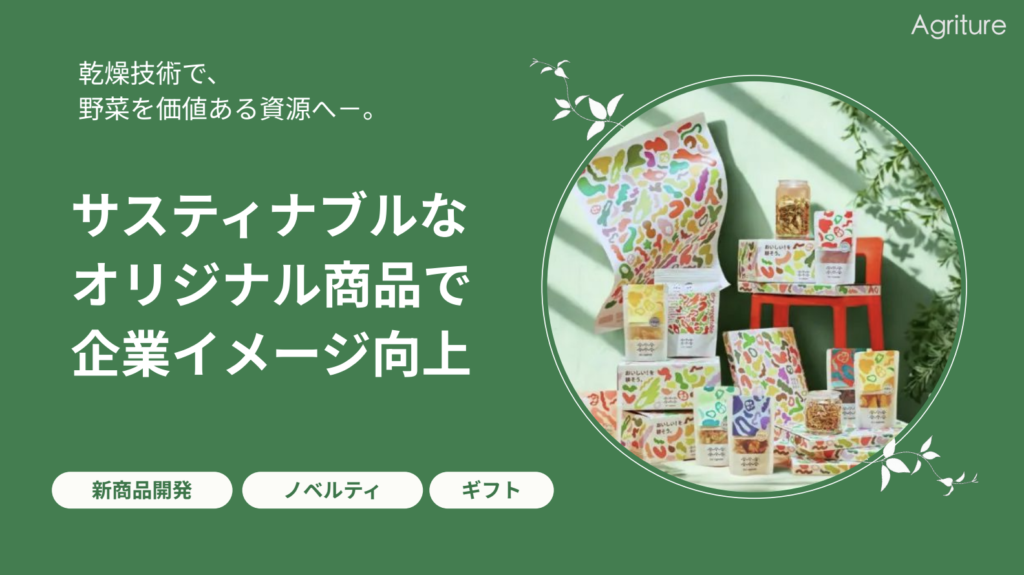
- SDGs-friendly products using non-standard vegetables
- Delivery possible in as short as two weeks
- Small lots from 500 bags
TOC
Dessert, Sweets & Bakery Show (Tokyo): Basic Information
The next show is the 24th edition, held at Tokyo Big Sight in April 2027. It runs alongside the comprehensive food show FABEX Tokyo and the Food & Beverage OEM Expo, and admission is free with advance visitor registration. Because you can walk the venue from confectionery and baking ingredients to production equipment and packaging materials, it is a place where development staff working on recipe revisions or new product plans can handle ingredient selection and process consultations all at once.
| Item | 24th | 25th |
|---|---|---|
| Dates | April 13 (Tue) – 15 (Thu), 2027, 10:00–17:00 | To be held in 2028 (dates not yet announced) |
| Venue | Tokyo Big Sight | Not yet announced |
| Admission | Free with advance visitor registration (5,000 yen without registration / industry professionals only) | Not yet announced |
| Organizer | Nihon Shokuryo Shimbun | Nihon Shokuryo Shimbun |
The Tokyo edition is distinguished by its large-scale layout, with specialist shows such as FABEX Tokyo and the Food & Beverage OEM Expo side by side in the same venue. While looking for dessert, sweets and bread ingredients, you can also visit neighboring exhibits for restaurants and ready-made meals as well as food OEM exhibits, so your research can go beyond confectionery alone to combinations with bread or prepared foods, or even contract manufacturing for your own brand. The venue and visitor profile differ from the Chubu edition, so if you want to do business in the Tokyo market, the Tokyo show is the main arena.
What companies and products does it attract?
Confectionery and Baking Categories Covered by Exhibitors
Exhibits span both confectionery, including Western sweets, wagashi, baked goods, chocolate, frozen desserts and desserts, and bakery, including sandwich loaves, sweet buns and hard breads. Raw materials range widely, from fruit and purées, nuts, chocolate, dairy products and flours to dried ingredients and powders used for kneading into dough or as toppings. Production equipment such as ovens, freezers and forming machines, takeout containers and packaging materials, and services that support store operations are also on display.
Demand for expressing color and aroma with natural ingredients has been growing in confectionery kitchens, and interest is rising in fruit- and vegetable-derived ingredients that can be used for coloring and flavoring. Fresh fruit and vegetables depend on the season and storage, but dried products and powders can be used consistently year-round and are easy to work into prototypes in small quantities, so more development staff are finding them at specialist shows like this and adopting them.
Development Staff, Pastry Chefs and Buyers Who Attend
Visitors are mainly product development staff at confectionery and bread makers, pastry chefs and chefs at hotels and restaurants, owner-pâtissiers and boulangers of independent shops, and buyers from mass retailers, convenience stores and department store food halls. Since they come looking for new ingredients, differentiating materials and equipment that saves labor in production, business talks move forward when your booth can show concretely which sweets or breads your product suits and how to use it.
Development staff often arrive with a prototype in mind, and being able to check taste, color and how an ingredient blends into dough on the spot makes it easier for them to move to the next stage of evaluation. Buyers care about how products look on the shelf and whether they will get attention, so you make a stronger impression if you show not just the appeal of the ingredient itself but also a finished product made with it.
Specialist Shows Held Together as FABEX Tokyo
The Dessert, Sweets & Bakery Show (Tokyo) is held as a specialist division of FABEX Tokyo, the comprehensive food show. In the same venue, FABEX Tokyo itself, covering commercial foods and cooking and kitchen equipment for ready-made meals and restaurants, runs alongside the Food & Beverage OEM Expo, the Rice Future Expo and others, so you can see trends across the whole food sector, not only sweets and bread, in a single visit. One advantage of attending a comprehensive show is that while searching for dessert and sweets ingredients, you can also stop by OEM exhibits to discuss contract manufacturing for your own-brand products.
In confectionery and baking, a product only takes shape once you have not just selected the ingredients but also arranged the production line and portion packaging to turn it into a product. With related specialist shows laid out side by side, the venue can serve as a place to handle the whole sequence of finding ingredients, discussing how to make the product and finding a commercialization partner, without moving between venues.
Highlights for visitors and exhibitors
Discovering New Ingredients You Can Try on the Spot
The biggest highlight is meeting new ingredients with tasting and prototyping in mind. With desserts and bread, changing a single ingredient alters color, aroma and texture. At the venue you can check taste and color firsthand and discuss on the spot how to work an ingredient into your recipes. You can take samples of anything that catches your interest, run small-lot prototypes back at the office, and build a flow for reflecting them in your standard or seasonal products.
Ideas for Seasonal and Eye-Catching Products
In confectionery and baking, seasonal limited-edition products drive sales. The venue is full of proposals with attention-grabbing angles, such as desserts made with seasonal fruit and baked goods that showcase regional ingredients. It is also useful as a place to find ingredients that add the seasonal feel or origin story your shop's or company's products are missing.
Consultations on Labor Saving and Small-Lot Production
In confectionery and bakery kitchens with limited staff, ingredients that cut preparation work and raw materials that can be tried in small quantities are welcome. Replacing the steps of washing, cutting and adding fresh fruit and vegetables with dried products or powders lightens the workload. Many exhibitors at the venue can discuss this kind of labor saving and small-lot production, making it easier for small shops and projects still at the prototype stage to map out a path to adoption.
For companies considering exhibiting
Exhibitors include raw material manufacturers for confectionery and baking, equipment and supply manufacturers, and food processors and growing regions that want to sell their ingredients to confectionery and bakery businesses. Check exhibit types and booth fees with the organizer, Nihon Shokuryo Shimbun, or through the inquiry contact on the official website. To make the most of limited meeting time, it helps to prepare finished samples that show which sweets or breads your ingredient is used in and how.
Rather than only displaying bags of the ingredient itself, laying out finished examples such as cookies and muffins baked with it or cream colored with it lets development staff picture on the spot how it could be used in their own products. Adding a one-page sheet summarizing uses, recommended ratios, minimum lot and supply periods leaves them with material for comparison during internal discussions after the meeting.
Visitor registration and how to participate
Admission requires advance registration on the official website, and registered visitors enter free of charge. Same-day entry without registration is paid, and in either case attendance is limited to industry professionals, so visitors are expected to be involved in making or selling sweets or bread. Registering in advance lets you avoid the reception crowds on the day and review the exhibitor list before the show to choose which booths to visit. The nearest stations are Kokusai-Tenjijo Station on the Rinkai Line and Tokyo Big Sight Station on the Yurikamome. Hotels around the venue tend to fill up during the show, so if you are staying overnight it is safest to book accommodation early.
[For This Show] Tips on Using Dried Ingredients and Powders in Confectionery
When you want to bring color and flavor to desserts and bread with natural ingredients, dried fruit and vegetable powders are easy options to work with. Fresh fruit and vegetables depend on the season and preparation, but once dried or powdered they can be used consistently year-round and incorporated into prototypes in small quantities. Agriture processes off-spec vegetables and fruit into dried products and powders, and can consult with you from the stage of choosing raw materials to suit your confectionery or bakery prototypes.
For example, you can add color to baked goods with vegetable powder kneaded into the dough, or use chopped dried pear or dried apple as a topping or filling, introducing them by replacing part of an existing recipe. If you test the directions that caught your interest at the show in small lots back at the office and reflect them in your standard or seasonal products, the round trip from planning to commercialization gets shorter.
Ingredient Novelties That Buyers and Developers Nationwide Can Take Home and Try
The FABEX Tokyo venue is a large layout with several specialist shows side by side, and visiting development staff and buyers go around dozens of booths a day. Business cards and catalogs tend to get buried in a pile even when taken home, but a small bag of an ingredient that can be mixed into dough and baked stays with them, because it gets used directly in prototyping back at the office. At the Tokyo show, which gathers confectionery makers and mass retail and convenience store buyers from across Japan, ingredient novelties that show with the real thing which sweets they suit become a cue that reminds people of your meeting in a broad market.
If You Are Aiming for Nationwide Distribution, Show Year-Round Usability Through the Ingredient
Buyers who supply sweets and bread to mass retailers and convenience stores across Japan look at whether an ingredient can be sourced year-round without fluctuating by season or origin. Supplies of fresh fruit and vegetables swing with the weather, but dried and powdered ingredients make it easier to deliver the same quality all year, and the small bag you hand over becomes evidence of stable supply in itself. Handing out vegetable powders for coloring and flavoring, or dried pear suited to baked goods and toppings, in small bags that make their use clear helps buyers picture concrete applications across a broad market. Agriture can prepare dried pear made from Nijisseiki pears grown in Kyotango, as well as vegetable and fruit powders, in small lots (from 50 bags).
Turning the Ingredients You Hand Out into Products for the National Market
Ingredients that got a good response at the Tokyo show can become the starting point for product development aimed at a broad market. Because they can be made in small lots, you can also prepare several versions with different particle sizes or cuts and work out with buyers and development staff which suits which sweets or breads. Based on the specifications that showed promise, you can consult with us from the stage of drying and powdering raw materials, whether to adjust supply volumes and specifications or to redesign the ingredient as a raw material for your own-brand products. The specific requests exchanged at the show can be brought quickly into the next prototype.
We have materials available to help you understand vegetable-based novelties
Agriture OEM, flexibly handling everything from small lots to large lots
- SDGs-friendly products using non-standard vegetables
- Delivery possible in as short as two weeks
- Small lots from 500 bags
FAQ: Dessert, Sweets & Bakery Show (Tokyo)
- Is there an admission fee?
-
Admission is free, and if you complete visitor registration on the official website in advance, entry on the day is smooth. Same-day entry without registration is paid (5,000 yen including tax), and in either case attendance is limited to industry professionals. Advance registration is recommended.
- Is this different from the show held in Chubu (Nagoya)?
-
It is a separate event. This article covers the Tokyo edition held at Tokyo Big Sight, while the Chubu edition takes place on different dates at Port Messe Nagoya in Nagoya. If you want to do business in the Tokyo market, the Tokyo show is the main one.
- When is the show in 2027?
-
The 24th show will be held at Tokyo Big Sight from April 13 (Tue) to 15 (Thu), 2027, 10:00–17:00, alongside FABEX Tokyo and other shows. The dates for 2028 (the 25th show) had not been announced at the time of writing.
- Is it worth attending for a small confectionery shop or bakery?
-
Yes. Many exhibitors can discuss raw materials that can be tried in small quantities and dried ingredients that cut preparation work, making it a place where small shops and projects still at the prototype stage can map out a path to adoption.
- From what quantity can ingredient novelties for confectionery be made?
-
Agriture can prepare vegetable powders and dried fruit in small lots (from 50 bags), and you can also hand out several types with different colors and flavors. The ingredients you want people to try at the show can be turned directly into samples.
Summary: Taking the Next Step with Confectionery Ingredients at the Dessert, Sweets & Bakery Show (Tokyo)
The Dessert, Sweets & Bakery Show (Tokyo) is a specialist confectionery and baking trade show held at Tokyo Big Sight from April 13 to 15, 2027, alongside FABEX Tokyo, the Cafe & Drink Expo and other shows. With a large-scale layout that draws development staff and buyers from across Japan, it lets you meet new ingredients, find ideas for seasonal products and discuss labor saving and small-lot production all at once. If you want to bring color and flavor with natural ingredients for a broad market, planning is easier if you start with vegetable powders and dried pear that can be used consistently year-round and first check reactions through prototypes. The market and visitor profile differ from the Chubu edition held in Nagoya, so if you are aiming for nationwide distribution, it is easier to plan by targeting this Tokyo show.
Official information: FABEX Tokyo / Dessert, Sweets & Bakery Show official website
Official information: FABEX Tokyo / Dessert, Sweets & Bakery Show official website

Recommended reading
Commercial dried vegetables / Original vegetable novelties / Dessert, Sweets & Bakery Show (Chubu) / CAFERES JAPAN (trade show for cafes, bakeries and sweets shops)
Last updated: August 12, 2026
Download the novelty materials
We will send the materials to your email address based on the information you provide.