Regional Bank Food Selection

"Regional Bank Food Selection" is a business-meeting-style trade show where regional banks across Japan bring together the local food businesses they work with and collectively support their efforts to open new sales channels. Exhibitors are producers and food manufacturers from around the country, and visitors are purchasing buyers from supermarkets, department stores, restaurants and wholesalers. What sets it apart is that local makers and buyers from across Japan meet face to face and can start negotiating on the spot. This article covers the dates, venue, who exhibits and visits, and how meetings work on the day, as well as how local producers can think about "local-ingredient novelties" to make their company stand out in meetings.
We have materials available to help you understand vegetable-based novelties
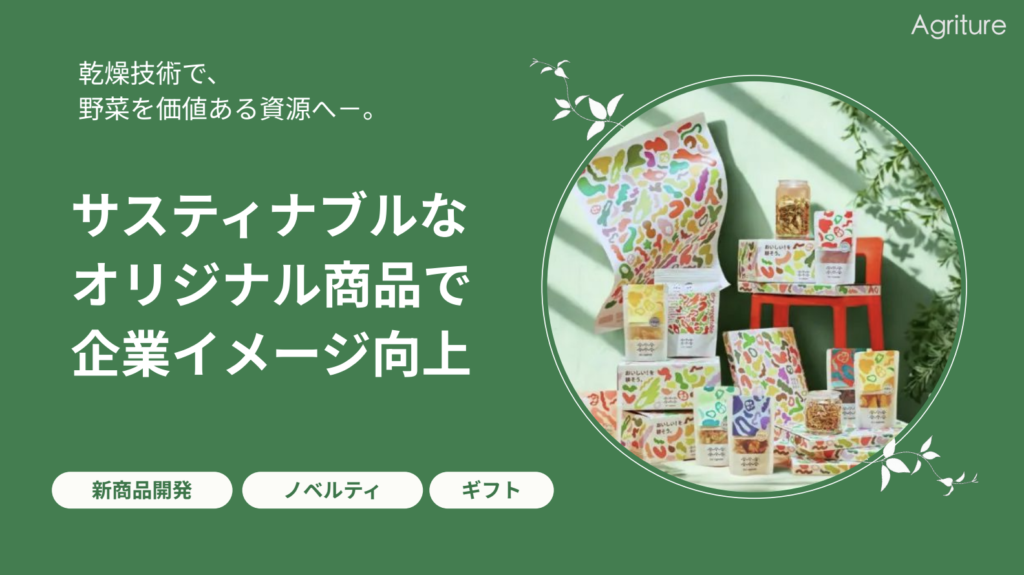
- SDGs-friendly products using non-standard vegetables
- Delivery possible in as short as two weeks
- Small lots from 500 bags
TOC
Regional Bank Food Selection at a glance
The next edition is the 21st, held at Tokyo Big Sight in November 2026. It is jointly run by regional banks across Japan, and because each bank recommends food businesses among its clients to exhibit, it has become a business meeting event that draws a large number of regional makers. The dates for the following year (2027, 22nd edition) had not been announced at the time of writing. Please check the official website for the latest schedule.
| Item | 21st (2026) | 22nd (2027) |
|---|---|---|
| Dates | November 10 (Tue) and 11 (Wed), 2026 | Not yet announced |
| Venue | Tokyo Big Sight South Hall | Check the official website |
| Admission | Advance visitor registration required (for buyers) | Check the official website |
| Organizer | Regional Bank Food Selection Planning and Management Secretariat (jointly organized by regional banks across Japan) | Same as left (planned) |
Unlike a typical trade show, exhibitors share a common link: they are all clients of regional banks. Because the banks recommend local food businesses and act as a bridge to buyers, even small makers with little track record in national distribution can talk directly with major buyers. Applications to exhibit are generally made through each regional bank, so the easiest way to get started is to consult the financial institution you already do business with.
What kinds of companies and products take part
Regional food businesses that exhibit
Exhibitors are mainly producers of local agricultural and marine products, processed food manufacturers using local ingredients, and food businesses with regional brands. A wide range of regionally distinctive items is on display, from primary products such as fresh produce, meat and seafood to confectionery, seasonings, pickles, dried goods, beverages and frozen foods. Items that tend to come in small lots when a region exhibits alone become more visible to buyers nationwide when they exhibit together through the regional bank network.
A distinctive feature is the large number of products still sold only locally and producers who have just started out in "sixth industrialization" (combining farming with processing and sales). For makers who feel "we make good products, but our sales are limited to our local area," it is a chance to connect with buyers from outside their prefecture all at once.
Purchasing buyers who attend
Visitors are mainly purchasing buyers from supermarkets, department stores, mass retailers, co-ops, restaurant chains and wholesalers. Many come looking for distinctive regional products or items that set them apart from competitors, and they tend to be especially interested in "products that tell the story of where they come from." The show runs on advance visitor registration, and buyers review the exhibitor list before the show and choose the booths they want to meet in advance.
Buyers visit many booths in a short time, so the key is how quickly you can convey "where you are, who you are and what you make" within limited meeting time. Having tasting samples, materials, and pricing and lot conditions ready so buyers can consider purchasing on the spot makes it easier to turn meetings into later inquiries.
How a regional-bank-backed business meeting works
This event exists so that regional banks can support their clients in opening new sales channels. It differs greatly from general trade shows in that regional financial institutions are involved throughout, from recommending exhibitors to supporting meetings at the venue and following up afterward. Because the bank already knows the business, it is easier to discuss financing and production capacity in parallel, and to talk about scaling up production or investing in equipment once a deal takes shape.
Exhibitors also benefit from exchanging information with makers from other regions, with booths from their own bank and other banks side by side. They can see up close how producers with similar challenges sell and which presentations led to deals, so even first-time exhibitors can quickly learn how to handle the day.
Highlights for visitors and exhibitors
Direct meetings with buyers from across Japan
The biggest draw is the opportunity to speak directly with buyers from other prefectures and across Japan whom you would never meet locally. If you can answer questions about price range, minimum lot, available shipping periods and production volume in peak season on the spot while buyers taste your products, meetings are more likely to lead to quote requests. Don't stop at exchanging business cards: note what each buyer responded to along with their contact details, and following up after the show becomes much easier.
Learning how to strengthen a regional brand
Walking the venue shows you that buyer reactions to primary products from the same region change depending on packaging and presentation. You can also learn from other exhibitors' booths how they communicate the "background of the product," such as the story of the growing region, their commitment to raw materials and serving suggestions. It is an opportunity to rethink on the spot how to position your own products to stand out.
Turning buyer feedback into your next product
Specific requests heard in meetings, such as "This size would be easy for us to handle" or "Please make it shelf-stable at room temperature," become material for your next product improvement. Make small-lot prototypes based on the requests you bring back and propose them again at your next meeting to speed up the commercialization of regional products.
For food businesses considering exhibiting
Exhibitors are local producers, food manufacturers and food businesses that are clients of regional banks. Details on applying and booth space are available from the regional bank you work with or through the information on the official website. To make the most of limited meeting time, create a strong first impression by focusing on one flagship product, and prepare a one-page sheet of prices, lot sizes and shipping terms so you can move straight into discussing terms on the spot.
Buyers visit many booths, so whether you can give them a memorable "something to take home" affects how well they recall you later. Along with tasting samples, preparing a small take-home item bearing the name of your growing region gives buyers a way to remember your company when they review options back at the office.
Visitor registration and how to participate
Visitor admission requires advance registration, which buyers can complete on the official website. Registering in advance lets you pass through reception smoothly on the day and choose which exhibitors to meet by reviewing the exhibitor list before the show. Tokyo Big Sight is about a 7-minute walk from Kokusai-Tenjijo Station on the Rinkai Line and right by Tokyo Big Sight Station on the Yurikamome Line. Nearby hotels get busy as the show approaches, so if you are coming from afar for several days, book early.
Making the most of the show with local ingredients in the spotlight
For local producers, this business meeting is a place to test how to deliver "ingredients harvested from our own farms and fields" to the whole country. However, fresh produce is bulky, perishable and hard to forecast in volume outside peak season. Even off-spec vegetables and fruit that are hard to sell at market become light, unbreakable and shelf-stable when processed into dried goods or powder, making them easier to offer year-round. Agriture provides contract processing of dried vegetables, vegetable powders, tea and dried fruit, and can help you turn local ingredients into a "portable, sellable form" starting from raw material selection.
The important point here is that the producers of the ingredients are the exhibiting businesses themselves, and Agriture's role is processing. The makers' fields and the story of their region stay front and center, while processing turns them into a form that reaches buyers. With that division of roles in place, you can expand sales channels without diluting your regional brand.
"Local ingredient and sixth-industrialization novelties" to make your company stand out in meetings
At a business meeting lined with many booths, the key to being remembered is a small food item buyers can take home, try, and that tells them where it comes from. Dry or powder local off-spec vegetables and fruit and pack them in small pouches printed with the region name and your logo, and buyers can recall your company and your region in a word even after returning to the office. Turning things that cannot be handed out as raw ingredients into "novelties you can give away" through processing is a use that fits this event well.
A pouch printed with your region's name becomes a business card that stays in the buyer's hands
The star of this event is the region itself, which is why the novelties you hand out also need to convey where they come from. Turn off-spec vegetables and fruit that often go unused locally into dried products or powder, and pack them in small pouches printed with the region, farm name and logo, and the pouch itself becomes a business card for your regional brand. Light and shelf-stable, it is easy for buyers to take home, and individual packaging makes it hygienic to hand out. The ingredients are grown by the exhibiting producers themselves; Agriture's role is to take in those producers' ingredients and process them, supplying dried products and vegetable powders made from off-spec vegetables, dried vegetable soups, tea bags and dried pear made from Kyotango-grown Nijisseiki pears in small lots (from 50 bags). The story of the region stays front and center while processing turns it into a form that reaches buyers.
Turn reactions from meetings directly into an entry point for sixth industrialization and OEM
Local-ingredient novelties made for the event can double as a first step into sixth industrialization or as prototypes for OEM products. You can take a step-by-step approach: first hand out pouches to gauge buyer reactions, then develop only the flavors and packaging that got a good response into your own branded products or full-scale OEM production. Specific comments from meetings, such as "This size would be easy for us to handle" or "Please make it shelf-stable at room temperature," can go straight into the next round of improvements. While keeping your region's ingredients at the heart of it, you can move naturally from novelty to prototype to commercial product.
We have materials available to help you understand vegetable-based novelties
- SDGs-friendly products using non-standard vegetables
- Delivery possible in as short as two weeks
- Small lots from 500 bags
FAQ: Regional Bank Food Selection
- Can anyone exhibit?
-
Exhibiting is open to local food businesses that are clients of regional banks. Recommendations and applications are generally handled through each regional bank, so the best first step is to consult the financial institution you do business with.
- What kinds of buyers attend?
-
Mainly purchasing buyers from supermarkets, department stores, mass retailers, co-ops, restaurants and wholesalers. Many come looking for regionally distinctive or differentiated products, and they tend to be interested in products that convey the background of their growing region.
- Have the dates for 2027 (22nd edition) been set?
-
They had not been announced at the time of writing. The 21st edition takes place on November 10 and 11, 2026, in the South Halls of Tokyo Big Sight. Please check the official website for announcements of the following year's dates.
- Can off-spec vegetables and fruit be used in business meetings?
-
Even if they are hard to handle fresh, processing them into dried goods or powder makes them shelf-stable and easier to offer year-round. One approach is to pack them in small pouches with your region name or logo and use them as novelties or prototypes to hand out in meetings.
- What is the minimum quantity for novelties?
-
Agriture can discuss small lots starting from 50 bags. You can first try several flavors and packaging designs in small quantities, see how buyers respond, and then develop them into your own branded or OEM products.
Summary: Expanding sales channels for regional products at Regional Bank Food Selection
Regional Bank Food Selection is a business meeting event where regional banks across Japan bring together the food businesses they work with and support them in opening new sales channels. The 21st edition takes place on November 10 and 11, 2026, in the South Halls of Tokyo Big Sight, offering direct meetings with buyers from other prefectures and across Japan (the 22nd edition in 2027 has not been announced). Keep local ingredients in the spotlight, process off-spec vegetables and fruit into dried goods or powder, and pack them in pouches bearing your region's name: they become novelties buyers remember and lead directly into sixth industrialization or OEM product prototypes.
Official information: Regional Bank Food Selection official website
Official information: Regional Bank Food Selection official website

Recommended reading
Commercial dried vegetables / Original vegetable novelties / International Hotel & Restaurant Show / Kitchen Equipment Exhibition
Last updated: August 12, 2026
Download the novelty materials
We will send the materials to your email address based on the information you provide.