山椒の種類は?実山椒・粉山椒・青山椒の違いを一覧で

Summary of this article
A domestic dried-vegetable manufacturer gives a complete overview of what sansho is, the differences and uses of each type—fresh sansho berries, ground sansho, kinome, and green sansho—the Asakura and Budo sansho cultivars, the difference from huajiao, and how to choose and store it.
Sansho is essential to eel dishes, mapo tofu, and chirimen sansho. Even under the single name sansho, its forms vary—fresh berries, ground powder, kinome leaves—so you may often wonder "what is the difference between fresh berries and ground sansho?" or "is it different from huajiao?" It is one of Japan's signature spices, prized for its aroma and tingling numbness.
This page organizes what sansho is around the differences between its types. From the differences in form—fresh berries, ground sansho, kinome, and green sansho—to cultivars such as Asakura sansho and Budo sansho, the difference from huajiao, and uses in cooking, selection, and storage, we have compiled a complete overview from the standpoint of a company engaged in processing dried vegetables and spices. For the sansho used in shichimi, see an explanation of yuzu shichimi.
TOC
What is sansho | Japan's oldest spice
Sansho is a deciduous tree of the citrus family, and its leaves, berries, and flowers all carry a distinctive aroma. It has been found even in Jomon-era pottery and is considered one of Japan's oldest spices. It is a spice essential to Japanese cuisine, enjoyed for its aroma and tingling numbness.
The source of the aroma and numbness
Sansho's refreshing aroma and the distinctive pungency that makes the tongue tingle come from a compound called sanshool. Its nature differs from the heat of chili peppers: after a sharp stimulus, a refreshing aroma spreads. This combination of aroma and numbness is sansho's signature character.
Kinome, flowers, and berries—all usable
A feature of sansho is that different parts—young leaves, flowers, and berries—can be eaten in different seasons. The young spring leaves are called "kinome" and are used to add color and aroma to dishes. In early summer, flower sansho comes into season, followed by fresh sansho berries. From a single tree, you can enjoy different flavors as the seasons progress.
The main growing region is Wakayama
Domestic production of sansho berries is said to account for about 80% in Wakayama Prefecture. In particular, the "Budo sansho" grown in Aridagawa and Kimino is known as a local specialty. Native sansho is also passed down in various regions, with each origin having its own character in aroma and berry size.
FOR BUSINESS
乾燥山椒を、原料としてお探しですか
国産の山椒を乾燥・粉砕してお出ししています。カット形状や粒度の指定、継続してのお取引もご相談ください。規格は Dried Japanese pepper (sansho)・Sansho Powder に掲載しています。
山椒の少量販売は姉妹ブランドの OYAOYA では取り扱いがありません。ほかの品目はカタログをご覧ください。
Types of sansho | the difference between berries, powder, leaves, and flowers
Sansho's name and use change with the harvest timing and processing method. We have summarized the representative forms in a table.
| Type | What it is | Main uses |
|---|---|---|
| Kinome | Young spring leaves | Color, aroma, kinome-ae |
| Flower sansho | Spring flowers | Aroma for tsukudani and clear soups |
| Mi-zansho (berry) | Green unripe berries of early summer | Tsukudani, chirimen sansho, frozen storage |
| Whole sansho berries | Ripe berries dried whole | Aroma for stews and dashi |
| Powdered sansho | Ground powder of dried peel | Eel, soups, condiment |
Fresh sansho berries (fresh green berries)
Fresh sansho berries are green unripe berries harvested around June in early summer. With a fresh green color, a rising aroma, and strong numbness, they are prepped and then used in tsukudani and chirimen sansho. Because the season is short, many households boil and freeze them to use year-round. For the prep steps, see Preparation and bitterness removal of mi-zansho.
- Season: a short period in early summer (around June)
- Prep: remove stems, boil to remove bitterness
- Suited dishes: chirimen sansho, tsukudani, takiawase
- Storage: boil and freeze to use year-round
Ground sansho (powder of dried peel)
Ground sansho is a spice made by drying the peel of ripe berries and grinding it into powder. That powder sprinkled over grilled eel is the representative use. Because the seeds tend to give off pungency and harshness, it is common to use only the fragrant peel. It mixes evenly into dishes, letting you easily add aroma and numbness.
Kinome and flower sansho (leaves and flowers)
Kinome is the young leaf of sansho; you slap it in your palm to release its aroma and use it in kinome-ae, clear soups, and as a garnish atop grilled dishes. Flower sansho is the flower of sansho, adding an elegant aroma to tsukudani and clear soups. Both circulate only during the limited period from spring to early summer, making them seasonal ingredients.
Sansho cultivars | Asakura sansho and Budo sansho
Sansho has several cultivars that differ in aroma, berry size, and presence of thorns. Here we organize the representative cultivars.
| Variety | Features | Main growing region |
|---|---|---|
| Asakura sansho | Few thorns, large berries, highly fragrant | Hyogo and others |
| Budo sansho | Bears large clusters of berries, richly fragrant | Wakayama (Aridagawa, Kimino) |
| Native sansho | Small but strongly fragrant | Various regions |
Asakura sansho
Asakura sansho is a cultivar with few thorns on its branches and large berries, known for its high fragrance. Because it is easy to cultivate and harvest and yields highly fragrant berries, it has served as the basis for cultivated varieties across the country. It is also considered closely related to Budo sansho.
Budo sansho
Budo sansho is a specialty of Aridagawa and Kimino in Wakayama Prefecture, and its name comes from how the berries form in large clusters like a bunch of grapes. Because the berries are large and richly fragrant, it is prized as an ingredient for eel-side ground sansho and tsukudani. It is a cultivar that represents Wakayama, sansho's main growing region.
Native varieties and regional sansho
Various regions have native sansho passed down in their locale. Many are small yet strongly fragrant and have been used in local tsukudani and condiments. While yields are less stable than cultivated varieties, their distinctive aroma is their appeal.
The difference between green sansho and fully ripe sansho
The previous section divided sansho by form (part and processing); here we organize how even the same berry takes on a different character by ripeness. Whether it is harvested while green or left to fully ripen changes its color, aroma, and numbness.
Green sansho (unripe berries)
Green sansho is berries harvested while still green and unripe. With a refreshing, rising aroma and strong numbness as its hallmark, it is used to finish delicate dishes and in oil-marinated green sansho, noodle condiments, and more. It suits occasions when you want to make the most of a fresh aroma.
Fully ripe and dried (whole berries, ground powder)
When berries are left to fully ripen until red and then dried, they become whole sansho berries. Grind the peel into powder and you have ground sansho. Once fully ripe, the aroma mellows and it keeps well, so it circulates as a spice usable year-round. The ground sansho used for eel and soups is this fully ripe, dried type.
Differences in color, aroma, and pungency
Green sansho is refreshing with strong numbness, while the fully ripe, dried type has a mellow, easy-to-use aroma—that is the difference. Use green sansho when you want fresh aroma and stimulus in a dish, and ground sansho when you want to add aroma easily, and you won't go wrong.
A product catalog that shows around 100 items we handle
Agriture, flexibly handling everything from small lots to large lots
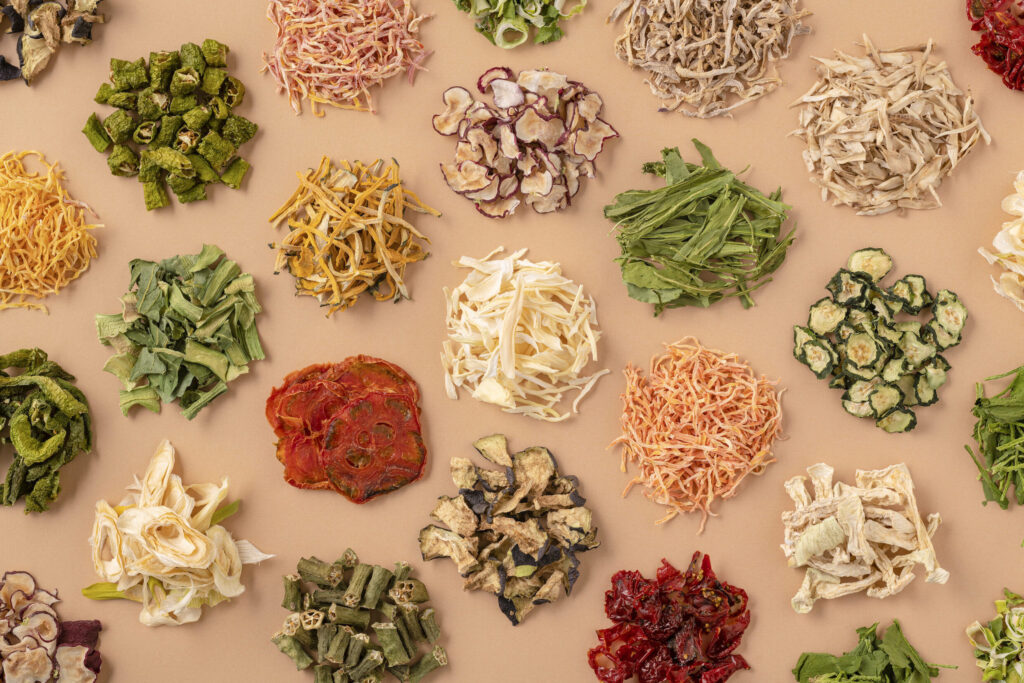
- Available for purchase in small lots from 1 kg
- We handle heirloom vegetables from across Japan
- Dried fruit and herbs also supported
The difference between sansho and huajiao
Huajiao, used in Chinese cuisine, looks similar to sansho but is a different spice. Knowing the difference makes it easier to use each properly in cooking.
What is huajiao
Huajiao is a spice made from the berries of the North China sansho (kahoku-zansho), which is native to China. It is a relative in the same citrus family as Japanese sansho but a different species, and its peel is dried before use. Huajiao is what creates the tingling "ma" numbness of Chinese dishes such as mapo tofu and hot pot.
Differences in aroma, numbness, and cuisine
Japanese sansho has a refreshing aroma and an elegant numbness, while huajiao has a showy, strong aroma and a stronger numbness. The basic rule is to use sansho for Japanese cuisine and huajiao for Chinese numbing dishes. The table below summarizes the differences.
| Comparison | Sansho | Huajiao |
|---|---|---|
| Raw materials | Japanese sansho | North China sansho of China |
| Aroma | Refreshing and elegant | Showy and strong |
| Numbness | Gentle | Strong |
| Well-suited dishes | Eel, tsukudani, Japanese cuisine | Mapo tofu, hot pot, and other Chinese dishes |
How to use sansho and dishes
The dishes that sansho suits change by form. We organize the representative uses.
Dishes with fresh sansho berries
Prepped fresh sansho berries are used in chirimen sansho, sansho tsukudani, and takiawase with whitebait or kombu. If frozen, they can be used little by little to add flavor to simmered fish and meat dishes. Their popping texture and strong numbness become an accent in a dish. For uses by dish, see How to use and eat sansho.
Dishes with ground sansho
Ground sansho is sprinkled over grilled eel, yakitori, and as a condiment for soups. It is also essential as a component of shichimi togarashi. Because a small amount adds aroma and numbness, the basic use is a single sprinkle to finish a dish.
Dishes with kinome
Kinome is used in bamboo-shoot kinome-ae and as a garnish atop clear soups and grilled dishes. Slap it in your palm and the aroma rises, adding spring-like color and aroma to a dish. It is a standard condiment that brings a sense of season to Japanese cuisine.
Choosing and storing sansho, and commercial ingredients
How to choose and store sansho changes by form. We organize the key points, from home use to selecting commercial ingredients.
Selection and storage by form
Because fresh sansho berries appear in their early-summer season, once you get them, prep and freeze them to use for a long time. Ground sansho lives by its aroma, so store it sealed in a cool, dark place and use it up soon after opening. Kinome dries out easily, so we recommend wrapping it in moistened paper, refrigerating it, and using it soon.
Sansho as a commercial and processing ingredient
When using sansho as an ingredient for product development or commercial use, the cultivar, growing region, particle size, and aroma strength become the selection points. Insisting on domestic sourcing makes it easier to trace the origin and cultivar and to manage the aroma. For uses where the berries are used whole, as in tsukudani and chirimen sansho, whole Dried Japanese pepper (sansho) is suited as an ingredient. The flow of using ground sansho as a commercial powder ingredient chili pepper powder is also common with how you choose Sansho Powder. In addition to an explanation of shichimi OEM as a powder ingredient, for ichimi, shichimi, and making original seasonings, see The difference between ichimi togarashi and shichimi as well. For the same Japanese spice, Types of chili pepper is also a helpful reference.
FOR BUSINESS
乾燥山椒を、原料としてお探しですか
国産の山椒を乾燥・粉砕してお出ししています。カット形状や粒度の指定、継続してのお取引もご相談ください。規格は Dried Japanese pepper (sansho)・Sansho Powder に掲載しています。
山椒の少量販売は姉妹ブランドの OYAOYA では取り扱いがありません。ほかの品目はカタログをご覧ください。
Frequently asked questions
Download the product catalog
We will send the materials to your email address based on the information you provide.
Summary: choose sansho by type and aroma
Sansho is Japan's oldest spice, changing its appearance by season and processing—kinome, flower sansho, fresh berries, and ground sansho. Use fresh sansho berries in tsukudani and chirimen sansho, ground sansho as a condiment for eel and soups, and kinome to add aroma to Japanese cuisine; matching the form to the use brings out its character. Differences in aroma by cultivar, such as Asakura sansho and Budo sansho, are also one of the pleasures of choosing.
It is a different species from China's huajiao, and remembering to use sansho for Japanese cuisine and huajiao for Chinese numbing dishes will keep you from getting confused (for details, see The difference between sansho and huajiao as well). Because it is a spice that lives by its aroma, the trick is to store it sealed and use it up soon. Bring domestic sansho into your everyday cooking well and add aroma and numbness to your daily dishes.