りんご品種ランキングを栽培面積で並べ直すと順位はこう変わる

Summary of this article
りんごの品種ランキングを、農林水産省の特産果樹生産動態等調査(令和5年産)の栽培面積で並べ直しました。ふじが15,626.9haで全体の47.3%を占め、上位4品種で7割を超えます。ふじは種苗法の品種登録制度ができる前の農林認定品種で、シナノゴールドや秋映は県が育成して登録した品種という違いも、登録番号と交配親の一覧で整理しています。
スーパーの棚に「ふじ」「シナノゴールド」「王林」が並び、値札には品種名だけが書いてある。どれが甘いのか、どれが今いちばんおいしい時期なのかは、名前からは読み取れません。
りんごは、品種の出どころを公的な資料で最後まで追える数少ない果物です。農林水産省の登録品種データベースには、リンゴ属として品種登録されたものが284件収録されています。そこには登録番号も、育成した人の名前も、権利が切れた日付も残っています。さらに、どの品種がどれだけ作られているかは、農林水産省の特産果樹生産動態等調査に面積の実数で出ています。
この記事では、人気や知名度の印象ではなく、栽培面積と品種登録という2つの一次資料でりんごの品種を並べ直します。そのうえで、収穫期の区分、糖度の数値がどこまで信用できるか、店頭で1個を選ぶ手順までをまとめました。
TOC
りんごの品種は結局いくつあるのか
品種の数は資料によって桁が変わります。数え方の基準が違うためで、どの数字も間違いではありません。まず、その違いを押さえておくと後の話が読みやすくなります。
世界で約1万5,000種、日本で約2,000種
青森県が発行している冊子「青森りんご」は、りんごの種類を世界で約1万5,000種、日本で約2,000種としています。青森県内で主に栽培されているものは約50種、市場に主に出荷されているものは約40種です。同じ資料によると、地方独立行政法人青森県産業技術センターりんご研究所では約300種が栽培されています。
つまり、店頭に並ぶ可能性があるのは40種前後で、私たちが名前を覚えているのはそのうちの10種ほどということになります。「2,000種」と「40種」のあいだには、栽培されなくなった古い品種や、試験研究機関が保存している系統が入っています。
品種登録されたリンゴ属は284件、うち123件は権利が生きている
農林水産省の登録品種データベースでリンゴ属を検索すると326件がヒットします。内訳は、品種登録されたものが284件、出願が公表されただけで登録に至っていないものが42件(うち取下げ10件、拒絶2件)です。出願中のものには、青森県産業技術センターの「あおり30」や長野県の「シナノステラ」のように2026年に出願されたばかりの品種も含まれます。
284件のうち、育成者権が今も存続しているのは123件です。残りの161件は存続期間が満了したか、権利が消滅しています。つまり登録されたりんご品種の6割近くは、すでに誰でも自由に増やせる状態にあるということです。
この数字が日本のりんご品種の総数ではない点に注意してください。品種登録は制度が始まったあとに出願されたものだけが対象で、それより前から栽培されている「ふじ」「つがる」「王林」「紅玉」は、この326件のなかにいません。
品種名と商標名が別々にある品種がある
もうひとつ混乱の原因になるのが、ひとつのりんごに名前が2つあるケースです。青森県産業技術センターりんご研究所は、この点を公式に説明しています。「あおり15」は品種登録上の名前で、「星の金貨」は果実を販売するときの商標です。「あおり27」と「千雪」も同じ関係にあります。
研究所の整理番号は「青り◯号」で、これが選抜段階の呼び名です。同研究所が公表している対応関係は次のとおりです。
- 青り2号 → つがる(商標なし)
- 青り9号 → あおり9(商標なし)
- 青り15号 → あおり15 → 星の金貨
- 青り16号 → あおり16 → 恋空
- 青り21号 → あおり21 → 春明21
- 青り24号 → あおり24 → はつ恋ぐりん
- 青り27号 → あおり27 → 千雪
店頭で見かける名前と、統計や登録簿に載る名前が違うわけです。青森県産業技術センターは商標のほうで呼ぶことを勧めていますが、品種を調べるときは両方の名前で当たらないと情報にたどり着けません。
栽培面積で並べ直すと品種ランキングはこうなる
ここからが本題です。農林水産省の特産果樹生産動態等調査は、りんごの品種ごとの栽培面積を都道府県別に調べています。最新の令和5年産では107品種が計上され、合計は33,051.4haでした。
上位4品種で全体の7割を超える
面積の大きい順に並べると、上位は次のようになります。知名度のランキングとは顔ぶれがかなり違うはずです。
| Rank | Variety name | 栽培面積 (ha) | 構成比 | 熟期 |
|---|---|---|---|---|
| 1 | Fuji | 15,626.9 | 47.3% | 晩生 |
| 2 | Tsugaru | 3,439.9 | 10.4% | 早生 |
| 3 | Orin | 2,428.2 | 7.3% | 晩生 |
| 4 | ジョナ ゴールド | 2,206.6 | 6.7% | 中生 |
| 5 | シナノ スイート | 1,116.7 | 3.4% | 中生 |
| 6 | シナノ ゴールド | 903.1 | 2.7% | 中生 |
| 7 | Akibae | 576.2 | 1.7% | 中生 |
| 8 | 弘前ふじ | 519.0 | 1.6% | 中生 |
| 9 | 北斗 | 518.9 | 1.6% | 中生 |
| 10 | 陸奥 | 424.5 | 1.3% | 晩生 |
| 11 | Toki | 417.8 | 1.3% | 中生 |
| 12 | Kogyoku (Jonathan) | 393.4 | 1.2% | 中生 |
| 13 | 宮美ふじ | 343.7 | 1.0% | 晩生 |
| 14 | 三島ふじ | 340.7 | 1.0% | 晩生 |
| 15 | ぐんま名月 | 329.0 | 1.0% | 晩生 |
| 16 | コスモふじ | 314.6 | 1.0% | 晩生 |
| 17 | 昂林 | 309.1 | 0.9% | 中生 |
| 18 | きおう | 283.8 | 0.9% | 早生 |
| 19 | やたか | 166.6 | 0.5% | 中生 |
| 20 | 金星 | 159.3 | 0.5% | 晩生 |
1位の「ふじ」が15,626.9haで、全体の47.3%を占めます。2位「つがる」から4位「ジョナゴールド」までを足すと上位4品種で71.7%に達し、残りの103品種が3割を分け合っています。
ふじの枝変わりを足すと半分を超える
表のなかに「弘前ふじ」「宮美ふじ」「三島ふじ」「コスモふじ」という名前が並んでいます。これらは「ふじ」の枝変わりや早熟系統で、青森県の資料では「早生ふじ」としてまとめられ、ひろさきふじ・紅将軍・昂林・涼香の季節・ほのか・やたかなどが挙げられています。
名前に「ふじ」が付く品種の面積を合計すると1,729.2haになります。これに青森県が早生ふじとして挙げている紅将軍・昂林・涼香の季節・ほのか・やたかを加えると、ふじ系統の合計は17,931.7haで、全体の54.3%です。日本のりんご畑の半分以上が、ふじとその系統で埋まっていることになります。
人気ランキングと栽培面積のランキングは別物
紅玉は12位で393.4ha、構成比1.2%です。製菓用として名前がよく挙がる品種ですが、実際の作付けはふじの40分の1にすぎません。逆に「弘前ふじ」「宮美ふじ」は一般の記事にほとんど登場しないのに、面積では紅玉と同じ水準にあります。
店頭で目にする頻度は、栽培面積だけでなく貯蔵性や出荷の時期にも左右されます。晩生のふじが年間を通して並ぶ一方で、極早生の品種が夏の短い期間しか見かけないのは、面積だけでなく日持ちの違いによるものです。それでも、どの品種が産地でどれだけ選ばれているかという事実は、この面積の数字にしか出ていません。
上位20位より下には、面積が1haから10ha程度の品種がずらりと並びます。紅の夢が2.7ha、サワールージュが1.4ha、すわっこが1.0haといった具合です。こうした品種は産直や直売所でしか出会えません。名前を見つけたら、その年の出会いだと思って手に取る価値があります。
収穫量では青森と長野で全国の約8割
品種と同じくらい聞かれるのが産地の順位です。こちらは農林水産省の作物統計調査(果樹)で、都道府県別の収穫量が毎年公表されています。最新は令和6年産です。
全国の収穫量は60万9,200トン
| Rank | 都道府県 | 収穫量 (t) | 全国比 | 結果樹 面積(ha) |
|---|---|---|---|---|
| 1 | Aomori | 370,500 | 60.8% | 19,100 |
| 2 | Nagano | 106,400 | 17.5% | 6,530 |
| 3 | Iwate | 36,700 | 6.0% | 2,110 |
| 4 | Yamagata | 32,700 | 5.4% | 1,960 |
| 5 | Fukushima | 19,400 | 3.2% | 1,120 |
| 6 | Akita | 18,600 | 3.1% | 1,100 |
| 7 | Hokkaido | 6,710 | 1.1% | 501 |
| 8 | Gunma | 5,840 | 1.0% | 387 |
| ― | Nationwide | 609,200 | 100% | 33,700 |
青森県が370,500トンで全国の60.8%、長野県が106,400トンで17.5%です。この2県で78.3%を占めます。3位の岩手県は36,700トンで、青森県の10分の1ほどです。
面積の統計は2つあり、数字が一致しない
ここで数字の扱いに注意が必要です。作物統計調査が示す令和6年産の結果樹面積は全国で33,700haですが、先ほどの品種別の栽培面積(令和5年産)の合計は33,051.4haでした。調査年が1年ずれているうえ、片方は実をつける樹の面積、もう片方は栽培されている面積という定義の違いがあります。
数字を引用するときは、どちらの調査の何年産かを添えないと比較できません。産地ごとの味や気候の違いはりんごの産地による違いfor more.
FOR BUSINESS
乾燥りんごを、原料としてお探しですか
国産のりんごを乾燥・粉砕してお出ししています。カット形状や粒度の指定、継続してのお取引もご相談ください。規格は 乾燥りんご に掲載しています。
少量でのご購入は、姉妹ブランドの通販サイト OYAOYA で承っています。
この5年で増えた品種と減った品種
特産果樹生産動態等調査は継続して行われているので、過去のデータと突き合わせると品種の入れ替わりが見えます。平成30年産と令和5年産の全国計を比べました。
面積を減らしたのは定番の上位品種
| Variety name | 平成30年産 (ha) | 令和5年産 (ha) | 増減 (ha) |
|---|---|---|---|
| Fuji | 18,223.0 | 15,626.9 | −2,596.1 |
| Tsugaru | 4,193.7 | 3,439.9 | −753.8 |
| Orin | 2,641.7 | 2,428.2 | −213.5 |
| ジョナ ゴールド | 2,394.7 | 2,206.6 | −188.1 |
| 昂林 | 412.7 | 309.1 | −103.6 |
| 陽光 | 148.9 | 81.8 | −67.1 |
| 北斗 | 562.1 | 518.9 | −43.2 |
| 千秋 | 133.0 | 96.6 | −36.4 |
| 宮美ふじ | 36.9 | 343.7 | +306.8 |
| コスモふじ | 50.8 | 314.6 | +263.8 |
| 三島ふじ | 118.6 | 340.7 | +222.1 |
| Akibae | 456.8 | 576.2 | +119.4 |
| シナノ リップ | 44.9 | 155.1 | +110.2 |
| ぐんま名月 | 232.5 | 329.0 | +96.5 |
| シナノ ゴールド | 810.5 | 903.1 | +92.6 |
| Total | 35,893.5 | 33,051.4 | −2,842.1 |
全体の面積は2,842.1ha減っています。減少分の大半はふじで、5年間で2,596.1ha、率にして14.2%縮みました。つがるも18.0%減っています。りんご栽培そのものが縮小するなかで、上位品種がその分を引き受けている形です。
伸びているのは早生ふじと長野・群馬の品種
一方で増えている品種もあります。宮美ふじは36.9haから343.7haへ9.3倍、コスモふじは50.8haから314.6haへ6.2倍になりました。どちらもふじの枝変わりで、ふじより早く収穫できる系統です。ふじ本体が減って早生ふじが増えているのは、収穫作業を分散させたい産地の事情が読み取れる動きです。
県が育成した品種では、長野県のシナノリップが44.9haから155.1haへ3.5倍、群馬県のぐんま名月が232.5haから329.0haへ41.5%増えました。長野県の秋映も26.1%、シナノゴールドも11.4%伸びています。
5年後の順位は今と同じではない
この傾向が続けば、ふじの構成比はさらに下がり、中生の品種が相対的に存在感を増します。品種のランキングは固定されたものではなく、産地の植え替えの結果として毎年動いています。ランキング記事の順位を鵜呑みにせず、何年の何の数字かを確かめてください。
品種登録の前からある品種と、あとから登録された品種
「ふじ」を登録品種データベースで検索しても出てきません。これは記載漏れではなく、登録の仕組みが違うからです。ここを理解すると、品種の情報をどこまで信用していいかの線引きができます。
ふじは「りんご農林1号」として登録されている
農研機構果樹茶業研究部門は、ふじについて「種苗法による品種登録制度が行われる前に育成した品種です。農林認定品種として登録されています」と明記しています。登録番号は「りんご農林1号」です。旧系統名は「リンゴ東北7号」、交配組み合わせは「国光×デリシャス」と記録されています。
育成したのは農林省園芸試験場東北支場で、当時は青森県藤崎町にありました。組織は移転統合を経て、現在は農研機構果樹茶業研究部門(盛岡市)になっています。品種名は育成地の藤崎町と富士山にちなんだものだと農研機構が説明しています。ふじそのものの特徴はふじりんごの特徴, which covers this in detail.
農林認定品種は他にもある
農林認定品種はふじだけではありません。農研機構の資料では、「あかね」が「りんご農林2号」(登録年月日1970年10月21日、交配は紅玉×ウースター・ペアメイン)、「さんさ」が「りんご農林7号」(1986年10月31日、ガラ×あかね)として登録されています。さんさは種苗法の品種登録も受けていて、登録番号は1565号です。
「つがる」は青森県りんご試験場が育成し、昭和50年に「青り2号」から「つがる」として名称登録されました。現在の品種登録データベースで検索してもヒットしません。登録品種データベースに収録されているリンゴ属のうち、最も早く登録されたのは1980年3月の「千秋」(秋田県、登録番号42号)です。制度が動き出したのはその前後で、それ以前に広まった品種は最初から対象外でした。
王林・紅玉・ジョナゴールドには登録がない
王林は福島県伊達郡桑折町の大槻只之助氏が育成し、昭和27年に命名されました。青森県の資料も「命名されました」と記すだけで、登録品種データベースにも農研機構の農林認定品種の一覧にも名前がありません。紅玉はアメリカ・ニューヨーク州原産で、日本には明治4年に開拓使が導入したものです。ジョナゴールドもニューヨーク州立農業試験場の育成で、日本には昭和45年に秋田県果樹試験場が導入しました。
特産果樹生産動態等調査はこの違いを「登録済」「未登録」の欄で区別しています。同調査は「登録済」について、登録を取り消したものや登録期間が満了したものも含むと注記しています。
育成者権には期限があり、2026年に延長された
品種登録を受けると育成者権が発生しますが、これには存続期間があります。長野県のシナノゴールドは1999年8月11日に登録され、育成者権は2024年8月12日に消滅しました。秋映は2002年3月12日、シナノスイートは2014年8月23日に消滅しています。権利が切れた品種は、苗木の増殖や販売が自由になります。
農林水産省によれば、種苗法の改正により2026年7月24日から育成者権の存続期間が延長されました。同日に権利が存続していた登録品種は、りんごのような永年性植物では品種登録の日から40年になります。トキ(登録番号12306号)やシナノリップ(26584号)は現在も権利が存続しています。
権利が生きている品種かどうかは、産地の広がり方を左右します。農林水産省は、登録品種の種苗を増やして譲渡する場合には育成者権者の利用許諾手続きが必要だと案内しています。青森県の「はつ恋ぐりん」(あおり24)は、国内育成品種で初めてクラブ制を導入し、生産者らで組織された会が生産と販売を担っています。逆にシナノスイートや秋映のように権利が切れた品種は、産地を問わず植えられます。
主要品種を登録番号と交配親で一覧にする
ここまでの資料を1枚にまとめました。登録番号があるものは品種登録データベース、ないものは農研機構・長野県・青森県の公表資料から拾っています。
登録番号と育成者がわかる20品種
| Variety name | 品種登録 | 育成者・ 登録者 | 交配親 | Harvest (育成地) |
|---|---|---|---|---|
| Fuji | apples 農林1号 | 農林省園芸 試験場東北支場 | 国光× デリシャス | 10月下旬~ 11月上旬 |
| Tsugaru | 名称登録 (1975年) | 青森県りんご 試験場 | ゴールデン デリシャス×紅玉 | 9月上~ 中旬 |
| Orin | 登録なし | 大槻只之助氏 (福島県桑折町) | ゴールデン デリシャス×印度 | 10月下旬~ 11月上旬 |
| ジョナ ゴールド | 登録なし | ニューヨーク州立 農業試験場 | ゴールデン デリシャス×紅玉 | Mid-October |
| Kogyoku (Jonathan) | 登録なし | アメリカ原産 (明治4年導入) | ― | Mid-October |
| 陸奥 | 登録なし | 青森県苹果 試験場 | ゴールデン デリシャス×印度 | 中生~晩生 |
| あかね | apples 農林2号 | 農林省園芸 試験場 | 紅玉×ウースター ・ペアメイン | 9月上・中旬 |
| さんさ | 第1565号 農林7号 | 農研機構 | ガラ×あかね | 9月上旬 |
| 千秋 | 第42号 | Akita Prefecture | つがる×スター キングデリシャス | 中生 |
| 陽光 | 第129号 | Gunma Prefecture | ゴールデンデリ シャスの実生 | 10月20~ 25日頃 |
| 北斗 | 第368号 | Aomori Prefecture | ふじ×陸奥 | 10月下旬~ 11月上旬 |
| ぐんま名月 | 第2816号 | Gunma Prefecture | あかぎ×ふじ | 10月下旬 |
| Akibae | 第3411号 | 小田切健男氏 (長野県中野市) | 千秋×つがる | 9月上旬 |
| きおう | 第3947号 | Iwate Prefecture | ― | 早生 |
| シナノ スイート | 第5139号 | Nagano Prefecture | ふじ×つがる | 10月上・ 中旬 |
| シナノ ゴールド | 第7328号 | Nagano Prefecture | ゴールデンデリ シャス×千秋 | 10月中・ 下旬 |
| あいかの Aroma | 第9130号 | 藤牧秀夫氏 (長野市) | ふじの自然 交雑実生 | 10月中・ 下旬 |
| 星の金貨 (あおり15) | 第11593号 | 青森県産業 技術センター | ふじ×青り3号 | 10月下旬 |
| Toki | 第12306号 | The company 原田種苗 | 王林×紅月 | Early October |
| 千雪 (あおり27) | 第16787号 | Aomori Prefecture | 金星×マヘ7 | Mid-October |
交配親をたどると同じ名前が何度も出てくる
表を縦に読むと、同じ名前が何度も親として出てきます。ゴールデンデリシャスは6回(つがる・王林・ジョナゴールド・陸奥・シナノゴールド・陽光)、ふじは5回(北斗・ぐんま名月・シナノスイート・あいかの香り・星の金貨)、紅玉は3回(つがる・ジョナゴールド・あかね)、つがるは3回(千秋・秋映・シナノスイート)です。
ゴールデンデリシャスはアメリカ生まれの黄色い品種で、王林・陸奥・シナノゴールドという黄色系の主力がここから出ています。店頭で黄色いりんごを選ぶとき、味の系統が似て感じられるのは偶然ではありません。
交配親の記載は、資料によって食い違うこともあります。北斗は品種登録の特性概要では「ふじ」と「陸奥」の交雑実生とされていますが、青森県が現在公表している資料では母親がふじ、父親は不明と表記されています。登録から40年以上が経ち、あとから調べ直されたものはこうした差が残ります。
ふじを親に持つ品種は、いずれも甘味が前に出ます。ぐんま名月と北斗には蜜が多く入り、星の金貨は糖度15~16%と公表されています。名前がばらばらでも、味が似ている品種には親の重なりがあります。品種名を覚えるより、親をたどるほうが早く整理できます。
個人が育てた品種が主力になることもある
登録者の欄を見ると、県や研究機関だけでなく個人の名前が並びます。秋映は長野県中野市の小田切健男氏、あいかの香りは長野市の藤牧秀夫氏の育成です。秋映は令和5年産で576.2haと全国7位まで広がりました。
登録品種データベースに収録されたリンゴ属284件の登録者を数えると、都道府県・大学・公的研究機関以外、つまり個人や民間企業によるものが183件で64.4%を占めます。最も多くの品種を登録しているのも民間の種苗会社で、1社で23件にのぼります。県の試験場だけが品種を作っているわけではありません。
こうした個人育成の品種は、最初は一軒の園地で偶然見つかった枝変わりや実生から始まります。ふじの枝変わりである宮美ふじや三島ふじが5年で3倍以上に広がったのも、産地のなかで良いものが選ばれて増えていった結果です。
収穫期の区分と、店頭に並ぶ時期
りんごは8月から11月まで収穫され、そのあと貯蔵されて翌年まで流通します。収穫期の区分を知っておくと、いま店頭にあるりんごがどういう状態なのか見当がつきます。
極早生・早生・中生・晩生の線引き
青森県は収穫時期による分類の基準を明示しています。8月20日頃までに収穫するものが極早生種、9月20日頃までが早生種、10月20日頃までが中生種、10月20日頃以降が晩生種です。特産果樹生産動態等調査も同じ4区分で品種を分類しています。
| Category | 収穫の目安 | 主な品種 | 冷蔵での 持ちの目安 |
|---|---|---|---|
| 極早生種 | 8月20日頃 まで | 夏緑、恋空、 つがる姫 | About 2 weeks |
| 早生種 | 9月20日頃 まで | つがる、きおう、 シナノリップ | 1か月半~ 2か月 |
| 中生種 | 10月20日頃 まで | ジョナゴールド、 紅玉、秋映、トキ | 2か月~ 3 months |
| 晩生種 | 10月20日頃 以降 | ふじ、王林、陸奥、 ぐんま名月 | 3か月~ 8か月 |
夏のりんごは桃と同じ感覚で早く食べる
りんご研究所は、極早生種の賞味期間を冷蔵でせいぜい2週間程度としています。晩生種の3か月から8か月とは10倍以上の開きがあり、夏の高温がさらに品質低下を早めます。「りんごは日持ちする果物」というイメージは、ふじのような晩生種の話です。
極早生のりんごを手に入れたら、冷蔵庫で冷やしてすぐ食べる。桃やメロンと同じ扱いだと考えると失敗しません。大量に流通しないため、産地の道の駅や産直センターで出会うことが多い品種群です。
令和5年産の統計で極早生に分類されているのは、夏緑9.1ha、あおり16(恋空)23.5ha、つがる姫18.4ha、メルシー3.1haの4品種だけです。合計しても54.1haで、全国のりんご栽培面積の0.16%にすぎません。夏のりんごが手に入りにくいのは、そもそも作られている量が桁違いに少ないからです。
サンふじは3月まで、星の金貨は6月まで
同じ晩生種でも出回る期間は品種で違います。袋をかけずに育てて熟してから収穫した無袋のふじ、いわゆるサンふじの賞味期間は3月までとされています。初夏まで店頭にあるふじは、有袋栽培や早めの収穫、CA貯蔵といった手を加えたものです。
星の金貨は普通の栽培と冷蔵で6月までおいしく食べられる長期型で、りんご研究所も超長期の賞味期間を持つ品種として紹介しています。家庭での保存のコツはhow to store apples in winter.
CA貯蔵は空気の組成を調整して呼吸を抑える方法です。青森県の資料では、空気中に21%含まれる酸素を1.8%から2.5%に下げ、0.04%の炭酸ガスを1.5%から2.5%に高め、0度程度で管理します。令和5年時点で県内の貯蔵収容能力の約46%がCA貯蔵です。
糖度の数値はどこまで裏が取れるのか
「糖度ランキング」はりんごの記事でよく見かけますが、数字の出どころが書かれていないものがほとんどです。公的資料で糖度が公表されている品種は、実はかなり限られています。
糖度が公表されているのは育成機関が持つ品種だけ
糖度を数値で公表しているのは、その品種を育成した機関です。長野県果樹試験場は自県が育成した品種について糖度と酸度を公表し、青森県は自県の新品種について同じ数字を出しています。農研機構も自らが育成した品種の糖度を記載しています。
| Variety name | Sugar content | 酸度 | 出典元 | 測定の条件 |
|---|---|---|---|---|
| Fuji | 14~16% | 0.4~0.5% | 農研機構 | 育成地(盛岡) |
| さんさ | 13~14% | 0.4%程度 | 農研機構 | 育成地(盛岡) |
| あかね | 11~12% | 0.6~0.7% | 農研機構 | 育成地(盛岡) |
| 高嶺 | 14~15% | 0.3%程度 | Nagano Prefecture 果樹試験場 | 育成地(須坂市) |
| シナノ スイート | 14~15% | 0.3%程度 | Nagano Prefecture 果樹試験場 | 育成地(須坂市) |
| シナノ ゴールド | 14~15% | 0.5%程度 | Nagano Prefecture 果樹試験場 | 育成地(須坂市) |
| シナノ ドルチェ | 14~15% | 0.5%程度 | Nagano Prefecture 果樹試験場 | 育成地(須坂市) |
| シナノ レッド | 13%程度 | 0.4~0.5% | Nagano Prefecture 果樹試験場 | 育成地(須坂市) |
| シナノ ピッコロ | 14%程度 | 0.4%程度 | Nagano Prefecture 果樹試験場 | 育成地(須坂市) |
| シナノ プッチ | 13~14% | 0.3%程度 | Nagano Prefecture 果樹試験場 | 育成地(須坂市) |
| 星の金貨 | 15~16% | 0.3%程度 | Aomori Prefecture | ― |
| 千雪 | 15%程度 | 0.3%程度 | Aomori Prefecture | ― |
| 恋空 | 13%程度 | 0.35%程度 | Aomori Prefecture | ― |
| 紅はつみ | 13~14% | 0.4%程度 | Aomori Prefecture | ― |
| はつ恋 ぐりん | 13~15% | 0.8%程度 | Aomori Prefecture | ― |
| あおり13 | 14~15% | 0.3%程度 | 青森県産業 技術センター | ― |
この表にないものは、公的資料で糖度の数値を見つけられなかった品種です。つがる、王林、ジョナゴールド、紅玉、陸奥、北斗については、青森県の資料でも「甘味が強い」「甘酸適和」といった言葉での説明にとどまり、数値は示されていません。
同じ品種でも栽培地で味が変わる
数値そのものにも幅があります。長野県果樹試験場はシナノゴールドについて「寒冷な地帯で栽培された果実は、酸味が強い」と明記し、シナノドルチェにも同じ注記を付けています。糖度14~15%という値は育成地である須坂市での目安で、産地が変われば印象は変わります。
したがって、出典の違う数字を並べて「糖度ランキング」を作ることには無理があります。育成機関が違えば測り方も測る年も違い、同じ土俵に乗っていないからです。この記事でも順位は付けていません。
産地は糖度と蜜入りを機械で見ている
出荷の現場では、糖度は感覚ではなく機械で測られています。青森県の資料によれば、収穫されたりんごは光センサー選果機にかけられ、大きさや形のほか、着色程度や糖度、蜜入りの状況で規格に分けられます。
蜜の正体についても説明があります。葉で作られたでんぷんはソルビトールに変わって果実へ運ばれ、果糖やしょ糖に変換されなくなったソルビトールが細胞のすきまにたまって水分を引き寄せる。これが蜜です。青森県は「蜜そのものはあまり甘くない」としたうえで、蜜が入ったりんごは熟度が進んだ証拠だと説明しています。
蜜が入るかどうかは品種の性質でもあります。長野県果樹試験場はシナノスイートについて「果肉に蜜は入らない」と明記し、登録品種データベースの特性概要でもシナノスイートとシナノゴールドの蜜の多少は「無~僅か」と評価されています。蜜が入らない品種を選んで蜜を探しても見つかりません。
店頭でりんごを選ぶ手順
品種がわかったら、次は同じ品種のなかから1個を選ぶ番です。順番を決めておくと、売り場で迷う時間が減ります。次の6つを上から順に確認してください。
手順1 いま何の品種が出ている時期かを確かめる
最初に見るのは値札の品種名です。8月から9月上旬なら極早生から早生、10月なら中生、11月以降なら晩生が本番です。3月を過ぎて店頭にあるふじは、有袋栽培かCA貯蔵を経たものだと考えられます。
季節と品種が合っていれば、そのりんごは収穫からあまり時間が経っていない可能性が高くなります。逆に、早生のつがるが12月に並んでいたら貯蔵品です。
手順2 地色を見る
赤い品種は、赤の濃さより地色を見ます。地色とは赤く色づく前の下地の色で、多くの品種は黄緑から黄色へ変わっていきます。地色が黄色みを帯びていれば熟度が進んだ目安です。
黄色い品種は、品種ごとに完熟したときの色が違います。長野県はシナノゴールドを「黄緑の地色に浅黄色に着色し、縞は無い」と記し、青森県は王林を「黄緑色」としています。王林は熟しても黄緑が残るので、真っ黄色になるのを待つ必要はありません。
手順3 手に持って重さを確かめる
同じ大きさなら重いほうを選びます。重さは果汁の量の目安になるからです。登録品種データベースの特性概要にも「果汁の多少」という項目があり、品種ごとに評価されています。シナノスイート、シナノゴールド、北斗はいずれも果汁が多い側に分類されています。
持ったときに軽く感じるものは、貯蔵中に水分が抜けている可能性があります。皮を押してへこむものも同じです。
手順4 軸とお尻を見る
軸(果梗)が太くしっかりしていて、しなびていないものを選びます。軸は収穫後に乾いていくので、鮮度の手がかりになります。
お尻のくぼみは、青みが残っていれば若く、黄色みが差していれば熟度が進んでいます。歯ごたえを楽しみたいなら青み寄り、甘さを求めるなら黄色み寄りという使い分けができます。
打ち身や傷にも目を配ります。表面がへこんでいる箇所は、切ると中が褐色に変わっていることがあります。すぐ食べるなら問題になりませんが、1週間以上置くつもりなら傷のないものを選んでください。まとめ買いしたときの保存はりんごの保存方法for more.
手順5 表面のベタつきは異常ではない
皮の表面がベタつくことがあり、ワックスを塗っているのかと心配する人がいます。青森県はこれを「油あがり」と呼ばれる現象だと説明しています。主成分はリノール酸とオレイン酸で、りんごが成熟すると増えて皮の表面に出てきます。
この現象はジョナゴールドやつがるに見られ、青森県はよく熟しているしるしだとしています。拭き取る必要も、避ける理由もありません。
手順6 蜜入りは外から確実には見えない
蜜入りを外観から見分ける確実な方法はありません。産地では光センサーで内部を見ているくらいで、家庭の目視では限界があります。お尻側が透き通って見えるものが挙げられることはありますが、確実ではありません。
蜜入りを狙うなら、蜜入り表示のある商品を選ぶのが早道です。蜜が入りやすいのは晩生の品種で、青森県の資料では北斗とぐんま名月について蜜が多く入ると記載されています。
食べ方に合わせて品種を選ぶ
品種の向き不向きは、甘味と酸味の強さ、果肉の硬さ、加熱したときの崩れ方で決まります。用途から逆算すると選択肢が一気に狭まります。
そのまま食べるなら甘味と果汁で選ぶ
生食で選ばれるのは、糖度が高く果汁の多い品種です。公的資料で糖度が示されている範囲では、星の金貨が15~16%、千雪が15%程度、ふじが14~16%、シナノスイートとシナノゴールドが14~15%と並びます。
酸味が苦手なら酸度の低いものを選びます。シナノスイート、千雪、星の金貨はいずれも酸度0.3%程度です。反対に、はつ恋ぐりんは酸度0.8%程度で、青森県も酸味の効いた濃厚な食味としています。甘さの強さより、酸味の量のほうが好みを分けます。
果肉の硬さも印象を左右します。青森県はシナノゴールドについて「貯蔵性に優れています」、長野県は「果肉の硬さ、果肉のきめは中程度」としています。硬めの歯ごたえを求めるなら、収穫直後の時期に買うのが確実です。貯蔵期間が延びるほど果肉はやわらかくなります。
焼く・煮るなら酸味のある品種を選ぶ
加熱する料理では、酸味が骨格になります。紅玉は青森県の資料でも「酸味を強く感じますが、爽やかな芳香と甘みがあり食味良好」とされ、加工適性が高く、ジュースや菓子、料理用として一番人気だと記載されています。
紅玉が手に入らない時期は、ジョナゴールドが代わりになります。青森県は酸味があることからジュースなどの加工需要があると説明しています。陸奥も芳香があり加工適性が高い品種です。
切ってから時間が空くなら褐変しにくい品種を
サラダや弁当のように切ってから時間が空く場合は、果肉が褐変しにくい品種が役に立ちます。千雪は青森県が「果肉が変色しにくいため、サラダや加工用にも適しています」と明記している品種です。
登録品種データベースの特性概要にも「果肉の褐色化」という評価項目があり、品種ごとに記録されています。褐変が気になる場面では、この観点で選ぶと扱いが楽になります。
乾燥させるときは糖度の高い品種を選ばない
最後に、加工の側から見た品種選びに触れておきます。生で食べておいしい品種が、乾燥させてもおいしいとは限らないからです。
糖度が高いと甘さが過剰になる
乾燥では水分が抜けるぶん糖が濃縮されます。元の糖度が高すぎると甘さが過剰になり、えぐみとして出てしまいます。糖度の高い原料は保管中に変色するケースも出ます。試作の段階では分からず、出荷後しばらくしてから表面化するため厄介です。(Agriture社での経験)
選定の基準は、甘さが強すぎず、酸味も強すぎない、バランスのよい品種です。どちらかに振り切った品種は、乾燥後にその要素だけが突出します。糖度15~16%の品種より、甘酸のバランスが取れた品種のほうが仕上がりは安定します。
歩留まりは7%から10%
生のりんご1kgから取れる乾燥品は70gから100g程度です。製品1kgを作るには生果が10kgから14kg必要になります。水分量から計算した理論値よりも実測は低く、皮・芯・種の除去や工程ロスが乗るためです。規格外品を使う場合は傷んだ箇所を取り除く工程が加わり、さらに下がります。(自社調べ)
乾燥品の賞味期限は出荷日から6か月程度です。砂糖を使わない国産の乾燥品は糖による保水がないため、砂糖漬けの海外産より期限が短くなります。作り方の手順はHow to dry apples.
品種を混ぜると味に奥行きが出る
甘い品種と酸味のある品種を分けて乾燥させ、あとで混ぜる方法もあります。ひと袋のなかに甘味と酸味が同居して、食べ飽きにくくなります。乾燥りんごの食べ方はArrangements for eating dried apple.
Agritureでは国産の野菜と果物を温風で乾燥し、100メッシュ相当までの粉砕と10g以上の小袋充填に対応しています。乾燥りんごの規格は乾燥りんごの製品ページに掲載しています。
FOR BUSINESS
乾燥りんごを、原料としてお探しですか
国産のりんごを乾燥・粉砕してお出ししています。カット形状や粒度の指定、継続してのお取引もご相談ください。規格は 乾燥りんご に掲載しています。
少量でのご購入は、姉妹ブランドの通販サイト OYAOYA で承っています。
FAQ
Summary
りんごの品種ランキングは、何を基準にするかで顔ぶれが変わります。栽培面積で見れば令和5年産の1位はふじで全体の47.3%、上位4品種で71.7%を占め、ふじ系統まで含めると半分を超えます。収穫量の都道府県別では青森県と長野県で78.3%です。
品種の出どころは登録番号からたどれます。シナノゴールドは長野県が育成した第7328号、トキは株式会社原田種苗の第12306号、星の金貨は青森県産業技術センターの第11593号です。一方でふじは「りんご農林1号」という別の制度での登録にあたり、王林と紅玉は登録品種データベースに名前がありません。
糖度は品質の指標として使えますが、公的資料で数値が出ているのは育成機関が持つ品種に限られ、産地によっても動きます。出典の違う数字を並べた糖度ランキングは、順位として読まないほうが安全です。
店頭では、時期と品種が合っているかを見て、地色を確かめ、同じ大きさなら重いものを選び、軸とお尻の色を見る。この順番なら数十秒で判断できます。海外で育った品種に興味があればりんごの海外人気品種.
Honey-cored Shinshu apple, domestic dried apple
Sugar-free, a crunchy new texture—dried fruit of honey-cored "leaf-unremoved Shinshu apple"
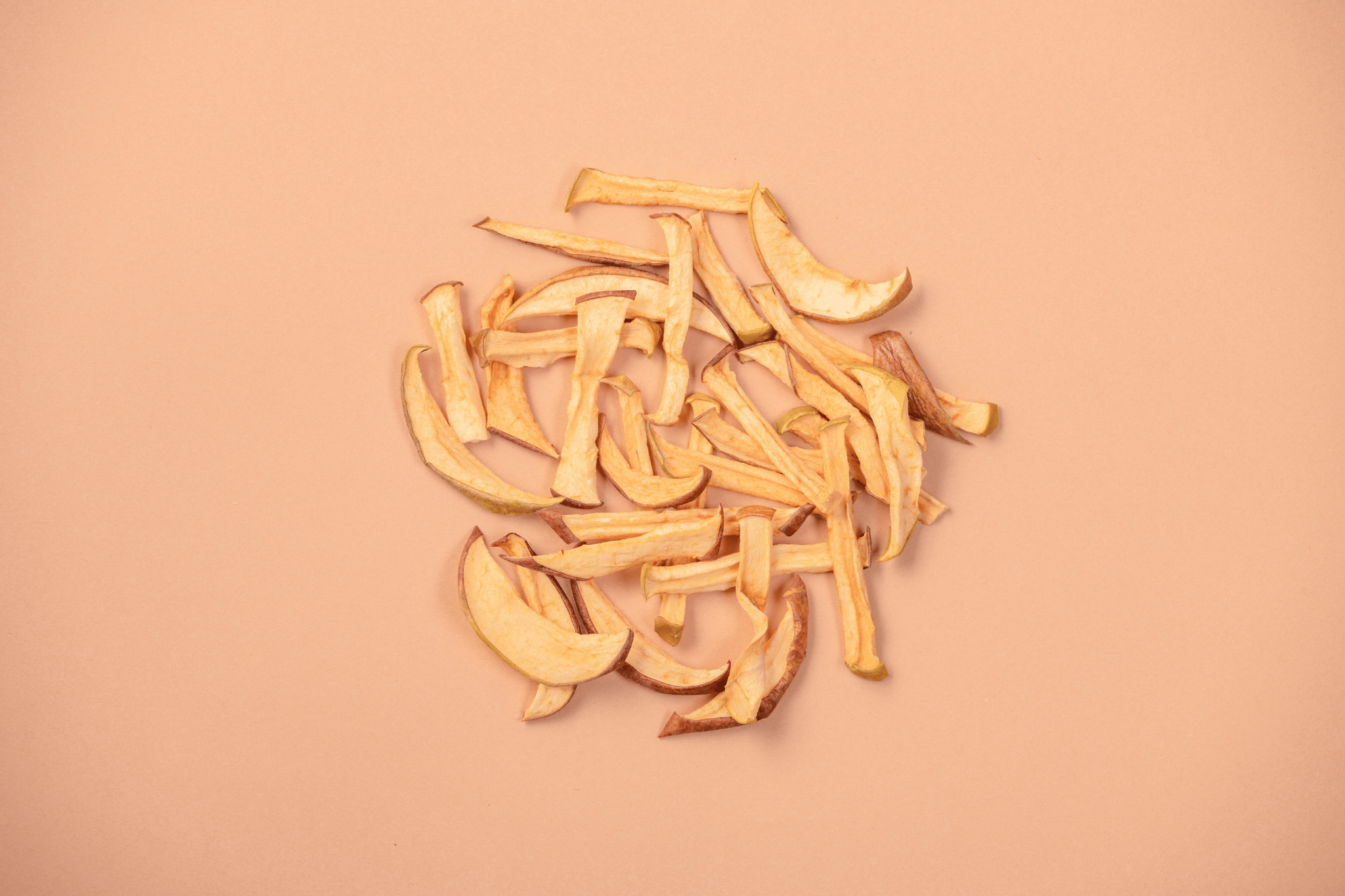
- Made with honey-cored "leaf-unremoved Shinshu apple"
- Sugar-free, dense natural sweetness
- Available in two forms, stick and dice
- What are the challenges of apple farming? A thorough explanation of the current state and solutions
- レモンの国産は年1万トンに届かない。皮まで使うなら何を見るか