
What are Chiba’s heirloom vegetables? Features, season, and ways to eat the 12 items explained

Among vegetables rich in functional components, the Phytorich series developed by Takii Seed has distinctive qualities in appearance, taste, and function. In OEM and raw-material development, using not “just a vegetable” but a “vegetable rich in functional components” as raw material allows for differentiation. The Japan Traditional Vegetable Promotion Association At Agriture, we welcome inquiries at any time about commercial dried vegetables and OEM development using the Phytorich series.
Takii Seed case-study article here
TOC
The definition of "heirloom vegetable" and the scope of this article
There is no nationwide unified definition for "heirloom vegetable," and the criteria differ by certifying body. To help you understand this article's content accurately, we organize the criteria of major certifying bodies.
| Certifying body | Main criteria |
|---|---|
| Kyoto Prefecture "Kyoto Heirloom Vegetables" | Cultivated in Kyoto from before the Meiji era and unique to Kyoto |
| Osaka Prefecture "Naniwa Heirloom Vegetables" | Cultivated within Osaka Prefecture from roughly 100 or more years ago |
| Nara Prefecture "Yamato Heirloom Vegetables" | Items whose production within Nara Prefecture is confirmed from before the war |
| Akita Prefecture "Akita Heirloom Vegetables" | Cultivated within the prefecture from before the Showa 30s |
| Yamagata Prefecture "Yamagata Heirloom Vegetables" | Cultivated within the prefecture from before Showa 20 |
| The Japan Traditional Vegetable Promotion Association | Independent certification criteria (broader) |
Chiba Prefecture's heirloom vegetables are native varieties handed down in the warm climate of the Boso Peninsula and the fertile land nurtured by the Tone and Edo rivers.
The
certification lists 12 varieties, including Yagiri negi, Oura gobo, Koito zairai soybean, and Toke karashina — varieties handed down within a food culture linking the Tokyo metropolitan area and Boso (in addition to native varieties, it also includes bred varieties such as Kurokawa kanzaki hanana and lineages originating in other prefectures, such as Bozu shirazu negi).
This article organizes the 12 varieties in a list and explains 7 representative ones in detail. We introduce native varieties with stories unique to Chiba — Oura gobo, which carries a legend tied to Taira no Masakado; Yagiri negi, a three-time winner of the Minister of Agriculture, Forestry and Fisheries Award; and Toke karashina, with over 300 years of history.
| Area | Representative items | Regional characteristics |
|---|---|---|
| In this article, we introduce 12 varieties using the certification of the Japan Traditional Vegetables Promotion Association as the primary source. There is no official certification system unique to Chiba Prefecture; local producer groups and municipalities carry out conservation activities individually. Of the 12 varieties, the main text focuses on 11, and “daruma endo,” for which detailed information is limited, is introduced separately in the “Other Local Specialty Varieties” section at the end of the article. | What Are Chiba's Heirloom Vegetables? A Food Culture Linking Boso and Edo | Chiba Prefecture is a major agricultural prefecture with the warm climate of the Boso Peninsula and the fertile alluvial land of the Tone and Edo rivers. It ranks 4th in the nation in agricultural output (3rd for vegetables) and has long developed as a vegetable-supply region for the Tokyo metropolitan area. |
| The Four Areas — North, Central, South, and Toka — and the Distribution of Varieties | Toka area (Matsudo, Kashiwa) | Yagiri negi, Ajisai negi, Bozu shirazu negi |
| Alluvial land along the Edo River. A noted region for the negi family | North (Narita, Sosa) | Oura gobo, Hagura uri |
| The upland farming zone of the Shimosa Plateau. Native varieties of gobo and uri | Central (Chiba, Kimitsu) | Toke karashina, Koito zairai soybean |
Inland ingredients of pungency and sweetness, making use of temperature swings
South and Isumi (Tateyama, Minamiboso / Otaki)
- Kurokawa kanzaki hanana, Boshu nakate cauliflower, Boshu wase issun soramame (Awa region) / Otaki bamboo shoots (Isumi region) The warm climate of the Awa region and the mountainous area of the Isumi region. Winter–spring early-harvest vegetables and bamboo shoots
- Chiba's native varieties can be broadly divided into “the negi family of Toka,” “the root vegetables of the north,” and “the winter–spring vegetables of the south,” with terrain and climate deciding each area's mix of varieties. The warm climate of the Boso Peninsula suits early-harvest cultivation of winter and early-spring vegetables, and varieties that can be differentiated by shipping timing to Tokyo have been nurtured. History as a Supply Region for the Metropolitan Area, and Native Varieties
- Yagiri negi — Shipped to the city of Tokyo since the Edo period. A famous brand, three-time winner of the Minister of Agriculture, Forestry and Fisheries Award
- Oura gobo — Carries a legend tied to the Taira no Masakado rebellion of 939 in the Heian period. A ritual offering to Naritasan Shinshoji temple
Toke karashina
FOR BUSINESS
乾燥野菜を業務用でお探しですか
国産の野菜・果物を乾燥し、必要に応じて粉砕してお出ししています。扱っている品目は100種前後で、規格は 乾燥品の一覧・パウダーの一覧 に掲載しています。
少量でのご購入は、姉妹ブランドの通販サイト OYAOYA で承っています。
— A traditional vegetable whose seeds have been self-saved for over 300 years in the Toke district of Midori Ward, Chiba City
Koito zairai soybean
— A native soybean of the Koito River basin in Kimitsu City. Its regional brand is maintained through trademark-registered protection
| # | Item | Category | Main growing region | Season |
|---|---|---|---|---|
| 1 | Kurokawa kanzaki hanana, Boshu nakate cauliflower, Boshu wase issun soramame (Awa region) / Otaki bamboo shoots (Isumi region) | Negi | Chiba's native varieties have persisted along two axes: the commercialization history of “supply to the metropolitan area,” continuing since Edo, and the “village food culture protected by self-saved seed.” As a large-scale production area, native varieties are prone to being replaced, but the surviving varieties have entered a stage of being protected by legal mechanisms such as producer groups and trademark registration. | November–March |
| 2 | Chiba's Heirloom Vegetables: A List of All 12 Varieties and Seasonal Calendar | Negi | We've summarized the 12 Chiba heirloom vegetables certified by the Japan Traditional Vegetables Promotion Association in a list, along with classification, growing region, and season. It's a varied lineup — three in the negi family, plus gobo, uri, beans, and cauliflower. | December–April |
| 3 | Quick Reference Table of the 12 Varieties | Negi | Yagiri, Matsudo City | Ajisai negi |
| 4 | Chiba's native varieties can be broadly divided into “the negi family of Toka,” “the root vegetables of the north,” and “the winter–spring vegetables of the south,” with terrain and climate deciding each area's mix of varieties. The warm climate of the Boso Peninsula suits early-harvest cultivation of winter and early-spring vegetables, and varieties that can be differentiated by shipping timing to Tokyo have been nurtured. | Burdock | Northern Matsudo City | Bozu shirazu negi |
| 5 | Yagiri negi | Pickling greens | Kashiwa City and the Higashi-Katsushika area | Early May–early June |
| 6 | Oura gobo | Oura district, Sosa City | December (peak in early December) | Toke district, Midori Ward, Chiba City |
| 7 | February–mid-March | Gourd (uri) | Soybean | Koito River basin, Kimitsu City |
| 8 | Mid-October–early November | Hagura uri | Around Narita City | November–March |
| 9 | May–September | Kurokawa kanzaki hanana | Leafy vegetable (hanana) | Sunomiya district, Tateyama City |
| 10 | Boshu nakate cauliflower | Cauliflower | Tateyama City | Mid-January–late February |
| 11 | Boshu wase issun soramame | Bamboo shoots | Fava bean | Minamiboso City |
| 12 | April–May | Otaki bamboo shoots | Otaki Town, Isumi District | Early–mid April |
Daruma endo
Seasonal calendar (by month)
| Month | Items coming into season |
|---|---|
| Garden pea | Within Chiba Prefecture (details unknown) |
| February to March | Spring (*introduced in the specialty varieties at the end) |
| Mid-January–late February | All three of the negi family are concentrated in the Higashi-Katsushika area (Matsudo, Kashiwa). Chiba Prefecture is a leading negi production area, ranking among the top nationwide in negi output, and the accumulation of negi production for the metropolitan area since the Edo period has also fed into the diversity of native varieties. In the Boshu area of the south, winter–spring early-harvest vegetables (Kurokawa kanzaki hanana, Boshu nakate cauliflower, Boshu wase issun soramame) gather, with regional characteristics clearly reflected in the mix of varieties. |
| January–February | Yagiri negi, Ajisai negi, Kurokawa kanzaki hanana, Boshu nakate cauliflower |
| July–September | February–mid-March |
| October–November | Toke karashina, Kurokawa kanzaki hanana (continuing) |
| November–December | Boshu wase issun soramame, Otaki bamboo shoots |
May–June
A product catalog that shows around 100 items we handle
Agriture, flexibly handling everything from small lots to large lots
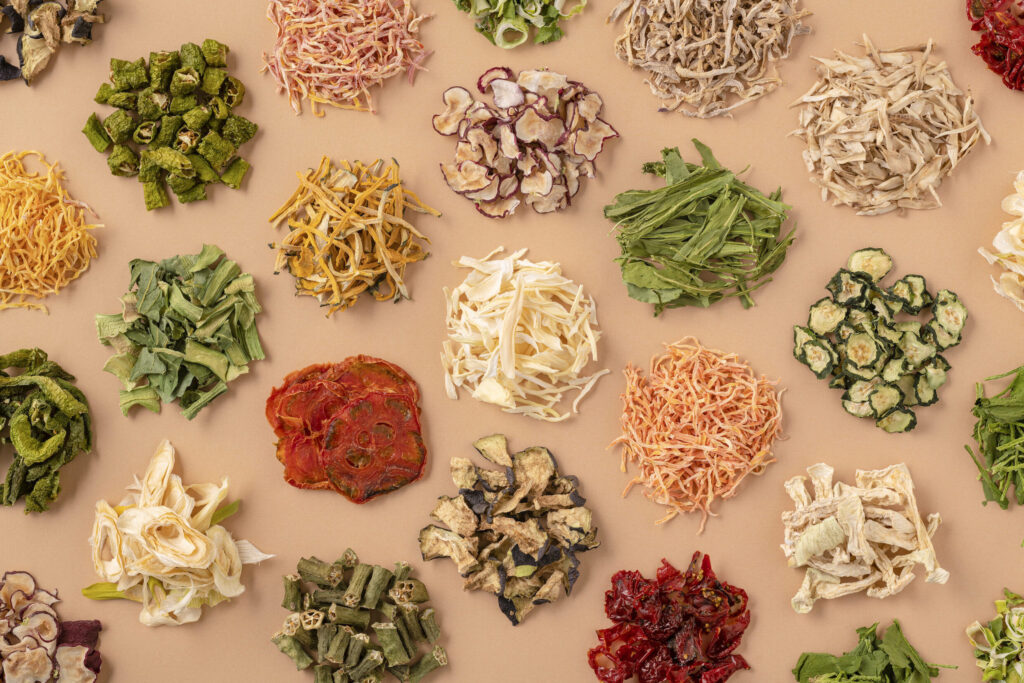
- Available for purchase in small lots from 1 kg
- We handle heirloom vegetables from across Japan
- Dried fruit and herbs also supported
Bozu shirazu negi, Hagura uri (start)
Koito zairai soybean (mid-October–early November)
Yagiri negi (–March), Ajisai negi (–April), Oura gobo (early December)
| Season | November to the following March |
| Growing region | Chiba's native varieties have persisted along two axes: the commercialization history of “supply to the metropolitan area,” continuing since Edo, and the “village food culture protected by self-saved seed.” As a large-scale production area, native varieties are prone to being replaced, but the surviving varieties have entered a stage of being protected by legal mechanisms such as producer groups and trademark registration. |
| Well-suited dishes | Chiba's heirloom vegetables have a well-balanced range of varieties coming into season throughout the year. In particular, the January–February early-harvest vegetables making use of the Boso Peninsula's warm climate (Boshu nakate cauliflower, Kurokawa kanzaki hanana), and the April–May Boshu wase issun soramame and Otaki bamboo shoots, have the strength of being harvestable ahead of other prefectures. |
The Characteristics and Ways to Eat 7 Representative Chiba Heirloom Vegetables
From the 12 varieties, we selected 7 representative ones based on name recognition, distribution volume, and influence on food culture.
Yagiri Negi — The Matsudo Brand Negi, Three-Time Winner of the Minister of Agriculture, Forestry and Fisheries Award
| Season | Bozu shirazu negi |
| Growing region | Northern Matsudo City |
| Well-suited dishes | Sukiyaki, hot pot, grilled negi, condiment |
Yagiri negi is a native negi grown in the Yagiri district of Matsudo City along the Edo River. Thick-bodied and intensely sweet, it has been prized at high-end ryotei in Tokyo and at the Tsukiji and Toyosu markets as a famous brand that won the Minister of Agriculture, Forestry and Fisheries Award three times.
It is distinguished by the fertile land along the Edo River and an environment where winter's temperature swings draw out sweetness. It shows its true worth in heated dishes; in sukiyaki, hot pot, or grilled negi, a sweetness emerges that melts from within.
Oura Gobo — The Giant Gobo Tied to Taira no Masakado
| Season | Simmered dishes, kinpira, hot pot, shojin cuisine |
| Growing region | December (peak in early December) |
| Well-suited dishes | Oura gobo is a giant native gobo exceeding 1 m in length and 30 cm in circumference. A legend, passed down as the origin of the name “katchi-gobo” (victory gobo), tells that when Fujiwara no Hidesato visited Naritasan Shinshoji temple in 939 (Tengyo 2) of the mid-Heian period to pray for victory in the Taira no Masakado rebellion, he ate Oura gobo (however, Sosa City's “Oura Gobo Reconsidered” states that the legend could not be confirmed). |
A ritual offering to Naritasan Shinshoji temple continues every December, and among Chiba's heirloom vegetables it is a variety with especially deep historical and religious background. Its flesh has dense fibers and rich flavor, and used in simmered dishes, kinpira, or shojin cuisine, the fragrance distinctive to Oura gobo stands out.
Koito Zairai Soybean — The Kimitsu Native Soybean Protected by Trademark Registration
Mid-October–early November (edamame stage) / winter (dried soybean)
| Season | Early May–early June |
| Growing region | Kashiwa City and the Higashi-Katsushika area |
| Well-suited dishes | Edamame, tofu, miso, soy milk, simmered beans |
Koito zairai soybean is a native soybean grown in the Koito River basin of Kimitsu City. Intensely sweet with almost no harshness, it is highly regarded whether eaten as edamame or processed into tofu or miso. Its regional brand is protected by trademark registration, and “Koito zairai” labeling outside the Koito River basin is not permitted.
The Boso Peninsula's inland climate (cold winters, humid summers) suits the soybean's ripening, and local tofu shops and miso breweries use it as raw material. When eating it as edamame, a slightly shorter boiling time than for ordinary varieties maximizes its sweetness and fragrance.
Toke Karashina — The Pungent Leafy Vegetable of Midori Ward, Chiba City, with Over 300 Years of History
| Season | Pickles, ohitashi, mustard pickles, onigiri filling |
| Growing region | Tateyama City |
| Well-suited dishes | Toke karashina is a native variety whose seeds have been self-saved for over 300 years in and around the Toke district of Midori Ward, Chiba City. The relatively high elevation of the Shimosa Plateau and its sharp temperature swings produce a distinctive pungency and flavor. |
The traditional way of eating it is to sow the seed in late autumn and harvest the young shoots in early spring for pickling. Distinguished by a sharp pungency and crisp texture, it is beloved locally as “Toke karashina pickles.”
Boshu Wase Issun Soramame — The Early-Harvest Fava Bean of Minamiboso
April–May
| Season | November to the following March |
| Growing region | Around Narita City |
| Well-suited dishes | Salt-boiled, mixed rice, grilled fava beans, tempura |
Boshu wase issun soramame is an early-harvest fava bean variety grown in Minamiboso City. Large-grained at about 3 cm, it can be harvested 1–2 weeks earlier than ordinary fava beans, dominating the metropolitan market in the early spring of April–May.
A sticky texture and sweetness are its strong points, and salt-boiling best brings out the bean's flavor. Even made into mixed rice or tempura, the fluffy, creamy mouthfeel distinctive to Boshu wase issun soramame comes alive.
Kurokawa Kanzaki Hanana — The Hanana That Blooms in Tateyama's Winter
| Season | Ohitashi, karashi-ae, pickles, miso soup ingredient |
| Growing region | Soybean |
| Well-suited dishes | Kurokawa kanzaki hanana is a native hanana whose flower buds are harvested in winter in the Sunomiya district of Tateyama City. It has deep-green, crinkled leaves, and is distinguished by the unique form in which the flower buds are bundled together for shipping. |
A rare hanana that can be harvested from winter to early spring even in the warm Boso climate, it colors the table earlier than the “nanohana” of other prefectures. Ohitashi and karashi-ae are the classics, with a flavor where gentle bitterness and sweetness are in harmony.
Hagura Uri — The Tender Uri of the Narita Area
May–September
Asazuke, sunomono, narazuke, miso pickles
Hagura uri is a native uri grown around Narita City, distinguished by its extremely tender flesh. The name “hagura uri” is said to come from its being so tender that “even someone with wobbly teeth can eat it.”
- Kurokawa kanzaki hanana, Boshu nakate cauliflower, Boshu wase issun soramame (Awa region) / Otaki bamboo shoots (Isumi region) It suits near-raw preparations such as asazuke and sunomono, and salted and eaten, it adds a refreshing touch to the summer table. Narita City's specialty “teppo-zuke,” a local dish of hagura uri stuffed with chili and pickled in soy sauce, is also popular as a souvenir along the approach to Naritasan temple.
- Chiba's Heirloom Vegetables: A List of All 12 Varieties and Seasonal Calendar Making Use of Chiba's Strengths by Region — Early-Harvest, Root Vegetables, and Negi
- Quick Reference Table of the 12 Varieties Building on the four-area distribution described above, we dig deeper into Chiba's heirloom-vegetable “strengths” by area.
The Negi Culture of Toka — Three Varieties Nurtured by the Edo River
(Yagiri, Matsudo City) — The representative winter negi. Three-time winner of the Minister of Agriculture, Forestry and Fisheries Award
- Mid-October–early November (northern Matsudo City) — A winter–spring negi that prioritizes tenderness
- May–September (Kashiwa City and the Higashi-Katsushika area) — A spring negi, with the trait of not easily bolting (“bozu,” or flower buds) even in spring
- Boshu nakate cauliflower Splitting the season between winter (Yagiri, Ajisai) and spring (Bozu shirazu) to keep the negi shipping period long is the negi culture of the Toka area. A location close to the Edo River mouth and alluvial soil form the common foundation of the three varieties.
- Boshu wase issun soramame The Early-Harvest Vegetables and Bamboo Shoots of Boshu and Isumi
(Tateyama City) — November–March, blooming earlier than the nanohana of other prefectures
(Tateyama City) — Shipped mid-January–late February
- Chiba's native varieties can be broadly divided into “the negi family of Toka,” “the root vegetables of the north,” and “the winter–spring vegetables of the south,” with terrain and climate deciding each area's mix of varieties. The warm climate of the Boso Peninsula suits early-harvest cultivation of winter and early-spring vegetables, and varieties that can be differentiated by shipping timing to Tokyo have been nurtured. (Minamiboso City) — April–May, among the fastest in the nation
- February–mid-March (Otaki Town, Isumi District / Isumi region) — Early–mid April, with flesh more delicate than the bamboo shoots of the Kanto region
- Yagiri negi The three Awa varieties split their strengths along two axes — “shipping earlier than other production areas” — while Otaki bamboo shoots draw on the mountain resources of the Isumi region: early-harvest plus mountain resources. The Boso Peninsula's warm climate creates a timing gap with other prefectures, and the difference in shipping timing feeds Boshu-grown differentiation.
- Oura gobo The Village Seed-Saving Native Varieties of the North and Central Areas
(Oura district, Sosa City) — The giant gobo offered at Naritasan
(around Narita City) — The raw material for teppo-zuke
(Toke district, Midori Ward, Chiba City) — 300 years of self-saved seed
In-prefecture direct-sales outlets / roadside stations
| Item | Main sources | Timing |
|---|---|---|
| Kurokawa kanzaki hanana, Boshu nakate cauliflower, Boshu wase issun soramame (Awa region) / Otaki bamboo shoots (Isumi region) | (Koito River basin, Kimitsu City) — The trademark-registered native soybean | November–March |
| Chiba's Heirloom Vegetables: A List of All 12 Varieties and Seasonal Calendar | JA farm stand in northern Matsudo City | December–April |
| Quick Reference Table of the 12 Varieties | JA farm stands in Kashiwa City and the Higashi-Katsushika area | January–February |
| Chiba's native varieties can be broadly divided into “the negi family of Toka,” “the root vegetables of the north,” and “the winter–spring vegetables of the south,” with terrain and climate deciding each area's mix of varieties. The warm climate of the Boso Peninsula suits early-harvest cultivation of winter and early-spring vegetables, and varieties that can be differentiated by shipping timing to Tokyo have been nurtured. | Farm stands in Sosa City, around Naritasan Shinshoji (year-end only) | Early December |
| Oura gobo | Farm stands in Kimitsu City, Michi-no-Eki Kurimoto | October–November (edamame) / year-round (dried beans) |
| Yagiri negi | Farm stands in Toke, Midori Ward, Chiba City (limited quantity) | February to March |
| Boshu nakate cauliflower | Farm stands in Minamiboso City, Michi-no-Eki Tomiura | Mid-January–late February |
| Mid-October–early November | Farm stands in Tateyama City, Michi-no-Eki Nanbo Paradise | November–March |
| February–mid-March | Farm stands in Narita City, Michi-no-Eki Tako | Koito River basin, Kimitsu City |
Thanks to good access from the metropolitan area, you can also visit the growing regions on weekends and buy seasonal varieties directly. Oura gobo is harvested only for a short period in early December, so be mindful of your visit timing.
Mail order / hometown tax to outside the prefecture
- Kurokawa kanzaki hanana, Boshu nakate cauliflower, Boshu wase issun soramame (Awa region) / Otaki bamboo shoots (Isumi region) — Shipped seasonally in winter as a Matsudo City hometown-tax return gift
- Oura gobo — Sold year-round as dried beans; tofu and miso processed products are also available by mail order
- Boshu nakate cauliflower — Shipped in spring only via Minamiboso City hometown-tax and direct-from-farm EC
- Chiba's native varieties can be broadly divided into “the negi family of Toka,” “the root vegetables of the north,” and “the winter–spring vegetables of the south,” with terrain and climate deciding each area's mix of varieties. The warm climate of the Boso Peninsula suits early-harvest cultivation of winter and early-spring vegetables, and varieties that can be differentiated by shipping timing to Tokyo have been nurtured. — Available in early December only (limited quantity) via Sosa City hometown-tax
- Toke karashina pickles — Available year-round by mail order as a processed product
Storage methods by item
| Item | Short-term storage | Long-term storage |
|---|---|---|
| Yagiri negi / Ajisai negi | Wrapped in newspaper, one week in the vegetable compartment | Chop and freeze (1 month) |
| Chiba's native varieties can be broadly divided into “the negi family of Toka,” “the root vegetables of the north,” and “the winter–spring vegetables of the south,” with terrain and climate deciding each area's mix of varieties. The warm climate of the Boso Peninsula suits early-harvest cultivation of winter and early-spring vegetables, and varieties that can be differentiated by shipping timing to Tokyo have been nurtured. | Wrapped in newspaper with soil on, in a cool dark place for 2–3 weeks | Sasagaki-cut and frozen (1 month) |
| Oura gobo | Edamame keeps refrigerated for 2–3 days | Sealed and stored as dried soybeans (over 1 year) |
| Yagiri negi | In moist newspaper in the vegetable compartment for 3 days | 1–2 months when salt-pickled |
| Boshu nakate cauliflower | In the pod, refrigerated for 2–3 days | Boil and then freeze (1 month) |
| Mid-October–early November | Moisten and keep 3 days in the vegetable compartment | Boil quickly and freeze (2 weeks) |
| February–mid-March | 5 days in the vegetable drawer, wrapped in plastic | 1–2 months as asazuke or narazuke |
Fava beans and edamame (Koito zairai) lose freshness especially fast, so the trick for keeping them fresh is to boil and freeze them right after purchase. Negi and gobo keep relatively well if you prevent drying.
A product catalog that shows around 100 items we handle
Agriture, flexibly handling everything from small lots to large lots
- Available for purchase in small lots from 1 kg
- We handle heirloom vegetables from across Japan
- Dried fruit and herbs also supported
Efforts to Protect Chiba's Heirloom Vegetables
To maintain the 12 native varieties, activities through collaboration among producer groups, municipalities, and restaurants are advancing.
Trademark-Registration Protection of Koito Zairai Soybean
| Timing | Event |
|---|---|
| Edo–Meiji period | Self-saved seed continued in the Koito River basin, Kimitsu City |
| Postwar | Production shrank with the spread of F1 soybeans |
| 2000s | A local farmer group trademarked it as “Koito zairai,” establishing a regional brand |
| Present | Local tofu and miso makers adopted it as raw material; it was also developed into hometown-tax return gifts |
Koito zairai soybean is a case where trademark-registration-based regional protection paid off. Since the “Koito zairai” name cannot be used even for soybeans of the same genetic lineage grown in other regions, the regional brand is protected.
Yagiri Negi's Award History and Metropolitan Distribution
- Three-time winner of the Minister of Agriculture, Forestry and Fisheries Award — The most award-decorated among Chiba's heirloom vegetables
- Dealings with metropolitan ryotei — Established as a premium ingredient supporting Edomae food culture
- The cultivation environment along the Edo River — Fertile alluvial soil and winter temperature swings secure sweetness
- Brand protection — Matsudo City and JA Matsudo manage the growing-region labeling
Yagiri negi is a success case of branding and metropolitan distribution. Making the most of its location close to the Edo River mouth, the proximity that lets it reach the city of Tokyo while fresh enables differentiation from ordinary distribution negi.
FOR BUSINESS
乾燥野菜を業務用でお探しですか
国産の野菜・果物を乾燥し、必要に応じて粉砕してお出ししています。扱っている品目は100種前後で、規格は 乾燥品の一覧・パウダーの一覧 に掲載しています。
少量でのご購入は、姉妹ブランドの通販サイト OYAOYA で承っています。
FAQ
Other regional specialty varieties
Varieties that are included in the Japan Traditional Vegetables Promotion Association list but for which detailed information is currently limited are introduced here separately as “local specialty varieties.”
| Item | Category | Growing region | Characteristics and standing |
|---|---|---|---|
| April–May | Otaki bamboo shoots | Asahi City | A native garden pea grown in Asahi City. Included in the association's certification list but with limited disclosure of details — a rare variety handed down through local self-saved seed |
Summary
Chiba's 12 heirloom vegetables are a group of native varieties where the history of developing as a vegetable-supply region for the metropolitan area intersects with a village-level self-saved-seed culture. Yagiri negi's Minister of Agriculture, Forestry and Fisheries Award, Oura gobo's Taira no Masakado legend, Koito zairai soybean's trademark registration — all are symbolic cases of Chiba's agricultural brand strength and native-variety conservation.
Winter brings Yagiri negi, Oura gobo, and Kurokawa kanzaki hanana; spring brings Boshu wase issun soramame and Otaki bamboo shoots; summer to autumn brings Hagura uri and Koito zairai soybean — different native varieties color the table each season. Many growing regions are within a day trip of the metropolitan area, a land where you can meet seasonal varieties on-site.
References / information sources
- Japan Traditional Vegetables Promotion Association, “Chiba Prefecture's Heirloom Vegetables” — The 12-variety certification list and characteristics
- Chiba Prefecture, “Combining Native and Commercial Soybean Varieties” — Research information on prefecture-grown soybeans
- National Agriculture and Food Research Organization Genebank "Native Variety Database" — information on native varieties nationwide
Related articles
- Japan's Heirloom Vegetables: Precious Varieties Handed Down in Each Region
- Kyoto heirloom vegetables: Kyoto specialties with a long history
- Heirloom vegetables of Ibaraki
- Heirloom vegetables of Tochigi
- Gunma’s heirloom vegetables
- Saitama's Heirloom Vegetables
- Heirloom vegetables of Naniwa
Download the product catalog
We will send the materials to your email address based on the information you provide.
- What are Saitama’s heirloom vegetables? Features, season, and ways to eat the 18 items explained
- What are Kanagawa’s heirloom vegetables? Features, season, and ways to eat the 29 items explained
Author of this article
Related articles
-
 Okinawa island vegetables: individualistic vegetables nurtured by a subtropical climate
 -
 Kaga vegetables: Kanazawa brand vegetables where tradition lives on
 -
 The appeal of Kansai heirloom vegetables | Specialties of Naniwa, Kyoto, and Yamato thoroughly explained
 -
 Kyoto heirloom vegetables: Kyoto specialties with a long history
 -
 A list of heirloom vegetables of the 8 prefectures of Kyushu and Okinawa|A thorough introduction to characteristics, growing regions, and seasons
 -
 Know the heirloom vegetables of Edo Tokyo | The city’s vanishing food culture
 -
 They'll make you smile! The fun names of heirloom vegetables and their origins
 -
 5 cases and strategies that succeeded in branding heirloom vegetables