
JFEX Winter (7th International Food & Beverage Business Week)

JFEX Winter (International Food & Beverage Business Week) is a late-autumn food business week at Tokyo Big Sight that brings together specialist shows for processed foods, wine and alcoholic beverages, premium foods and fresh foods, along with an export trade show for Japanese foods. Because domestic and overseas buyers gather in the same venue, you can cover purchasing, PB development and export discussions in just a few days. This article covers the dates, venue, component shows and visitor registration process for the winter session, as well as preparations to gain an edge in business meetings ahead of the year-end and New Year season, and how to use tea and dried fruit novelties to make your company memorable in business meetings.
We have materials available to help you understand vegetable-based novelties
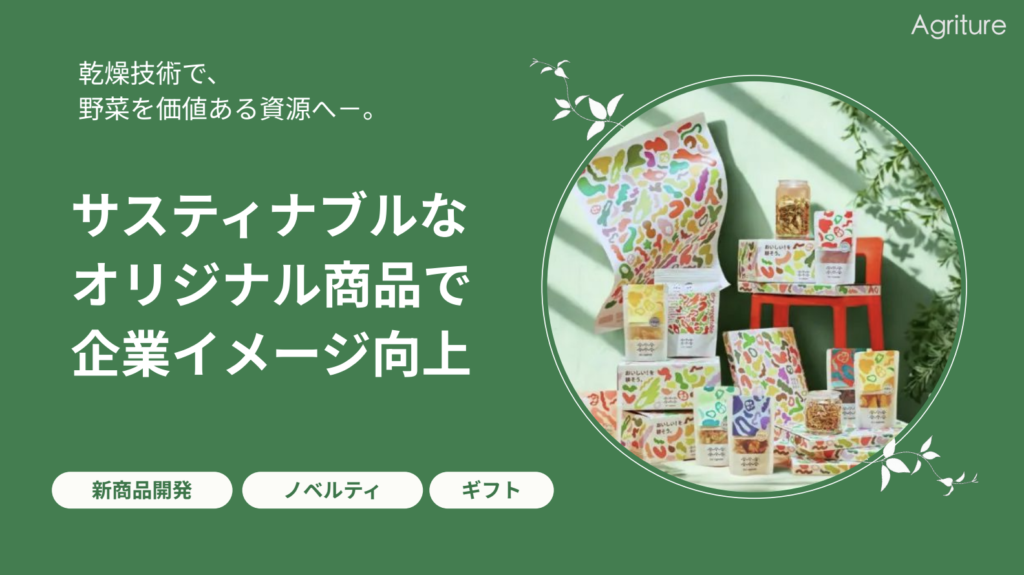
- SDGs-friendly products using non-standard vegetables
- Delivery possible in as short as two weeks
- Small lots from 500 bags
TOC
JFEX Winter (Food & Beverage Business Week) at a Glance
JFEX is held twice a year, in early summer and late autumn, and the late-autumn session is the "Winter Business Week." The next winter session runs November 11–13, 2026 at Tokyo Big Sight. Admission is free with advance visitor registration, and during the show you can move across multiple specialist shows with a single badge. Because it takes place ahead of the year-end and New Year demand season, a characteristic of the winter session is that many buyers come to prepare seasonal gifts and new business relationships.
| Item | 2026 winter session | 2027 winter session |
|---|---|---|
| Dates | November 11 (Wed) – 13 (Fri), 2026 | Not yet announced (check the official website) |
| Venue | Tokyo Big Sight | Tokyo Big Sight (same venue as usual) |
| Admission | Free (advance visitor registration required) | Free (advance visitor registration required; planned) |
| Organizer | RX Japan LLC | RX Japan LLC |
Exhibitors and visitors differ somewhat between the early summer session (usually June–July) and the winter session, so you can use them in sequence, getting a sense of the market at one and firming things up at the other. The winter session is also when information gathering starts for shelf changes after the New Year and for spring and summer product planning, so finding the seeds of next season's deals during your visit makes planning easier.
What Companies and Products Gather at This Business Week
Food and Beverage Categories Eligible for Exhibition
A wide range of foods and beverages is exhibited, from processed foods such as confectionery, seasonings, retort pouches, frozen foods and dried goods, to alcoholic beverages such as wine, sake and spirits, premium foods for gifts, and fresh fruit and vegetables, meat and seafood. Because JFEX organizes these into specialist shows by category, visitors can efficiently tour the zones for the categories they are looking for. Long-lasting processed foods and items that convey a Japanese character are easy to handle not only for domestic retail and restaurants but also in export business meetings.
Items that tend to come in small lots from a single growing region can more easily meet the volumes buyers need when multiple producers or regions exhibit together. Processed foods given a longer shelf life by drying, freezing or retort packing make it easier to move forward with new business partners and distant buyers, and are a form likely to get a response in winter session business meetings.
Who the Buyers Are
Visitors are mainly purchasing staff and PB developers from domestic retailers, wholesalers and restaurant chains, along with buyers from overseas importers and trade support organizations. Because the winter session comes ahead of the year-end and New Year demand season, staff looking for new products for seasonal gifts and special events are active. Being ready at the booth to make proposals while asking "on which sales floor, in what volume and at what price range do you want to stock this?" makes the most of limited meeting time.
The advantage of this business week is that domestic and overseas buyers mix in the same venue. Preparing both domestic staples and shelf-stable, long-life types with export in mind lets you switch your presentation to suit each buyer and test multiple sales channels with a single exhibit.
Component Shows Held Concurrently in the Winter Session
JFEX consists of multiple specialist shows dividing foods and beverages by category, and in the winter session an export trade show dedicated to Japanese foods is also held alongside them. The biggest advantage of attending as a business week is that you can move purchasing, PB development and export discussions forward together without changing venues.
| Component shows | Coverage |
|---|---|
| Processed food show | Processed foods such as confectionery, seasonings, frozen foods, retort pouches and dried goods |
| Wine and alcoholic beverage show | Alcoholic beverages such as wine, sake and spirits |
| Premium food show | Gifts and high-value-added foods |
| Fresh food show | Fresh products such as fruit and vegetables, meat and seafood |
| Japanese food export trade show | Japanese foods and beverages for overseas buyers |
For businesses aiming to export, a trade show for exporting Japanese foods is available. If you want to focus your preparation on direct business meetings with overseas buyers, also see the guide to Japanese Food Export EXPO. In the winter session, this export trade show and each JFEX specialist show are lined up in the same venue, so you can pursue both domestic and overseas sales channels in a single visit.
Highlights for visitors and exhibitors
Direct Business Meetings with Buyers from Japan and Abroad
The biggest highlight is the opportunity to talk directly with purchasing staff and PB developers. Along with materials and tastings, having price ranges, minimum lot sizes and available shipping periods summarized at hand lets you start aligning terms on the spot. Instead of stopping at exchanging business cards, record each buyer's interests and contact details so it is easier to follow up after the show.
Finding Products for the Year-End, New Year and Spring Selling Seasons
The winter session is when the search for products for year-end and New Year gifts and events, as well as shelf changes after the New Year, gets underway. Highly seasonal items and gift products that stand out through packaging align with visitors' interests at this time of year. Preparing proposals that anticipate how the product will be presented on the sales floor makes it easier for buyers to picture it in their own stores.
Gathering Seminar and Industry Information
During the show, seminars on food trends, exports and market development are held. For businesses about to take on new sales channels, they are a chance to learn about both successes and challenges in a short time. Talks related to exports fill up quickly, so reserve seats early for seminars you want to attend.
For companies considering exhibiting
Exhibitors include food manufacturers, producers and joint exhibits by growing regions that want to open new sales channels. Details on exhibiting plans and fees can be obtained from the organizer, RX Japan Ltd., or through the official inquiry desk. Since the winter session features multiple specialist shows, identifying which show's zone your products fit and preparing samples and brochures that appeal to those visitors makes the most of limited meeting time.
Preparing a single sheet summarizing price, lot size and shipping terms along with long-lasting tasting samples lets you start aligning terms on the spot. If exports are also in view, preparing separate English-language materials and samples that are easy to carry home at room temperature lets you serve both domestic and overseas buyers.
Visitor registration and how to participate
Once you complete advance registration on the official website, you receive the data for the entry badge used on the day. You can avoid crowds at reception on the day and select the booths you want to meet from the exhibitor list before the show. Tokyo Big Sight Station (Yurikamome Line) or Kokusai-Tenjijo Station (Rinkai Line) are convenient for access. The winter session is close to year-end and hotels in the area get busy, so if you are coming from afar for multiple days, arranging things early gives you peace of mind.
[For This Business Week] Tips from Agriture's Perspective
In winter session business meetings, items that can be shipped at room temperature and convey a Japanese character at a glance are easy to work with. Vegetables and fruit that do not keep fresh become light, less fragile and easy to carry home once dried or powdered. Agriture processes dried vegetables, vegetable powders, tea and dried fruit, and can help design "shippable forms" usable for both domestic sales channels and exports, starting from the raw material selection stage.
Buyer reactions gathered in business meetings become material for your next product. Take home requests such as "please tone down this flavor" or "please split this packaging into smaller portions," prototype in small lots and then go into the next meeting to speed up planning. The positive response you get in year-end and New Year business meetings can be carried straight into commercialization for the next season.
Tea and Dried Fruit Novelties to Hand Out at Year-End Business Meetings
Many buyers who come to Business Meeting Week in November are looking for material to decide their year-end and New Year sales floors. Since it is a place to quickly narrow down candidates for year-end gifts, homecoming souvenirs and new winter products, whether they can taste your product on the spot decides whether it leads to approval within the year.
Hold Business Meetings in November, When Year-End Shelves Are Decided
Holding the show in November lines up exactly with the period when retailers and restaurants finalize purchasing for year-end gifts, osechi (New Year dishes) and new winter products. In a season when people crave warm drinks, brewing tea from a tea bag on the spot and having buyers drink it lets you move the meeting forward while they picture their winter sales floor. Individually wrapped dried pear is easy for buyers to take home as a sample for year-end or New Year gifts, leaving a sense of the season in the hands of buyers who want to get approval moving before the year ends.
Toward Fiscal Year-End Preparations and Next Spring's Products
Reactions gathered at the show can go straight into commercialization after the New Year. An advantage of the winter show is that it is easy to be in time for preparations toward the fiscal year-end in March and for planning new spring products. Agriture can prepare tea bags, dried pear made from Nijisseiki pears grown in Kyotango, and dried products and vegetable powders from off-spec vegetables in small lots from 50 bags, and can also discuss packaging that matches your client's labeling. A single bag handed out at winter meetings can become the starting point for a product that lines the shelves next season.
We have materials available to help you understand vegetable-based novelties
- SDGs-friendly products using non-standard vegetables
- Delivery possible in as short as two weeks
- Small lots from 500 bags
FAQ: JFEX Winter (Food & Beverage Business Meeting Week)
- When is the winter show held?
-
The next winter show is November 11–13, 2026, at Tokyo Big Sight. The dates for the 2027 winter show had not been announced when this article was written, so check the official website for the latest information.
- What is the difference between the summer and winter shows?
-
Both are held at Tokyo Big Sight, split into two shows a year, in early summer (usually June–July) and late autumn. The winter show comes just before the year-end and New Year peak season, so it is a time when searches for seasonal gifts and event-sale products are especially active.
- Is there an admission fee?
-
Admission is free if you register as a visitor in advance. Without advance registration, there may be a charge at on-site reception, so it is safest to register early on the official website.
- Can we also discuss exports?
-
Yes. At the winter show, a business meeting exhibition specializing in exports of Japanese food runs alongside JFEX's specialist exhibitions. An advantage of Business Meeting Week is being able to pursue both domestic and overseas sales channels in a single visit.
- Can novelties for business meetings be made in small lots?
-
Yes. Agriture can prepare tea bags and dried pear from Kyotango, among other items, in small lots from 50 bags, and the items you want to propose in meetings can be handed over directly as prototype samples.
Summary: Moving Year-End and Next Spring's Business Forward at JFEX Winter
JFEX Winter (International Food & Beverage Business Meeting Week) is a business meeting exhibition held at Tokyo Big Sight from November 11 to 13, 2026 (free admission with advance visitor registration). Because it coincides with the time when year-end sales floors are finalized, you can move talks forward with buyers looking for seasonal gifts and new winter products, with approval within the year in view. Reactions gathered at the show can also feed into fiscal year-end preparations and spring product development. Prepare bags suited to the season, such as warm tea or giftable dried pear, and build your winter and spring business by first checking which buyers respond to which.
Official information: JFEX International Food & Beverage Expo official website

Recommended reading
Commercial dried vegetables / Original vegetable novelties / International Food Logistics EXPO / Japanese Food Export EXPO
Last updated: August 12, 2026
Download the novelty materials
We will send the materials to your email address based on the information you provide.
