Drink Japan

Drink Japan is a specialized trade show focused on development and manufacturing technology for beverages, alcoholic drinks and liquid foods. You can see the entire drink-making process, from raw materials and additives to filling, sterilization, containers and packaging, manufacturing equipment and quality control. Because product developers at beverage manufacturers and factory production engineers come looking for new ingredients and equipment, it is a good place for exhibitors to pitch ingredients that can be used in beverages. This article covers dates, venue, concurrent shows and visitor registration, as well as ideas for novelties that help beverage developers remember your ingredients.
We have materials available to help you understand vegetable-based novelties
Agriture OEM, flexibly handling everything from small lots to large lots
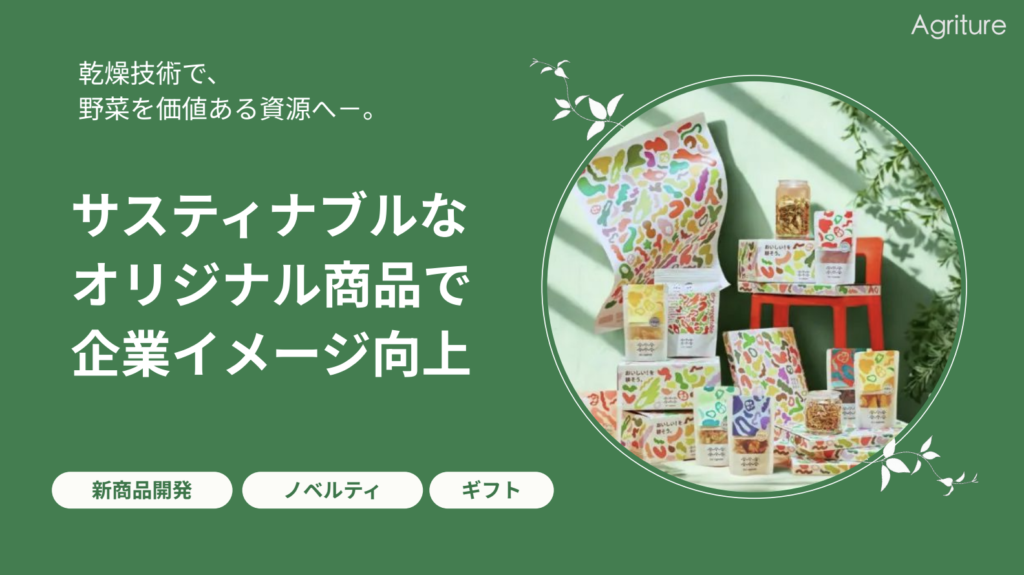
- SDGs-friendly products using non-standard vegetables
- Delivery possible in as short as two weeks
- Small lots from 500 bags
TOC
Basic information on Drink Japan
The most recent show runs November 18 (Wed) - 20 (Fri), 2026, at Tokyo Big Sight. Entry is free with advance visitor registration. Because the show focuses on the limited theme of beverages, alcoholic drinks and liquid foods, visitors are mainly people involved in making drinks, and it readily leads to negotiations on ingredients and equipment.
| Item | 2026 show | 2027 show |
|---|---|---|
| Dates | November 18 (Wed) - 20 (Fri), 2026 | Not yet announced (check the official website) |
| Venue | Tokyo Big Sight | Not yet announced (check the official website) |
| Admission | Free (advance visitor registration required) | Not yet announced |
| Concurrent shows | Food Factory Week / Restaurant Industry Innovation Week | Not yet announced |
| Organizer | RX Japan LLC | RX Japan LLC |
Drink Japan is a trade show centered on the technology for making beverages and liquid foods. Unlike comprehensive shows covering food in general, visitors' interest is focused on drinks, so its structure makes it easy to use as a place to propose ingredients that can be developed into beverages and the processing technologies beverage manufacturers are looking for. Whether exhibiting or visiting, its strength is that conversations start easily around the shared theme of beverage development.
What companies and products does it attract?
Eligible categories
Exhibits center on what goes into drinks, such as beverage raw materials, functional ingredients, flavors and sweeteners, and on manufacturing equipment such as fillers, sterilizers, tanks, containers and caps. In addition, factories offering contract beverage manufacturing (OEM) and businesses supporting liquid food prototyping also exhibit. With the ingredients, production equipment and containers that make up a drink all in one venue, visitors can see the entire development process.
On the ingredient side, proposals for ingredients that can be turned into beverages, such as tea leaves, fruit juices, vegetable-derived raw materials and powders dissolved in water or milk, tend to draw visitors' interest. Unlike equipment or containers, the merits of an ingredient come across in a single tasting, making it a category well suited to hands-on experiences at the booth.
Who attends
Visitors are mainly product developers at beverage and alcoholic drink manufacturers, factory production engineering and quality control staff, and product planning and marketing staff planning new beverages. Businesses wanting to launch new drinks, such as cafe chains, restaurants and health food manufacturers, also attend. What they share is the aim of finding ingredients and technologies for their next drink.
Developers place importance on being able to check the taste on the spot. Rather than just handing out brochures, having a setup where visitors can actually drink the product and you can hear their sensory reactions, such as aroma, aftertaste and solubility, on the spot makes it more likely to lead to prototype requests later.
Concurrent specialized shows
Drink Japan is held concurrently with Food Factory Week, which specializes in solving food factory challenges, and Restaurant Industry Innovation Week, aimed at the restaurant industry. At the same venue, related exhibits cover not only what goes into drinks but also food factory automation and labor-saving, hygiene and safety, and more efficient store operations, so visitors can see everything from beverage development to manufacturing and serving in one visit.
When launching a new beverage, you only reach release once you have arranged not just the ingredients but also a factory for mass production and a filling system. With related specialized shows right next to each other, this venue can also be used to find partners for the processes your company lacks, all at once. The lineup of concurrent shows may change from year to year, so check the official website.
Highlights for visitors and exhibitors
Ingredient proposals through tastings
A highlight unique to a beverage show is negotiation that moves forward while experiencing the taste on the spot. Developers judge by their impression when actually drinking rather than by written specifications. Preparing small tastings at your booth, served in different ways such as with water, hot water or milk, lets you adjust how you present an ingredient to the situations in which the other party wants to use it.
Gathering information on manufacturing, filling and containers
Even once the contents of a beverage are decided, its taste and shelf life change depending on the filling method, container and sterilization conditions. At the venue, equipment and container manufacturers bring actual machines and samples, so you can consult on the beverage format you have in mind. For those proposing ingredients, knowing what equipment the other party uses for mass production also makes it easier to make proposals within what can realistically be achieved.
Keeping up with development trends at seminars
During the show, seminars are held on beverage development and manufacturing technology. For staff about to plan a new beverage, they are a chance to quickly grasp market movements and key manufacturing points. Sessions on development trends are popular and sometimes fill up, so sign up in advance for the talks you want to attend.
For companies considering exhibiting
Eligible exhibitors include raw material manufacturers and processors with ingredients usable in beverages, manufacturing equipment and container manufacturers, and factories providing contract beverage manufacturing. Check exhibit types and booth fees with the organizer, RX Japan LLC, or through the contact point on the official website. At a beverage show, having people drink the product on the spot is the entry point to negotiations, so preparing a tasting flow and a one-page summary of the key taste points helps you make the most of limited time.
If you are exhibiting ingredients, preparing tastings for each intended beverage format (tea, fruit drinks, dissolvable drinks, etc.) makes it easier for developers to picture them in their own products. If the samples you hand out at your booth are portioned so they can be taken home and reproduced in-house, visitors will remember your company when they review them back at the office.
Visitor registration and how to participate
When you pre-register on the official website, you receive the badge data used for entry. Pre-registering lets you avoid congestion at reception on the day and look at the exhibitor list before the show to choose the booths you want to visit. To get to the venue, use Tokyo Big Sight Station on the Yurikamome or Kokusai-tenjijo Station on the Rinkai Line. If you are traveling from far away and staying overnight, hotels near the venue tend to fill up early, so book in advance.
Tips for companies with ingredients that can be developed into beverages
Since beverage developers gather at this show, it can be used as a place to propose ingredients that can be turned into drinks. Tea bags, vegetable powders dissolved in water or milk, and dried fruit used for flavoring are ingredients that can be developed directly into beverages. Agriture processes dried off-spec vegetables, vegetable powders, tea bags, dried pears made from Kyotango-grown Nijisseiki pears and more, and you can consult us from the raw material selection stage on designing formats that are easy to use in beverages.
Developers' reactions at the show become material for your next prototype. If you take home requests such as "make this aroma a little lighter" or "make it dissolve more easily in water," produce small-lot prototypes and then go into the next meeting, you can move beverage projects forward quickly.
Ingredient novelties for tasting and sampling to hand out at a beverage show
At this show, where your audience is beverage manufacturers' developers, ingredients that can be drunk on the spot and taken home to test are exactly what leads to talks about the next prototype. If you design the novelties you hand out at your booth to double as beverage ingredient samples, handing them out becomes an ingredient proposal in itself. Tea bags, dissolvable vegetable powders and dried fruit for flavoring are novelties well suited to this show's visitors.
Drinkable samples become beverage ingredient proposals in themselves
Developers want to check taste and usability with their own hands. Tea bags and individually packed powders can be brewed and tasted at the booth on the spot, and can also be taken home and reproduced in-house. If your novelties are ingredients that can be served in different ways, such as vegetable powders dissolved in water, powders paired with milk, or dried fruit for adding aroma, you can show their potential in line with the drink the other party wants to make. Agriture can prepare tea bags, vegetable powders, dried pears and apples and more in small lots, so the candidate beverage ingredients themselves can be handed out as samples.
From samples to beverage OEM and prototypes
Tea and vegetable powder samples handed out at the booth can double as beverage prototypes. Because they can be made in small lots (from 50 bags), you can also prepare several variations in flavor and formulation to see which developers responded to which. Ingredients that got a positive response in tastings can move straight to prototypes for mass production, which may lead to beverage OEM or new product development. Because you can consult us on everything including packaging and how the drink is served, you can quickly connect the response you got at the show to your next prototype.
We have materials available to help you understand vegetable-based novelties
Agriture OEM, flexibly handling everything from small lots to large lots
- SDGs-friendly products using non-standard vegetables
- Delivery possible in as short as two weeks
- Small lots from 500 bags
FAQ: Drink Japan
- Is there an admission fee?
-
Entry is free if you register as a visitor in advance. Same-day registration may be charged, so pre-registration on the official website is required for free entry.
- What are the dates and venue for 2026?
-
It will be held November 18 (Wed) - 20 (Fri), 2026, at Tokyo Big Sight. The dates and venue for 2027 have not been announced, so please check the official website for the latest information.
- Can companies other than beverage manufacturers attend or exhibit?
-
Yes. A wide range of companies involved in making drinks take part, including raw material and processing businesses with beverage ingredients, container and equipment manufacturers, and factories providing contract beverage manufacturing. Many businesses planning to launch beverages also attend.
- Is it effective to offer tastings at the booth?
-
At a beverage show, being able to check the taste on the spot is the entry point to negotiations. Preparing small tastings served in different ways, such as with water, hot water or milk, lets you convey the merits of an ingredient in line with the drink the other party wants to make.
- Can ingredient novelties for handing out be made in small lots?
-
Tea bags and vegetable powders can be prepared from 50 bags. You can also make several variations in flavor and formulation in small quantities, see how people respond in tastings, and then move on to prototypes for mass production.
Summary: pitching beverage ingredients at Drink Japan
Drink Japan is a specialized trade show focused on the development and manufacture of beverages, alcoholic drinks and liquid foods, held November 18-20, 2026, at Tokyo Big Sight. Because beverage manufacturers' developers and factory production engineers gather there, it is a good place to pitch ingredients that can be developed into drinks. If you hand out tea bags, vegetable powders to dissolve in water or milk, and dried fruit for flavoring as samples, and build a flow from on-the-spot tastings to beverage OEM and new product prototypes, it becomes easier to turn the response at the show into your next move.
Official information: Drink Japan official website

Recommended reading
Commercial dried vegetables / Original vegetable novelties / ifia JAPAN 2026 / Health Food Expo
Last updated: August 12, 2026
Download the novelty materials
We will send the materials to your email address based on the information you provide.
- Restaurant Industry Innovation Week Tokyo
- JFEX Winter (7th International Food & Beverage Business Week)