FABEX Kansai 2026

FABEX Kansai is one of western Japan's largest commercial food trade shows, specializing in prepared foods, deli, bento, ready-made meals and restaurants. Held at INTEX Osaka, it brings together food manufacturers, foodservice wholesalers, prepared food buyers from supermarkets and convenience stores, and product staff from restaurant chains in the Kansai and Kinki regions. Its trade area and visitor profile differ from the shows of the same name held in Tokyo and Chubu, and it is characterized by its closeness to Kansai's ready-made meal and restaurant operations. This article covers dates, venue, eligible exhibitors and visitor registration, along with how to prepare so that commercial pitches turn into negotiations, and ideas for novelties that open the door to becoming a regular item through those negotiations.
We have materials available to help you understand vegetable-based novelties
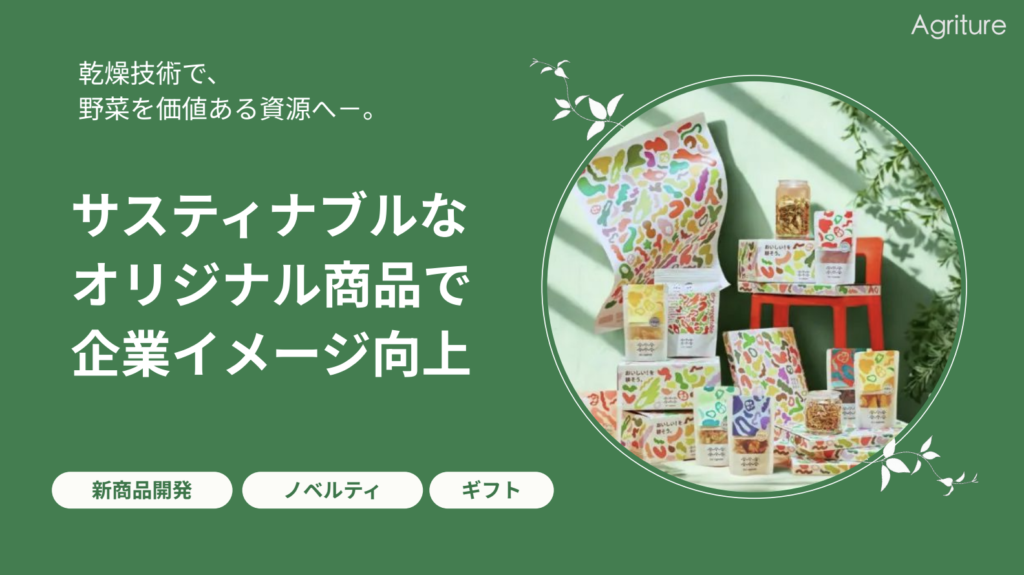
- SDGs-friendly products using non-standard vegetables
- Delivery possible in as short as two weeks
- Small lots from 500 bags
TOC
Basic information on FABEX Kansai
The most recent edition is the 14th, in October 2026. The venue is INTEX Osaka, and entry is free with advance visitor registration. Because it is a specialized show centered on businesses that cook and sell, such as prepared foods, bento, ready-made meals and restaurants, it is a place where exhibitors handling ingredients and materials can easily hold negotiations premised on adoption into menus.
| Item | 14th FABEX Kansai 2026 |
|---|---|
| Dates | October 14 (Wed) - 16 (Fri), 2026, 10:00-17:00 |
| Venue | INTEX Osaka |
| Admission | Free (advance visitor registration required) |
| Organizer | Nihon Shokuryo Shimbun |
| Co-hosted by | All Japan Confectionery Association / All Japan Bread Cooperative Federation |
The dates and venue of the 15th edition the following year (2027) had not been announced at the time of writing. FABEX Kansai is usually held in autumn, so if you are attending with the next show in mind, take home the feedback from this year's negotiations and finish prototypes and quotes before the next one to keep negotiations going. For ingredient manufacturers wanting to develop new customers in Kansai, it is a valuable annual opportunity to meet ready-made meal and restaurant buyers from the Kinki region all at once.
What companies and products does it attract?
Eligible food and related categories
Eligible exhibits range widely, from finished ready-made meal products such as prepared dishes, bento and cooked foods to the ingredients and materials that support them, food machinery and equipment, containers and packaging materials, kitchen equipment and information systems. Because the Kansai edition is directly connected to ready-made meal and restaurant operations, commercial ingredients that stores and central kitchens use with a little extra preparation are as much the focus as finished products placed on shelves as they are. Ingredients that lower both menu cost and labor, such as dried vegetables, vegetable powders and soup bases, are a category that fits well with this show's visitors.
Kansai is a trade area with a strong commitment to flavor, as seen in its konamon (flour-based food) and dashi cultures. Ingredient quality and origin stories are readily appreciated, but the balance between price and stable supply is also strictly scrutinized. Even vegetables that tend to be small-lot from a single growing region can more easily meet the quantities and consistent quality commercial users require once processed to uniform specifications.
Commercial buyers and operations staff who attend
Visitors are mainly prepared food and deli manufacturers, bento and institutional meal producers, prepared food buyers from supermarkets and convenience stores, menu developers at restaurant chains, and wholesalers and trading companies handling commercial food in the Kansai and Kinki regions. All of them have operations that make and sell every day, so they decide on adoption based not only on taste but also on practical conditions such as preparation labor, yield and ease of storage.
Being prepared at your booth to make proposals while finding out which business type and which menu the visitor wants to use the product for improves the quality of negotiations. Even with the same dried vegetables, a shop wanting to add color to prepared dishes and a shop wanting to use them as a soup base need different forms and rehydration times. If you can picture the other party's operation and sketch out uses together on the spot, it is more likely to lead to a quote request later.
Concurrent specialized shows
FABEX Kansai is held at the same venue at the same time as several specialized shows. With the Kansai Dessert, Sweets & Bakery Show, Cafe & Drink Show Kansai, Regional Food Brand Fair, Osaka Global Food Show and the Smart Food Factory Show side by side, a single visit covers everything from ready-made meals and restaurants to sweets, drinks, regional brands and factory labor-saving.
This lineup also widens the opportunities for those selling ingredients. For example, dried vegetables and powders can be used not only in prepared foods but also in bakery doughs, cafe drinks and regional brand products. With related specialized shows right next to each other, you may meet buyers from business types you hadn't anticipated, leading to new uses.
Highlights for visitors and exhibitors
Direct negotiations with Kansai's ready-made meal and restaurant buyers
The biggest highlight is being able to talk directly, from an operations perspective, with ready-made meal and restaurant buyers from the Kansai and Kinki regions. Beyond tastings and brochures, being ready to answer on the spot about commercial unit prices, minimum lots, annual supply outlook and storage conditions moves adoption discussions a step forward. Rather than ending with an exchange of business cards, recording the other party's business type and interests lets you make concrete proposals when following up after the show.
Tasting proposals premised on menu development
Ready-made meal and restaurant visitors respond more to what kind of dish can be made with an ingredient than to the ingredient itself. Preparing tastings close to finished menu items, such as dried vegetables rehydrated into dressed dishes or fillings, or powder dissolved into sauces or potage, conveys what adoption would look like. If you can add how cost and preparation time would change, operations staff find it easier to get approval internally.
Gathering information on labor-saving and cost control
With labor shortages and rising raw material costs continuing, ready-made meal and restaurant operations are under pressure to streamline preparation and review costs. Including the concurrent Smart Food Factory Show, the venue lets you see measures for labor-saving and yield improvement all together. Pre-processed dried ingredients reduce steps such as washing, cutting and discarding, so they can be proposed as a concrete answer to these challenges.
Ingredients that are easy to handle commercially, and common stumbling points
Ingredients likely to be adopted by ready-made meal and restaurant businesses
Dried vegetables and vegetable powders, which keep for a long time at room temperature and can be rehydrated in just the amount needed, are easy to handle commercially because they reduce both inventory loss and preparation labor. They directly address common operational concerns: supplementing color, use in soups and doughs, and stable procurement less affected by weather-driven swings in fresh produce prices. The fact that even small amounts let people experience the flavor and how they rehydrate also makes them suitable for first proposals.
Common stumbling points
In commercial use, even good-tasting products are not adopted if supply is unstable or if lots and specifications don't fit operations. If rehydration time or texture differs from expectations, they are hard to incorporate into existing operations. Handing over rehydration procedures and standard usage amounts with samples, and showing that you can adjust form and specifications to fit the customer's operations, makes these stumbling points easier to avoid.
For companies considering exhibiting
Eligible exhibitors include food manufacturers, growers and joint exhibits by growing regions that want to expand commercial sales in the Kansai and Kinki regions. Details on booth spaces and costs can be confirmed with the organizer, Nihon Shokuryo Shimbun, or through the contact point on the official website. To make the most of limited negotiation time, it is effective to decide whether to target prepared foods, bento, restaurants or bakeries, and to prepare tastings and proposal materials tailored to that business type's menus.
Preparing a one-page summary of commercial unit prices, lots and supply periods, along with materials showing menu examples in photos, lets you move straight into aligning terms on the spot. If the samples you hand out at your booth are small bags that can be taken back and tried on site, buyers will remember your company when they run in-house trials later.
Visitor registration and how to participate
Pre-registration on the official website is required to attend, and an entry badge is sent after registration. Besides avoiding congestion at reception on the day, you can research exhibitors before the show and choose the booths you want to visit. INTEX Osaka can be reached from Cosmosquare Station on the Osaka Metro Chuo Line or Nakafuto Station on the New Tram. The area gets crowded during the show, so if you are coming from far away for several days, arranging accommodation and transport early is advisable.
Tips for businesses pitching to Kansai's ready-made meal and restaurant sector
In Kansai's ready-made meal and restaurant sector, a strong commitment to flavor coexists with strict demands on cost and labor-saving. Vegetables that are hard to handle fresh become ingredients that add color and umami while saving preparation labor once dried or powdered. Agriture processes dried off-spec vegetables, vegetable powders and dried vegetable soups, and you can consult us from the raw material selection stage on designing forms, rehydration times and specifications to suit commercial operations.
Feedback received at the venue becomes material for adjusting flavors and specifications to suit Kansai's ready-made meal and restaurant businesses. If you take home requests such as "cut these vegetables a little finer" or "adjust the soup's salt content to our business type," produce small-lot prototypes and then go into the next meeting, you can reach regular adoption faster.
Dried vegetable samples that can be given to prepared food makers, bakers and wagashi makers alike, with uses adapted to each
With the All Japan Confectionery Association and the All Japan Bread Cooperative Federation joining as co-organizers, FABEX Kansai draws not only prepared food and restaurant buyers but also bakers and wagashi makers. When the business types of visitors are this varied, handing out the same materials reaches only a limited audience. That is where small-bag samples of dried vegetables, which can be presented differently for each business type, are effective. If you hand them out with a quick note, as an ingredient or color accent for prepared foods, or as a mix-in for bread dough, visiting buyers can picture them in their own products.
A bag that also reaches bread and wagashi buyers from the co-organizers
Even the same dried vegetables and powders are used differently depending on the recipient: color for prepared dishes, a mix-in for bakery dough, cafe drinks, regional brand products. Adding a note to small-bag samples on how the product can be used in a given business type conveys its uses on the spot, even to buyers coming over from the co-organizing bread and wagashi associations or the concurrent cafe show. Beyond finished products prepared for tasting, small bags of the ingredient itself get taken home by buyers intending to test them on their own lines.
Toward prototypes that extend one ingredient across multiple sales floors
In Kansai, a strong commitment to flavor coexists with strict attention to cost. Reactions to the samples you hand out differ by business type, which reveals the direction for finishing: a rehydratable form for prepared foods, a particle size that can be mixed straight into dough for bakeries. Agriture can prepare dried vegetables, vegetable powders and dried vegetable soups in small lots (from 50 bags), and you can move straight into prototypes with particle size and flavor adjusted for each business type. Using the response you got at the venue as a guide, you can refine specifications while deciding which sales floor to target: prepared foods, bakery or wagashi.
We have materials available to help you understand vegetable-based novelties
- SDGs-friendly products using non-standard vegetables
- Delivery possible in as short as two weeks
- Small lots from 500 bags
FAQ: FABEX Kansai
- Is there an admission fee?
-
Entry is free if you register as a visitor in advance. A fee may apply if you enter on the day without registering, so we recommend pre-registering on the official website.
- How is it different from FABEX in Tokyo or Chubu?
-
The venue and trade area differ: the Kansai edition is held at INTEX Osaka, and visitors are mainly prepared food, ready-made meal and restaurant buyers from the Kinki region. If you want to develop new customers in Kansai, this Kansai edition is the place to negotiate.
- Can we exhibit or attend without a track record of transactions?
-
Yes. Many visitors are businesses looking to expand sales in Kansai, and attending first to see how ready-made meal and restaurant buyers respond is also a useful approach. For ingredient manufacturers, it is also a place to collect firsthand requests from operations.
- Is a show planned for 2027?
-
At the time of writing, the dates and venue of the next (15th) edition have not been announced. FABEX Kansai is usually held in autumn, so please check the official website for the latest information.
- From what quantity can commercial samples be prepared?
-
Agriture's dried vegetables, vegetable powders and dried vegetable soups can be prepared in small lots (from 50 bags). You can rearrange the contents to suit the recipient's business type and hand them over together with menu proposal materials.
Summary: aiming for regular adoption by ready-made meal and restaurant businesses at FABEX Kansai
FABEX Kansai is one of western Japan's largest commercial trade shows, covering prepared foods, deli, bento, ready-made meals and restaurants, joined by wagashi and bread makers from the co-organizing associations. The 14th edition will be held October 14 (Wed) - 16 (Fri), 2026, at INTEX Osaka. In addition to direct negotiations with Kinki-region buyers, it creates encounters that extend one ingredient across multiple sales floors, from the co-organizing bread and wagashi makers to the concurrent cafe and regional brand shows. If you want to gain customers in Kansai, handing out small-bag samples of dried vegetables whose uses can be adapted to each business type, together with a menu proposal for each, opens doors not only in prepared foods but also on bakery and wagashi shelves.
Official information: FABEX Kansai official website
Official information: FABEX Kansai official website

Recommended reading
Commercial dried vegetables / Original vegetable novelties / West Japan Food Industry Creation Fair ’26 / FOOD Exhibition 2026
Last updated: August 12, 2026
Download the novelty materials
We will send the materials to your email address based on the information you provide.