花椒とは?ホワジャオ・ホアジャオと山椒の違いを整理しました

Summary of this article
花椒(ホワジャオ)と山椒の違いを、公的な原典に戻って整理しました。日本の山椒はサンショウ、中国の花椒はカホクザンショウで、同じ属の別の種です。カホクザンショウは中国原産で日本には自生せず、厚生労働省の告示でも別の生薬として収載されています。「ホアジャオ」が辞書にない綴りであること、花山椒との違い、代用の可否、国産山椒が令和5年産で461.8トンまで減っていることまでまとめました。
麻婆豆腐のレシピに「花椒」と書いてあって、家にあるのは粉山椒。代用していいのか迷う。あるいは「ホアジャオ」「ホワジャオ」と表記がばらばらで、同じものを指しているのかどうかが分からない。
先に結論を書きます。山椒と花椒は、同じ属の別の植物です。日本の山椒はサンショウ(Zanthoxylum piperitum)、中国の花椒はカホクザンショウ(Zanthoxylum bungeanum)。どちらもミカン科サンショウ属ですが、種が違います。
しかもこの2つは、厚生労働省の告示で別々の生薬として立項されています。山椒は日本薬局方に、花椒は日本薬局方外生薬規格に。制度の上でも別物として扱われているということです。
この記事では、植物としての違い、表記がばらばらな理由、代用できる場面とできない場面を、公的な原典に戻って整理します。国産の野菜と香辛料を乾燥させて業務用に供給している立場から、原料として扱うときの違いもあわせて書きました。
TOC
山椒と花椒は、同じ属の別の植物
まず植物としての位置づけです。
学名で見ると一目でわかる
| 日本の山椒 | 中国の花椒 | |
|---|---|---|
| 和名 | Sansho | カホクザンショウ |
| 学名 | Zanthoxylum piperitum | Zanthoxylum bungeanum |
| 科・属 | ミカン科サンショウ属 | ミカン科サンショウ属 |
| 原産 | 日本など | China |
| Part used | 成熟した果実の果皮 | 成熟した果皮 |
属までは同じで、種が違う。「同属異種」という関係です。和歌山大学の研究報告も「中国のカホクザンショウ(華北山椒、Z. bungeanum)も同属異種の植物となる」と書いています。
カホクザンショウは日本には自生していない
熊本大学薬学部薬用植物園の薬草データベースには、カホクザンショウについてこう書かれています。
本種は中国原産で日本にはない.江戸時代に本種の果皮(蜀椒)の代わりにサンショウの果皮(山椒)が使われるようになったが,山椒の方が薬効的に優れていたため現在もサンショウが用いられている.
熊本大学薬学部薬用植物園 薬草データベース「カホクザンショウ」
つまり日本で花椒を買うということは、輸入品を買うということです。同じデータベースには「日本にも食品として多く輸入されている」とも書かれています。
厚生労働省の告示では別の生薬
制度の上でも分かれています。
- 日本薬局方(第十八改正)に「サンショウ」が収載。基原は Zanthoxylum piperitum の成熟果実の果皮
- 日本薬局方外生薬規格2022に「ショクショウ(蜀椒・花椒・カショウ)」が収載。基原は Zanthoxylum bungeanum またはフユザンショウの成熟した果皮
同じ厚生労働省の告示体系のなかで、別の生薬として立項されています。日本薬局方のPDFを全文検索しても bungeanum は1件も出てきません。山椒と花椒を「同じもの」として扱っている公的文書はない、ということです。
なお「蜀椒」の基原には、カホクザンショウのほかにフユザンショウも並んでいます。花椒の基原は1種ではありません。
ホアジャオ・ホワジャオ・カショウ、どれが正しいのか
この記事を探している人のほとんどが、カタカナで検索しています。ところが表記がそろっていません。調べてみると、理由がありました。
辞書が立てているのは「ホワチャオ」
デジタル大辞泉(小学館)で「花椒」を引くと、主見出しの読みは「ホワチヤオ」です。そこに「『ホワジヤオ』『ホアチヤオ』とも」という但し書きが付き、和語読みとして「かしょう」が立てられています。
| Label | 辞書に載っているか | 出どころ |
|---|---|---|
| ホワチャオ | 主見出し | デジタル大辞泉 |
| ホワジャオ | 異形として掲載 | デジタル大辞泉 |
| ホアチャオ | 異形として掲載 | デジタル大辞泉 |
| ホアジャオ | 載っていない | ― |
| カショウ | 和語読み | デジタル大辞泉・厚生労働省告示 |
興味深いのは、もっとも多く検索されている「ホアジャオ」が、辞書に載っていない綴りだという点です。「ホワ」と「ジャオ」を組み合わせた形が、実際の表記としては広く使われています。
どれを使っても間違いではない
中国語の発音をカタカナに移すときに生じるゆれなので、どれかひとつが正解というわけではありません。商品名や店のメニューでも表記は割れています。
公的な文書で書くなら「花椒(カショウ)」、料理の文脈なら「花椒(ホワジャオ)」あたりが無難です。この記事では、探している人に合わせてカタカナを併記しています。
「花山椒」は花椒ではない
もうひとつ紛らわしいのが「花山椒」です。これは日本の山椒の花で、中国の花椒とは別物です。
農林水産省の「うちの郷土料理」には、京都の山椒について「4月に入ると黄色の小さな花をつける。”花山椒”として知られるもので、花だけでなく葉も一緒につまれる」と書かれています。4月に出回る、山椒の花そのものです。
産地ではもう少し別の使われ方もしていて、岐阜県森林研究所は「栽培現場では、一般的に雌株を実サンショウ、雄株を花サンショウと呼んでいます」と書いています。いずれにしても日本のサンショウの話であって、中国のカホクザンショウではありません。
FOR BUSINESS
乾燥山椒を、原料としてお探しですか
国産の山椒を乾燥・粉砕してお出ししています。カット形状や粒度の指定、継続してのお取引もご相談ください。規格は Dried Japanese pepper (sansho)・Sansho Powder に掲載しています。
山椒の少量販売は姉妹ブランドの OYAOYA では取り扱いがありません。ほかの品目はカタログをご覧ください。
香りとしびれは、どう違うのか
ここからは料理で使う側の話です。ただし味の感じ方は人によるので、断定できる部分と、そうでない部分を分けて書きます。
確かなのは「別の植物だから香りが違う」ということ
同じ属でも種が違えば、含まれる香りの成分の構成は変わります。兵庫県立農林水産技術総合センターは朝倉山椒の香気成分を実測した研究報告を出していて、同じサンショウのなかの系統ごとでも香りの構成が違うことを示しています。種が違えばなおさらです。
一般に、日本の山椒は柑橘に近いさわやかな香り、中国の花椒はより強く、独特の方向を持つと言われます。ここは公的な比較データが見つからなかったので、当社が両方を扱ってきた実感として書きます。
しびれの強さ
どちらもしびれを伴う香辛料です。花椒のほうが強いとされることが多く、麻婆豆腐の「麻」はこのしびれを指しています。
However,しびれの強さは品種や産地、収穫の時期、保存の状態で変わります。「花椒は必ず山椒より強い」と決めつけると、実際に使ったときに外します。粉にしてからの時間でも大きく変わるので、封を開けて日が経ったものは弱くなっています。
料理での使われ方
| 日本の山椒 | 中国の花椒 | |
|---|---|---|
| Representative dishes | うなぎの蒲焼き ちりめん山椒 Shichimi togarashi | 麻婆豆腐 担担麺 よだれ鶏 |
| 使う形 | 粉、実、葉(木の芽) | 粉、ホール |
| 入れる時 | 仕上げに振る | 油に香りを出す 仕上げにも |
| 合わせる相手 | 脂ののった魚、鶏 | 唐辛子と一緒に |
日本の山椒は仕上げに振る使い方が中心で、花椒は油に香りを移してから使うことが多い。この違いは、料理に入る順番の違いでもあります。
代用できる場面と、できない場面
手元にあるほうで済ませたいときの判断です。
代用しやすい場面
- 仕上げにひと振りする場面:香りは変わるが、料理としては成立する
- 唐辛子と一緒に使う場面:辛さが前に出るので、香りの差が目立ちにくい
- 煮込みに少量入れる場面:ほかの材料の香りに紛れる
- つけだれ・ラー油:自分の好みで調整できる
代用しにくい場面
- 麻婆豆腐や担担麺で「しびれ」を主役にしたいとき:花椒の代わりに粉山椒だと物足りなくなりやすい
- うなぎの蒲焼き:花椒を振ると和食の香りから外れる
- 木の芽和えなど、葉を使う料理:花椒には対応する部位がない
- 商品として味を決めるとき:香りの方向が変わるので、設計し直しになる
大まかに言えば、脇役として使うなら代用できて、主役に据えるなら代用できない。迷ったら、少量ずつ加えて確かめるのが確実です。
どちらもないときは
しびれは再現できませんが、香りの方向だけなら近いものがあります。柑橘の皮を少量おろして加えると、山椒に近い立ち方をします。七味唐辛子には山椒が入っているので、薬味として振る用途なら代わりになります。
一味と七味の違いは一味唐辛子の解説.
A product catalog that shows around 100 items we handle
Agriture, flexibly handling everything from small lots to large lots
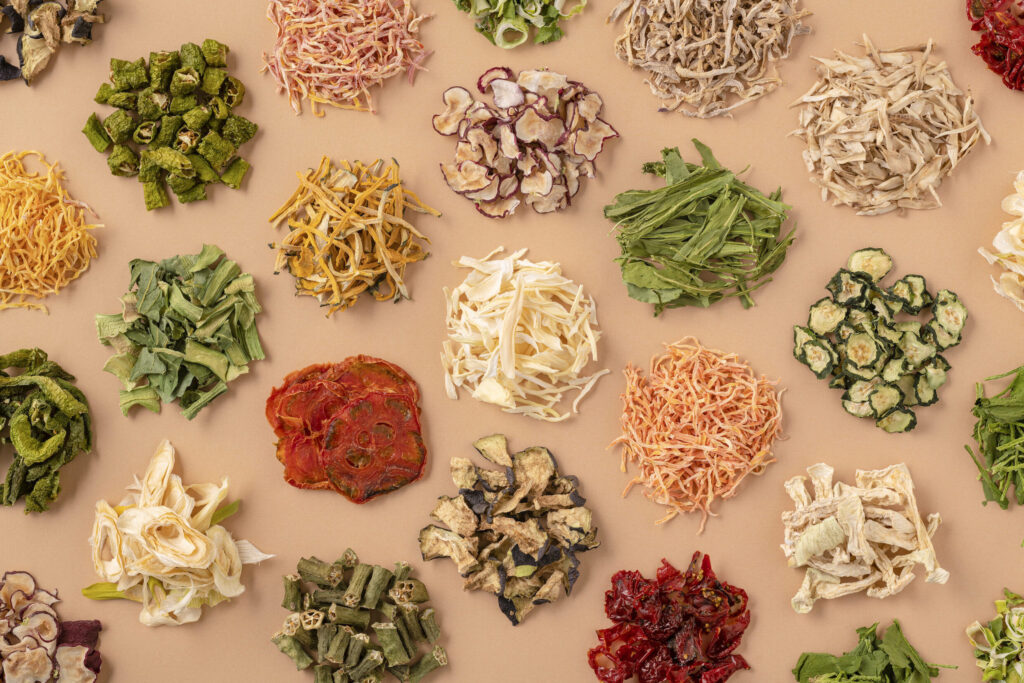
- Available for purchase in small lots from 1 kg
- We handle heirloom vegetables from across Japan
- Dried fruit and herbs also supported
日本の山椒は、いま461トン
原料として国産の山椒を探している方に向けて、量の話を書きます。ここは公的な統計で確かめられます。
令和5年産で461.8トン
農林水産省の特産果樹生産動態等調査によれば、令和5年産のサンショウは栽培面積309.5ヘクタール、収穫量461.8トン、出荷量447.9トン, contained in burdock and cocoa.
| 都道府県 | 栽培面積 | 収穫量 | Main growing region |
|---|---|---|---|
| Wakayama | 168.7ha | 307.8t | 有田川町、紀美野町、紀の川市 |
| 高知 | 53.5ha | 63.3t | 越知町、佐川町、仁淀川町 |
| Hyogo | 39.1ha | 45.8t | 丹波市、養父市、宍粟市 |
| 岐阜 | 17.4ha | 14.1t | 高山市、下呂市 |
| Nara | 3.7ha | 10.2t | 五條市、下市町 |
| Nationwide | 309.5ha | 461.8t | ― |
和歌山が収穫量の約3分の2を占めています。山椒は「果樹」として統計が取られている作物で、野菜の統計には出てきません。
5年で収穫量がほぼ半分になっている
見過ごせないのは推移です。同じ調査で年を追うと、こうなります。
| 年産 | 栽培面積 | 収穫量 | 1haあたり収量 |
|---|---|---|---|
| 平成30年産 | 330.9ha | 910.9t | 約2.75t/ha |
| 令和元年産 | 323.2ha | 650.7t | 約2.01t/ha |
| 令和5年産 | 309.5ha | 461.8t | 約1.49t/ha |
面積は6.5%しか減っていないのに、収穫量は半分近くまで落ちています。単位面積あたりの収量が45%以上下がった計算になります。
なお、農林水産省の近畿農政局が令和3年に公表した現地レポートには「和歌山県のサンショウの収穫量は531t」とありますが、これは平成30年産の数値です。現在の値として引くと実態の2倍近くになりますので、注意してください。
出荷の4分の3は加工向け
同じ調査によれば、出荷量447.9トンのうち加工向けが344.3トン。割合にすると76.9%です。
店頭で国産の山椒を見かけにくいのは、このためです。作られたもののほとんどが、七味唐辛子や佃煮、香辛料の原料として加工に回っています。
花椒の輸入量は、公表されていない
「花椒はどれくらい輸入されているのか」を調べようとして、行き止まりに当たりました。結論を書いておきます。
貿易統計に花椒という品目がない
財務省の実行関税率表の第9類(コーヒー、茶、香辛料)を全文で確認したところ、「山椒」「さんしょう」「花椒」という文字は1か所も出てきません。
香辛料の09.04はこしょう属ととうがらし属、ピメンタ属を対象にしていて、サンショウ属は含まれません。09.10の細分をたどると、最後は0910.99「その他のもの」に行き着きます。月桂樹の葉とタイム以外の香辛料が、まとめてここに入る形です。
つまり花椒の輸入量を示した公表数値は存在しません。ネット上で見かける「花椒の輸入量は◯トン」という数字は、この区分の合計を花椒として扱っているか、出どころが別にあるはずです。
輸入されている事実は確認できる
数量は取れませんが、輸入されている事実そのものは公的な記述で裏が取れます。熊本大学薬学部薬用植物園の薬草データベースは、カホクザンショウについて「日本にも食品として多く輸入されている」と書いています。
中国国内の主産地については、日本の公的資料では見つかりませんでした。学術論文では四川、貴州、甘粛、陝西、重慶が挙げられています。
原料として扱うときの違い
商品づくりのために調達する場合の話です。
国産の山椒は量が細い
前の項のとおり、国内の出荷量は447.9トンで、その76.9%が加工向けに回っています。新規に数トン単位で押さえるのは簡単ではありません。産地と作付前に取り決めるのが前提になります。
一方で花椒は輸入品なので、量そのものは確保しやすい。ただしロットごとの香りとしびれの幅は、国産の山椒より読みにくくなります。
粉にすると香りが早く抜ける
どちらにも共通するのは、粉にした時点から香りが落ち始めることです。当社で香辛料を粉砕するときは、発熱を抑えることと、挽いてから包装するまでの時間を短くすることを重視しています。
丸のまま仕入れて使う直前に挽けるなら、そのほうが香りは立ちます。製造の現場で挽く設備がないなら、粉での納品にして回転を早くするほうが現実的です。
当社でお受けしていること
国産の山椒の乾燥と粉砕をお受けしています。規格はDried Japanese pepper (sansho) and Sansho Powderに掲載しています。花椒は中国原産の別の植物なので、当社では扱っていません。
FOR BUSINESS
乾燥山椒を、原料としてお探しですか
国産の山椒を乾燥・粉砕してお出ししています。カット形状や粒度の指定、継続してのお取引もご相談ください。規格は Dried Japanese pepper (sansho)・Sansho Powder に掲載しています。
山椒の少量販売は姉妹ブランドの OYAOYA では取り扱いがありません。ほかの品目はカタログをご覧ください。
Frequently asked questions
花椒とは何ですか?
中国原産のカホクザンショウ(Zanthoxylum bungeanum)の成熟した果皮を乾燥させた香辛料です。日本の山椒と同じミカン科サンショウ属ですが、種が違います。厚生労働省の日本薬局方外生薬規格では「ショクショウ(蜀椒・花椒・カショウ)」として収載されています。
山椒と花椒の違いは何ですか?
別の植物です。日本の山椒はサンショウ(Zanthoxylum piperitum)、中国の花椒はカホクザンショウ(Zanthoxylum bungeanum)。同じ属の別の種にあたります。カホクザンショウは中国原産で日本には自生していません。制度の上でも、山椒は日本薬局方に、花椒は日本薬局方外生薬規格に、それぞれ別の生薬として収載されています。
ホアジャオとホワジャオ、どちらが正しいですか?
中国語の発音をカタカナにしたときのゆれなので、どちらかが間違いというわけではありません。デジタル大辞泉が主見出しにしているのは「ホワチヤオ」で、「ホワジヤオ」「ホアチヤオ」も異形として載っています。「ホアジャオ」という綴りは辞書には載っていませんが、広く使われています。厚生労働省の告示では読みは「カショウ」です。
花椒の代わりに山椒を使えますか?
仕上げにひと振りする場面や、唐辛子と一緒に使う場面なら代用できます。ただし麻婆豆腐や担担麺でしびれを主役にしたい場合は、粉山椒だと物足りなくなりやすいです。香りの方向も変わるので、少量ずつ加えて確かめてください。
花山椒と花椒は同じものですか?
違います。花山椒は日本の山椒の花で、4月ごろに出回ります。農林水産省の資料にも「4月に入ると黄色の小さな花をつける。”花山椒”として知られるもの」と書かれています。産地では雄株のことを花サンショウと呼ぶこともあります。いずれも日本のサンショウの話で、中国のカホクザンショウとは別です。
日本で花椒は栽培されていますか?
熊本大学薬学部薬用植物園の薬草データベースには、カホクザンショウについて「本種は中国原産で日本にはない」と書かれています。日本で流通している花椒は輸入品です。
花椒の輸入量はどれくらいですか?
公表されている数値はありません。財務省の実行関税率表の第9類に「花椒」という品目がなく、0910.99「その他のもの」に含まれる形になっているためです。この区分には月桂樹の葉とタイム以外の香辛料がまとめて入るので、花椒だけの数量は取り出せません。
国産の山椒はどれくらい作られていますか?
農林水産省の令和5年産特産果樹生産動態等調査によれば、栽培面積309.5ヘクタール、収穫量461.8トン、出荷量447.9トンです。和歌山県が収穫量の約3分の2を占めています。平成30年産の910.9トンから5年でほぼ半分になっており、面積より単位面積あたりの収量の落ち込みが大きくなっています。
Download the product catalog
We will send the materials to your email address based on the information you provide.
Summary
- 山椒と花椒は同じミカン科サンショウ属の、別の種
- 日本の山椒はサンショウ、中国の花椒はカホクザンショウ
- カホクザンショウは中国原産で、日本には自生していない
- 厚生労働省の告示でも別の生薬として立項されている
- 辞書の主見出しは「ホワチャオ」。「ホアジャオ」は辞書にない綴りだが広く使われている
- 「花山椒」は日本の山椒の花で、中国の花椒とは別物
- 脇役として使うなら代用できて、しびれを主役にするなら代用しにくい
- 国産の山椒は令和5年産で461.8トン。出荷の76.9%が加工向け
- 花椒の輸入量を示した公表統計は存在しない
麻婆豆腐のレシピに「花椒」と書いてあって手元に粉山椒しかないなら、まず少量入れて確かめる。それで足りなければ、次は花椒を買う。それだけの話です。ただし「同じものだ」と思って設計すると、商品では外します。
Recommended reading
- Prepping and Removing Bitterness from Green Sansho: Boiling Time, Freezing, and Salt-Curing Tips
- 山椒はうなぎ以外に何に使う?年4回、姿を変えて出回ります