柑橘類はどこまでを指す?分類の切り口と代表品種を一覧にしました

Summary of this article
柑橘類がどこまでを指すのかを、農林水産省の作物分類から確かめました。香酸柑橘とは何か、すだちとかぼすの酸味の書きぶりが公的資料どうしで割れていること、中晩柑という流通上の区分、品種ごとの旬を表で整理しています。
みかん、ゆず、すだち、かぼす、レモン。売り場に並ぶ柑橘は名前も形もばらばらで、「これは何の仲間なのか」「すだちとかぼすはどちらが酸っぱいのか」と迷う場面がよくあります。調べてみると、サイトごとに分け方が違っていて、かえって混乱することも少なくありません。
分け方が食い違うのには理由があります。柑橘の分類には、育種や研究で使うもの、国の統計で使うもの、生産現場で使うもの、そして家庭の料理で使うものがあり、どれも用途が違うからです。このページでは農林水産省と農研機構、産地の県が公開している資料をもとに、その4つの切り口を整理したうえで、グループごとの代表品種、香酸柑橘の見分け方、旬のカレンダー、選び方と保存までを一覧にまとめます。国産柑橘の乾燥と粉砕を受託している立場から、旬を越えて香りを使う方法も最後に添えました。
TOC
柑橘類はどこまでを指すのか
「柑橘類」は日常語であって、厳密な線引きがあるわけではありません。ただし行政の文書には、実務で通用する定義が置かれています。
3つの属と、その交配種までが「かんきつ」
農林水産省が農薬の適用作物を定めた通知では、果樹類のなかに「かんきつ」という作物群が置かれ、その範囲がこう書かれています。「ミカン(Citrus)属、キンカン(Fortunella)属、カラタチ(Poncirus)属又はこれらの交配種で、概ね偏球形、球形又は卵形の果実を収穫するものは、これらの作物群に含まれる」。
The key is「これらの交配種」まで含むと明記されている点です。清見や不知火のように親の異なる掛け合わせから生まれた柑橘も、金柑のように属そのものが違うものも、まとめて「かんきつ」として扱われます。家庭で「柑橘類」と呼んでいる範囲と、ほぼ重なると考えて差し支えありません。
この通知に付いている作物分類の一覧には、和名で38の作物名が挙げられています。みかん・オレンジ・グレープフルーツのような定番に並んで、かぼす・すだち・ゆず・じゃばら・シークヮーサー・平兵衛酢・長門ユズキチ・カーブチー・タロガヨといった地域の香酸柑橘まで、ひとつの表に載っているのが特徴です。令和6年に改正された同じ通知の一覧には、キャビアライム・レモンキャビアの別名で知られるフィンガーライムも加わりました。
分け方は目的によって変わる
柑橘の分類を調べると答えがばらつくのは、誰が何のために分けているかが違うためです。代表的な4つの切り口を並べると、違いがはっきりします。
| Angle | 使う場面 | 分け方 | そこでの扱いの例 |
|---|---|---|---|
| 育種・園芸上の分類 | 品種改良、図鑑 | ミカン類・オレンジ類・タンゴール類・タンゼロ類・ブンタン類・グレープフルーツ類・雑柑類・香酸カンキツ類 | 清見はタンゴール類、せとかもタンゴール類 |
| 作物統計調査の区分 | 国の生産統計 | 「みかん」と「その他かんきつ類」の2つだけ | いよかんもレモンも文旦も「その他かんきつ類」 |
| 農薬登録の作物分類 | 生産現場、残留基準 | かんきつをひとくくりにしたうえで、レモン・ライム/みかん・オレンジ/ブンタン/キンカンのグループに対応づけ | はっさく・なつみかん・河内晩柑はブンタンのグループ |
| With no off-taste, Kyo mizuna is a versatile type usable widely in hot pots and salads. Mibuna, on the other hand, brings out its best in light pickles and dressed dishes, harnessing its heat and aroma. When you want an accent of color or texture, consciously using the two differently adds depth to a menu. | 家庭、飲食店 | 果肉を食べるものと、香りと酸味を使うもの | すだち・かぼすは後者、日向夏は前者 |
このページでは、いちばん身近な「果肉を食べるか、香りと酸味を使うか」を軸にしながら、園芸上のグループ名を併記して進めます。園芸上のグループ名は品種名と一緒に表示されることが多く、店頭のPOPや通販の商品ページで目にする機会があるためです。
FOR BUSINESS
乾燥柑橘を、原料としてお探しですか
国産の柑橘を乾燥・粉砕してお出ししています。カット形状や粒度の指定、継続してのお取引もご相談ください。規格は 乾燥野菜の一覧・Vegetable powder に掲載しています。
少量でのご購入は、姉妹ブランドの通販サイト OYAOYA で承っています。乾燥すだちや柚子パウダーなど、柑橘の乾燥品を取り扱っています。
そのまま食べる柑橘は5つのグループで覚える
果肉を食べるタイプは、皮の剥き方と旬でおおよそ見分けがつきます。冬のみかんから春先の中晩柑まで、グループごとの顔ぶれを先に一覧にしました。
| Group | Representative citrus | 皮の扱い | 出回りの目安 |
|---|---|---|---|
| Mandarin types | 温州みかん、ぽんかん、たんかん | 手で剥ける | September–March |
| タンゴール類・タンゼロ類 | 清見、不知火(デコポン)、せとか、いよかん、はるみ、セミノール | 手で剥けるものが多い | December–April |
| Orange types | ネーブル、バレンシアオレンジ、ブラッドオレンジ | ナイフで切る | December to June |
| Pomelo types & grapefruit types | ぶんたん(ざぼん・晩白柚)、河内晩柑、グレープフルーツ | 厚い皮を剥く、または半分に切る | December to June |
| Miscellaneous citrus types | はっさく、なつみかん(甘夏)、日向夏 | 厚めの皮を剥く | February–June |
ミカン類は「早生」と「普通」で中身が分かれる
日本でもっとも身近な柑橘が温州みかんです。手で簡単に剥け、種がほとんどなく、冬の果物として定着しています。農林水産省の作物分類では和名「みかん」の別名に温州みかん・紀州みかんが挙げられ、学名は Citrus unshiu と記されています。
意外と知られていないのが、国の統計上の区切り方です。作物統計調査では温州みかんを早生温州と普通温州に分け、極早生みかんとハウスみかんは早生温州の内訳として調べています。売り場でよく聞く「極早生」「早生」「中生」「晩生」という4段階の呼び方は産地や市場の言い回しで、統計の区分とは別物です。
令和7年産(概数値)では、みかんの収穫量65万6,300トンのうち早生温州が39万7,100トンで約6割、普通温州が25万9,200トンで約4割を占めました。秋に出回る早生系のほうが、量としては主役です。
作物分類では、和名「みかん」の別名として温州みかんと並んで紀州みかんが併記されています。同じ表には、ぽんかん(Citrus reticulata)、たんかん(Citrus reticulata Blanco)、英名でDancy tangerineと記される大紅みかんも、みかん・オレンジのグループとして載っています。手で剥けるタイプの柑橘は、温州みかん以外にも選択肢があるということです。
タンゴール類は、みかんとオレンジの掛け合わせから生まれた
清見・不知火(デコポン)・せとか・いよかん・はるみなどが属するのがタンゴール類です。農林水産省の作物分類では、清見の学名が Citrus unshiu × Citrus sinensis と表記されており、温州みかんとスイートオレンジの交配であることが名前そのものに表れています。剥きやすさと濃い甘みを併せ持ち、冬から春の売り場の主役になります。
このグループには、農研機構が育成して農林認定を受けた品種がいくつもあります。せとかはタンゴール農林8号で、「清見×アンコールNo.2」に「マーコット」を交雑して育成され、2月に成熟する中生の品種です。ほかに麗紅(タンゴール農林9号)、3月に成熟する朱見(タンゴール農林6号)、12月下旬から1月に成熟するべにばえ(タンゴール農林10号)などが公表されています。品種名の裏側に、交配の組み合わせと成熟期の設計があるわけです。
セミノールのように、みかん類とグレープフルーツ類の交配から生まれたものはタンゼロ類と呼ばれます。店頭でタンゴール類とまとめて並ぶことが多く、味わいの傾向も近いので、買うときに区別を気にする必要はほとんどありません。
オレンジ類・ブンタン類はナイフで切って食べる
ネーブルやバレンシアオレンジに代表されるオレンジ類(Citrus sinensis)は、皮が厚く手では剥きにくいぶん、濃い甘みと強い香りを持ちます。果汁を搾る用途にも向き、果肉の赤いブラッドオレンジもこのグループです。皮の香りが強いため、マーマレードや製菓の材料としても使われます。
ぶんたん(Citrus maxima)は、ざぼん・ぼんたん・晩白柚・うちむらさきといった別名で流通します。大ぶりで果肉の粒立ちがはっきりしており、厚い皮は砂糖漬けにも使われます。グレープフルーツはほろ苦さと酸味が持ち味で、半分に切ってスプーンですくう食べ方が定着しています。河内晩柑はこのグループに位置づけられ、初夏まで出回るのが特徴です。
はっさく・なつみかん・日向夏はどのグループに入るのか
はっさく・なつみかん(甘夏)・日向夏は、図鑑や通販サイトではたいてい「雑柑類」としてまとめられます。どのグループにも収まりきらない顔ぶれを集めた、いわば受け皿です。
ところが農林水産省の作物分類を見ると、並び方が変わります。はっさく(Citrus hassaku)・なつみかん(Citrus natsudaidai)・河内晩柑・サマーフレッシュはぶんたん(Pummelo)のグループに、日向夏(Citrus tamurana)はみかん・オレンジのグループに置かれています。残留農薬の基準を決めるうえで果実の性質が近いものをまとめた結果で、図鑑の「雑柑類」とは目的が違うためです。
どちらが正しいという話ではありません。柑橘の分類は、何のために分けるかで変わるという前提を押さえておくと、資料ごとに書きぶりが違っても戸惑わずに読めます。
きんかんとカラタチも「かんきつ」に入る
柑橘の話はミカン属だけで終わりません。きんかんはキンカン属(Fortunella japonica)で、作物分類ではニンポウキンカン・マルキンカンの別名とともに、独立したKumquatsのグループに置かれています。ほかの柑橘と違い、皮ごと食べるのが前提の柑橘です。
3つめのカラタチ属(Poncirus)は、果実を生で食べる対象にはなりません。それでも農林水産省の定義では、ミカン属・キンカン属と並んで「かんきつ」の範囲に含まれています。食卓に上がるかどうかと、作物としてどう扱われるかは別、ということです。売り場で見かける柑橘のほとんどはミカン属ですが、定義としてはこの3属とその交配種までが柑橘類だと覚えておけば十分です。
「中晩柑」は統計の区分ではなく流通の呼び方
売り場や通販でよく見る中晩柑という言葉は、温州みかんが終わったあとに出回る柑橘をまとめた呼び方です。清見・不知火・せとか・いよかん・はっさく・なつみかん・河内晩柑あたりが、この名前で括られます。
ただし、これは国の統計の区分ではありません。作物統計調査にあるのは「みかん」と「その他かんきつ類」の2つだけで、中晩柑という項目は置かれていません。農林水産省の技術情報では不知火などを中晩柑として扱っていますが、あくまで生産と流通の現場で通っている呼び名です。出荷時期でまとめた便利な言葉であって、園芸上のグループとは軸が違う、と理解しておくと混乱しません。
香酸柑橘は果肉を食べずに香りと酸味を使う
農林水産省の広報誌では、香酸かんきつをこう説明しています。「実を食べるのではなく、果汁の酸味や果皮の香りを楽しむかんきつ類は、『香酸かんきつ』と呼ばれます」。果肉を味わうグループとは役割がはっきり分かれる、料理の脇役です。
代表格はゆず・すだち・かぼす・レモンの4つ。公的な資料に書かれている内容だけで並べると、次のようになります。
| Type | Size guide | Main growing region | 出回り時期 | Suitable use |
|---|---|---|---|---|
| Yuzu | かぼすとすだちの中間 | 高知県、徳島県 | October–December | 皮の香りづけ、ゆず茶、ゆず湯 |
| Sudachi | ゴルフボールほど、20〜40g | Tokushima Prefecture | 周年(露地物は8〜10月) | 焼き魚や麺類の薬味、冷奴、サラダ |
| Kabosu | テニスボールほど | Oita Prefecture | 周年(露地物は8〜10月) | 鍋の薬味、酢の物、ポン酢 |
| Lemon | Equal to or larger than kabosu | 広島県、愛媛県ほか | Anniversary | 洋食、ドリンク、製菓 |
大きい順にかぼす・ゆず・すだち
見た目が似た3つを最短で見分ける手がかりは大きさです。大分県は公式サイトで「大きい方から順に、かぼす、ゆず、すだち」「かぼすはテニスボール、すだちはゴルフボールほど、青ゆずはその中間くらいの大きさ」と説明しています。すだちの重さは20〜40グラムほどとされ、手に持ったときの軽さでも判断できます。
果汁の量も大きさに比例します。果汁をたっぷり使う鍋やポン酢にはかぼす、少量を搾って香りを立てる薬味にはすだち、という選び方が実用的です。
すだちとかぼす、酸味が強いのはどちらか
ここは、公的な資料でも書きぶりが割れる部分です。
- 農林水産省の広報誌は、すだちを「徳島県の特産で、おだやかな酸味」、かぼすを「果汁が多く、酸味が強い大分県の特産品」と書いています
- 大分県の公式サイトは、すだちを「クセのない酸味と強い香り」「苦みが少ない」、かぼすを「香りは上品で」「甘みと酸味の調和がとれた柔らかな味わい」と書いています
ほぼ逆の評価が、どちらも公的な発信元から出ています。収穫の時期や青玉か黄玉かで酸味の出方が変わるうえ、果汁の量が多いかぼすは一度に搾る量も増えるため、体感が分かれやすいのだと考えられます。
資料が一致しているのは、大きさ・果汁の量・産地の3点です。「どちらが酸っぱいか」で選ぶより、使う量と香りの立て方で選ぶほうが失敗しません。それぞれの詳しい使い分けはすだちの旬と保存の解説andかぼすの旬と使い方の解説.
ゆずは果汁より果皮が主役
ゆず(Citrus junos)は、香酸柑橘のなかでも果皮の使い道が広い柑橘です。農林水産省の広報誌は「癒される香りで人気。香辛料や薬味として皮まで活用できる」と紹介し、主な産地として高知県と徳島県を挙げています。吸い物や鍋に皮をすりおろして添える、ゆず茶やゆず湯に使うなど、皮を主役にした使い方が定着しています。
果汁を搾って使うかぼすとは、そもそも使う部位が違います。ゆずの代わりにかぼすを入れても香りが立たないのは、そのためです。皮を使う前提の柑橘だと分かっていれば、買うときに皮の状態を見るようになります。
レモンは和の香酸柑橘と香りの方向が違う
レモン(Citrus limon)は、広報誌で「広島県や愛媛県などで生産。さわやかな酸味で、使いやすい定番食材」と紹介され、出回り時期は周年とされています。洋食・製菓・ドリンクに合わせやすく、通年で手に入るのが強みです。
一方で、和の香酸柑橘とは香りの方向がはっきり違います。焼き魚や吸い物にレモンを使うと洋風に寄るのは、酸味の強さではなく香りの質の差です。国産と輸入でも扱いやすさが変わるため、the difference between domestic and imported lemons.
代用すると香りの方向が変わる
手元にあるもので代用はできますが、仕上がりの印象は変わります。すだちの代わりにレモンを使うと和食に洋風の香りが混ざり、かぼすの代わりにすだちを使うと香りが強めに出ます。ゆずは果汁より果皮の香りが主役なので、果汁だけを置き換えても同じにはなりません。いずれも少量から加えて味を見ると、行き過ぎを防げます。
露地とハウスで出回る時期が入れ替わる
すだちとかぼすが「周年」と書かれているのは、ハウス栽培と貯蔵があるからです。徳島県は、すだちについて3月中旬から8月中旬にかけてハウス栽培ものが出荷され、それ以降は露地栽培ものが出荷されると説明しています。香りがもっとも立つのは露地ものが出る8〜10月です。
ゆずは高知県の資料によると、露地栽培では青玉の収穫が8〜9月頃、黄玉の収穫が11月頃に行われます。青いうちは香りが鋭く、黄色く色づくと角が取れて甘い香りに寄ります。産地別のゆずの特徴.
地域に根づいた香酸柑橘
4大巨頭の外側にも、産地と結びついた香酸柑橘があります。各県や自治体が公開している説明から、特徴を拾いました。
| Name | Main growing region | 公的資料に書かれている特徴 |
|---|---|---|
| シークヮーサー | Okinawa Prefecture | 沖縄県の説明では、青い実はすっぱいのでレモンや酢の代わりに使い、黄色く熟すと甘くなって皮をむいてそのまま食べられる |
| Heibeizu (hebesu) | 宮崎県日向市 | 日向市の資料では、かぼすやすだちに比べて独特の香りとまろやかな味で、種子が少なく果汁が多い。江戸時代末期に広めた長曽我部平兵衛の名が由来 |
| Jabara | 和歌山県北山村 | 和歌山県の説明では、果実は球形あるいは短球形で重さの平均は130g。冷暗所で3か月保存でき、皮まで使える |
| Daidai | 静岡県(熱海・伊東)ほか | 静岡県の資料では、熟しても落ちず1本の木に新旧の実がなることから「代々」とも書かれ、正月の飾りに使われる。鹿児島県の辺塚だいだいは地理的表示に登録 |
| 直七(田熊スダチ) | Kochi Prefecture | 高知県の資料では、ゆずのような強い香りはなく、まろやかな酸味が特長 |
| ブシュカン(モチユ) | Kochi Prefecture | 高知県の資料では、青い果実を収穫し、新子の刺身の薬味として使われる |
| 長門ユズキチ | Yamaguchi Prefecture | 農林水産省の作物分類に作物名として収載されている香酸柑橘 |
| カーブチー | Okinawa Prefecture | 作物分類での学名は Citrus keraji。レモン・ライムのグループに置かれている |
フィンガーライムのように、キャビアライム・レモンキャビアの別名で知られる新しい顔ぶれも作物分類に載っています。地域の柑橘は流通量が限られるぶん、産地の直売所やふるさと納税で見つかることが多い顔ぶれです。
日本で育てられている柑橘を数字で見る
「柑橘は何種類あるのか」という問いには、資料によって答えが変わります。品種の数え方が定まっていないためです。かわりに、栽培されている規模なら国の統計で確かめられます。
統計では「みかん」と「その他かんきつ類」の2つに分かれる
作物統計調査は、温州みかんを「みかん」として詳しく調べ、それ以外をすべて「その他かんきつ類」としてまとめています。いよかんも不知火も文旦もレモンも、統計上はひとつの箱に入っているわけです。しかも、その他かんきつ類は調査項目が栽培面積のみで、収穫量は公表されていません。
| Category | 令和7年産(概数値) | Notes |
|---|---|---|
| みかんの栽培面積 | 3万5,600ha | 前年産から800ha(2%)減少 |
| みかんの結果樹面積 | 3万3,800ha | 前年産から700ha(2%)減少 |
| みかんの収穫量 | 65万6,300t | 前年産から17%増加 |
| みかんの出荷量 | 59万8,900t | 前年産から17%増加 |
| うち早生温州の収穫量 | 39万7,100t(61%) | 普通温州は25万9,200t(39%) |
| その他かんきつ類の栽培面積 | 2万2,800ha | 前年産から500ha(2%)減少。調査は栽培面積のみ |
その他かんきつ類の栽培面積は、平成28年産の2万6,300haから令和7年産の2万2,800haへと、10年でおよそ13%減っています。みかん以外の柑橘も、栽培の規模としては縮小が続いている計算です。
香酸柑橘は産地がひと県に偏っている
香酸柑橘は、特定の県にきわめて強く集まっています。すだちは地理的表示(GI)の登録簿に、徳島すだちが全国のすだち出荷量の98%を占めると記されています。登録は第129号、令和5年3月31日付けです。かぼすは大分県の説明で、生産量の約9割を同県で生産しているとされています。
シークヮーサーは沖縄県の資料で、用途別販売量の約98%が加工用と示されています。生果として店頭に並ぶ量はごくわずかで、ジュースや調味料の原料として動いているということです。香酸柑橘は「生で買う果物」というより「加工して使う原料」の色が濃い、と数字が語っています。
地理的表示に登録された柑橘もある
産地と品質が結びついた農林水産物は、地理的表示(GI)として国に登録できます。柑橘では、徳島すだちが第129号として令和5年3月31日に登録され、登録簿には「果皮が濃い緑色の時期に収穫され、さわやかな香りと酸味を有する」と特性が記されています。鹿児島県の辺塚だいだいは第57号として登録されており、登録の資料では同県の一部でしか生産されていない固有種と説明されています。
GIマークが付いた柑橘は、産地と品質の条件を満たしたものだけが名乗れます。名前だけが似た商品と区別する手がかりになるので、贈り物や原料として選ぶときは確認する価値があります。
柑橘の旬カレンダー
グループごとに旬がずれるので、組み合わせると一年のほとんどを柑橘でつなげます。月別に並べると流れがつかめます。
| Timing | 主役になる柑橘 | 店頭での見え方 |
|---|---|---|
| Throughout the prefecture | 露地のすだち・かぼす、青ゆず | 緑色の小ぶりな実が袋詰めで並ぶ |
| September to November | 極早生・早生の温州みかん | 皮に緑の残ったみかんが出始める |
| October–December | 黄ゆず | 黄色く色づいた大きめの実が単品で並ぶ |
| November–March | 普通温州、ぽんかん、たんかん | 箱売りのみかんが中心になる |
| December–April | 清見、不知火、せとか、いよかん、ぶんたん | 1個売りの中晩柑が増える |
| February–June | はっさく、なつみかん、日向夏、河内晩柑、バレンシアオレンジ | 厚い皮の柑橘に切り替わる |
夏から秋は香酸柑橘が先に動く
柑橘の一年は、緑色の香酸柑橘から始まります。露地のすだち・かぼすが8月に出て、そうめんや焼き魚と重なる時期に最盛期を迎えます。青ゆずも同じ頃で、皮をすりおろす使い方に向きます。秋が深まると黄色く色づき、酸味の角が取れてジュースやはちみつ漬けにも合う状態になります。同じ木の実でも、青いうちと黄色くなってからで表情が変わるのが香酸柑橘の面白さです。
冬はみかん、春は中晩柑にバトンが渡る
9月頃の極早生から冬の貯蔵みかんまで、温州みかんは長く楽しめます。年が明けると清見・不知火・せとかといったタンゴール類が並び始め、2月以降ははっさく・なつみかん・日向夏・河内晩柑のような厚い皮の柑橘に主役が移ります。バレンシアオレンジや河内晩柑は初夏まで残るため、5〜6月でも国産の柑橘は手に入ります。
買うときに見るところと、種類で変える保存
グループが違っても、鮮度の見方と保存の考え方には共通点があります。旬のものを買って使い切るための基本を整理します。
重さとヘタの切り口を確かめる
売り場では、次の4点を見ると外れを減らせます。
- 持ったときにずっしり重い。果汁が詰まっている目安になる
- 果皮にハリとつやがあり、しなびや押し傷がない
- ヘタの切り口がみずみずしく、茶色く変色していない
- 香酸柑橘は色が濃くハリのあるもの、温州みかんは皮と果肉が密着しているもの
みかんを箱で買うときは、下の段の実が潰れていないかも確かめます。上からの重みで傷みやすく、1個の傷みが周りに広がるためです。
香酸柑橘は野菜室、みかんは涼しい場所
香酸柑橘は乾燥に弱いので、ポリ袋に入れて冷蔵庫の野菜室に置きます。使い切れない分は果汁を搾り、製氷皿で凍らせておくと必要な量だけ取り出せます。温州みかんは風通しのよい涼しい場所が向き、箱買いしたときはときどき上下を入れ替えると下の段が傷みにくくなります。傷んだ実は早めに取り除きます。皮の厚いオレンジやぶんたんは比較的日持ちしますが、冷やしすぎると甘みを感じにくくなるため、食べる少し前に冷やすと持ち味が出ます。
皮を使うなら洗ってから刻む
ゆずやなつみかんのように皮の香りが強い柑橘は、皮も使えます。すりおろして薬味にしたり、マーマレードや砂糖漬けにしたりと、果汁とは別の楽しみ方ができます。皮を口に入れる前提なら、表面をよく洗ってから使います。使い切れない皮は刻んで冷凍するか乾燥させておくと、香りづけにいつでも回せます。果汁と皮を分けて保存しておけば、1個の柑橘を最後まで使い切れます。yuzu kosho and how to make yuzu koshoは、皮を主役にした調味料の代表です。
乾燥とパウダーにすると旬を越えられる
柑橘の香りは旬の生果がいちばんですが、旬は短く、傷みも早い果実です。京都を拠点に国産柑橘の乾燥と粉砕を受託しているAgritureの現場から、旬を越えて香りを使う方法を紹介します。
加熱を上げすぎると香りが飛んで酸味だけが残る
柑橘の乾燥でいちばん難しいのは、香りを残すことです。温度を上げれば早く乾きますが、香り成分が先に抜けて酸味だけが残った乾燥品になります。果皮の薄い香酸柑橘はとくに加減が難しく、Agritureでは低温の熱風で時間をかけて乾かしています。柑橘は種類ごとに皮の厚さも水分量も違うため、同じ設定で回すことはしません。
砂糖を加えずに乾かすと、糖の甘さに邪魔されずフレッシュな香りが残ります。日持ちの面では加糖のほうが有利ですが、香りを主役にするなら無加糖が向きます。乾燥ゆずや乾燥すだちの賞味期限は、出荷日から6か月程度が目安です。
種を除かずに丸ごと粉砕する
柑橘は乾燥の工程で種が落ちるため、カットして種を除く設計にすると歩留まりが下がります。粉末やチップにするなら、種ごと丸ごと粉砕してしまうほうが捨てる部分がなくなります。Agritureの柚子チップは、この考え方で全量を使い切っています。カット形状を決める前に種の扱いを決めておくと、同じ原料でも取れる量が変わります。
Powdered whole with the peel, yuzu powder and Sudachi powderは、水分を足さずに香りと酸味を加えられます。生地やソースの配合を崩さずに風味だけを足せるので、製菓や飲食店の仕込みでも扱いやすい形です。
実の付きが落ちる年がある
ゆずやすだちのような柑橘には、収量が落ちる年があります。年によって実の付き方が変わるため、収量の少ない年は仕入れ値が上がります。乾燥品は生果より日持ちするので、収量と価格が見合う年にまとめて乾かし、在庫で回すのが現実的です。「今年は柑橘が高い」と言われる年に慌てて手当てするより、その前の年に確保しておくほうが読みが立ちます。
旬の生果で季節を味わい、乾燥品やパウダーで一年を通して使う。この使い分けができると、生果が出回らない時期でも柑橘の香りを食卓に置けます。
この記事で参照した公的資料
- 農林水産省「農薬の適用病害虫の範囲及び使用方法に係る適用農作物等の名称について」作物分類(かんきつ類)
- 農林水産省 作物統計調査「令和7年産みかんの栽培面積、結果樹面積、収穫量及び出荷量、その他かんきつ類の栽培面積」
- 農林水産省 広報誌aff 2017年1月号 特集2「香酸かんきつ」
- 農林水産省 特定農林水産物等登録簿 第129号「徳島すだち」、第57号「辺塚だいだい」
- 農研機構 育成品種「せとか」「麗紅」「朱見」「べにばえ」
- 大分県、徳島県、高知県、沖縄県、静岡県、和歌山県、宮崎県日向市の公開資料
FAQ
まとめ:迷ったら大きさと食べ方から選ぶ
柑橘類は、ミカン属・キンカン属・カラタチ属と、その交配種までを含む広いくくりです。分け方は資料によって変わり、育種の場ではミカン類・オレンジ類・タンゴール類などのグループが、国の統計では「みかん」と「その他かんきつ類」の2区分が、農薬登録の場ではまた別のまとめ方が使われています。書きぶりの違いは間違いではなく、目的の違いです。
日々の買い物で頼りになるのは、もっと単純な基準です。果肉を食べたいならみかん・タンゴール類・オレンジ類、料理に香りと酸味を添えたいならゆず・すだち・かぼす・レモン。香酸柑橘の3つを見分けるなら、大きい順にかぼす・ゆず・すだちと覚えておけば店頭で迷いません。旬は香酸柑橘が夏から秋、温州みかんが秋から冬、中晩柑が冬から初夏と続くので、季節に合わせて選ぶと味も価格も見合います。
旬の生果で季節を味わい、乾燥品やパウダーで通年の香りを確保する。気になる柑橘が決まったら、下の個別解説へ進んでみてください。
Recommended reading
- すだちの旬・保存とかぼすとの違い
- かぼすの旬・使い方・保存
- 国産ゆずの産地別の特徴と選び方
- the difference between domestic and imported lemons
- the use cases and storage of dried lemon
- . For a seasoning that makes use of yuzu peel,
- 柚子七味の使い方
- how to choose citrus powder and OEM
FOR BUSINESS
乾燥柑橘を、原料としてお探しですか
国産の柑橘を乾燥・粉砕してお出ししています。カット形状や粒度の指定、継続してのお取引もご相談ください。規格は 乾燥野菜の一覧・Vegetable powder に掲載しています。
少量でのご購入は、姉妹ブランドの通販サイト OYAOYA で承っています。乾燥すだちや柚子パウダーなど、柑橘の乾燥品を取り扱っています。
A product catalog that shows around 100 items we handle
Agriture, flexibly handling everything from small lots to large lots
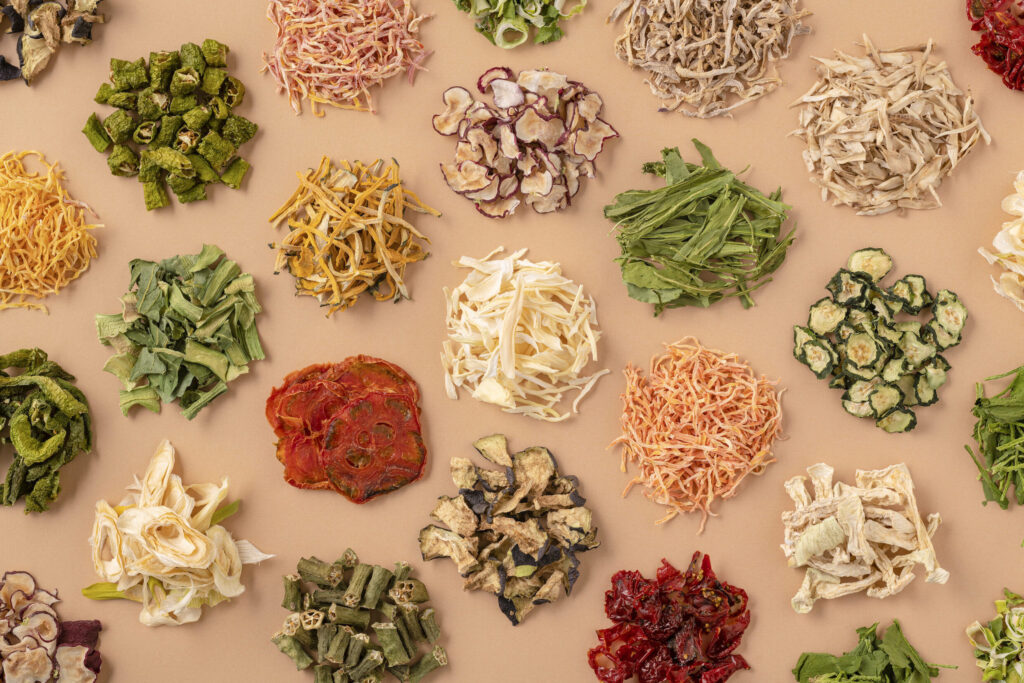
- Available for purchase in small lots from 1 kg
- We handle heirloom vegetables from across Japan
- Dried fruit and herbs also supported
Download the product catalog
We will send the materials to your email address based on the information you provide.