Food Factory Week 2026

"Food Factory Week" (formerly FoodTech Week) is a trade show for solving the challenges faced by food and beverage manufacturing plants. It brings together, as specialized shows, technologies for the "make, pack and protect" side of operations, including production line automation and labor saving, hygiene management and HACCP compliance, visual inspection, resource recycling of food loss, and freezing and cold retention. Organized by RX Japan Ltd., it is held at two venues a year, in Tokyo and Osaka. This article covers the dates, venues, component shows and visitor registration, along with how food plant staff can prepare to get results from exhibiting or visiting, and how to think about food novelties using "small-pouch filling" that help people remember your company at the booth and in meetings.
We have materials available to help you understand vegetable-based novelties
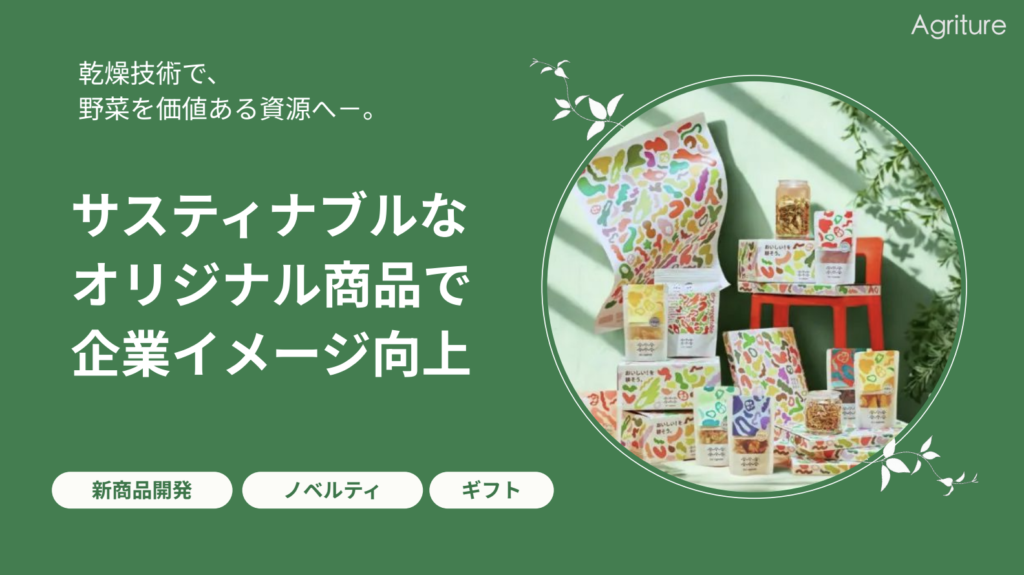
- SDGs-friendly products using non-standard vegetables
- Delivery possible in as short as two weeks
- Small lots from 500 bags
TOC
Food Factory Week at a glance
The next editions are the Osaka show in autumn 2026 and the Tokyo show that follows in late autumn of the same year. Both offer free admission with advance visitor registration. The Osaka show is held at INTEX Osaka and the Tokyo show at Tokyo Big Sight, and a key feature is being able to see equipment, machinery and solutions for food plants in a single day. For staff considering plant equipment investment or stronger hygiene measures, it is a place to compare production line equipment from multiple manufacturers side by side.
| Item | Osaka 2026 | Tokyo 2026 |
|---|---|---|
| Dates | September 30 (Wed) to October 2 (Fri), 2026, 10:00-17:00 | November 18 (Wed) to 20 (Fri), 2026, 10:00-17:00 |
| Venue | INTEX Osaka | Tokyo Big Sight |
| Admission | Free (advance visitor registration required) | Free (advance visitor registration required) |
| Organizer | RX Japan LLC | RX Japan LLC |
| Concurrent shows | Interphex Week Osaka 2026 / COSME Week Osaka 2026 | Drink Japan 2026 |
Because the show is held twice a year at two venues, plants in western Japan can attend the Osaka show and plants near the Kanto region the Tokyo show, choosing the venue closest to their site. Evaluations of equipment move forward the more you see the real thing and talk with staff, so if you have candidate equipment in mind, it is efficient to compare the exhibitor lists for both venues and see which has more of the manufacturers you want before deciding where to go. The 2027 dates will depend on the official announcement, but booking internal visit schedules early based on the usual timing makes things easier.
What companies and products does it attract?
Equipment and technology categories for exhibitors
Exhibitors mainly offer equipment, machinery and solutions that support food plant production lines. The range is broad: automation and labor saving through robots, conveying and inspection; weighing, filling and packaging machines; visual inspection by metal detection, X-ray and imaging; hygiene-related technologies such as cleaning, sterilization and pest control; environmental equipment such as air conditioning and drainage; and chilled and frozen temperature control. It is a show that gathers products solving, from the plant floor's perspective, both labor shortages and safety issues such as foreign matter contamination and microbial control.
A production line is one continuous flow from receiving raw materials to processing, filling, packaging, inspection and shipping. At the venue, specialized shows are divided by process, so if you identify which process in your plant is the bottleneck before walking around, you can find the equipment you need quickly. If you are putting difficult raw materials such as powders, granules or dried products on the line, focusing on weighing, filling and moisture-proofing equipment helps reduce problems after installation.
Who Attends
Visitors are mainly production engineering, manufacturing, quality control, equipment maintenance and purchasing staff at food and beverage manufacturers. People from both the plant floor and management attend, from plant managers and line supervisors to HACCP and quality assurance staff and managers involved in equipment investment decisions. Many come with specific issues to consider, such as launching a new plant, adding lines, raising hygiene standards or pushing labor saving.
From the exhibitor's side, having staff on hand who can answer technical questions on the spot moves meetings forward. Visitors who bring notes on their current line capacity, throughput and the physical properties of the raw materials they handle find it easier to draw concrete proposals out of booths. Equipment constraints and required hygiene levels differ from plant to plant, so consulting after sharing your conditions is the shortest route to making the most of limited show time.
Specialized shows that make up Food Factory Week
Food Factory Week is not a single show but a bundle of specialized shows organized by theme. The Tokyo show consists of several shows: the "Food Factory Automation & DX Expo," the "Food Safety & Hygiene Innovation Expo," the "Food Resource Circulation & Environmental Solutions Fair," the "Food Factory Safety & Environment Improvement Fair," and the newly launched "Food Cold Chain Fair." The Osaka show is also made up of specialized shows themed around automation, hygiene, resource circulation and more. Because you can narrow down the exhibits you want by process or theme, the clearer your challenges, the easier the show is to navigate.
In addition, the Osaka show shares its venue with Interphex Week and COSME Week, while the Tokyo show is held alongside Drink Japan. Pharmaceutical, cosmetics and beverage manufacturing technologies overlap heavily with those of food plants, and another benefit of co-location is picking up ideas on filling, hygiene and packaging from neighboring fields. The lineup of component shows can change from edition to edition, so checking the official website before your visit makes planning easier.
Highlights for visitors and exhibitors
Live demos of automation and labor-saving equipment
At the venue, you can watch conveying robots, automatic weighing and filling, and packaging machines in actual operation. The value of live demos is being able to check with your own eyes the operating speed, ease of changeover and container shapes that can be handled, which are hard to judge from catalog figures alone. List the processes that currently need people stationed at them and focus on equipment that can replace those processes to get a sense of return on investment.
Hygiene management, HACCP and inspection solutions
The hygiene innovation show brings together technologies to prevent foreign matter contamination and control microbes, from building the right environment through cleaning, sterilization, pest control and air conditioning to visual inspection by metal detection, X-ray and imaging. For plants being asked by business partners to comply with HACCP or raise hygiene standards, it is a chance to compare the necessary equipment all at once. Identifying the processes likely to be your weak points beforehand makes consultations with staff more productive.
Seminars and ideas for solving challenges
During the show, seminars cover themes such as labor-saving case studies at plants, food loss reduction, environmental measures and the cold chain. You can quickly take in how other companies approach the same challenges, which makes them useful for gathering material when proposing installations internally. Popular topics can fill up, so booking seminars you're interested in ahead of time is the surest option.
For companies considering exhibiting
Exhibitors are companies providing equipment, machinery, inspection, hygiene and environmental solutions for food plants. Booth specifications and exhibition fees can be confirmed by contacting the organizer, RX Japan Ltd., or the desk on the official website. Visiting staff often have specific installation issues in mind, so preparing to show on the spot the conditions plant floors want to know, such as the physical properties of raw materials that can be handled, throughput and hygiene levels, helps move meetings forward.
At the booth, demo units that show operation and a one-page sheet summarizing throughput, accuracy and changeover time work well. Keep records of consultations and set up a system to send proposals tailored to each line's conditions after the show, so things don't end with an exchange of business cards but lead to the next meeting. If you have strengths in handling difficult raw materials such as powders, granules or dried products, focusing your display on those processes makes you memorable to visitors.
Visitor registration and how to participate
Advance registration is done on the official website, and once complete you receive your entry badge data. Besides avoiding crowds at reception on the day, you can review the exhibitor list before the show and choose the booths you want to visit in advance. INTEX Osaka, the venue of the Osaka show, can be reached via the Osaka Metro Chuo Line and New Tram, and Tokyo Big Sight, the venue of the Tokyo show, from Kokusai-Tenjijo Station on the Rinkai Line or Tokyo Big Sight Station on the Yurikamome Line. If you are traveling from afar and combining the trip with plant visits, accommodation during the show can be hard to get, so book early. Please check the official website for detailed access and the latest information.
How food plant staff can turn a visit into results
Alongside looking at equipment, it is worth deciding which products to "make in your own plant" and which to "entrust to partner plants." For processes such as drying, powdering and filling small pouches, entrusting the work to a contract manufacturer that specializes in them can sometimes get production started faster than adding lines of your own. Agriture processes dried off-spec vegetables, vegetable powders, dried vegetable soups, tea bags and dried pear made from Kyotango-grown Nijisseiki pears, and can discuss everything from drying raw materials to filling small pouches in small lots.
Insights gained at the venue, such as "We want to save labor in this process" or "We want to handle a new raw material," become starting points for product development. By first making small-lot prototypes and then moving into mass production design after seeing reactions internally and from buyers, you can make investment decisions calmly. A trade show is a place to choose equipment and also an opportunity to rethink how your company makes things.
"Small-pouch dried vegetable novelties" to hand out to plant professionals
Why small-pouch samples spark conversation at Food Factory Week
At a food plant trade show, both visitors and exhibitors are people who work in manufacturing. That is exactly why food handed out at a booth sparks conversation when it conveys not just taste but how it is made. Samples of dried vegetables, powders and dried vegetable soups packed in small pouches are easy to carry at room temperature, hygienic and don't take up space on a desk. Because the recipients are manufacturing professionals, the talk naturally turns to how the products are made, such as what moisture level they are finished to and what filling format is used, which becomes a gateway to consultations on processing technology. Handing them out at your booth can also prompt people to remember your company later when they review their lines or raw materials.
From conversations about production to contract drying and filling
Small-pouch samples made for the show can serve directly as a starting point for consultations on contract drying, powder processing and filling. Agriture can prepare prototypes of dried off-spec vegetables, vegetable powders and dried vegetable soups in small lots (from 50 bags), and can consult from the raw material selection stage. Prototypes can be developed around the on-site challenges heard at the venue, such as how to handle a particular raw material, and after checking reactions you can move step by step toward contract drying and filling or mass production design, so you can settle on a direction before building a large line.
We have materials available to help you understand vegetable-based novelties
- SDGs-friendly products using non-standard vegetables
- Delivery possible in as short as two weeks
- Small lots from 500 bags
FAQ: Food Factory Week
- Is there an admission fee?
-
Admission is free if you register as a visitor in advance on the official website. On-site registration without prior sign-up may be charged, so we recommend registering before the show.
- How do the Tokyo and Osaka shows differ?
-
In 2026, the Osaka show is held at INTEX Osaka and the Tokyo show at Tokyo Big Sight. Both focus on solving food plant challenges, but the component shows and exhibitor lineups differ by venue, so it is efficient to check the exhibitor lists to see which venue has more of the manufacturers you want before choosing where to go.
- Have the 2027 dates been decided?
-
At the time of writing (August 2026), the 2027 dates had not been announced. We recommend checking the latest schedule on the official website once it is released.
- What kinds of equipment and technology can I see?
-
Equipment and technologies supporting each process in a food plant are exhibited across theme-based specialized shows, from production line automation and labor saving, weighing, filling and packaging, and visual inspection such as metal detection and X-ray, to hygiene management such as cleaning, sterilization and pest control, resource recycling of food loss, and chilled and frozen temperature control.
- Can I consult on small-lot drying and filling prototypes?
-
Agriture can prepare prototypes of dried vegetables, vegetable powders, dried vegetable soups and more in small lots (from 50 bags). You can check reactions with small-pouch samples and then consult on moving step by step toward contract drying and filling or mass production design.
Summary: Solving production line challenges at Food Factory Week
Food Factory Week is a trade show dedicated to solving food plant challenges, held September 30 to October 2, 2026, at INTEX Osaka (Osaka show) and November 18–20, 2026, at Tokyo Big Sight (Tokyo show).
You can visit specialized shows for each process in one trip, covering production line automation and labor saving, hygiene management and HACCP compliance, visual inspection, resource circulation, and freezing and refrigeration. Alongside choosing equipment, separating out processes that can be entrusted to contract manufacturers, such as drying, powdering and small-pouch filling, speeds up new product launches. Small-pouch samples handed out at your booth become a way to move from conversations about production to consultations on contract drying and filling. The 2027 dates have not been announced, so please check the official website for the latest information.
Official information: Food Factory Week official website
Official information: Food Factory Week official website

Recommended reading
Commercial dried vegetables / Original vegetable novelties / Food & Beverage OEM Expo / Drink Japan
Last updated: August 12, 2026
Download the novelty materials
We will send the materials to your email address based on the information you provide.