
Health & nutrition– category –
-
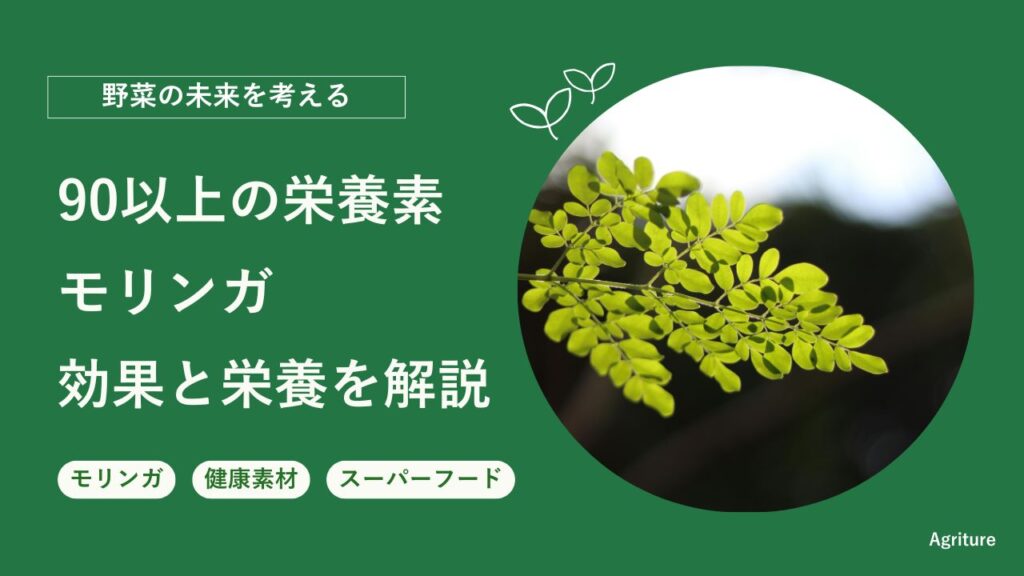
What is the superfood moringa? Its nutritional features and how to choose and drink powder and tea
"Moringa," which has drawn attention lately alongside rising health consciousness. A plant of the horseradish-tree family native to India, it's also called the "miracle tree" and "tree of life" because almost all of its parts—leaves, seeds, roots—can be used. This tree, which grows in tropical and subtropical regions, has astonishing growth... -
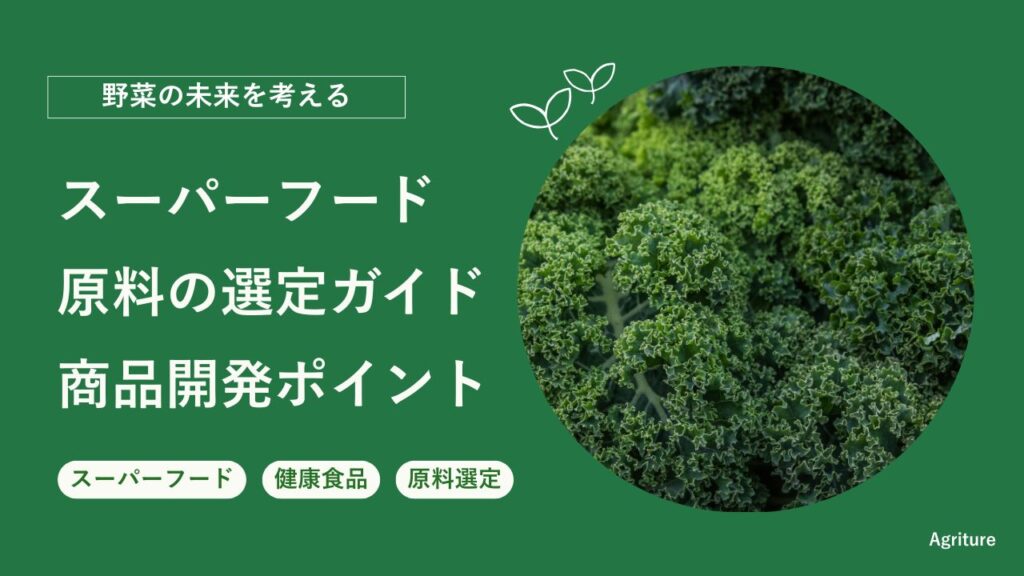
A Guide to Selecting Superfood Raw Materials: Points to Master in Product Development
Alongside rising health consciousness, the functional food market is expanding rapidly. At its core are the nutrient-rich raw materials called "superfoods." A superfood is a food with excellent nutritional balance that contains many kinds of beneficial components, or one in which a particular beneficial component stands out... -
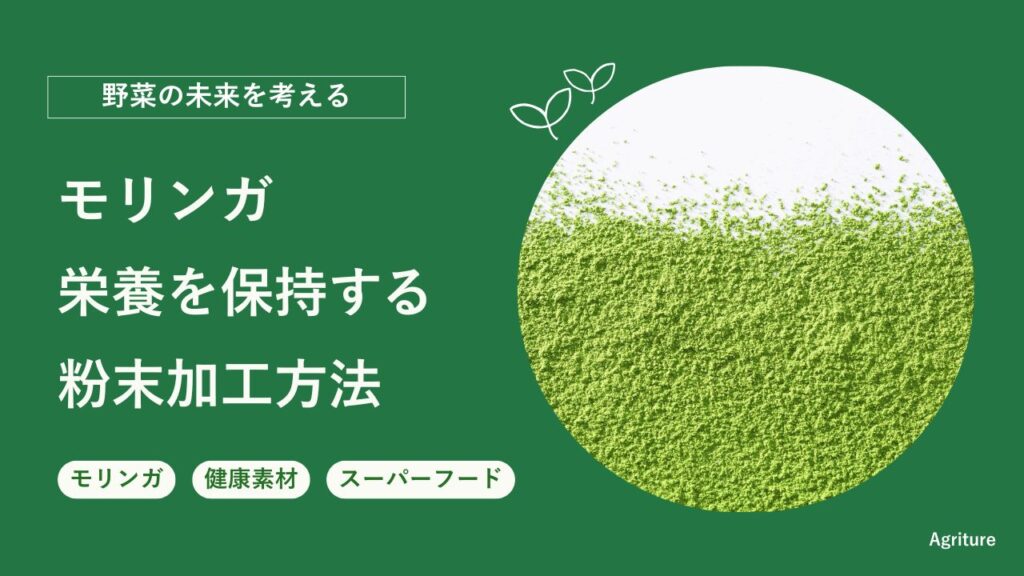
Moringa is called a "nutrient-rich tree" and draws attention as a superfood containing over 90 kinds of nutrients. But to make the most of that rich nutritional value, an appropriate processing method is essential. The powdering process starts from harvest. At a processing facility in Kagoshima Prefecture...
Dried goods are ingredients dried for long-term storage. By removing the moisture, they are characterized by concentrated umami and nutritional components. In Japanese food culture, dried goods have long held an important place. With their excellent shelf stability, the convenience of being usable easily anytime, and their distinctive flavor and texture... -
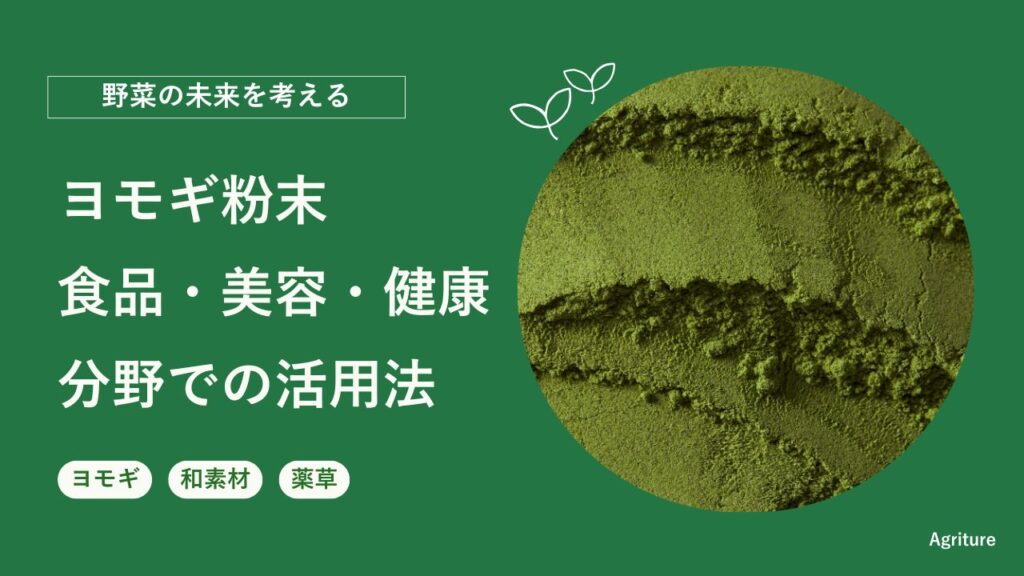
Complete guide to using mugwort powder | Recipes for kusa mochi, bread, and lattes, plus amounts and selection
Mugwort powder (yomogi powder), usable in kusa mochi, mugwort tea, and mugwort bread. Made by drying and powdering the leaves, mugwort powder’s appeal is that it can be mixed directly into dough or drinks without the trouble of rehydrating. Still, many people are unsure “how much to add” and “what uses there are”... -
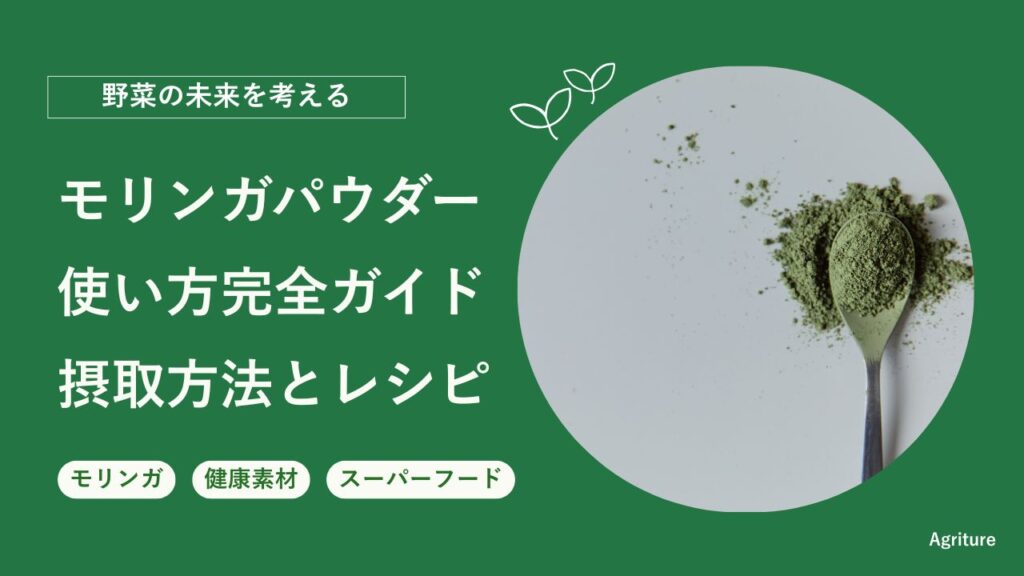
モリンガパウダーはどう使う?飲み方・混ぜ方と保存のコツ
Moringa powder is a health food made by drying and powdering the leaves of moringa, called the "miracle tree." This plant native to India contains over 90 kinds of nutrients, with a good balance of the nutrients our bodies need—vitamin A, vitamin C, calcium, iron, amino acids, and more... -
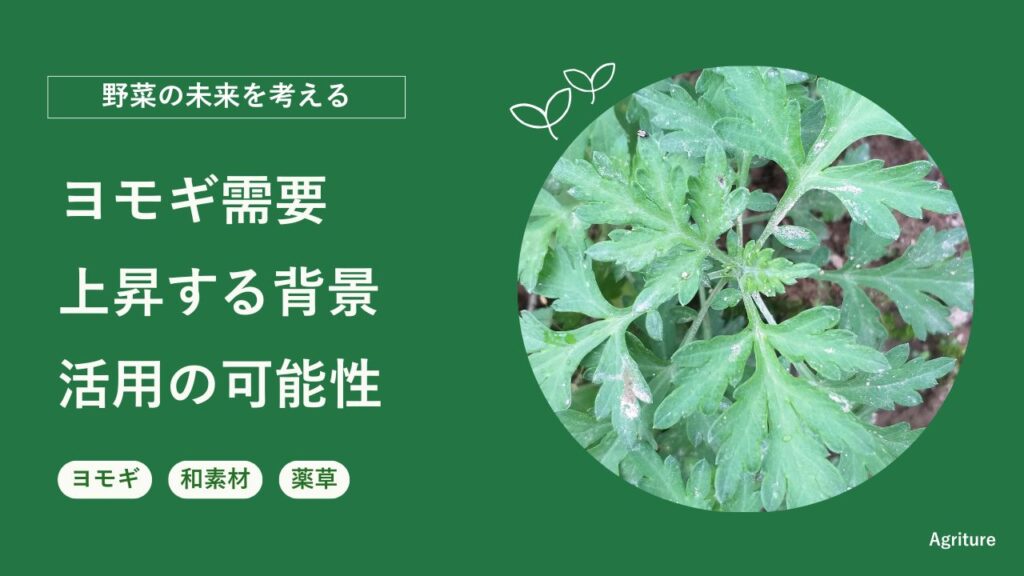
What is behind the rising demand for mugwort? Market trends and the potential for use
Demand for mugwort is rising markedly. Why is this Japanese herb, long beloved in Japan, now drawing so much attention? Behind it lie rising health consciousness, a reappraisal of Japanese herbs, and the discovery of new uses in the beauty and food industries. Especially since 2024... -
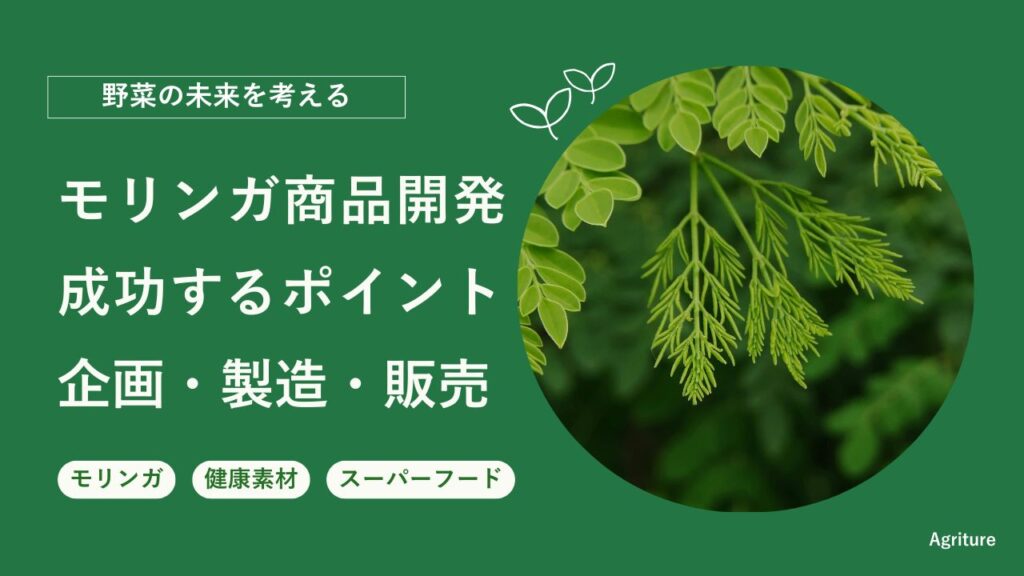
Points for Moringa Product Development: A Winning Strategy for Planning, Manufacturing, and Sales
Alongside rising health consciousness, interest in superfoods is expanding rapidly. Among them, moringa—called a "nutrient-rich tree"—contains a wide range of nutrients such as vitamin A, vitamin C, calcium, iron, and amino acids, and is drawing attention as functional foods, powder products, and green-juice-type... -
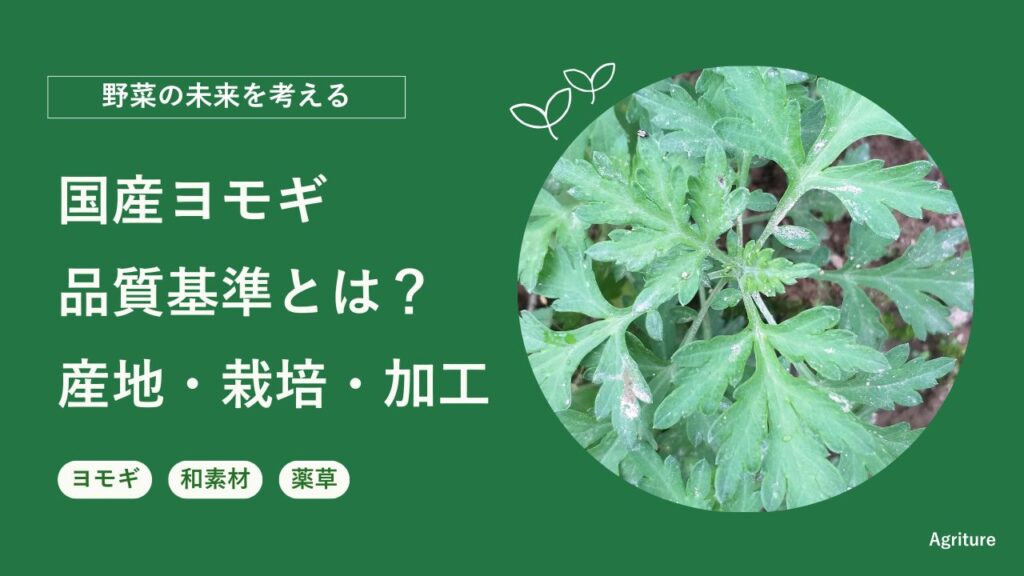
What are the quality standards for domestic mugwort? Points to judge by growing region, cultivation, and processing
When it comes to mugwort quality, what do you think is the most important factor? Many people focus on the words “domestic” and “pesticide-free,” but in fact the biggest factor determining quality is “drying technology.” No matter how fine the mugwort you grow, if nutrition and aroma are lost in the drying process,... -
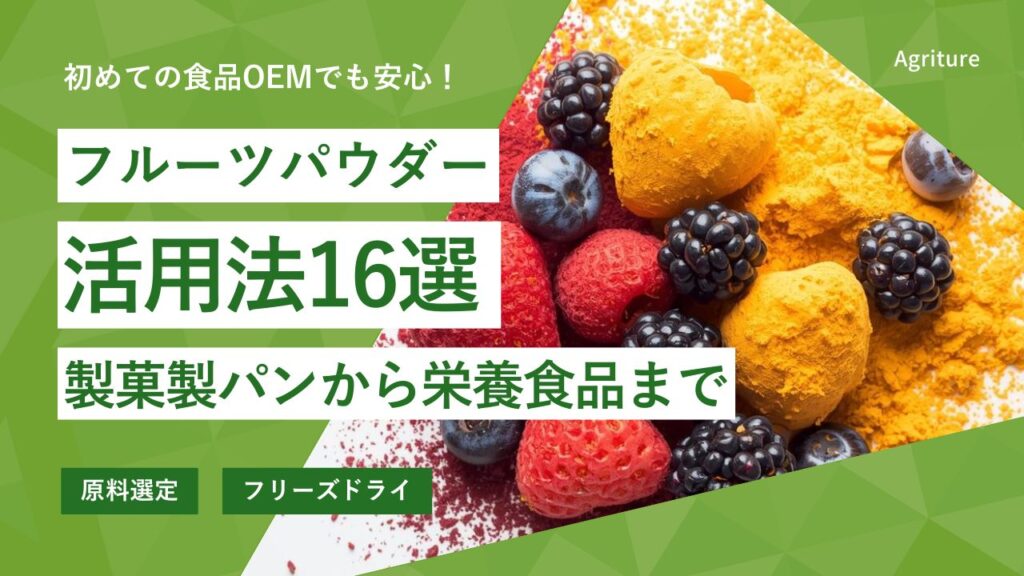
How to Use Fruit Powder | Substitution Design for Confectionery and Sweets
Fruit powder is an ingredient made by powdering fruits such as strawberry, mango, blueberry, apple, pear, yuzu, and banana. In confectionery, sweets, drinks, and nutritional foods, for formulations where fresh fruit or flesh is hard to use (dough or cream where you don't want to add moisture, products premised on heating or long-term storage... -
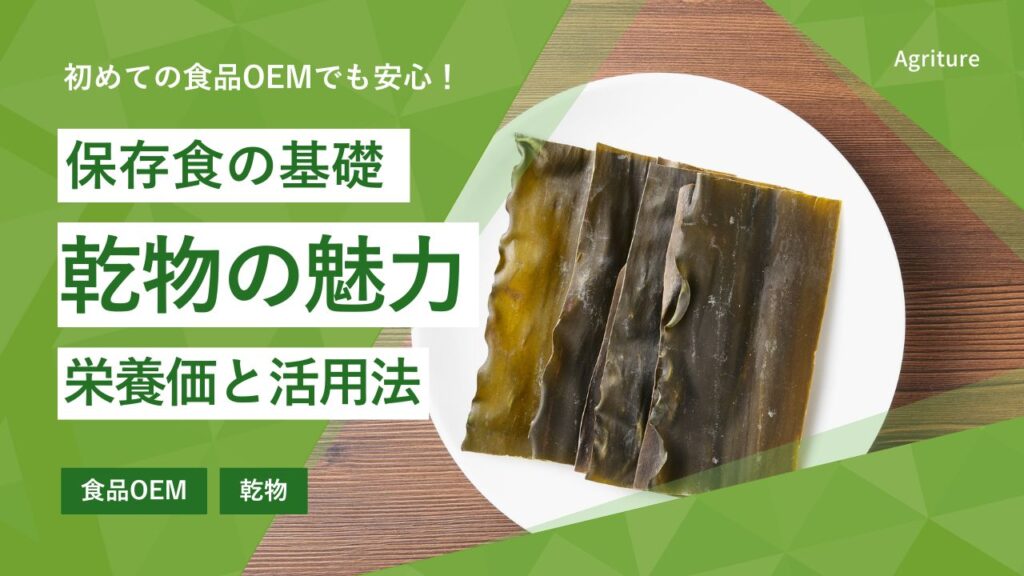
What Are Dried Goods? The Secret of Their Nutritional Value and Uses in the Modern Diet
Agriture partners with farmers around the world, promoting fair trade and sustainable agriculture. Through high-quality agricultural products, we run a fair trade business connecting producers and consumers. -
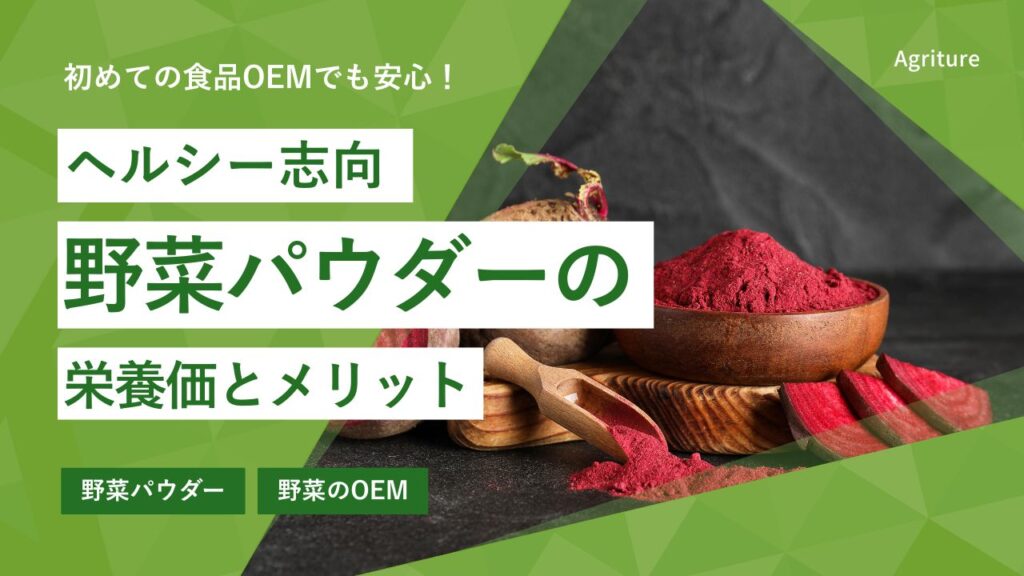
What Is Vegetable Powder? Features, Shelf Life, Uses and a Guide to OEM
Even though we know eating plenty of vegetables every day matters, the effort of cooking and the difficulty of storing them mean it often gets put off in busy days. One ingredient drawing attention as a support for such diets is vegetable powder. Turning vegetables into powder removes water, and the bulk... -
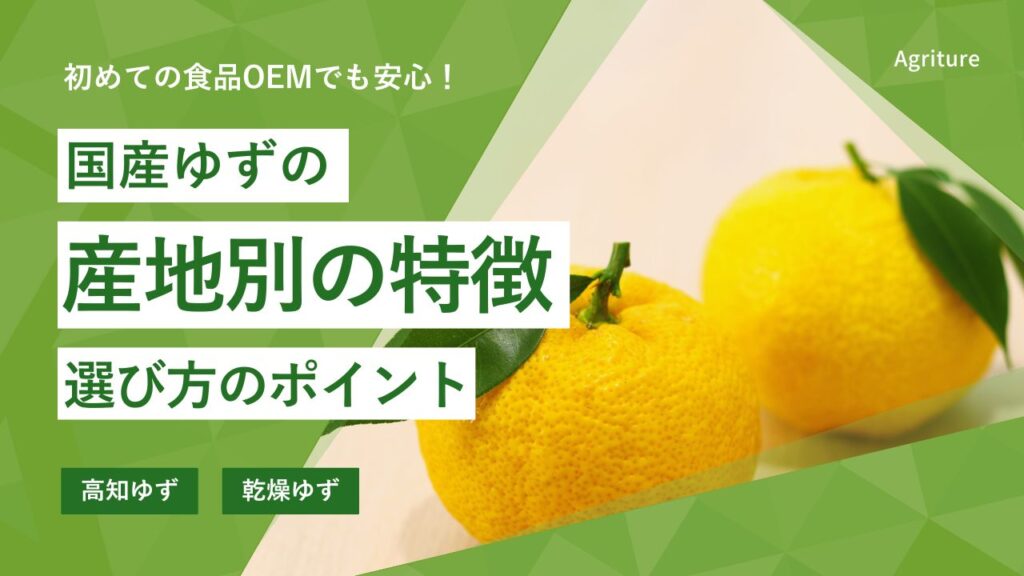
ゆずの産地は高知が半分を占め、二位は徳島から愛媛に変わった
「ゆずの産地はどこか」と調べると、たいていのページが「高知県が日本一」で止まります。では二位はどこで、三位との差はどれくらいあるのか。数字を並べたページを探すと、今度は年次がばらばらで、二位が愛媛だったり徳島だったりします。 この記事は、... -
The success formula for yuzu product development | The process from planning to sales
Do you know the success story of Umaji Village in Kochi Prefecture? A small village with a population of fewer than 1,000 achieved annual sales of 3 billion yen with yuzu processed products. Overcoming the crisis of forestry's decline, it accomplished a miraculous revival through product development that made the most of local resources. Behind this success lay meticulous product planning... -
The global expansion of yuzu | Strategies for success in overseas markets
"Yuzu," the scent of Japan that the world is watching. Did you know this yuzu is beloved worldwide? This aromatic citrus, cultivated mainly in the Shikoku region including Kochi and Tokushima Prefectures, is now establishing an international brand as "Yuzu." Along with the washoku boom, its overseas recognition... -
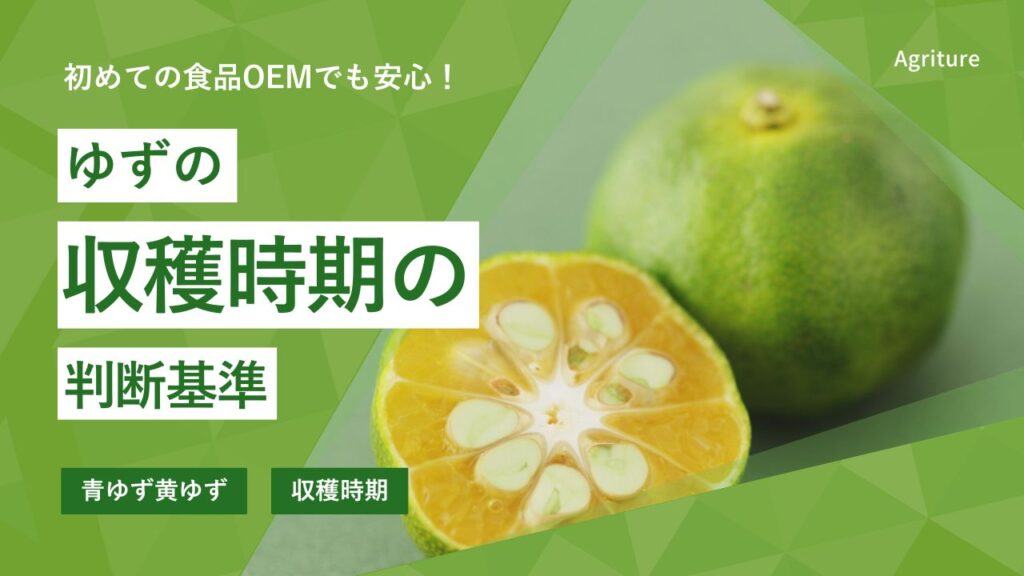
ゆずの時期は年に二度、青ゆずは7月から黄ゆずは10月から
「ゆずはいつの果物ですか」と聞かれると、答える人によって返ってくる月が違います。夏だと言う人もいれば、冬だと言う人もいる。売り場の担当者に聞けば「12月がいちばん動く」と言われ、産地の農家に聞けば「7月にはもう採りはじめている」と言われます... -
柚子の種類は何種類あるのか、公の資料で名前が残る系統を数えた
ゆずの苗木を選ぼうとすると、木頭系、海野系、山根系、多田錦といった名前が並びます。青果売り場では、そうした名前はどこにも書かれていません。同じ「ゆず」として並んでいるものに、なぜ売り手の側だけ細かい呼び名があるのか。この記事は、その呼び... -

Yasai Yakuzen
Yasai Yakuzen, balancing the body with vegetables. Together with YAKUZEN TOKYO Co., Ltd., we launched the “Yasai Yakuzen” service—a way of eating that balances the body from within using “familiar vegetables” available at supermarkets. Even the vegetables we casually eat, when appropriately chosen and appropriately cooked from a yakuzen perspective... -
Solve Vegetable Shortage Even with Convenience-Store Food! 5 Smart Ways to Supplement
In your busy days, do you find yourself relying on easy convenience-store food? The daily vegetable intake recommended by the Ministry of Health, Labour and Welfare is 350 g. However, the average intake of Japanese stops at about 280 g, and the reality is that many people fail to meet the needed amount. Convenience-store food especially... -

Directly tied to improving corporate productivity! Key points for adopting health management
The term health management has become one you hear often lately. This is not merely part of employee benefits but a way of thinking drawing attention as a corporate growth strategy. Health management refers to a management method that considers employees' health care from a management perspective and practices it strategically. In the US... -
Is Japanese vegetable intake below average? The latest data and improvement measures
The daily vegetable intake recommended by the Ministry of Health, Labour and Welfare is 350 g. However, according to the 2023 National Health and Nutrition Survey, the average vegetable intake of Japanese is only 256.0 g (men 262.2 g, women 250.6 g). Seeing this figure, how do you feel? The recommended amount... -
10 Ways to Solve Vegetable Shortage That Even Busy People Can Practice
The vegetable intake of Japanese is in a serious situation. The daily vegetable intake recommended by the Ministry of Health, Labour and Welfare is 350 g, but the actual average intake stops at about 280 g. People in their 20s and 30s especially are about 30 g below average. There are not a few people who cannot get enough vegetables, citing busyness... -
Boost your vegetable intake even on busy mornings! Simple techniques you can do in 5 minutes
The daily vegetable intake recommended by the Ministry of Health, Labour and Welfare is 350 g, but the average intake of Japanese stops at about 280 g. Especially on busy mornings, many people feel they have no room to take in vegetables. Working vegetables into breakfast is effective for increasing the day's vegetable intake... -
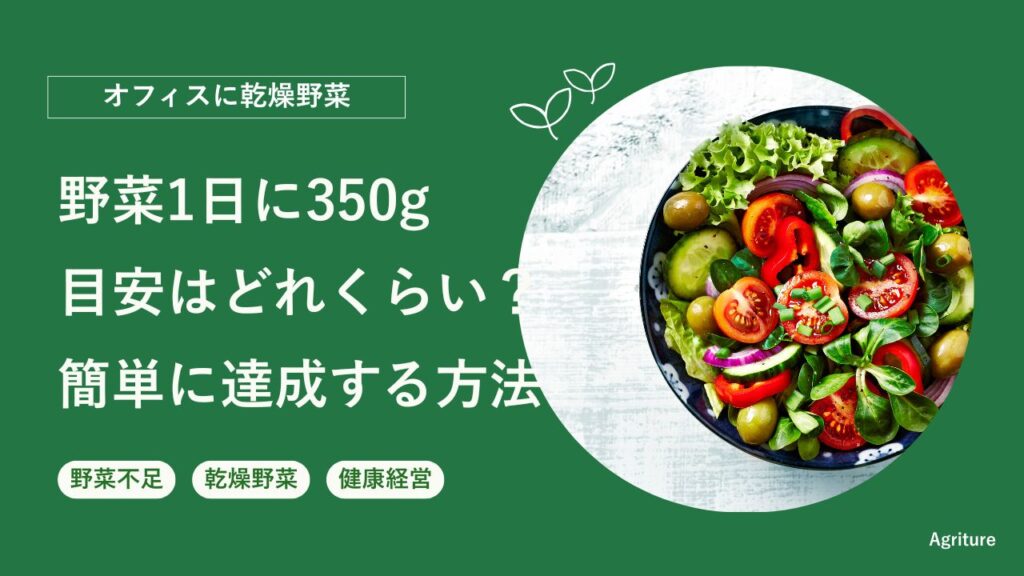
What is the 350 g-a-day vegetable guideline? Easy ways to achieve it
Have you heard the phrase "let's eat 350 g of vegetables a day"? This figure is the target value set by the Ministry of Health, Labour and Welfare in its health-building indicator 'Health Japan 21.' But even told 350 g, it's hard to picture how much that actually is. In fact, the vegetables of Japanese... -
How to eat vegetables during hay fever season
When hay fever season comes, days of being troubled by sneezing, runny nose, and itchy eyes begin. Many people may feel, here comes the tough season again this year. In fact, it has been pointed out that your diet, especially your vegetable intake, may be affecting hay fever symptoms... -
8 Effective Ways to Relieve Constipation Caused by Vegetable Shortage
Are you troubled by constipation? Its cause may unexpectedly be "vegetable shortfall." The daily vegetable intake recommended by the Ministry of Health, Labour and Welfare is 350 g, but the average intake of Japanese stops at about 280 g. This 70 g gap may be hindering your bowel movements. Vegetable shortfall... -
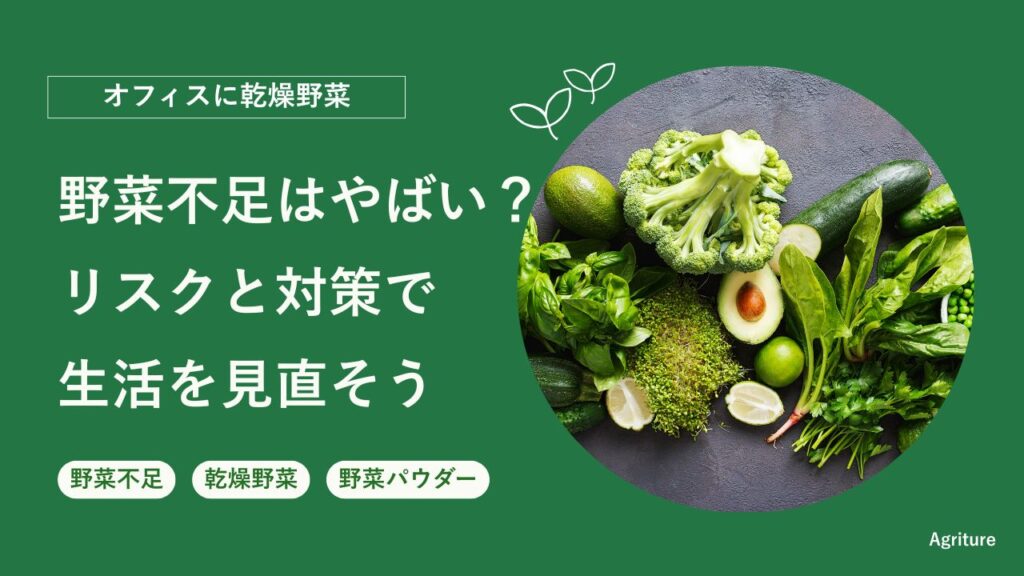
Is Not Eating Vegetables Unhealthy? Lifestyle Improvements You Can Start for Now
Have you felt somehow under the weather lately? The daily vegetable intake recommended by the Ministry of Health, Labour and Welfare is 350 g. However, according to the 2023 National Health and Nutrition Survey, the average vegetable intake of Japanese stops at about 256 g. The vegetable-intake situation of people in their 20s is especially serious, with men... -
Self-Check Your Vegetable Shortage! Confirm Your Health with a 10-Item Checklist You Can Do Right Now
The reality of modern Japan, where vegetable shortfall is worsening. Are you getting enough vegetables in your daily meals? In fact, the average vegetable intake of Japanese stops at about 256 g, about 94 g short of the 350 g a day recommended by the Ministry of Health, Labour and Welfare. Especially among the younger generations in their 20s to 40s, this vegetable shortfall is worsening further... -
食物繊維が多い食べ物は?野菜・豆・海藻・きのこを多い順に見る
When you hear "foods high in fiber," you tend to picture vegetables, but in fact it spans a wide range — beans, seaweed, mushrooms, grains, potatoes, even fruit. Fiber, which tends to fall short in daily meals, can be increased without strain once you know it by category. In this article, foods high in fiber... -
The new common sense of health maintenance that vegetable intake from your 40s can change
The daily vegetable intake recommended by the Ministry of Health, Labour and Welfare is 350 g. But in reality, the average intake of Japanese stops at about 280 g. From their 40s on especially, vegetable intake tends to decrease further due to work busyness and lifestyle changes. This 70 g gap can, for your health...
12