10 Ways to Solve Vegetable Shortage That Even Busy People Can Practice

Summary of this article
As ways to resolve a vegetable shortfall that even busy people can practice, we introduce making use of pre-cut vegetables, frozen vegetables, and no-cook vegetables. The Japanese average vegetable intake is about 280 g, 70 g short of the 350 g target, and people in their 20s–30s in particular are about 30 g below the average. Harvard research found lower mortality risk at 400 g a day. We explain 10 concrete measures such as keeping vegetable powder and dried vegetables on hand.
The Japanese vegetable intake is in a serious state. The daily vegetable intake recommended by the Ministry of Health, Labour and Welfare is 350 g, but the actual average intake stands at only about 280 g. People in their 20s–30s in particular are about 30 g below the average.
There are many people who, citing busyness, can't get enough vegetables. As convenience-store food and eating out increase, one falls even more easily into a vegetable shortfall.
A vegetable shortfall is directly linked not only to a nutritional-balance problem but also to health risks. Research at Harvard University in the U.S. has shown that people who eat about 400 g of vegetables a day have a lower mortality risk than those who eat 160 g.
How many vegetables do you eat each day?
Is Japanese vegetable intake below average? The latest data and improvement measures
What is the 350 g-a-day vegetable guideline? Easy ways to achieve it
Recommended reading
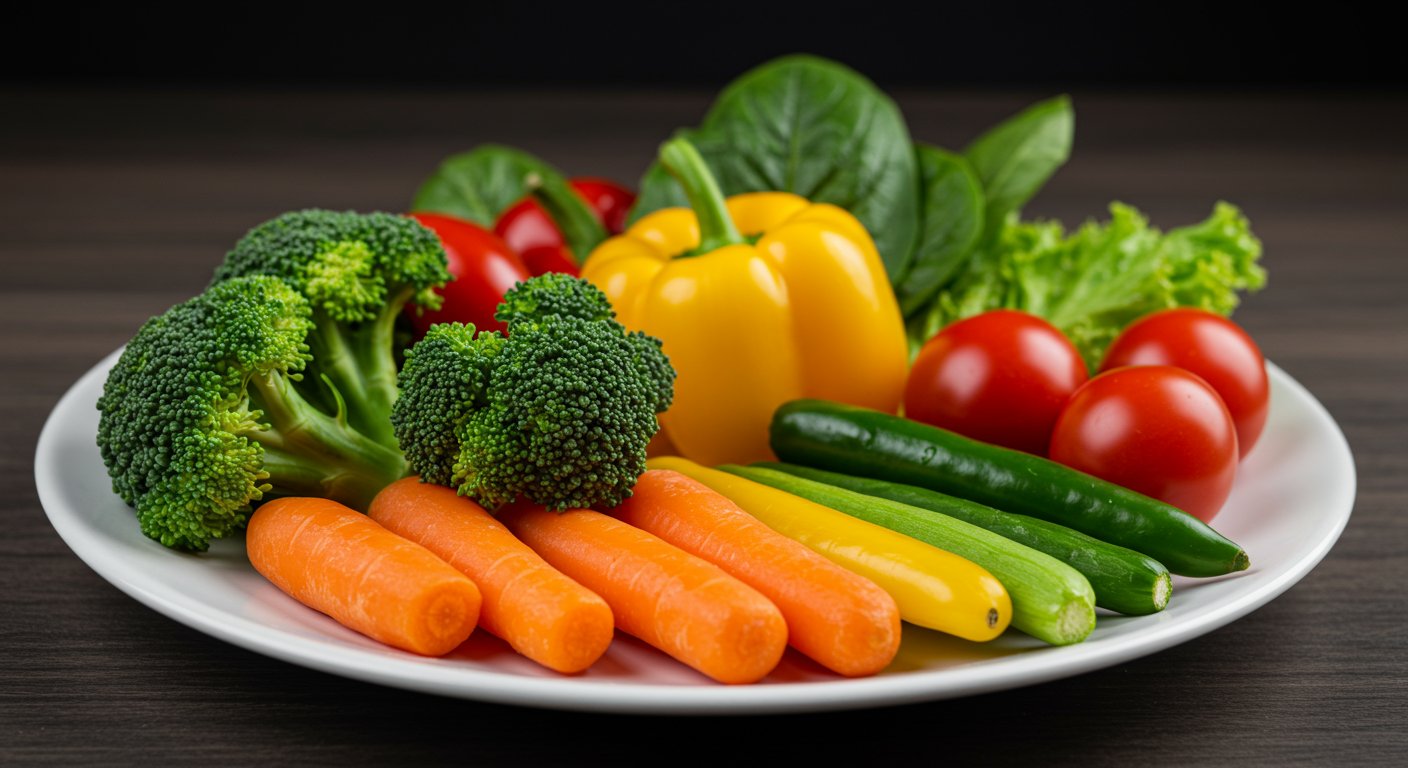
TOC
The health impact a vegetable shortfall brings
Vegetables are rich in nutrients essential to maintaining health, such as vitamins, minerals, and dietary fiber. When these fall short, they can cause various health problems.
The dietary fiber in vegetables is known as a component related to the gut environment. Vegetables also contain a wide range of nutrients, such as potassium and vitamin C. Not eating enough vegetables affects your day-to-day condition and concentration, so it's worth making sure you eat enough of them.
10 Ways to Solve Vegetable Shortage That Even Busy People Can Practice
1. Use pre-cut vegetables
A strong ally for people with no time is pre-cut vegetables. Pre-cut vegetables available at supermarkets and convenience stores can be eaten as soon as you open the pack or bag, so you can add vegetables easily.
Some think "pre-cut vegetables have no nutrition," but that's a misconception. Certainly, nutrients like vitamin C and potassium are reduced during washing and processing, but they don't become zero. They supply vitamins, minerals, and dietary fiber you want from vegetables, so make good use of them.
2. Add frozen vegetables as a "quick extra"
Frozen vegetables can be stored long-term and let you use just what you need. Frozen spinach, broccoli, green beans, kabocha squash, and okra are green-and-yellow vegetables and supply beta-carotene.
Just adding frozen broccoli when heating retort curry, or combining microwaved frozen spinach with instant miso soup, lets you easily add vegetables. Chopped okra mixed into natto is enough on its own.
When you're stuck on what to add to which dish, thinking by color is the trick. Add green vegetables to brown dishes, and red or yellow vegetables to white dishes, and both looks and nutrition improve.
3. Keep no-cook vegetables on hand
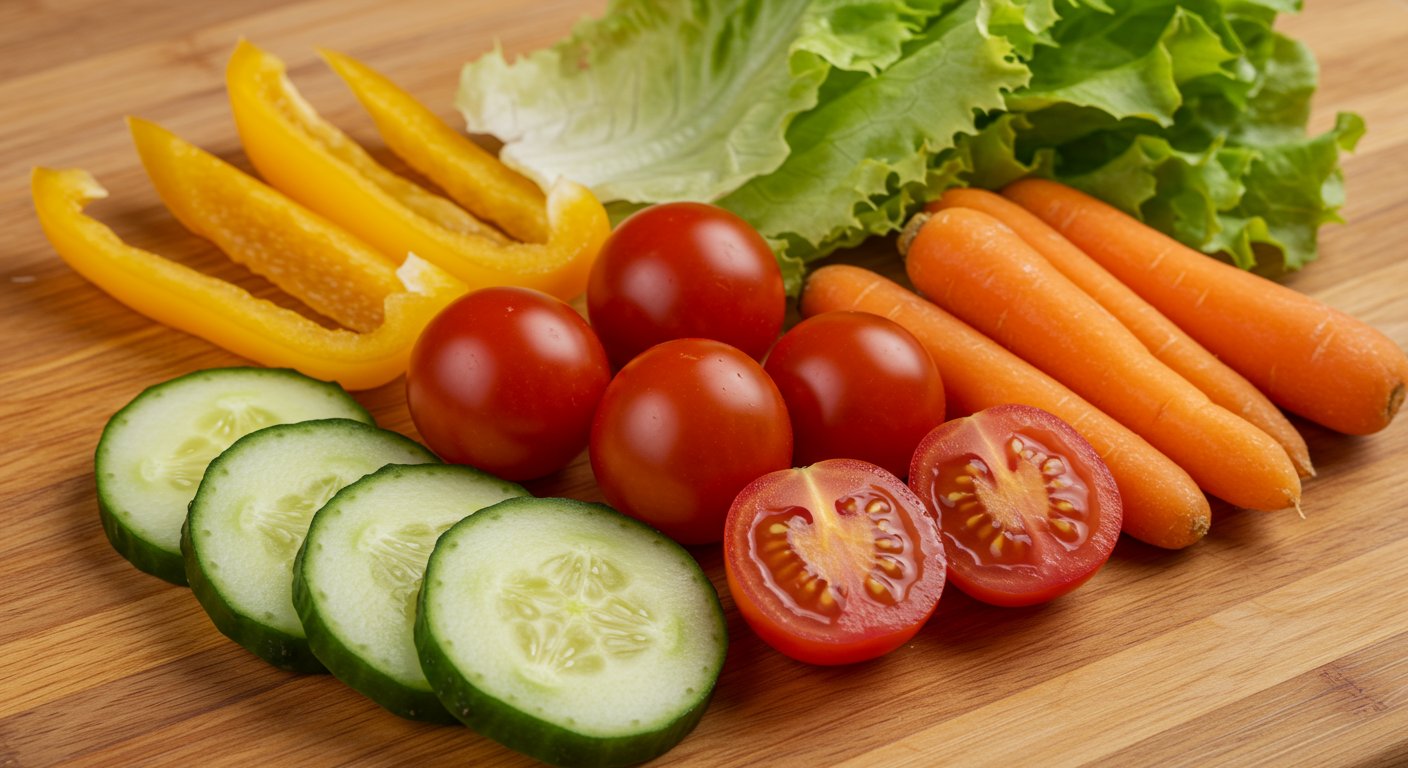
Vegetables like tomatoes, cherry tomatoes, cucumbers, and lettuce can be eaten just by "washing," "cutting," or "tearing." Even on a busy morning or when tired after getting home, you can get vegetables with these without much effort.
Since you eat them raw, another big benefit is little loss of nutrients. Small cherry tomatoes can be nibbled easily even between bouts of desk work.
4. Cook vegetables whole
If prepping vegetables takes time, cooking them whole is recommended. Cabbage just needs 2–3 minutes in the microwave at 1/8-head size. Since peppers can be eaten seeds, stem, and all, just pan-frying them whole is enough.
When cooking rice in a rice cooker, place carrots or onion on top to heat them so you cook the vegetables at the same time. After cooking, top with salt, ponzu, dressing, sesame, bonito flakes, or whatever you like, and a dish comes together easily.
5. Make hearty soups ahead
Making a vegetable-packed soup ahead when you have time, such as on the weekend, is handy. It keeps 3–4 days refrigerated, or about two weeks frozen.
In the morning it becomes a breakfast where you get vegetables just by heating it; at night it becomes a dinner side dish when you're too tired to feel like cooking. Combining vegetables with beans and grains balances the nutrition too.
I make a batch ahead on Sundays on busy weeks too. At first it felt like a chore, but the quality of my weekday meals went up dramatically!
6. Use vegetable powder
Vegetable powder is dried vegetables made into powder form, and it can be stored long-term. You can mix it into all kinds of dishes — soup, curry, hamburger-steak mixture.
Keeping powder of green-and-yellow vegetables, which tend to be lacking in everyday meals, on hand in particular lets you easily boost nutritional value. Some are equivalent to 50–100 g of fresh vegetables per teaspoon, letting you supplement vegetables efficiently.
7. Work in vegetable juice wisely
Vegetable juice is a way to supplement vegetables easily, but it doesn't provide all nutrients. Dietary fiber in particular is often lost in the manufacturing process.
Also, some store-bought vegetable juices contain a lot of fruit, so watch out for taking in too much sugar. Check the ingredient labels and choose ones that are 100% vegetable or lower in sugar. Vegetable juice isn't a substitute for fresh vegetables, but using it as one means of making up a vegetable shortfall is recommended.
8. Consciously choose vegetable menu items when eating out
People who eat out often should be smart about choosing from the menu. Just adding a salad to your main dish or consciously choosing vegetable-rich dishes greatly changes your vegetable intake.
Recent research has confirmed that using a "nudge" — a device to encourage behavior change — and the "VegeCheck®" vegetable-intake estimator when eating out increases the order rate for vegetable menu items. Consciously thinking, on your own, "more vegetables today" can be expected to have a similar effect.
9. Stock dried vegetables
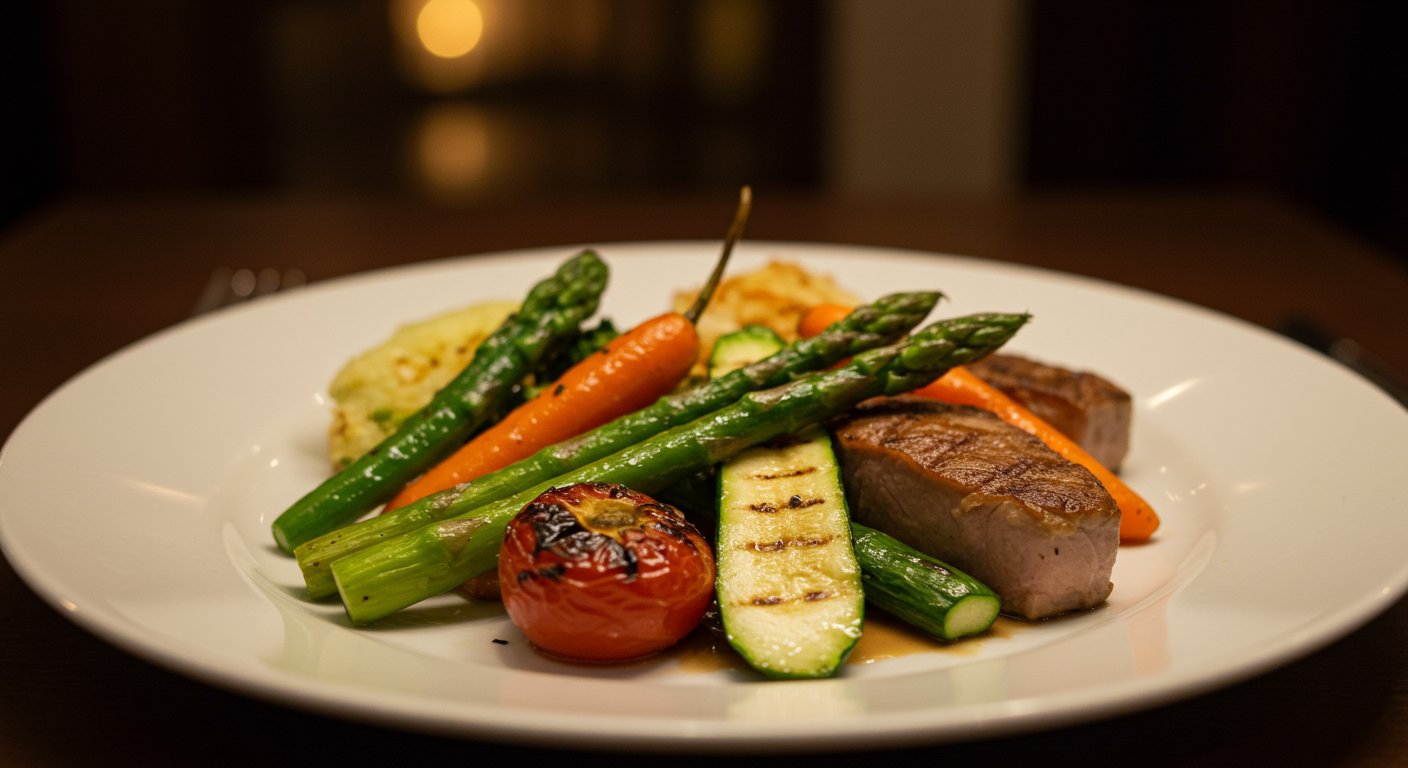
Dried vegetables can be stored long-term and don't take up space. Rehydrate them with water and you can use them just like fresh vegetables, and adding them straight to soup, they rehydrate as they simmer.
They're also ideal for a rolling stock for busy people. They serve as disaster-preparedness stores, but using them day to day means you won't be stuck on how to use them when the time comes. Dried carrot, onion, cabbage, and the like also save cooking time. Saving the trouble of cutting in particular makes them a strong ally on busy days.
10. Get vegetables in a batch on the weekend
Even if you have no time on weekdays, there's a "weekend vegetable supply" method of getting vegetables in a batch on weekends. Being mindful of eating vegetable-packed dishes on Saturday and Sunday lets you balance out your vegetable intake across the whole week.
That said, water-soluble vitamins like vitamin C don't accumulate in the body, so ideally get a little each day. Consider weekend-focused vegetable intake strictly as a second-best measure.

Meal planning to resolve a vegetable shortfall
To resolve a vegetable shortfall, planned meal management is effective. Here we introduce a simple way to reach the daily vegetable-intake target of 350 g.
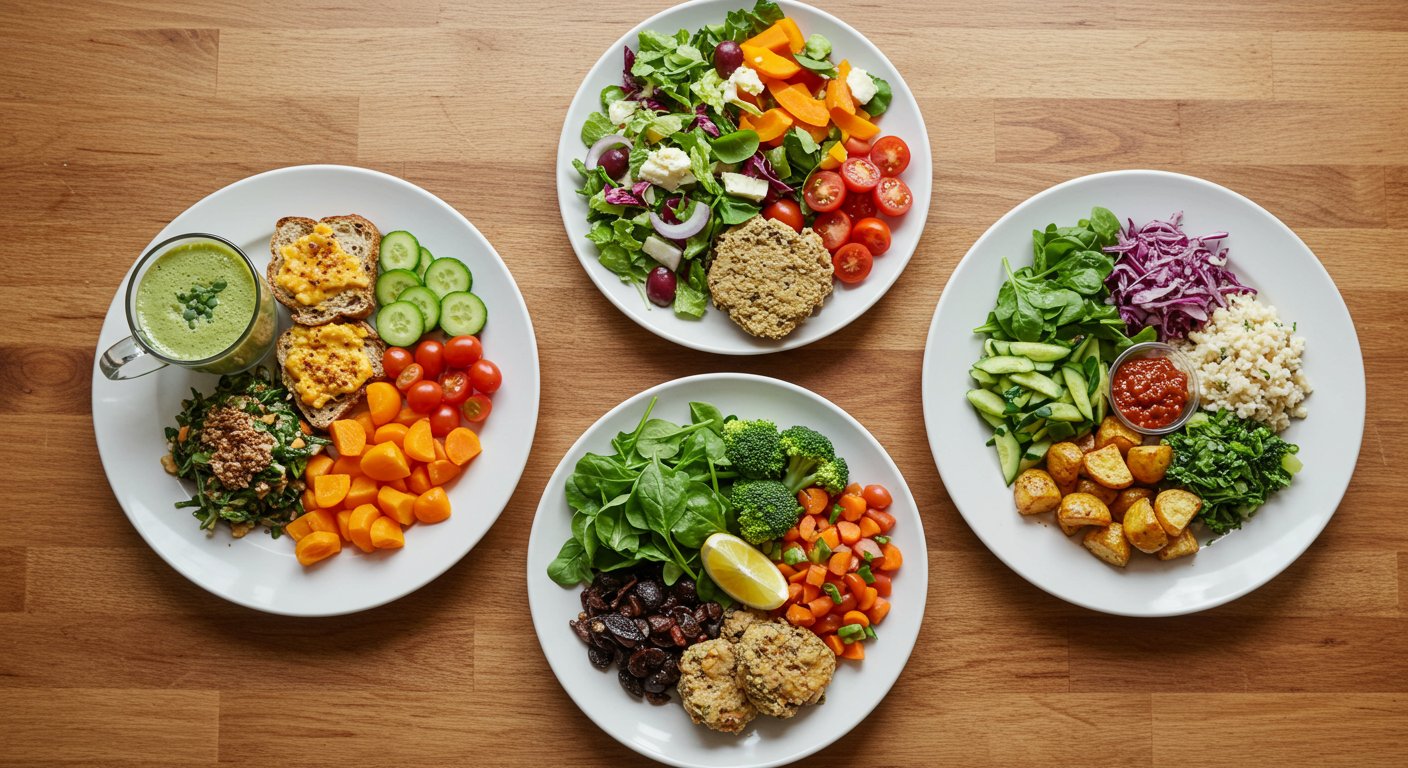
If you have 200 ml of vegetable juice at breakfast (equivalent to about 70 g of vegetables), 100 g of salad at lunch, and 150 g of hot vegetables plus a hearty miso soup (30 g of vegetables) at dinner, that totals 350 g. Take this as a basic plan and adapt it to your own lifestyle.
If a vegetable shortfall concerns you, starting by grasping your current vegetable intake is recommended. Recording the vegetables you eat for a week reveals your eating habits.
Signs that appear when a vegetable shortfall continues
A vegetable shortfall doesn't wreck your condition all at once; it shows up gradually in your daily condition. When signs like the following continue, it's a cue to rethink the amount of vegetables in your meals.
- Strong drowsiness after lunch, and concentration doesn't hold through the afternoon
- The rhythm of your bowel movements is disrupted and your stomach bloats easily
- Skin condition, canker sores, and other conditions aren't stable
- You eat properly yet fatigue doesn't lift
- Eating out and convenience-store food have continued, and you haven't eaten vegetables properly for days
These relate to a state where you have enough calories but lack the vitamins, minerals, and dietary fiber to make use of them. If even one applies, starting by adding one vegetable dish to a single meal is a strain-free way to begin.
Comparing ways to supplement vegetables by "ease, cost, and satisfaction"
You don't have to narrow your vegetable-shortfall remedy down to just one. The trick to keeping it up is combining ones that fit your life. We've organized representative ways to supplement vegetables by ease, cost, the satisfaction of eating, and shelf life.
| Way to supplement | Convenience | Cost | Satisfaction | Shelf stability |
|---|---|---|---|---|
| Pre-cut vegetables / salad | Ready as soon as you buy | Medium | High (raw, you can chew) | Low (needs refrigeration) |
| Frozen vegetables | Into the microwave or pot | Low to medium | Medium | High (frozen) |
| Making a hearty soup ahead | Prep required | Low | High | Medium (a few days) |
| Vegetable juice / green juice | Just drink | Medium | Low (can't chew) | High |
| Dried vegetables | Add to soup | Medium | High (you can chew) | High (long-term at room temperature) |
Combining them — pre-cut vegetables for those who can stop by a convenience store every day, make-ahead dishes on weekends when you can cook, room-temperature dried vegetables for the weekday shortfall — lets you keep it up without strain. Dried vegetables strike a balance among ease, satisfaction, and shelf life.
Dried vegetables as an option: upcycling non-standard vegetables
As a realistic means of filling busy people's vegetable shortfall, dried vegetables are being reappraised. Like the old-fashioned preserved food kiriboshi daikon, they can be stored at room temperature for a long time because the moisture is removed, and they don't take up fridge space. Rehydrate them in hot water and a texture close to fresh vegetables returns; just add a pinch to soup or miso soup for a hearty bowl.
At Agriture, we buy from producers domestic vegetables that are ample in both taste and substance but hard to bring to market because their shape doesn't meet standards, then dry them in partnership with contract farms and welfare facilities in northern Kyoto. With a system handling nearly 100 varieties including Kyoto vegetables and heirloom vegetables from small lots of as little as 100 g, the act of eating leads directly to reducing food loss. Because they're dried at low temperature, the ingredient's flavor remains, and they can be eaten as a snack as is without relying on sugar or additives. (Insight from our own production floor)
For people who don't have time to cook but want to get vegetables, dried vegetables — which you keep on your desk or shelf and add whenever the thought strikes — have a strength in ease of continuing.
Building a system to keep up a vegetable habit
Much of what trips people up in resolving a vegetable shortfall is relying on willpower. Having tweaks that keep it going through systems rather than willpower makes it less likely your vegetable amount drops even in busy periods.
- Put vegetables in a fixed spot: keep them somewhere in view, like the front of the fridge or a desk drawer
- Decide in advance what you'll add them to: make it a rule ahead of time to add one item to your usual cup soup or miso soup
- Get them while doing something else: swap snacks from sweets to nibbling dried or raw vegetables
- Make them a fixed item on your shopping list: always add at least one kind of vegetable on every shopping trip
Don't aim for perfection; first, one dish per meal. Finding a form you can keep up is the shortcut to resolving a vegetable shortfall from the root.
Summary: find a vegetable-intake habit you can keep up
Resolving a vegetable shortfall is an important challenge for maintaining health. The 350 g of vegetables a day recommended by the Ministry of Health, Labour and Welfare is achievable even in a busy life with a few tweaks.
Making use of pre-cut and frozen vegetables, keeping no-cook vegetables on hand, cooking whole, making ahead, using vegetable powder — finding a method that fits your lifestyle is important.
Rather than aiming for perfection, start little by little with what you can do. The accumulation of small habits you can begin today becomes a great force supporting your health.
Which method will you try first?
Making vegetable intake a habit isn't a temporary diet or health fad but a foundation supporting a lifetime of health. Starting today, find a vegetable-shortfall remedy that suits you and get an energetic every day.
Learn about Office Yaoya
We have prepared materials
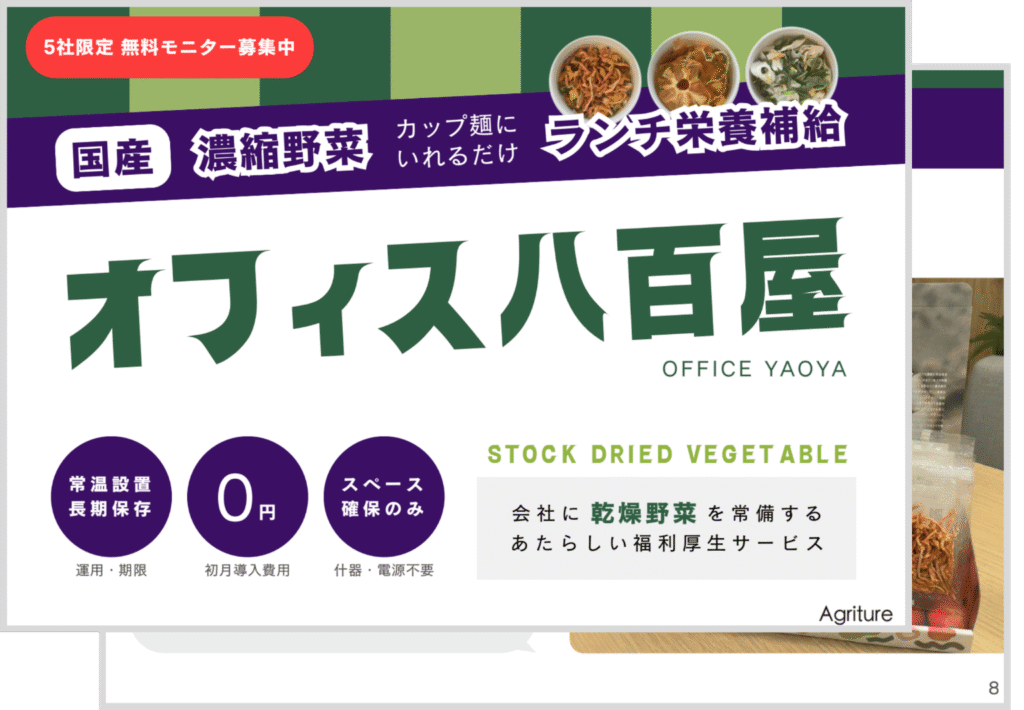
- Service details and vegetable lineup
- Pricing and plans
- How adoption and operation work
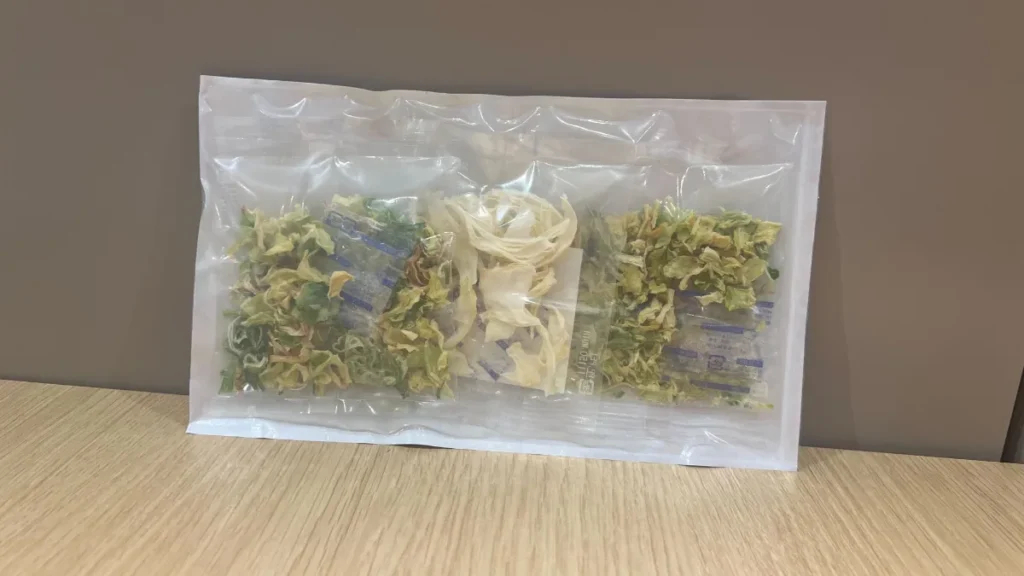
Sample sets are also available. Download the materials for details!
We offer sample sets so you can try Office Yaoya in small quantities. See the materials for details.
FAQ
We've compiled frequently asked questions about resolving a vegetable shortfall.
Download the office dried vegetable materials
We will send the materials to your email address based on the information you provide.