The new common sense of health maintenance that vegetable intake from your 40s can change

Summary of this article
Vegetable intake from your 40s is a new common sense of health maintenance that shapes your future risk of lifestyle-related diseases. With rising work and family demands, vegetable intake tends to decline, and vegetable shortfall in this period, when metabolism begins to slow, has serious effects. We explain efficient intake methods that even busy people in their 40s can keep up, covering time-saving cooking, using dried vegetables in the office, visualizing vegetable intake, and the relationship with health management.
The daily vegetable intake recommended by the Ministry of Health, Labour and Welfare is 350g. In reality, however, the average intake among Japanese people stays at about 280g. Especially from the 40s onward, vegetable intake tends to decline further due to the busyness of work and changes in lifestyle.
This 70g gap may be having a major effect on your health. Vegetable shortfall from your 40s is not merely a matter of nutritional balance—it is directly linked to future health risks.

When a lack of vegetables continues, intake of vitamins, minerals and dietary fiber tends to decrease. Especially from your 40s onward, this is a point worth reviewing with future health in mind.
Don't you assume you're "eating plenty of vegetables"?
10 Ways to Solve Vegetable Shortage That Even Busy People Can Practice
Boost your vegetable intake even on busy mornings! Simple techniques you can do in 5 minutes
What is the 350 g-a-day vegetable guideline? Easy ways to achieve it
TOC
Vegetable intake and everyday eating
Including vegetables in your daily meals helps improve your everyday diet. It is not just about getting vitamins.
Including a good balance of vegetables and fruit in daily meals is considered fundamental to a well-balanced everyday diet.

Through the workings of the dietary fiber, polyphenols, and water in vegetables, it has also been pointed out that they may help curb overeating and support the regulation of fat and energy metabolism. People who eat a lot of allium vegetables and yellow and red vegetables (carrots, pumpkin, tomatoes, and the like) in particular may even expect a weight-reduction effect.
"But I'm too busy to eat vegetables every day…"
We can almost hear that voice. Certainly, in modern society, getting enough vegetables every day is not easy, especially for business people from their 40s onward. But that is precisely why it matters to learn new ways of getting vegetables.

Efficient ways to get vegetables from your 40s
"I know vegetables matter, but I'm too busy to find time to cook."
The 40s is a period when work and family demands increase, and it tends to become harder to make time to prepare meals unhurriedly. As a result, occasions of relying on eating out or takeout increase, or days of skipping breakfast continue, and it is said this easily leads to a diet prone to vegetable shortfall. Amid ongoing busyness, nutritional balance can tilt without you noticing, at times affecting changes in your condition.
Here we introduce efficient ways to get vegetables that even busy people in their 40s can practice.
Cooking methods that save time without losing nutritional value
Making the most of vegetables' nutrients calls for the right cooking method. Steaming with a microwave is a recommended method that prevents the loss of water-soluble vitamins while cooking in a short time.
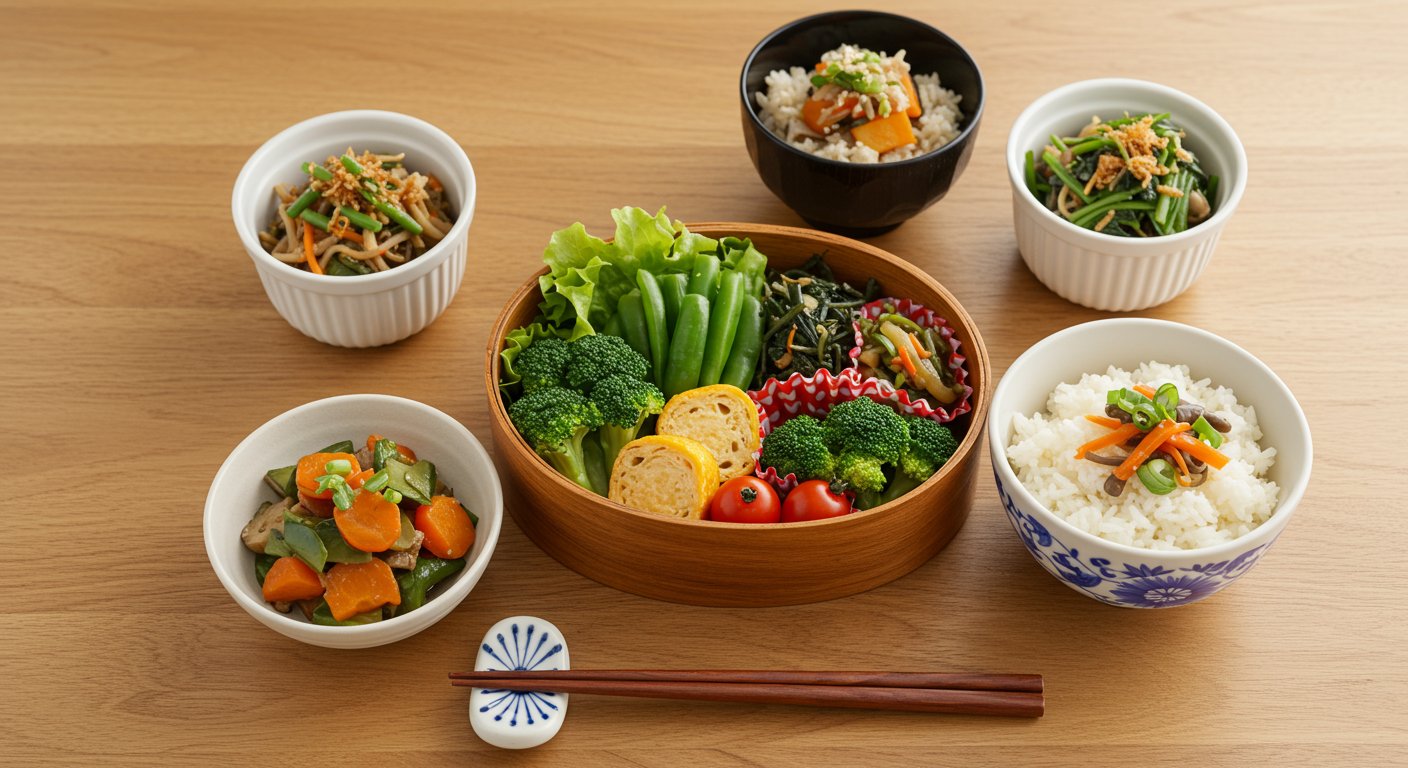
Just refining how you cut also shortens cooking time. For example, cutting hard vegetables such as carrots and pumpkin thinly shortens heating time, and cutting a large amount of vegetables at once to freeze means you can use them right away when needed.
Haven't you experienced this—preparing dinner on a busy weekday, too tired to even pick up a knife?
Vegetable-intake techniques you can practice even at the office
For people in their 40s who mainly do office work, dried vegetables that can be kept on the desk are recommended. They can be stored long-term with little cooking effort, so even busy business people can get vegetables daily.
For example, you can easily get vegetables just by rehydrating dried vegetables in hot water for a salad or adding them to soup. Mixing vegetable powder into yogurt or a smoothie is also effective.
Some people make a point of eating vegetables before meals. Simply getting into the habit of drinking vegetable juice in the short time before a meeting can increase your daily vegetable intake.
Vegetable powder cost-performance comparison! 7 points on how to choose and use
Ways to keep up vegetable intake
Even understanding the importance of vegetables, keeping up sufficient amounts in daily meals is not easy. Many people cannot secure cooking time due to the busyness of work and housework, and end up short on vegetables even when mindful of them. The reasons for not being able to keep it up—"the effort of preparation," "stocking up is difficult," "the flavors get monotonous"—are all tied directly to daily life.
So how can you make vegetable intake a habit without strain? Here are a few tips for keeping it up.
The effect of "visualizing" your vegetable intake
Grasping your own vegetable intake objectively is the first step to keeping it up. Recently, devices like "Veggie Check," which can estimate your vegetable intake just by placing your palm on a sensor, have appeared.
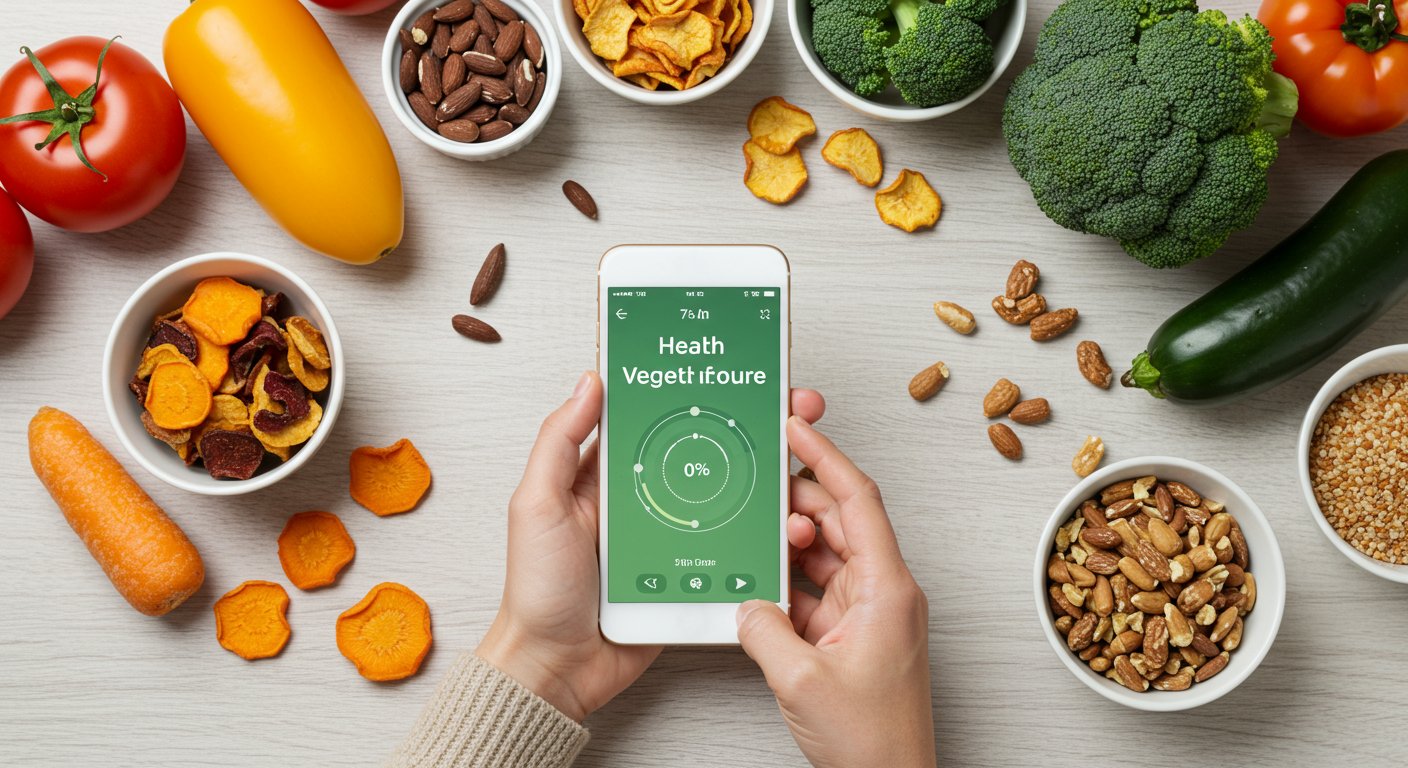
Using such tools to periodically check your vegetable-intake level leads to improving your diet. For instance, initiatives are beginning that install such devices in workplaces or employee cafeterias to promote employees' awareness of vegetable intake.
A vegetable-intake plan suited to a 40-something lifestyle
The 40s brings increased responsibility at work and home, and time spent on your own health tends to shrink. Let's think about a vegetable-intake plan you can practice even amid such busy days.
For example, "weekend prep," doing the preliminary prep of vegetables in bulk on the weekend, makes weekday vegetable intake far easier. Making a habit of drinking vegetable juice on the commute or during lunch is also effective. That said, vegetable juice contains sugar, so caution against drinking too much is needed.
The relationship between corporate health management and vegetable intake
"Health management," which considers employees' health care from a management perspective, is drawing attention. Maintaining the health of employees from their 40s onward in particular is an important issue directly linked to a company's productivity and medical costs.
Promoting vegetable intake has become an important part of such health management.
For example, initiatives are increasing in which companies support employees' vegetable intake, such as offering healthy menus in the employee cafeteria or introducing dried-vegetable services in the office.
At one company, installing a vegetable-intake estimator at the entrance of the employee cafeteria and introducing a system that recommends vegetable menus based on the measurement resulted in a case where the order rate for vegetable menus rose significantly. Such initiatives can be called a two-birds-with-one-stone measure that not only promotes employee health but also improves corporate image and reduces medical costs.

Summary: the future that vegetable intake from your 40s can change
Vegetable intake from your 40s not only maintains health but greatly shapes your future quality of life. Aim for the daily 350g of vegetables recommended by the Ministry of Health, Labour and Welfare, and start from what you can do today.
Increasing your vegetable intake helps improve your everyday diet. Busy people in their 40s in particular should adopt efficient ways to eat vegetables.
By making use of vegetable products in shelf-stable, convenient forms such as dried vegetables and vegetable powder, and using tools that "visualize" vegetable intake, let's build a vegetable-intake habit you can keep up without strain.
Resolving vegetable shortfall is the new common sense of health maintenance from your 40s. Why not make a small change to your diet, starting today?
A healthy future starts with today's vegetable intake.