Boost your vegetable intake even on busy mornings! Simple techniques you can do in 5 minutes

Summary of this article
This introduces techniques you can do in 5 minutes to boost vegetable intake even on busy mornings. The Japanese fall 70g short of the 350g vegetable target, and adding one dish to breakfast can improve it. It explains concrete ideas you can practice in the limited time before leaving for work, such as making use of make-ahead dishes, microwave time-saving cooking, vegetable juice and smoothies, and adding vegetables to toast or sandwiches.
The Ministry of Health, Labour and Welfare recommends 350g of vegetables a day, but the average intake among Japanese stays at about 280g. On busy mornings especially, many people feel they have no room to get in vegetables.
Incorporating vegetables into breakfast is an effective way to increase the day's vegetable intake. But on a busy morning, there's hardly time to cook vegetables.
So this time we introduce techniques for boosting vegetable intake that you can practice in just 5 minutes. Take in these methods and you'll be able to get vegetables easily even on a busy morning.
TOC
The importance of getting vegetables at breakfast
Why is getting vegetables at breakfast important?
According to Tokyo's "Vegetables, one more dish!" guidebook, the Japanese vegetable intake falls short of the target of 350g by about 70g. This shortfall is the equivalent of one side dish. In other words, just adding one vegetable side dish to breakfast can bring you closer to the day's target intake.
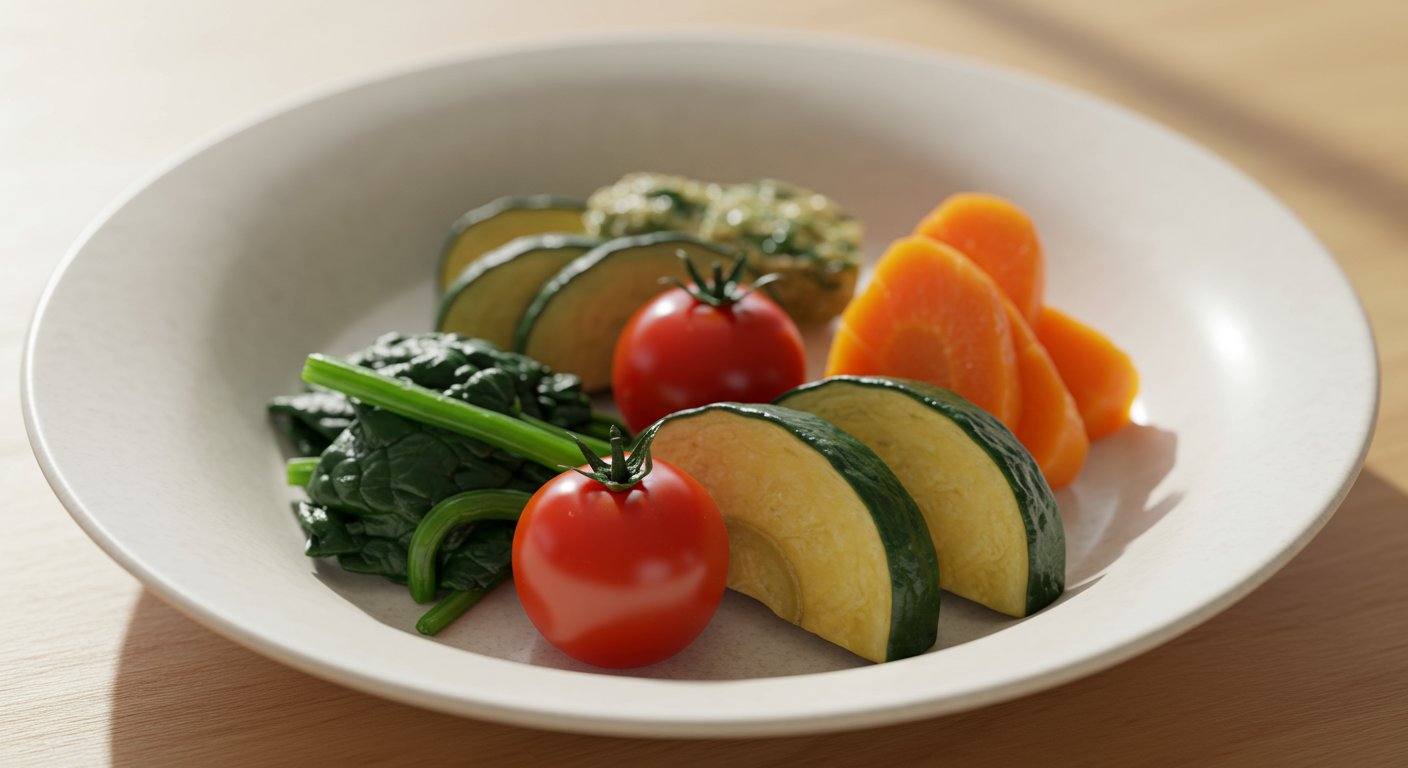
Also, getting vegetables in the morning lets you take nutrients such as vitamins, minerals, and dietary fiber into your body at an early stage. This lets you set your body's condition from the morning and build the foundation to spend the day actively.
Shorten prep time! How to make use of make-ahead dishes
Making a vegetable dish from scratch on a busy morning is tough. That's why make-ahead dishes are recommended.
By making vegetable side dishes in bulk on the weekend or the previous evening when you have time, in the morning a vegetable dish is complete just by plating it. In summer especially, cold vegetable side dishes are perfect even for a morning with no appetite.
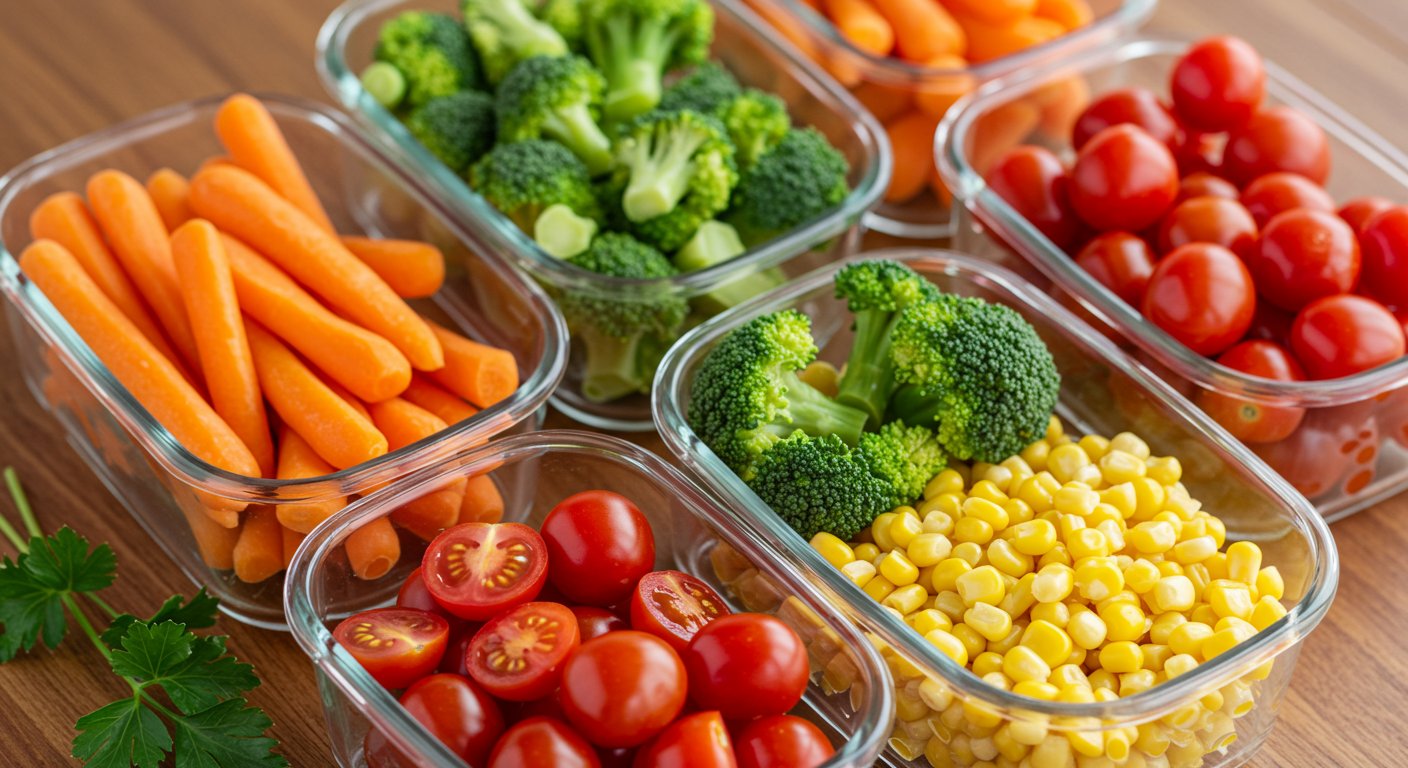
For example, "sweet-savory simmered eggplant and shishito" and "tomato and shiso dashi marinade" are vegetable dishes suited to making ahead. Since these get more delicious as the flavor soaks in over time, making them the day before means they're even tastier in the morning.
Also, making simple salads that can be made in under 10 minutes -- like "cabbage, carrot, and corn salad" and "daikon, cucumber, and crab-stick salad" -- in bulk at the start of the week lets you use them for several days' breakfasts.
How about it? Isn't it wonderful that a little time on the weekend makes weekday mornings easier?
Time-saving techniques that make the microwave your ally
The microwave is a strong ally on a busy morning. By heating vegetables in the microwave, you can greatly shorten cooking time.
For example, "chicken tender and cabbage in umami dashi" is an easy side dish complete just by microwaving. Heat the cabbage and chicken tender in the microwave and toss with seasonings, and a nutrition-packed dish is done.
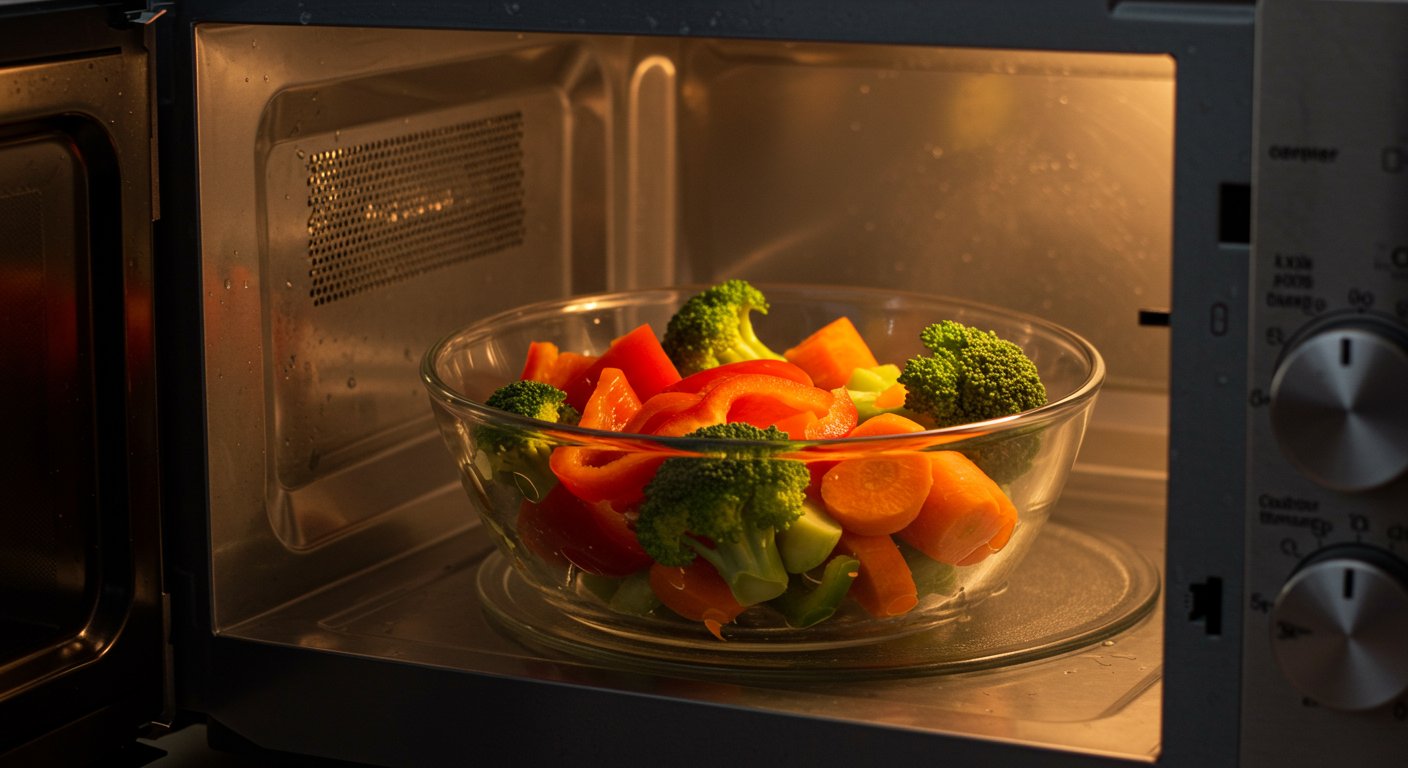
Also, green and yellow vegetables such as spinach and broccoli can be easily cooked in the microwave. Wrap them in kitchen paper dampened with water and heat, and you can cook them in a short time while limiting nutrient loss. Just pour soy sauce or Japanese-style dashi over them after heating, and they become a fine side dish.
Using the microwave lets you reduce the bulk of vegetables too. According to Kagome's "Vegetables and Life Registered Dietitian Lab," leafy vegetables such as cabbage reduce in bulk when heated, making it easier to eat more.
In the busy morning hours, isn't it splendid that a vegetable dish is done just by microwaving?
Get them easily with vegetable juice and smoothies
On a morning with no time to cook, making use of vegetable juice or a smoothie is effective too.
For vegetable juice, using a store-bought one lets you take in the vegetables' nutrients just by opening it. Choosing a 100% vegetable juice in particular has fewer additives and lets you take in vegetable nutrition in a more natural form.
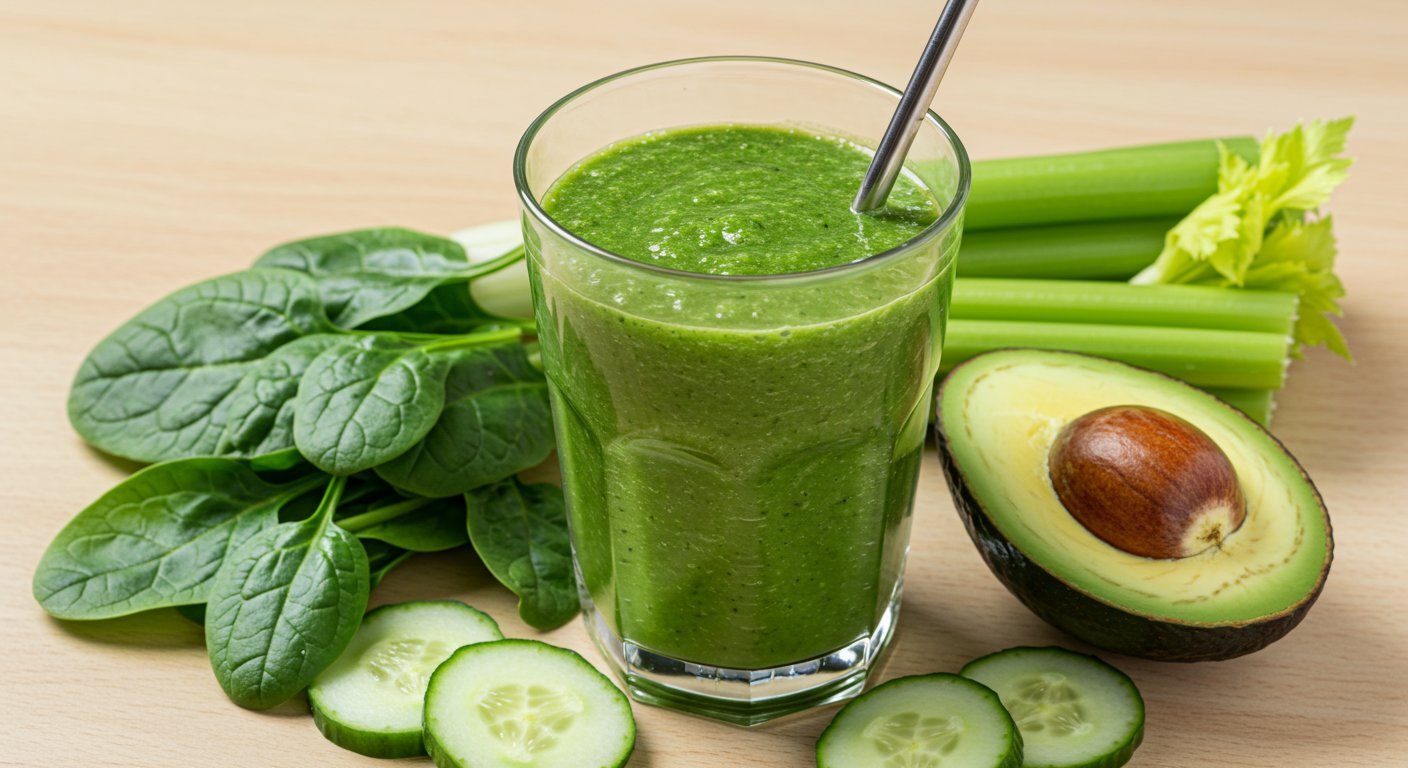
When making a homemade smoothie, portioning the ingredients and freezing them the previous day is convenient. In the morning, just put that frozen vegetable and fruit, and soy milk or yogurt, in a blender and mix, and it's done. Combining green and yellow vegetables such as spinach or kale with banana softens the vegetables' bitterness and makes it easier to drink.
However, vegetable juice or a smoothie alone can fall short on dietary fiber intake. As much as possible, try to take it in combination with raw or cooked vegetables.
Being able to get vegetables easily with a glass of smoothie on a busy morning -- it's an indispensable method for the busy modern life!
Easy ideas for adding vegetables to bread or rice
Just adding a little twist to breakfast's staple can boost vegetable intake.
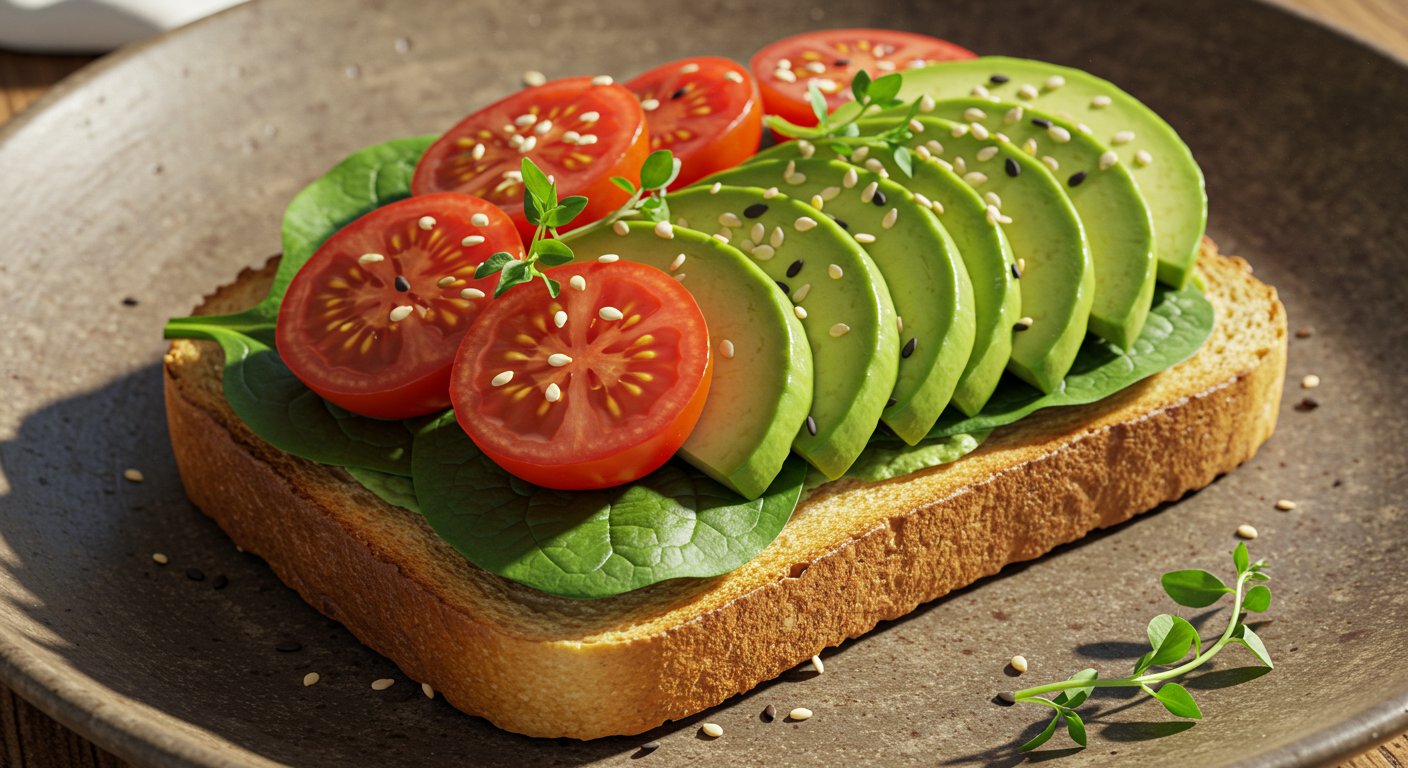
Just topping toast with vegetables lets you get them easily. Like "asparagus, bacon, and egg mayo toast" or "vegetables from the morning! Tsumagoi toast," combine vegetables with cheese or mayonnaise, put them on toast, and just bake in the toaster to finish.
Sandwiches are also a breakfast option for getting vegetables easily. Sandwiches packed with vegetables, such as "boiled egg and plenty of spring cabbage salad sandwich" or "lettuce-packed sandwich," have the appeal of being easy to eat with one hand too.
For rice lovers, like "Ma-go-wa-ya-sa-shi-i breakfast," mixing vegetables together with natto or egg is recommended. Adding aromatic vegetables such as onion or garlic increases the flavor and makes it delicious.
Take in the habit of adding vegetables to breakfast's staple, and you can boost vegetable intake without strain. Why not try it from tomorrow?
Summary: daily small habits create big change
Even on a busy morning, a little ingenuity lets you boost vegetable intake. Make-ahead dishes, microwave time-saving cooking, vegetable juice and smoothies, adding vegetables to the staple -- choose the method that suits your lifestyle and give it a try.
If you aim for the 350g of vegetables a day the Ministry of Health, Labour and Welfare recommends, just adding one vegetable dish (about 70g) to breakfast is a big step forward. Building up daily small habits leads to a healthy food life.
Agriture will keep sending practical information for solving vegetable shortfalls. Do bring ideas for boosting vegetable intake, practicable even for busy modern people, into your daily life.
See our collection of recipes using dried vegetables here
Change the Start of Your Day! The Relationship Between Dried Vegetables and Dietary Fiber
Why Dried Vegetables Now? 5 Benefits Beyond Just Convenient and Nutrient-Concentrated
Recommended reading
Sustainable initiatives / Commercial dried vegetables / Product lineup / 10 Ways to Solve Vegetable Shortage That Even Busy People Can Practice / Saving discarded vegetables! A new approach to food loss reduction
- 10 Ways to Solve Vegetable Shortage That Even Busy People Can Practice
- What is eating vegetables first? Eating order and how to practice it