かぼすの旬は8月から10月、それでも一年中店頭に並ぶのはなぜ

Summary of this article
農林水産省の令和5年産統計では、かぼすの全国の約98%が大分県産です。露地8〜9月・貯蔵10〜2月・ハウス3〜7月をつなぐ周年出荷の月別表、ひと玉30mlを基準にした料理別の使い分け、すだちとの違い、2026年に消除されたGI登録まで、産地の一次資料で整理しました。
揚げたての唐揚げに搾る。味噌汁の椀のふちでひとしぼりする。大分では当たり前のその使い方が、県外の食卓にはなかなか届いていません。店頭で見かけるのは年に数か月だけ、という印象を持っている人も多いはずです。
ところが大分県は、露地・貯蔵・ハウスの三つをつないで、かぼすを一年中出荷しています。それでも東京や関西の売り場で目立たないのには、統計をたどると理由が見えてきます。このページでは、旬と出回り月、料理ごとの使い分け、すだちとの違い、産地の数字、そして2026年に起きた「大分かぼす」の登録をめぐる変化までを、農林水産省の統計と大分県・特許庁の公表資料からたどりました。乾燥野菜の加工を受託している立場から、旬を過ぎたあとの使い方も最後にまとめています。
TOC
かぼすはどんな柑橘か。テニスボール大の青い実を搾って使う
かぼすは、果肉を食べるのではなく、果汁と果皮の香りを料理に足すために使う「香酸柑橘(こうさんかんきつ)」です。みかんのように主役になるのではなく、脂や塩気の角を落として素材の味を前に出す側に回ります。まずは果実そのものを押さえておきます。
出荷期の目安は1玉80〜100g、果汁は約30ml
大きさはテニスボールほどです。大分県カボス振興協議会は、主力品種について「8月〜9月の出荷期には80〜100gで収穫する」としています。ゴルフボールほどのすだちが1個20〜40gですから、重さでおよそ3倍前後の差があります。
この差がそのまま使い方の差になります。大分県は、かぼすの果汁量をひと玉でおよそ30mlと示しています。大さじ2杯ぶんです。鍋を4人分仕上げるのに2玉、自家製ポン酢を300ml作るのに3〜4玉という計算が立つので、買う個数を決めやすい柑橘だといえます。
青いうちに収穫するのは、香りがその時期にいちばん立つから
店頭のかぼすはほとんどが濃い緑色です。大分県は、ハウス栽培・露地栽培ともに「芳香がピークを迎える緑色の時期に収穫される」と説明しています。熟して黄色くなるのを待たず、香りの山で採ってしまうわけです。
特許庁に登録された「大分かぼす」の商品説明でも、爽やかな香りと、レモンやすだちに比べてやさしい酸味が特長として挙げられています。酸をぶつけるのではなく、香りごと寄り添わせる。かぼすが味噌汁や吸い物といった繊細な料理にまで使われるのは、この性格によるところが大きいはずです。
県内の85%が「大分1号」。種の少ない品種も残っている
かぼすは品種がいくつかに分かれています。大分県カボス振興協議会の整理では、昭和48年に県内の系統から選抜された大分1号が県下のかぼすの85%を占めます。次いで多いのが豊ミドリで、昭和46年に豊後大野市緒方町で枝変わりとして見つかった品種です。果実の緑色が濃く、低温に強いことから貯蔵向けに使われ、県内の約12%を占めています。
残る数%に、種子が極めて少ない品種が入ります。津久見市で見つかった香美の川は75g前後、豊後大野市緒方町で見つかった祖母の香は70g程度と、どちらも大分1号よりやや小ぶりです。祖母の香という名は、宮崎県境にある祖母山に由来しています。産直や直売所で小さめのかぼすに当たったときは、こうした希少品種の可能性があります。
臼杵に残る樹齢300年の木と、名前の由来が割れていること
産地の伝承では、臼杵市乙見地区に、江戸時代に宗玄という医師が京都から持ち帰った苗木を植えたのが始まりとされています。文献に「かぼす」の記述が現れるのは昭和中期ですが、臼杵市内には樹齢300年といわれる古木があり、樹齢200年前後の木も数本残っています。他県にこれほど古いかぼすの木が見られないことが、大分県が原産地とされる根拠になっています。
名前の由来については、資料の書きぶりが割れます。食の媒体では、刻んだ皮を蚊よけにいぶしたことから「蚊いぶし」が訛ったという説、漢字を「香母酢」と当てる説がよく紹介されます。一方で産地の公式団体である大分県カボス振興協議会は、由来として宗玄の言い伝えを挙げるだけで、蚊いぶし説にも香母酢の表記にも触れていません。どちらかが正しいと断じるだけの材料は公表資料の中にはなく、複数の説が並んでいる状態だと受け取るのが正確です。
かぼすの旬は8〜10月。それでも一年中店頭に並ぶのはなぜか
「かぼす 旬」「かぼす 時期」で調べると8〜10月という答えが返ってきます。それは露地ものの話で、売り場のかぼすが年に3か月しか存在しないという意味ではありません。大分県は三つの出荷をリレーさせて、緑色のかぼすを一年中切らさない体制を組んでいます。
露地・貯蔵・ハウスの3期をつないで周年で出す
大分県は県民からの提言への回答の中で、「8〜9月の露地期、10〜2月の貯蔵期、3〜7月のハウス栽培期とリレーすることで、グリーンかぼすを周年供給」していると説明しています。大分県果樹農業振興計画書でも「3月から施設で栽培された果実が出荷されます。露地の最盛期は9月で、貯蔵果実が2月頃まで出荷されます」と記されており、月の切り方はほぼ一致します。
ひとつだけ資料差があります。ハウスものの終わりを、大分県は7月まで、大分県カボス振興協議会は「3月中旬から8月はじめ」としています。露地の出始めと重なる時期の扱いが違うだけで、春から初夏はハウス、夏から秋は露地、秋から冬は貯蔵という流れは共通です。
| Category | 出回る時期 | 味と果皮の傾向 | Suitable use |
|---|---|---|---|
| ハウスかぼす | March–July (3月中旬〜 8月はじめとする 資料もある) | 果皮がやわらかく 果汁が多い | 果汁を多く使う料理、 Drinks |
| 露地かぼす | August to September (旬は8〜10月) | 香りがいちばん強い。 最盛期は9月 | 焼き魚、唐揚げ、 味噌汁、 ポン酢の仕込み |
| 貯蔵かぼす | October–February | 予措と低温貯蔵を経て 緑色を保つ | 鍋、冬の汁物、 煮物の仕上げ |
| 完熟かぼす (黄かぼす) | November–December | 樹上で黄色くなり Mellow acidity | 果汁を多く使う加工、 ジャム、ドリンク |
冬のかぼすが緑色なのは、2℃の貯蔵庫で色を止めているから
12月に買ったかぼすが青いのは不思議に思えますが、これは貯蔵の技術によるものです。大分県カボス振興協議会は、収穫したかぼすを放置すると果皮から水分が抜けて鮮度が落ち、同時に果皮の色が緑から黄色に変わってしまうと説明しています。
そこで、まず果皮の水分をわずかに飛ばす工程を踏み、特殊なポリ袋に入れて貯蔵温度2℃の貯蔵庫に納めます。この手順で、翌年の2月ごろまで鮮やかな緑色の果皮と香りを保ったまま出荷できるようになりました。貯蔵出荷が本格化したのは平成2年で、これによって秋冬料理まで用途が広がり、翌春のハウス栽培につながる周年出荷が確立しています。
家庭の冷蔵庫でこの状態を再現することはできません。産地の緑は、専用の貯蔵庫と事前の水分調整があって初めて成り立っています。家で数週間置いたかぼすが黄色くなってきても、それは失敗ではなく、本来の変化が進んだだけです。
11月から12月は、樹上で黄色くした「完熟かぼす」が出る
緑を保つ流れとは別に、あえて黄色くしてから採る出荷もあります。特許庁に登録された「大分かぼす」の商品説明には、11月から12月にかけて、収穫時期を遅らせ樹上で完熟させて収穫した「黄かぼす」も手に入ると書かれています。
JA全農おおいたは、完熟かぼすについて、緑色のかぼすに比べて酸味がまろやかで、搾汁できる量が多いのが特徴だとしています。同時に、酸味が弱いぶん既存の加工商品にそのまま使うのが難しく、2017年から完熟かぼす果汁の特徴を生かした商品開発を検討してきたとも記しています。集荷量は2019年の300tから2021年には800tまで拡大しました。
黄色いかぼすを見かけたら、それは傷んだものではなく、別の狙いで採られた果実です。酸が立たないぶん、果汁をたくさん使うジュースやジャム、はちみつ漬けのほうが持ち味が出ます。焼き魚に少量搾って香りで切りたい場面には、緑のものを選ぶほうが確実です。
露地ものの始まりは「旬入り宣言」で知らされる
ハウスものから露地ものへの切り替わりは、産地が毎年はっきり告げます。大分県カボス振興協議会は、露地の大分かぼすの出荷が始まる時期に合わせて「旬入り宣言」を行い、旬に入ったことを広く知らせています。宣言はその年の作柄を見て出されるので、暦の上の日付より実際の出回りに近い目安になります。
この宣言を目印にすると、買い時を外しません。宣言から2か月ほどが露地ものの期間で、9月が最盛期にあたります。まとめ買いをするなら、宣言が出てから9月いっぱいまでが狙い目です。
買った月で使い道を変えると無駄がない
香りで勝負したい料理は、露地ものが出る8〜9月に集中させるのが確実です。焼き魚の仕上げ、唐揚げ、皮のすりおろしといった、香りが前に出る使い方はこの時期にまとめたいところです。
一方、鍋やポン酢、ドレッシングのように果汁の量がものを言う場面なら、貯蔵ものやハウスものでも不足はありません。時期で優劣をつけるより、その月に出ているものに合わせて役割を変えるほうが、結果として使い切れます。
かぼすは何に使う?料理別の使い分けと果汁の目安
かぼすの使い道を「焼き魚に搾る」で止めてしまうと、1袋買っても持て余します。ひと玉から約30mlの果汁が取れるという前提で、場面ごとに必要な量を数えていくと、迷いが減ります。
| 使いたい場面 | Part used | 果汁と玉数の目安 | かぼすの向き |
|---|---|---|---|
| 焼き魚・干物 (1切れ) | 果汁 | 5〜10ml (1/4玉) | 脂を切る。 定番の使い方 |
| 唐揚げ・天ぷら (2人分) | 果汁 | 15ml前後 (1/2玉) | 大分では 唐揚げに必ず添える |
| 味噌汁・吸い物 (1杯) | 果汁 | 5ml前後 (1/4玉) | 大分の日常的な How to use |
| 鍋もの (4人分) | 果汁 | 60ml前後 (2玉) | いちばん向く。 量を使える |
| 自家製ポン酢 (300ml) | 果汁 | 100ml前後 (3〜4玉) | まとめ作りに 都合がいい |
| Dressing (200ml) | 果汁 | 50ml前後 (2玉) | 酸が立ちすぎない |
| 刺身・ カルパッチョ | 果汁と薄切り | 15ml前後 (1/2玉) | 薄切りを添えると 見た目も整う |
| 焼酎・サワー (1杯) | 果汁 | 15ml前後 (1/2玉) | 大分では定番 |
| ジュース・ 炭酸割り(2杯) | 果汁 | 60ml前後 (2玉) | 果汁が多いので 数が読める |
| 香りづけの すりおろし | Peel | ひとつまみ | 使えるが、 ゆずのほうが強い |
搾る・薄切り・皮おろしで役割が変わる
かぼすの使い方は大きく三つに分かれます。半分に切って搾るのがいちばん多く、果汁の量がそのまま効く場面はすべてここに入ります。搾るときは皮目を下に向けると、果皮から出る香りの成分もいっしょに料理に落ちます。
薄い輪切りは、飲み物や刺身の盛りつけで使います。果汁を出すというより、見た目と、口に入れる直前の香りを足す役割です。三つめが果皮のすりおろしで、これは量を使えません。かぼすの皮はゆずほど香りが強くないので、ゆずの代わりに同じ量を使うと物足りなくなります。
味噌汁と唐揚げは、大分では説明のいらない使い方
県外の人がいちばん驚くのが、味噌汁にかぼすを搾る使い方です。大分県カボス振興協議会が公開している生産者の声にも、好きな使い方として味噌汁が繰り返し挙がっています。国東市で搾汁用のかぼすを手がける生産者は、レモンなど他の柑橘では味噌汁にやらないが、かぼすだけはできると話しています。
唐揚げに添えるのも、産地では説明のいらない組み合わせです。臼杵市の生産者は好きな食べ方として天ぷら、もずく、味噌汁と並べて唐揚げを挙げ、「大分県では王道」と付け加えています。鶏の唐揚げは大分の郷土食でもあるので、家庭のなかでかぼすと隣り合ってきた時間が長いのだと思います。
ポン酢とドレッシングは、まとめて仕込むほうが向いている
ひと玉30mlという果汁量は、調味料を仕込む用途と相性がいい数字です。果汁・しょうゆ・だしを同量ずつ合わせる自家製ポン酢なら、300ml作るのに果汁は100ml前後、つまり3〜4玉で足ります。すだちで同じ量を取ろうとすると玉数がかなり増えるので、ここはかぼすの独壇場です。
仕込んだポン酢は香りが先に抜けます。冷蔵で1週間ほどを目安に使い切るつもりで、多めに作りすぎないほうがおいしく終われます。多く手に入った日は、ポン酢にする分と、果汁のまま凍らせる分に分けてしまうのが実際的です。
箱で届いたら、最初に三つに割り振る
旬の時期に箱で買うと、2kgで15〜25個ほど入ってきます。果汁にすればおよそ450〜750mlです。届いた日に全部を野菜室へ押し込むと、使い切れないまま黄色くなっていきます。最初に三つへ割り振ってしまうほうが確実です。
目安としては、1週間で搾り切れる数だけを生のまま冷蔵に残します。次に、ポン酢やドレッシングに仕込む分をその日のうちに搾ります。残りは全部搾って製氷皿へ。皮は搾ったあとにすりおろして小分け冷凍しておくと、香りづけ用が数か月ぶん確保できます。
ジャムやはちみつ漬けにするなら、緑のものより11月以降の完熟かぼすのほうが向きます。酸が弱いぶん砂糖の量を抑えられるからです。緑のかぼすが余っているときは、ジャムに回すより果汁で凍らせたほうが持ち味を殺しません。
大分では、かぼすを食べた魚まで売られている
かぼすの使い道は台所の外にも広がっています。大分県は、かぼすを餌に混ぜて育てた養殖ブリを「かぼすブリ」として売り出しており、果汁を餌に対して1.0%添加して30回、果皮パウダーを0.5%添加して25回与えるという生産基準まで定めています。研究は平成19年度に始まり、販売開始は平成22年度です。
平成25年度には、かぼすブリ・かぼすヒラメ販売促進協議会が結成され、対象はヒラメにも広がりました。かぼすブリの旬は10月ごろから3月末で、緑のかぼすが貯蔵期に入る時期と重なります。産地では、果実そのものだけでなく、搾ったあとの皮まで別の商品に化けているわけです。
すだち・ゆず・レモンとはどこが違う?大きさと出回り月で見分ける
「すだち かぼす 違い」は、香酸柑橘のなかでいちばん多く検索される比較です。見分ける手がかりは意外と少なく、大きさと、売り場に出ている月のふたつでほぼ足ります。
大きさで見分けるのがいちばん確実
大分県は、かぼすをテニスボール程度、すだちをゴルフボール程度と表現し、3種のなかでかぼすが最大、すだちが最小だとしています。すだちは1個20〜40gですから、手のひらに何個ものる小ささです。かぼすを1個持ったときの重さで、まず取り違えることはありません。
切ってからでも見分けられます。大分県は、かぼすの断面を赤みのある黄色、すだちの断面を黄緑がかった色と書き分けています。ゆずはほんのり黄色で果皮がごつごつしており、果汁はごくわずかしか取れません。
| Type | 大きさと重さ | 香りと酸味 | Main growing region (令和5年産) | 向いている How to use |
|---|---|---|---|---|
| Kabosu | テニスボール大。 出荷期で 80〜100g | 香りはおだやか、 酸味はやわらかい | Oita Prefecture (全国の約98%) | 鍋、ポン酢、味噌汁、 果汁を多く使う料理 |
| Sudachi | ゴルフボール大。 1個20〜40g | 果皮の香りが鋭く、 酸味はきりっと | Tokushima Prefecture (全国の約98%) | 焼き魚や麺の薬味、 皮のすりおろし |
| Yuzu | かぼすより大きく 果皮がごつごつ | 果皮の香りが主役。 果汁は少ない | 高知県、愛媛県、 Tokushima Prefecture | 皮の香りづけ、 ゆず胡椒、ゆず茶 |
| Lemon | かぼすと 同等かそれ以上 | 強い酸味と 洋風の香り | 広島県、愛媛県、 Wakayama Prefecture | 洋食、製菓、 Drinks |
出回る月も1〜2か月ずれている
どちらも周年で流通していますが、区切りが少し違います。すだちは徳島県が、ハウス3〜8月、露地8〜10月、冷蔵10〜3月という三つでつないでいます。かぼすはハウス3〜7月、露地8〜9月、貯蔵10〜2月です。すだちのほうが露地期も貯蔵期も1か月ぶん長く取られています。
売り場で両方が並ぶのは8月から10月です。この時期に「どちらを買うか」で迷ったら、量を使うならかぼす、香りを少量足すならすだちで、まず外しません。すだち側の旬や保存の詳細はすだちの旬と保存のコツにまとめてあります。
代用するときは量を変える
かぼすがなければ他の香酸柑橘で代えられますが、同じ個数では合いません。すだちで代えるときは、香りと酸味が鋭く出るので、まず少なめから足して味を見ます。果汁量の差もあるので、鍋やポン酢の用途では玉数がかなり必要になります。
レモンで代えると、和食には洋風の香りが立ちすぎることがあります。和食には和の香酸柑橘、洋食や菓子にはレモンという分け方にしておくと、違和感が出にくくなります。ゆずは果汁がほとんど取れないので、かぼすの代わりに搾る用途には向きません。
FOR BUSINESS
かぼすに近い香酸柑橘の乾燥品をお探しですか
かぼすの乾燥品は扱っておらず、同じ香酸柑橘ではDried sudachi・Sudachi powder・柚子をお出ししています。果汁を多く使う用途か、皮の香りを使う用途かでご相談ください。
少量でのご購入は、姉妹ブランドの通販サイト OYAOYA で承っています。徳島県・愛媛県産のすだちを乾燥させた商品をご用意しています。
かぼすの産地は大分県。全国の約98%が1県に集まっている
「かぼす 産地」「かぼす 名産地」で調べると、大分県という答えのあとに97%、98%、99%、9割以上と、資料によって違う数字が並びます。どれも間違いではなく、年産と出典が違うだけです。
令和5年産では全国6,613tのうち大分が6,500t
農林水産省の「令和5年産特産果樹生産動態等調査」によると、かぼすの全国の栽培面積は550.8ha、収穫量は6,613.7tです。このうち大分県が541.0ha、6,500.0tを占めています。収穫量でみた大分県の割合は約98%という計算になります。
大分県果樹農業振興計画書は同じ令和5年産について、かぼすの栽培面積541ha、産出額27億円、栽培面積は全国第1位で「生産量の9割以上が大分県産」と記しています。大分県カボス振興協議会は令和4年産を根拠に「全国で99%」としています。数字の幅は、こうした年産と表現の違いから生まれています。
県内の主産地は臼杵市・竹田市・豊後高田市
同じ統計は都道府県ごとの主要産地も市町村名で挙げています。大分県のかぼすの主要産地は臼杵市、竹田市、豊後高田市です。大分県果樹農業振興計画書はこれに豊後大野市と国東市を加えた5市を主な産地としています。発祥地とされる臼杵市が、いまも産地として先頭にいることになります。
県は栽培面積を令和12年産に600haへ広げる目標を置いています。一方で計画書は、出荷量の減少によって加工用果実の供給が不足しており、青果・加工用果実ともに出荷量の確保が課題だとも書いています。面積が増えれば足りるという状況ではなさそうです。
大分以外にも、宮崎・埼玉・福岡で少量つくられている
かぼすは大分県だけの果実、と書かれることが多いのですが、統計上は他の5県にも生産があります。量としてはごくわずかで、合計しても全国の2%に届きません。産直で大分県産以外のかぼすに出会うことがあるのは、こうした小さな産地があるためです。
| 都道府県 | 収穫量 | 主な産地の市町村 |
|---|---|---|
| Oita Prefecture | 6,500.0t | 臼杵市、竹田市、 豊後高田市 |
| Miyazaki Prefecture | 73.1t | 日之影町、高千穂町、 日南市 |
| Saitama Prefecture | 18.6t | 小鹿野町、秩父市、 皆野町 |
| Fukuoka Prefecture | 16.7t | うきは市、東峰村、 宗像市 |
| Kagoshima Prefecture | 3.0t | 鹿児島市 |
| Ehime Prefecture | 2.3t | 愛南町、宇和島市、 今治市 |
| Nationwide | 6,613.7t | — |
収穫量の半分は売り場に出ない。東京でかぼすを見かけにくい理由
大分県は、かぼすについて「約半量が九州で消費されており、すだちに比べ東京や関西での知名度や販売量が低い」と書いています。産地みずからの分析です。同じ統計をもう少し掘ると、その背景が数字で見えてきます。
収穫6,613tに対して出荷は3,342t
令和5年産のかぼすは、収穫量6,613.7tに対して出荷量が3,342.9tです。ちょうど半分ほどしか出荷に回っていません。農林水産省は出荷量を「収穫量のうち生食向け及び加工向けとして販売した量」と定義し、自家消費や飼料用を含めないとしています。つまり差の3,270tあまりは、販売に回らなかった果実ということになります。
すだちと比べると差がはっきりします。同じ年産のすだちは収穫量3,356.3tに対して出荷量3,005.9tで、収穫のほぼ9割が販売に回っています。庭先に木があり、家で採って使う量が多い産地の姿が、かぼす側の数字には出ているのだと思います。
出荷されたうち7割近くが加工向け
もうひとつ効いているのが、出荷の中身です。かぼすの出荷量3,342.9tのうち、加工向けが2,272.8tを占めます。出荷量の約68%が加工に回っている計算です。残りの生食向けは1,070tほどにとどまります。
すだちは出荷量3,005.9tのうち加工向けが1,561.6tで、比率は約52%です。生食向けはおよそ1,444tあります。収穫量に対する生食向けの割合でみると、かぼすは約16%、すだちは約43%と、3倍近い開きになります。青果として売り場に並ぶ量そのものが、かぼすは少ないわけです。
大分県の言う「東京や関西での販売量が低い」は、人気の問題というより、青果として県外に出せる量が構造的に限られている話だと読めます。果汁飲料や加工品としては全国に届いているのに、生の果実としては会いにくい。かぼすはそういう柑橘です。
青果で買うなら、旬の時期か産直を狙う
この構造がわかると、買い方も決めやすくなります。近所のスーパーで確実に見つかるのは、露地ものが出る8〜9月です。この時期には箱売りも出回るので、ポン酢やジャムに仕込む前提でまとめ買いするのに向いています。
それ以外の月は、産地直送の通販や産直のほうが当たります。皮に少し傷のある家庭用の規格は、搾って使うぶんには何も困りません。まとまった量が必要なときほど、青果店より産直のほうが手に入りやすいのがかぼすです。
「大分かぼす」のGI登録は2026年に消除された。いま何が残るのか
かぼすを紹介する記事の多くが「大分かぼすは地理的表示(GI)に登録されている」と書いています。産地の公式サイトにもその記載が残っています。ただし2026年3月時点で、これは現状と合わなくなりました。
2017年に第33号として登録された
「大分かぼす」は、登録番号第33号として地理的表示保護制度に登録されました。大分県カボス振興協議会は登録日を平成29年5月26日としています。登録の対象は、統一された品質基準に沿って選果された、緑色の時期のかぼす青果でした。
令和8年1月31日に失効し、3月11日に登録が消除された
農林水産省が公示した「登録の消除の公示(登録番号第33号)」によると、登録生産者団体である大分県カボス振興協議会から登録失効の届出があり、登録が消除されました。登録失効の年月日は令和8年1月31日、理由は生産行程管理業務廃止(法第20条第1項第2号)、登録の消除の年月日は令和8年3月11日, contained in burdock and cocoa.
実際、農林水産省の登録産品一覧で大分県の欄に残っているのは第22号「くにさき七島藺表」だけで、第33号は「消除」と表示されています。個別の登録ページも閲覧できなくなりました。産地側のサイトにはまだGI登録の記載が残っていますが、制度上の登録はすでにありません。
地域団体商標としての「大分かぼす」は残っている
名前の保護がまるごとなくなったわけではありません。「大分かぼす」は商標登録第7011487号として、特許庁の地域団体商標に登録されています。権利者は大分県農業協同組合とべっぷ日出農業協同組合で、指定商品は「大分県で生産されたかぼす」です。特許庁の紹介ページは2026年3月4日付で更新されており、現に有効な登録として扱われています。
地理的表示と地域団体商標は別の制度です。地理的表示は国が生産基準と管理体制ごと登録して守るしくみで、地域団体商標は団体が商標権として名称を使う権利を持つしくみです。かぼすの場合、前者が外れて後者が残った形になります。
すだちは登録が続いている
対になる産地の状況も見ておくと、違いがはっきりします。「徳島すだち」は登録番号第129号として令和5年3月31日に地理的表示へ登録され、いまも一覧に載っています。すだち側の事情はすだちの旬と保存のコツで触れています。
買う側として押さえておくなら、かぼすについてはGIマークを目印にできなくなった、ということです。産地を確かめたいときは、JAの共販ルートかどうか、「大分かぼす」の表示があるか、産地表示が大分県内の市町村まで書かれているか、といったところを見るのが実際的です。
新鮮なかぼすの選び方と、家庭での保存の仕方
かぼすは、果汁の量が価値の中心にある果実です。選ぶときも保存するときも、水分をどれだけ残せるかがそのまま品質になります。
緑が濃く、持って重いものを選ぶ
売り場で見るのは次の4点です。
- 果皮の色が濃く、均一で、ツヤがある
- 持ったときに、見た目よりずっしり重い
- ヘタの切り口がみずみずしく、茶色く変わっていない
- 表面がしぼんでいたり、押すとへこむものは避ける
重さは果汁の量に直結します。同じ大きさなら重いほうを取るのが確実です。緑の濃さについては、産地でも手間をかけている部分で、臼杵市の生産者は、果実の周りの葉や枝を取って日光をまんべんなく当てる作業が色を決めると話しています。
常温に置くと黄色くなる
かぼすを常温で置くと、果皮から水分が抜けて鮮度が落ち、同時に緑から黄色へ変わります。産地が2℃の貯蔵庫を使っているのは、この変化を止めるためです。家では、買ってきたらその日のうちに冷蔵庫へ入れるのが基本になります。
冷蔵のときは、果皮の水気を拭いてからポリ袋に入れ、空気を抜いて野菜室に置きます。袋に入れるのは乾燥を防ぐためで、産地が特殊なポリ袋を使っているのと、ねらいは同じです。何個もまとめて入れるより、2〜3個ずつ小分けにしたほうが、開け閉めのたびに全部が乾くのを避けられます。
日持ちの目安は、なぜ資料でばらつくのか
家庭での日持ちについては、産地や行政の資料に明確な基準が見当たりません。食の媒体が示す目安も、冷蔵で数週間とするものから1か月程度とするものまで幅があります。保存前の状態も、冷蔵庫の温度も家ごとに違うので、幅が出るのは当然だといえます。
香りを保ったまま使うなら1週間を目安にし、それ以上かかりそうなら冷凍に回すのが安全です。下の表は、公開されている目安を幅のまま並べたものです。断定された数字ではないことを前提に使ってください。
| 保存の仕方 | 公開されている目安 | 向いている使い道 |
|---|---|---|
| Room temperature | 数日。 黄色くなりやすい | その日のうちに 使い切る分 |
| Refrigerated (袋+野菜室) | 数週間から1か月まで 資料により幅がある | Everyday cooking use |
| Frozen (whole) | 1〜2か月程度 | 皮のすりおろし、 薄い輪切り |
| Frozen (くし切り) | 1〜2か月程度 | 解凍してそのまま搾る |
| Frozen (果汁・製氷皿) | 2〜3か月程度 | 鍋、ポン酢、 Drinks |
| 乾燥品 | 製品ごとの 賞味期限による | お茶、料理の仕上げ |
皮も果汁も残さず使い切る
使い切れないとわかった時点で、果汁と皮に分けてしまうのが確実です。搾った果汁は製氷皿で凍らせておけば、鍋やドリンクに必要な分だけ取り出せます。ひと玉30mlなら、製氷皿のひと枠がだいたい半玉ぶんになります。
皮は、白いワタの手前まで薄くすりおろし、小分けにしてラップで包んで冷凍します。香りづけとして使う量は少ないので、ひと玉分でもかなり長く持ちます。搾ったあとの皮を風呂に浮かべる使い方が大分に伝わっていますが、家では香りづけのほうが出番が多いはずです。
旬を過ぎてからかぼすの香りを使う方法
貯蔵ものとハウスものがあるので、かぼす自体は一年中買えます。ただ、露地ものの香りと同じかというとそうではありませんし、住んでいる地域によっては青果に出会えない月もあります。旬にまとめて確保して、形を変えて持たせる方法を押さえておくと安心です。
果汁を凍らせるのが、いちばん失敗しない
果汁が多いかぼすは、搾って凍らせる形がよく合います。露地ものが出る8〜9月に箱で買い、半分は生のまま使い、残りは全部搾ってしまう。この分け方にしておくと、冬まで自家製ポン酢とドリンクが続きます。
凍らせるときは、製氷皿で固めてから保存袋に移しておくと場所を取りません。搾りたてに比べれば香りは落ちますが、鍋や汁物のように加熱を伴う使い方なら差はほとんど気になりません。
加工品なら通年で手に入る
統計が示すとおり、かぼすは出荷のうち7割近くが加工に回ります。裏を返せば、果汁飲料やポン酢といった加工品は年間を通じて流通しているということです。大分県果樹農業振興計画書も、かぼす果汁飲料を差別化できる商品の例として挙げています。
11月以降に出る完熟かぼすの果汁は、緑のものより酸味がまろやかだとJA全農おおいたが説明しています。加工品を選ぶときに、緑のかぼすを使ったものか完熟のものかを見ると、味の当たり外れが減ります。
香酸柑橘を乾かすときは、温度を下げて時間をかける
乾燥させて常温で持たせるという選択肢もあります。ただ、香酸柑橘の乾燥はむずかしい部類に入ります。加熱しすぎると香りが先に飛び、酸味だけが残った味になってしまうためです。
Agritureでは国産の素材を温風で乾かしていますが、香りを残したい原料ほど温度を下げて時間をかけます。果皮の薄い香酸柑橘はとくに加減がむずかしく、スライスの厚みと温度の組み合わせを何度も試すことになります。旬の生果で季節を味わい、乾燥品や凍らせた果汁で通年つなぐ。この二段構えにしておくと、かぼすを切らさずにすみます。
FOR BUSINESS
かぼすに近い香酸柑橘の乾燥品をお探しですか
かぼすの乾燥品は扱っておらず、同じ香酸柑橘ではDried sudachi・Sudachi powder・柚子をお出ししています。果汁を多く使う用途か、皮の香りを使う用途かでご相談ください。
少量でのご購入は、姉妹ブランドの通販サイト OYAOYA で承っています。徳島県・愛媛県産のすだちを乾燥させた商品をご用意しています。
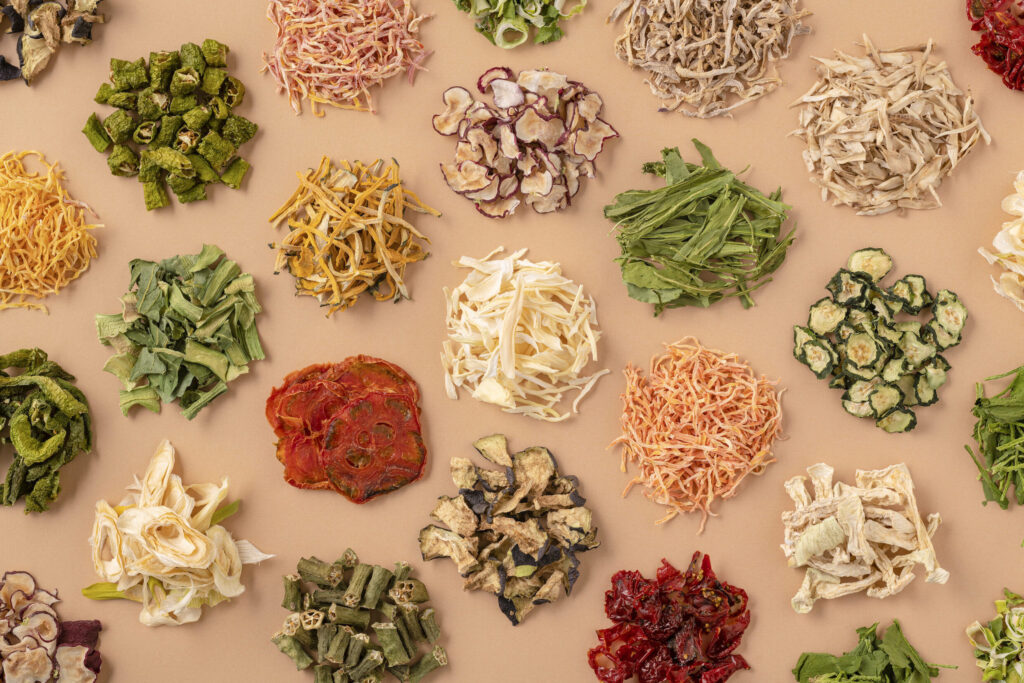
A product catalog that shows around 100 items we handle
Agriture, flexibly handling everything from small lots to large lots
- Available for purchase in small lots from 1 kg
- We handle heirloom vegetables from across Japan
- Dried fruit and herbs also supported
FAQ
Summary
かぼすは、農林水産省の令和5年産の統計で全国の収穫量6,613.7tのうち6,500.0tを大分県が占める、約98%が1県に集まった香酸柑橘です。露地の旬は8〜10月ですが、大分県は露地8〜9月、貯蔵10〜2月、ハウス3〜7月の三つをつないで緑色のかぼすを一年中出荷しています。
ひと玉から約30mlの果汁が取れるので、鍋やポン酢のように量を使う料理に向きます。焼き魚に少量搾って香りを立てたい場面はすだちのほうが得意で、そこが使い分けの分かれ目です。
東京や関西の売り場で見かけにくいのは人気の問題ではありません。収穫量の半分しか出荷に回らず、出荷分の7割近くが加工向けなので、青果として県外に出る量がもともと少ないためです。青果で買うなら露地ものの8〜9月か、産直を狙うのが確実です。
制度の面では変化がありました。「大分かぼす」の地理的表示(GI)登録は令和8年1月31日に失効し、3月11日に消除されています。いま名称を守っているのは、特許庁の地域団体商標(登録第7011487号)です。買うときの目印が変わったことだけ、頭の隅に置いておくとよいと思います。
Download the product catalog
We will send the materials to your email address based on the information you provide.
- How to Make Vegetable Furikake: Easy with Dried Vegetables, a Kid-Pleasing Homemade Recipe, and How to Choose
- 柑橘類はどこまでを指す?分類の切り口と代表品種を一覧にしました