[Latest 2025] A thorough comparison of 7 recommended vegetable powders

Summary of this article
A thorough comparison of the 7 recommended vegetable powders of 2025. OYAOYA vegetable powders use Kyoto-grown vegetables processed with low-temperature drying, with a lineup including spinach, shiitake, beetroot, and Kujo leek. We cover the features of each brand—bebeco’s “Marugoto Oyasai” for baby food, Mikasa’s Japanese-grown vegetable powders, Kyushu Veg Powder, and more—along with three points for choosing: raw materials, application, and particle size.
Vegetable powder is a food made by drying fresh vegetables and grinding them into a powder. It’s growing in popularity as a convenient way to easily take in the nutrients of vegetables.
The Ministry of Health, Labour and Welfare recommends 350 g of vegetables per day, but the average Japanese intake stays at about 280 g. Many people aren't getting the vegetables they need.
Vegetable powder is a strong ally for filling that modern-day vegetable gap. Because drying concentrates the nutrients, its greatest appeal is efficient nutrient intake even in small amounts. Vitamins, minerals, dietary fiber, and other nutrients are packed in tight.
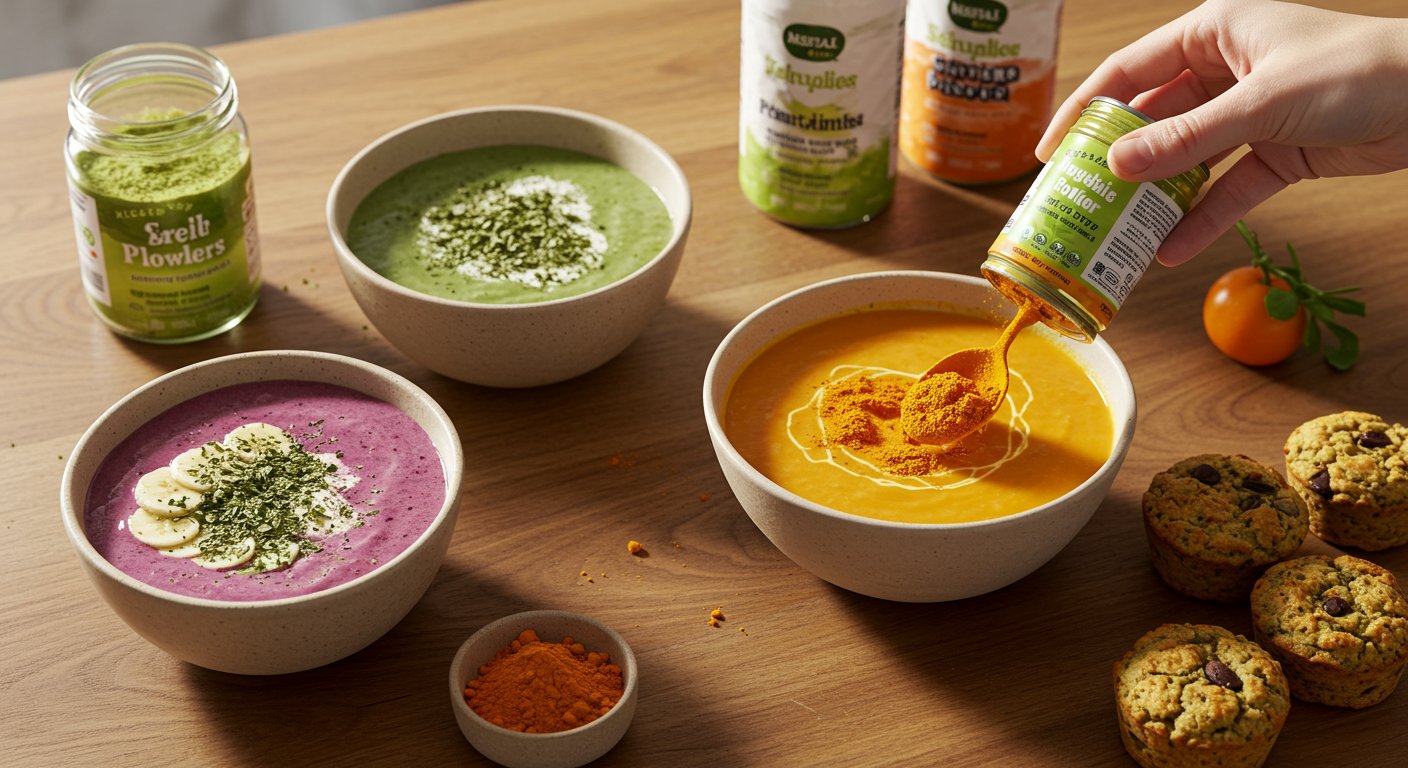
The ways to use it are genuinely varied. Mix it into smoothies or yogurt, add it to soups or pasta sauces, or use it as an ingredient in bread and sweets—with a little imagination, it broadens what you can cook.
It's especially popular with parents struggling with baby food. It makes strong-tasting vegetables easier to eat, needs no prep or sieving, and keeps well—a strong ally for busy parents.
Vegetable powder cost-performance comparison! 7 points on how to choose and use
What is the 350 g-a-day vegetable guideline? Easy ways to achieve it
TOC
3 points for choosing a vegetable powder without regret
There are 3 points to focus on when choosing a vegetable powder. Keep these in mind and you should find the one that fits your purpose.
1. Be particular about ingredients and process
First and most important is the quality of the vegetables used and the process. Check whether it uses domestic vegetables, whether it's additive-free, and what drying method it employs.
Products that use a low-temperature drying process are processed without losing the vegetables' inherent nutrients, keeping the nutritional value high. Choosing ones without food additives or preservatives lets you take in nutrients in a more natural form.
2. Choose the type that fits your use
Vegetable powders come as single-vegetable types and as blends of several vegetables. Choosing according to your purpose is best.
If you want to supplement a specific nutrient, a single-vegetable powder is suitable; if you want balanced nutrition, a mixed type fits. For baby food, products matched to the baby's age are also sold, so you can choose according to your child's growth stage.
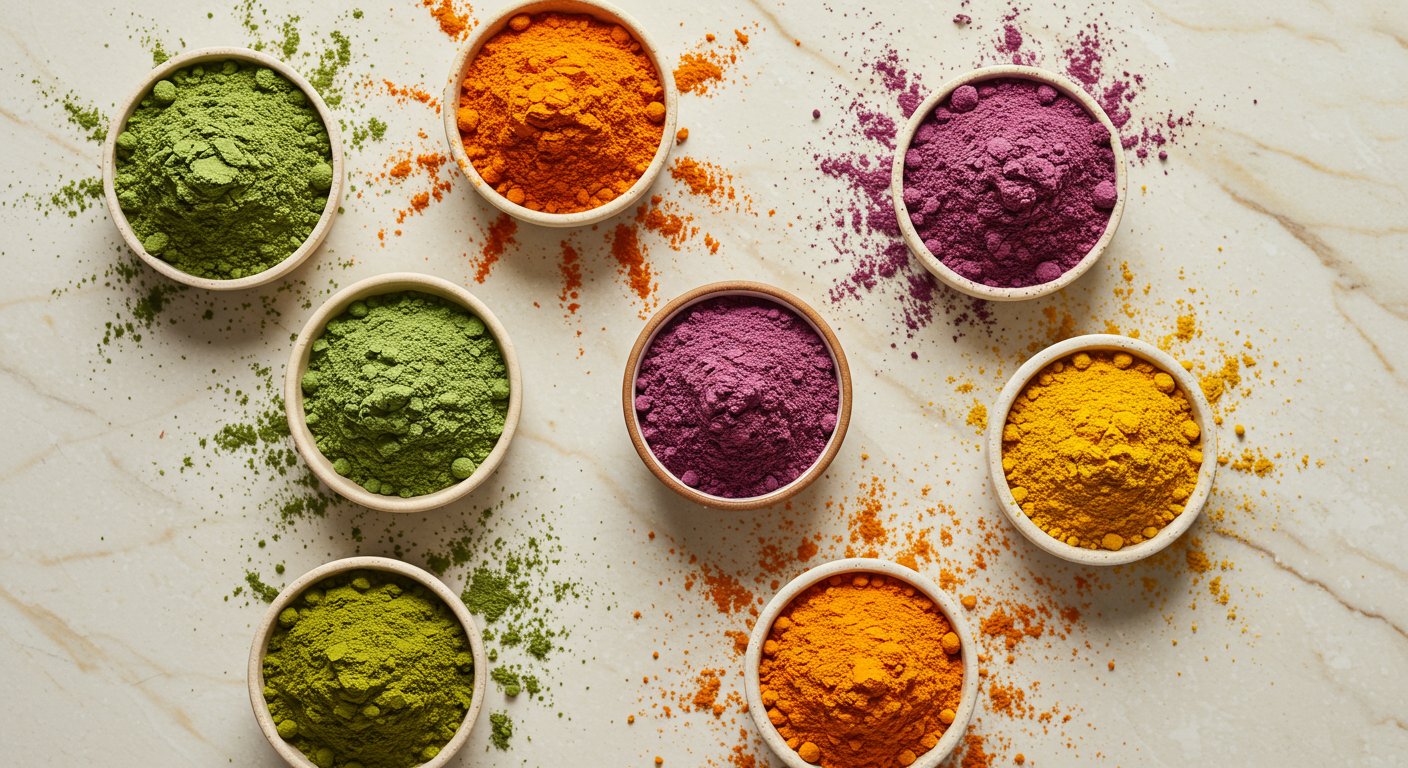
3. Check grain size and solubility
A vegetable powder's ease of use changes greatly with particle fineness and solubility. Especially when mixing it into drinks, choose one that resists clumping and dissolves easily.
When using it in cooking too, the finer the grain the less it affects texture, making it easier to work naturally into family meals. Checking solubility and usability in the product description or reviews reduces the chance of disappointment.
Keep these 3 points in mind when choosing and you should find the vegetable powder that fits your lifestyle. Next, let's look at the recommended products themselves!
If you want to use liquid-form vegetables, paste is also a good option.

[Latest 2025] A thorough comparison of 8 recommended vegetable powders
From the many vegetable powders out there, we evaluated quality, usability, cost-performance, and more overall, and picked out 8 especially recommended products. Here's a detailed look at each one's features.

1. OYAOYA vegetable powder
OYAOYA, the dried-vegetable brand we operate, also sells vegetable powders. We dry vegetables sourced from committed Kyoto-based producers and process them into powder. Spinach,as a powder ingredient, for ichimi, shichimi, and making original seasonings, see Shiitake powder along with the vividly red Beet powder. And essential for making sweets with Kyoto vegetables, Kujo green onion、Manganji togarashi we also carry its powder.

2. bebeco "Marugoto Oyasai"
Drawing particular attention in the baby-food vegetable-powder market is bebeco's "Marugoto Oyasai." It's a product that powders spinach, carrot, lotus root, kabocha, broccoli, and Anno sweet potato whole.
It uses domestic vegetables and is salt-free, so it can be given to babies with peace of mind. It's a registered-dietitian-supervised product, and the reassuring point is that recommended intake amounts by age are clearly shown.

3. Mikasa's domestic vegetable powder
Mikasa's domestic vegetable powder is a handy vegetable powder made by carefully drying and grinding only domestic vegetables. Its feature is a process that firmly retains the vegetables' inherent color and flavor, making it easy to use across cooking and baking as well as baby food and nursing-care food.
With no prep or cutting needed, you can simply mix it into soups, bread dough, cookies, drinks, and more to easily add vegetables. Because the material's own taste comes through directly, it's also excellent for flavoring and adding color, and it's used for coloring character bento and decorated sandwich bread.
4. Kyushu Veggie Powder
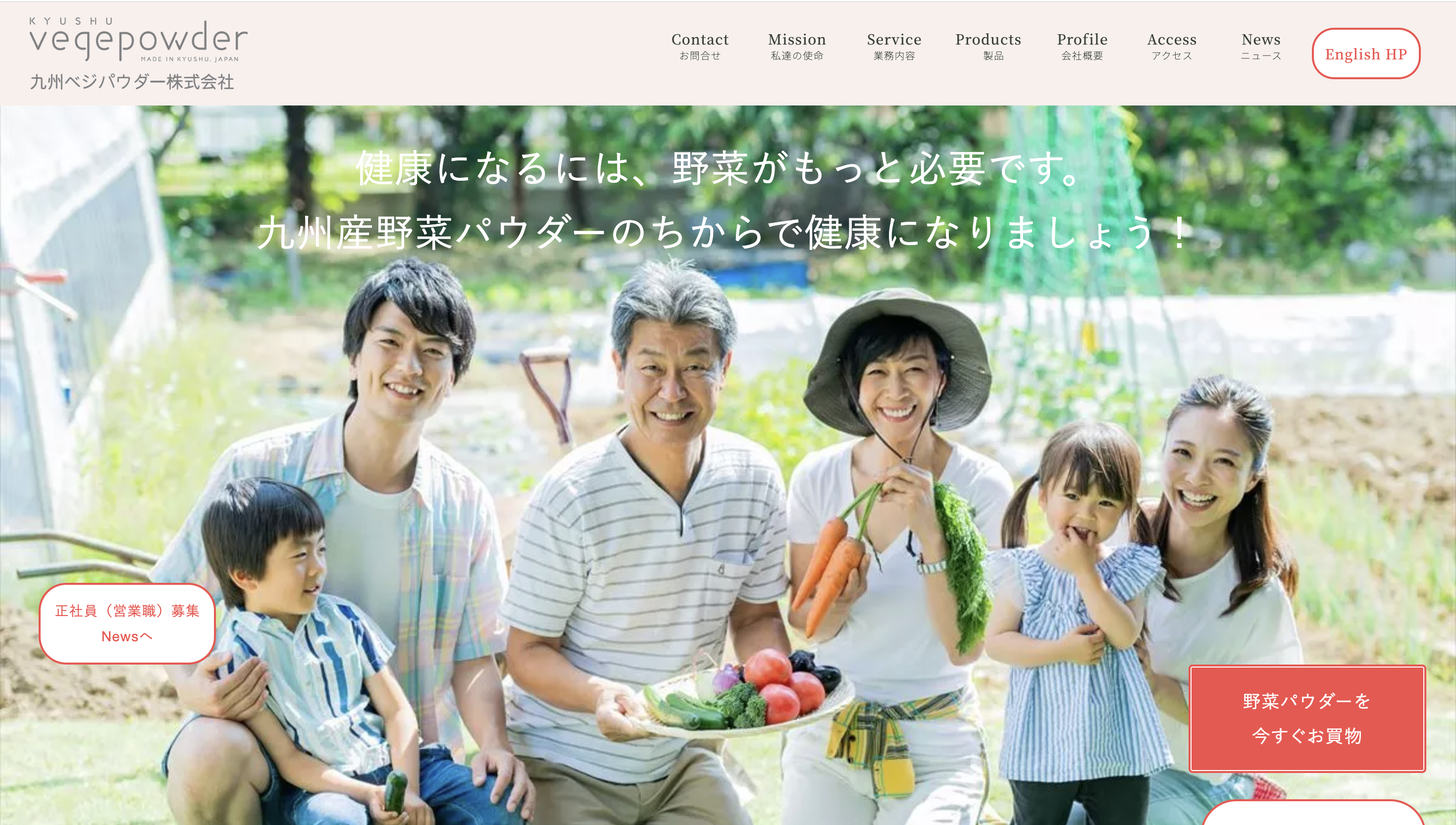
Kyushu Veggie Powder is a vegetable powder made by drying and grinding Kyushu-grown vegetables as is. The material's own flavor and color are alive, and its feature is easy use in cooking and baking.
With a rich range of types—spinach, carrot, kabocha, beet, and more—you can easily add nutrition simply by mixing it into soups, bread dough, or smoothies. It stores at room temperature and can be used a little at a time, making it easy to handle for home or commercial use.

5. Vegetable Tech Inc.
Vegetable Tech Inc.'s signature product is "Nomu Kona Yasai" (drinkable powdered vegetables). Made using only domestic vegetables, this powder packs in aroma, color, and nutrition with a proprietary concentration-drying technology, and its feature is that you can enjoy the vegetables' own flavor simply by dissolving it in hot water or milk. It also lines up unusual vegetables like red radish, beet, and fennel, making it easy to supplement vegetables you rarely get in everyday meals.
With no sugar or additives and dietary fiber left intact, it's an easy item to work in as nourishment on a busy day or as a morning cup. It can be mixed into smoothies or dissolved into miso soup, giving it wide-ranging versatility—a vegetable-drink powder made for people who feel short on vegetables.

6. Kyushu Green Farm
"Kyushu Veggie Powder: the vegetable powder made by a green-juice shop" is a powder-type vegetable-drink material finished using only Kyushu-grown materials. Built on 8 kinds of vegetables and 16 kinds of fruit, with a design that includes 1 billion plant-based lactic-acid bacteria, it's a perfect fit for days when you feel short on vegetables. Just mix it into a drink or yogurt to easily take in vegetables' nutrition and color. Designed to make you want to keep it up daily, it also suits busy people and those who find it hard to get their vegetables.
7. Kyushu Green Farm
Okis's vegetable-powder series uses domestic vegetables, and its feature is processing matched to the use—"no heating required" or "requires heat cooking." For example, there's "Log-grown Shiitake Powder 40 g" made by powdering organically cultivated log-grown shiitake, and "Ashitaba Powder 30 g (no heating required)" that's easy to add directly to smoothies or salads—a rich range of options.
Effective ways to use vegetable powder and tips for storage
Here are tips for getting the most out of the vegetable powder you bought. Master ways to easily work it into daily meals and storage methods that keep it fresh.
Ways to work it into a variety of dishes
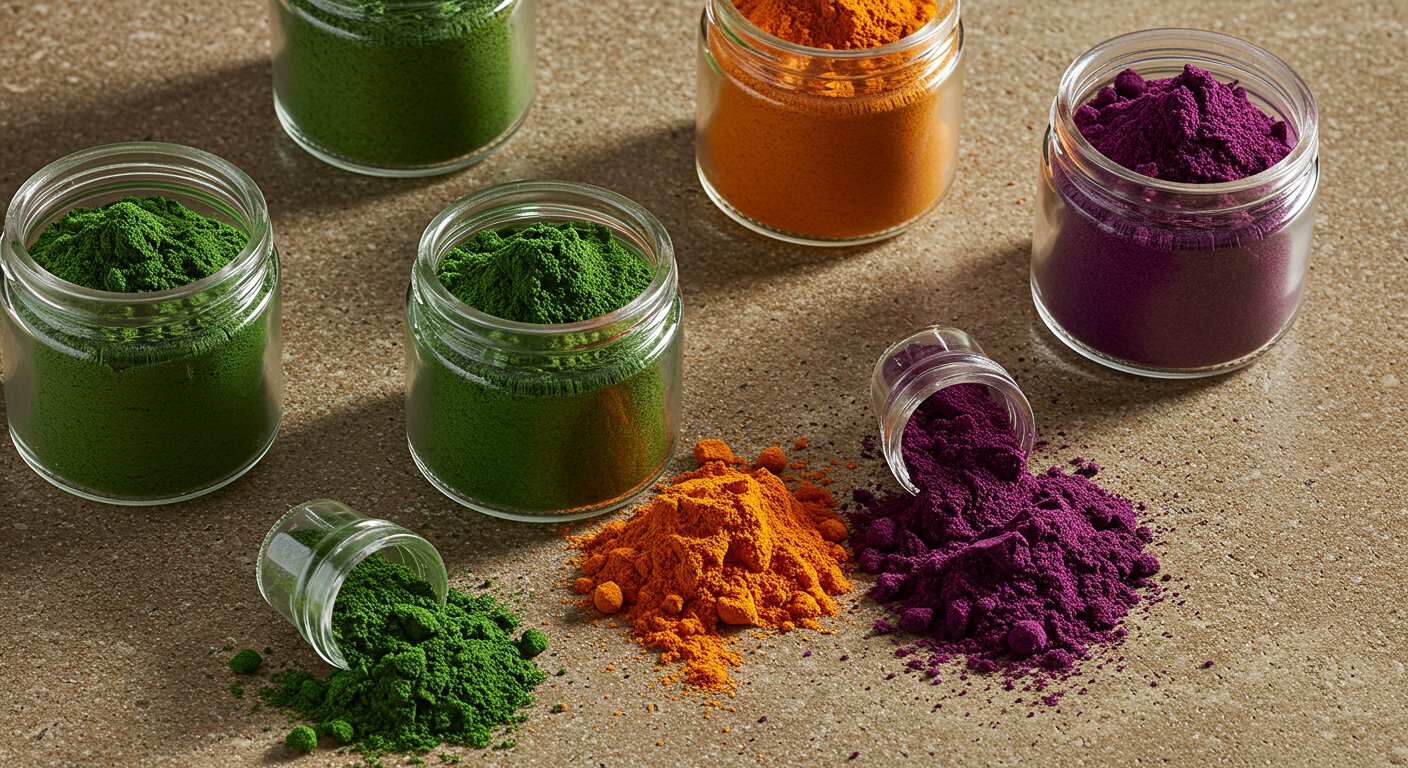
Vegetable powder can be used in a genuinely wide range of dishes. The easiest ways are sprinkling it on breakfast yogurt or cereal, or mixing it into a smoothie.
Just adding a teaspoon to miso soup or soup boosts the nutritional value. Mixed into meat dishes like hamburg steak or meat sauce, it adds vegetable flavor and improves the nutritional balance. Mixed into bread or cake batter, it produces vividly colored baked goods.
For children who dislike vegetables, mixing it into strong-flavored dishes like curry or hashed rice is recommended. They can get solid nutrition without even noticing the vegetables are there.
What dishes would you like to try using vegetable powder in?
Storage methods that keep it fresh
Keeping a vegetable powder's nutritional value lasting requires proper storage. The biggest enemies are moisture and direct sunlight. Always put it in an airtight container and store it in a cool, dark place.
After opening, using it up as soon as possible is ideal. For long-term storage, portioning it and freezing is also effective. Take out only what you'll use, and you can keep the rest fresh for a long time.
Also, always use a dry spoon when scooping it out. Just a little moisture getting in can cause mold or spoilage. Keep these points in mind and you can preserve the freshness and nutritional value of your vegetable powder for a long time.
Summary: find the vegetable powder that's right for you
Vegetable powder is an excellent food for easily filling the modern-day vegetable gap. For the many Japanese who fall short of the 350 g of daily vegetables recommended by the Ministry of Health, Labour and Welfare, it can be a strong ally.
The 8 vegetable powders introduced here each have their own features. From bebeco's "Marugoto Oyasai," ideal for baby food, to "Oyasai Perori + Lactic-acid Bacteria" that also delivers lactic-acid bacteria, and the cost-effective "Vegetable Fine Powder"—you can choose according to your use and budget.
By working vegetable powder into daily life, even busy modern people can easily get vegetables' nutrition. Why not find the one that fits your lifestyle and start a healthy diet?
Whether you feel short on vegetables, are struggling with baby food, or are health-conscious—there's surely a vegetable powder that answers each need.