
Commercial– tag –
-

Yakuzen Food OEM and Development: Dashi, Furikake, and Powder in Small Lots
When it comes to yakuzen, many people may picture yakuzen tea, but there are many foods beyond tea that can draw on yakuzen thinking—dashi, soup, furikake, powder, and more. For staff at companies thinking "I want to develop a yakuzen product, but where do I start?", we cover, beyond tea... -
What is sansho powder? Its production method, how to choose commercial grade, and OEM and small-lot production explained
That fragrant powder sprinkled over grilled eel is sansho powder (powdered sansho). Because it lets you easily add a refreshing aroma and a lingering tongue tingle without adding moisture, inquiries such as "I want to use domestic sansho powder in small lots" and "I'm looking for a powder with a pronounced aroma" are increasing... -
What Is Chili Powder? Manufacturing Methods, How to Choose for Commercial Use, and OEM and Small-Lot Production Explained
Chili powder, made by drying and grinding chili peppers, is a handy ingredient that lets you add heat, color, and aroma without moisture. Its uses are wide—flavoring ichimi, kimchi, soup, and snacks—and inquiries such as "I want to use domestic chili powder in small lots" and "I'm looking for a powder with stable heat and color" are... -
7 Criteria for Judging a Commercial Dried Fruit Supplier
When choosing a commercial dried fruit supplier, judging by price alone often leads to regret over "sugar content, additive-free status, lot size, and lead time." Because the optimal drying method for dried fruit changes greatly with the sugar content (Brix value) of the fresh fruit used as raw material, whether the supplier understands the fruit's sugar content... -
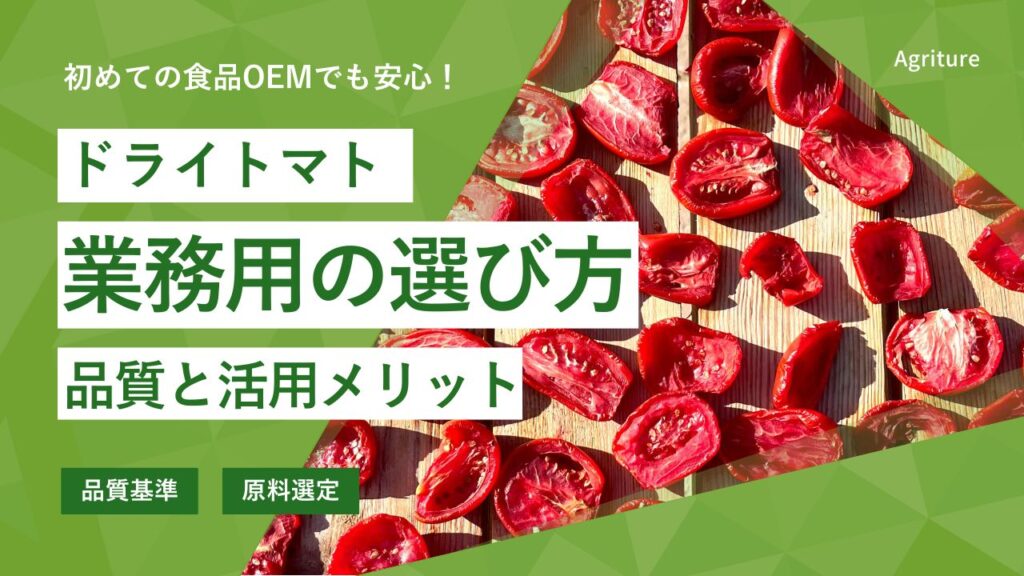
How to choose commercial dried tomatoes | Quality and OEM case studies
When sourcing commercial dried tomatoes, organizing the comparison along five axes—growing region, variety, processing type, lot capacity, and supply system—is fundamental. The options are wide, from Italian sun-dried products to domestic makers' low-temperature-dried products, and for restaurant pasta sauces, bakery ingredients... -
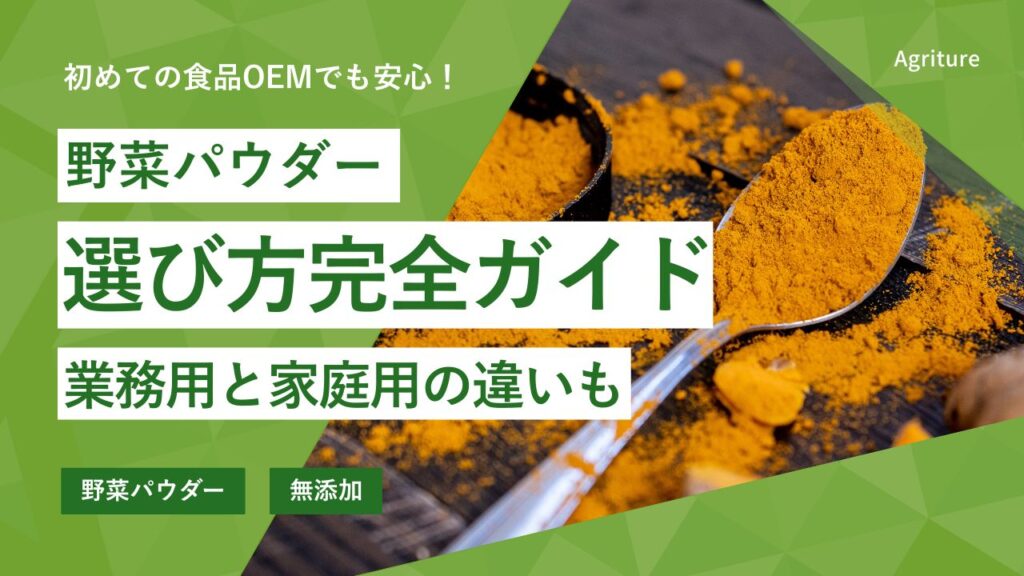
The complete guide to choosing vegetable powder: also explaining the difference between commercial and household use
Vegetable powder is a food ingredient made by drying and powdering vegetables, used as a commercial raw material across a wide range—confectionery, beverages, soups, baby food, care food, pet food. Even the same "vegetable powder" differs in production method (hot-air drying, freeze-drying, vacuum drying), particle size (mesh... -
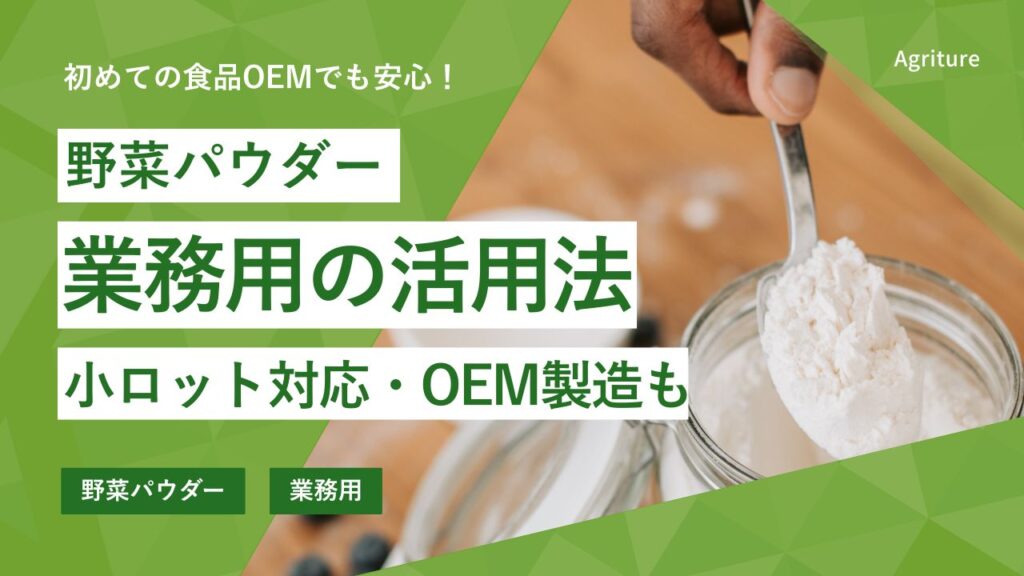
How to use commercial vegetable powder | Uses at restaurants and storage
Commercial vegetable powder is a raw material for handling the color, flavor, and nutrition of vegetables at room temperature—used by restaurants, cafés, hotels, school-meal businesses, and food makers. Compared with fresh vegetables, it excels in shelf life, work efficiency, and yield, and can reduce sourcing variation and disposal loss, making it a standard material in commercial kitchens and workshops... -
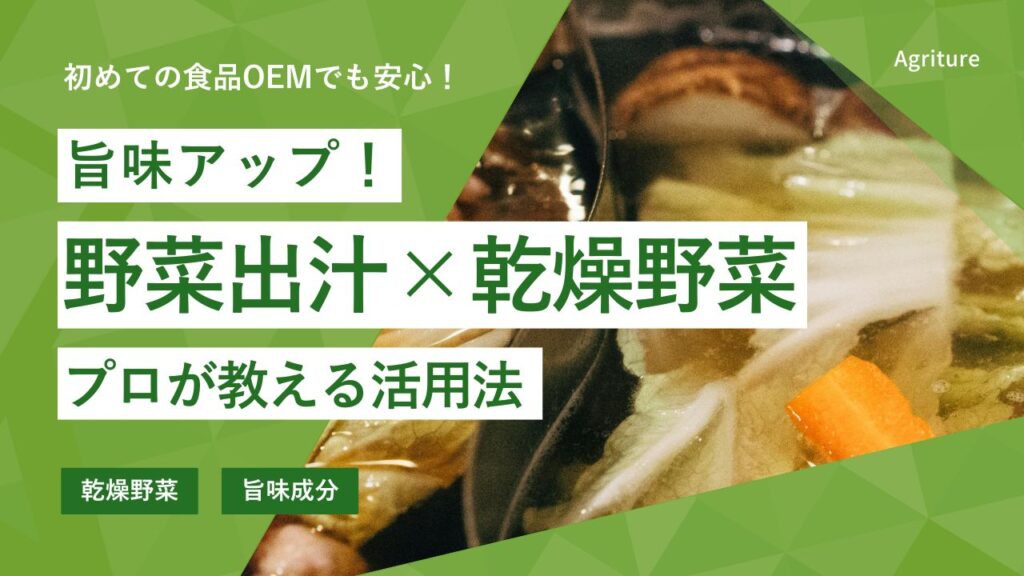
The Secret to Vegetable Dashi Is Dried Vegetables! Tips for Drawing Out Umami
Combining vegetable dashi with dried vegetables is a use that makes it easier to achieve both umami density and time savings compared with drawing dashi from fresh vegetables. Because their water has been removed, dried vegetables have relatively concentrated flavor compounds such as glutamic acid and aspartic acid, which dissolve directly into the soaking liquid. Agriture's... -
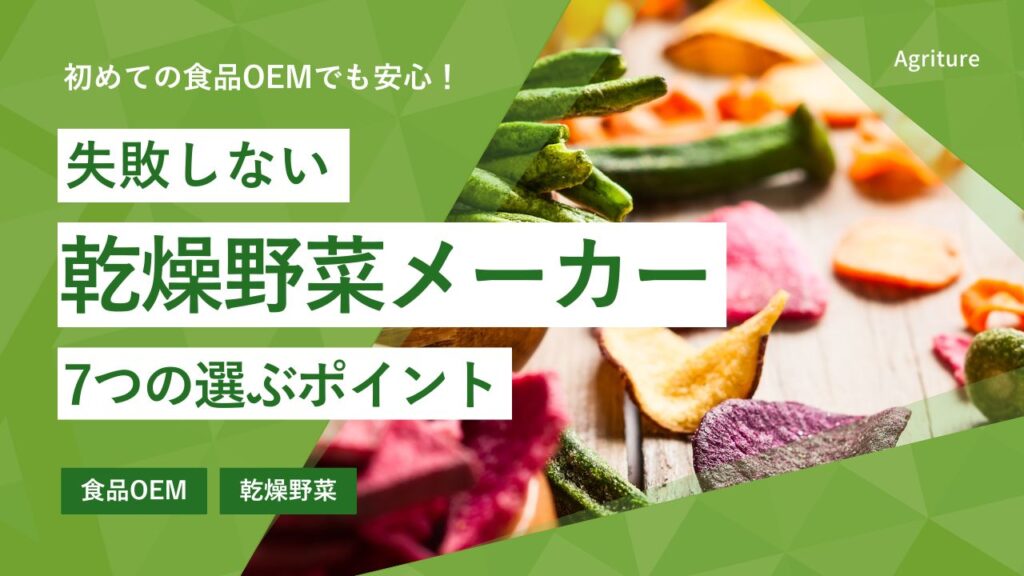
Seven points to avoid failure when choosing a domestic dried vegetable manufacturer
Dried vegetables are indispensable in food processing and the foodservice industry for their stable quality and high shelf life. With the rise in demand for domestic ingredients and additive-free products in particular, demand for "domestic dried vegetables" is expanding. On the other hand, "the quality isn't as stable as I expected," "delivery response is slow," "the contract terms are... -
Benefits and Uses of Introducing Dried Vegetables for School and Company Cafeterias
The "Vegetable Challenges" Faced on the School and Company Cafeteria Floor When running a school or company cafeteria, there are many moments where managing fresh vegetables becomes a headache. Fluctuations in order volume, price spikes due to weather, and the labor and time spent on prep. Introducing commercial dried vegetables can ease all these challenges at once... -
How to Choose Dried Vegetable Kayaku for Instant Noodles: Rehydration Performance and Quality Standards
What You'll Learn in This Article The quality standards required for kayaku for instant noodles and cup soups The differences in drying methods that determine rehydration performance and how to choose How to control floating-and-sinking behavior Evaluation points for heat and oil resistance A checklist and ordering flow for OEM procurement "The kayaku vegetables don't rehydrate properly..." -
Dried Vegetable Raw Materials for Convenience Store Bento: Techniques for Color, Texture, and Cost Improvement
What You'll Learn in This Article The benefits of using dried vegetables in convenience store bento and side-dish manufacturing Dried vegetable items and placement techniques effective for improving color How to design rehydration conditions to control texture Concrete mechanisms for reducing raw material cost and waste loss Case studies and the flow from ordering to mass production... -
7 Criteria for Judging a Commercial Dried Vegetable Supplier
When choosing a commercial dried vegetable supplier, judging by price alone tends to cost you through quality trouble and delivery delays. Comparing across seven items—domestic, additive-free, HACCP-compliant, small-lot, spec sheet, lead time, and proposal capability—reveals a partner you can trade with over the long term. This article covers commercial dried veg... -
How to Rehydrate Dried Vegetables: Tips for Commercial and Restaurant Use
When rehydrating dried vegetables for restaurant and commercial use, the tips differ a little from home cooking. To shorten prep time while maximizing a dish's umami and texture, the Japanese cuisine idea of "rehydrating slowly like kombu to draw out vegetable dashi" is helpful. This article covers OYA... -
Custom Processing of Dried Vegetables: A Guide to Cut Shape, Blending, and Moisture Content
"Off-the-shelf dried vegetables don't have specs that fit our product perfectly"—if you're a product-development staffer, you've probably felt this at least once. You want the dried vegetables for a soup cut a bit smaller, or a finer mince or flake for furikake... -
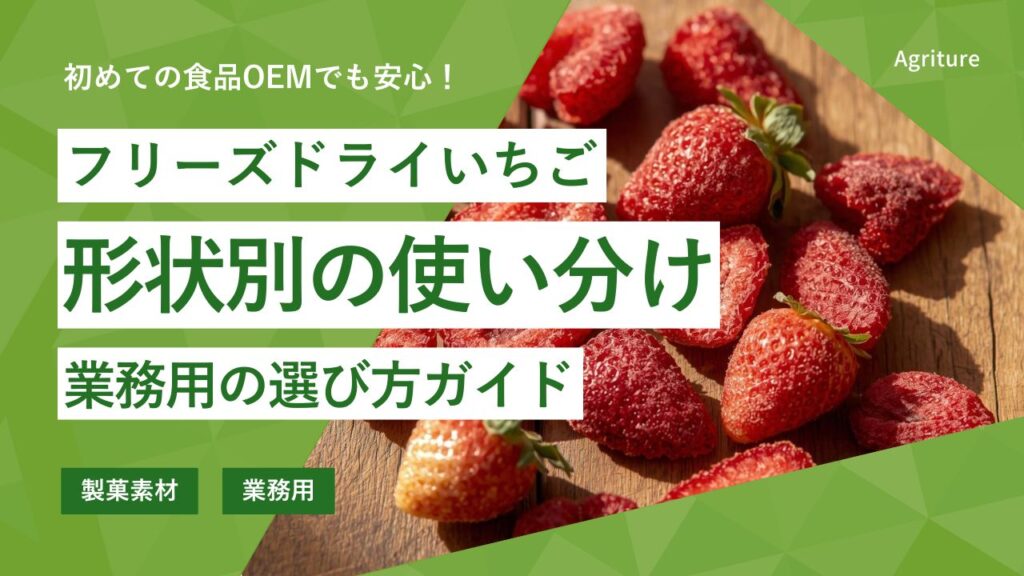
Commercial Freeze-Dried Strawberry | How to Choose Shape and Growing Region
Freeze-dried strawberry is a commercial ingredient adopted in confectionery, baking, granola, chocolate, and gifts. Because it rapidly freezes 90%-water strawberries and then dries them by vacuum sublimation, it becomes lightweight and long-term-storable while retaining color, aroma, and shape. When choosing for commercial use, shape, raw material... -
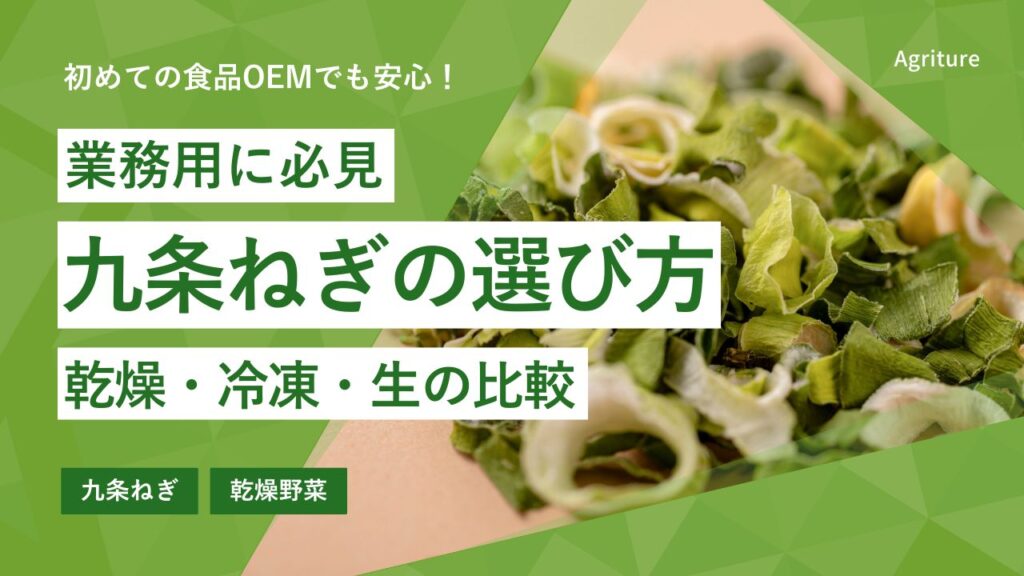
How to Choose Commercial Kujo Negi: Comparing Fresh, Frozen, and Dried
Commercial Kujo negi distributes "Kujo negi," one of the traditional vegetables that represents Kyoto, in three types—fresh, frozen, and dried—as a raw material for ramen shops, food manufacturers, boxed-lunch factories, and the like to use stably. To make the most of its distinctive sweetness and aroma and deep green, the optimal form for each use... -
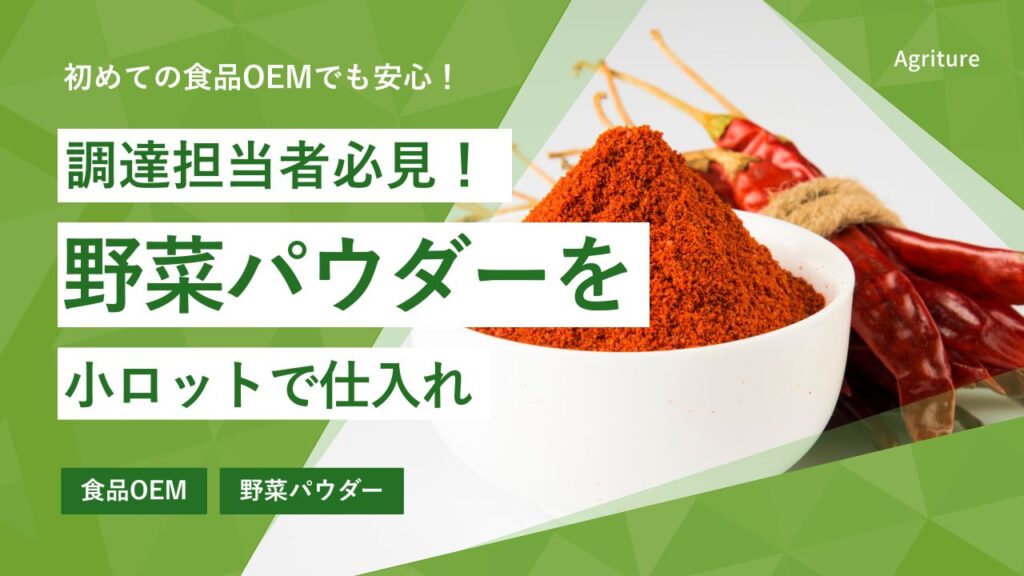
How to source commercial vegetable powder in small lots, and how to use it
Wanting to source commercial vegetable powder in small lots—this is a challenge common to a wide range of businesses: restaurants, food manufacturers, EC operators, confectionery workshops, and more. The unit-price benefit of bulk sourcing is appealing, but considering inventory risk, loss at the prototyping stage, and cash flow, “first, at a scale of about 5–50 kg... -
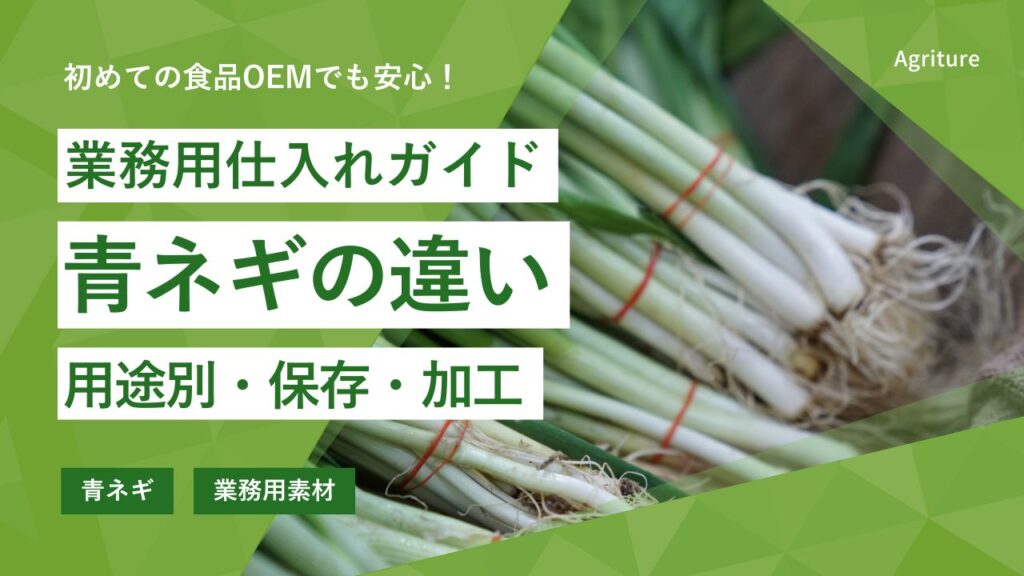
長ねぎと白ねぎは同じもの?ねぎの種類と呼び名を国の資料で確かめる
ねぎの売り場には、長ねぎ、白ねぎ、根深ねぎ、青ねぎ、葉ねぎ、小ねぎ、万能ねぎ、わけぎ、あさつきと、呼び名だけが増えていきます。同じものを指している言葉と、植物としてまったく別の作物を指している言葉が、同じ棚に並んでいるからです。 この記事... -
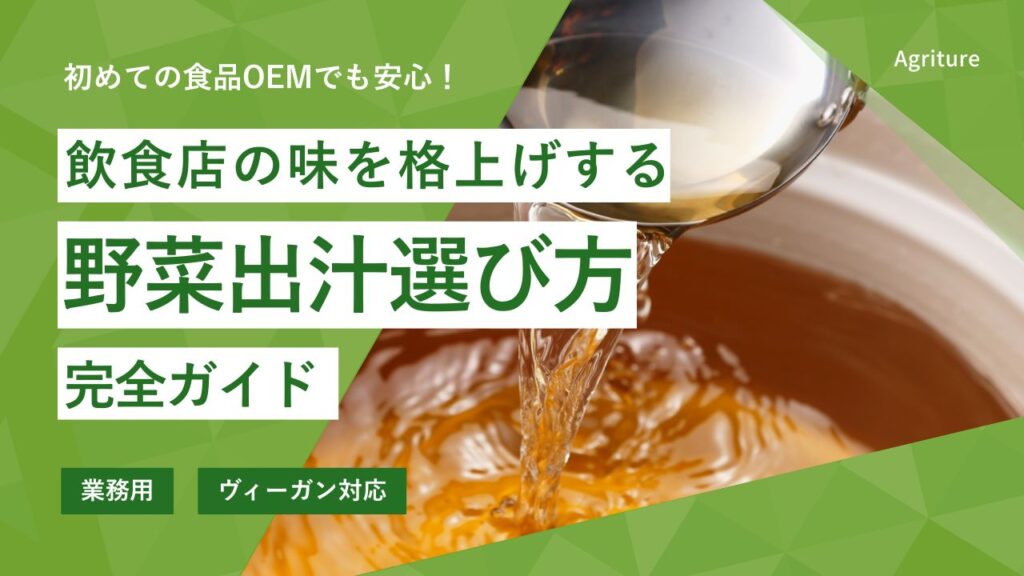
How to choose commercial vegetable dashi: comparing across three axes of ingredient, format, and scope
Commercial vegetable dashi has become an essential ingredient for restaurants and processed-food makers to satisfy "vegan/halal compatibility," "reduced-salt claims," and "designs that avoid MSG" while maintaining consistent, reproducible flavor. When selecting, the grade of the ingredient (growing region, variety, drying method) and the form (powder...
1