
Does mugwort have side effects? Precautions for safe use, plus notes on allergies and pregnancy

Summary of this article
We explain the side effects and cautions of yomogi (mugwort) from the angles of overconsumption, Asteraceae allergy, cautions during pregnancy, and the risks of foraging wild plants. We also introduce tips for using store-bought domestic dried yomogi with peace of mind.
Before working in yomogi tea, yomogi-mushi, yomogi mochi, and the like, many people wonder "aren't there side effects to yomogi?" Yomogi is a familiar plant long enjoyed as food and tea, but depending on constitution and intake amount, there are situations that call for caution.
In this article, Agriture, which handles dried-vegetable processing in Kyoto, explains the side effects and cautions of yomogi from the angles of overconsumption, Asteraceae allergy, cautions during pregnancy, and the risks of foraging wild plants. Note that this article is general information for safe use and does not guarantee the effects or efficacy of yomogi. If you have worrying symptoms, don't judge on your own — consult a doctor.
TOC
Is yomogi safe to eat? The basic safety
In conclusion, yomogi is a plant that many people work in without issue in appropriate amounts. There's no need to worry excessively, but since any food can agree or disagree depending on constitution, knowing the basics gives peace of mind.
Yomogi is a plant long familiar to people
Yomogi is a plant of the Asteraceae family, used in Japan since long ago as food such as kusa mochi and yomogi tea, and used as the raw material for moxa in moxibustion. Moxa is made by gathering the white hairs on the back of yomogi leaves. Characterized by a distinctive fresh-grass aroma, it's a familiar plant with a long history of use across food, tea, and moxibustion. For how to use dried yomogi, How to Use Dried Mugwort.
In appropriate amounts, no excessive worry is needed
For enjoying it in amounts typical as yomogi tea or in cooking, many people use it without issue. On the other hand, there are cases to watch for if you take a large amount at once, or if someone of a certain constitution uses it. From the next section, we introduce the side effects and cautions worth knowing in concrete terms. Knowing them correctly lets you work yomogi into your life without fearing it more than necessary.
FOR BUSINESS
乾燥よもぎを、原料としてお探しですか
国産のよもぎを乾燥・粉砕してお出ししています。カット形状や粒度の指定、継続してのお取引もご相談ください。規格は Dried mugwort・Mugwort powder に掲載しています。
少量でのご購入は、姉妹ブランドの通販サイト OYAOYA で承っています。
Main side effects and cautions worth knowing about yomogi
The representative points to watch with yomogi are the burden on the body from overconsumption and reactions due to constitution. In both, keeping to appropriate amounts is the basic countermeasure.
Digestive upset from overconsumption
Drinking too much yomogi tea or the like at once can, for some people, lead to digestive upset such as stomach pain or diarrhea. Even with a healthy image, more isn't better. Keeping to appropriate amounts and working it in to match your condition is important. It's especially prone to happen in cases where someone drinks several cups of strong tea thinking it's good for them, so take care.
Take care when drinking strong tea continuously
Drinking several cups of strong yomogi tea a day for your health can burden the stomach and loosen your bowels. At first, enjoy it within a strain-free range while watching your condition, from about 1–2 cups a day.
The distinctive aromatic components and reactions by constitution
Yomogi contains components that are the source of its distinctive aroma. How strongly the aroma is felt varies by individual, and depending on constitution, some feel it doesn't agree with them. If troubling symptoms appear, refrain from use, and if they continue, consult a doctor.
Yomogi's aroma is said to involve essential-oil components such as cineole and thujone. In very ordinary amounts as food or tea there's no need to worry excessively, but it's safer to avoid uses that concentrate and take large amounts of a specific component, like a supplement. The basic approach is to enjoy it as a food ingredient, within the range of everyday meals and tea.
Watch out for Asteraceae allergy
Something especially worth knowing among yomogi's side effects is Asteraceae allergy. Those with allergic constitutions can confirm before use for peace of mind.
Asteraceae plants and allergy
Yomogi is a plant of the Asteraceae family, and those who have had hay fever or allergy from other Asteraceae plants like ragweed may react. Symptoms such as rash, itching, and discomfort in the mouth can appear, so those with any such history need caution.
How to test it when using it for the first time
When trying yomogi for the first time, testing it from a very small amount and checking for any change in condition gives peace of mind. Those worried about allergy, or who have had symptoms from Asteraceae in the past, should consult a doctor before working it in. If you're very anxious, not forcing yourself to try it is also one option.
Situations to watch when eating it for the first time
Eating it without realizing you have an Asteraceae allergy can bring on symptoms like rash. Testing from a small amount lets you notice early, so incorporate any new food carefully.
Cautions during pregnancy and breastfeeding
Those pregnant or breastfeeding are encouraged to be especially careful about consuming yomogi. Avoid self-judgment; consulting a specialist gives peace of mind.
Why to be careful during pregnancy
Yomogi is said to contain components said to be involved in uterine contraction, so caution about overconsumption during pregnancy is said to be needed. Since circumstances differ between eating it as a small amount of food and taking it concentrated like strong tea or a supplement, careful thought is important. The thinking also changes with the stage of pregnancy, so rather than deciding uniformly, it's important to judge according to your state at the time.
Don't judge on your own — consult a doctor
Whether it's okay to work yomogi in during pregnancy or breastfeeding changes with condition and timing. Don't judge by internet information alone; consult your regular doctor or a midwife. When giving it to children too, start from a small amount and watch how they do. There's a lot of information online, but the body during pregnancy is delicate, so put safety first and seek a specialist's judgment for peace of mind.
Cautions when using yomogi tea and yomogi
When enjoying yomogi tea and the like day to day, a few points give peace of mind. The basics are the two: "keep to appropriate amounts" and "match your condition."
- Don't drink a large amount at once; watch how you do from about 1–2 cups a day
- When you're under the weather or feel it doesn't agree with you, refrain
- Those with chronic conditions under treatment, or taking medication, should consult a doctor in advance
- Small children and the elderly should work it in from a small amount without strain
The basic way to drink yomogi tea and how to use it in yomogi-mushi are also How to do yomogi steam at home introduced here. If you're unsure about amount or timing, start from a small amount, at a time you want to take a breath, such as after a meal.
To those with chronic conditions or taking medication
Yomogi is unlikely to cause problems for healthy people enjoying appropriate amounts, but those with chronic conditions or under treatment can confirm just in case for peace of mind.
If under treatment or on medication
Those under treatment for high blood pressure or the like, or taking medication, should consult a doctor or pharmacist about interactions before making yomogi tea or yomogi-based health teas a daily habit. If you have surgery scheduled, tell them the foods and teas you use, just in case. Yomogi is a food ingredient, not a pharmaceutical, but depending on your condition or treatment status, consideration may be needed.
When enjoying it for relaxation
Many people, women in particular, enjoy yomogi tea and yomogi-mushi for relaxation. To keep it up comfortably, don't push yourself on days you're under the weather, and keep to appropriate amounts as the basis. Being caffeine-free, it's easy to work in as a cup for a time when you want to take a breath.
A product catalog that shows around 100 items we handle
Agriture, flexibly handling everything from small lots to large lots
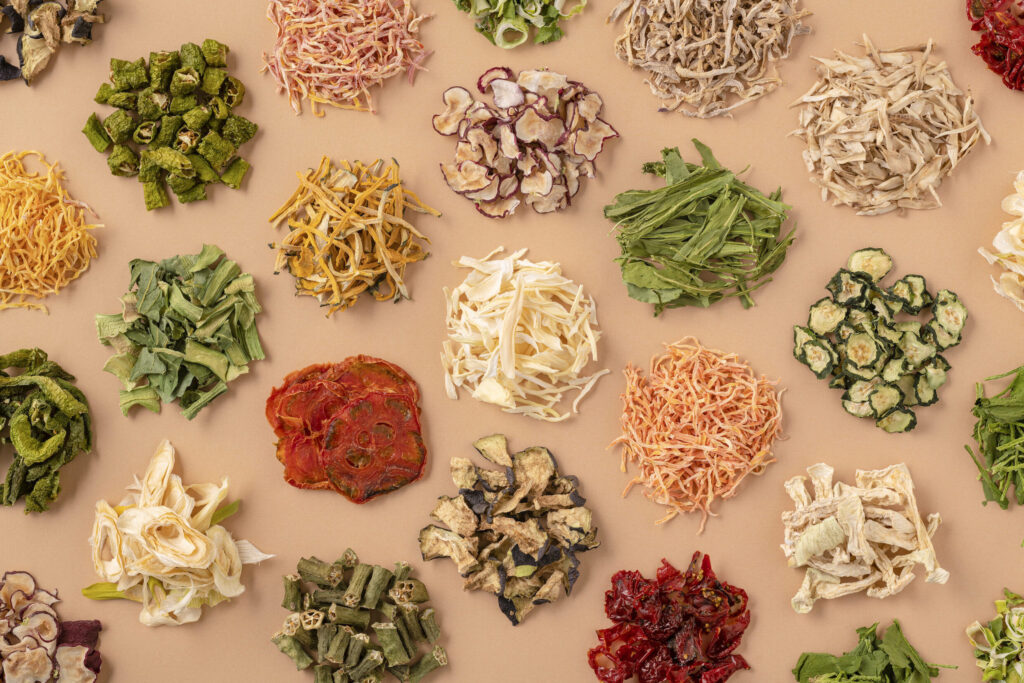
- Available for purchase in small lots from 1 kg
- We handle heirloom vegetables from across Japan
- Dried fruit and herbs also supported
Cautions when foraging wild yomogi yourself
Worth knowing along with yomogi's side effects are the risks of foraging yomogi yourself. In fact, more than constitution, "how and where you pick it" can lead to unexpected trouble.
Watch out for mistaking it for similar poisonous plants
Yomogi, in its early sprouting form, can resemble poisonous plants like aconite, and accidents of mistakenly picking one are reported every year. Also, yomogi along roadsides or in parks may have exhaust fumes, pesticides, or herbicides on it. If foraging yourself, you can't do without the knowledge to identify it reliably and a safety check of where you pick. Yomogi has white down on the backs of the leaves and gives off a distinctive aroma when crushed, which are clues for identification, but in the early sprouting stage it's hard to distinguish from similar plants, and judgment takes experience.
Situations where identification is easily mistaken during wild-plant foraging
Early spring is a time when what you think is yomogi is easily mixed with similar plants. When you're not confident in identifying, not forcing yourself to forage leads to safety. Early spring especially is when misidentification accidents in wild-plant foraging tend to happen, so not eating any plant you're the least bit unsure of is the basis for preventing accidents.
Store-bought dried yomogi reduces the worry of misidentification
If you want to avoid such misidentification and contamination risks, using store-bought dried yomogi gives peace of mind. Agriture's dried mugwort is domestic yomogi of clear origin that has been sorted, washed, and dry-processed, so it lowers the misidentification and contamination risks of foraging yourself. Since the prep is done too, you can use it easily just by rehydrating or using the powder as is. Because it's gone through sorting and washing, the risk of foreign matter mixed among the leaves or hard-to-identify plants getting in is also reduced.
How to choose yomogi for use with peace of mind
To lower the risks of side effects and misidentification, how you choose yomogi matters too. Precisely because it goes in your mouth, choose one with clear origin and processing.
- Choose domestic yomogi of clear origin
- Choose simple ingredients that use no additives or glucose
- Choose one whose processing steps — sorting, washing, drying — are clear
Agriture's dried yomogi is an additive-free raw material made by low-temperature drying of domestic yomogi centered on Mie Prefecture. There's also a powder type, Mugwort powder, so you can choose to match the use, such as yomogi mochi or tea. How to make kusa mochi is How to Make Mugwort Mochi with Dried Mugwort introduced here. Precisely because it's yomogi you put in your mouth, choosing a product with clear origin and processing rather than by price alone leads to lowering the risks of side effects and misidentification.
A product catalog that shows around 100 items we handle
Agriture, flexibly handling everything from small lots to large lots
- Available for purchase in small lots from 1 kg
- We handle heirloom vegetables from across Japan
- Dried fruit and herbs also supported
Summary
In appropriate amounts, yomogi is a familiar plant many people enjoy, but caution is needed regarding digestive upset from overconsumption, Asteraceae allergy, and intake during pregnancy. Test from a small amount at first, work it in without strain to match your condition, and those pregnant or with chronic conditions should consult a doctor. Cover these points and you can work yomogi in well without fearing side effects excessively. To avoid misidentification when foraging yourself, choosing domestic, additive-free dried yomogi of clear origin gives peace of mind. Know it correctly and enjoy yomogi safely.
FOR BUSINESS
乾燥よもぎを、原料としてお探しですか
国産のよもぎを乾燥・粉砕してお出ししています。カット形状や粒度の指定、継続してのお取引もご相談ください。規格は Dried mugwort・Mugwort powder に掲載しています。
少量でのご購入は、姉妹ブランドの通販サイト OYAOYA で承っています。
Frequently asked questions
Recommended reading
- Complete guide to using dried mugwort | From rehydrating to popular recipes and storage tips
- How to do yomogi steam at home
- Dried mugwort (product page)
Download the product catalog
We will send the materials to your email address based on the information you provide.
- How to make yomogi mochi with dried mugwort | Ingredients, amounts, and foolproof tips explained
- How to make mugwort tea | Easy with dried mugwort, explained for teapot, decoction, and homemade
Author of this article
Related articles
-
 レモンの国産は年1万トンに届かない。皮まで使うなら何を見るか
 -
 りんご1個は何グラム?ふじは350グラム、紅玉は240グラムです
 -
 Self-Check Your Vegetable Shortage! Confirm Your Health with a 10-Item Checklist You Can Do Right Now
 -
 Nutritional comparison of dried and fresh vegetables: nutrients that remain and nutrients that are lost
 -
10 dried-vegetable recipes | from miso soup to side dishes, solving vegetable shortage in a hurry
-
 How to use heirloom vegetable powder! Ways to easily enjoy nutrition and flavor
 -
 Dried fruit and nut combinations that go well together, and how to store them
 -
What is yakuzen? Its meaning, the difference from kampo, and the basics of starting with familiar ingredients explained