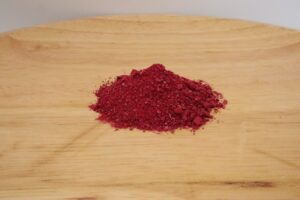
Green Lemon Powder

Green lemon powder is a commercial raw material made by drying domestic lemons harvested while the peel is still green and finishing them into a micro-powder. Green lemons before full ripening have thin peel and mild bitterness, and even used peel and all, they resist producing harshness. We arrange their refreshing aroma and sharp acidity into a size that easily disperses evenly in liquids and powders. At Agriture, we also handle Dried green lemon made from the same raw material, so you can use raw-material shape and powder for different purposes to match the use.
Compared with fully ripe yellow lemons, green lemons have a stronger rising aroma and a refreshing coolness in their acidity. Used alongside the same citrus powder Yuzu powder (Kyoto-grown) and Sudachi powder, it adds a Western aroma that's a step different from Japanese citrus. Specifications can be finalized from small quantities in prototypes for confectionery, bakery, drinks, and seasonings. Even in situations where using juice as is increases moisture and acidity and makes the blend collapse, powder lets you add just the aroma and acidity, making it easy to work into dough, powder mixes, and oil-based sauces.
TOC
Green lemon powder: three points of care
1. A drying and grinding flow that doesn't let the aroma escape
Because citrus aroma components volatilize easily with heat and air, we finish it at low temperature from the drying stage and operate the grinding under conditions that curb heat generation. Aroma escaping through frictional heat during grinding is a common failure with citrus powder, so we adjust the combination of temperature, grinding time, and lot size from the prototype stage. The finish aims for a level where a fresh aroma distinctive to green lemon rises the instant you open the bag.
2. Leveraging peel harvested at the green stage
Because green lemons before full ripening have thin peel and mild bitterness, they suit powder-making that puts the peel's flavor to the fore. Using them while the peel's green remains gives a more refreshing aroma than yellow lemons. We can arrange the balance of a peel-led aroma design and the juice-derived acidity to match the use.
3. Using domestic lemons as the raw material
The raw material uses domestic green lemons. Peel distributing while still a clean green is a feature only domestic lemons—short on time from harvest—can offer. Precisely because it's a raw material premised on using the peel and all, we choose domestic lemons with a clear growing region.
Product catalog showing the items we handle
Flexible support from small lots to large lots
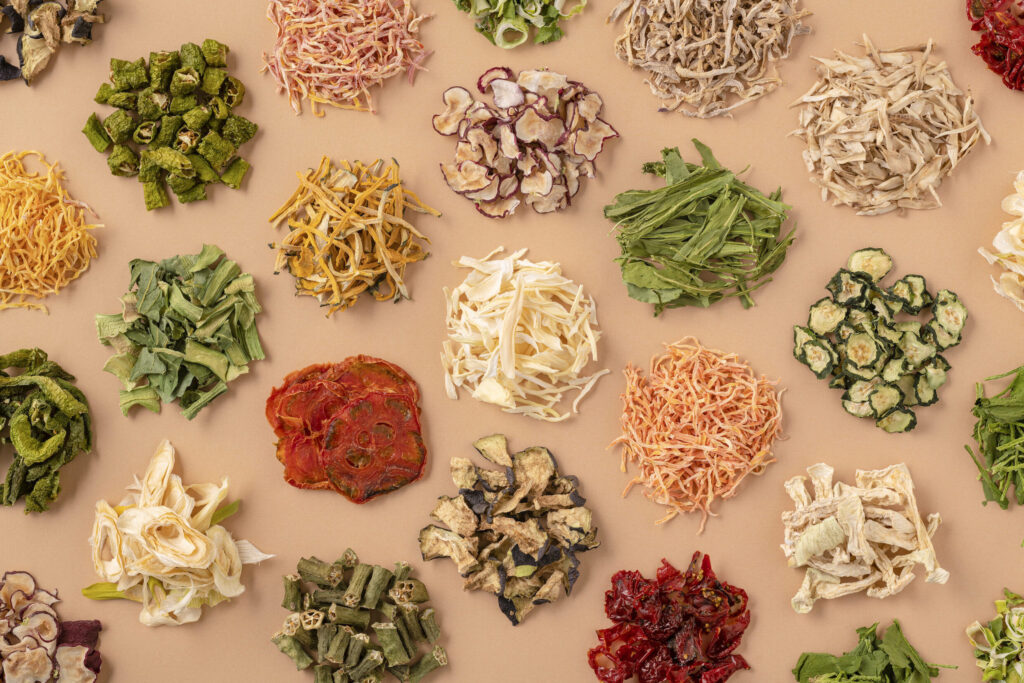
- Sold in small lots from 1 kg
- Handling heirloom vegetables from across Japan
- Dried fruits and herbs also supported
Features of commercial green lemon powder
Micro-pulverizing lets it deploy into use areas the raw-material shape can't reach. We organize the strengths unique to green lemon powder from six perspectives.
Dispersibility in liquids and powders
The graininess barely remains even mixed into drinks or dressings, dispersing evenly into dough and powder mixes. Even in blends where using lemon juice increases moisture, powder lets you add just the aroma and acidity.
Refreshing aroma and sharp acidity
It locks the refreshing aroma distinctive to green lemon and a clean acidity into the powder. From a micro-fine grind for drinks, to a medium grain for kneading into dough, to a coarse grind for seasonings—you can choose to match the final product.
Adds a Western aroma
Whereas Japanese citrus like yuzu and sudachi suits soy sauce and dashi, green lemon pairs well with oil, butter, and dairy, its aroma shining in Western confectionery, pasta, and drinks.
Mild bitterness, usable peel and all
Because green lemons before full ripening have thin peel and mild bitterness, even powdered peel and all, the dish is unlikely to turn harsh. You can leverage the peel's aroma as is.
Consult from small prototypes
Share the blend, grain size, and lot of the intended final product, and we can refine the specification from a small prototype. Please also inquire about sample comparisons of different grain sizes.
Use together with the ingredient-shape version
Dried green lemon Used together with
Product specifications (commercial)
, you can design a recipe that achieves both aroma rise (powder) and appearance/texture (raw-material shape).
| Item | Details |
|---|---|
| Product name | Green Lemon Powder |
| Raw material | The basic specifications at the prototype stage are as follows. The sourcing lot, lead time, and packaging form are finalized in individual consultation to match the intended final product. |
| Shape | Green lemon (domestic) |
| Appearance | A pale yellow-green to cream-colored fine powder |
| Aroma | Micro-powder (fruit dried and ground) |
| Net content | Individual quote according to use and lot |
| Best-before date | About 6 months from the shipping date |
| Storage method | Avoid high temperature, high humidity, and direct sunlight; after opening, seal and store in a cool, dark place |
| Minimum prototype lot | 10kg〜 |
Customization support
The refreshing citrus aroma derived from green lemon
| Item | What we support |
|---|---|
| Particle-size adjustment | You can consult us on grain size, packaging, and through to the finished product to match the use. We proceed while confirming feasibility with prototypes. |
| Blend design | A grain size to match the use, such as a micro-fine grind for drinks, a medium grain for kneading into dough, and a coarse grind for seasonings |
| Packaging form | Blend prototypes with yuzu powder, sudachi powder, salt, herbs, and the like |
| OEM productization | Commercial bulk, sticks and small bags, spice jars, bottle canisters, and more |
Consultable through to finished products such as seasonings, drink mixes, and baked goods
For those seeking the raw-material shape (dried green lemon)
→ See details of dried green lemon
The season and growing regions of green lemon
Main growing region
| Growing region | Features |
|---|---|
| Green lemon refers to domestic lemons harvested early while the peel is still green. Harvested around September to November, the peel gradually turns yellow as time passes after harvest. Peel lining store shelves while still green is a feature only domestic lemons—short on time to distribution—can offer. | Hiroshima Prefecture (Setouchi, Ikuchijima, etc.) |
| Ehime Prefecture | A major growing area for domestic lemons. Raised aromatic in Setouchi's warm climate |
| Wakayama Prefecture | A major citrus growing area. The long harvest period promises stable supply |
A lemon growing area with a warm climate. Easy to balance aroma and acidity
The difference between green lemon and yellow lemon Dried lemon Even lemons from the same tree differ in flavor between the green early-harvest (green lemon) and the fully ripe yellow lemon. Green lemon has a strong aroma, a sharp, refreshing coolness in its acidity, and thin peel with mild bitterness. Yellow lemon is mellow and develops richness. In powder, green lemon suits drinks, baked goods, and seasonings that want to put a keen, refreshing aroma to the fore, while for uses that want to leverage richness and mellowness, ripe lemon is suitable. Because we also handle
Low-temperature drying technology and quality control
Temperature management of the grinding process
made from ripe lemon, you can choose the raw material to match the flavor you're aiming for.
Ideas on packaging that protects the aroma
Because citrus powder loses its aroma easily with light and moisture, we propose light-blocking bags for commercial bulk and light-blocking film for small bags and sticks. Taking into account the storage period at the store or warehouse, we work out packaging specifications to match the use together with you.
TIPS: Blends that make the most of green lemon powder
For drinks, dissolving a guide of 0.3–0.5 g per 200 ml makes a refreshing aroma and acidity rise just right. In bakery dough, adding 0.5–1% relative to the wheat flour keeps a lemon aroma in the baked result. For seasonings, blend it with salt, sugar, and herbs and shake it over fried foods or white fish at the finish to make the aroma shine.
Uses for green lemon powder
Because powder disperses evenly into liquids and powders, it's a raw material easy to use even in blends where juice would increase moisture. We organize the six categories we're most often asked about for prototypes.
1. Confectionery / bakery
- Kneading into madeleine, pound cake, and scone dough
- Flavoring cookies, shortbread, and biscuits
- Mixing into icing, ganache, and buttercream
- Flavoring lemon cake, tart, and cheesecake
2. Drinks / drink mixes
- Flavoring lemonade and sparkling drinks
- Flavoring stick beverages (the type dissolved in hot water or cold water)
- Blending into protein drinks and smoothies
- A raw material for craft cola, craft gin, and cocktail bases
3. Seasonings / spices
- A lemon seasoning blended with salt, sugar, and herbs
- A finishing powder for chicken, white fish, and fried foods
- A flavor powder for popcorn, nuts, and potatoes
- A citrus mix combined with yuzu powder and sudachi powder
4. Dressings and sauces
- A Western-style dressing on an olive oil / vinegar base
- Flavoring marinade liquid and carpaccio sauce
- A lemon accent in mayonnaise and tartar sauce
- Blending into pasta sauce and butter sauce
5. Dairy / desserts
- Mixing into yogurt, ice cream, and gelato
- Flavoring rare cheesecake, mousse, and pudding
- Flavoring fresh cream and whipped cream
6. Powder mixes / processed foods
- Blending into pancake mix and confectionery mix
- Flavoring cereal and granola
- Blending into furikake and mixed-rice bases
For blend design with Japanese citrus, please also refer to the respective pages of Yuzu powder (Kyoto-grown)・Sudachi powder. For OEM and commercial transaction terms, see Wholesale and OEM information.
How to use and store
Basics of use
- Drink: dissolve a guide of 0.3–0.5 g per 200 ml
- Bakery dough: blend 0.5–1 g per 100 g of wheat flour
- Dressing: sprinkle 1–2 g per 100 g of oil + vinegar and mix well
- Seasoning: blend with salt and sugar and use to finish fried foods or fish
- Dairy: mix a small amount into yogurt or ice cream for flavor
How to store
- Before opening: store in a cool, dark place at room temperature, away from heat, humidity, and direct sunlight
- After opening: because it absorbs moisture easily, transfer it to a zip bag or sealed container
- The best-before date is roughly 6 months from the shipping date. After opening, use it up within 1–2 months as a guide
- If it clumps, sift it through a tea strainer before use to disperse it evenly
Product catalog showing the items we handle
Flexible support from small lots to large lots
- Sold in small lots from 1 kg
- Handling heirloom vegetables from across Japan
- Dried fruits and herbs also supported
FAQ
What's the difference between green lemon and ordinary lemon?
Green lemon is a lemon harvested at the early-harvest stage while the peel is still green. Compared with a fully ripe yellow lemon, it has a stronger aroma and a sharp, refreshing coolness in its acidity. Because the peel is thin and the bitterness mild, it resists producing harshness even used peel and all. In powder, it suits uses that want to leverage a keen, refreshing aroma—confectionery, drinks, seasonings, and the like. If you seek the mellow richness of a yellow lemon, please consult us according to the use.
How do you use the raw-material shape (dried green lemon) versus the powder?
Dried green lemon is a raw material that keeps the fruit's shape, suited to uses that want to leverage presence—toppings, tea blends, a visual accent. The powder, being micro-fine, suits uses that want to disperse it evenly into liquids and powders—drinks, bakery dough, seasonings. In some cases both are used together in the same recipe to achieve both aroma rise and appearance. Share the use and we'll also propose combinations of shapes.
What is the minimum prototype lot?
We accept prototypes from 10 kg. After hearing the specifications, blend, grain size, and schedule of the intended final product, we propose quotes and lead times individually. Beyond supplying the powder alone, you can consult us through to finished products such as drink mixes, seasonings, and baked goods. Please also inquire about sample comparisons of different grain sizes.
Please tell me the best-before date and how to store it.
The best-before date is roughly six months from the shipping date. Before opening, store it in a cool, dark place at room temperature, away from high heat, humidity, and direct sunlight. Because powder absorbs moisture easily, after opening transfer it to a zip bag or sealed container and use it up within a guide of 1–2 months. Refrigerated storage is also possible, but watch for condensation right after taking it out.
How do you use yuzu, sudachi, and green lemon for different purposes?
The positioning for using them differently is: yuzu for a sweet, gorgeous aroma; sudachi for a sharp acidity and coolness; and green lemon for a Western aroma rise and a refreshing acidity. Green lemon pairs well with oil, butter, and dairy, its aroma shining in Western confectionery and drinks. Combined with yuzu powder and sudachi powder, the layers of citrus broaden, enabling a blend design that spans Japanese and Western. We'll also propose blend ratios to match the use.
Recommended reading
- Dried green lemon – a raw material of green early-harvest lemon
- Dried lemon – a raw material of ripe lemon
- Yuzu powder (Kyoto-grown) – a micro-powder for beverages and confectionery
- Sudachi powder – a micro-powder for cooking and drinks
- Natsumikan peel powder – a Japanese citrus raw material with a hint of bitterness
Download the product catalog
We will send the materials to your email address based on the information you provide.