Rolling stock

TOC
What is rolling stock?
Rolling stock is one form of disaster preparedness, referring to "a method of buying a little extra of your usual foods and cycling the stockpile while consuming them in daily life." Because you can use the same foods as usual even in a disaster, it prevents emergency foods from expiring and also provides psychological peace of mind.
Because Japan has many natural disasters such as earthquakes and typhoons, adoption is spreading among households, companies, and local governments.
Features and background of rolling stock
Mechanism: Repeat buy-in of food → consumption → replenishment, always keeping a certain amount stockpiled
Benefits: Prevents expiration, lets you eat the same meals as usual even in an emergency, easy inventory management
Background: Spread advanced in the wake of the Great East Japan Earthquake, and the government and local governments also recommend it
Target foods: Highly shelf-stable dried foods, canned goods, retort foods, freeze-dried foods, and the like
Trend: Evolving in diverse forms, such as combining health and allergy-conscious foods
Examples of rolling stock use at Agriture
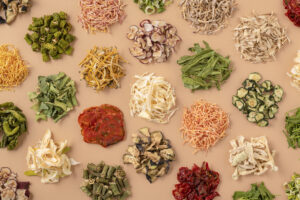
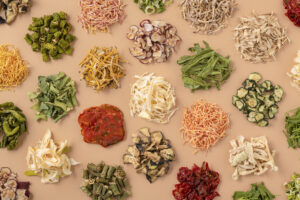
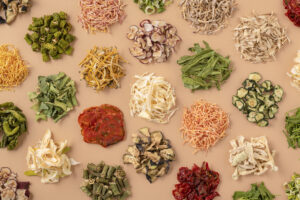
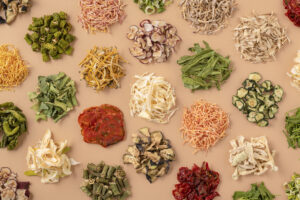
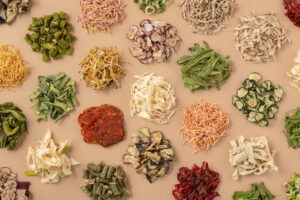
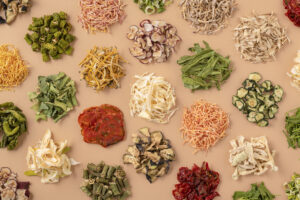
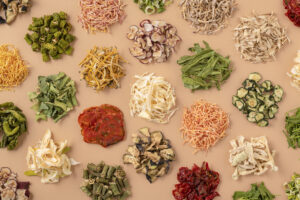
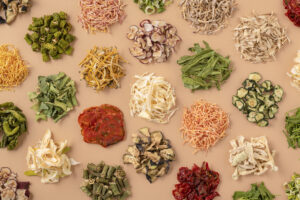
OEM rollout of dried vegetables and vegetable powder for emergency food, developing products for rolling stock
Proposing domestic dried vegetables with long best-before dates as disaster stockpiles for local governments and companies
Achieving both food-loss reduction and disaster preparedness with rolling stock products that use off-spec vegetables
Proposing storable dried foods for school lunches and employee cafeterias
Related keywords
Disaster-prevention foods
Emergency food
Preserved food
Related articles
Dried Vegetables for Emergency Food. A Recommendation of "Rolling Stock" to Prepare for Disasters
Dried Vegetable (Sun-Dried Vegetable) Onigiri Project | Held Every Tuesday in Kikukawa, Tokyo
The Path to a Michelin Green Star, Led by Dried Vegetables
FOR BUSINESS
乾燥野菜のミックスを、まとめてお探しですか
用途に合わせて複数の品目を配合した乾燥野菜ミックスをお作りしています。法人の備蓄やローリングストックのご相談も承っています。配合の考え方は 法人向けローリングストック に掲載しています。
少量でのご購入は、姉妹ブランドの通販サイト OYAOYA で承っています。
FAQ
Q1. How much should I stockpile with rolling stock?
A. Generally, it is considered desirable to stockpile at least 3 days' worth of food per person, with 1 week's worth recommended.
Q2. What foods are suited to rolling stock?
A. Highly shelf-stable foods that can also be used daily, such as dried vegetables, canned goods, retort foods, and freeze-dried items.
Q3. Is OEM for rolling stock possible at Agriture?
A. Yes. Using dried vegetables and vegetable powder, we support OEM development of disaster-prevention foods capable of long-term storage.