Vegetable dashi

TOC
What is vegetable dashi?
Vegetable dashi (yasai dashi) is a plant-based stock made by simmering vegetables such as Onion and carrots、Celery, cabbage, and long onion. Using no animal-derived ingredients at all, it is distinguished by a gentle flavor that draws out the natural sweetness and umami of the vegetables.
In the food and health-food industries, its use as a Vegan and vegetarian-friendly ingredient is spreading, and in the OEM field too it is drawing attention as a material for developing products free of animal allergens and for meeting demand for shojin (Buddhist vegetarian) cuisine overseas.
Features and background of vegetable dashi
Unlike the kombu and bonito dashi of washoku, vegetable dashi is said to have its roots in the Western "bouillon de légumes." At the same time, Japan has long had its own culture of a "plant-based stock" used in shojin cuisine together with dried shiitake and kombu.
There is no clear international standard, but lately more vegetable-dashi products carry organic certification and vegan-friendly labeling, and it is common for them to be made under FSSC22000 and ISO22000 and other food-safety standards.
Behind the growing attention are the rise of plant-based preferences, the need to cater to inbound tourists, and a fresh appreciation of dashi itself. Being less assertive than animal-based dashi and easy to pair with any dish is another reason it is back in the spotlight.
How Agriture puts vegetable dashi to use
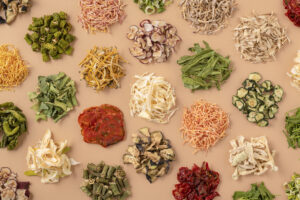
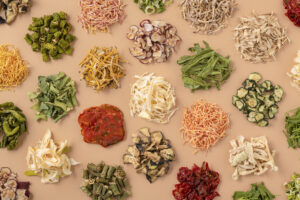
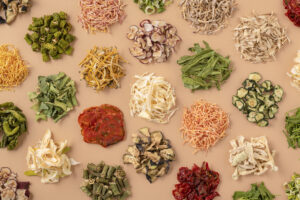
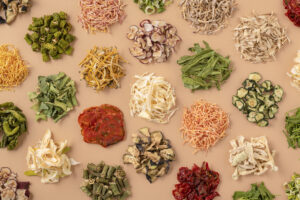
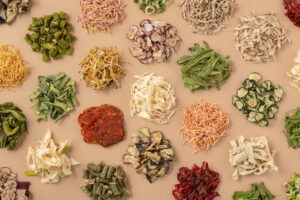
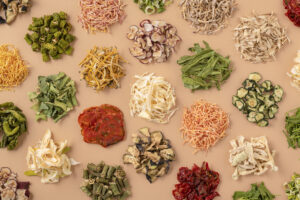
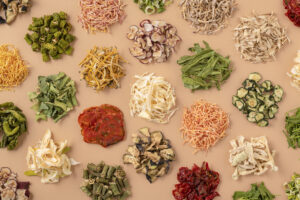
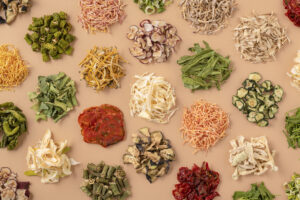
At Agriture, we make the most of our strength in dried vegetables and offer dashi ingredients made by drying onion, cabbage, carrot, long onion, and more. Because dried vegetables need no rehydrating and can be simmered as is, they are prized in the OEM of commercial soups, instant products, and vegetable-dashi powders.
We are also focused on upcycling off-spec vegetables: by turning vegetables that are edible yet discarded into dashi ingredients, we reconcile food-loss reduction with great taste. We also supply commercial wholesale to hotels and ryokan that offer shojin and vegan menus, proposing a sustainable dashi culture through dried vegetables.
Related keywords
Shojin dashi
Vegan dashi
Vegetable broth
Plant-based soup stock
Additive-free dashi
Related articles
Vegetarian OEM: The Difference from Vegan and How to Choose Compatible Ingredients
[For beginners] What is a vegetarian? Types, foods you can eat, and a growing market explained
What is vegetable dashi? A new, sustainable choice for umami
FOR BUSINESS
乾燥野菜を業務用でお探しですか
国産の野菜・果物を乾燥し、必要に応じて粉砕してお出ししています。扱っている品目は100種前後で、規格は 乾燥品の一覧・パウダーの一覧 に掲載しています。
少量でのご購入は、姉妹ブランドの通販サイト OYAOYA で承っています。
FAQ
Q. What dishes does vegetable dashi go with?
A. It suits a wide range of dishes across Japanese, Western, and Chinese cooking, including miso soup, soups, simmered dishes, pasta, and takikomi gohan. It is especially good for dishes where you want the ingredients' own flavors to shine.
Q. How does it differ from animal-based dashi?
A. It is less assertive than animal-based dashi, with a gentle flavor. It is increasingly chosen to avoid allergens, meet religious dietary limits, or suit a health-conscious lifestyle.
Q. Does store-bought vegetable dashi taste different from homemade?
A. Store-bought products deliver a consistent taste, while homemade varies greatly in flavor with the kinds and amounts of vegetables, so you can enjoy a more distinctive taste.