
Heirloom vegetables– category –
-
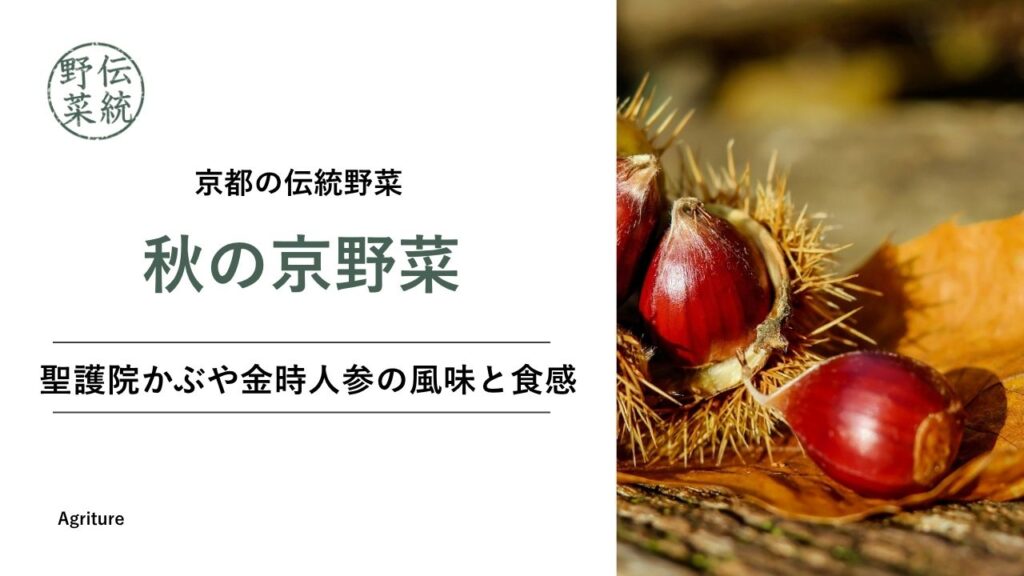
Autumn Kyoto Vegetables: The Flavor and Texture of Shogoin Kabu and Kintoki Carrot
Vegetables have a "season" for each period, and eating them in that period lets you enjoy more deliciousness and nutrition. Autumn Kyoto has an abundance of flavorful Kyoto vegetables. In this season, when it cools and the appetite grows, incorporate Kyoto vegetables—prized for a cozy sweetness and richness—into the daily table... -
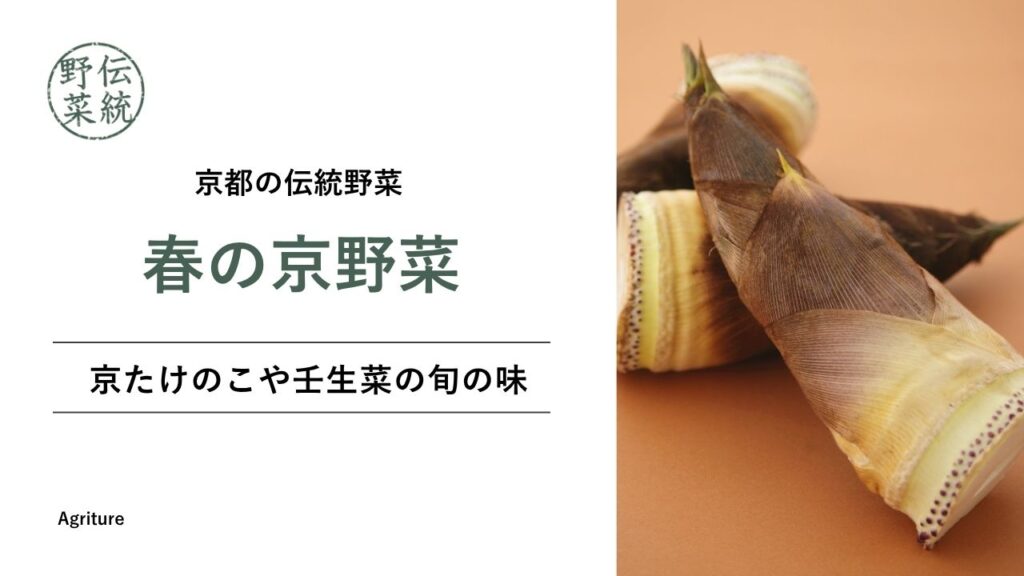
Spring Kyoto vegetables: the seasonal taste of Kyoto bamboo shoots, mibuna, and Kujo green onion
Every vegetable has its season, and by enjoying them season by season you can savor flavors unique to that time of year. Spring, along with the start of the new fiscal year, is when fresh vegetables line the shop shelves. Vividly colored, full of character, spring Kyoto vegetables include Kyoto bamboo shoots, hanana rape blossoms, and Kyoto udo—all shaped by Kyoto's climate and land... -
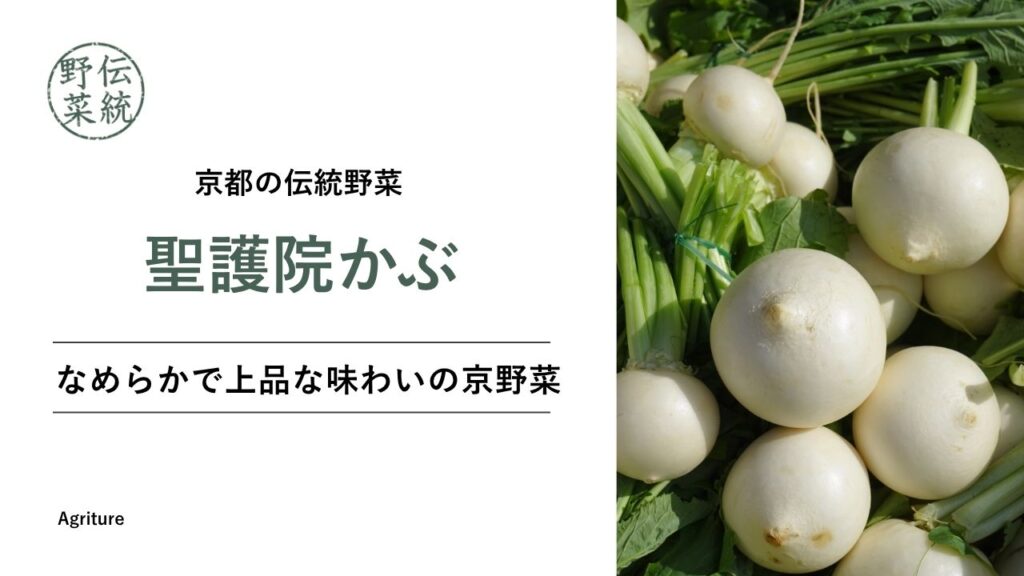
Shogoin Kabu: A Kyoto Vegetable with a Smooth, Refined Flavor
Shogoin kabura is one of Kyoto's heirloom vegetables, a turnip known for its large, round shape. Among turnips it boasts one of the largest sizes in Japan, and it is famous as the ingredient for Kyoto's specialty senmaizuke pickles—a true seasonal signature of Kyoto's winter. -
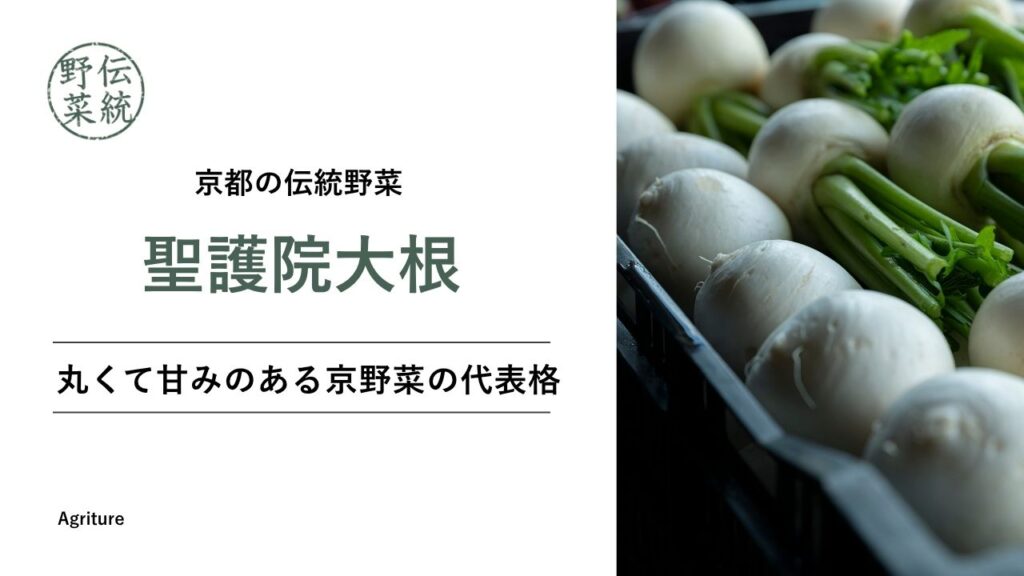
Shogoin Daikon: The Round, Sweet Standard-Bearer of Kyoto Vegetables
Shogoin daikon is one of Kyoto's heirloom vegetables, characterized by its large, round shape. It takes its name from Shogoin in Kyoto's Sakyo Ward, where it was first cultivated in the Edo period. In the early Showa era, it began to be grown in the Yodo district of Mimaki Village in southern Kyoto (around present-day Kumiyama)... -
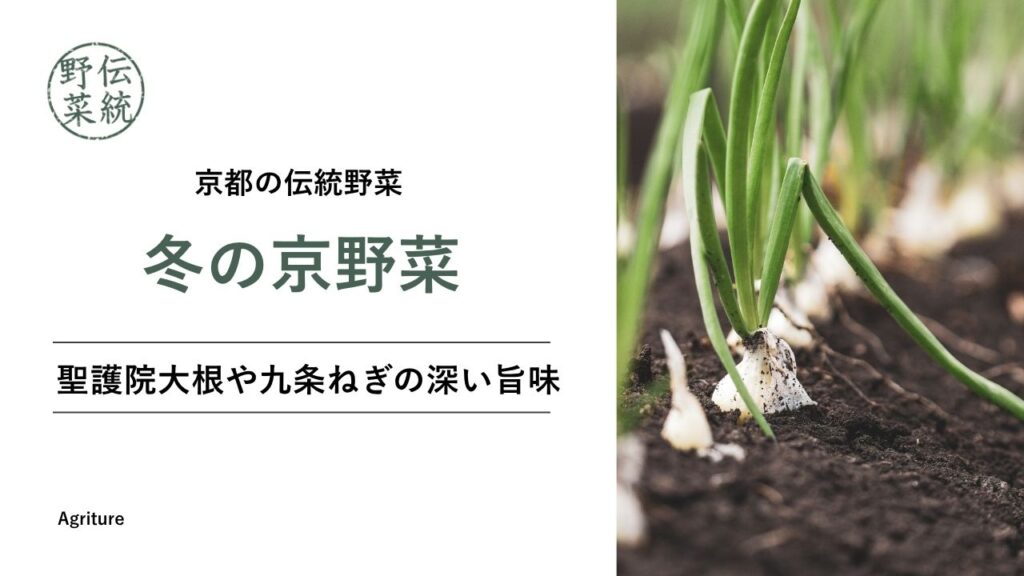
Winter Kyoto vegetables: the deep umami of Shogoin daikon and Kujo green onion
The "Kyoto vegetables" that color Kyoto's winter are packed with deep sweetness and umami, slowly nurtured through the cold. As temperatures drop, vegetables store up sugars, so Kyoto vegetables that come into season in winter grow sweeter and taste all the better in hot pots and simmered dishes. Here we introduce Kujo green onion, Shogoin daikon... -
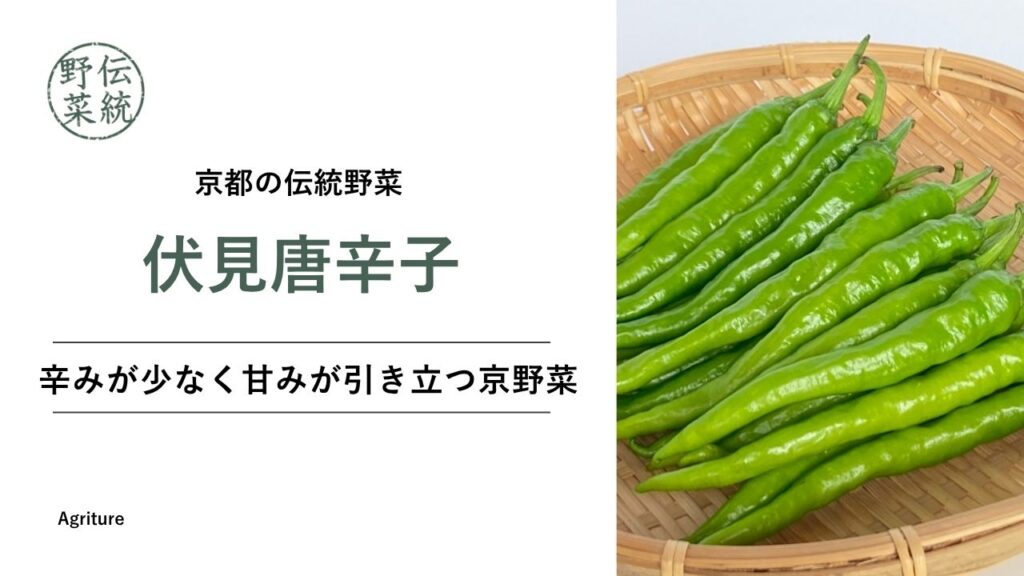
Fushimi Togarashi: A Kyoto Vegetable with Little Heat and Standout Sweetness
Fushimi togarashi is one of the Kyoto vegetables originating in Fushimi Ward, Kyoto Prefecture. Prized for being long, slender, wrinkled, and vividly green, it bears the name "togarashi" (chili) but is a kind of sweet chili with almost no heat. For that reason, children and those who dislike spicy food... -
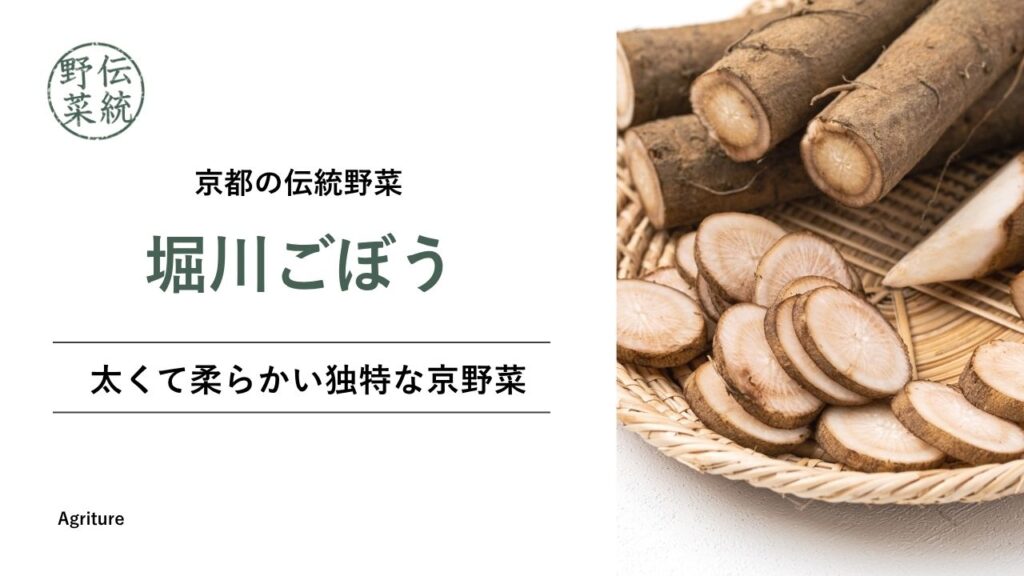
What Is Horikawa Gobo? A Thorough Explanation of Its Characteristics, Cultivation, How to Eat It, and Nutrition
What Is Horikawa Gobo? The Difference from Ordinary Gobo. Horikawa gobo is a Kyoto vegetable cultivated in Kyoto for about 400 years. Certified as both a "Kyoto Heirloom Vegetable" and a "Brand Kyoto Vegetable," it's known as a rare Kyoto vegetable used even at high-end restaurants. General... -
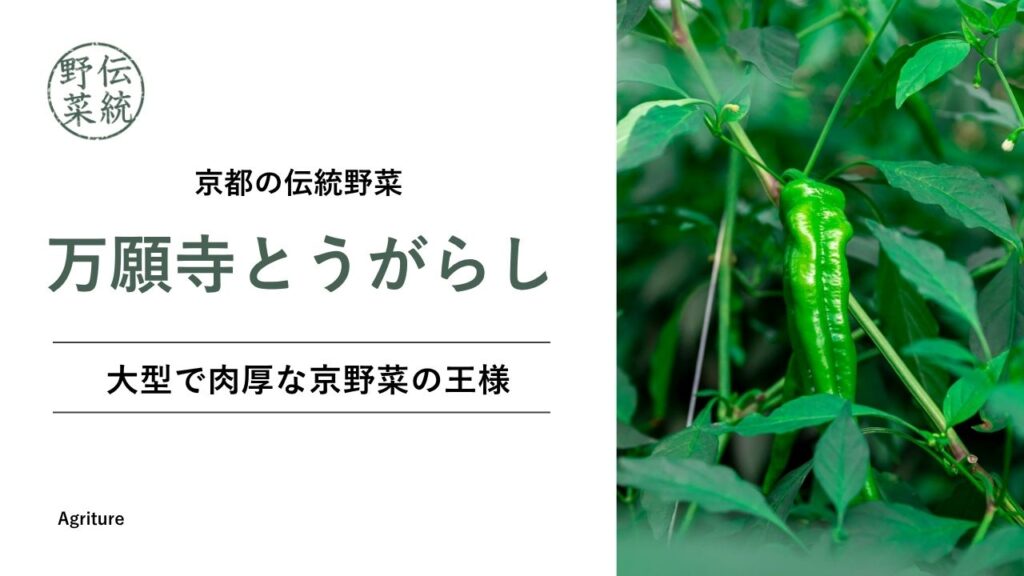
Manganji Togarashi: The Large, Thick-Fleshed King of Kyoto Vegetables
Manganji togarashi is one of the summer Kyoto vegetables that represent Kyoto. Though a member of the chili family, it has almost no heat, and because it's large, thick-fleshed, and sweet, it's also called the "king of chilies." With few seeds and easy to eat, it's used for suyaki and nibitashi...