How to Make Lemongrass Tea: Brewing for Aroma, Blends and Other Uses

Summary of this article
How to make lemongrass tea, from choosing between fresh and dried to cold brew, iced tea, blends and cooking uses. Includes tips for brewing to bring out the aroma, pointers for using Japanese dried lemongrass, and ideas for product development.
Just pour in hot water and lemongrass tea releases a refreshing, lemon-like aroma. Brewing it is simple, but people sometimes stumble with "the aroma is weak," "it tastes grassy" or "the flavor goes flat when iced." What makes the difference is choosing between fresh and dried, and how you steep it to bring out the aroma.
This article covers the basics of making lemongrass tea, the differences between fresh and dried, cold brew and iced tea, blends with mint and ginger, and uses in cooking. Drawing on our experience drying vegetables and herbs in Kyoto, we also share tips for choosing ingredients that preserve aroma. If you want to turn an original blended tea into a product, see tea OEM and product development.
- Choosing between fresh and dried lemongrass
- Basic brewing and tips for bringing out the aroma
- Cold brew, iced and blend variations
- Using it in cooking as well as tea
TOC
What is lemongrass tea? A herb with a lemon aroma
Lemongrass is a herb in the grass family with long, slender leaves. Its refreshing, lemon-like aroma is its defining feature, and it is widely used in Southeast Asian cooking. It is essential for flavoring tom yum goong and curries, and it is versatile both as a tea and in cooking. As a tea it contains no caffeine, so you can enjoy it at any time of day.
Tea mainly uses the leaves, while cooking often uses the stalk near the base. Dried products are usually chopped and dried leaves that can be used for both tea and cooking. Because its aroma escapes easily, freshness and drying method greatly affect the flavor.
Flavor and aroma
Lemongrass tea is appealing for its lemon-like citrus aroma and clean finish. It has almost no acidity; its refreshing quality comes from the aroma. With few quirks, it is an easy herb to use on its own or as a blend base.
- Aroma: refreshing citrus, like lemon
- Flavor: little acidity, with a clean finish
- Caffeine: none, so it suits evenings and before bed
Its refreshing aroma pairs easily with meals, making it a good cup after rich, oily dishes or alongside Southeast Asian food. Its pale, translucent color looks cool in a glass when iced, so it also works for entertaining guests.
The difference between fresh and dried lemongrass
Fresh lemongrass is juicy with a vibrant aroma, while dried has a concentrated, sharp aroma. Fresh is available in season, and dried is easy to use year-round. We recommend starting with easy-to-handle dried lemongrass and enjoying the difference in aroma when you can get fresh.
| Comparison axis | Fresh lemongrass | Dried Lemongrass |
|---|---|---|
| Aroma | Juicy and vibrant | Concentrated and sharp |
| Convenience | Needs chopping | Just pour hot water |
| Availability | Mainly in season | Available year-round |
| Storage | Doesn't keep well | Store at room temperature and use only what you need |
Choosing dried for easy daily drinking and fresh when you want to enjoy a fresh aroma makes it easy to use.
Basic way to make lemongrass tea
The basics are simply putting lemongrass in a pot, pouring in boiling water and steeping. Its aroma escapes easily, so the key to enjoying it is to steep with the lid on and drink it freshly brewed.
Hot tea with dried lemongrass
- Warm the pot and cups with hot water
- Use 2-3 teaspoons of dried lemongrass (about 2g) per cup (about 180ml)
- Pour in freshly boiled water, cover and steep for 3-5 minutes
- Once the aroma rises, pour and add honey to taste
Hot tea with fresh lemongrass
When using fresh, chop it first so the aroma comes out easily. Even the tough outer leaves release their aroma when chopped and lightly crushed.
- Chop 1-2 stalks of fresh lemongrass into 2-3cm pieces
- Put in a pot and pour in boiling water (about 300ml)
- Cover and steep for about 5 minutes
- For a stronger brew, lightly crush the chopped stalks before brewing
Tips for bringing out the aroma
To bring out the aroma, cover and steep well. Steeping too long tends to bring out grassiness, so aim for 3-5 minutes and remove the leaves once the aroma rises for a clear flavor. If it tastes grassy, shorten the steep or add a little honey or lemon to make it easier to drink.
If it doesn't taste the way you expected, use the fixes below as a guide. Once you know the cause, you can get closer to the aroma you want next time.
| Problem | Main cause | Remedy |
|---|---|---|
| Weak aroma | Too little, or an ingredient that has lost its aroma | Use more and switch to an ingredient that retains its aroma |
| Grassy | Steeped too long | Shorten the steep to about 3 minutes and remove the leaves |
| Flat flavor (iced) | Diluted too much by ice | Brew stronger than for hot tea before flash-chilling |
| Bitter or harsh | Simmered too long, or left in | Avoid simmering and remove the leaves on time |
FOR BUSINESS
乾燥レモングラスを、原料としてお探しですか
国産のレモングラスを乾燥・粉砕してお出ししています。カット形状や粒度の指定、継続してのお取引もご相談ください。規格は Dried Lemongrass に掲載しています。
レモングラスの少量販売は姉妹ブランドの OYAOYA では取り扱いがありません。ほかの品目はカタログをご覧ください。
Cold-brew and iced lemongrass tea
In hot weather, we also recommend enjoying it cold. Cold brew has a softer aroma, while iced tea has a clean finish.
How to make cold brew
- Put dried lemongrass (1 tablespoon, about 5g per 500ml) and water in a bottle
- Leave in the refrigerator for a few hours to overnight, until the aroma has transferred
- Shake lightly before drinking and add sweetener to taste
How to make iced tea
Since ice dilutes it, the trick for iced tea is to brew it stronger than hot tea. Pouring the brewed tea all at once into a glass of ice to flash-chill it locks in the aroma for a clean finish. Garnishing with mint or lemon also gives it a refreshing look.
| Method | Guideline | Flavor |
|---|---|---|
| Hot | Steep in boiling water for 3-5 minutes | Aromatic and refreshing |
| Iced | Brew strong and flash-chill with ice | Clean, crisp finish |
| Cold brew | Cold water for a few hours to overnight | Soft, mellow aroma |
Hot is the easiest way to check the aroma when you first try it, and cold brew is convenient for making ahead. Choose based on your purpose.
Making lemongrass syrup ahead
With syrup on hand, you can quickly make an aromatic cup just by adding hot water or sparkling water. Make a batch and refrigerate it, and you can use it for drinks or shaved ice. When drinking it as tea, long simmering brings out grassiness, but syrup is heated only briefly to transfer the aroma and sweetness, so the purposes differ.
- Put 200ml of water and 1 tablespoon (about 5g) of dried lemongrass in a small pot and simmer for a few minutes until aromatic
- Strain, add about 100g of sugar or honey, and warm until dissolved
- Add lemon to taste, pour into a clean jar and refrigerate
- Use it with hot water or sparkling water, or as a yogurt sauce
Lemongrass blend design
Lemongrass has few quirks and is an excellent supporting player that brings out the aroma of other ingredients. Blends come together when you pair it with a citrus aroma as the core and want to add freshness. Refer to the chart below. You can also check each product page from the ingredient names.
| Ingredient to pair | Pairing / aim | Finish |
|---|---|---|
| Mint | Layers on coolness | Clean finish, good for summer |
| Dried ginger | Adds a zesty heat | Gives the aroma crispness |
| Dried Hibiscus | Adds acidity and red color | Refreshing and colorful |
| Dried lemon | Aligns the citrus direction | A clearer lemon character |
| Black tea / green tea (contains caffeine) | Add a small amount for aroma | Freshens up your usual tea |
As a guide to ratios, use 2 parts lemongrass to 1 part partner if lemongrass is the star, or 1 part lemongrass to 3-4 parts base if you're using it for aroma. If in doubt, start with equal parts mint for reliable results. If you want to keep it caffeine-free, pair it with mint or hibiscus rather than black or green tea.
Recommended blends you can copy
If you can't decide on a combination, try one of the three below. All use easy-to-find ingredients, and each clearly changes the direction of the aroma.
Refreshing: lemongrass x mint
2 teaspoons of dried lemongrass with a pinch of mint. The coolness of citrus and mint layer together for a cup with a light finish. Iced, it's even more refreshing.
Warming: lemongrass x ginger
Adding 1 piece of dried ginger to dried lemongrass adds ginger's crispness to the citrus aroma. With honey, it becomes a mellow, easy-to-drink cup. How to make ginger tea— reading it alongside this will also help you get the hang of handling ginger.
Colorful: lemongrass x hibiscus
Pairing it with dried hibiscus adds red color and acidity for a vibrant look. Served iced with floating ice cubes, it also stands out when entertaining. For brewing methods that make the most of the color, see How to make hibiscus tea is also a helpful reference.
We have materials available to help you understand dried processing OEM
Agriture OEM, flexibly handling everything from small lots to large lots
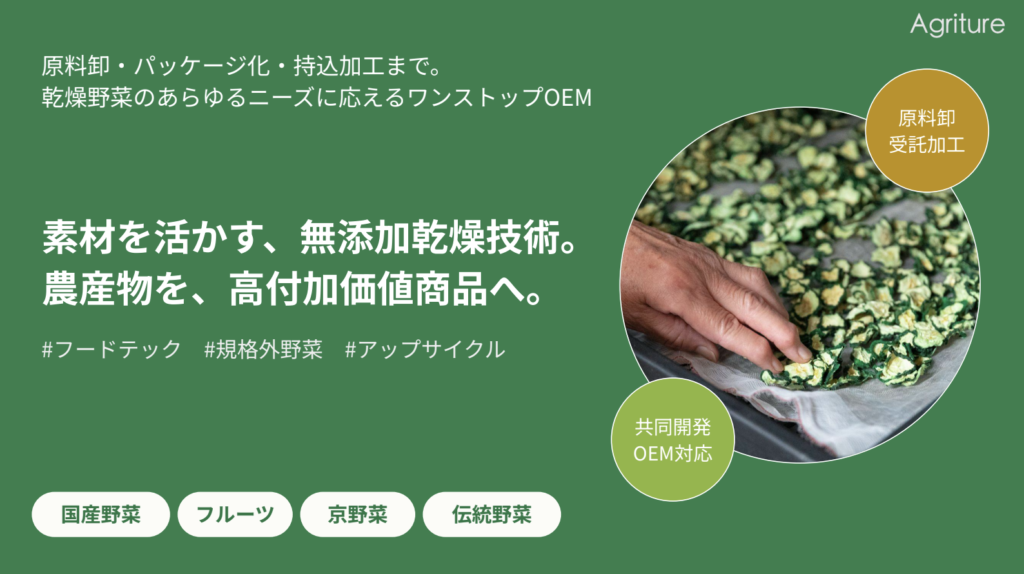
- OEM available from small lots of 10 kg
- Drying of brought-in raw materials also possible
- Support from processing to filling in one place
Not just for tea: other uses for lemongrass
Lemongrass is a herb that can be used not only for tea but also in cooking. Even the leaves left after brewing can be put to use, so nothing goes to waste.
Using in cooking
Lemongrass is often used to flavor Thai tom yum goong, curries and soups. Chopped and added to stews, it spreads a refreshing aroma throughout the dish. Steamed together with chicken or fish, it softens their odors for a fragrant finish.
- Chop and add to flavor tom yum goong or soups
- Steam with chicken or fish for a refreshing touch
- Add to curries and stews to infuse aroma
Using the steeped leaves
Even the leaves left after brewing tea still have some aroma. Here are ways to make use of that aroma so nothing goes to waste.
- Drop into sparkling water for a refreshing aroma
- Chop and use to flavor soups or stir-fries
- Put in a cloth bag to enjoy the aroma in the bath
Choosing Japanese dried lemongrass
The result of lemongrass tea changes with the condition of the dried lemongrass you use. Since aroma is everything for this herb, drying method and freshness are decisive.
Drying methods that preserve aroma
When herbs are dried quickly at high temperatures, their aroma tends to escape. Drying carefully at low temperatures preserves the refreshing aroma, which comes through clearly when rehydrated. In Agriture's experience as well, the more an ingredient relies on its aroma, the more the finished result changed with the design of the drying temperature. For lemongrass tea, choosing Dried Lemongrass that hasn't absorbed moisture raises the quality of the cup.
When choosing in stores or online, the following points make it easier to identify products that retain their aroma.
- A citrus aroma can be detected even through the bag
- The color hasn't faded and retains a greenish tint
- The leaves are crisp and dry, not limp from moisture
- The growing region and drying method are stated
Storage and using it up
- After opening, store in an airtight container or zip bag away from direct sunlight, heat and humidity
- The aroma escapes easily, so adding a desiccant is a good idea
- Store in separate bags so it doesn't mix with other ingredients
Making lemongrass tea for a cafe or as a product
The following is for those who want to turn a homemade cup into a product. Once people are making good lemongrass tea and blends at home, some move on to wanting to "serve it at a cafe" or "make it a product for their own brand." Turning the enjoyment of drinking it into a product requires a different design from home brewing.
Homemade vs. commercial production (OEM)
At home you can change the aroma and strength depending on your mood, but as a product you need a fixed recipe that gives the same flavor and aroma no matter who brews it, a stable supply of raw materials, and compliance with best-before date and labeling rules. This is where a system that can dry and blend lemongrass, fruits and herbs at consistent quality makes a difference. Our strength in drying domestic ingredients in-house is described in detail in OEM for edible black tea and fruit tea.
| Aspect | Enjoying at home | Making a product (OEM) |
|---|---|---|
| Recipe | Change freely depending on your mood | Fixed so it has the same aroma no matter who makes it |
| Raw materials | Made with ingredients on hand | Requires stable sourcing and consistent quality |
| Labeling / shelf life | Drink without worrying about it | Must comply with best-before dates and ingredient labeling |
| Quantity | One cup at a time | Planned with prototyping through mass production in mind |
Because lemongrass loses its aroma easily, what sets a product apart is a design that keeps the aroma consistent and preserved. A drying and blending system that can stabilize this makes it easier to bring a homemade aroma closer to a product.
Choosing to start with a small-lot prototype
Rather than jumping straight into mass production, you can start with a small-lot prototype to check the aroma, flavor and response. Agriture handles everything from raw material selection, drying and blending to small-pouch filling as a single contract, starting from small lots of as little as 100g. We can also build original blends combining lemongrass with citrus or spices based on the characteristics of each ingredient. Our range of services is summarized in OEM for creating original teas. For making teas starring fruit, see How to make fruit tea as well.
Deciding the following before requesting a prototype makes the consultation go smoothly.
- The lead aroma (lemongrass alone or a blend)
- Format (loose leaf, tea bags, small pouches, gifts, etc.)
- Whether to keep it caffeine-free or combine it with black tea or similar
- Expected quantity and the lot you'd like to prototype first
We have materials available to help you understand dried processing OEM
Agriture OEM, flexibly handling everything from small lots to large lots
- OEM available from small lots of 10 kg
- Drying of brought-in raw materials also possible
- Support from processing to filling in one place
FOR BUSINESS
乾燥レモングラスを、原料としてお探しですか
国産のレモングラスを乾燥・粉砕してお出ししています。カット形状や粒度の指定、継続してのお取引もご相談ください。規格は Dried Lemongrass に掲載しています。
レモングラスの少量販売は姉妹ブランドの OYAOYA では取り扱いがありません。ほかの品目はカタログをご覧ください。
FAQ
Here are answers to common questions about making lemongrass tea.
Summary
The basic way to make lemongrass tea is to pour boiling water over lemongrass, cover and steep. What determines the result is choosing between fresh and dried, and how you steep it to bring out the aroma. If grassiness bothers you, shortening the steep or pairing it with honey or mint makes it easier to drink.
Its refreshing aroma works in a wide range of ways, from cold brew and iced tea to blends and even cooking. If you want to turn a blend you love at home into a cafe menu item or your own product, you can make use of a system that handles everything from drying onward. Feel free to contact us about creating your original lemongrass blend.
Recommended reading
- How to Make Fruit Tea: Types and Blending Tips with Dried Fruit
- How to Make Ginger Tea and Shogayu That Bring Out Heat and Aroma
- How to Make Hibiscus Tea That Makes the Most of Its Tartness and Ruby Color
Download the OEM contract processing materials
We will send the materials to your email address based on the information you provide.
- How to Make Hibiscus Tea That Makes the Most of Its Tartness and Ruby Color
- How to Make Elderflower Tea and Cordial, Plus Mixers and Blends