What Is Fair Trade Certification? A Complete Explanation of the Mechanism and Significance

Summary of this article
Fair Trade certification is a system that aims to improve the livelihoods and self-reliance of vulnerable producers and workers by trading with producers in developing countries on fair terms. The Max Havelaar system was born in the Netherlands in 1988, and now more than 30 countries worldwide participate. This explains the three criteria of economic, social, and environmental; the minimum price guarantee and premium system; and the composition of the 2025 Japanese market of 21.5 billion yen, coffee 78.2%, and cacao 12.2%.
The coffee and chocolate we consume daily. Behind them are producers in far-off countries. But whether those producers get a fair reward is hard for us consumers to see.
Fair Trade certification is drawing attention as a system that shines a light on those "unseen parts" and supports producers' livelihood improvement and self-reliance.
Recommended reading
TOC
What is Fair Trade certification? The basic concept and purpose
Fair Trade is an effort to improve the livelihoods and self-reliance of vulnerable producers and workers by trading in raw materials and products from developing countries on "fair terms."

Many of the food and daily goods essential to our lives are in fact produced in developing countries. But behind that "cheapness" lies a reality where producers aren't paid a fair reward, children are made to work instead of going to school, and agrochemicals with no regard for the environment are used.
International Fair Trade certification was born to solve such problems. This certification system is carried out based on standards set by Fairtrade International.
The history of Fair Trade certification
The Fair Trade movement gained momentum from the 1980s, and in 1988 the world's first Fair Trade certification label system began in the Netherlands. Later, in 1997, Fairtrade International, uniting each country's label-promoting organizations, was established.
Today, more than 30 countries' Fair Trade promotion organizations worldwide, including Japan, and producer network organizations across Latin America, Africa, and Asia participate.
This movement is recognized not as mere charity but as an important effort that also contributes to achieving the Sustainable Development Goals (SDGs).
The mechanism and standards of Fair Trade certification
Fair Trade certification is a system that guarantees International Fair Trade standards are upheld at each step as a product goes from raw material production through export/import, processing, and manufacturing to become a finished product.
To be certified, the following kind of strict standards must be cleared.
Economic standards
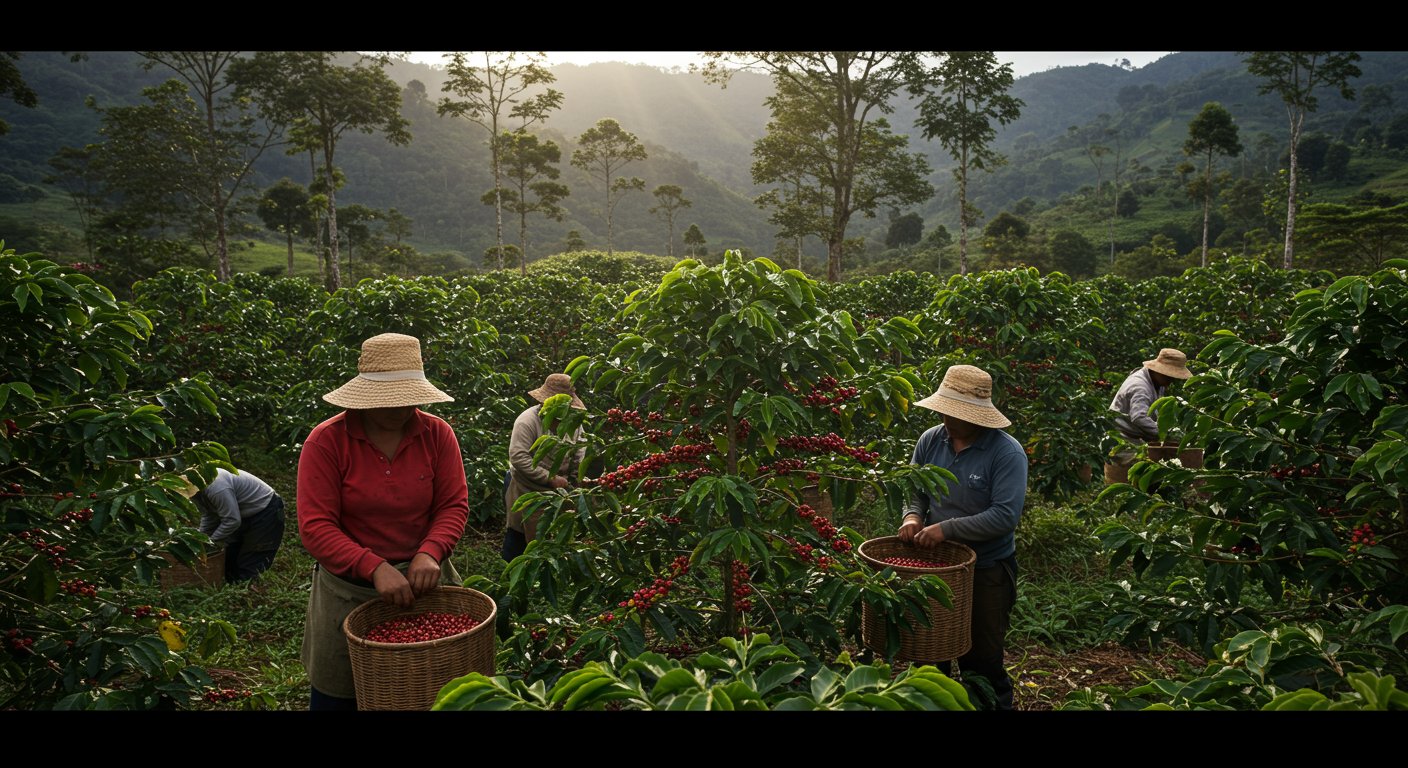
Paying producers a fair price is the core principle of Fair Trade. Because a minimum price is guaranteed even when the market price falls, producers can obtain a stable income.
In addition, an incentive payment called the Fair Trade Premium is paid. This is money whose use the producer cooperative decides for itself, put toward the development of the whole community, such as building schools and improving medical facilities.
Social standards
Standards are set to protect workers' human rights, such as banning child labor and forced labor, eliminating discrimination, and guaranteeing freedom of association.
This creates an environment where producers and workers can work with dignity. From my own experience seeing the commercial wholesale front, I've felt firsthand that such human-rights protection efforts also lead to higher productivity.
Environmental standards
Producers are required to adopt environmentally conscious production methods, such as restricting agrochemical and chemical fertilizer use, conserving water resources, and protecting biodiversity.
Practicing sustainable agriculture makes it possible to maintain the production environment from a long-term perspective. This is an important factor directly tied to the stable supply of the food ingredients we handle, too.
The types of Fair Trade certification labels and their meanings
The Fair Trade certification labels you see at supermarkets and cafes come in several kinds. Understanding the meaning each label carries lets you make more conscious consumption choices.
International Fair Trade certification label
The most common is the "International Fair Trade certification label." This label certifies that International Fair Trade standards are upheld at each step from the production of the product's raw materials to becoming a finished product.
Products made of 100% certified raw material (coffee, banana, and the like) get a simple label. On the other hand, products containing multiple raw materials (chocolate, cereal, and the like) use a label with an arrow on the right side.
Labels for specific products
For cotton products, the International Fair Trade certified cotton label is used. This indicates that 50% or more of the product's weight is cotton, and all of it is Fair Trade certified cotton.
For jewelry, the "International Fair Trade certified gold label" is sometimes used. This indicates that all the gold used has been mined and traded under fair conditions.
For cosmetics, the certification label is affixed together with a note that they "contain Fair Trade ingredients."
About mass balance
For the four products of cacao, sugar, fruit juice, and tea, a method called mass balance is sometimes applied. This is a system where physical tracking isn't done, but the fair price and premium payments to producers are guaranteed.
Because these products often get mixed with non-certified raw material during primary processing in the country of origin, such a method is adopted.
Market trends of Fair Trade certification and its spread in Japan
The market for Fair Trade certified products is on an expanding trend worldwide. In Japan too, awareness is steadily rising and the market size is growing.
Japan's Fair Trade market
According to the latest 2025 data, the estimated market size of International Fair Trade certified products in Japan is 21.5 billion yen, up 2.2% year on year. Over these 10 years the market has more than doubled, and the estimated annual purchase amount per capita has also risen 100 yen, from 74 yen to 174 yen.
Even amid a continuing wave of price hikes centered on food, the Fair Trade market has held steady. This is a sign that interest in sustainability is rising among consumers.
Main products and growth areas
Food makes up the bulk of Japan's Fair Trade market. Coffee in particular is the main product, at 78.2% of the total. Cacao products follow at 12.2%, driving the market.
In the fiscal 2024 data, cacao products recorded major growth at 169% year on year. Black tea was also up 160% year on year and herbs and spices up 109% year on year, each steadily expanding the market.
The impact and challenges Fair Trade certification brings
Fair Trade certification brings diverse impacts to producers, the environment, and us consumers. At the same time, it faces some challenges.

Impact on producers
The greatest significance of Fair Trade lies in improving producers' livelihoods and supporting their self-reliance. With a fair price guaranteed, producers can obtain a stable income. Also, through the premium (incentive payment), community development such as education and medical care is advanced.
That trade through producer cooperatives gives even small-scale producers access to international markets is also a big benefit.
Impact on the environment
Fair Trade contributes to environmental conservation too. It encourages the introduction of sustainable farming methods and supports low-environmental-impact production.
Due to the effects of climate change, coffee cultivation areas are projected to halve to 50% by 2050 (arabica), and cacao trees are expected to become difficult to grow in West Africa. Funds returned to producers through Fair Trade are also put toward investment in farming training and materials to adapt to such climate change.
Future challenges
Awareness of Fair Trade is rising, but it can't be said to have taken root in daily life. In addition, the cost and complexity of procedures to obtain certification are a barrier to entry for small-scale producers. Furthermore, the role Fair Trade plays as a climate change measure isn't well understood, and communicating this broadly is a challenge going forward.
Summary: the future of Fair Trade certification and what we can do
Fair Trade certification is a bridge connecting far-off production areas and our daily lives. By trading at a fair price, it supports producers' livelihoods, promotes sustainable agriculture, and functions as a system that contributes to environmental conservation too.
In Japan too, the Fair Trade market is steadily expanding, continuing to grow centered on coffee and cacao products in particular. As climate change and social challenges grow more serious, the importance of Fair Trade will only rise further.
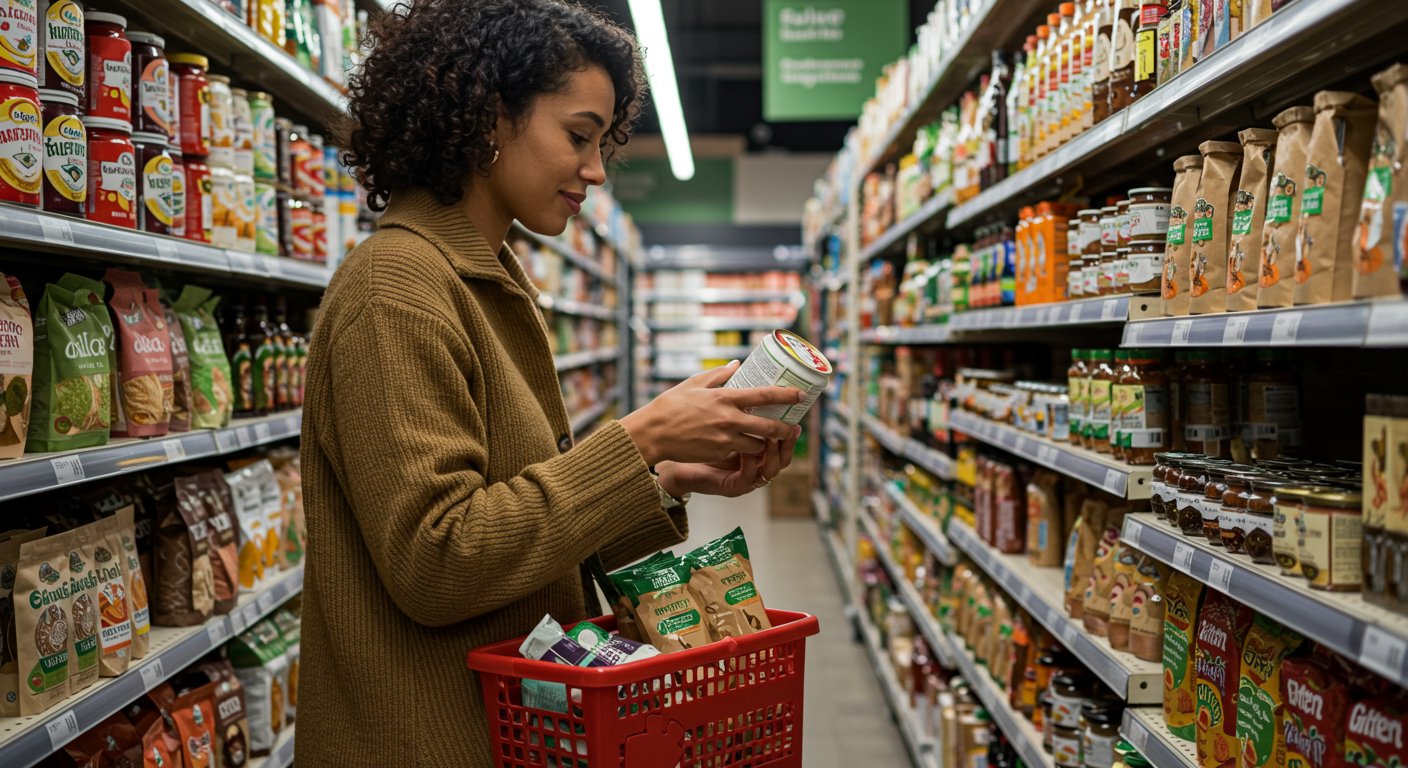
What we consumers can do is to consciously choose Fair Trade certified products in our daily shopping. The choice of a single cup of coffee or a single bar of chocolate supports the livelihood of a producer living on the other side of the earth and becomes a step toward a sustainable future.
As one who works in the food industry, I feel the philosophy and practice of Fair Trade is extremely important. Fair trade, sustainable production, and building trust with consumers -- aren't these all values that should be the foundation of every food business?
For those who want to know more about Fair Trade, please seeAgriture's Fair Trade page. It introduces our efforts to connect producers and consumers through sustainable agriculture and fair trade.

Reference:
International Fair Trade certified products | Fairtrade Japan
International Labour Organization
Related articles
What is Fair Trade? The latest 2025 trends and future outlook
- A sustainable future achieved by rethinking fair-trade consumption
- What is the sustainable food culture that vegetarians are spreading?