Notable upcycle food brands | A sustainable choice

Summary of this article
Upcycled food is an effort to give new value to ingredients that were destined to be discarded, and it draws attention as a solution to the reality that worldwide about 40% of food produced is discarded. Japan's food loss is 5.23 million tons per year, of which manufacturing accounts for 24%. We explain the off-grade-vegetable upcycling case of Kyoto-born OYAOYA, the environmental, social, and economic merits, and research findings from the University of Otago.
With about 40% of the food produced worldwide being discarded, “Upcycling food” is drawing attention as a new solution that turns that waste into value. This article introduces the concept of upcycling, which breathes new life into ingredients and byproducts destined for disposal, and the pioneering efforts of the Kyoto-born dried vegetable brand “OYAOYA.” As a sustainable food option, we delve into why upcycled food is sought after now.
TOC
What is upcycled food? A new trend in reducing food loss
As food loss becomes a global challenge, “upcycled food” is drawing attention as a new solution. In short, it is an effort to give new value to ingredients that were destined to be discarded. There is a reality that worldwide about 40% of the food produced is discarded.
Upcycled food is an effort in which ingenuity is added to food raw materials or byproducts originally destined for disposal, reborn as new products. Rather than mere reuse, its distinctive point is that it raises value while making use of the original material's characteristics.
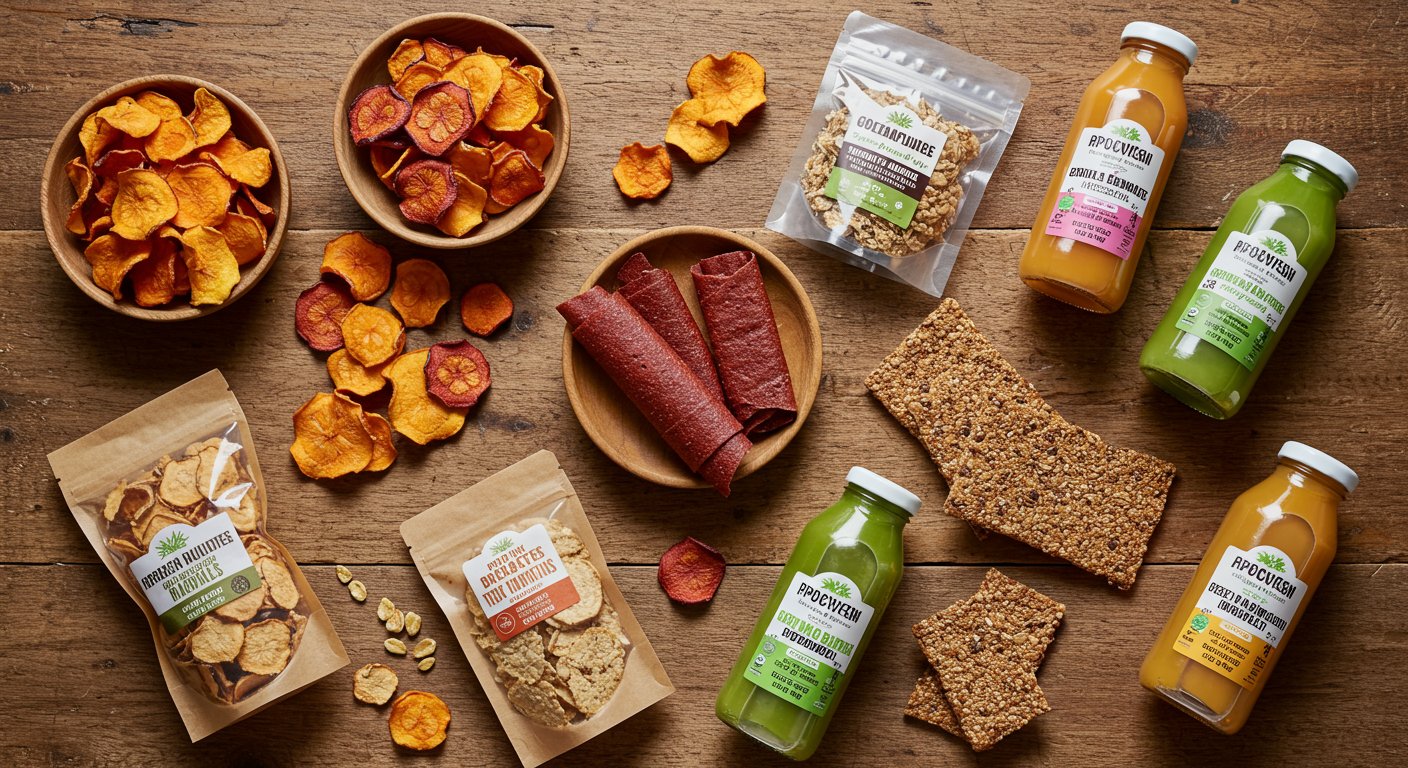
Japan's food loss amounts to about 5.23 million tons per year, of which the food-manufacturing industry accounts for 24% of the total (1.25 million tons). To reduce this enormous waste, upcycled food is spreading as a solution that fuses Japan's traditional culture of “mottainai” with modern sustainability thinking. Reference: Consumer Affairs Agency, Consumer Education Promotion Division, Food Loss Reduction Promotion Office
Example: OYAOYA, expanding the potential of off-grade vegetables
The Kyoto-born dried-vegetable specialty mail-order brand “OYAOYA”, which our company operates, is a brand working on the upcycling of off-grade vegetables. Focusing on the reality that about 30% of the total harvest loses its place due to poor shape, it creates new value.
OYAOYA delivers dried vegetables (kiriboshi vegetables) made using vegetables sourced from farmers in the northern area of Kyoto Prefecture nationwide. Focusing especially on off-grade vegetables and Kyoto vegetables that do not reach the market because of poor shape, it offers products finished additive-free with no glucose.

By drying slowly at a temperature close to sun-drying, it not only concentrates the vegetables' umami and nutrients but has succeeded in drawing out hidden appeal not noticed in fresh vegetables. Through this method, it breathes new life into vegetables destined for disposal and proposes them as “a new feast from the field.”
The environmental, social, and economic merits of upcycled food
Upcycled food brings diverse merits from the three sides of the environment, society, and economy. According to a study by the University of Otago (New Zealand), it is clear that upcycling surplus food and byproducts has many potential merits.
On the environmental side, reducing food waste can curb greenhouse gas emissions. Reducing food waste occupies one of the most important positions among solutions to reverse climate change. Efforts like OYAOYA's contribute to reducing environmental burden by breathing new life into vegetables destined for disposal.
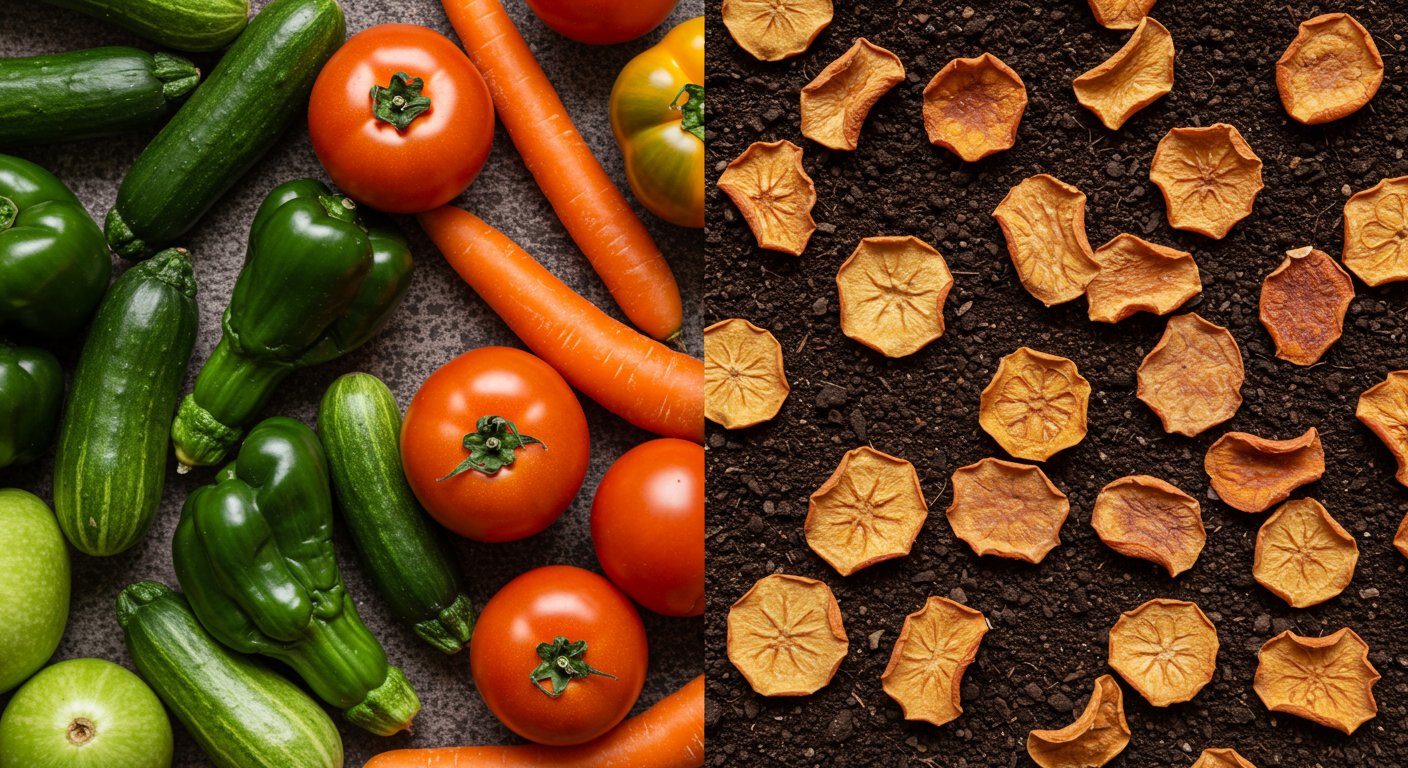
Socially, upcycling food waste and agricultural waste leads to job creation and higher income for growers. OYAOYA cooperates with growers in the northern area of Kyoto Prefecture and supports farmers who are particular about sustainable soil-building and cultivation methods using locally distinctive materials. In this way, it plays a part in revitalizing the local community as well.
From an economic standpoint, because primary processing involved in processing is carried out in cooperation with local welfare facilities, we are also able to generate employment at local businesses.
Upcycled food is drawing attention not as a mere trend but as a business model that plays a major role in the transition to a sustainable society. You, too, can participate in this sustainable cycle through everyday food choices.

The challenges and future potential of upcycled food
While upcycled food has many merits, several challenges also exist. According to the University of Otago study, it is suggested that food upcycling is not necessarily sustainable in every case.
For example, the environmental benefit of upcycled food is determined by factors such as the type of waste being reused and the kind of energy needed for processing. When upcycling grains used in beer brewing into food, unless eco-conscious energy is used, it may emit more CO2 than using them for animal feed.
Also, when upcycled food is sold as a premium product, it does not necessarily become economically accessible. The finished product may become high-priced and exclude lower-income groups. Furthermore, it has been pointed out that turning edible food into upcycled food carries the risk of reducing donations to food banks.
From an economic standpoint, challenges such as high production costs and dependence on the supply chain may limit the expansion of product sales.
However, despite these challenges, the upcycled-food market continues to grow. Within Japan, “Nagano Upcycle Food”, diverse efforts are emerging, such as gourmet canned goods using surplus chicken livers and hearts, and craft beer using the offcuts of souvenir wafers.
Can the future potential of upcycled food be called bright?
With the world population projected to reach 9.7 billion by 2050, the importance of sustainable food production is rising ever more. Upcycled food holds the potential to contribute to strengthening food security and reducing environmental burden.
A step to start with sustainable food choices
Our everyday food choices become a step toward a sustainable future. Choosing upcycled food is an action that directly contributes to reducing food loss. By purchasing that company's products, you not only support them but also indirectly support a step toward a sustainable future.
In addition, companies can of course develop upcycled products. Adopting them as novelties and the like can also be part of social activity. If you wish to produce such sustainable novelties, please feel free to contact us.

Recommended reading
Sustainable initiatives / Commercial dried vegetables / Product lineup / Health management and recruitment branding | Toward being a company chosen for its meal-related employee benefits / The appeal of heirloom vegetables in Hokuriku! Regional brands such as Kaga vegetables thoroughly explained