
Is There Demand for Dried Vegetables in Dubai?

Summary of this article
Agriture exhibited at the Kyoto booth of “JAPAN TRADE EXHIBITION in DUBAI 2025,” held at the Dubai World Trade Centre from February 10 to 12, 2025. We explored the potential of dried vegetables in the Middle East and gauged the challenges and opportunities of overseas expansion, including differences in food culture and halal certification. We will continue gathering information and conducting test marketing.
With the backing of Kyoto Prefecture, we exhibited at the Kyoto booth within the Dubai trade show held this past February. We took part in this exhibition through a connection, on the hypothesis that dried vegetables could work in the Middle East—a region with little image of agriculture, apart from Israel, given that deserts cover most of its land.
TOC
Response at the exhibition
It was largely within our expectations, but we mainly received questions about applications shaped by differences in food culture, and about food safety, such as organic standards. Since differences in food culture are hard to bridge through messaging alone, we believe product development is essential for overseas exports.
In addition, while some Japanese products do not meet organic standards, we believe that addressing this properly can open up new sales channels. To that end, we want to work with producers going forward and explore ways to appeal to food safety from a different angle.
Event overview
Exhibition: JAPAN TRADE EXHIBITION in DUBAI 2025
Dates: Monday, February 10 – Wednesday, February 12, 2025
Venue: Dubai World Trade Centre
Organizer: JAPAN TRADE EXHIBITION in DUBAI 2025 Executive Committee
Exhibitors… robotics, anime, health, beauty, food, art, and more
Visitors… from VIPs such as companies and embassies across the UAE and Gulf region to the general public

Dietary restrictions such as halal certification
In Islamic countries, clearing the hurdle of halal certification is crucial for exporting food. While some companies struggle to certify Japanese seasonings and the like, dried vegetables pose no problem, since they are simply dried vegetables. We also see potential in another dietary segment—the vegetarian market—where we likewise see potential.
FOR BUSINESS
乾燥野菜を業務用でお探しですか
国産の野菜・果物を乾燥し、必要に応じて粉砕してお出ししています。扱っている品目は100種前後で、規格は 乾燥品の一覧・パウダーの一覧 に掲載しています。
少量でのご購入は、姉妹ブランドの通販サイト OYAOYA で承っています。
Differences in food culture
On the other hand, products that require cooking, such as dried vegetables, face challenges from local companies and cultural differences when sold overseas. If it is just a matter of drying vegetables, local production or products from nearby countries like India and Egypt have advantages in both price and physical distance. And because there is no concept of dashi as in Japan, straightforward appeals to cooking are also difficult.
The Middle Eastern market is an unknown territory with little available information, but we sense there is potential in a country where deserts cover most of the land. We will continue to actively gather information and conduct test marketing.
For cross-border e-commerce development, consultations on overseas expansion, product development using vegetables, and requests beyond wholesale supply of dried-vegetable raw materials, please feel free to contact us.
Author of this article
Related articles
-
 We released a free news release posting service on our operated “Food OEM Directory”
 -
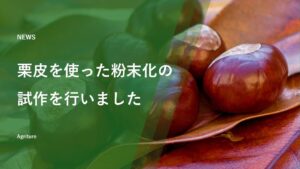 We Prototyped "Chestnut Skin Powder" Using Domestically Grown Chestnut Skins
 -
 A Notice About the Rose Prototype
 -
 Products from OYAOYA, A Letter from a Pear, and Agriture featured on "Urelio"
 -
 Launched the employee-benefit service “Office Yaoya (OFFICE YAOYA)”
 -
 OYAOYA, a dried-vegetable brand using Kyoto vegetables, announces it will become a consolidated subsidiary of global cutlery maker Kai through M&A
 -
 We Published the Dried Vegetable Projects Page
 -
Our Office Yaoya was introduced by the placed-cafeteria service “Taberel”