
Dried tomato– tag –
-
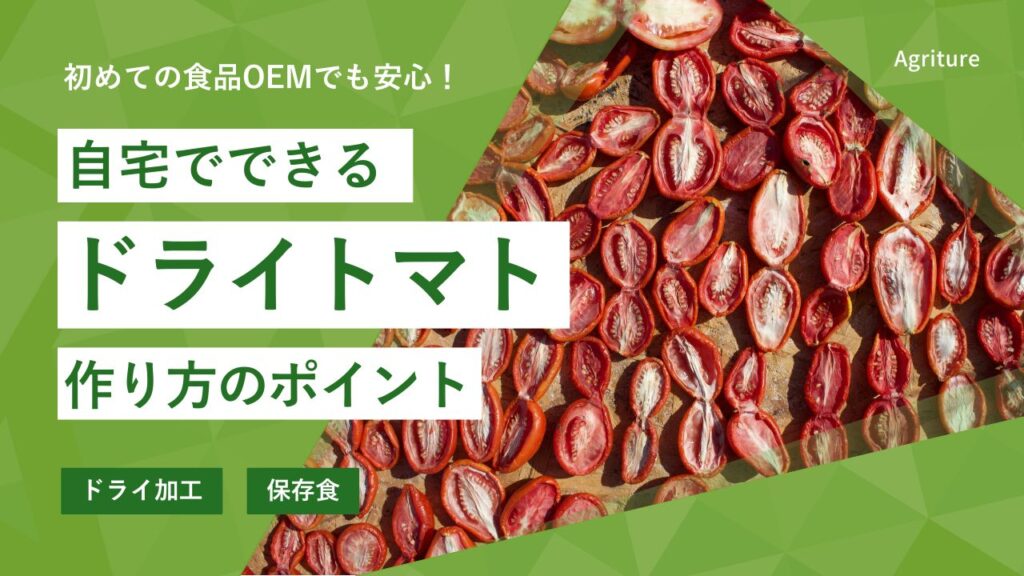
How to Make Dried Tomatoes: Drying Tips, and How Cherry and Large Tomatoes Turn Out Differently
Dried tomatoes are made by drying fully ripe tomatoes. This processed food is prized for a deep richness and aroma quite unlike fresh tomatoes. Tomatoes are about 90% water, and removing that water through drying concentrates their umami. At Agriture, tomatoes for stock specialized in vegetable dashi... -
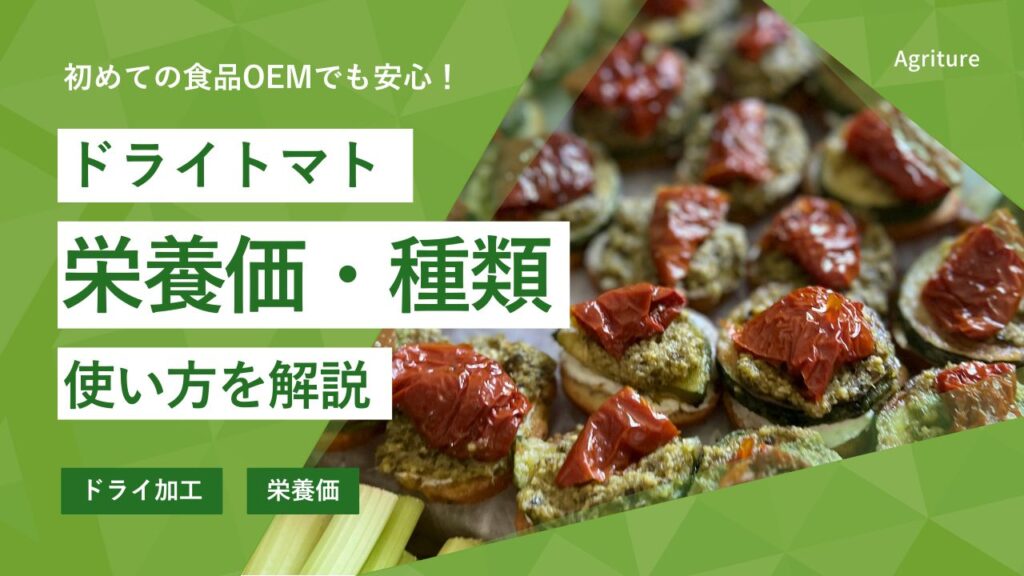
What Are Dried Tomatoes? A Basic Guide to Types, Flavor and Uses
Dried tomatoes are a processed food made by drying fully ripe tomatoes to greatly reduce their moisture. As the water that makes up about 90% of a fresh tomato is removed, the umami becomes concentrated, making it an ingredient that adds deep richness and color to dishes in small amounts. In Italy they have long been used in pasta sauces and antipas... -
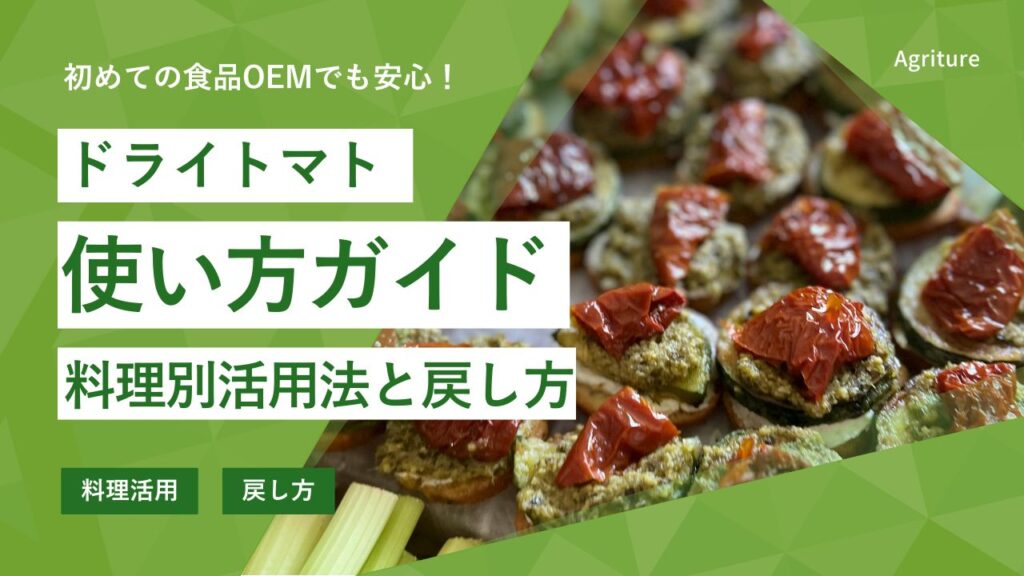
How to Use Dried Tomatoes: Rehydrating, Popular Recipes, and Uses by Variety
There are three basic ways to use dried tomatoes: "rehydrate before cooking," "eat as-is," and "keep them on hand marinated in oil." Because drying tomatoes concentrates their umami compounds, adding even a small amount to pasta or soup adds depth of flavor. This article covers how to rehydrate them... -
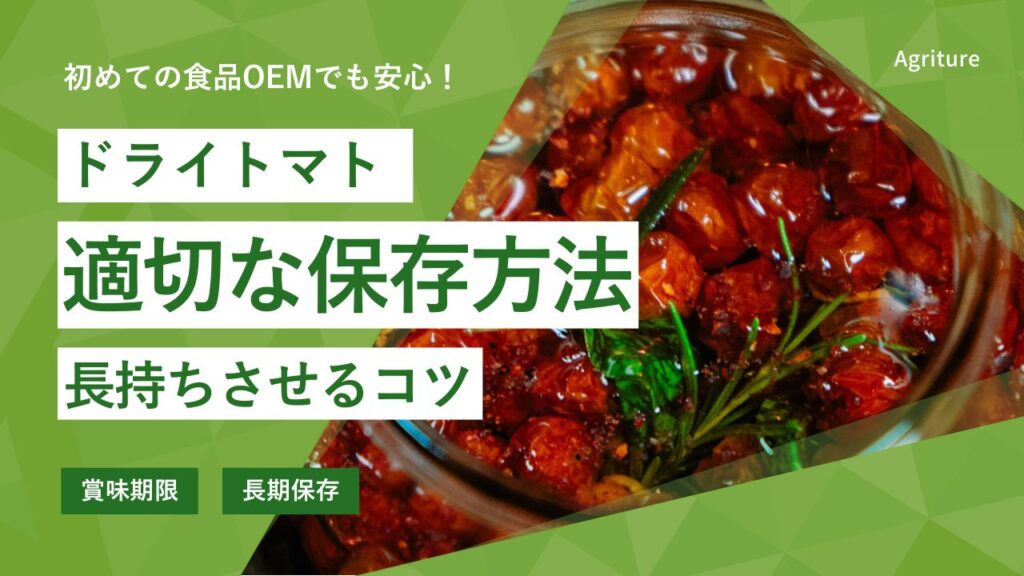
How to Store Dried Tomatoes: Tips for Room Temperature, Refrigeration, and Freezing, Plus Best-Before Dates
The basic approach to storing dried tomatoes is to use room temperature, refrigeration, and freezing as appropriate. Unopened, fully dried types can be kept at room temperature for six months or more, but once opened they absorb moisture and change in quality, so the rule is to put them in an airtight container and move them to the fridge. Frozen, they keep for 3–4 months... -
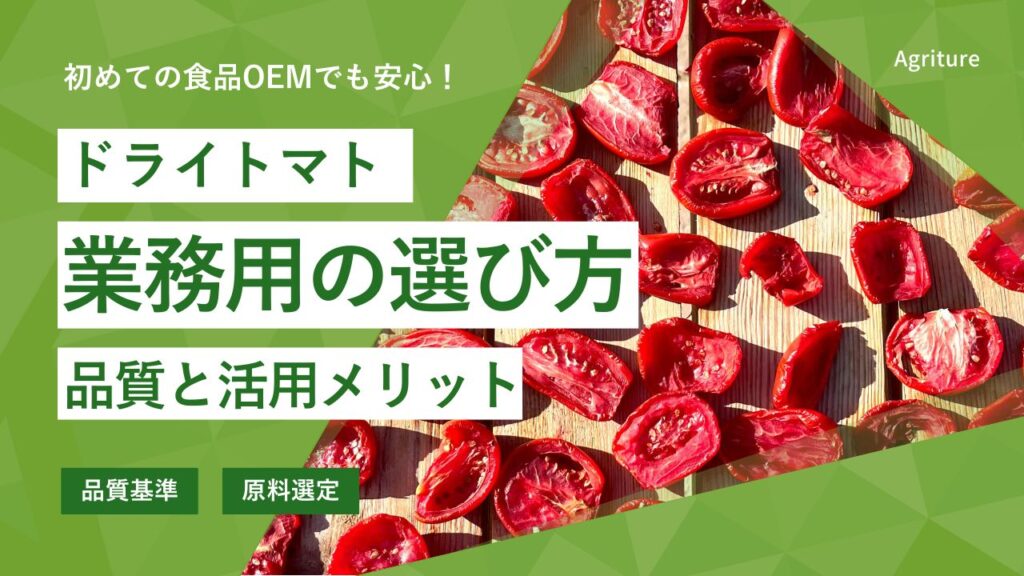
How to choose commercial dried tomatoes | Quality and OEM case studies
When sourcing commercial dried tomatoes, organizing the comparison along five axes—growing region, variety, processing type, lot capacity, and supply system—is fundamental. The options are wide, from Italian sun-dried products to domestic makers' low-temperature-dried products, and for restaurant pasta sauces, bakery ingredients... -
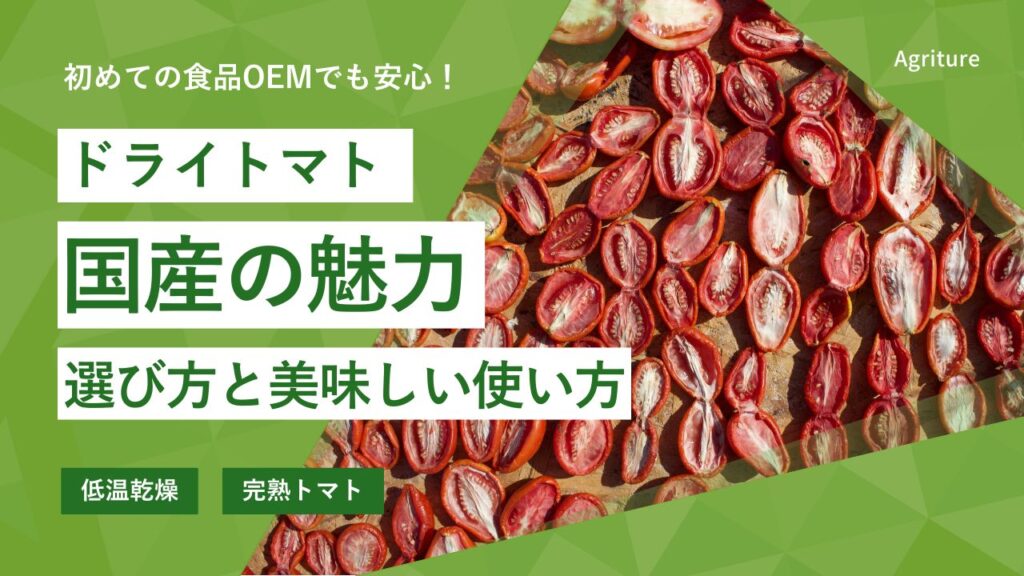
How to choose dried tomatoes | Domestic, additive-free, no added salt
When choosing domestic dried tomato, just keeping in mind the four check items—"domestic or imported," "additive-free (whether it contains salt, sugar, or preservatives)," "whether it has certification such as Organic JAS," and "processing type"—greatly changes your satisfaction after buying. In recent store shelves, additive-free and domestic labeling front and center...
1