ファスティング・断食・絶食の違いと、回復食に何を食べるか

この記事は、国産の野菜を乾燥させている食品メーカーが書いています。医療や栄養の専門家ではないので、やり方や日数の助言はしません。書けるのは、言葉が何を指しているかという整理と、食べ物としての回復食の話です。
先に、この記事で扱う範囲をはっきりさせておきます。
- ファスティング・断食・絶食という言葉が、それぞれ何を指しているか
- 医療の場で「絶食」がどう管理されているか(学会のガイドラインから)
- 「何日まで」に答えられない理由
- 回復食とは何か、どんな食べ物が使われるか
- 「好転反応」という言葉について、国が何と言っているか
やり方の設計、日数の決め方、体調の判断は、医師や管理栄養士に相談してください。持病のある方、服薬中の方、妊娠中・授乳中の方は特にそうです。
TOC
ファスティングとは何を指す言葉か
まず言葉の整理からです。
英語の fasting は「断食」
fasting は英語の fast(断食する)の名詞形で、食べ物を断つことを意味します。宗教上の断食にも、医療上の絶食にも同じ語が使われます。日本語で「ファスティング」とカタカナで書かれるときは、多くの場合、健康や美容を目的に一定期間食事を控える取り組みを指しています。
つまり「fasting の意味」と「日本語のファスティングが指しているもの」は、完全には重なりません。英語の fasting はもっと広く、医療の現場で検査前に食事を抜くことも fasting です。
断食・絶食・ファスティングの使い分け
| 言葉 | 主に使われる場面 | 含み |
|---|---|---|
| Danjiki | 宗教、伝統的な行、健康法 | 自分の意思で食を断つ |
| Zesshoku | Medical | 検査や手術のために食を止める |
| 絶飲食 | Medical | 飲み物も含めて止める |
| Fasting | 健康・美容の文脈 | 期間や方法が商品ごとに違う |
| fasting | 英語全般 | 上のすべてを含む |
注意したいのは「ファスティング」という言葉には、決まった中身がないことです。半日のものも、3日のものも、酵素飲料を飲むものも、水だけのものも、同じ言葉で呼ばれています。
医療の場での「絶食」は、時間で管理されている
「絶食とは」を調べている人に、もっとも確かな答えを返せるのがこの部分です。日本麻酔科学会が、手術前の絶飲食についてガイドラインを公表しています。
手術前に何時間空けるか
公益社団法人日本麻酔科学会の「術前絶飲食ガイドライン」は、麻酔導入までに空ける時間を、摂取したものごとに示しています。
| 摂取するもの | 麻酔導入前に空ける時間 | 推奨度 |
|---|---|---|
| 清澄水 | 2時間 | A |
| 母乳 | 4時間 | C |
| 人工乳・牛乳 | 6時間 | C |
| 固形物 | 明確な時間を示していない | ― |
清澄水として挙げられているのは、水、茶、果肉を含まない果物ジュース、ミルクを含まないコーヒーなどです。一方で脂肪を含む飲料、食物繊維を含む飲料、アルコールは推奨できないとされています。
専門の学会でも、固形物の絶食時間は決めていない
ここが重要です。ガイドラインは固形物について、こう書いています。
本ガイドラインでは固形食の摂取について明確な絶食時間を示さない.その理由は液体に比べて固形食に関するエビデンスが不十分であること,固形食の定義が明確でなく,含まれている栄養素も様々であるからである.
公益社団法人日本麻酔科学会「術前絶飲食ガイドライン」8 固形物
麻酔の専門家が集まった学会が、根拠が足りないから時間を示さないと明言しています。参考として欧米のガイドラインでは軽食は6時間以上、揚げ物や脂質の多い食物、肉の場合は8時間以上空けるとされていることが紹介されていますが、それも引用の形です。
なお、ここで言う軽食とは「トーストを食べ清澄水を飲む程度の食事」だと説明されています。
長い絶食がいいわけではない、とも書かれている
同じガイドラインの冒頭には、こうあります。長時間の絶飲食は患者に口渇感や空腹感などの苦痛を与え、脱水や周術期の合併症を増やす可能性がある。だから欧米では絶飲食時間の短縮が推奨されてきた、と。
医療の現場では、絶食の時間はむしろ短くする方向で見直されてきたということです。「長く抜くほどよい」という発想とは逆になります。
FOR BUSINESS
乾燥野菜を業務用でお探しですか
国産の野菜・果物を乾燥し、必要に応じて粉砕してお出ししています。扱っている品目は100種前後で、規格は 乾燥品の一覧・パウダーの一覧 に掲載しています。
少量でのご購入は、姉妹ブランドの通販サイト OYAOYA で承っています。
「何日まで大丈夫か」に答えられない理由
検索では「断食 何日」「絶食 何日まで」という問いが多く出てきます。ここは正面から書きます。
当社は答える立場にない
食品メーカーが「何日までなら安全です」と書くことはできません。体格、年齢、持病、服薬、生活のしかたで条件がまったく違うからです。判断は医師にしかできません。
前の項で見たとおり、麻酔科の専門学会でさえ、手術前の固形物の絶食時間については「根拠が足りない」として明確な時間を示していません。数時間単位の話でそうなのですから、数日単位の話を食品メーカーが断言できるはずがありません。
「◯日で効果が出る」と書いてあるものは、その根拠を見る
期間を断言している情報を見かけたら、次を確かめてください。
- 誰が書いているか。医療の資格を持つ人か、商品を売る事業者か
- 根拠として何が示されているか。論文か、体験談か、何も示されていないか
- 持病や服薬がある場合の注意が書かれているか
- 「やめるべき場合」が書かれているか
最後の項目が書かれていないものは、慎重に読んだほうがいいです。やめる条件を書かない案内は、続けさせることが目的になっていることがあります。
「好転反応」という言葉について
体調が悪くなったときに「好転反応だから続けましょう」と言われることがあります。この言葉については、国が明確な見解を出しています。
厚生労働省は「科学的根拠はありません」としている
厚生労働省の資料「健康食品の正しい利用法」には、次のように書かれています。
健康食品を食べて体調が悪くなったときに、「それは体の毒素が出ている時期」「反応が出るのは効果がある証拠」などといって使用継続をすすめるのは、いわゆる「好転反応」のことを指しますが、表現自体が薬事法違反にあたります。「好転反応」に科学的根拠はありませんので、商品説明の表現として好転反応をうたうものには十分注意し、万が一、健康食品を摂取して体調が悪くなった場合には、すぐに使用を中止しましょう。
厚生労働省医薬食品局食品安全部「健康食品の正しい利用法」
「科学的根拠はありません」「表現自体が薬事法違反にあたります」。国の資料がここまで書いているのは、それだけ被害があったからだと思われます。引用文中の薬事法は、現在の医薬品医療機器等法にあたります。
体調が悪くなったら、まず止める
同じ資料は、使用中止や医療機関の受診といった適切な対応が遅れれば健康被害が拡大してしまうことも考えられるとしています。さらに「払ったお金がもったいない」といって続けた結果、病状が悪化しては元も子もない、とも書かれています。
この記事の以前の版には「好転反応」という見出しがありました。国の見解に照らして不適切だったため、削除してこの項に置き換えています。
回復食とは何か
ここからが、食品メーカーとして書ける部分です。
言葉の意味
回復食は、食事を控えていた状態から、通常の食事に戻していく途中で食べるものを指す言葉です。医学用語ではなく、断食やファスティングの文脈で使われてきた呼び方です。
似た考え方は医療の現場にもあります。手術後や絶食のあとに、流動食から三分がゆ、五分がゆ、全がゆ、常食へと段階を追って戻していく食事の進め方です。いきなり普段どおりに戻さないという点は共通しています。
なぜ段階を踏むのか
一定期間食べていない状態から急に通常の食事に戻すと、体に負担がかかることが知られています。ここは医学の領域なので、詳しくは医師や管理栄養士に確認してください。
食べ物の側から言えることは、消化に負担の少ないものから順に戻していくという原則だけです。その順番は、医療の現場の食事の進め方とよく似ています。
回復食に使われる食べもの
具体的に何が使われるか。ここは食品の話なので詳しく書けます。
段階ごとの食べもの
| Stage | 食べもの | State |
|---|---|---|
| はじめ | 重湯、すりおろした野菜のスープ、具のない味噌汁 | 液体に近い |
| 次 | 三分がゆ、野菜のポタージュ、豆腐 | 飲み込める柔らかさ |
| その次 | 五分がゆ、煮物の煮汁ごと、具を刻んだ味噌汁 | 噛む量が少ない |
| そのあと | 全がゆ、やわらかく煮た野菜、白身魚 | 普通の食事に近い |
| 戻ったあと | 通常の食事 | ― |
共通しているのは「やわらかい」「油が少ない」「味が濃くない」という3点です。揚げ物、脂の多い肉、香辛料の強いもの、アルコールは、どの段階でも後回しになります。
重湯とおかゆの違い
- 重湯:米を多めの水で炊いて、上澄みだけを取ったもの。米粒は入らない
- 三分がゆ:米1に対して水20程度。ほとんど汁
- 五分がゆ:米1に対して水10程度。米粒が見える
- 全がゆ:米1に対して水5程度。いわゆるおかゆ
- 軟飯:米1に対して水2〜3。やわらかいごはん
水の量で名前が変わります。数字が小さいほど水が多く、やわらかいという関係です。回復食の案内で「三分がゆから」と書かれていたら、かなり汁に近い状態を指しています。
味噌汁とスープが使われる理由
回復食の案内でよく出てくるのが味噌汁とスープです。水分と塩分を一緒にとれて、温かく、噛む必要がないという条件を満たすからです。
具を入れるなら、やわらかく煮えるものから。大根、にんじん、かぼちゃ、玉ねぎのように、煮ると崩れる野菜が向きます。ごぼうやれんこんのように繊維の残るものは、段階が進んでからになります。
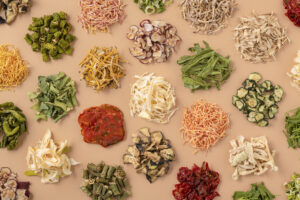
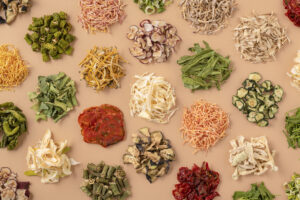
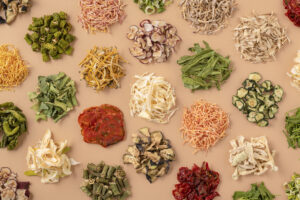
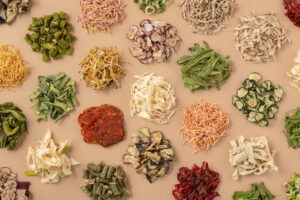
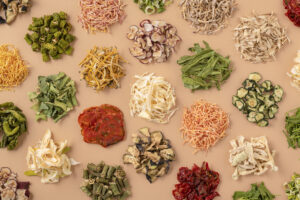
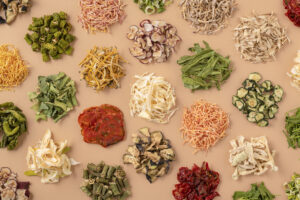
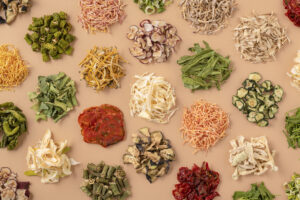
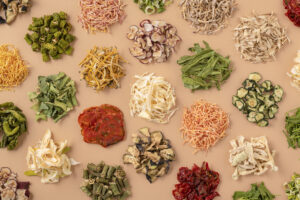
乾燥野菜が回復食に向いている理由
当社が扱っている素材の話です。回復食の条件と、乾燥野菜の性質がよく合います。
小さく切ってあって、やわらかく戻る
乾燥野菜は、切ってから乾かしてあります。包丁を使わずに、少量だけ鍋に入れられるのが利点です。体調が万全でないときに、まな板を出して根菜を切るのは負担になります。
水分が抜けているぶん、煮ると生の野菜より早くやわらかくなります。汁物に直接入れれば、戻しながら煮えます。
少量ずつ使える
回復食で困るのは量が読めないことです。にんじん1本、大根4分の1本を買っても、食べる量はごくわずか。残りが冷蔵庫で傷みます。
乾燥野菜なら、ひとつまみだけ取り出して使えます。残りは常温で保管できるので、体調が戻ってから普通の料理に回せます。
味噌汁に足すだけで具になる
もっとも簡単な使い方は、味噌汁に入れることです。
- 鍋に水を入れて火にかける
- 乾燥野菜をひとつまみ入れる
- 野菜がやわらかくなるまで煮る
- Turn off the heat and dissolve in the miso
だしを取る手間も、具を切る手間も省けます。味噌汁の具として使いやすい品目は乾燥品の一覧に掲載しています。
スープやポタージュにする
段階の早いうちは、具のかたちが残らないほうが食べやすいことがあります。乾燥野菜を煮てからつぶすか、Vegetable powderを溶いてポタージュにする方法もあります。
パウダーなら煮る時間もいりません。お湯に溶いて、塩を少し加えるだけで形になります。
職場での食事を整えるという別の道
食生活を見直したいという動機でファスティングを調べている方も多いと思います。ただ、日常の食事を整えるほうが現実的な場合があります。
平日の昼食が抜けがちなら
食生活が乱れる原因は、意志よりも環境にあることが多いです。昼食を抜く、コンビニで済ませる、夜遅くにまとめて食べる。こうした習慣は職場に選択肢がないから起きている面があります。
当社では、オフィスに野菜を置いて手軽に食べられるようにする取り組みもお手伝いしています。詳しくはオフィスでの食の取り組み.
関連する言葉
食に関する言葉の整理は、用語集にまとめています。Plant-based and Wellness.
FOR BUSINESS
乾燥野菜を業務用でお探しですか
国産の野菜・果物を乾燥し、必要に応じて粉砕してお出ししています。扱っている品目は100種前後で、規格は 乾燥品の一覧・パウダーの一覧 に掲載しています。
少量でのご購入は、姉妹ブランドの通販サイト OYAOYA で承っています。
Frequently asked questions
ファスティングとは何ですか?
英語の fasting(断食)をカタカナにした言葉で、日本語では健康や美容を目的に一定期間食事を控える取り組みを指して使われることが多いです。ただし決まった定義はなく、半日のものから数日のものまで、同じ言葉で呼ばれています。
fasting の意味は何ですか?
英語で「食べ物を断つこと」です。宗教上の断食にも、医療で検査や手術の前に食事を止めることにも同じ語が使われます。日本語のカタカナの「ファスティング」より広い範囲を指します。
絶食とは何ですか?
食事を止めることです。医療の場では、検査や手術の前に食事を止めることを指し、時間単位で管理されます。日本麻酔科学会の術前絶飲食ガイドラインでは、麻酔導入前に空ける時間として清澄水2時間、母乳4時間、人工乳・牛乳6時間が示されています。飲み物も含めて止める場合は「絶飲食」と呼ばれます。
断食と絶食とファスティングの違いは何ですか?
断食は宗教や伝統的な行、健康法の文脈で、自分の意思で食を断つことを指します。絶食は医療の文脈で、検査や手術のために食を止めることを指します。ファスティングは健康や美容の文脈で使われるカタカナ語で、中身は案内するところによって違います。
絶食は何日まで大丈夫ですか?
当社は食品メーカーで医療の専門家ではないため、答える立場にありません。医師にご相談ください。参考までに、日本麻酔科学会のガイドラインは、手術前の固形物については「明確な絶食時間を示さない」としており、その理由をエビデンスが不十分であることと説明しています。数時間単位の話でも専門の学会が時間を示していない領域です。
回復食とは何ですか?
食事を控えていた状態から通常の食事に戻していく途中で食べるものを指す言葉です。医学用語ではありませんが、医療の現場にも流動食から三分がゆ、五分がゆ、全がゆ、常食へと段階を追って戻す食事の進め方があり、考え方は共通しています。
回復食の1日目には何を食べますか?
一般に案内されているのは、重湯、具のない味噌汁、すりおろした野菜のスープなど、液体に近いものです。ただし何日目に何を食べるかは体調によって変わるので、医師や管理栄養士の指示に従ってください。食べ物の側から言えることは、やわらかく、油が少なく、味が濃くないものから戻していくという原則だけです。
体調が悪くなったときに「好転反応」と言われました
厚生労働省の資料には「『好転反応』に科学的根拠はありません」「表現自体が薬事法違反にあたります」と明記されています。体調が悪くなった場合はすぐに使用を中止し、早めに医師に相談してください。
Summary
- fasting は英語で食べ物を断つこと。宗教にも医療にも使われる広い言葉
- カタカナの「ファスティング」には決まった中身がない
- 医療の「絶食」は時間単位で管理される。日本麻酔科学会のガイドラインがある
- 清澄水は麻酔導入2時間前まで、母乳は4時間前まで、人工乳・牛乳は6時間前まで
- 固形物については、専門学会も明確な絶食時間を示していない
- 長い絶食がよいわけではなく、医療では短縮する方向で見直されてきた
- 「何日まで」は食品メーカーが答えられる問いではない。医師に相談する
- 「好転反応」に科学的根拠はないと厚生労働省が明記している
- 回復食はやわらかく、油が少なく、味が濃くないものから
- 重湯・三分がゆ・五分がゆ・全がゆは、水の量で名前が変わる
この記事で書けたのは、言葉の意味と、食べ物としての回復食までです。やり方と日数の判断は、必ず医療の専門家に委ねてください。