The relationship between non-standard vegetables and food loss | Solutions and case studies

Summary of this article
Off-spec vegetables are farm produce discarded simply because their appearance or size fails to meet standards, and about 13% of the total harvest becomes food loss. According to Ministry of Agriculture, Forestry and Fisheries statistics, of the 12.84 million tons of vegetables harvested in 2022, 11.13 million tons were shipped. We introduce innovative use cases from Japan and abroad—Imperfect Produce, Losheru, and Kyoto-born OYAOYA—and efforts to create new value through upcycling.
"Non-standard vegetables": vegetables discarded without reaching the market simply because their appearance or size fails to meet standards. Although still perfectly edible, many are thrown away, making them a major factor in food loss.
Today, the use of such off-spec vegetables is drawing attention, and initiatives toward food-loss reduction and a sustainable way of eating are advancing in many places. This article organizes the relationship between off-spec vegetables and food loss, and introduces concrete solutions and examples by companies and local governments.
Recommended reading
TOC
The deep relationship between off-spec vegetables and food loss
Have you ever noticed that the vegetables lined up in supermarkets are perfectly shaped? In fact, a major problem hides behind that. Simply because their shape or size is uneven, about 13% of the total harvest never reaches the market, leading to food loss.
Off-spec vegetables are farm produce not shipped for reasons of appearance alone, despite having no problem with taste or nutrition. Too big, too small, misshapen, uneven in color—the criteria vary.
According to Ministry of Agriculture, Forestry and Fisheries statistics, the 2022 vegetable harvest was 12.84 million tons. Of that, only 11.13 million tons were shipped, meaning about 13% of vegetables did not enter distribution. Many of these are presumed to be treated as off-spec.
Reference: Ministry of Agriculture, Forestry and Fisheries, "Trends in Planted Area, Harvest, and Shipment Volume of Vegetables Produced in FY2022"
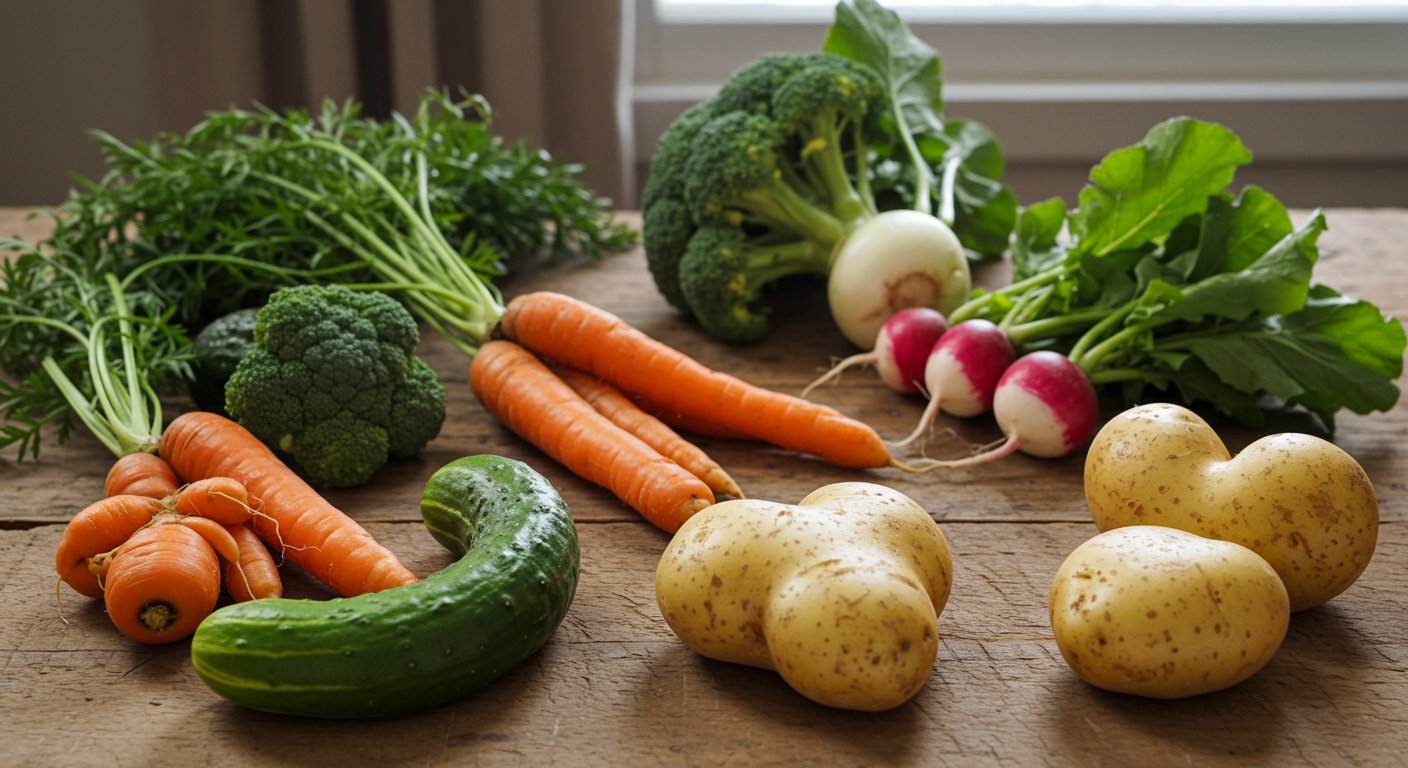
Astonishingly, many off-spec vegetables are discarded despite having no problem with taste or nutritional value. This is a problem not only in Japan but worldwide.
Why are off-spec vegetables discarded?
"Why are edible vegetables thrown away?"
Many people hold this question. Behind the disposal of off-spec vegetables lie two major factors: the distribution system and consumer psychology. The market sets strict standards on vegetable size and shape, aimed at stabilizing quality and streamlining distribution. Setting standards makes packing and transport easier and improves appearance on store shelves.
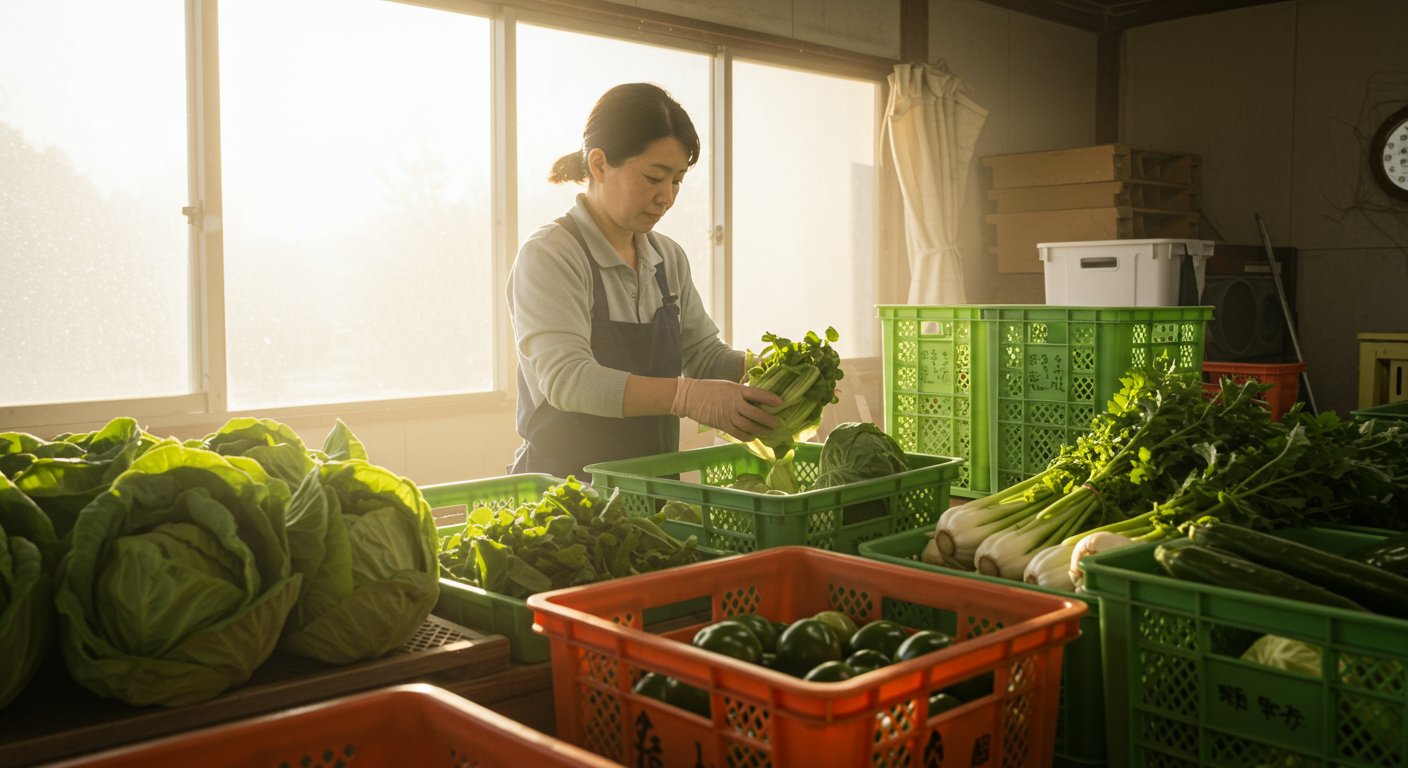
The other factor is our strong assumption as consumers that "good looks = good product." The buying behavior of choosing perfect-looking vegetables ultimately promotes the disposal of off-spec vegetables.
It is a major blow to farmers as well. For example, one agricultural corporation faces a situation where it has no choice but to discard about 20% of the daikon it produces—around 200 tons a year—as off-spec.
Innovative efforts to use off-spec vegetables
Innovative efforts are increasing to confront the problem of discarding off-spec vegetables. Diverse approaches are emerging around the world, and in Japan too many companies and organizations are seeking solutions.
In Europe, supermarkets are actively working on selling off-spec vegetables. Discount-oriented supermarkets sell assortments of off-spec vegetables, while premium-oriented supermarkets promote off-spec vegetables as part of a "movement to think about environmental issues." This creates a win-win-win relationship in which producers can sell off-spec vegetables, retailers gain new customer segments, and consumers can get vegetables cheaply.

In the United States, a service called "Imperfect Produce (Imperfect Produce)" is drawing attention. It has established a business model of buying off-spec vegetables from farmers and delivering them to consumers at prices 30–50% below supermarket list prices.
In Japan too, a vegetable home-delivery service called "Losheru" has appeared. It procures off-spec vegetables discarded due to blemishes or unevenness from across the country and offers them at prices 25–30% below those of general food sections.
Creating new value as processed goods
In our dried vegetable brand "OYAOYA," we off-spec vegetables from Kyoto, upcycling them mainly and creating products that draw out their appeal as ingredients to the fullest.
Even vegetables judged uneven in shape or off-spec in size gain shelf stability and value through drying processing, breathing new life into vegetables that were destined to be thrown away.。
For example, Manganji chili and Kamo eggplant, which bruise easily and grow curved, as well as tomatoes that have ripened too far to ship, are transformed through the process of drying into distinctive ingredients that add color and aroma to dishes.
Challenges and future outlook for using off-spec vegetables
There are still challenges to overcome in using off-spec vegetables. The balance of supply and demand is the greatest challenge. Because the supply of off-spec vegetables fluctuates greatly with weather and season, building a stable business model has its difficulties. A lack of literacy on the producer side and of processing equipment is also a challenge.
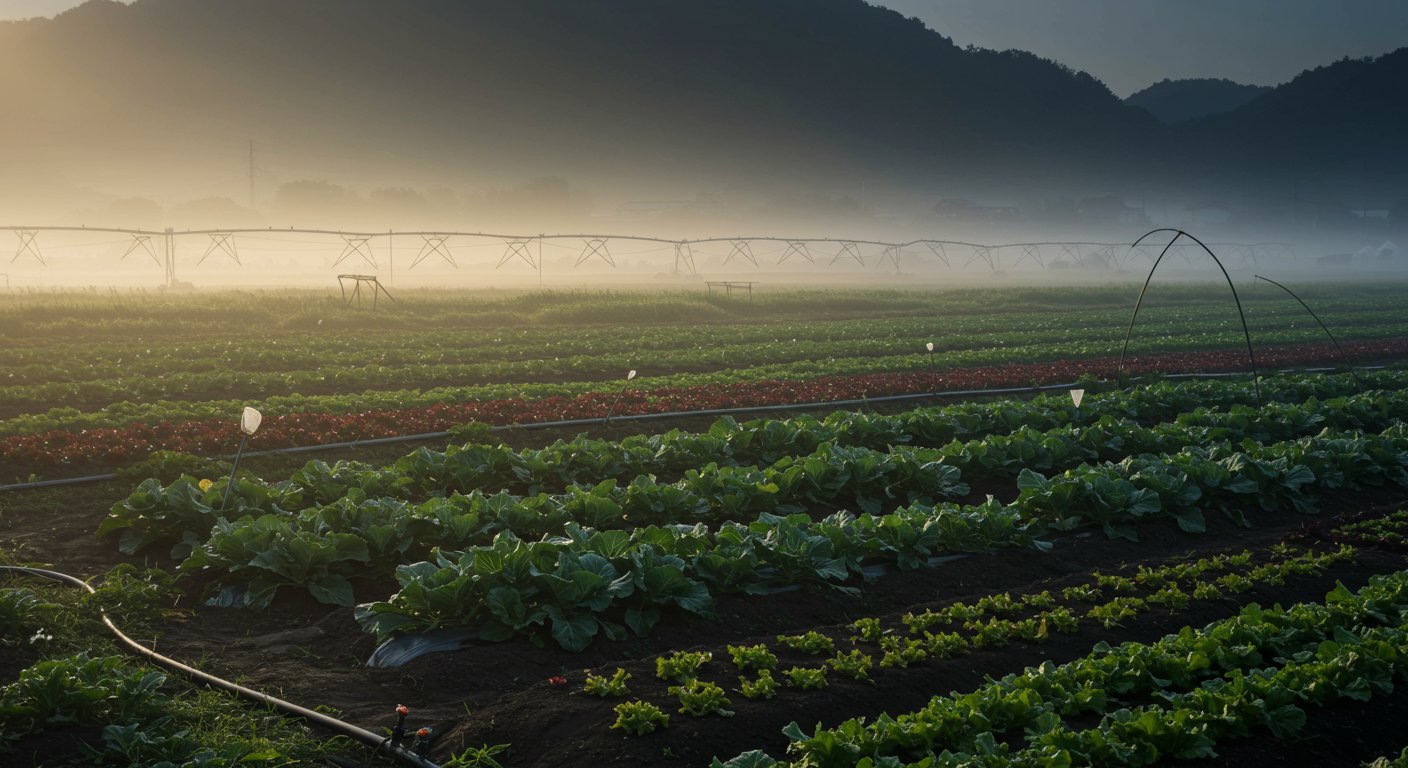
Yet the future can be called bright. With rising interest in the SDGs and growing consumer environmental awareness, the value of off-spec vegetables is being reevaluated.
The government is also promoting efforts toward food-loss reduction. In October 2019, the "Act on Promotion of Food Loss Reduction" came into force, and the effective use of off-spec vegetables is also encouraged.
Ibaraki Prefecture launched the "Ibaraki Food Loss Reduction Project," setting up a free window that matches businesses with food loss to businesses that want to use it.
What we can do
Solving the off-spec vegetable problem requires a shift in awareness among producers, distributors, and us consumers. As a consumer, why not reconsider the habit of choosing vegetables by "looks" alone? By actively buying off-spec vegetables or choosing products from companies that use them, you can contribute to reducing food loss.
Each person's small action becomes the first step toward creating major change.
Toward realizing a sustainable society, the use of off-spec vegetables becomes an important key. The efforts of companies like Agriture—drying and processing unused and off-spec vegetables to aim at reducing food loss and realizing a circular society—can be said to meet the demands of the times.
For details, see OurSustainable's initiatives. For a sustainable future, let's think together about what we can do.

- Contributing to corporate branding! How to choose sustainable novelties
- Notable upcycle food brands | A sustainable choice