We explain in detail the history of traditional Kyoto vegetables, their representative varieties, and their characteristics. At Agriture, we also work on product development making use of Kyoto vegetables such as Kujo negi.
What Are Kyoto Vegetables | Knowing the Varieties, History, and Characteristics, Plus Their Relationship with Dried Vegetables
Kyoto Tradition About Kyoto vegetables
What Are Kyoto Vegetables
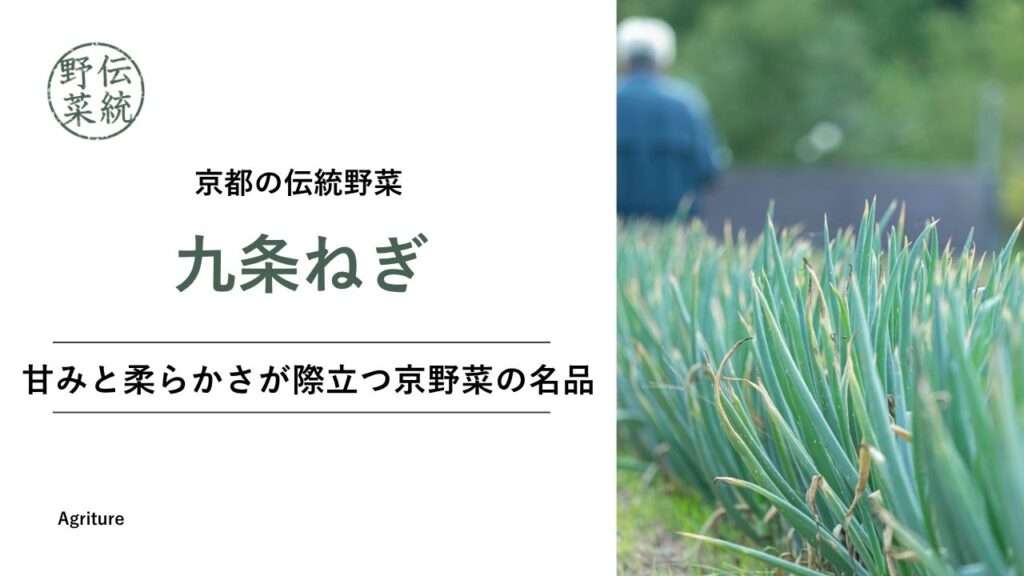
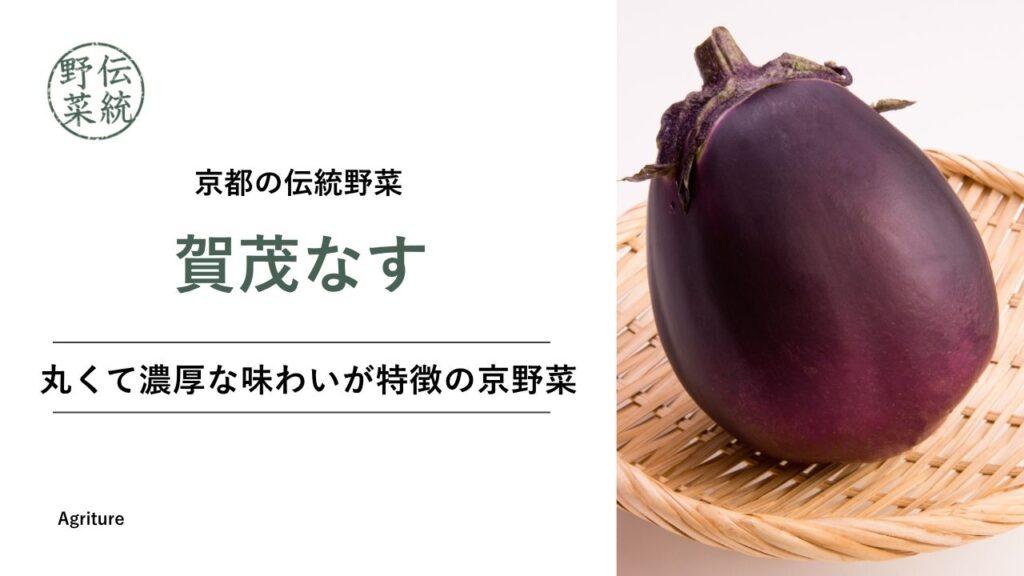
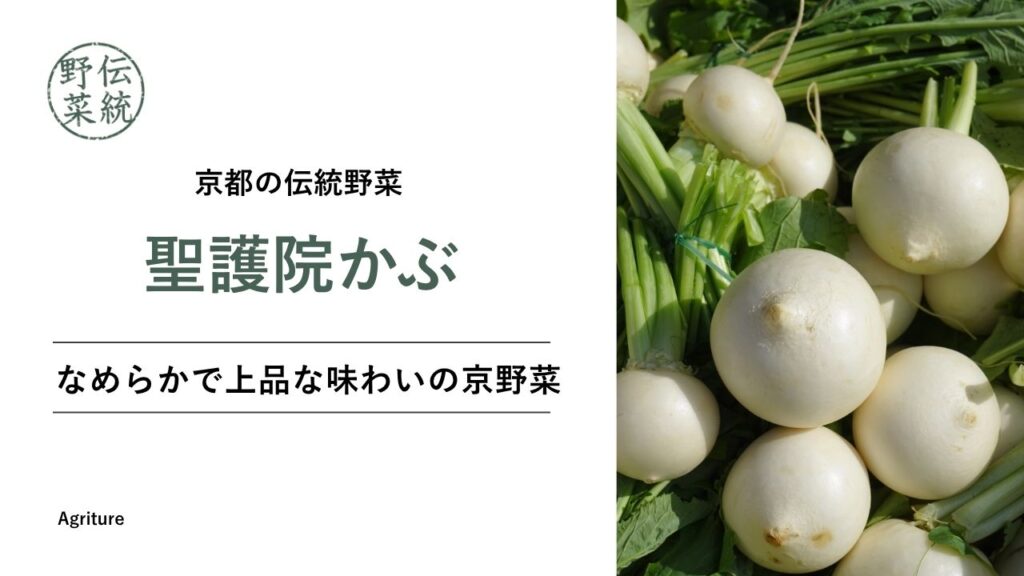
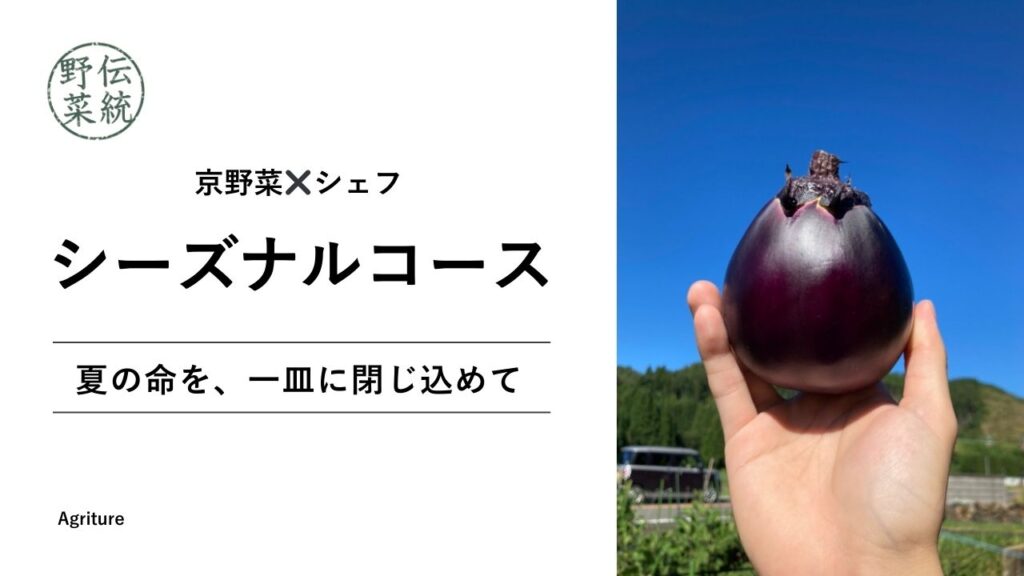
Kyoto vegetables are a collective term for traditional vegetables nurtured over long years within Kyoto's climate and land. Against the backdrop of the temperature swings distinctive of a basin, rich water resources, and the food culture cultivated as a thousand-year capital, unique varieties and cultivation techniques have been handed down. Kamo eggplant, Shogoin daikon, Kujo negi, Manganji togarashi, ebiimo, Horikawa gobo, mibuna, and more—their kinds are diverse.
Kyoto Prefecture certifies items meeting certain criteria—such as those with a history of introduction within Kyoto Prefecture before the Meiji era—as "Kyoto Heirloom Vegetables," working to preserve and spread the brand.
The appeal of Kyoto vegetables lies in the rich individuality residing in their shape, color, aroma, and flavor. They have a history of developing alongside temple shojin cuisine and kaiseki and Kyoto cuisine, and are characterized by a good affinity with cooking methods that draw out the ingredient's own umami. Many take more effort and time to cultivate than ordinary vegetables, and have been protected by farmers' ceaseless efforts. In recent years, their culinary-cultural value and storytelling have been reappraised at home and abroad, drawing high popularity as a food brand that represents Kyoto.
Characteristics of Kyoto Vegetables
Scrollable
Aromatic, with excellent flavor
The greatest appeal of Kyoto vegetables is their distinctive aroma and rich flavor. From tangy-scented mibuna to Shogoin daikon with its refined sweetness, you can enjoy distinctive flavors not found in ordinary vegetables.
High nutritional value
Kyoto vegetables are known not only for good flavor but for high nutritional value. There are also research findings that some Kyoto vegetables are higher in nutritional value than ordinary vegetables.
A distinctive, beautiful appearance
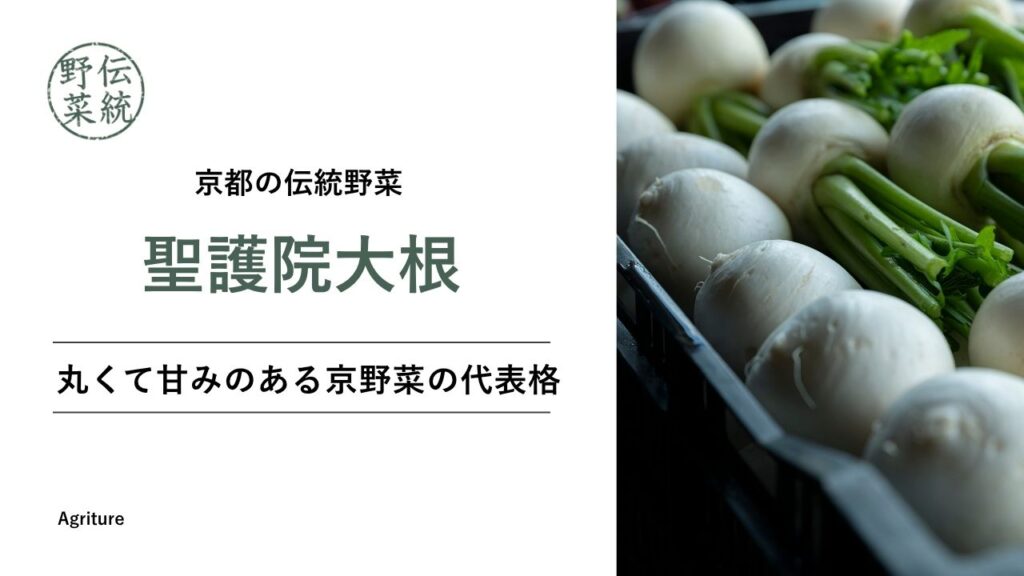
Kyoto vegetables are beautiful to look at too, bringing color to dishes. From the round, snow-white Shogoin daikon to the impressively large Kamo eggplant, they're rich in elements that brighten the table.
We have materials available to help you understand vegetable-based novelties
Agriture OEM, flexibly handling everything from small lots to large lots
SDGs-friendly products using non-standard vegetables
In addition to selling them ourselves, we handle novelty production, raw material wholesale, and OEM contract processing.
Scrollable
Manufacturing dried Kyoto vegetables / raw material sales
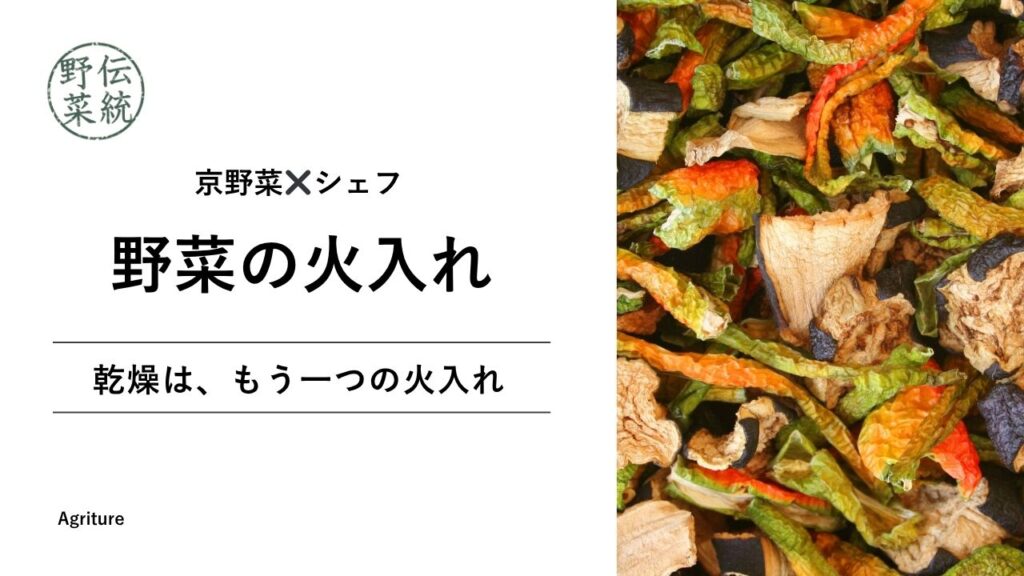
Kyoto vegetables lovingly grown by Kyoto producers—Kamo eggplant, Shogoin daikon, Kujo negi, and more—are processed with our own drying method. We lock in the ingredient's original color, aroma, and umami, delivering the individuality distinctive of Kyoto vegetables year-round.
By making full use of off-spec items and trimmings too, we achieve both reducing food loss of heirloom vegetables and supporting farmers. We have a supply system tailored to the use, from commercial raw material for restaurants, hotels, and food manufacturers to small-volume packaging for retail.
Drying Kyoto heirloom vegetables with our own method
Achieving both producer support and food loss reduction through the use of non-standard items
Flexible support from commercial raw materials to retail products
Kyoto vegetable powder
We finely powder dried Kyoto vegetables and roll them out as a raw material easy to use in cooking, confectionery, and beverages. Its feature is that you can make the most of the vivid coloring and rich flavor each ingredient holds—Kujo negi, red shiso, ebiimo, and more—as-is.
It can be used as an OEM raw material in a wide range of fields—noodle-making, baking, Western confectionery, seasonings, health foods, and more. Prototyping from small quantities is also possible, and we support product making that makes the most of Kyoto vegetables' appeal from the early stages of product development.
Powdering Kyoto vegetables' color, aroma, and nutrition as-is
Supporting a wide range of uses—confectionery, noodle making, seasonings, and more
One-stop support from small-volume prototyping to mass production
Kyoto vegetable tea
We carefully roast Kyoto vegetable leaves, peels, and off-spec items—usually hard to make use of—finishing them into a fragrant, easy-to-drink tea. We propose ingredients rooted in Kyoto's food culture in a new form you can easily enjoy as a daily cup.
Because it's caffeine-free, everyone from children to the elderly can drink it with peace of mind. It's also well received as a Kyoto souvenir, gift material, and original menu for restaurants, cafés, and hotels, and OEM support adjusting the blend and roast level is possible.
Upcycled tea using Kyoto vegetable leaves, peels, and off-spec items
Caffeine-free, enjoyable regardless of generation
Customization support for gifts, souvenirs, and OEM
Producing Kyoto vegetable novelties
We take on the planning and manufacturing of original novelties that make use of Kyoto's distinctive food culture. Using dried Kyoto vegetables, powder, tea, and the like as materials, we can design products tailored to the use—corporate CSR measures, anniversaries, trade-show distribution items, inbound-oriented products, and more.
Because it can convey three values at once—"Kyoto," "tradition," and "sustainable"—it's characterized by a high affinity with brand stories and community-contribution messages. We support consistently from packaging design to small-lot manufacturing.
A product that can appeal Kyoto, tradition, and sustainability at once
Support for diverse uses—CSR, anniversaries, trade shows, and more
Flexible production with small lots, short delivery, and original designs