We introduce the history and features of heirloom vegetables handed down across Japan. At Agriture, we also work on product development that makes use of Shimonita green onion and Kaga vegetables.
Heirloom vegetables from across Japan | Exploring the regional character and appeal of each area
Regional character About heirloom vegetables
What are heirloom vegetables?
Heirloom vegetables are native vegetables long cultivated in a specific region, whose seeds and seedlings have been handed down across generations without undergoing large-scale breeding improvement. Representative examples include Kyoto’s “Kyoto vegetables,” Ishikawa’s “Kaga vegetables,” and Osaka’s “Naniwa heirloom vegetables,” with items unique to each land existing across the country.
Each heirloom vegetable has, over long years, nurtured its own unique flavor, shape, and color while adapting to the region’s particular climate, soil, and water quality. Compared with commonly distributed vegetables, they require more effort to grow and yield less, but in return they have a deep taste and rich individuality—that is their appeal.
Heirloom vegetables also have a history of being deeply tied to regional festivals, events, and local cuisine. By appearing in shojin cuisine, kaiseki, and home dining tables, they have played the role of conveying the food culture of a land across generations.
In recent years, along with rising interest in food diversity and regional brands, heirloom vegetables are being re-evaluated as an “edible cultural heritage” that goes beyond mere ingredients. The value protected by producers’ hands is drawing attention at home and abroad as a presence that brings new color and story to the modern table.
Heirloom vegetables from across Japan
Scrollable
Kyoto vegetables (Kyoto Prefecture)
The collective name for heirloom vegetables nurtured within the climate of the thousand-year capital, Kyoto. There are diverse items—Kamo eggplant, Shogoin daikon, Kujo green onion, Manganji pepper, ebi-imo, and more—and Kyoto Prefecture certifies those meeting the standards as “Kyoto heirloom vegetables.” Developed alongside temple shojin cuisine and kaiseki, they are highly valued at home and abroad as a presence symbolizing Kyoto’s food culture with deep umami and rich flavor.
A symbol of a food culture developed alongside shojin cuisine and kaiseki
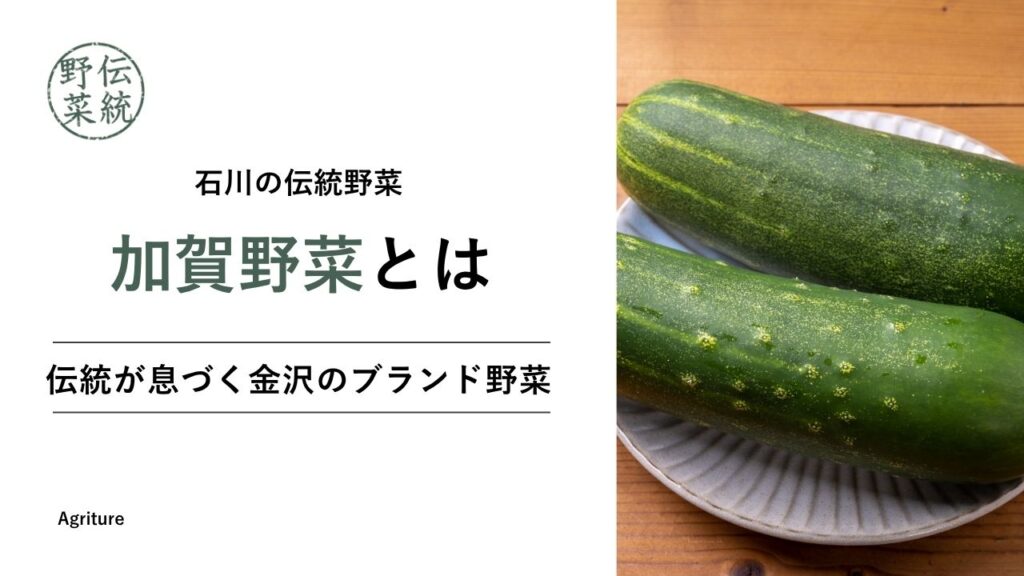
Heirloom vegetables cultivated in the Kanazawa area since the domain era, conveying the food culture of Kaga Hyakumangoku to today. There are 15 items certified by the Kanazawa City Agricultural Product Brand Association, with Kaga lotus root, kinjiso, Kaga thick cucumber, and Gorojima kintoki as representatives. Against the backdrop of the snowy Hokuriku climate and rich water resources, many items have a distinctive texture and sweetness, beloved as ingredients essential to Kanazawa’s local cuisine.
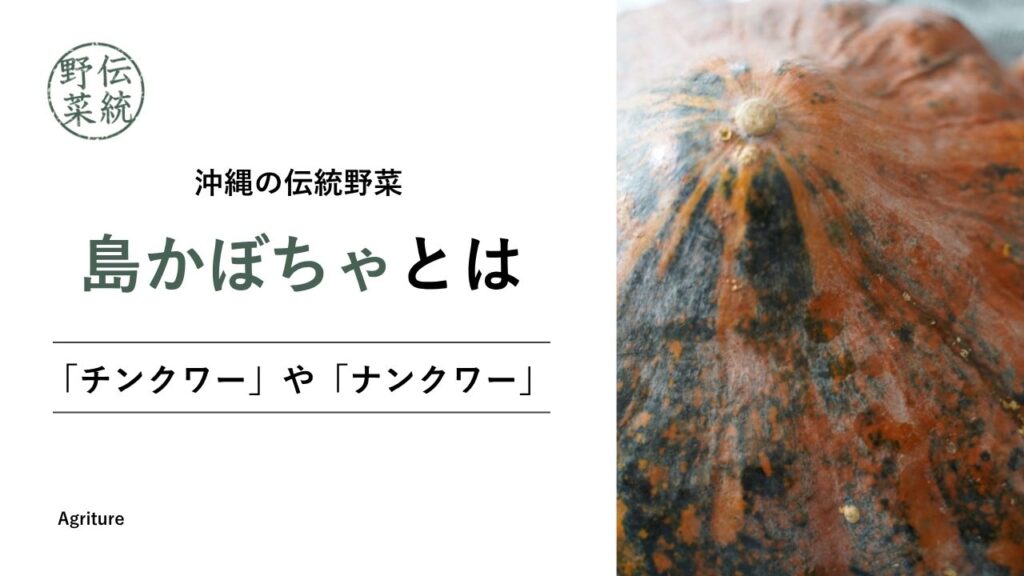
The collective name for heirloom vegetables unique to Okinawa, nurtured within a subtropical climate and a distinctive food culture. Okinawa Prefecture certifies 28 items as “Okinawa traditional agricultural products (island vegetables),” with goya (bitter melon), shima rakkyo, handama, nabera (loofah), and fuchiba (mugwort) as representatives. With the vitality to withstand strong sunlight and sea breeze and high nutritional value, they are drawing attention at home and abroad as a presence supporting Okinawa’s longevity food culture.
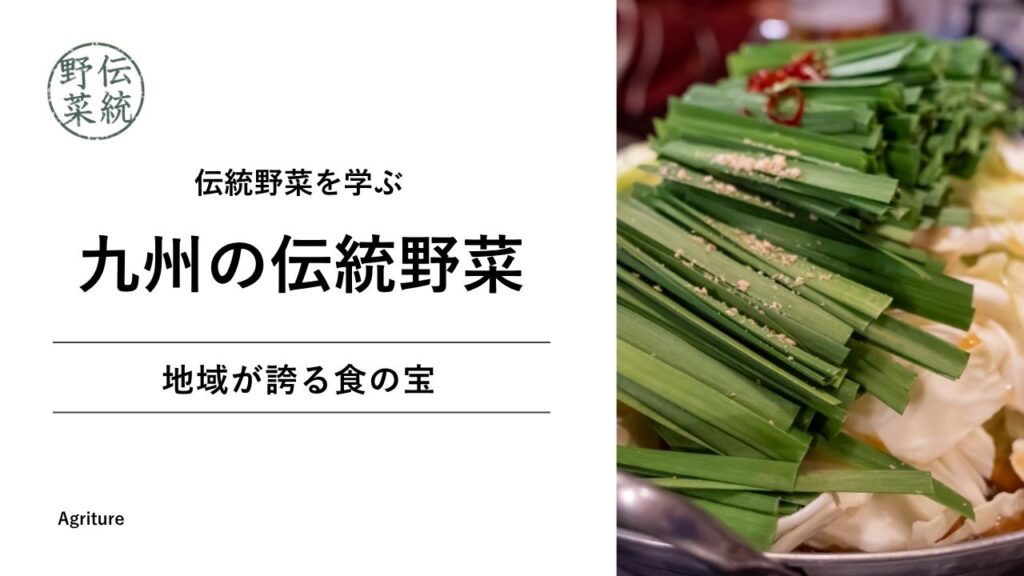
The collective name for native vegetables long cultivated in Gunma Prefecture’s mountainous and plain areas. There are items certified by the prefecture as “Joshu heirloom vegetables,” with Shimonita green onion, Kokubu carrot, Yajima turnip, and Ishihara wase burdock as representatives. In particular, Shimonita green onion, also called “the lord’s green onion,” is nationally known for a texture that becomes astonishingly sweet and melting when heated. Joshu’s cool climate and rich soil have nurtured individualistic items.
The collective name for native vegetables cultivated since the Edo period in Osaka, once called “the nation’s kitchen.” There is a system certified by Osaka Prefecture, with Tanabe daikon, Tennoji turnip, Kema cucumber, and Katsuma kabocha known as representative items. Many items once nearly ceased to be cultivated, but revival has advanced through the efforts of local producers and government, and they are now actively used in school lunches and local restaurants.
Native vegetables cultivated in what is now the Tokyo area from the Edo period to the early Showa era. There is a system certified by the JA Tokyo Central Association, with Nerima daikon, Kameido daikon, Takinogawa burdock, Terashima eggplant, and Tokyo udo as representative items. Although they once nearly disappeared with the advance of urbanization, in recent years they are drawing attention again through use in school lunches and local restaurants and revival cultivation by producers.
Revival and inheritance efforts are active as a symbol of urban agriculture
In addition to selling them ourselves, we handle novelty production, raw material wholesale, and OEM contract processing.
Scrollable
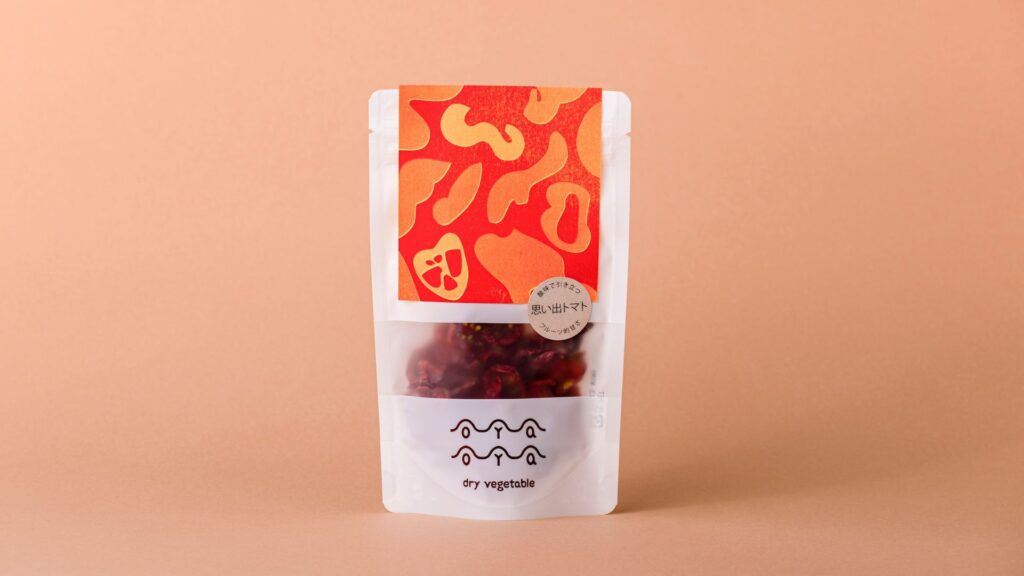
Manufacturing / raw material sales of dried heirloom vegetables
We process—by our own unique drying method—heirloom vegetables carefully grown by producers across Japan, such as Kyoto vegetables, Kaga vegetables, Naniwa heirloom vegetables, and island vegetables. Sealing in the ingredients’ original color, aroma, and umami, we deliver the individualistic tastes of each region throughout the year.
By using non-standard items and offcuts without waste, we achieve both food loss reduction of heirloom vegetables and producer support at once. We have a supply structure to suit the use—from commercial raw materials for ryotei, hotels, and food manufacturers to small-volume packaging for retail.
Drying and processing heirloom vegetables from across Japan by our own method
Achieving both producer support and food loss reduction through the use of non-standard items
Flexible support from commercial raw materials to retail products
Heirloom vegetable powder
We finely powder dried heirloom vegetables and develop them as raw materials easy to use in cooking, confectionery, and beverages. A feature is that you can make the most, as is, of the vivid colors and rich flavors each ingredient possesses—Kujo green onion, kinjiso, Tanabe daikon, handama, and more.
They can be used as OEM raw materials in a wide range of fields—noodle making, bread making, Western confectionery, seasonings, health foods, and more. Prototyping from small quantities is also possible, and we support product creation that makes use of the appeal of heirloom vegetables from the early stages of product development.
Powdering the color, aroma, and nutrition of heirloom vegetables as is
Supporting a wide range of uses—confectionery, noodle making, seasonings, and more
One-stop support from small-volume prototyping to mass production
Heirloom vegetable tea
We carefully roast the leaves, peels, and non-standard items of heirloom vegetables—usually hard to use—into a fragrant, easy-to-drink tea. We propose ingredients rooted in a region’s food culture in a new form you can easily enjoy as a daily cup.
Because it is caffeine-free, everyone from children to the elderly can drink it with peace of mind. It is also well received as a regional souvenir, gift item, and original menu for ryotei, cafés, and hotels, and OEM support with adjusted blends and roast levels is also possible.
An upcycled tea using the leaves, peels, and non-standard items of heirloom vegetables
Caffeine-free, enjoyable regardless of generation
Customization support for gifts, souvenirs, and OEM
Heirloom vegetable novelty production
We undertake the planning and production of original novelties that make use of the food cultures of various regions across Japan. Using dried heirloom vegetables, powder, tea, and more as ingredients, we can design products to suit the use—corporate CSR measures, anniversaries, trade show handouts, inbound-oriented items, and more.
Because they can convey three values at once—“region,” “tradition,” and “sustainable”—a feature is high affinity with brand stories and community-contribution messages. We consistently support everything from story design in cooperation with local producers to package design and small-lot production.
An item that can appeal to region, tradition, and sustainability at once
Support for diverse uses—CSR, anniversaries, trade shows, and more
Flexible production with small lots, short delivery, and original designs
Making use of local resources, shaping them from zero Supporting product development in full
We consistently support, from the planning stage, product development that makes use of local resources such as local vegetables. Carefully walking alongside each step—from concept design to production and sales-channel development—we finish a region’s appeal into “a form that sells,” leading to sustainable regional revitalization.
Giving new value to non-standard vegetables with nowhere to go
Building a system that doesn’t waste farmers’ effort and devotion
Achieving both food loss reduction and the survival of agriculture at once