Let's cultivate "delicious!": buying off-spec vegetables and delivering them as 1,000 servings of dried vegetables
The Circular Project: “Cultivating Delicious”
Join from one unit:Circular Project
For 300,000 yen per unit, we buy about 200kg of off-spec vegetables from farmers, turn them into 1,000 servings of dried vegetables, and deliver them to the recipients you choose over the course of a year.
01 BuyOff-spec vegetables, about 200kg
We buy vegetables left in the field from farmers at 300 yen per kg.
02 Make1,000 servings of dried vegetables
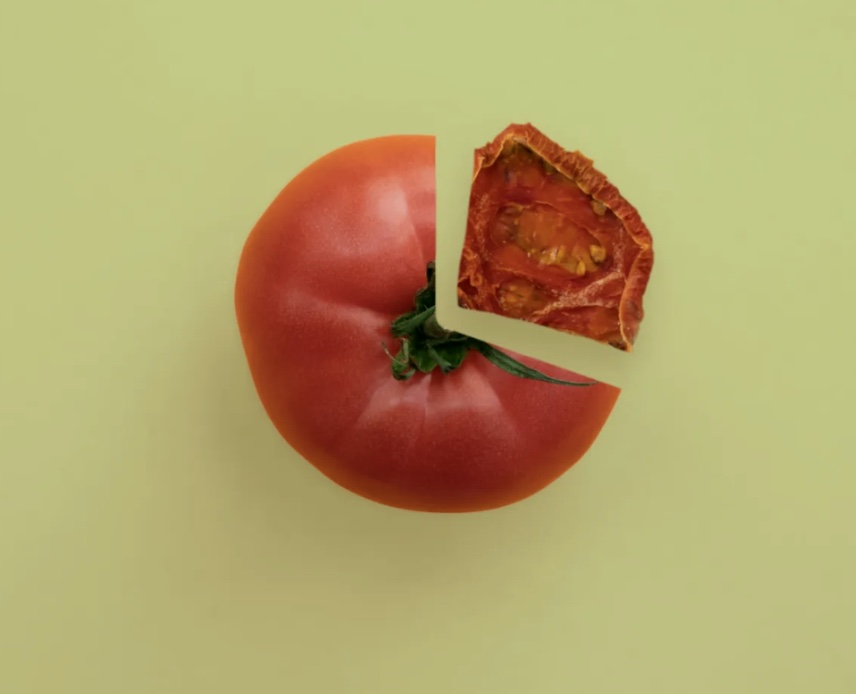
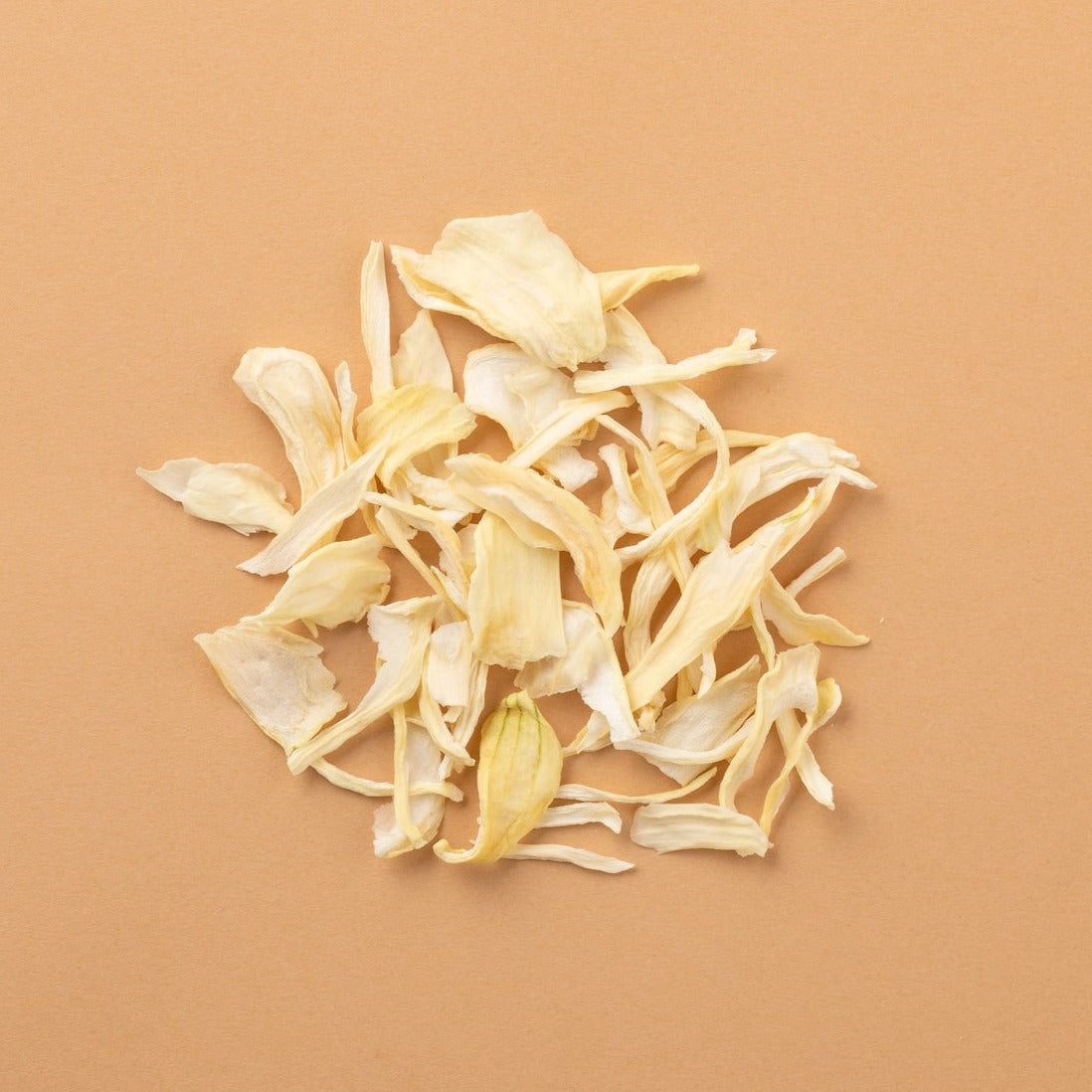
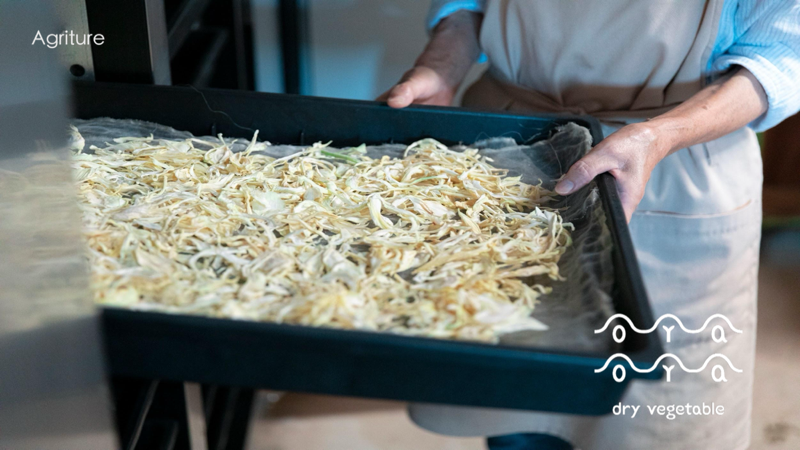
Dried at low temperature into dried vegetables of 20g per serving.
03 DeliverEmployees, company stockpiles, children’s cafeterias, customers
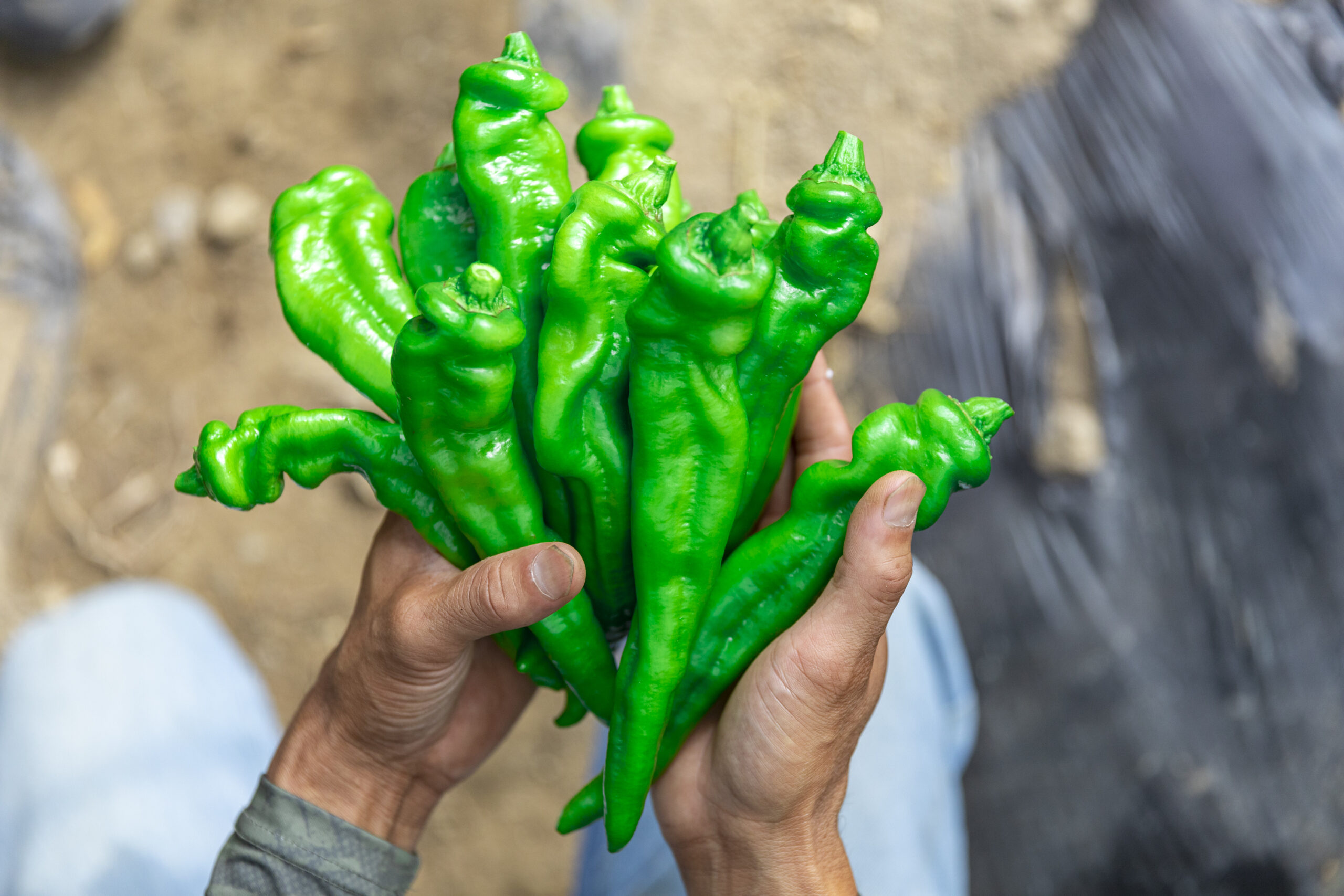
Just for being off-spec, vegetables lose their outlet
If they are bent, too large, or harvested in excess that year, they do not fit the box standards and find no buyer. They taste the same as the vegetables that are shipped.
So they are left unharvested in the field or plowed back into the soil. Disposing of them also takes labor and money.
One unit buys about 200kg of these vegetables.
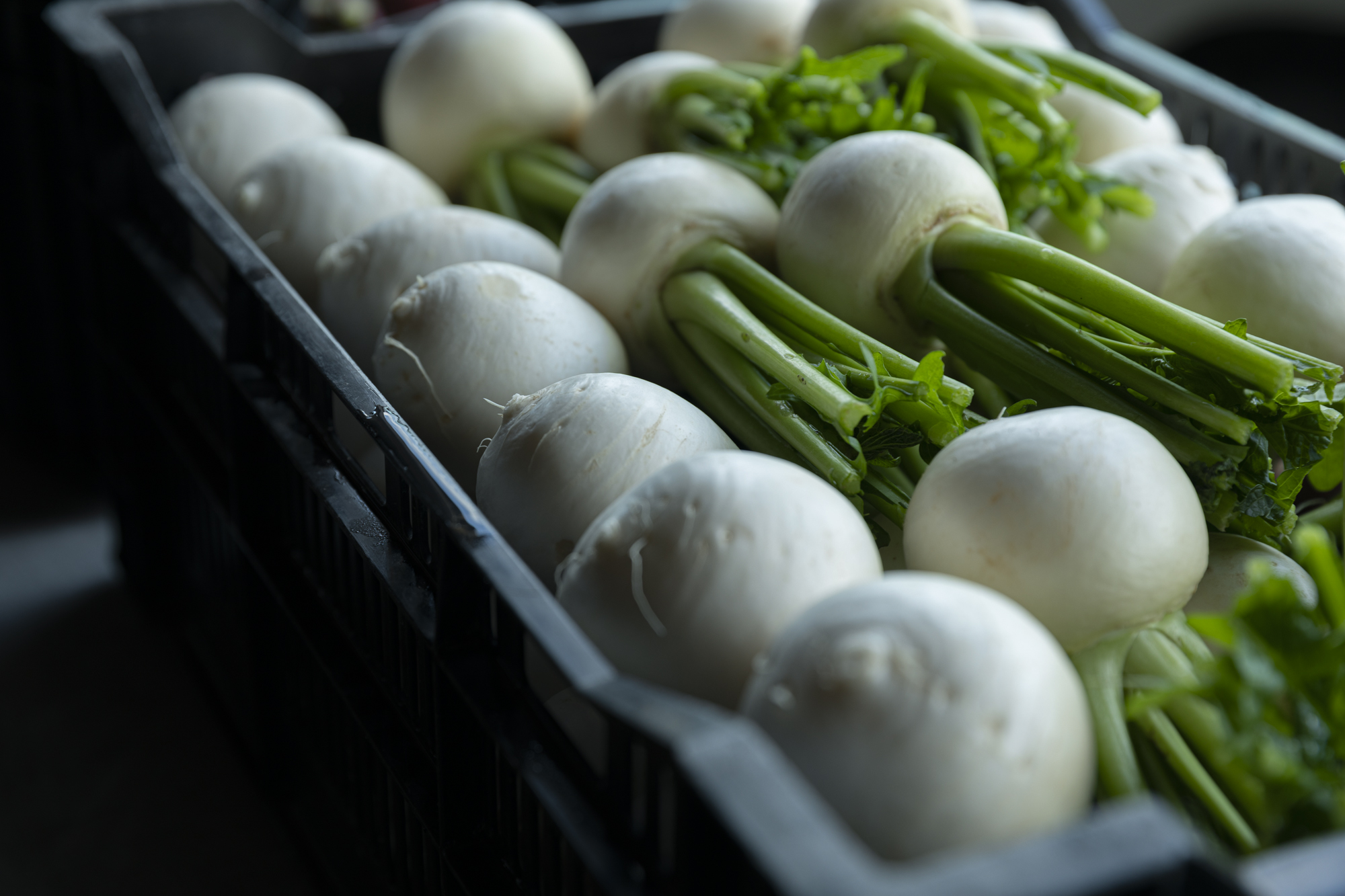
Vegetables that get shipped
Uniform in size, lined up in boxes
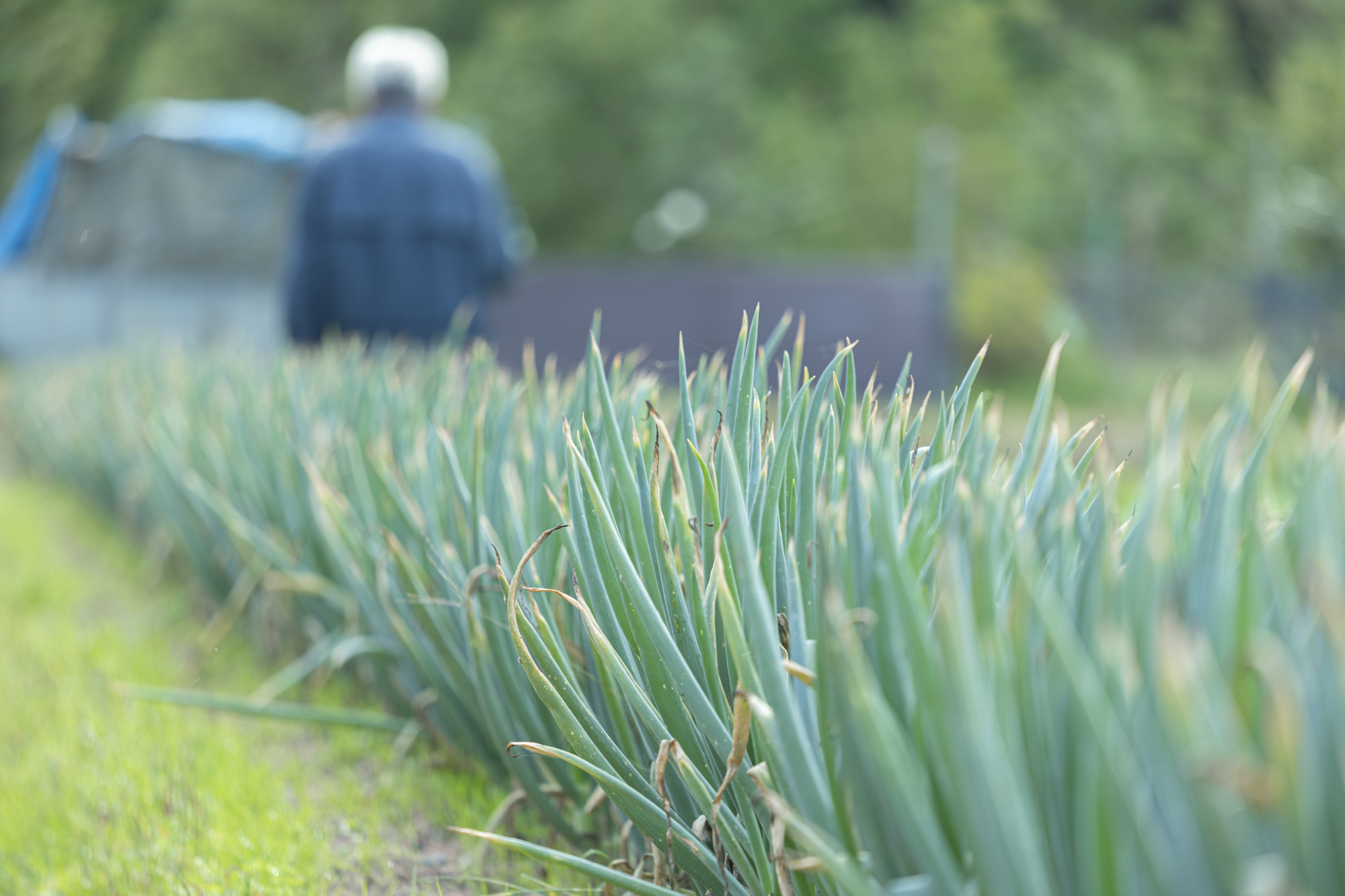
Vegetables left in the field
Too big, too small, or bent
Mechanism
One unit gives about 200kg of vegetables somewhere to go
A company puts in 300,000 yen per unit. With that money, Agriture buys about 200kg of off-spec vegetables from farmers, dries them into 1,000 servings of dried vegetables, and delivers them to recipients the company chooses. All the company decides is the number of units and the recipients.
CompanyThe supporting company
300,000 yen
1,000 servings of dried vegetables
Agrituredry processingFrom purchasing to delivery
About 60,000 yen
Off-spec vegetables, about 200kg
FarmersThe people who grow the vegetables
MoneyVegetablesThe roughly 60,000 yen paid to the farmer is about 200kg × 300 yen per kg, the purchase price for the vegetables.
What Agriture does
Drying lets the farm and the company work on their own schedules
Delivered fresh, neither the quantity nor the timing suits the recipient. Off-spec vegetables come out all at once during the season, while each company wants to hand them out at a different time. Drying bridges that gap.
WeightOne tenth
We dry them slowly at low temperature to remove moisture. About 200kg of fresh vegetables becomes about 20kg of dried vegetables.
StorageAbout 6 months at room temperature
The best-before date is about 6 months from shipment. No refrigerator or freezer is needed. You can keep them in their box.
How to useJust add them as they are
A pinch in soups or stir-fries. No need to rehydrate them first.
Raw materialVegetables only
No sugar or additives.
01Taken in bulk during the season
Off-spec vegetables come out all at once in season. We dry them together as they come out, so they can be taken in instead of being left in the field.
02The company chooses when to deliver
Dried vegetables keep at room temperature, so the timing of distribution can be separated from the harvest.
03Households can use them up
Take out only what you need from the bag. Less produce spoils in the fridge and gets thrown away.
What you receive
Over one year, we deliver 1,000 servings of dried vegetables
One serving is 20g of dried vegetables, equal to about 200g of fresh vegetables. One unit is 20kg of dried vegetables, delivered at the times and to the recipients you choose.
Hand them out at a trade show and keep the rest for disaster preparedness.
Anything not used up is donated to a children’s cafeteria at the end of the fiscal year. Please check the accounting treatment with your company’s tax accountant or accounting department.
What one unit does
Continue one unit every year and it becomes a cycle
FieldOff-spec vegetables come outAgritureDried into 1,000 servingsCompanyTo employees, donations, noveltiesFarmersAbout 60,000 yen goes to them
About 200kgFresh vegetables purchased
About 60,000 yenMoney paid to farmers
About 200gOne serving (20g dried) in fresh vegetables
Once, it is a small number. Continue every year, and every year about 200kg of vegetables have somewhere to go. More units means more vegetables can be bought.
Apply
What one unit includes
1 unit300,000 yen
✓1,000 servings of dried vegetables
✓Purchase certificate
✓Announcement in a press release
✓Interview article on our websites
✓Your logo on our websites
Shipping is charged separately. The first delivery arrives 6 to 8 weeks after you apply. The certificate shown is a sample; the company name, quantities, farm name and dates are examples.
No. OT-2027-0012
Purchase certificate
CERTIFICATE OF PURCHASE
Sample Co., Ltd.
We certify that, with your company’s support, the off-spec vegetables below were purchased from farmers and delivered as 1,000 servings of dried vegetables to the recipients you specified.
Agriture Inc. (Kai Group) Rei Kojima, CEO 294 Tamatsushima-cho, Shimogyo-ku, Kyoto
Agriture Seal
What you get
How to use the certificate, press release and article
01
Purchase certificate
A document stating the types and weight of vegetables purchased, the farm’s name and the recipients. We issue one with every delivery.
Best uses It can go straight into an integrated report, sustainability report or company newsletter. How many kilograms were bought from where is recorded in numbers.
02
Announcement in a press release
When you start supporting the project, we issue a joint press release with Agriture. It includes your company name and what you are doing.
Best uses Your initiative becomes public, in a form you can quote in your own announcements and on social media.
03
Interview article on our websites and logo
We interview the person in charge and publish the article on the Agriture and OYAOYA websites. We also show your logo as a supporting company.
Best uses It stays findable through search, and you can use it in recruiting and when explaining your work to business partners.
From application to delivery
What happens after you decide to take part
All we ask of the company is to decide the number of units and the recipients. Agriture handles everything from purchasing to delivery and issuing certificates.
01 ConsultGet a proposal for how to distribute
Tell us your number of employees and rough budget, and we will send back a proposal for how many units and how to distribute them. It is fine if the units and recipients are not decided yet.
02 DecideUnits and recipients you decide
The company decides the number of units and the recipients. The delivery timing and the mix of individual packs and bulk bags can also be worked out with us.
03 MakeBuy and dry
Agriture buys off-spec vegetables from farmers, dries them and packs them into bags. When you start supporting the project, we issue a joint press release.
04 ReceiveDried vegetables and certificates arrive
The first delivery arrives 6 to 8 weeks after you apply. The rest is delivered in installments over the year, with a purchase certificate issued for each delivery.
Questions
FAQ
How long after applying does delivery take?
The first delivery takes 6 to 8 weeks. Once you have decided the number of units and the recipients, we purchase, dry and bag the vegetables, then deliver them. We can also time it to the harvest.
Can one unit be split among several recipients?
Yes. Please specify the split when you apply, for example 800 servings to employees and 200 servings to a children’s cafeteria.
Can we choose the types of vegetables?
Agriture puts them together from the vegetables that came out as off-spec at that time. Onions, carrots, daikon radish, pumpkin and cabbage are the main ones. Let us know if you have a preference.
How long is the best-before date?
About 6 months from shipment. If you use them as a company stockpile, plan to hand them out to employees and replace them before the date.
Can you add our name?
We can add your name to the individual packs with a sticker. We do not print directly on the packaging.
Is shipping included in the unit price?
No. Shipping is charged separately.
What is the minimum number of units?
You can apply from one unit. Feel free to contact us even if the number of units and the recipients are not decided yet.
What happens to anything not used up?
It is donated to a children’s cafeteria at the end of the fiscal year. Agriture arranges the donation recipient.
Contact
You can apply from one unit
It is fine if the number of units and the recipients are not decided yet. Tell us your number of employees and rough budget, and we will work out how many units and how to distribute them, and get back to you.