Learn from successful trade show cases! Strategies to maximize impact

Summary of this article
We explain strategies for maximizing results from exhibiting at food, beverage, and agriculture trade shows, drawing on real success stories. We systematically cover the three main objectives—acquiring new sales leads, raising awareness, and strengthening relationships with existing customers—along with visualizing results through KPI setting, clarifying targets, booth design ideas, advance social-media promotion, role division, seated business meetings, scheduling via QR codes, and follow-up systems.
Are you considering exhibiting at a trade show but wondering, “Is it really effective?” or “How can I succeed?”
Trade shows in the food, beverage, and agriculture fields are important venues that create diverse business chances, from acquiring new customers to raising brand awareness. But simply exhibiting won’t get you the results you hope for.
This article thoroughly explains strategies for drawing out the maximum effect from exhibiting, based on real success stories. From clear goal-setting to on-the-day operations and follow-up, we share concrete know-how.
Recommended reading

TOC
The Three Main Objectives of Exhibiting
The first step to successful exhibiting is clear goal-setting.
Exhibiting with vague goals leaves everything half-baked—booth design, staffing, budget allocation, and more. The main objectives broadly divide into three.

Acquiring New Sales Leads
The most direct objective of a trade show is acquiring new customers. At large-scale trade shows with tens of thousands of visitors, acquiring hundreds of leads in a short period becomes possible.
There are two approaches. The first is “lead-acquisition type,” which prioritizes exchanging business cards with prospects who have high future potential to become customers. The second is “meeting-focused type,” which aims to develop into a business meeting on the spot during the show. Even if an immediate close is difficult, setting a later meeting date leads to concrete business chances.
Raising awareness of a company or product
Raising awareness brings a big plus to medium- to long-term sales activity.
Attractive booth design, an impressive presentation, and high-quality product materials let you etch your company or product name into participants’ memories. At an online trade show, you can also collect and analyze participants’ behavioral data to grasp which products and information drew interest.
Strengthening relationships with existing customers
A trade show is also a valuable chance to deepen trust with existing customers. Through direct dialogue, you can deeply understand your customers’ latest needs and challenges.
Because you can get candid feedback on points to improve in your products and services, introducing new products or services is effective too. Making precise proposals with an understanding of the customer’s business environment leads to improved long-term customer loyalty.
Effective Strategies Learned from Real Success Stories
Let’s learn not just from theory, but from cases of companies that achieved results in practice.
Many companies, such as ExGen Networks and Elecom, use trade shows to achieve concrete results. What these companies share is a clear strategy and thorough preparation.
Visualizing Results Through KPI Setting
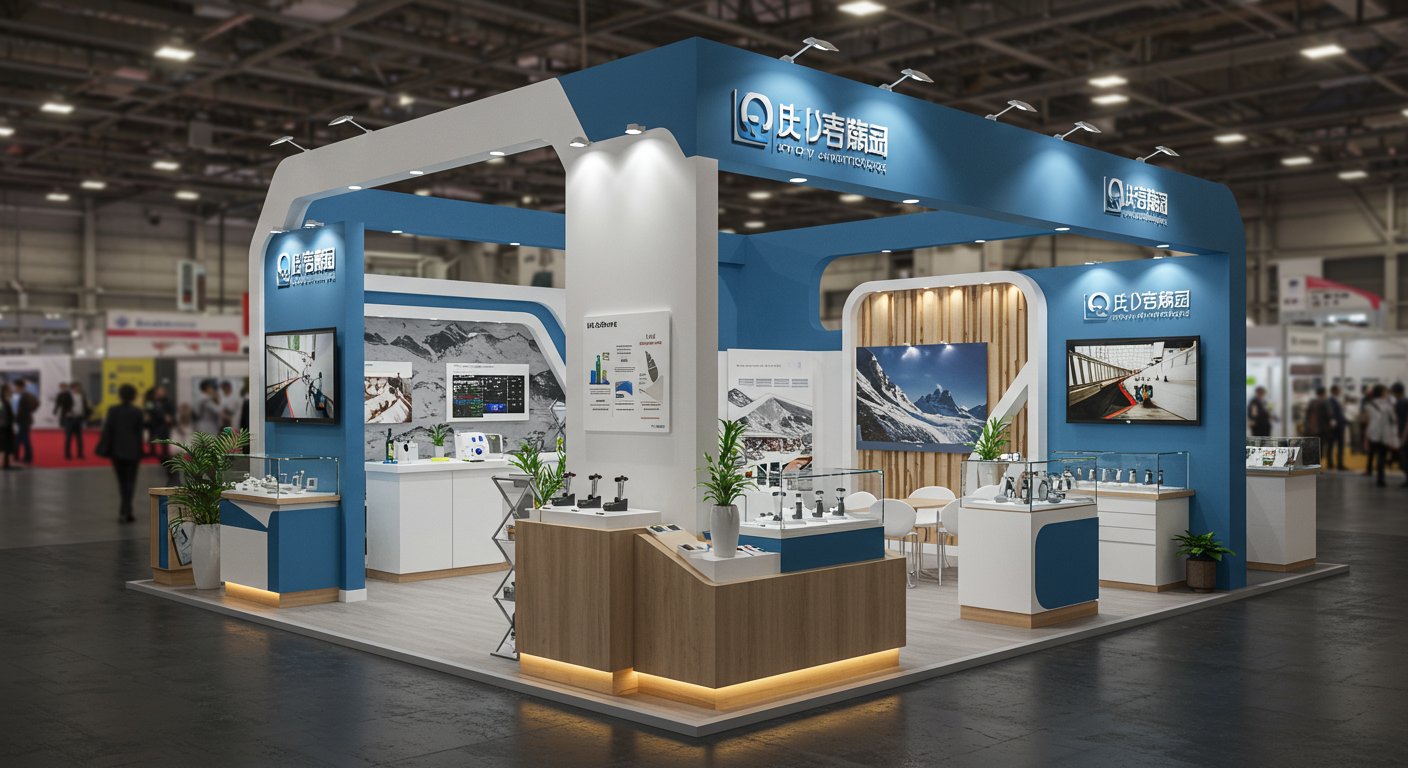
Successful companies always set concrete KPIs. By establishing goals measurable in numbers—number of business cards exchanged, number of meetings, number of surveys collected—they can objectively grasp results.
For example, if last year you exchanged 100 business cards, setting a goal of 150 this year and aiming for a 10% close rate within that is an effective concrete numeric target. With clear metrics like these, evaluation after the show and improvement for next time become easy too.
Clarifying the Target and Value Proposition
Companies that achieve results clarify the target they pitch to.
By clearly conveying what challenges your service can solve, you draw in visitors’ interest. If you emphasize “the latest technology close to daily life,” you should build your content around technology demonstrations and success stories tied to everyday life, foregrounding interactive content that visitors can experience directly.
Putting Effective Booth Design into Practice
Booth design determines visitors’ first impression!
Make your company and service names visible from afar with clear signage, and make effective use of eye-catching colors, designs, and lighting for high-impact decoration. Setting up an experience corner where visitors can actually try the product connects their interest to concrete action.
Set Yourself Apart with Pre-Show Preparation
Eighty percent of success is decided at the preparation stage.
Maximizing your performance on the day of the show requires thorough advance preparation. There are many preparation items, spanning deciding the exhibit intent and content theme, advance promotion on social media, and setting up the environment for operating staff.
Clarifying the Exhibit Intent and Theme
Once your goals are set, the next important thing is deciding the trade show theme. Deciding the theme makes your goals and plans more concrete and clarifies the display methods for drawing in visitors.
Decide the scope of information you’ll disclose in advance too. At a trade show, there’s a risk of confidential information or corporate strategy leaking. It’s important to take measures against information leaks as needed, such as with no-photography signs.
Advance Promotion and Attracting Visitors via Social Media
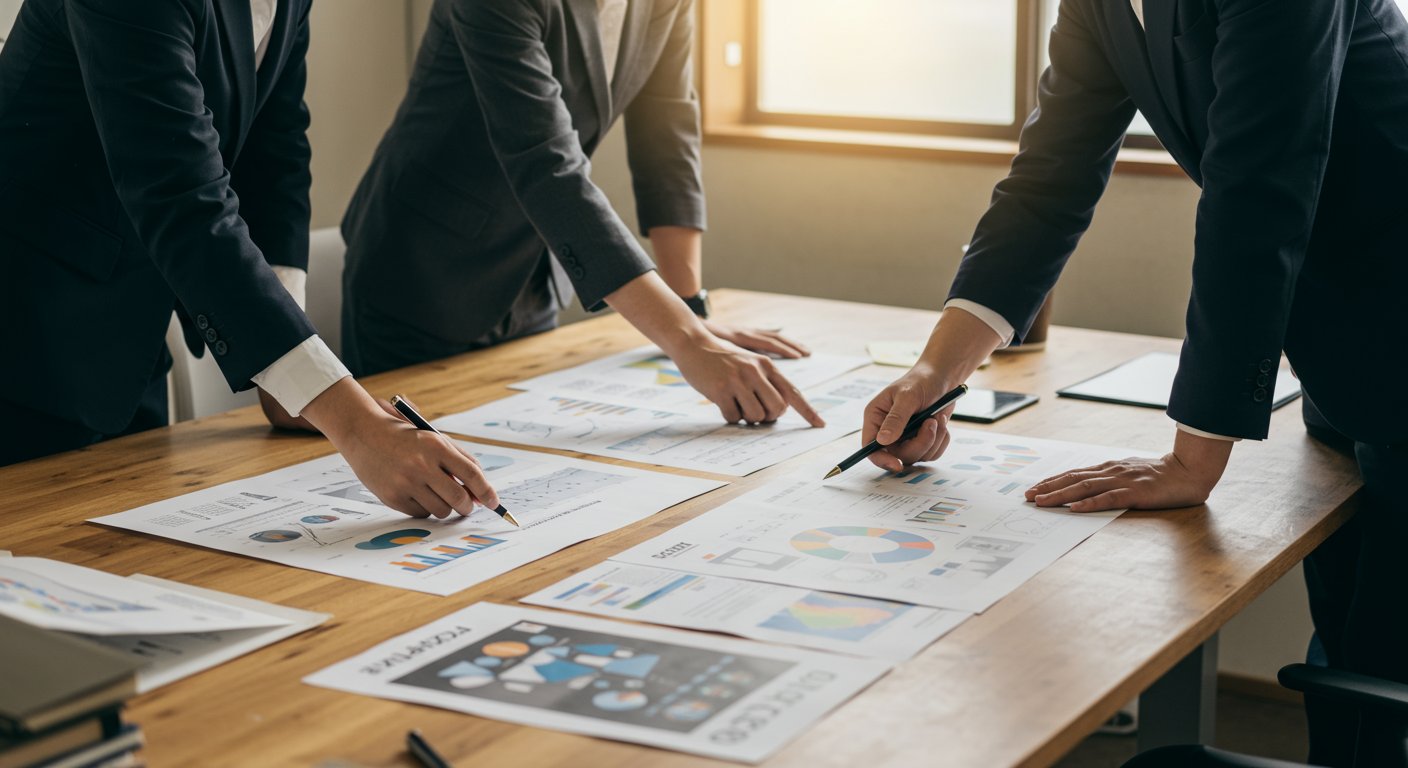
To maximize a trade show’s effect, advance visitor-attraction activity is required. Advance promotion via social media and invitation emails can encourage existing and prospective customers to attend.
Beyond posts like “We’re exhibiting at ○○ Trade Show! Our booth number is △△,” sharing show-exclusive perk information is effective too. Accepting advance attendance reservations lets you run business meetings smoothly on the day.
Staff Role Division and Training
At a trade show, cooperating as a team is important. Clarifying role division and making the most of each person’s strengths lets you handle visitors efficiently and effectively.
You can consider role divisions such as a greeter, an interviewer, a presenter, and a closer. When all staff share a common awareness, consistent handling becomes possible.
On-the-Day Operational Techniques
Once preparation is complete, your performance on the day is what counts.
There are several practical techniques for succeeding in business meetings with visitors. Small considerations—holding meetings seated, accurately hearing out the customer’s needs, making customized proposals—sway the results.
The Effect of Seated Business Meetings
Holding meetings seated makes it easier to build trust with visitors. In a standing conversation, you give the visitor the impression they’re in a hurry, and you can’t get into a deep discussion.
Setting up a meeting space within the booth makes detailed interviews and proposals possible in a calm environment. This small touch greatly improves the quality of the meeting.
Using a QR Code for a Scheduling Link
Sharing a QR code for a scheduling link when exchanging business cards lets you set up meetings smoothly!
Visitors can easily arrange a time on the spot, and staff avoid losing meeting opportunities. Using digital tools like this streamlines post-show follow-up.
Clarify the Next Step
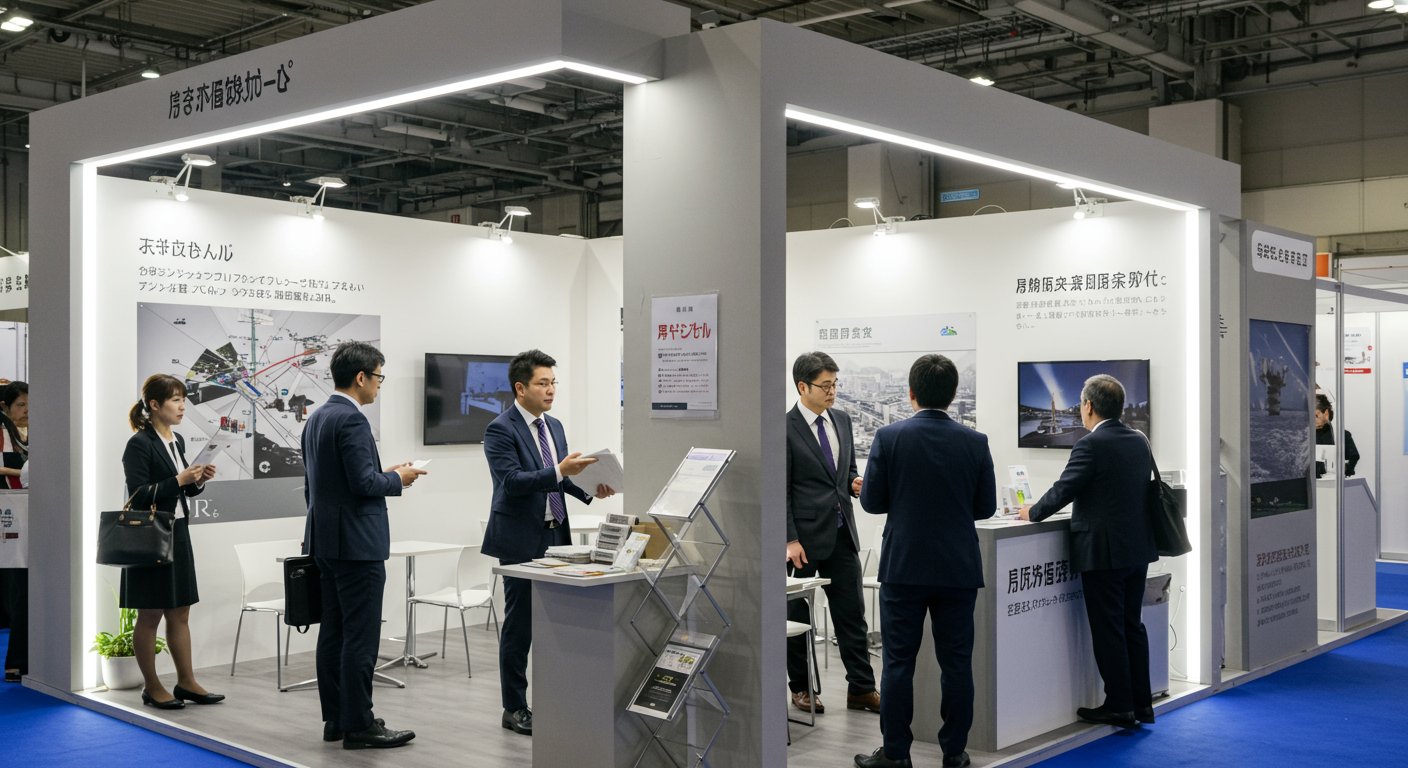
At the end of a meeting, always clarify the next step. Promising a concrete action—“I’ll call you within next week,” “I’ll send the materials by the ○th”—lets you keep the relationship going.
Don’t forget to gather information such as survey data too. Recording visitors’ challenges and needs makes later follow-up more effective.
Post-Show Follow-Up Decides Success or Failure
The real contest with a trade show comes after it ends.
Following up on the leads you’ve acquired quickly, before the enthusiasm cools, is important. Sending a thank-you email right after the show or reaching out individually builds the customer relationship and raises the close rate.
Sending a Prompt Thank-You Email
After the show ends, send a thank-you email if possible that same day, and at the latest by the next business day. Start with a line like “Thank you for stopping by our booth today,” and briefly recap the discussion.
Attaching the promised materials to the email and presenting candidate dates for the next meeting is effective. A quick, responsive touch sets you apart from competitors.
The Importance of Ongoing Relationship-Building
Don’t let it end with a single contact—aim for ongoing relationship-building. Continuing to provide valuable information, such as regular updates and sharing industry trends, deepens trust.
Registering the leads acquired at the trade show in a customer management system and following up at the right timing leads to long-term results.
Analyzing Results and Evaluation
After the show ends, always evaluate the results. Measure how well you achieved the KPIs you set, and analyze what was effective and what needs improvement.
In addition to quantitative data such as business cards exchanged, meetings, and closes, gather qualitative data such as feedback from visitors. These analysis findings become a valuable asset for making your next exhibit even more successful.
Summary: Maximize Results with Strategic Exhibiting
Success at exhibiting requires a series of processes: clear goal-setting, thorough advance preparation, effective on-the-day operations, and prompt follow-up.
By devising a strategy suited to your objective—acquiring new customers, raising awareness, strengthening relationships with existing customers—and setting concrete KPIs, you can visualize your results. Put the techniques you’ve learned from success stories into practice, and make a value proposition with a clear target.
Trade shows in the food, beverage, and agriculture fields are a treasure trove of business chances. Use the strategies introduced in this article and make your next exhibit a success.
If you’re looking for information on food, beverage, and agriculture trade shows held in Japan, check our coverage of the latest schedules, exhibit targets, and noteworthy industry themes.Details Here. Find the trade show best suited to your business.
If you are considering product development with off-spec or your own farm's vegetables:From planning to processing, materials, package printing and novelties, you can consult us through a single point of contact. → Learn more about one-stop product development