
Contract Packing Guides– archive –
-

Boxed Sets and Multi Packs: the Count That Decides Everything
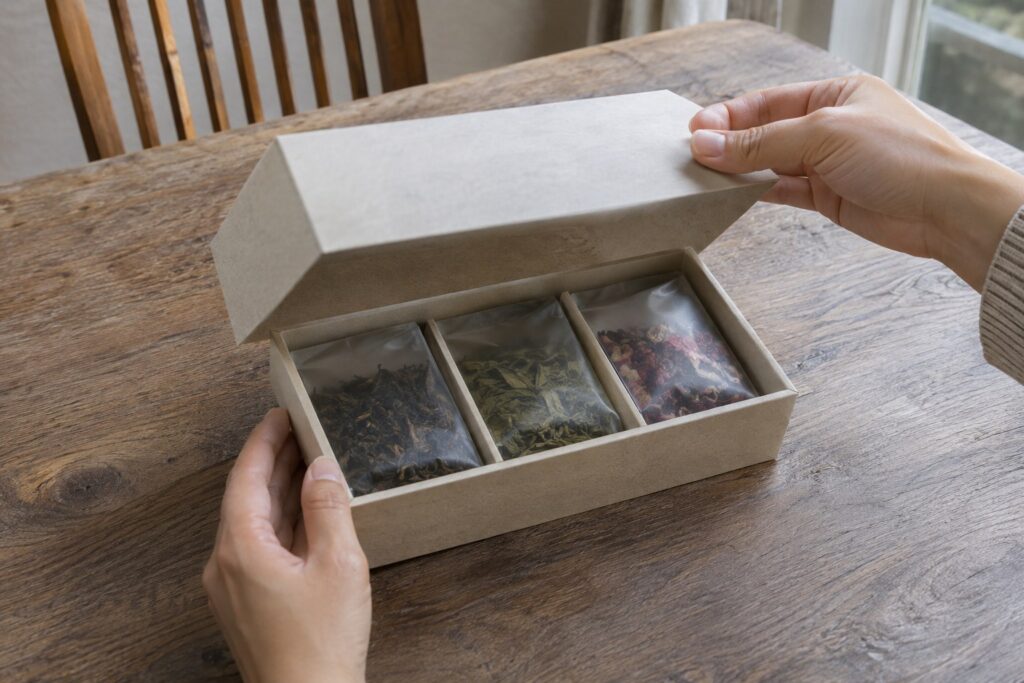
We can box and assemble sets, quoted per order rather than from the rate card. The thing to work out first is that our minimum counts filled bags, so a set of three is three bags and 500 bags is 167 sets. -
What Goes on the Label, and Who Supplies It
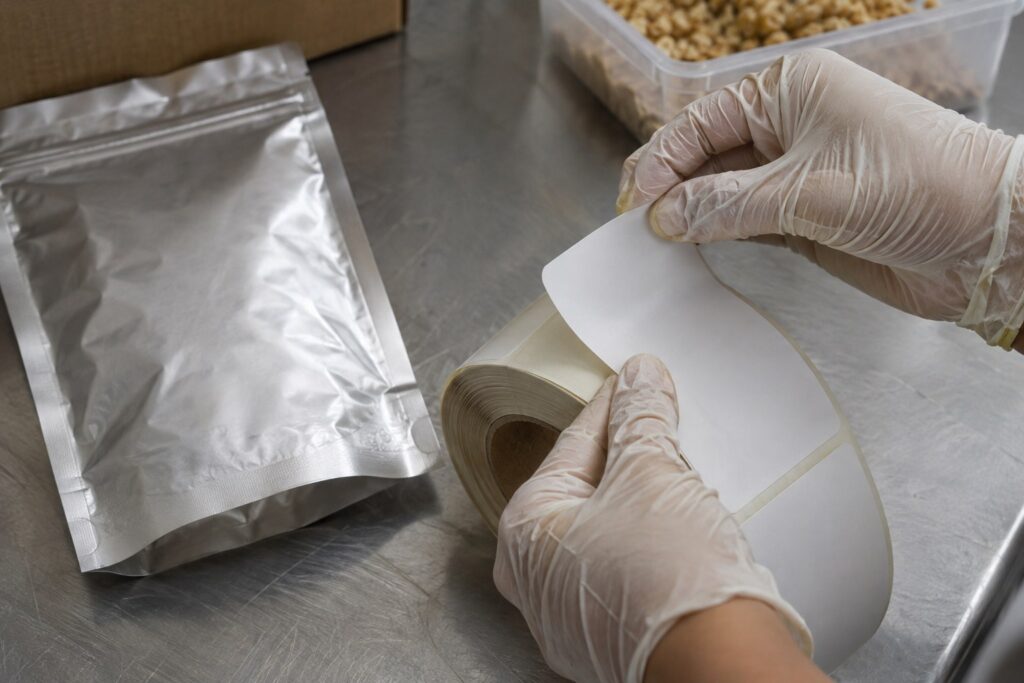
We apply labels at USD 0.15 per position and a back label counts as a second position. What we need from you, how a barcode gets onto a pack, and why a label beats printed film until the wording stops changing. -
Organic, Halal, Vegan: the Claims We Cannot Certify
We hold no organic, halal or vegan certification. That is a fact worth knowing before you plan a product around one of those claims, and the question to put to your own certifier is more specific than most brands realise. -
Loose Leaf Is Not a Powder, and the Bag Has to Know That
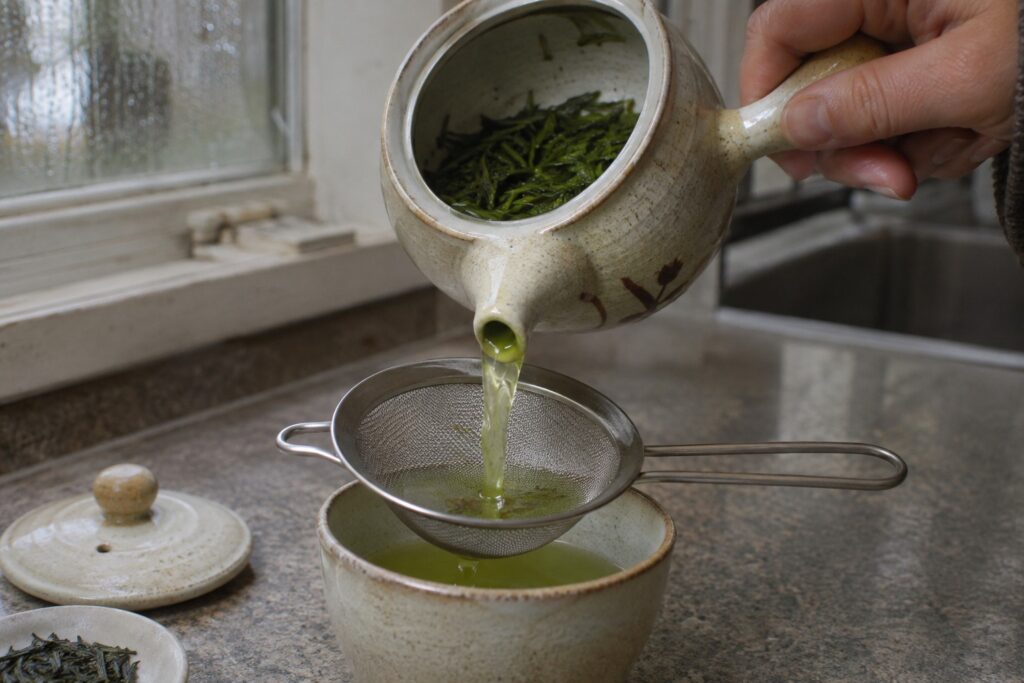
Leaf takes up four or five times the space of a powder at the same weight, weighs less accurately, and sells through a window. What that means for the bag, the fill weight and the first order. -
Sampling at a Trade Show: How Many, What Size, How Early
A flat fill rate makes small sample formats unusually workable, but the quantity and the lead time catch people out. Sachet sizes with prices, how many to take, and why the Japanese calendar decides your booking date. -
Single Serve Without a Stick Pack: What We Can Run Instead
A stick pack is the one format our equipment cannot run. The sachets and small pouches that do the same job, what each costs per piece, and why a flat fill rate makes very small formats expensive per gram. -
A First Packing Order in Japan, Step by Step With the Dates
Twelve steps from first idea to finished cartons, with who does each one, how long it takes and what it costs. Worked backwards from a launch date, including the two approvals that stop more first shipments than anything else. -
Why Your Japanese Supplier Has Not Replied
Almost always it is not rudeness and not a rejection. It is an enquiry that cannot be priced as written. What goes wrong, what difficult really means, how long to wait, and the rewrite that usually fixes it. -
How to Find a Contract Packer in Japan From Outside Japan
Japanese contract packers are hard to find in English, rarely list prices, and answer literal questions literally. How to search, what to send in a first email, and the questions that separate a real fit from a wasted month. -
Sakura: the Form It Arrives In Decides Whether We Can Run It at All
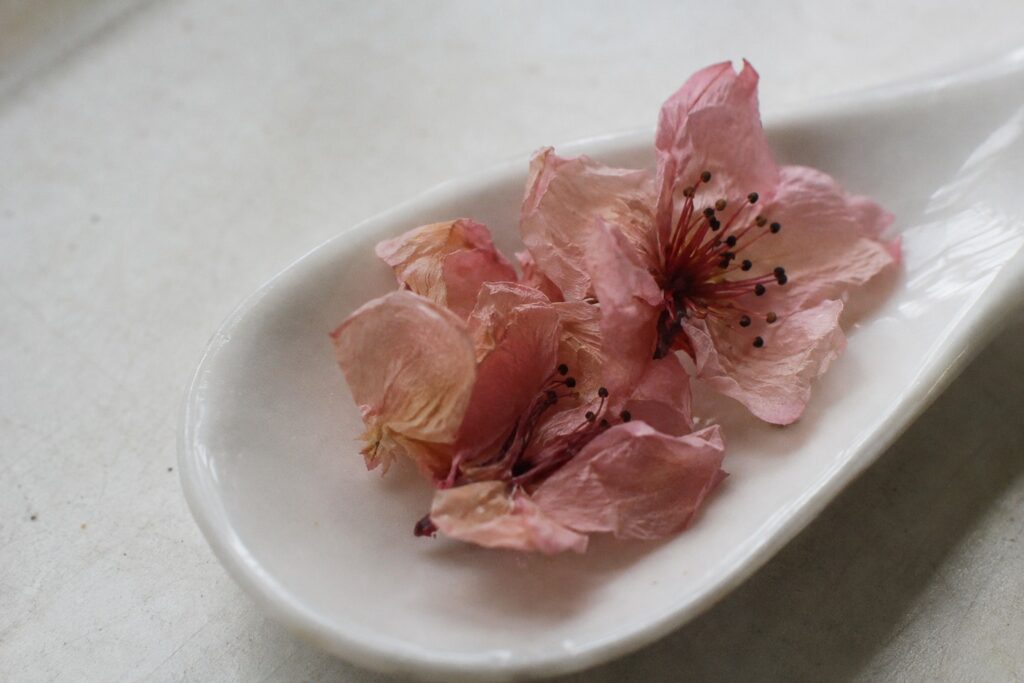
Salt pickled cherry blossom is wet, and we are a dry goods line, so we cannot fill it. Dried petals and sakura powder we can. Plus the narrowest seasonal window of any ingredient we handle, and why it fights your sales calendar. -
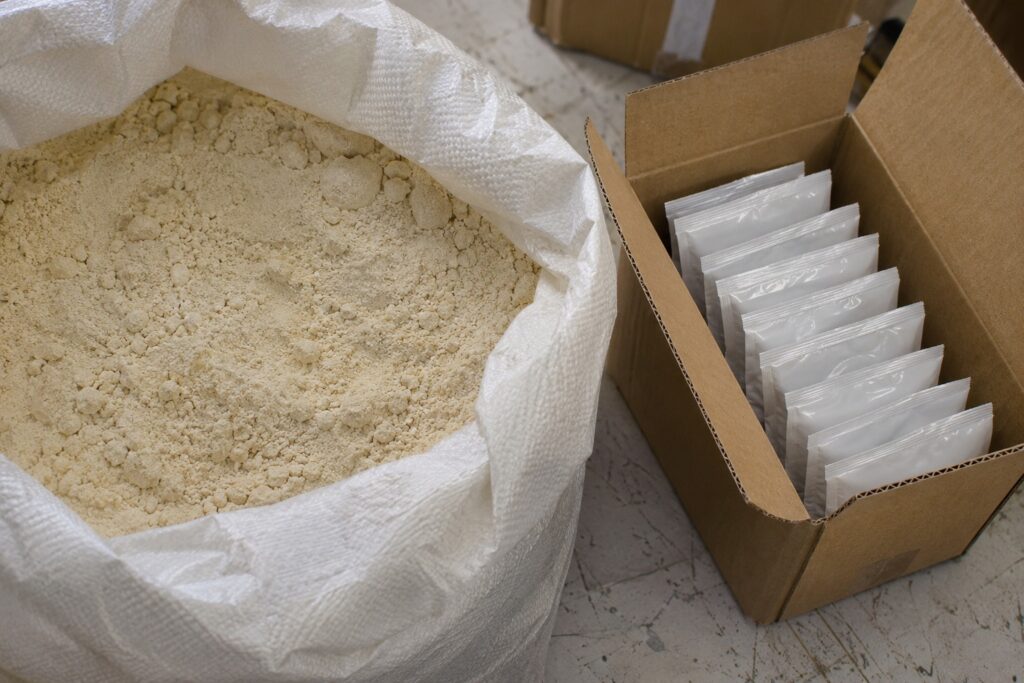
Rice Flour Is Dense, Which Makes It the Cheap One to Bag
Rice flour is the only ingredient we fill where the bag comes out smaller than people expect. What that saves, why 500 bags is more material than it sounds, and who answers the gluten free question. -
Dried Shiitake: the One Where the Customer Wants to See It
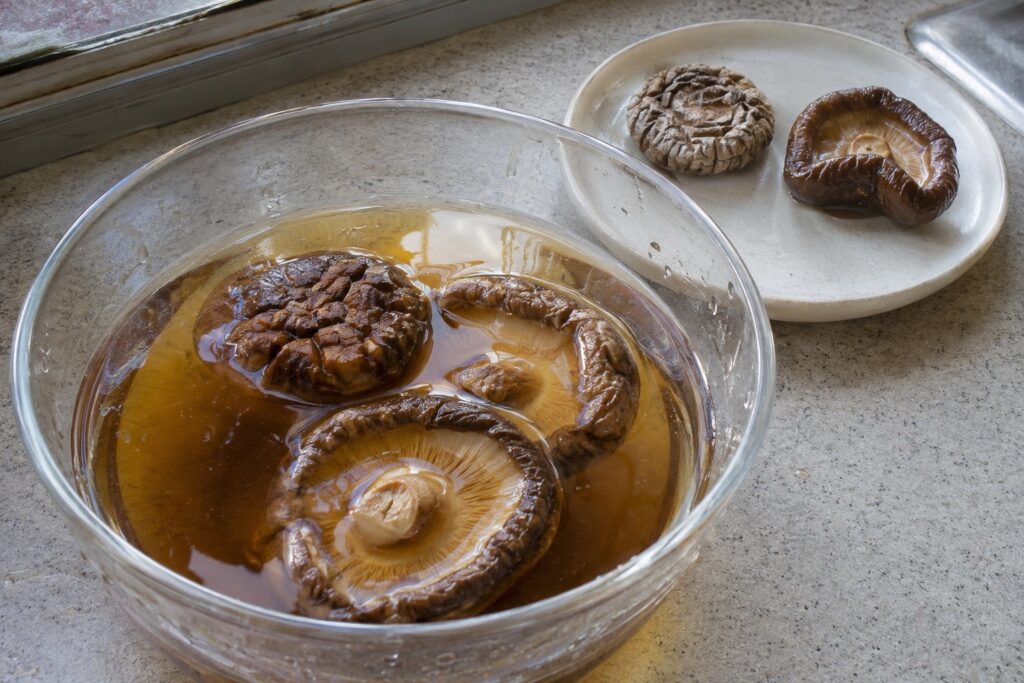
Dried shiitake is the opposite problem from a powder. The product sells itself through the bag, the pieces are bulky, and bag volume rather than weight decides the format. What that means for a 500 bag order. -
Where Our Part Ends: the Handover in Kyoto and the Leg After It
We hand finished cartons over inside Japan and we do not arrange export freight. What that means for your forwarder, your Incoterm, your insurance and your timing, and the things worth having in place before the run finishes. -
Pack It in Japan, or Ship It Home in Bulk and Pack It There
The honest comparison, including the cases we lose. Freight on finished goods versus bulk, what a local co-packer will ask you for, and the volume at which packing close to your own market starts to win. -
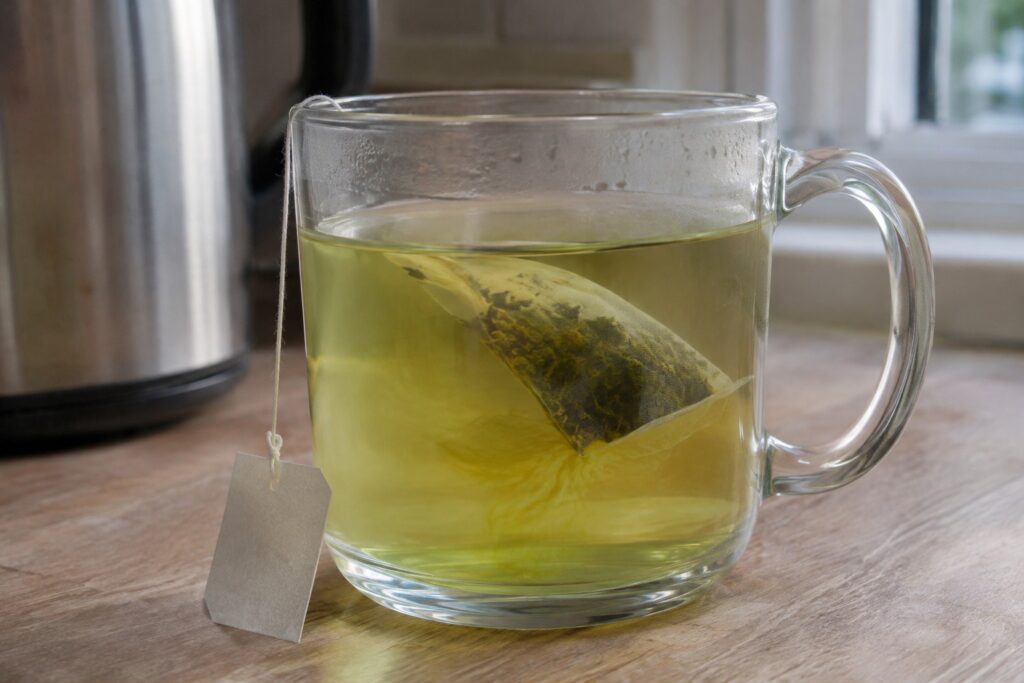
Tea Filter Bags in Small Quantities, and the Arithmetic Nobody Expects
A tagged mesh filter at USD 0.25 a piece is one of the few items genuinely hard to buy in small quantities. The catch is that our minimum counts filled filters, so 500 is twenty five retail cartons, not five hundred products. -
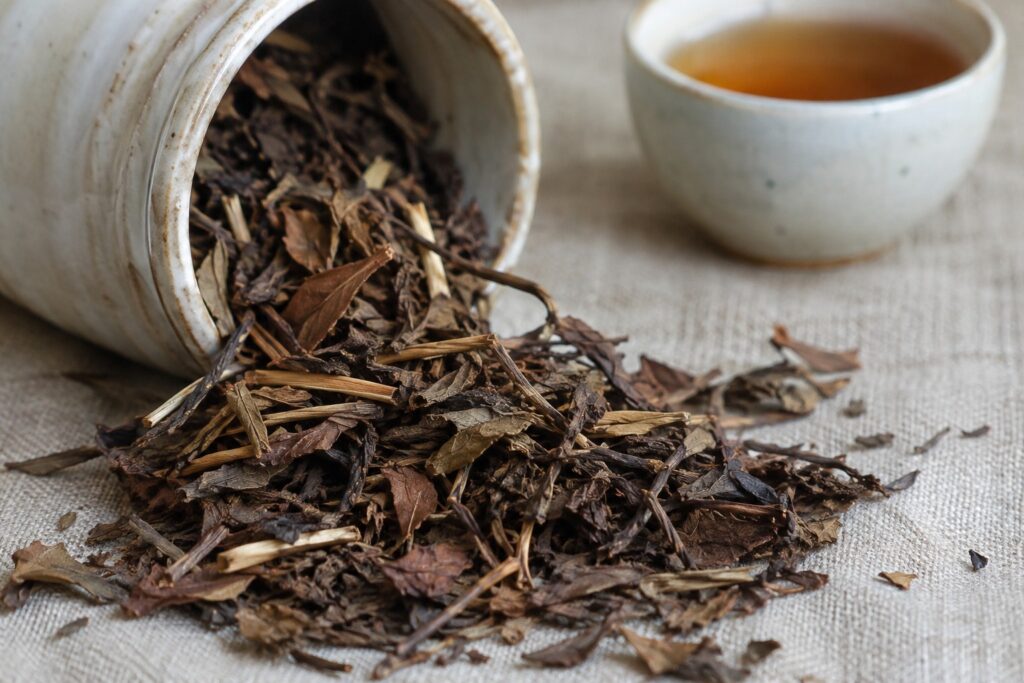
Hojicha Is the Easy One to Bag, and the Roast Is Why
Roasting already did the thing that makes matcha awkward to pack, so hojicha can go in a clear bag at half the price. What that saves, what the roast still costs you, and how leaf differs from powder on a filling line. -
Private Label Matcha: Who Sells You the Tea, and Who Bags It
A private label matcha product has two suppliers behind it, and most overseas brands email the wrong one first. What a tea producer decides, what a packing line decides, and the order to approach them in. -
Packed in Japan or Product of Japan: Two Different Claims
Bagging a product in Kyoto is a fact about the packing. It is not the same as the product being Japanese. Why repacking does not move origin, and who to ask for the answer your label actually needs. -
Kinako in Retail Bags: What an Overseas Brand Decides First
Roasted soybean flour is fine, light and bulky for its weight, which changes the bag before it changes anything else. Formats, material needed for 500 bags, the soy declaration, and the one shape we cannot run. -
Yuzu Powder: the Harvest Sets Your Window, Not Your Launch Date
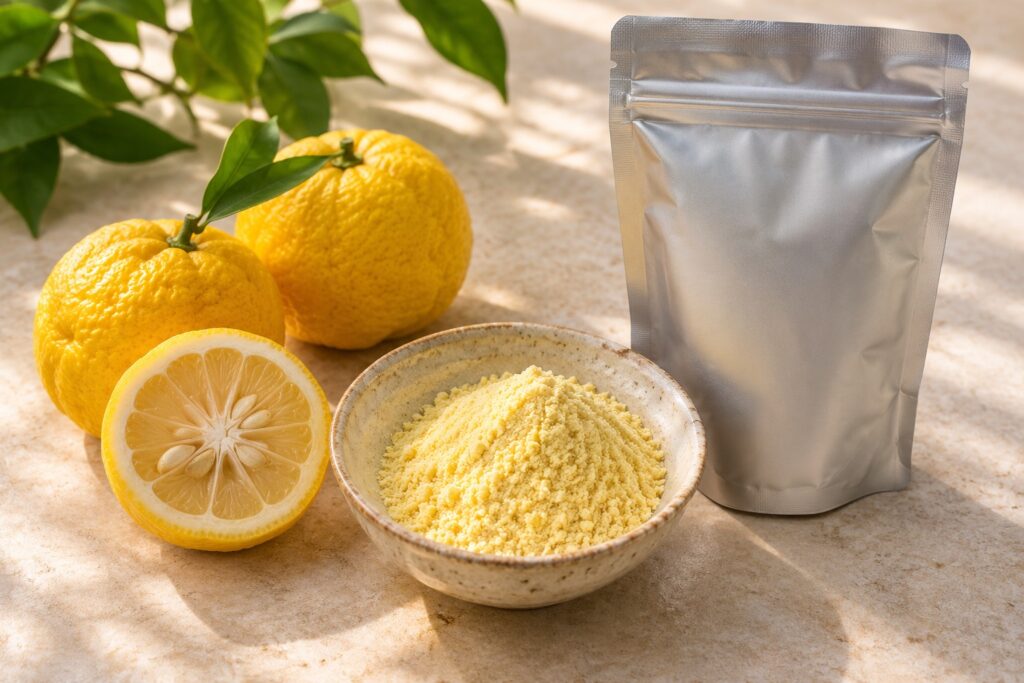
Green yuzu through the summer, yellow yuzu from November with December the peak. Why a yuzu project is planned forwards from the harvest, what 500 bags needs, and why a yellow yuzu launch is really a spring launch. -
A Packer Is Not a Manufacturer: What We Will Not Do
The difference between a contract manufacturer and a fill and seal line, the full list of steps we do not offer, and how to tell which one your project actually needs. -
Sending Your Material to a Japanese Packer
Who is the importer of record, what has to be marked on every carton, why the dispatch notice matters more than the paperwork, and the mistakes that leave a pallet sitting in Kyoto. -
The Three Weeks When Nothing Ships in Japan
New Year, the early May holidays and mid August take weeks out of a Japanese production calendar, and only one of the three closes the banks and the brokers too. How a four week lead time becomes six, and how to plan around it. -
How Japanese Suppliers Quote, Decide and Get Paid
Month end closing with payment at the end of the following month, how a Japanese quotation reads, why the decision is slow but final, and what to put in a first message so you get a priced answer back. -
Our Stock Bags, and What Each One Costs Per Piece
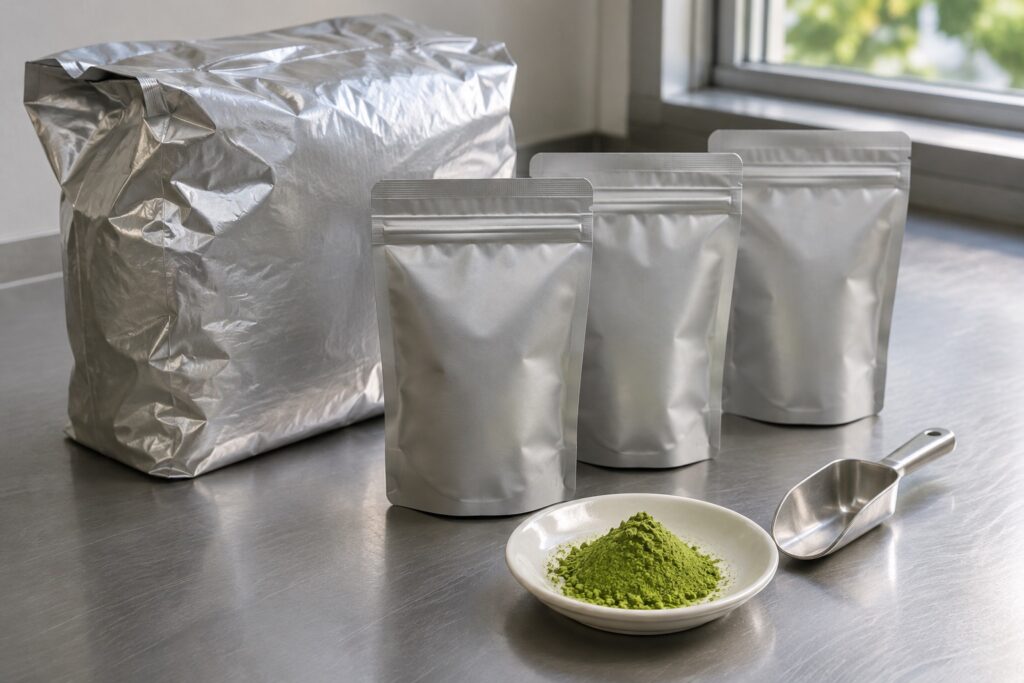
The stock bags we fill from, priced per piece in USD: aluminium barrier, metallised kraft, clear film and tea filters, which material suits which product, and when supplying your own bags is the better call. -
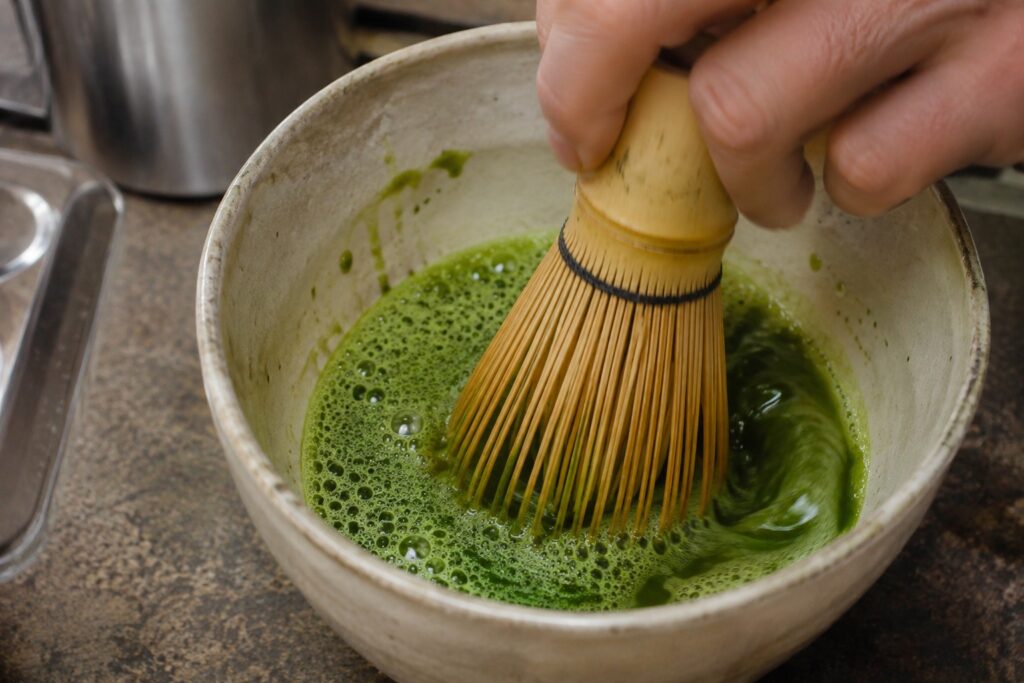
Getting Matcha Packed in Japan: the Numbers That Decide It
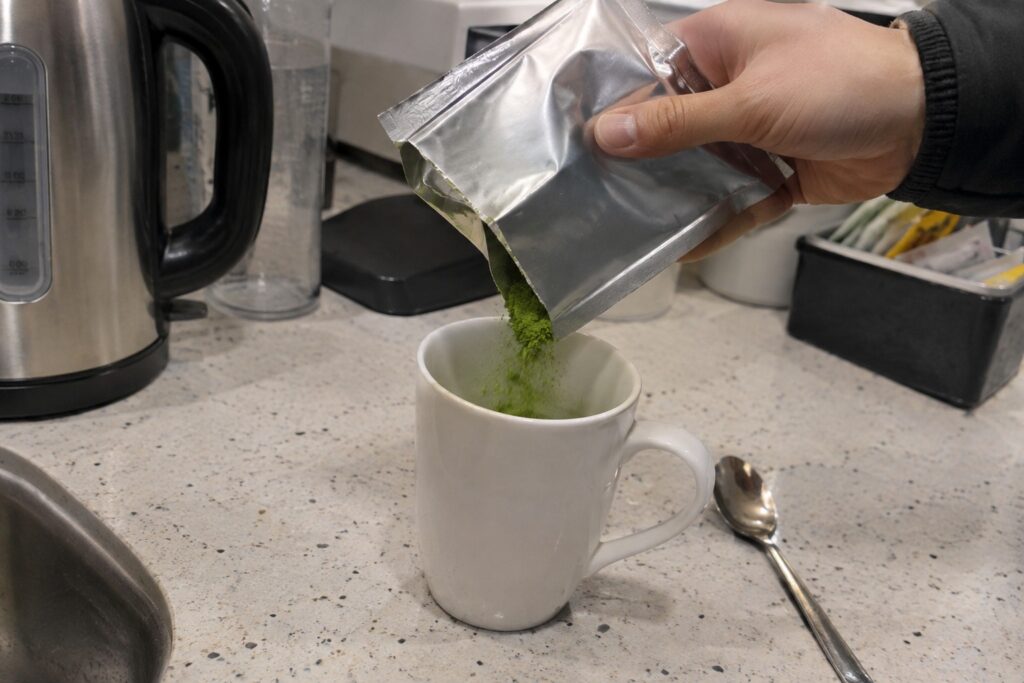
What it costs to have matcha weighed and sealed into retail bags in Japan, the 500 bag minimum, worked examples in USD at three sizes, and the two things that rule a project out. -
What a 500 Bag Minimum Really Means at a Japanese Packer
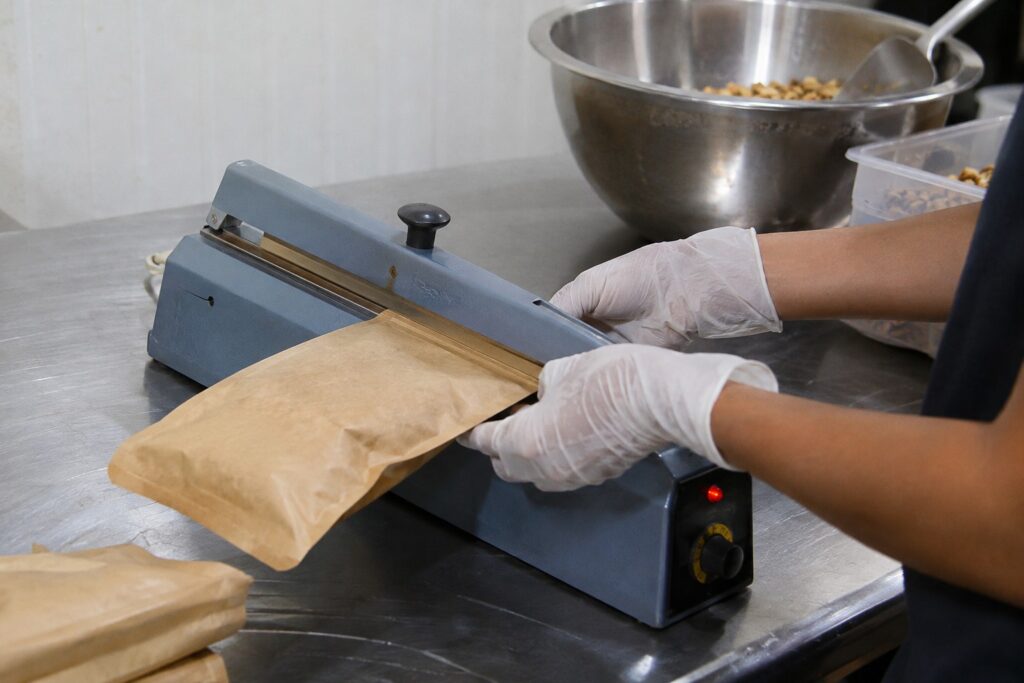
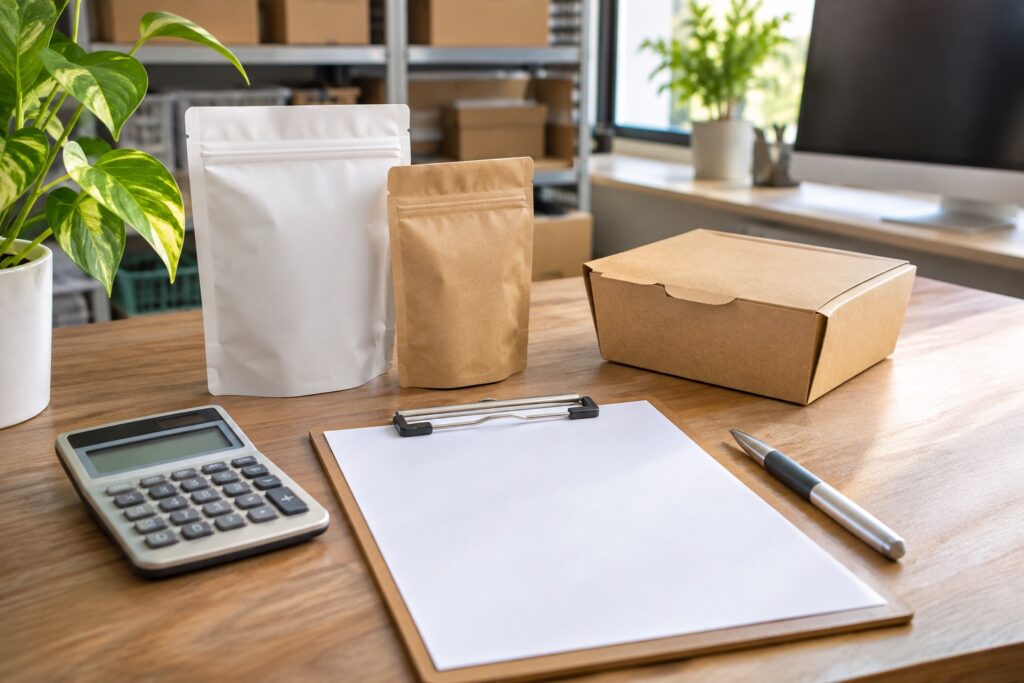
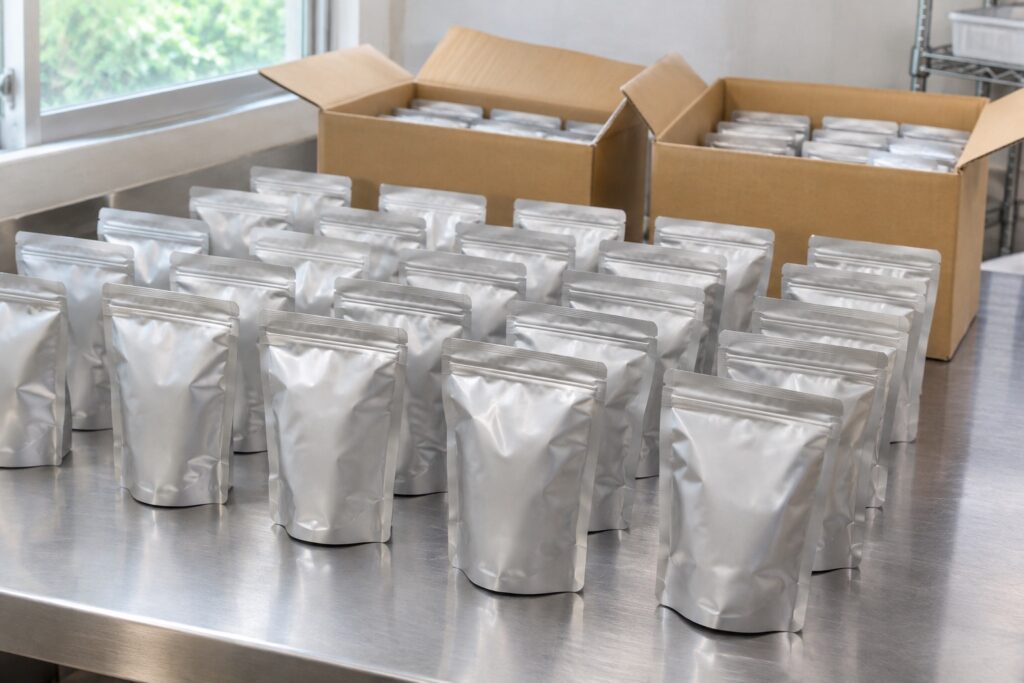
Why a Japanese contract packer counts bags when it sets a minimum, how a flat per bag rate changes your format decisions, and three ways to reach the count without buying more material.

1