The good ones are hard to see
A busy Japanese food plant has little reason to keep an English website, sometimes any website. Scale, speciality, willingness to take a small first run: none of it shows on a search results page.

Food manufacturing in Japan
We run foodoem.jp, a directory of more than 470 Japanese food OEM manufacturers. We also manufacture ourselves. Tell us the product: we find the plant, make the introduction, then carry the Japanese side of the conversation while you deal with us in English.
If the job is drying, blending, bagging, we may make it ourselves: packing, tea, ingredients.

The problem
It is rarely that they are not interested. It is that almost nothing about how they work is visible to you.
A busy Japanese food plant has little reason to keep an English website, sometimes any website. Scale, speciality, willingness to take a small first run: none of it shows on a search results page.
An unintroduced enquiry from overseas, in English, with no quantity attached, is the easiest thing for a Japanese company to leave unanswered. It usually means nobody felt able to reply, not that the answer was no.
Two plants making the same product can start at very different quantities. Asking the wrong one first costs a month, yet tells you nothing about whether your idea works.
More on this: why your Japanese supplier has not replied, how to find a contract packer in Japan from outside Japan.
What we do
Three separate jobs. It is worth being precise about which one you need.
From the manufacturers we already know, plus the directory we run, we name the ones that fit your product, your quantity, your timing. Not a list of everyone: a short list, with reasons.
An introduction from a Japanese company in the same industry reads very differently from a cold email. It is far more likely to get a reply. That is most of the value.
Specifications, samples, quotations, every email in between: in Japanese with them, in English with you. Knowing how a Japanese development project paces itself saves months.
Our own line
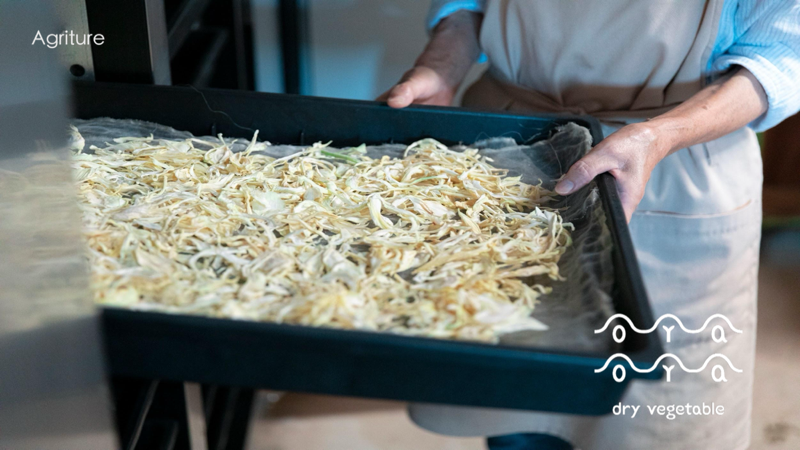
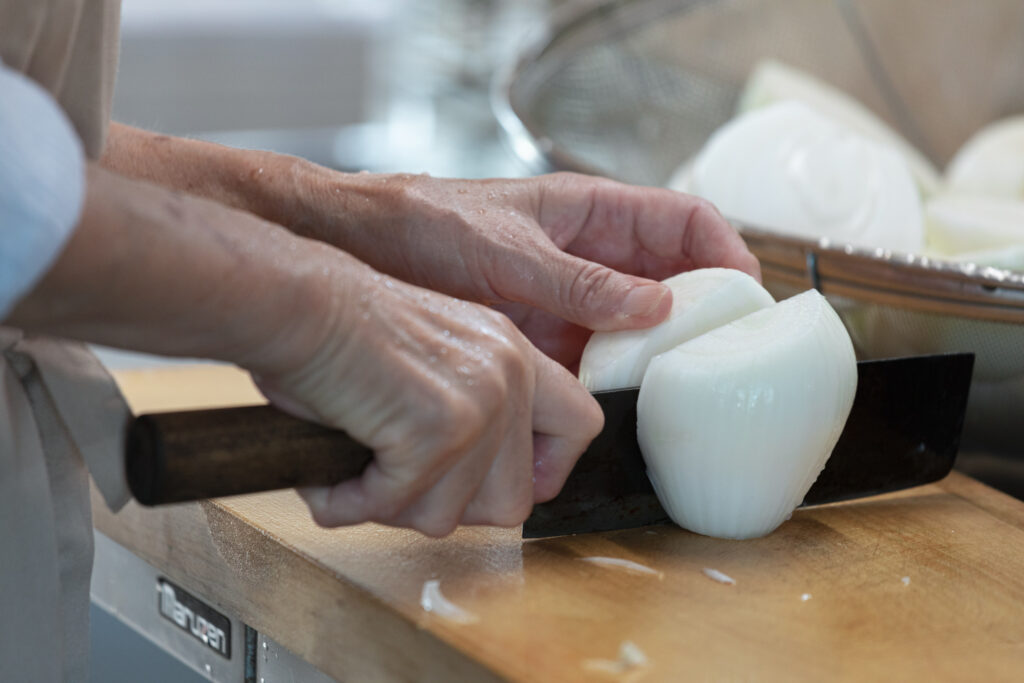
When the job is drying, no third party is needed. Cutting, drying, milling all happen in our own facility in Kyoto prefecture.


Takii & Co. · dried series
We made dried vegetables from varieties in Takii’s Phytorich series, among them Kyo Kurenai carrot, Frutica tomato, Benten-maru spinach.
Project page (Japanese)
Kubota · farm collaboration
A collaboration with Kubota Beppin Farm. Tomatoes grown at a Kubota group farm were dried by us for the company’s internal use.
Project page (Japanese)How it runs
What it is, roughly how many, the market it is for, anything already decided. A reference product you like is often the fastest brief.
The plants that fit, what each is good at, where each will push back. If nobody in Japan will make it at your quantity, you get that answer instead.
We make the introduction, then stay in the conversation. Specifications & samples move through us until the spec is agreed.
The manufacturing contract is between you & the plant. We stay in the conversation for as long as it is useful.
Categories
The directory covers the whole food industry. These are the categories that come up most from outside Japan, each marked with who would make it.
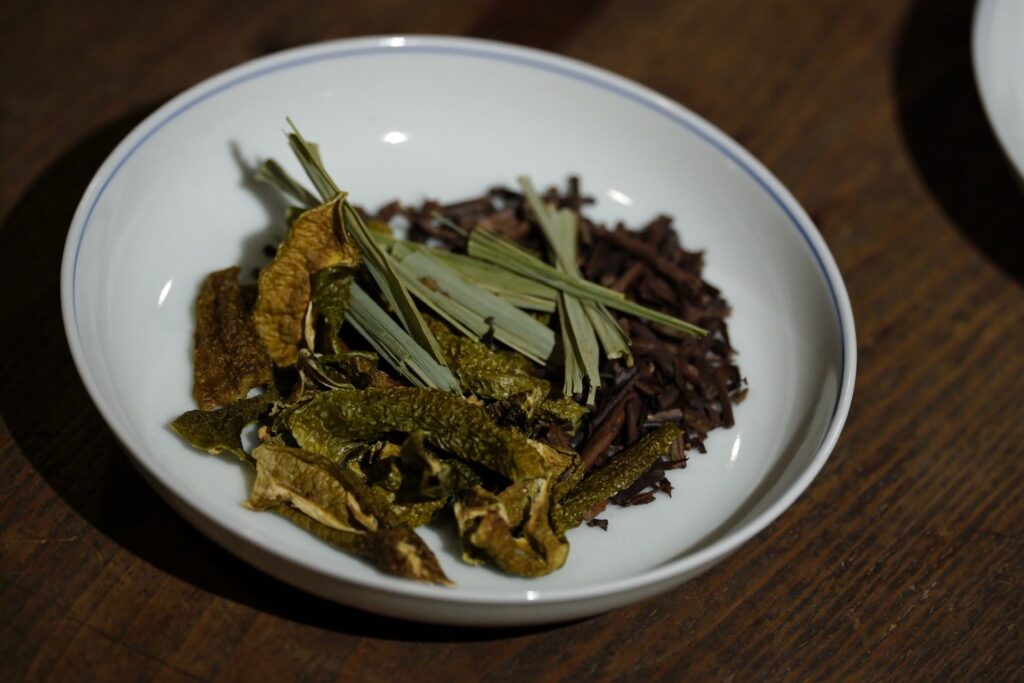
| Tea & coffeeOur own line | Tea blends under your brand, vegetable & fruit teas, drip bag coffee (the beans are roasted by a partner roaster). Private label tea. |
|---|---|
| Dried & powderedOur own line | Dried vegetables & fruit, vegetable powders, weighed mixes, filling into retail bags. Ingredients, contract packing. |
| ConfectioneryAnother plant | Wagashi, baked goods, chocolate, senbei rice crackers, candy. |
| Sauces & seasoningsAnother plant | Soy sauce, miso, ponzu, dressings, curry, retort pouches, furikake, instant soup. |
| Noodles & staplesAnother plant | Ramen, udon, soba, rice products. |
| Drinks & supplementsAnother plant | Bottled drinks, powdered drinks, capsules, jelly sticks. Anything liquid, anything in glass, goes to another plant. |

Not listed is not the same as not possible. Tell us the product; we will tell you straight whether we know someone.
Said up front
We do not buy your goods to resell them to you. Where another plant makes the product, you contract with that plant.
The work ranges from one introduction to carrying the whole Japanese side for months, so there is no published rate. We tell you what we would charge before you commit.
A Japanese manufacturer with no spare capacity will decline a good project from a good brand. We get you a real answer quickly, which is not the same as a yes.
Our own line starts at 500 bags; many plants start far higher. If your first run is a few hundred units, say so at the start.
Goods are handed over inside Japan. Export freight, customs clearance, product registration in your market: all of it sits with you, through your broker.
Organic, halal, kosher: certification depends on the plant, not on us. We tell you which plant holds what, rather than imply a blanket answer.
FAQ
Tell us the project; we will tell you how we would charge for it before you commit to anything. It depends on how much of the Japanese side you want us to carry. We would rather scope that honestly than publish a number that fits nobody.
You can. For some projects you should. It works when you already know which plant you want, with someone there who reads English. It works badly when you are choosing between companies you cannot evaluate, in a language you do not read, on terms that are not written down anywhere.
foodoem.jp lists more than 470 Japanese food manufacturers. We have worked directly with a much smaller number than that. We will tell you which group a given company falls into rather than imply we know everyone personally.
For products that run on our own line, yes, including the recipe. For products that do not, we coordinate while the development happens with the plant. Either way you have one person to talk to in English.
Then we say so early, with the quantity that would change the answer. Plenty of overseas projects stall because nobody was willing to say this at the start.
Yes. We also ask the manufacturers to sign one before your specification goes to them. Send us yours, unless you would rather sign ours.
For brands outside Japan
 Contract packingFill, seal & label retail bags from 500 bags, with the rate card published.Open
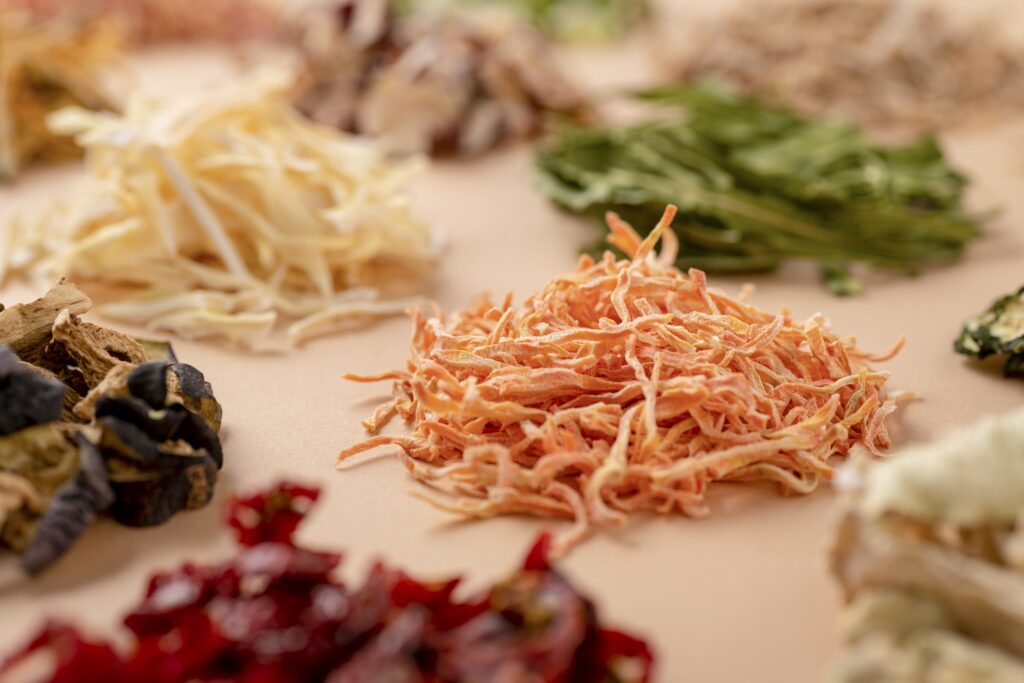 Japanese ingredientsYuzu, shiso, sansho, shiitake, dried by us. Tea & wagashi ingredients, sourced. From 1 kg per item.Open
 Private label teaTea under your brand: crops we dry, blended on a Japanese tea base.Open
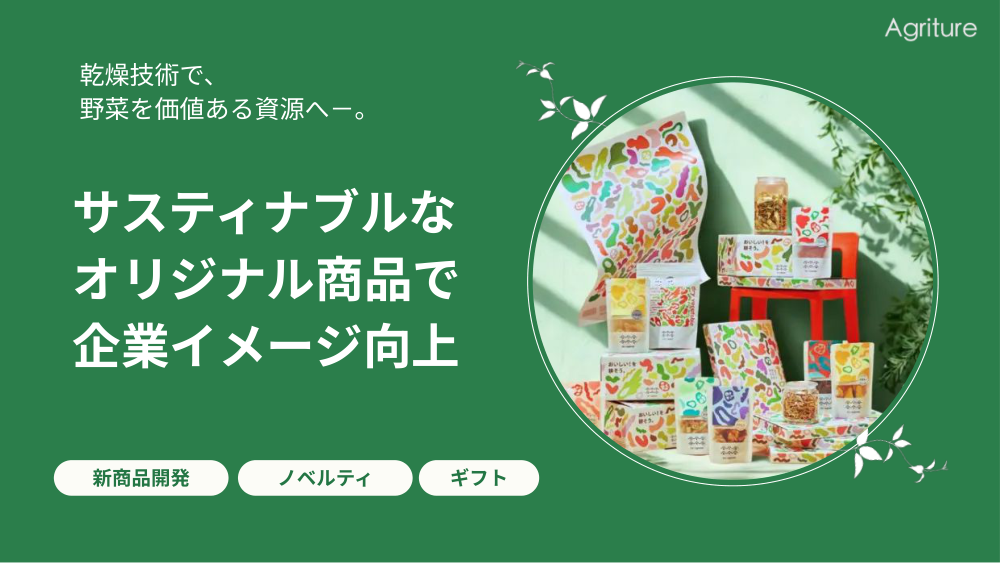
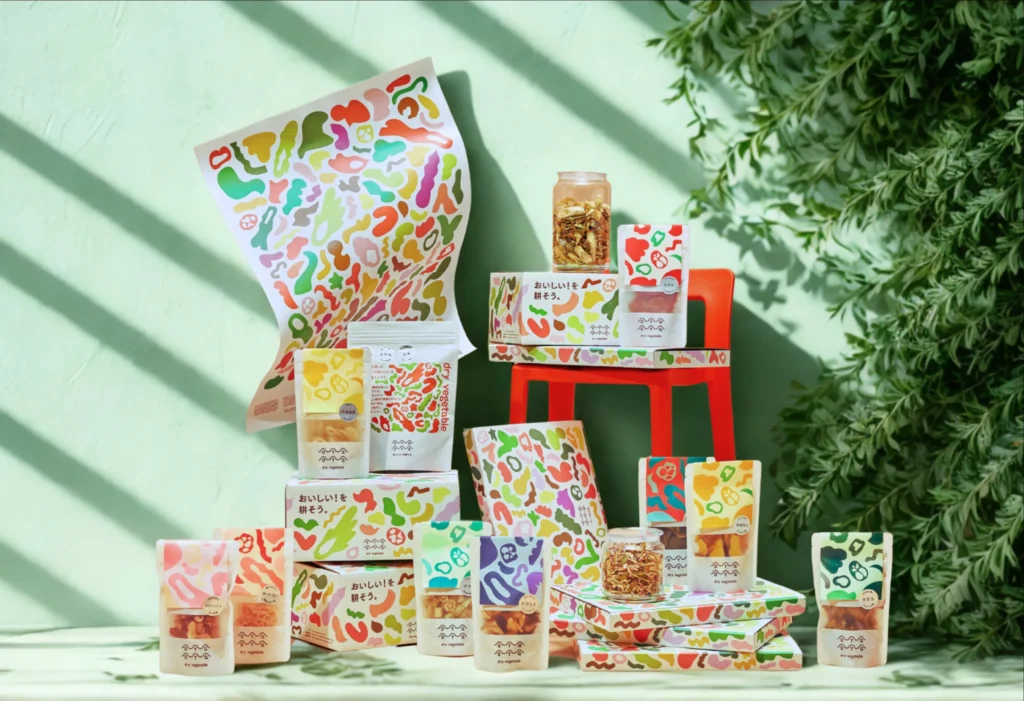 Corporate giftsKyoto vegetables & Japanese fruit, packed under your name from 500 units.Open
Who you are dealing with
Guides
Written for the questions that reach us by email every week.
The product, a rough quantity, the market. WhatsApp reaches us fastest. We answer in English.
Enquiry
WhatsApp is faster. This form reaches the same desk. We reply in English within Japanese business hours (UTC+9).
Message us on WhatsAppAgriture Inc., 294 Tamatsushima-cho, Shimogyo-ku, Kyoto, Japan
The form is our standard one, so its labels are in Japanese. Write the message in English. Tell us the product, roughly how many units, then the market it is for.